
Yes, you can grow gilded ginger, but the answer depends heavily on what you mean by the term and where you live in the U.S. If you're thinking of a warm-toned ornamental ginger in the Hedychium family (like the golden-flowered Hedychium 'Molten Gold'), you can grow it outdoors year-round in USDA Zones 7 through 10, and in containers anywhere else. If you stumbled onto this term thinking it meant a special culinary ginger variety, that's a different plant entirely (Zingiber officinale), and the growing advice diverges quickly. Let's sort it out and get you started.
Can You Grow Gilded Ginger? How to Grow It Anywhere

Marcus Petersen
21 May 2026
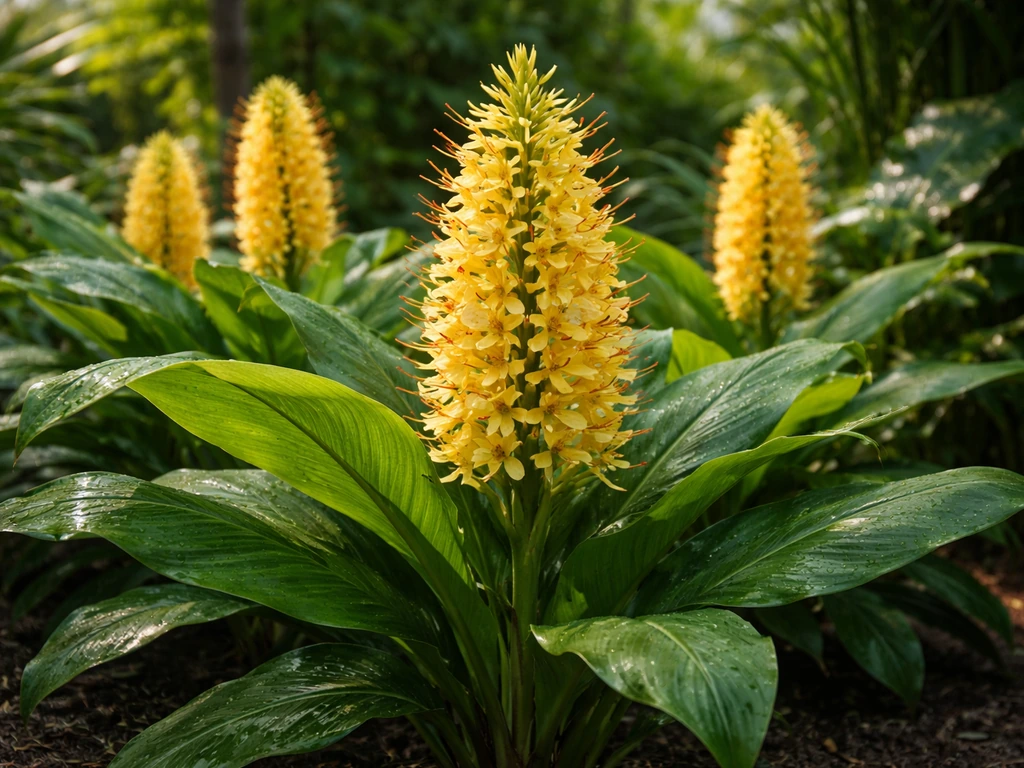
What 'gilded ginger' actually refers to
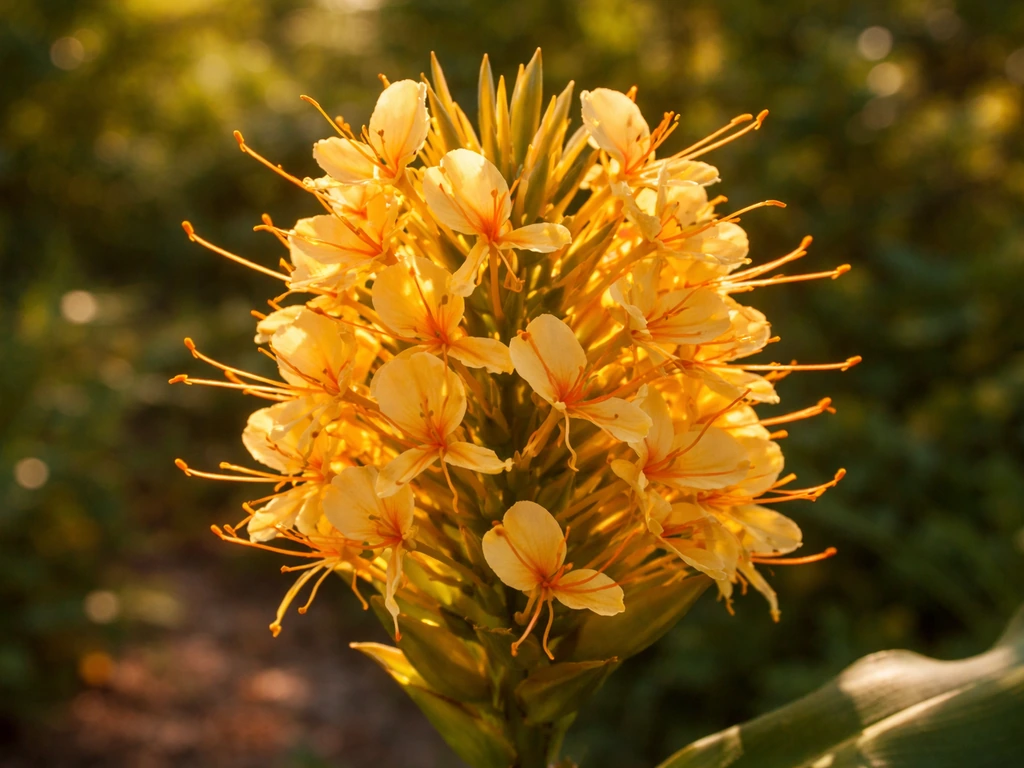
The term 'gilded ginger' isn't a fixed botanical name. It floats around in plant descriptions and marketing copy to evoke warmth, golden tones, or richness, and it typically points to ornamental gingers in the genus Hedychium rather than the kitchen staple Zingiber officinale. Hedychium is a genus of flowering plants in the Zingiberaceae family (the same family as culinary ginger), but these are grown for their showy, often fragrant flower spikes and lush tropical foliage, not for their rhizomes in cooking.
The most likely candidates when someone searches for 'gilded ginger' are cultivars like Hedychium 'Molten Gold' or related golden-flowered ginger lilies. You might also see Hedychium gardnerianum (kahili ginger) or Hedychium coronarium (white butterfly ginger) labeled under the ornamental ginger umbrella. These are sometimes called ginger lily, garland lily, or hardy ginger lily depending on the seller and region. The practical distinction that matters most: ornamental Hedychium is grown for flowers and foliage, culinary Zingiber officinale is grown for edible rhizomes. If you want to cook with it, you're in different territory.
When you buy a plant, always check the botanical name on the label. A tag that says Hedychium with a cultivar name means you're getting an ornamental. A tag that says Zingiber officinale means culinary ginger. This matters because their cold hardiness, growth habits, and care needs are noticeably different.
Can you grow it where you live?
For most Hedychium types, the outdoor sweet spot in the U. It can be grown in parts of Europe, but success depends on staying warm enough for ornamental Hedychium and using protection or containers in cooler regions does ginger grow in europe. S. is Zones 7 through 10. Zone 7 gardeners can grow Hedychium gardnerianum outdoors with a thick mulch layer and some protection, since it can handle down to around 5°F (-15°C) with cover. Hedychium coronarium is a bit more tender and does best in Zones 8B through 11, so that rules out outdoor overwintering for most of the Southeast north of coastal Georgia and the Gulf Coast states, most of California, and Hawaii. Zones 5 and 6 can absolutely grow ornamental ginger but realistically need to treat it as a container plant that comes indoors before frost.
| USDA Zone | Outdoor Planting Feasibility | Overwintering Approach |
|---|---|---|
| Zone 10–11 | Fully hardy, no protection needed | Stays in ground year-round |
| Zone 8B–9 | Hardy with minimal protection | Mulch heavily; most survive in ground |
| Zone 7–8A | Hardy Hedychium types only; borderline for H. coronarium | Deep mulch after frost kills foliage; dig if unsure |
| Zone 5–6 | Not reliably outdoor-hardy | Grow in containers; bring indoors before first frost |
| Zone 4 and colder | Not feasible outdoors | Containers only; treat as a houseplant or seasonal patio plant |
If you're in a warm state like Florida, coastal Texas, Louisiana, or Southern California, you're in the ideal band. If you are asking where ginger grows in the US for this type, start by matching your local climate and USDA zone to the outdoor sweet spots where does ginger grow in the us. The Pacific Northwest can work in Zone 8 areas west of the Cascades. The upper South (Tennessee, North Carolina piedmont, Virginia) sits in that borderline Zone 7 range where hardy Hedychium cultivars survive with care. Anyone in the Midwest, Northeast, or Mountain West is a container grower unless you have a very protected microclimate in Zone 7.
What to buy and where to get it
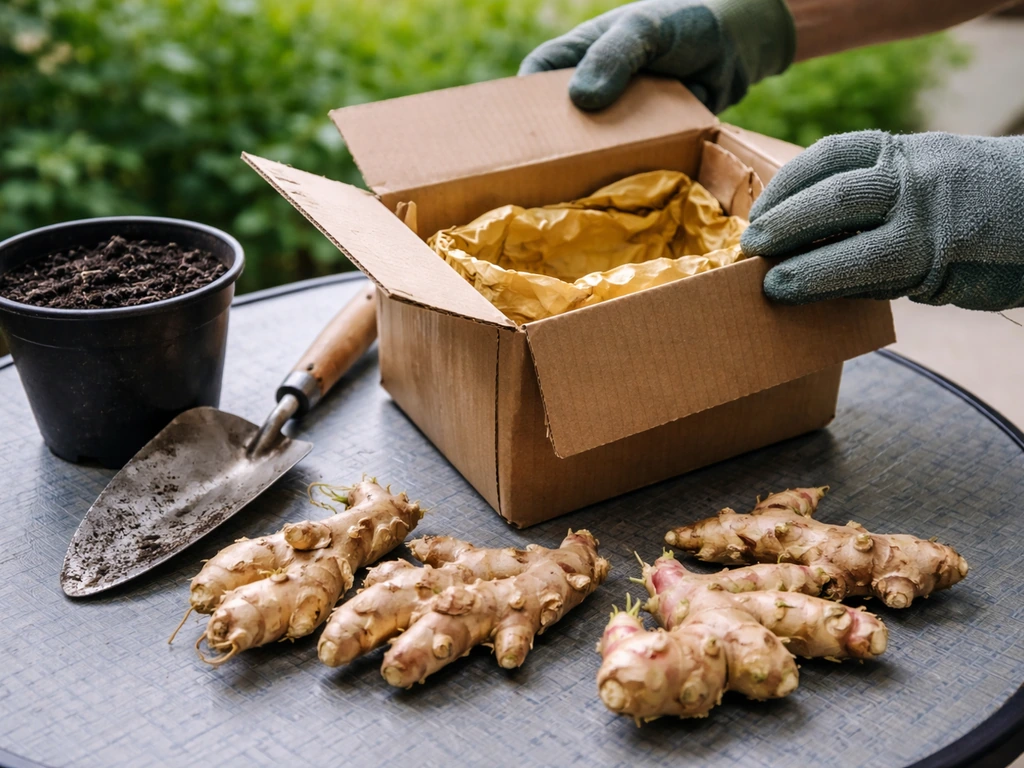
Ornamental ginger is almost always propagated from rhizome divisions, not seed. Rhizome divisions establish faster and bloom sooner than seed-grown plants, so skip seeds if you find them. You have three realistic options for sourcing.
- Rhizomes from a specialty mail-order nursery: This is the most reliable route for named cultivars like Hedychium 'Molten Gold'. Specialty perennial nurseries ship rhizomes in spring, packed carefully to survive transit. Look for a botanical name on the listing, not just 'gilded ginger' or 'ornamental ginger.'
- Potted starts from a local nursery: If you have a good independent nursery nearby, especially in warmer zones, you may find potted Hedychium starts in spring. These establish quickly and you can verify what you're getting before you buy.
- Divisions from a gardening neighbor or plant swap: Hedychium spreads by rhizome and establishes in clumps. A friend in Zone 8 or 9 can hand you a division in spring and you're off. This is free and often the fastest path to a blooming plant if you know the right people.
Avoid vague online listings that just say 'ginger root' without specifying species. You might end up with culinary Zingiber officinale from a grocery store supplier, which is a perfectly fine plant but a different growing project. Confirm the genus before you pay.
Planting: soil, light, spacing, and watering
Soil prep
Hedychium wants rich, moist, well-draining soil. The combination of moisture retention and drainage sounds contradictory but it's the key: these plants like consistent moisture but will rot quickly in waterlogged conditions. Work in plenty of compost or aged organic matter before planting. If your soil is heavy clay, amend it seriously or plant in raised beds. For containers, use a potting mix cut with perlite or coarse sand (about 20-30% amendment by volume) to keep things draining while holding some moisture.
Planting depth and orientation
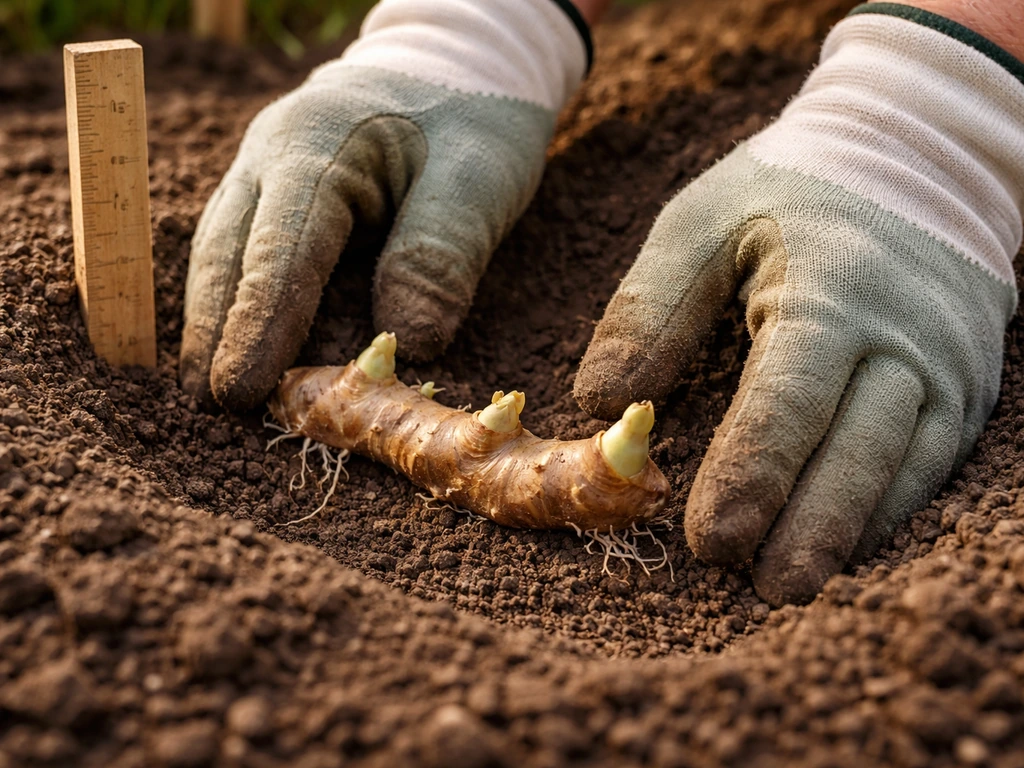
Plant rhizomes about 2 to 4 inches deep (5 to 10 cm), oriented horizontally with the buds or eyes facing upward. This is non-negotiable: upside-down rhizomes stall badly. In containers, put a drainage layer at the bottom of the pot (coarse gravel works), then your amended mix, then the rhizome. For container sizing, go with a pot at least 16 inches (about 40 cm) in diameter. Hedychium spreads laterally as it matures and cramped pots stunt growth and reduce flowering.
Light
Full sun to partial shade works well outdoors. In hotter Southern zones, afternoon shade protects the foliage from scorching and keeps moisture demand more manageable. In Zone 7 or in the Pacific Northwest, give it as much sun as possible to maximize bloom. Indoors, a bright south- or west-facing window is your best bet, though flower production will be limited compared to outdoor-grown plants.
Spacing and watering
Space in-ground plants about 2 to 3 feet apart to allow for spread. Water well after planting and keep the soil consistently moist through the growing season. During hot, dry summers, that can mean watering every 2 to 3 days. But avoid letting the pot or bed sit in standing water. The rhizome rot risk is real and fast: soggy conditions plus warm temperatures are a quick path to failure. Reduce watering significantly when plants go dormant in fall.
Care through the season
Fertilizing
Feed with a balanced fertilizer during the growing season. A 10-10-10 or 20-20-20 formula applied every 2 to 3 weeks from spring through midsummer gives plants what they need to push growth and build toward blooming. Stop feeding once you're in late summer heading toward dormancy. Feeding in fall or winter when plants aren't actively growing wastes fertilizer and can stress the roots.
Mulching
Mulch is your best friend for in-ground Hedychium, especially in Zone 7 and 8. After frost kills the foliage in fall, leave the dead foliage in place for a bit (it acts as insulation), then either remove it and replace with a 4 to 6 inch layer of shredded leaves or bark mulch, or just leave the collapsed foliage as is. The goal is to protect the rhizomes from freeze-thaw cycles. In warmer zones, mulching year-round helps with moisture retention and weed suppression.
Pests and diseases
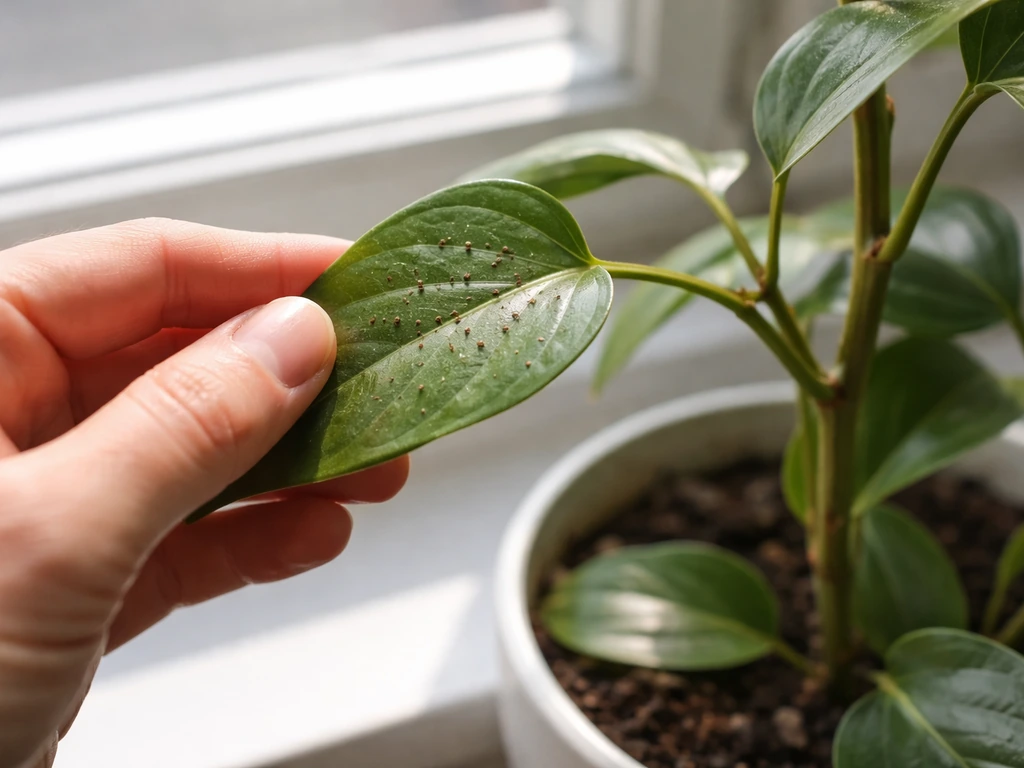
The two biggest pest concerns, especially when plants are overwintered indoors, are scale insects and spider mites. Scale shows up as small brown bumps on stems, and spider mites show as fine webbing and stippled leaves. Both thrive in dry indoor conditions. Check plants regularly when they're inside and treat with insecticidal soap or neem oil at first sign. Outdoors, these are less problematic but still worth monitoring.
On the disease side, root rot from Pythium and Phytophthora is the main killer. Both are oomycete pathogens that explode in waterlogged, poorly drained conditions. There's no easy cure once root rot takes hold, so prevention through drainage and careful watering is everything. If you see yellowing leaves paired with mushy stems at the base, root rot is the likely culprit.
Overwintering: what to do in fall
In Zones 8 through 10, most Hedychium varieties stay in the ground with mulch protection. In Zone 7, hardy types like H. gardnerianum can survive in-ground but benefit from heavy mulch and a protected microclimate near a south-facing wall. In Zones 6 and colder, dig the rhizomes after frost kills the foliage, shake off loose soil, let them dry briefly, and store them in a cool basement or garage in barely damp peat or vermiculite. Aim for storage temps around 40 to 50°F. Replant in spring after frost danger has passed.
Container growers have it simpler: just move the pot indoors before the first hard frost. Cut back dead foliage, reduce watering to almost nothing through winter, and keep the container somewhere cool but frost-free. Don't let the pot freeze solid. Resume normal watering in late winter to early spring as growth restarts.
What success actually looks like: ornamental vs culinary expectations
If you're growing ornamental Hedychium gilded ginger types, the payoff is the flower display and the tropical foliage, not something you'll use in the kitchen. Expect 120 to 150 days from planting rhizomes to first blooms, depending on cultivar and conditions. The flower spikes are the star: dense, fragrant, and often 12 inches or taller on mature plants. Hedychium 'Molten Gold' and similar warm-toned cultivars bloom in late summer into early fall. The foliage is lush and architectural all season, which earns its place in the garden even before the flowers arrive.
Culinary ginger (Zingiber officinale) is a separate growing project if that's what you're after. The harvest is the rhizome itself, dug after the plant dies back in fall. If someone sold you 'gilded ginger' as a kitchen ingredient, verify the species name and check out specific culinary ginger guides for your region, since the growing requirements and harvest timing differ from ornamental types.
When it won't grow: solving the most common problems
Rhizome not sprouting
Slow sprouting is the most common frustration. Hedychium rhizomes are temperature-sensitive at the start: they need soil temps of at least 60 to 65°F before they'll reliably push shoots. If you planted early in cold soil, just wait. Don't keep adding water thinking that helps. Wet cold soil is exactly the environment that causes rot before sprouting. If you're 6 weeks in with no sign of growth in soil that's been warm, dig the rhizome carefully and check: firm and intact means still viable, just slow; soft and mushy means rot has set in.
Rhizome rot
Rotting rhizomes are almost always a drainage or overwatering issue. I've killed plenty of container Hedychium by letting pots sit in saucers of water, thinking I was being helpful in hot weather. The rhizomes go soft and the plant collapses. If you catch it early, you can sometimes cut off the rotted portion, dust the cut with powdered sulfur or a fungicide, let it dry for a day, and replant in fresh well-draining mix. But honestly, prevention is far easier than treatment. Never let pots sit in standing water and make sure in-ground sites drain within an hour after heavy rain.
Cold damage
If frost gets to the rhizomes before you've mulched or moved containers indoors, you'll see blackened, mushy rhizomes in spring. In borderline zones, don't wait for a hard freeze to act. As soon as nighttime temps are consistently below 40°F, it's time to either mulch heavily or bring containers in. If you dig up cold-damaged rhizomes, cut away the soft portions, look for firm growth nodes, and try to salvage what's intact.
Yellowing leaves
Yellow leaves during the growing season usually point to one of three things: overwatering and root issues, nutrient deficiency (especially if the yellowing is between the veins), or natural dormancy starting in fall. Check your watering habits first. If soil is soggy, back off. If drainage looks fine, try a balanced fertilizer application. If it's late summer going into fall and the whole plant is yellowing uniformly, that's normal dormancy and not a problem.
Container failures
The most common container mistake is using a pot that's too small or a mix that compacts over time. If your plant is growing slowly, producing fewer and fewer shoots each year, or drying out within a day of watering, it likely needs a bigger pot and fresh mix. Repot every 2 to 3 years in spring, dividing the rhizome clump if it's gotten dense, and refreshing the potting mix entirely. This also gives you free divisions to share or start new containers.
Bottom line: gilded ginger (assuming you're working with a Hedychium type) is worth growing if you're in Zone 7 or warmer and you're willing to do the drainage homework upfront. In colder zones, it's a committed container project but absolutely doable. Get the botanical name right before you buy, plant into warm soil with good drainage, keep moisture steady but not soggy, and you'll have a genuinely striking plant that rewards patience with some of the best late-summer flowers in a tropical-style garden.
FAQ
Can I use gilded ginger that I grow in cooking? (Is it edible?)
Yes, but only if the plant you bought is an ornamental Hedychium. Culinary ginger (Zingiber officinale) is grown and harvested very differently, and its rhizomes are the edible part. If you want flowers and tropical foliage, you cannot reliably treat Hedychium rhizomes as a kitchen crop.
Why won’t my gilded ginger sprout after planting?
It’s usually slower than people expect because rhizomes need warm soil to break dormancy. Aim for consistent soil temps above about 60 to 65°F after planting, then wait. If the rhizome is still firm after gently checking at around 6 weeks, it’s often just starting late rather than failing.
My rhizomes are soft, what should I do?
If your soil stays wet, the problem is most likely rot rather than “underfeeding” or “not enough sun.” Check drainage first: in-ground beds should drain within roughly an hour after heavy rain. For containers, never let water sit in a saucer, use a mix with added coarse material (perlite or sand), and ensure the pot has good holes.
How can I confirm which plant I actually have when it’s sold as gilded ginger?
“Gilded ginger” can mean different genera, and that’s why labels matter. If the tag says Hedychium (often with a cultivar like Molten Gold), it’s ornamental and cared for as a flowering ginger lily. If it says Zingiber officinale, it’s culinary ginger, with a different cold tolerance and harvest timing.
What are the most common problems when growing it indoors?
Indoors, the biggest issue is dry air encouraging mites and scale, plus overly wet soil in low light. Keep the plant in bright light, water only when the mix is partly dry, and use a fan or mild airflow. If you see webbing or stippled leaves, treat early with insecticidal soap or neem, repeating as directed until symptoms stop.
Can I grow gilded ginger from seed, or is rhizome division better?
Hedychium is rhizome-based, but you should not expect it to behave like a true “garden bulb.” If your goal is faster blooms, prioritize rhizome divisions from a known cultivar. Seed is slower and often more variable, and bloom timing can be years rather than a single season depending on how the seedling is grown.
In Zone 7, will it truly survive outdoors, and what protection is essential?
Treat it as “mostly hardy within the right window.” Zone 7 can work with specific cultivars and extra protection, but you must prevent freeze-thaw damage and avoid soggy winter soil. A south-facing microclimate, thick mulch after foliage dies back, and not disturbing the rhizomes in mid-winter make the difference between survival and loss.
Can I grow gilded ginger in a container and leave it outdoors all season?
Yes, if your container is large enough and the soil drains well. A practical approach is to move the pot indoors before the first hard frost, cut back dead foliage, keep it near cool frost-free conditions, and water sparingly so the mix does not stay wet. Resume regular watering and feeding only after you see growth restarting.
Are yellow leaves always a sign of a problem?
Yellowing can be normal as it heads into dormancy, especially if the whole plant turns yellow uniformly in late summer or fall. If only lower leaves yellow while the soil stays wet, suspect root stress or rot. If the yellowing pattern is more pronounced between veins, consider a nutrient gap and support with balanced fertilizer during active growth.
How do I know when my container plant needs repotting?
Yes, and it’s often overlooked. A pot that’s too small can cause stunted shoots, fewer flower spikes, and rapid drying, which then increases mite risk indoors. Repot in spring every 2 to 3 years, move up a pot size, refresh the mix completely, and consider dividing a dense clump.
Next Articles
What Can You Grow on Ginger Island? Crop Guide
Best crops for Ginger Island, including giant crop rules, planting windows, and what to grow for yield or ease.
Can You Grow Black Pepper in the US Where and How
Learn where black pepper can be grown in the US and how to grow it indoors or in warm zones for fruit.

Can You Grow Capers in the US? Regional Guide for Home Gardeners
Regional guide to growing caper plants in the US, choosing cultivars, meeting soil and climate needs, and harvesting bud