
Yes, you can grow cinnamon in Texas, but with a big asterisk attached. In South Texas and along the Gulf Coast (zones 9b to 10b), true cinnamon has a realistic shot at surviving outdoors year-round. Everywhere else, including most of Central Texas, the Hill Country, North Texas, and anything above zone 9a, you're looking at a container plant that comes indoors for winter. The freeze risk is the main obstacle, not the heat or the sun. Get that part right and you can genuinely grow a cinnamon tree at home in Texas.
Can You Grow Cinnamon in Texas? How to Plant, Care, and Decide

Marcus Petersen
15 May 2026
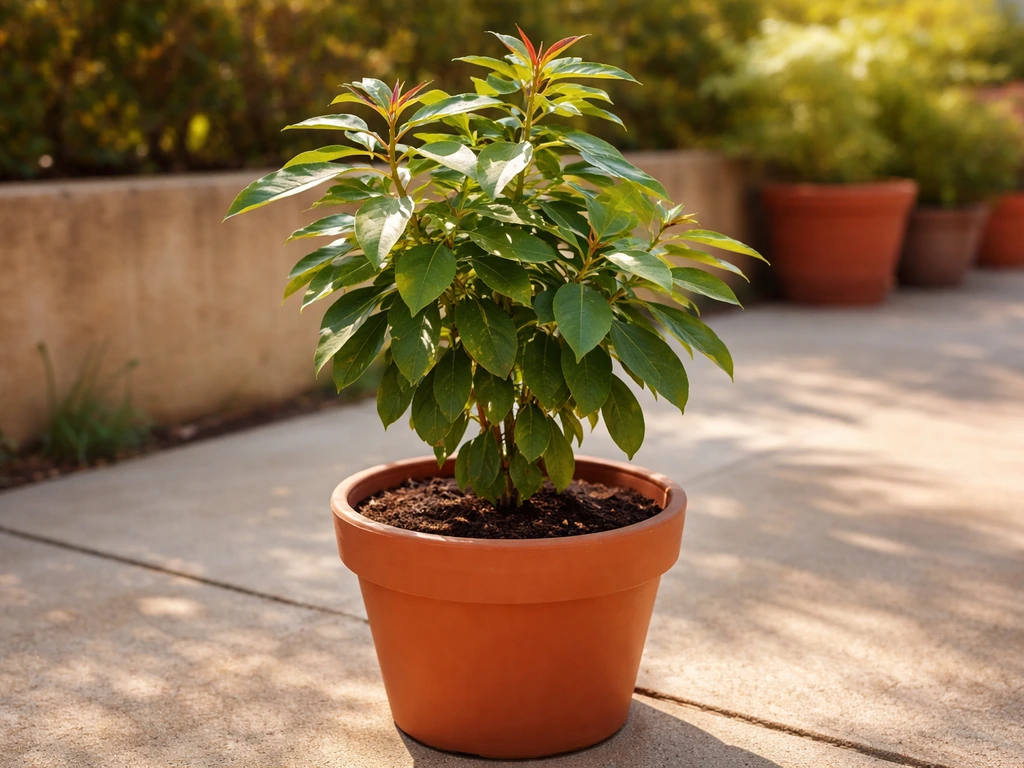
Which cinnamon plant you actually need
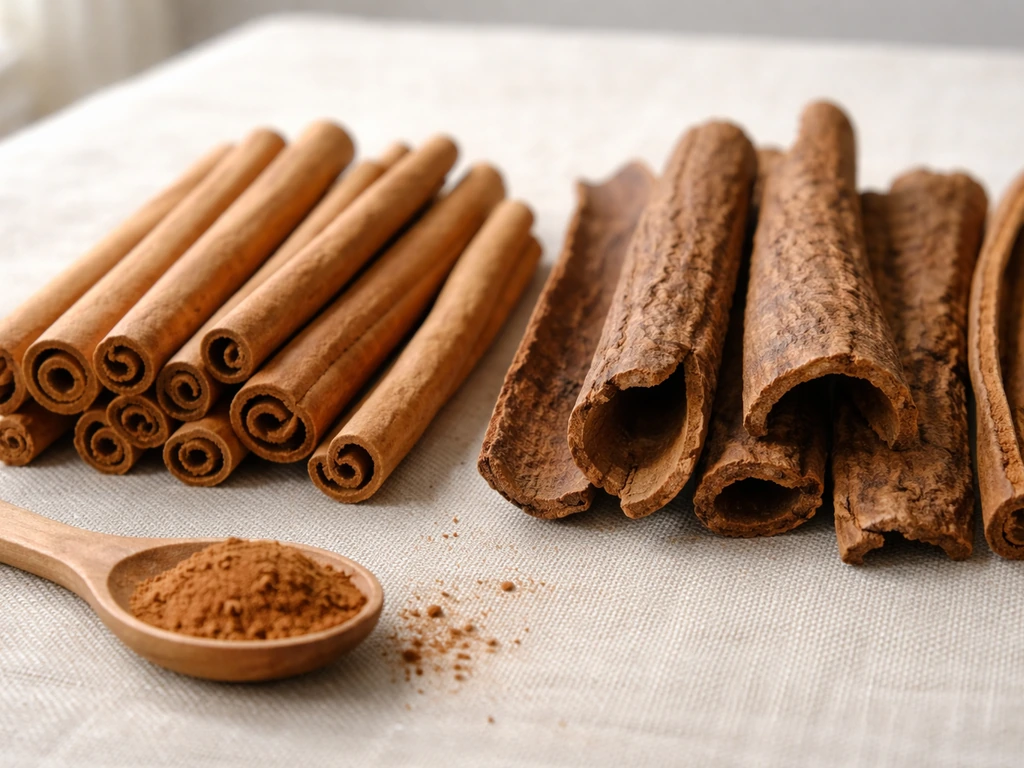
Before you buy anything, get clear on the species. Real cinnamon, the kind that produces the spice you know, comes from the inner bark of Cinnamomum verum, also called Ceylon cinnamon or true cinnamon. It's native to Sri Lanka and is a tropical evergreen that wants warmth, humidity, and no hard freezes. That's the plant this guide is about.
The cinnamon powder sold in most U.S. grocery stores is actually cassia (Cinnamomum cassia), a related species from China with a sharper, more pungent flavor. Indonesian cinnamon (Cinnamomum burmannii) is another common commercial stand-in. Both are in the same genus and have similar growing requirements, but neither is true cinnamon. If your goal is to harvest bark that tastes like what you'd find in a Mexican grocery or a specialty spice shop, you want Cinnamomum verum. If you just want a cinnamon-adjacent plant that's slightly more forgiving, cassia or Indonesian cinnamon can work too, though the cultivation process is basically the same.
How Texas climate matches up with what cinnamon needs
Cinnamon verum is fussy about one thing above all else: cold. It wants an average temperature around 27°C (roughly 80°F) and is described in cultivation guides as needing a warm, wet climate with no extremes of heat or cold. That last part sounds like a contradiction in Texas, where 'no extremes' is almost a joke. But here's the nuance: cinnamon handles Texas summer heat better than most people expect, especially with afternoon shade. What it cannot handle is a hard freeze at the root crown.
Texas spans USDA hardiness zones 6a up through 10b, which is a huge range. Brownsville and the Rio Grande Valley sit comfortably in zone 9b to 10b and rarely see frost. Houston and Corpus Christi are zone 9a, which means occasional freezes but rarely sustained cold. Austin is zone 8b, San Antonio is 8b to 9a depending on the neighborhood, and Dallas is zone 8a. North and West Texas can drop into zones 7 and 6, which are outright hostile to cinnamon outdoors.
Beyond cold hardiness, cinnamon wants full sun to partial shade (6 or more hours of direct light works well), good humidity, and well-draining, slightly acidic soil. Texas Gulf Coast humidity actually helps here. Inland and West Texas are drier, which means you'll need to compensate with irrigation and possibly misting or grouping plants together. For soil, target a pH in the 5. ForwardPlant recommends targeting slightly acidic soil for true cinnamon, with a pH range around 5.5 to 6.5 blank" rel="noopener noreferrer">well-draining, slightly acidic soil. 5 to 6.5 range. Sandy loam with good drainage is ideal. Heavy clay or compacted soil that holds water around the roots will cause problems fast.
Starting your cinnamon plant: seeds, cuttings, or nursery starts
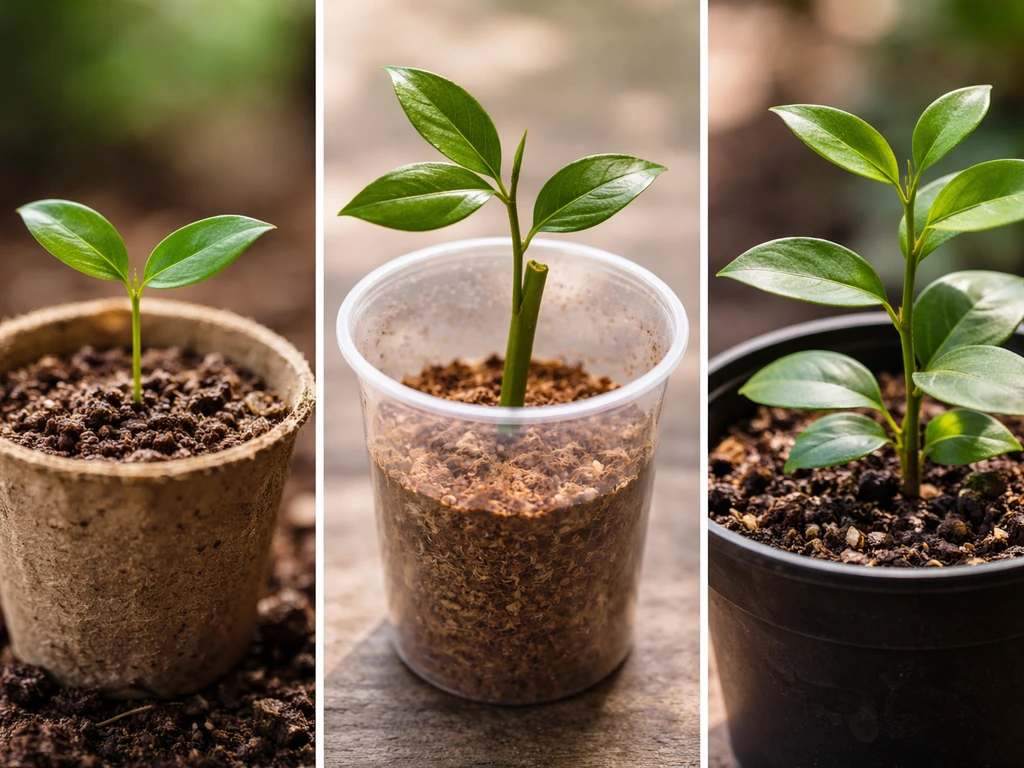
Let me save you some frustration upfront: seeds are the hardest route. Cinnamon fruit set is notoriously low even in optimal conditions. Studies from Sri Lanka show hand pollination achieves only about 8% fruit set, with insect pollination closer to 4%. If you do find fresh seeds (they lose viability quickly once dried), they need to be sown immediately in warm, moist conditions. Germination can take four to six weeks under ideal conditions, and you'll lose a fair number along the way. I'd only go the seed route if you find fresh seeds locally and want the experiment.
Semi-hardwood cuttings are more reliable than seeds but still tricky. Take 6 to 8 inch cuttings from healthy growth, dip the cut end in rooting hormone, and plant in a mix of perlite and peat. Keep them warm (ideally above 70°F), humid, and out of direct sun until roots develop, which can take six to ten weeks. Misting regularly and covering with a humidity dome helps a lot.
Honestly, for most Texas home gardeners, buying a nursery-started plant is the most practical entry point. Specialty tropical nurseries, online retailers focused on rare fruit and spice trees, and some local nurseries in South Texas or Houston will carry Cinnamomum verum starts. You're paying for months of someone else's work getting it established, and that's worth it. Look for a plant that's at least 12 to 18 inches tall with healthy, glossy, dark green leaves. Avoid anything pale, leggy, or showing signs of root stress.
Container vs. ground planting: which is right for your zone
This is the decision that determines whether your cinnamon tree survives long-term. Here's a straightforward way to think about it based on your Texas zone:
| Texas Zone | Region Example | Best Approach | Winter Risk |
|---|---|---|---|
| 10a–10b | Brownsville, McAllen | In-ground, year-round | Very low |
| 9b | South Padre, Lower Gulf Coast | In-ground with frost cloth available | Low to moderate |
| 9a | Houston, Corpus Christi | In-ground with frost protection plan | Moderate |
| 8b | San Antonio, Austin | Large container, bring inside during freezes | High |
| 8a and below | Dallas, Waco, Hill Country | Container only, indoor overwinter | Very high |
If you're in zone 9a or warmer, you can plant in the ground and manage freeze events with frost cloth and mulch. In zones 8b and colder, containers are the only realistic path unless you have a greenhouse. Use a large container (15 to 25 gallons gives the roots room to develop) with excellent drainage holes. Fill it with a mix that's one part quality potting mix, one part perlite or coarse sand, and a bit of peat or pine bark fines to keep the pH acidic.
The critical container warning: roots in pots have far less insulation than roots in the ground. Root cold tolerance for tender tropicals is generally around 10 to 15°F, and once the soil in your pot hits that range, you can lose the plant overnight even if the top looks fine. When temperatures are forecast to drop below 35°F, move container-grown cinnamon to a sheltered garage, bright indoor spot, or heated greenhouse. Don't leave it outside and hope for the best. This matters most in Austin, the Hill Country, and anywhere north.
Year-round care in Texas
Watering
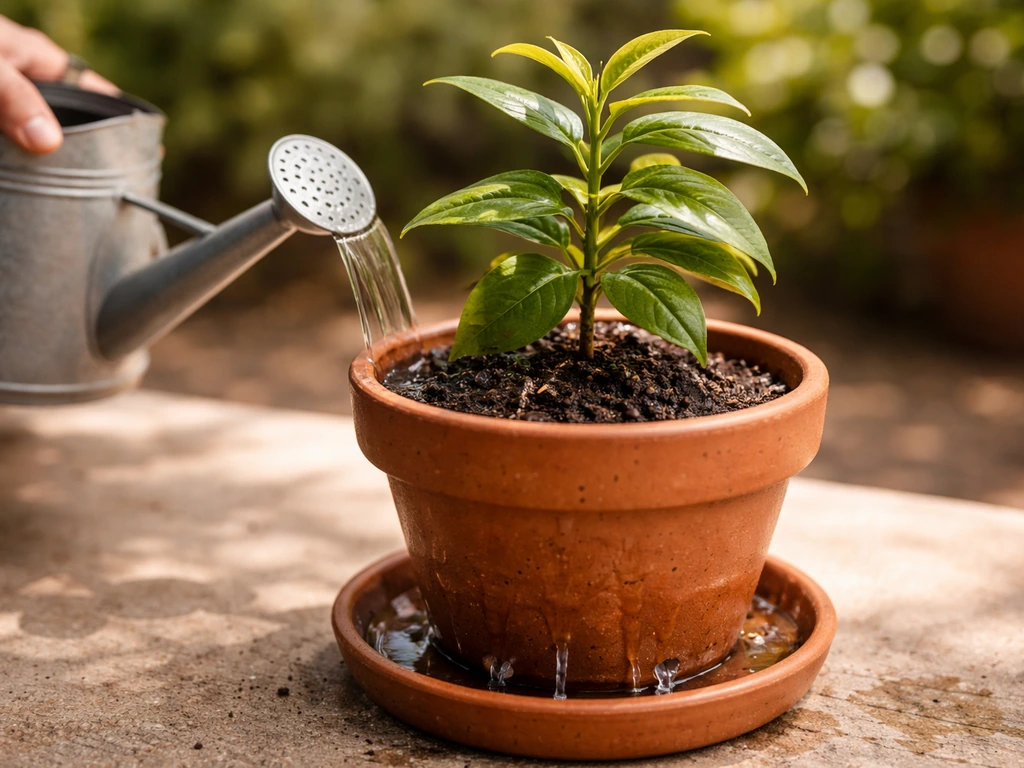
Cinnamon wants consistent moisture but absolutely cannot sit in waterlogged soil. During Texas summers, that often means watering every two to three days for containers and one to two times per week for in-ground plants, depending on rainfall. Check the top inch of soil: if it's dry, water thoroughly. In winter, scale back significantly, especially for plants that have been moved indoors. Overwatering a dormant or cold-stressed cinnamon plant is a fast way to lose it to root rot.
Fertilizing
Feed with a balanced, slightly acidic fertilizer (something formulated for tropicals or acid-loving plants works well) during the growing season, roughly March through September in Texas. A slow-release granular applied every 60 to 90 days is low-maintenance. Stop fertilizing in October and don't resume until you see new growth pushing in spring. Pushing growth into late fall in Texas is risky because young growth is more vulnerable to the cold snaps that show up in November and December.
Pruning and the coppicing mindset
Commercial cinnamon is harvested using a coppicing system: the tree is cut back hard, the new shoots that sprout from the base are allowed to grow for about two years, and then those shoots are harvested for their bark. At home, you can mimic this on a small scale. Light pruning encourages bushier growth and more shoots from the base. Don't be afraid to cut back leggy growth, especially after bringing the plant back outside in spring. The plant resprouts reliably from established roots.
Pollination and flowering
A home-grown cinnamon plant may flower eventually, but don't expect much from pollination. The small flowers are bisexual and rely on insects, but fruit set is notoriously low even in the plant's native range. At home in Texas, without the right insect community and with the plant potentially moving indoors seasonally, seed production is unlikely. That's fine, because you're not growing cinnamon for its seeds anyway. Focus your energy on bark production, not fruit.
Realistic timeline and what 'harvest' actually looks like
Here's where I want to set honest expectations, because a lot of guides gloss over this part. Cinnamon bark worth harvesting comes from stems that are roughly two years old and pencil-thick to finger-thick. In Sri Lanka's ideal plantation conditions, the first usable harvest happens two to three years after planting, with subsequent harvests two to three times per year under managed coppicing. At home in Texas, you're looking at a longer runway, especially if the plant spends part of each year stressed by heat, cold, or the transition between indoors and outdoors.
Realistically, plan for three to five years before you have enough stem growth to attempt a bark harvest. The process involves carefully stripping the outer bark, then peeling off the thin inner bark layer (the actual spice), which curls as it dries into those familiar quills. It's satisfying to do, but the yield from a single home plant is small. Think of it as a fun seasonal project, not a spice cabinet supply chain. Success looks like a healthy, multi-stemmed shrub or small tree that you're managing and harvesting incrementally, not a single dramatic moment.
What to do if outdoor growing isn't realistic where you live
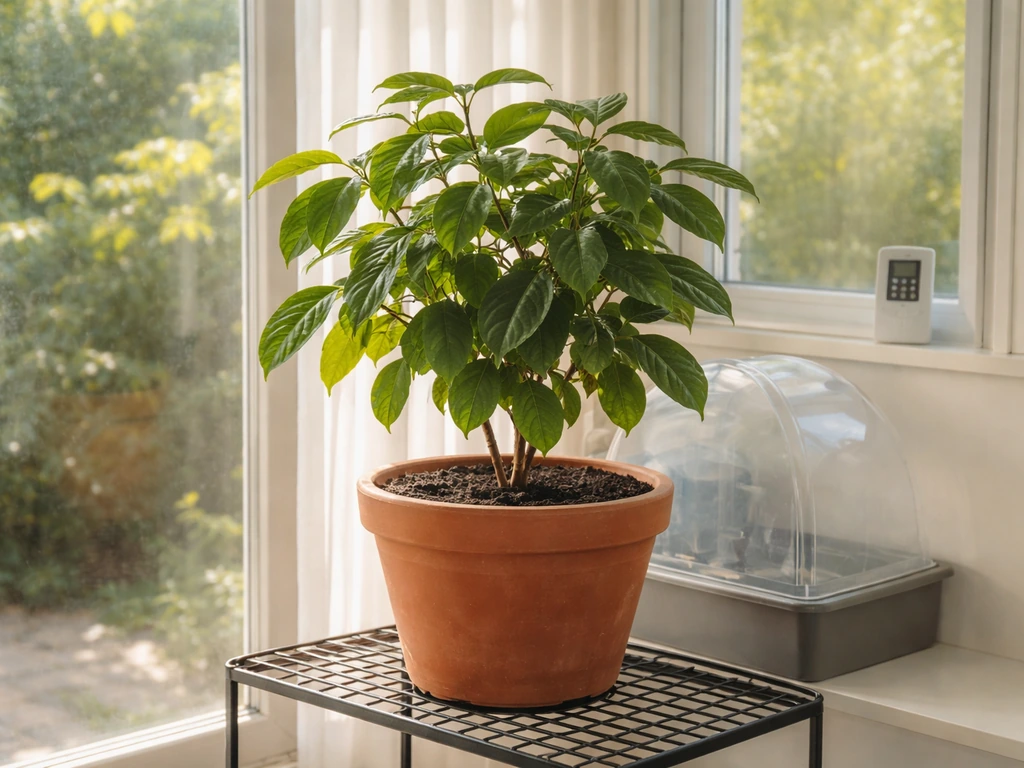
If you're in North Texas, West Texas, or the Hill Country and the idea of moving a 25-gallon pot indoors every winter doesn't appeal to you, there are a few paths worth considering.
- Greenhouse or sunroom growing: A small backyard greenhouse or an attached sunroom that stays above 40°F is genuinely the best setup for cinnamon north of zone 9. It removes the in-out shuffle and keeps the plant in stable conditions year-round.
- Grow it as a houseplant: Cinnamon tolerates indoor growing reasonably well as long as it gets bright light, ideally a south-facing window or supplemental grow lights. It won't grow as fast and bark harvest is years away, but it's a striking houseplant in the meantime.
- Try a more cold-tolerant Cinnamomum: Cinnamomum camphora (camphor tree) is hardy to zone 7 and is already common across Texas. It's not a spice crop, but if you just want a cinnamon-family tree in your yard, it handles Texas winters far better. Just be aware it's invasive in parts of the South.
- Source the spice directly: For actual culinary cinnamon, specialty spice retailers and online importers sell high-quality Ceylon cinnamon (Cinnamomum verum) sticks and powder. If the harvest project isn't working out, buying direct from a reputable source is genuinely the more practical answer for getting quality cinnamon into your kitchen.
- Connect with tropical plant societies: Texas has active tropical plant and rare fruit communities, especially in Houston and South Texas. These groups often share plants, trade cuttings, and have collective knowledge about what's actually working in specific microclimates.
Compared to states like Michigan or Ohio, Texas is actually in a strong position for growing cinnamon. The Gulf Coast and South Texas zones that align with subtropical conditions give Texas gardeners options that simply don't exist in colder northern states. Even gardeners in states like Georgia and Tennessee face more marginal conditions than South Texas does. If you're in Houston or anywhere warmer, the effort is genuinely worth it. If you're in Amarillo or Midland, go the container or greenhouse route and know what you're signing up for before you invest in a plant.
Bottom line: cinnamon in Texas is absolutely doable, especially in the southern half of the state. Yes, you can ask a similar question for California, but the key is whether your area ever gets hard freezes and whether you can overwinter a container. In Ohio, cinnamon is usually grown as a container plant that you move indoors before freezing weather grow cinnamon in ohio. Get the right species (Cinnamomum verum), choose container growing if you're above zone 9a, protect it from freezes, and give it three to five years before expecting bark. It's a slow, rewarding project for gardeners who like unusual spice crops, and Texas's climate gives you more runway than most of the country.
FAQ
How can I tell if I’m buying Ceylon (true) cinnamon versus grocery cassia?
Not all “cinnamon” plants sold in Texas are the true species. Ask for Cinnamomum verum (Ceylon cinnamon). If the tag just says “cinnamon” or lists cassia or Cinnamomum aromaticum, assume it is not the same flavor and bark experience.
Do I need full sun in Texas, or will partial shade be better?
Texas cinnamon does best with strong light, but avoid scorched container leaves during sudden summer moves. Acclimate by starting in bright shade for 7 to 10 days, then increase sun exposure, especially for plants that overwinter indoors.
What’s the safest way to overwinter cinnamon containers indoors in Texas?
Yes, but not as simple as bringing the pot in and leaving it there all winter. For the healthiest results, bring it indoors or into a heated area before nights drop into the low 40s, keep it in the brightest window you have, and water only when the top inch is dry to prevent root rot.
When should I stop fertilizing so my cinnamon does not get damaged by cold snaps?
You usually do not want to fertilize late in the year. Stop in October, then resume in spring only after you see new shoots. If you accidentally fertilize in fall, flush the container with water and pause feeding to avoid tender, cold-sensitive growth.
How do I prevent root damage when a late frost or cold wave hits?
Root-cold injury can happen even when the leaves look fine, so rely on soil temperature, not appearance. A practical rule is to move the pot when forecasts predict sustained cold nights near the 35°F range, and keep the pot out of uninsulated porches and garages where the soil can freeze.
What are the signs my cinnamon is getting too much water, and what should I do first?
Cinnamon is sensitive to waterlogged roots more than to occasional dry surface soil. If you see yellowing, sour smell from the pot, or slow decline after watering, check drainage, then let the mix dry slightly between waterings and confirm the pot has unobstructed drainage holes.
How do I keep the soil pH in the right range in Texas, especially in containers?
Yes, but many gardeners underestimate how much acidic buffering young plants need. Use quality potting mix plus perlite (or coarse sand) for drainage, and consider testing pH if you use municipal water or have alkaline amendments. Aim for slightly acidic conditions (roughly pH 5.5 to 6.5).
When is the earliest reasonable time to try a small bark harvest at home?
If you plan to harvest bark, plan for a small coppiced structure, not a tall single-stem tree. Use light pruning to encourage multiple shoots from the base, then only harvest from older, thicker stems when they are pencil-thick to finger-thick and the plant looks vigorous.
Will cinnamon grow fruit or seeds in my Texas yard, and is it worth trying?
In many Texas gardens, the realistic route is just focusing on plant health. Even if flowers appear, expect very low fruiting without the right insect activity, and moving plants indoors seasonally can further reduce pollination.
Are cuttings possible at home in Texas, and what mistake causes the most failures?
Propagation success depends more on humidity control than on “type” of cinnamon. For cuttings, keep the medium airy (perlite-based), use rooting hormone, and maintain warmth with high humidity. Avoid direct sun until you see new growth, because cuttings can die from moisture loss before rooting.
Next Articles
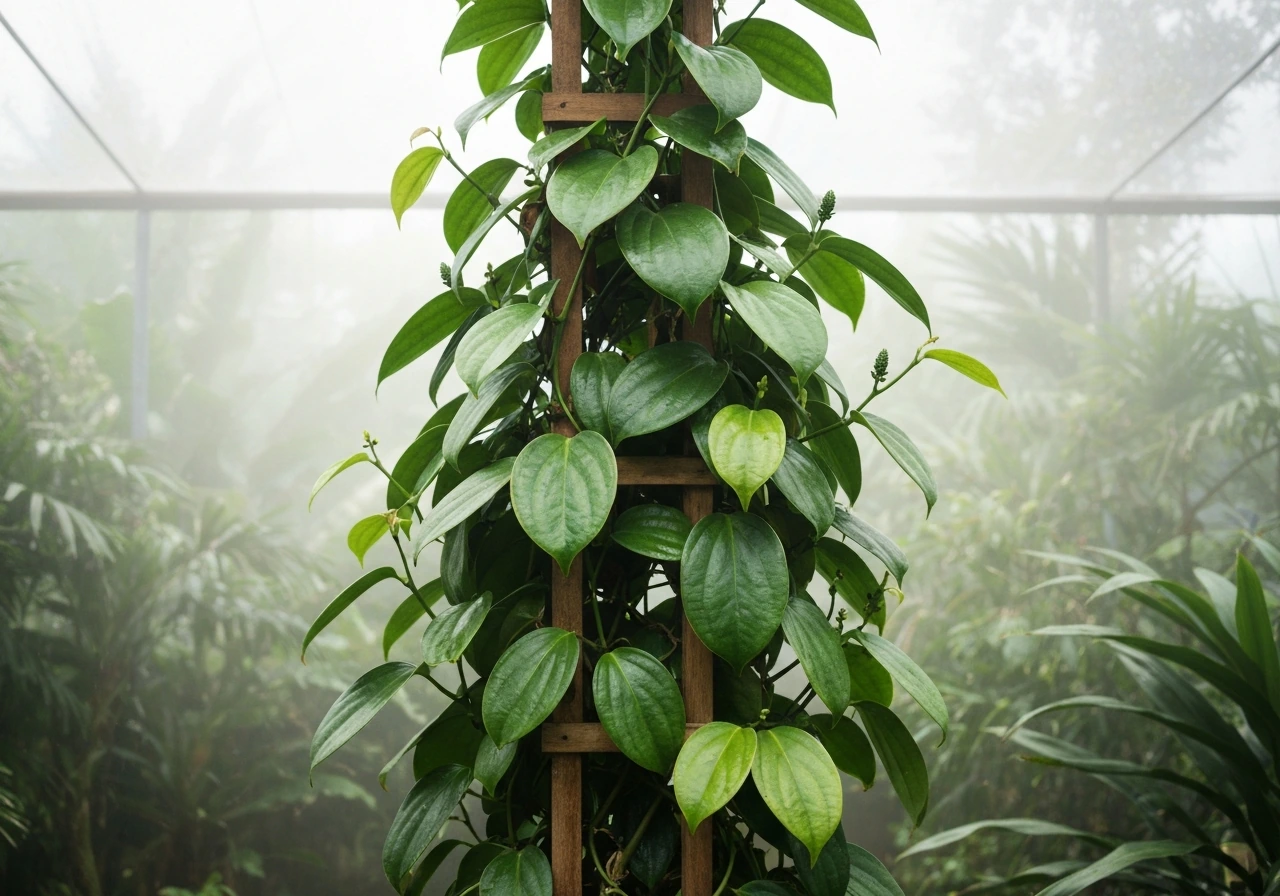
Can You Grow Black Pepper in the US Where and How
Learn where black pepper can be grown in the US and how to grow it indoors or in warm zones for fruit.

Can You Grow Capers in the US? Regional Guide for Home Gardeners
Regional guide to growing caper plants in the US, choosing cultivars, meeting soil and climate needs, and harvesting bud
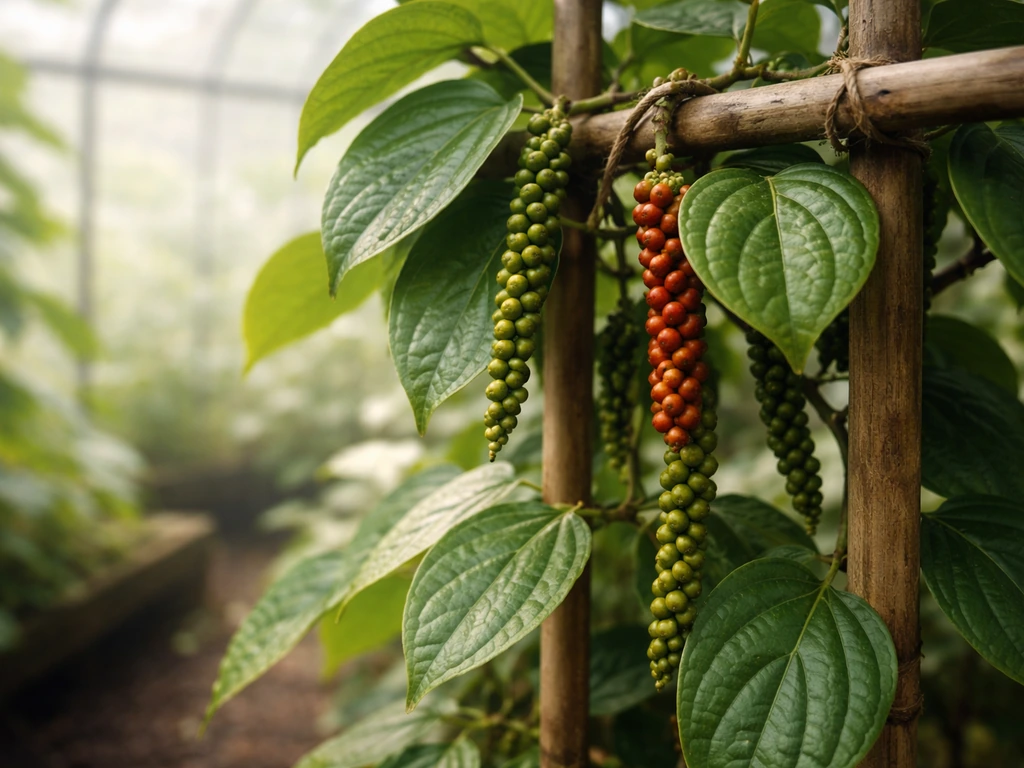
Can You Grow Peppercorns in the US? A Zone-by-Zone Guide
Zone-by-zone guide to growing black pepper peppercorns in the US, including heat, humidity, indoor options, and timeline