
Yes, you can grow ginger in Colorado, but you'll be growing it almost entirely as an indoor or container plant, not as a true garden crop. Colorado's short frost-free window, cold nights, and dry air are not what ginger wants. But with the right setup, a container, a warm spot, and some patience, you can absolutely sprout rhizomes, grow a decent plant, and harvest real ginger at home. Just don't expect tropical-jungle yields. This is a patience project, and the results are proportional to how seriously you take the indoor conditions.
Can You Grow Ginger in Colorado? Step-by-Step Guide
Marcus Petersen
7 May 2026
Colorado Feasibility: What You're Actually Working With
Ginger is a tropical plant that needs a long, warm, humid growing season. Colorado gives you roughly the opposite: low humidity, big temperature swings, and a frost-free window that's shorter than you'd think. In fact, ginger does not typically grow outdoors year-round in Colorado due to its cold winters and short warm season does ginger grow in colorado. Fort Collins, for example, sees its last spring frost around May 7 and its first fall frost by early October, leaving you around 147 frost-free days. That sounds like a decent window until you realize ginger needs 8 to 10 months to reach full maturity. Outdoor-only growing simply doesn't work for most of Colorado.
That said, the math actually works out fine if you treat ginger as an indoor-started, container-kept plant that spends part of the summer outdoors. You start your rhizomes indoors in late winter, let them grow inside through spring, move them outside after frost risk passes, and then bring them back in before the fall frost hits. Harvest happens in late fall or early winter, indoors. It's a bit like growing tomatoes in a hard zone, except ginger is even more cold-sensitive: anything below 40°F turns the rhizomes to mush. That's your hard limit.
Realistically, success in Colorado looks like a container plant that produces modest, usable rhizomes after about 8 to 10 months of steady growth. You won't be swimming in ginger, but a single 5-gallon pot can yield a satisfying harvest for home cooking. Colorado's drier climate also means you'll need to work harder on humidity and consistent watering. If you've grown ginger in a wetter state like Illinois or Minnesota, expect Colorado to require more active management. If you can grow ginger outdoors in Illinois or nearby Midwest conditions, you can use that same approach as a starting point and then fine-tune timing and humidity for your garden.
The Best Way to Grow Ginger in Colorado: Containers and Protected Culture
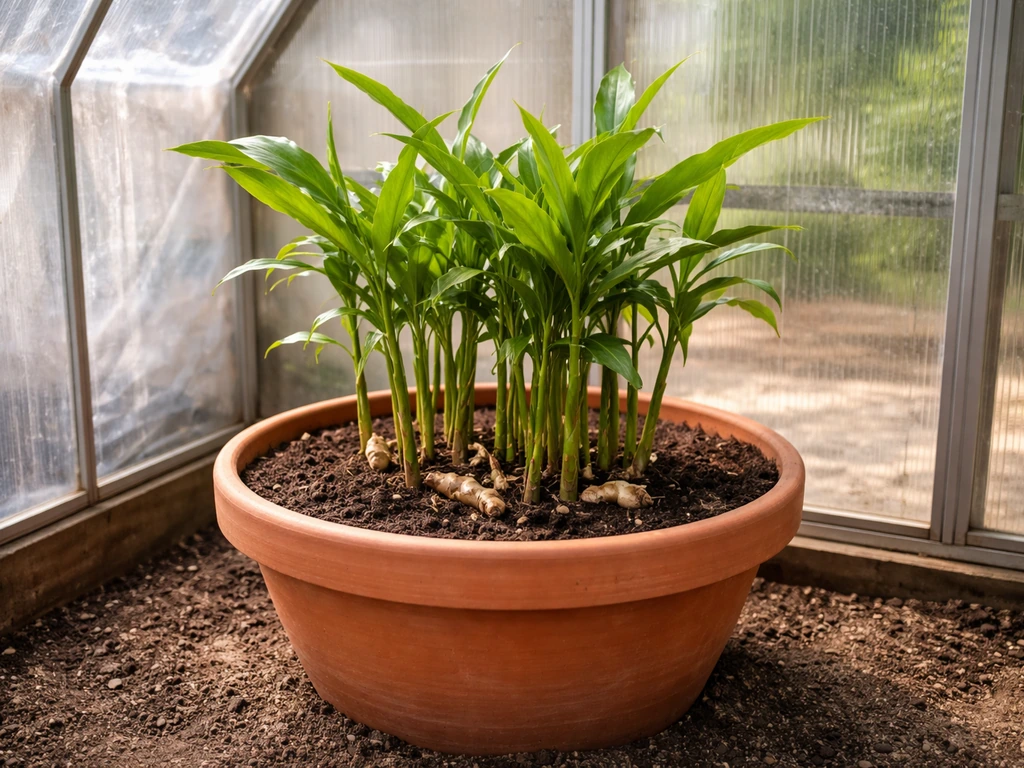
Skip the idea of planting ginger directly in the ground unless you live in a very warm microclimate in southern Colorado and are prepared to baby it. For the vast majority of Colorado gardeners, container growing indoors with optional summer outdoor time is the only reliable method. A container gives you full control over temperature, soil moisture, and the ability to move the plant when conditions shift, which in Colorado they will, often.
If you have a greenhouse or a cold frame, even a small one, you can extend the warm-season window significantly. Greenhouses hold heat overnight and protect plants from sudden cold snaps, which Colorado is famous for even in late spring and early September. A cold frame won't provide enough warmth for ginger to actively grow in winter, but it can buy you a few extra weeks on either end of the season. For most home gardeners, though, a south- or west-facing window indoors and a shaded patio spot for summer is the practical setup.
How to Start Ginger Rhizomes
Buying Rhizomes
You have two options: grocery store ginger or rhizomes from a garden supplier. Grocery store ginger works, but it's sometimes treated with a growth inhibitor. If you go that route, soak the rhizome in water overnight before planting to help break any dormancy suppression. Garden center or online rhizomes labeled for planting are a better bet because they're more likely to be fresh and untreated. Look for plump, firm pieces with visible buds, those little nubby protrusions that will become your shoots.
Cutting and Sprouting
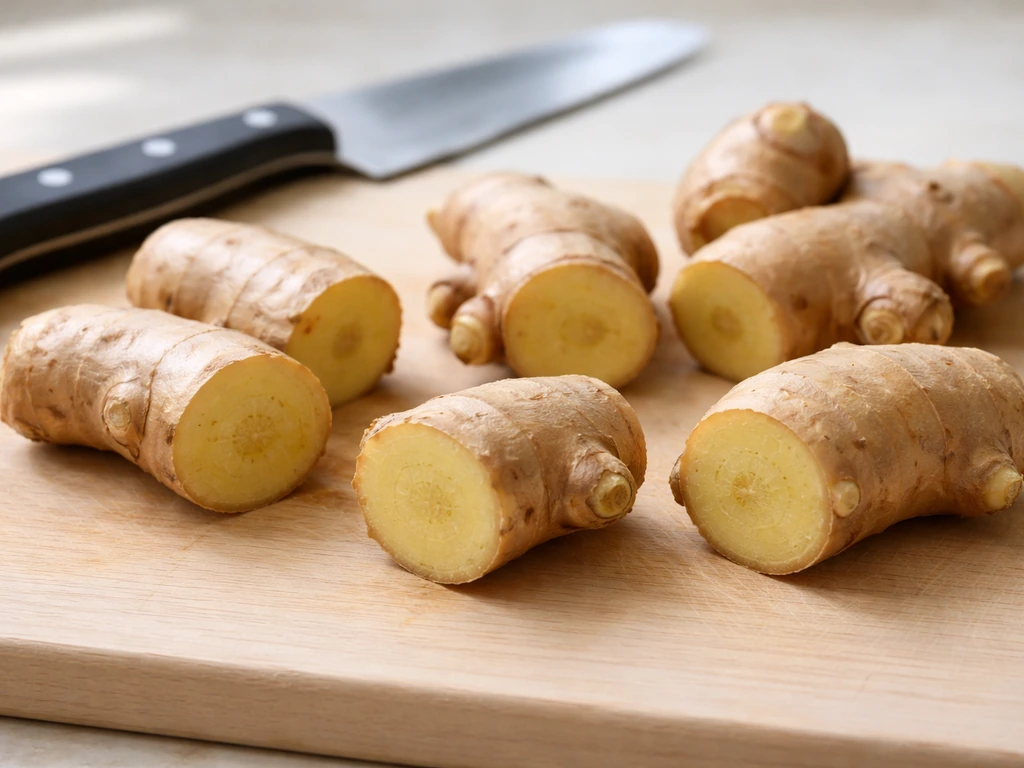
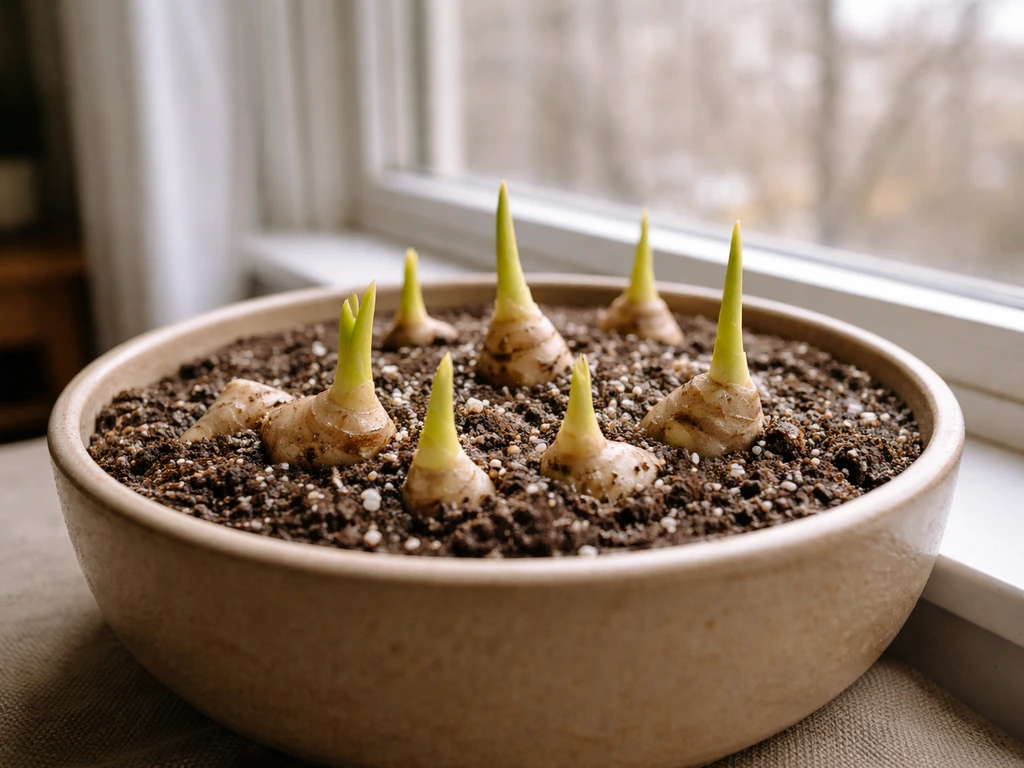
Cut your rhizome into pieces roughly 1 to 2 inches long, making sure each piece has at least one visible eye or growth bud. Let the cut ends dry out for a few hours to callous over before planting, which reduces rot risk. If you want a head start, pre-sprout the pieces by wrapping them in a damp paper towel and placing them in a warm spot (around 70 to 80°F) for a week or two before potting. You'll see small green shoots emerge, which confirms your rhizome is viable. Soil temperatures between 55°F and 90°F support sprouting, so a warm kitchen counter or the top of a refrigerator works well for pre-sprouting.
Planting Setup: Containers, Soil, Light, and Temperature
Use a container at least 5 gallons in size. Ginger rhizomes spread horizontally, so a wide, shallow pot is better than a tall, narrow one. Make sure it has solid drainage holes because sitting water is your biggest enemy. Fill it with a well-draining, rich mix: a combination of potting soil, compost, and perlite works well. Ginger prefers a soil pH of around 5.5 to 6.5, which is slightly acidic. Most quality potting mixes land in this range, but if you're mixing your own, test it.
Plant your rhizome pieces with the buds facing up, just barely covered with about 1 to 2 inches of soil or compost. Don't bury them deep. Covering rhizomes too deeply invites rot, especially before they've sprouted and started pulling moisture through active growth. Place the pot in a warm spot that gets indirect or filtered light. Ginger doesn't love harsh direct sun, especially indoors. A bright room without direct afternoon sun is ideal. Once you move it outside in summer, a spot with morning sun and afternoon shade suits it well.
Temperature is non-negotiable. Ginger wants to stay above 55°F consistently. Below that, growth slows dramatically. Below 40°F, you're looking at rhizome damage or death. Keep your indoor pot away from cold windows in winter and away from air conditioning vents in summer.
A Colorado-Specific Growing Timeline
| When | What to Do |
|---|---|
| Late February to early March | Buy or source rhizomes, soak overnight, pre-sprout in warm spot |
| Early to mid-March | Pot up sprouted rhizomes indoors, place in warm bright location |
| March through May | Grow indoors, water regularly, begin light feeding once shoots appear |
| After last frost (mid-May to early June depending on location) | Move pots outside to a sheltered, partially shaded spot |
| June through September | Outdoor growth phase, water more frequently, feed monthly |
| Late September to early October | Bring containers back indoors before first frost, continue care |
| November to December | Reduce watering as plant slows, harvest when foliage yellows |
Watering, Feeding, and Managing Colorado's Tough Conditions
Watering
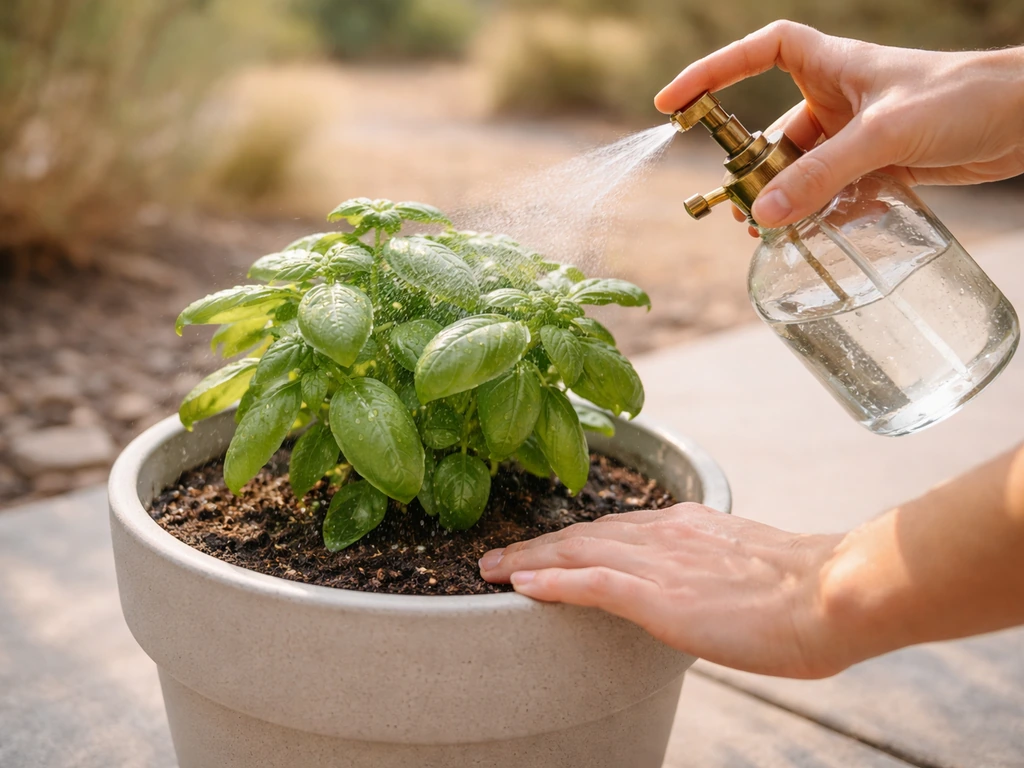
Ginger likes consistently moist but never waterlogged soil. In Colorado's dry climate, containers dry out faster than you'd expect, especially on hot summer days outside or near a heating vent indoors in winter. Check soil moisture every couple of days and water when the top inch feels dry. During active outdoor growth in summer, you may be watering every day in hot, sunny weather. Indoors in winter, you can back off significantly. The key is never letting the soil go bone dry or stay soggy.
Humidity is a real issue in Colorado. The dry air indoors in winter especially can stress ginger. Misting the leaves occasionally helps, as does placing the pot on a tray filled with pebbles and water so the evaporating moisture raises humidity around the plant.
Feeding
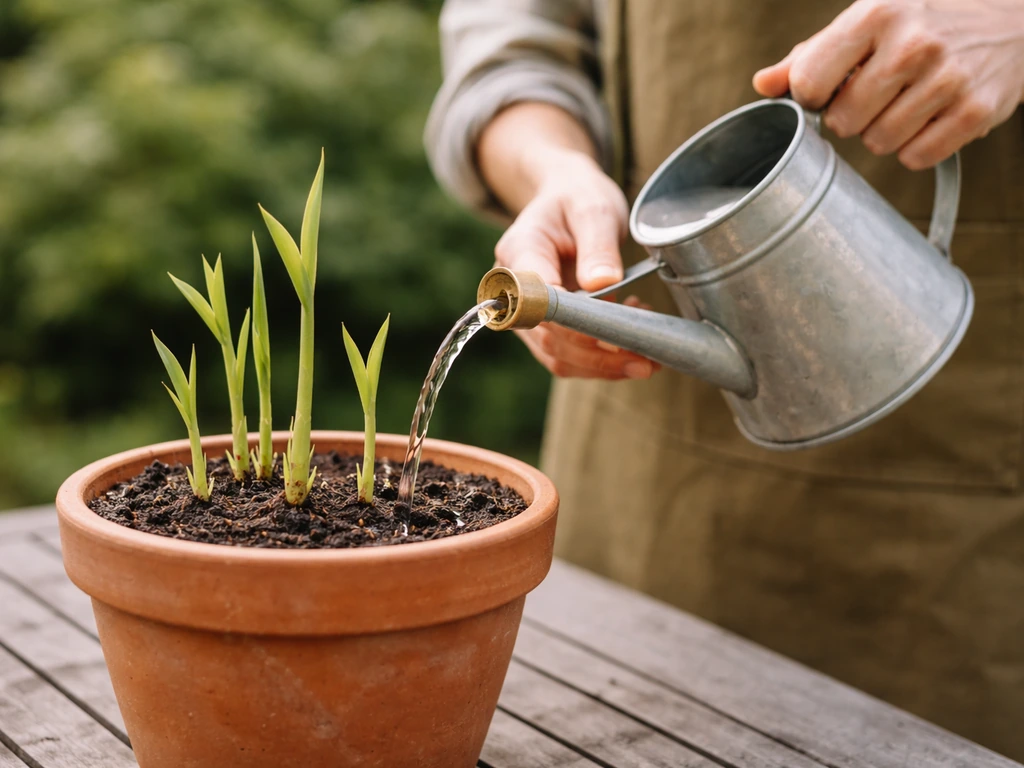
Start feeding once your shoots are a few inches tall. A balanced liquid fertilizer applied every two to four weeks during the active growing season (spring through late summer) is sufficient. You can taper off in fall as the plant naturally begins to slow down. Compost-rich soil helps as a baseline, but ginger is a heavy feeder over its long growing cycle and will benefit from supplemental feeding.
Frost and Transition Tips
Colorado's shoulder seasons are tricky. Even after the average last frost date, a cold snap can happen. Watch the forecast carefully before moving plants outside, and be prepared to bring them back in quickly if overnight temps are going to drop below 55°F. When transitioning plants from indoors to outdoors, harden them off over one to two weeks by placing them outside for a few hours a day in a sheltered spot before leaving them out full-time. Going the other direction in fall, don't wait for a frost warning to bring them in. Move containers indoors when nighttime temps consistently drop into the low 50s.
Harvest Timing, Curing, and Storage
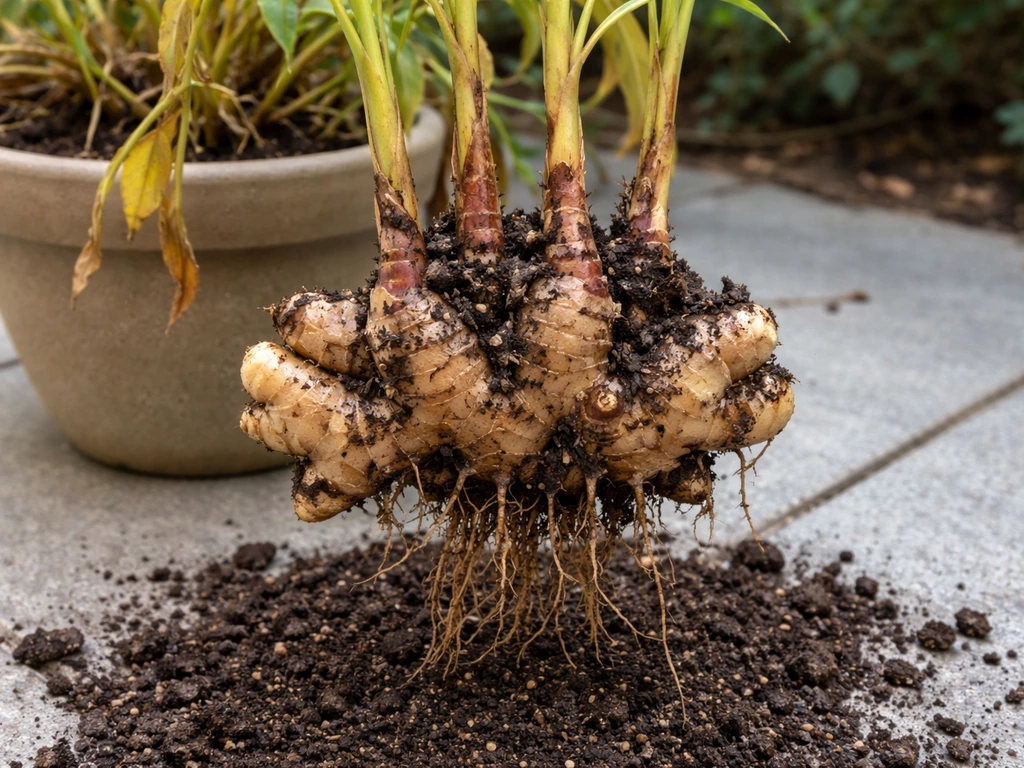
Ginger is ready to harvest when the foliage starts to yellow and die back, usually around 8 to 10 months after planting. For Colorado growers who started in February or March, that puts harvest in November or December, which will be indoors. To harvest, tip the pot out and gently dig through the soil to find your rhizomes. You can harvest the whole plant or just take a portion of the rhizomes and leave the rest in the pot to continue growing into the next season.
For young or "baby" ginger, you can harvest earlier (around 4 to 6 months in) when the skin is thin and the flavor is milder. For mature ginger with that spicier, more fibrous character, wait for the full 8 to 10 months. After harvesting, let the rhizomes air dry for a day or two at room temperature. Then store them in the refrigerator in a paper bag or loosely wrapped in a paper towel, where they'll keep for several weeks. For longer storage, you can freeze whole rhizomes or peel and freeze in chunks.
Troubleshooting Common Ginger Problems in Colorado
Rhizome Won't Sprout
This is the most common early failure. Nine times out of ten it's a temperature problem. Ginger needs warmth to break dormancy, and if your house is cool or the pot is sitting near a drafty window, it may just sit there doing nothing for weeks. In cooler indoor setups, using a heat mat (or a similar soil-warming method) helps keep the container warm enough for ginger to do well indoors heat mat (or similar soil-warming method). Move it somewhere warmer, ideally 70 to 80°F, and be patient. Pre-sprouting in a damp paper towel before planting helps confirm viability before you invest in a pot of soil.
Rot at the Base or in the Soil
Rot is usually from overwatering or poor drainage, and it can be caused by a range of pathogens including Pythium, Phytophthora, and Rhizoctonia. If you notice mushy rhizomes or black, soft tissue, pull the plant, cut away the affected sections, let the healthy parts dry out, and replant in fresh, well-draining mix. Going forward, water less and make sure drainage is unobstructed. Avoid planting too deeply, which traps moisture around the rhizome.
Weak or Slow Growth
If your plant is alive but barely doing anything, suspect either low light or low temperature. Ginger indoors in Colorado in winter often struggles because natural light is limited and rooms may be cooler than you think. A grow light placed a foot or two above the plant can make a real difference. Also check that you're feeding regularly; a plant trying to grow for 8 to 10 months in a container will run through nutrients.
Spider Mites and Other Pests
Colorado's dry indoor air is perfect for spider mites, and ginger grown as a houseplant is a target. Look for fine webbing and stippled, dull-looking leaves. The fix is two-pronged: raise humidity around the plant and hit the undersides of leaves with a strong jet of water to knock mites off. Insecticidal soap sprays work but need to be reapplied every 4 to 7 days to break the mite cycle. Consistency is the key since one treatment rarely does it.
Yellowing Leaves Mid-Season
If leaves yellow in late fall as the plant winds down, that's normal and harvest time is near. If yellowing happens earlier in the season, check for overwatering, underfeeding, or root rot. Also check whether the plant recently got cold, even briefly dipping below 55°F can cause leaf stress and yellowing.
Is It Worth Growing Ginger in Colorado?
Honestly, yes, if you're willing to treat it as a container houseplant that takes a summer vacation on your patio. It won't grow itself, and Colorado's climate means you're working against the plant's natural preferences for most of the year. But the process is satisfying, the plant looks great, and harvesting your own ginger after 8 or 9 months of care is genuinely rewarding. If you're in a state with longer warm seasons, growing ginger outdoors is more viable, but in Colorado the container method is the only reliable path. Set up the right conditions, watch the temperature carefully, and you'll get there.
FAQ
My ginger hasn’t sprouted yet, what should I check first in Colorado?
It usually comes down to warmth, not time. If your pot or room sits below about 55°F for stretches, ginger may stall for weeks. Move the container away from cold windows, keep it out of drafts, and consider a small heat source (like a plant heating mat placed under the pot, not near the rhizome directly).
What’s the most common container mistake that causes ginger rot in Colorado?
Avoid letting water pool in the bottom tray. Even if you water regularly, poor drainage or a pot standing in runoff can keep rhizomes oxygen-starved and lead to rot. Use a wide container with unobstructed drainage holes, empty saucers after watering, and choose a mix with plenty of perlite for airflow.
How do I store harvested ginger so it doesn’t go soft or moldy?
For storage, you want the opposite conditions of growth. After harvest, air-dry rhizomes at room temperature for 1 to 2 days, then refrigerate in a paper bag or loosely wrapped paper towel so excess moisture can escape. If you store in plastic, condensation can trigger softening.
Can I harvest some ginger early and still keep the rest growing in the same pot?
Yes, you can harvest selectively by digging gently and removing only part of the rhizome while leaving the rest in the pot. Re-cover the remaining rhizomes with the same soil depth and keep watering consistently. Don’t pull the whole plant if the goal is an ongoing cycle.
What container size and shape works best for ginger in Colorado?
Use a long, shallow container rather than a tall one because rhizomes spread horizontally. Even with a warm setup, tight roots can limit size, so aim for at least a 5-gallon capacity and enough width to keep the soil from drying out too fast.
Should I pre-sprout grocery store ginger, and how long should I wait before giving up?
Pre-sprouting helps a lot when you are uncertain about viability, but it is not required. If your grocery-store ginger is treated and won’t sprout, soaking overnight and pre-sprouting in a warm spot can still be worthwhile. If nothing shows after a couple of weeks, the rhizome is likely not viable and it’s better to replant.
What’s the best way to increase humidity indoors without creating rot conditions?
The best humidity boost is moisture management plus airflow. Misting alone often evaporates quickly in Colorado indoor air, so pair it with a humidity tray (pebbles and water under the pot) and avoid blasting cold or hot air from vents directly onto the leaves.
When should I stop fertilizing ginger in a Colorado indoor cycle?
Once growth naturally slows, you can taper feeding, then stop or reduce significantly as the foliage yellows. If you keep feeding heavily late in the cycle, you can encourage softer growth that struggles when temperatures drop. Resume feeding only when new shoots are actively growing.
How do I tell if my ginger problem is spider mites versus nutrient or water stress?
Watch for pests early, especially spider mites in dry indoor conditions. If you see webbing or stippling, treat the undersides with a strong rinse and keep humidity up. Repeat treatments on a schedule, because mites can rebound if you only hit the tops or do it once.
What should I do if a cold snap threatens after I move ginger outside?
Treat indoor-to-outdoor transitions like a weather acclimation plan. Start with a sheltered spot for a few hours a day, then gradually increase exposure over 1 to 2 weeks, while bringing the pot back in if nights fall near the low 50s.
Next Articles
Can You Grow Black Pepper in the US Where and How
Learn where black pepper can be grown in the US and how to grow it indoors or in warm zones for fruit.

Can You Grow Capers in the US? Regional Guide for Home Gardeners
Regional guide to growing caper plants in the US, choosing cultivars, meeting soil and climate needs, and harvesting bud
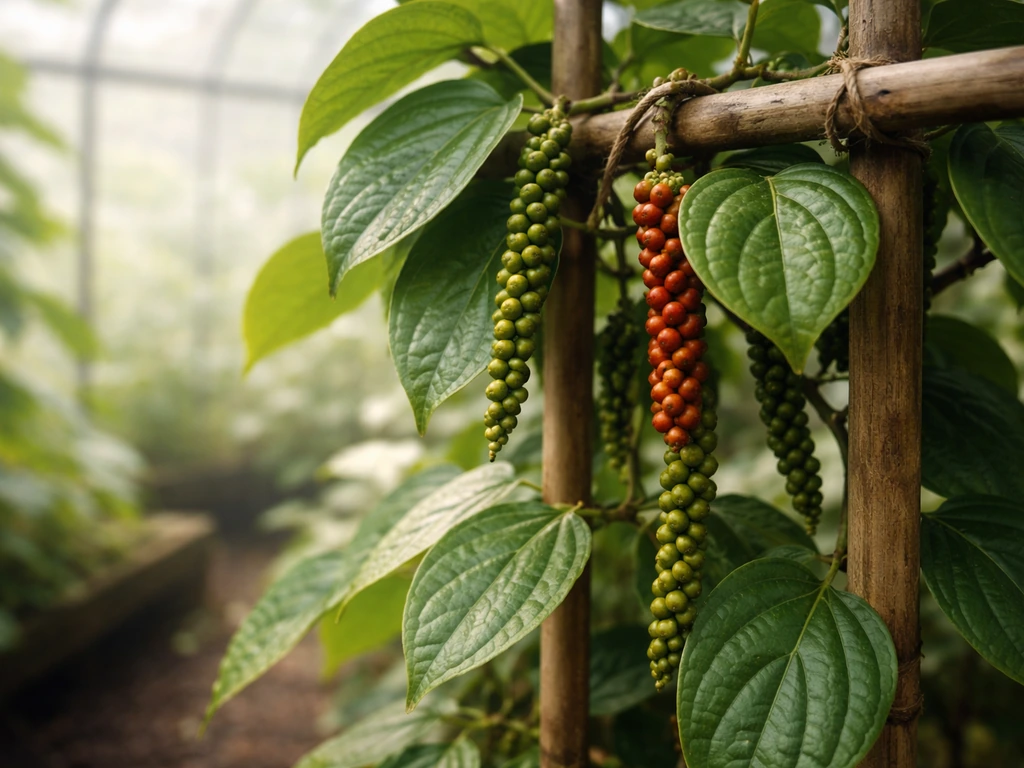
Can You Grow Peppercorns in the US? A Zone-by-Zone Guide
Zone-by-zone guide to growing black pepper peppercorns in the US, including heat, humidity, indoor options, and timeline