
Yes, you can grow ginger in Pennsylvania, but you need to treat it as a container crop that starts indoors. The same container approach can work if you want to know can you grow ginger in Maine, too grow ginger in Pennsylvania. Pennsylvania's winters are far too cold for ginger to survive in the ground, and the outdoor growing season is just barely long enough to get a decent harvest. The practical approach is simple: start rhizomes inside in late February or March, move them outdoors after your last frost (typically mid-May in most of PA), and bring them back in before temperatures drop in fall. Done right, you'll harvest young 'baby ginger' in the fall that's genuinely excellent. Done wrong, you'll end up with rotted rhizomes and nothing to show for it.
Can You Grow Ginger in Pennsylvania? How to Succeed

Best ginger varieties and where to get planting material
For Pennsylvania, you're almost exclusively working with culinary ginger (Zingiber officinale). That's the same species that produces the ginger root you buy at the grocery store, and it's the variety best suited to the short-season, container-based approach you'll be using here. Ornamental gingers exist, but they're mostly just for looks and won't give you the culinary rhizomes you're probably after.
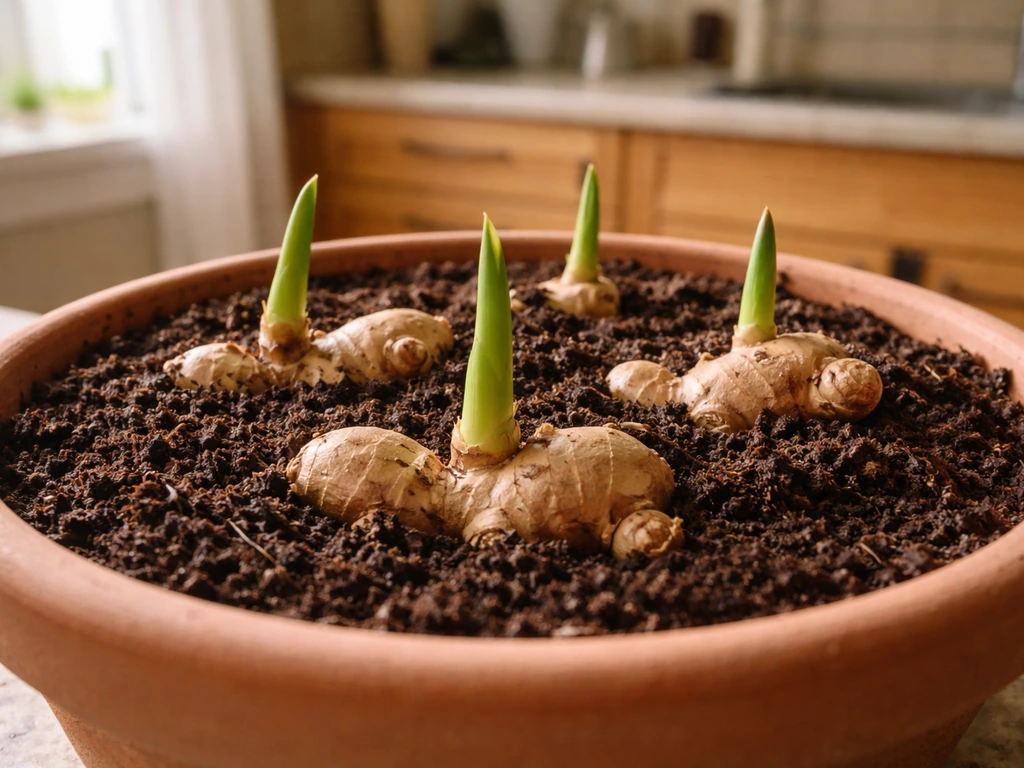
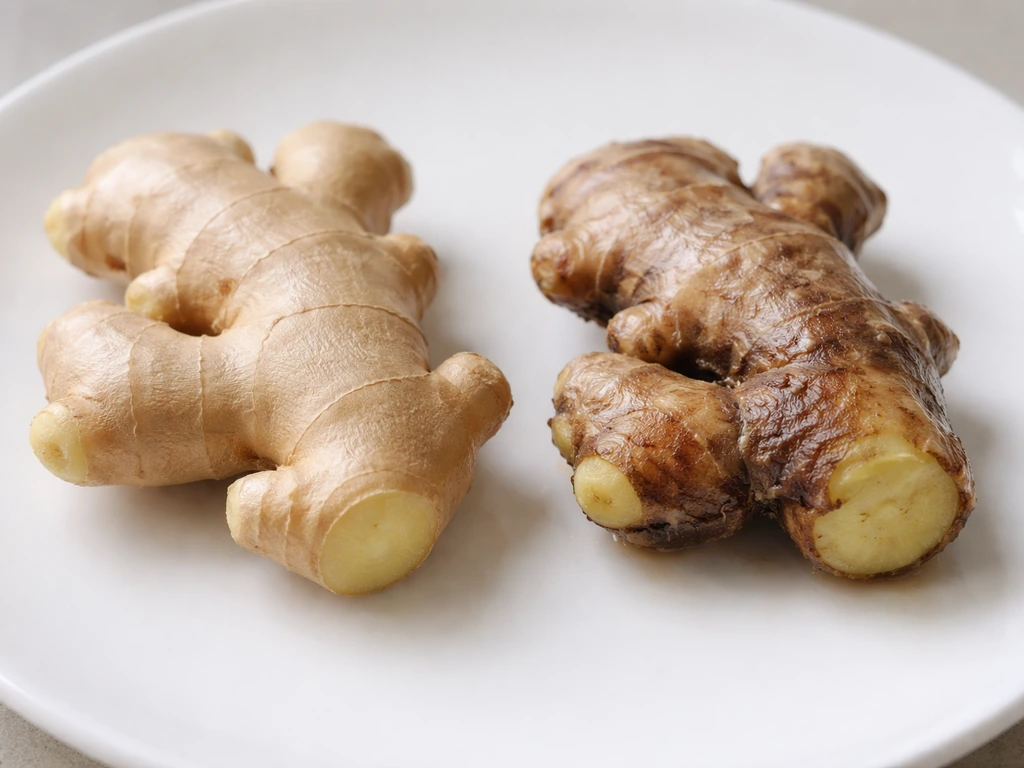
Where you source your rhizomes matters a lot. Grow Pittsburgh's ginger workshop recommends purchasing disease-free seed ginger, preferably organic, and that's good advice. Organic grocery store ginger works reasonably well because it hasn't been treated with growth inhibitors the way conventional supermarket ginger sometimes is. That said, the most reliable option is to order rhizomes from a reputable seed supplier or farm that sells ginger specifically for planting. Look for plump, firm pieces with visible eyes (the small growth buds). Shriveled, soft, or moldy rhizomes are a waste of time. I've tried to revive sad-looking grocery store pieces before and it almost never goes well.
- Zingiber officinale: the standard culinary ginger, best choice for Pennsylvania container growing
- Organic grocery store ginger: works as a budget option if pieces are firm and have visible growth eyes
- Seed ginger from specialty suppliers: most reliable, disease-free starting material
- Avoid conventional supermarket ginger treated with growth inhibitors, which slows or prevents sprouting
What ginger actually needs to thrive in Pennsylvania
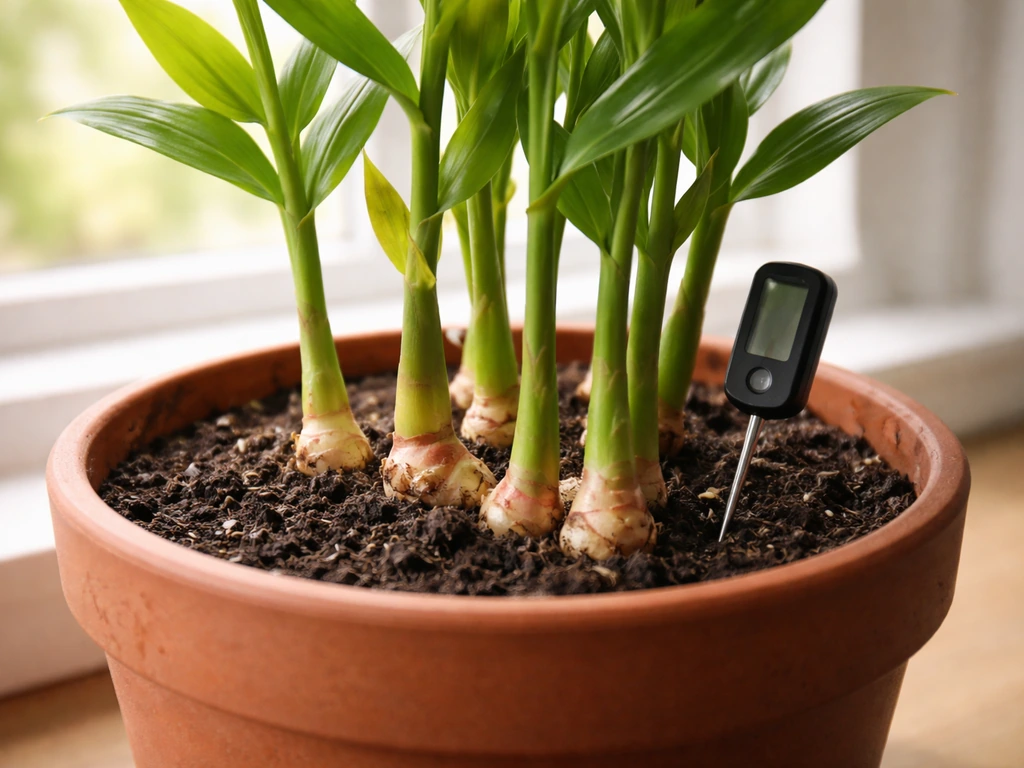
Ginger grows fastest between 70 and 90°F. Soil temperature needs to stay above 55°F for the plant to make any real progress, which is why starting indoors in late winter is non-negotiable in Pennsylvania. Cold, wet soil is the primary reason rhizomes rot before they ever sprout, and Pennsylvania springs are exactly that: cool and damp.
Light requirements
Ginger wants partial sun, not full blasting afternoon sun. Indoors, a bright window or supplemental grow light works well during the pre-sprout phase. Once outside, morning sun with afternoon shade is the sweet spot. A north or east-facing porch, or a spot filtered by a tree canopy, tends to work better than a wide-open south-facing bed. Virginia Tech specifically recommends partial sun for best growth, and in my experience, plants that get too much direct afternoon sun in a container dry out and stress quickly.
Soil and containers
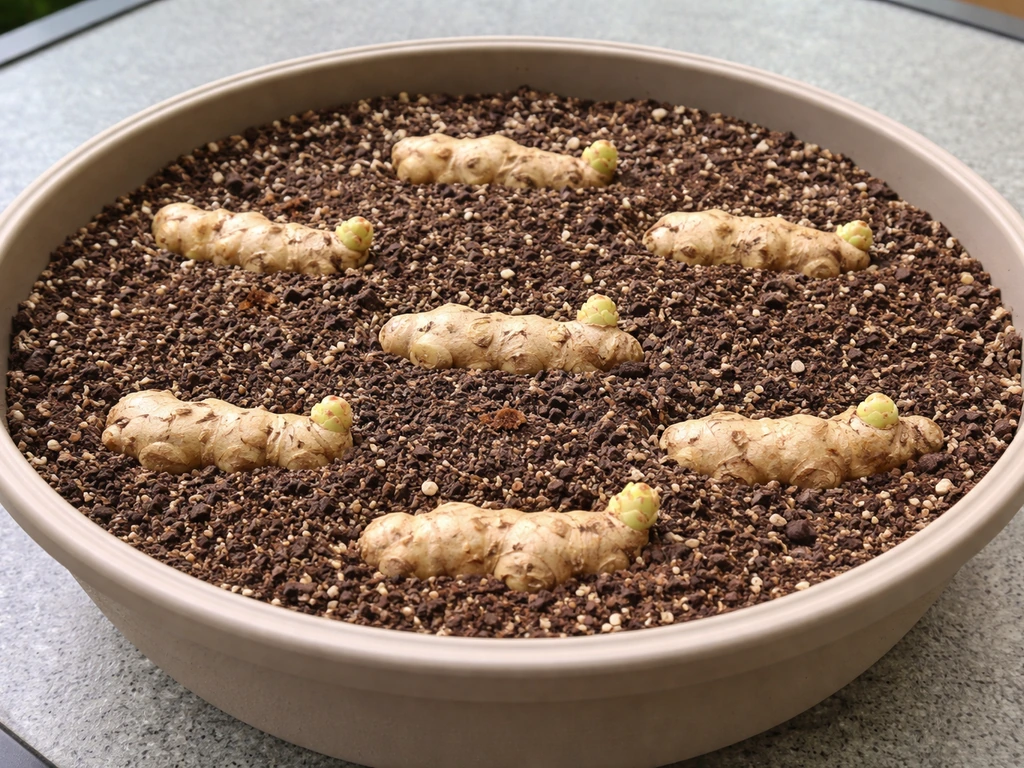
Use a loose, well-draining potting mix. Ginger rhizomes grow horizontally and fairly close to the surface, so a wide, shallow container beats a deep narrow one. A 12- to 16-inch wide pot that's at least 10 inches deep is a reasonable minimum for a couple of rhizomes. The soil must drain freely because sitting moisture is a direct path to rot. A mix of quality potting soil with some added perlite or coconut coir hits the right balance of moisture retention and drainage. Avoid dense, heavy garden soil in containers.
Growing in containers rather than in the ground is strongly recommended for most Pennsylvania gardeners. Containers let you control soil temperature with heat mats, move plants indoors and out on your schedule, and avoid the cold-wet spring soil problem entirely. High tunnels can extend the season for more serious growers, and Penn State has done work with high-tunnel ginger production, but for most home gardeners a container on a deck or patio is the practical path.
Step-by-step planting guide
Step 1: Prepare and cure the rhizomes (late February to early March)
Break or cut your ginger rhizome into pieces, aiming for sections with at least one or two visible growth eyes each. After cutting, don't rush to plant them. Lay the cut pieces out in a well-ventilated spot and let the cut surfaces air-dry for at least 48 hours. This curing step lets the cut faces callus over, which dramatically reduces the chance of rot once the pieces are in soil. Illinois Extension is specific about this: cut surfaces need to scab over before you do anything else. I skipped this step once and lost half my pieces to soft rot within two weeks.
Step 2: Pre-sprout indoors (March)
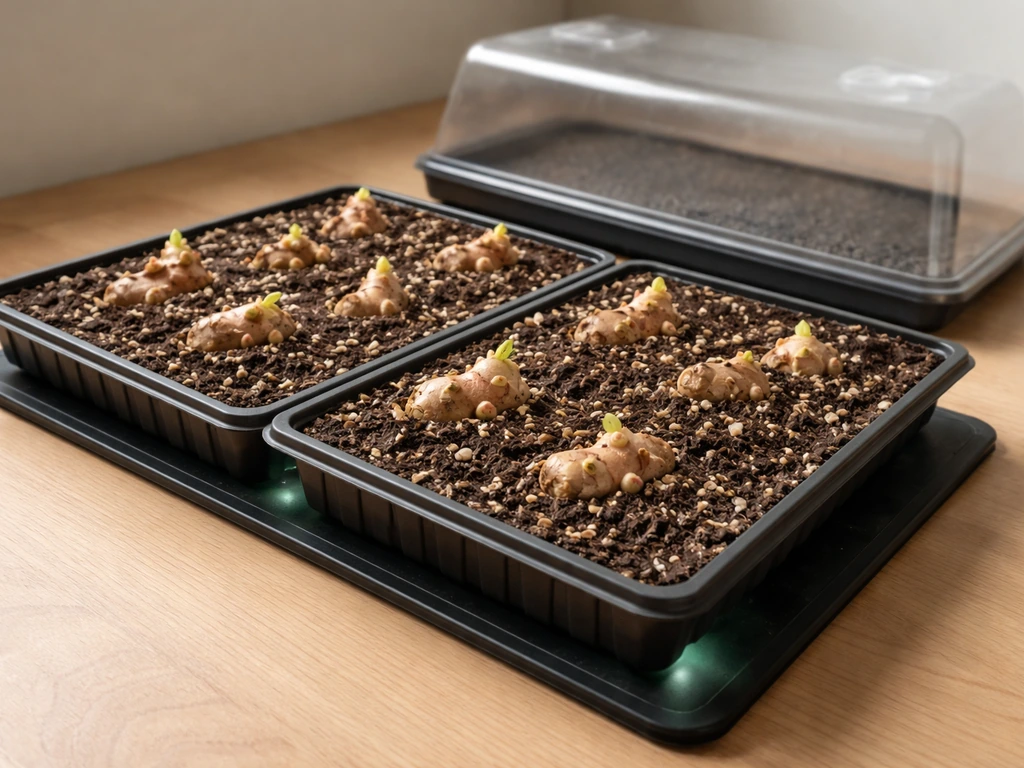
After curing, move the rhizome pieces into shallow trays or containers with lightly moistened coconut coir or potting mix. Keep them warm, ideally using a seedling heat mat set around 75 to 80°F. This pre-sprouting phase is where the magic happens for cool-climate growers. Within two to four weeks you should see small green shoots emerging. At this point the rhizomes are much more robust and ready to go into their final containers. Keeping soil temperature consistently above 55°F during this phase is critical.
Step 3: Pot up and grow on (April to mid-May)
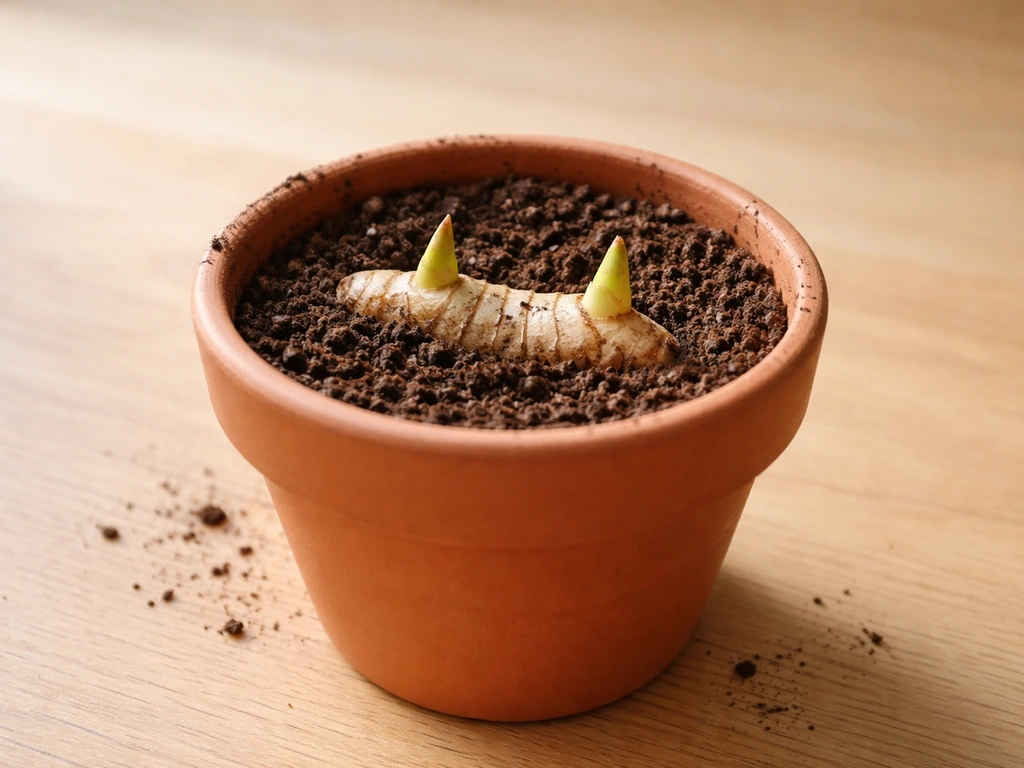
Once sprouted, plant each piece into its final container. Set rhizomes about two inches deep, eyes facing up, with the rhizome positioned horizontally. Space multiple pieces at least six to eight inches apart if sharing a wider container. Keep them indoors or in a warm protected space until outdoor temperatures are reliably above 55°F at night, which in most of Pennsylvania means after mid-May.
Step 4: Move outdoors (mid-May to June)
After your last frost date, which ranges from late April in southern PA to mid-May in northern and higher-elevation areas, move containers outside to their summer spot. Transition them gradually over a few days to avoid cold shock. Around 30 days after planting, start mounding or ridging a bit of extra soil around the base of each plant to keep the developing rhizomes covered. The University of Delaware's baby ginger handout specifically recommends this earthing-up step, and it helps keep rhizomes from pushing up and getting exposed to light and air, which reduces quality.
Caring for your ginger through the season
Watering
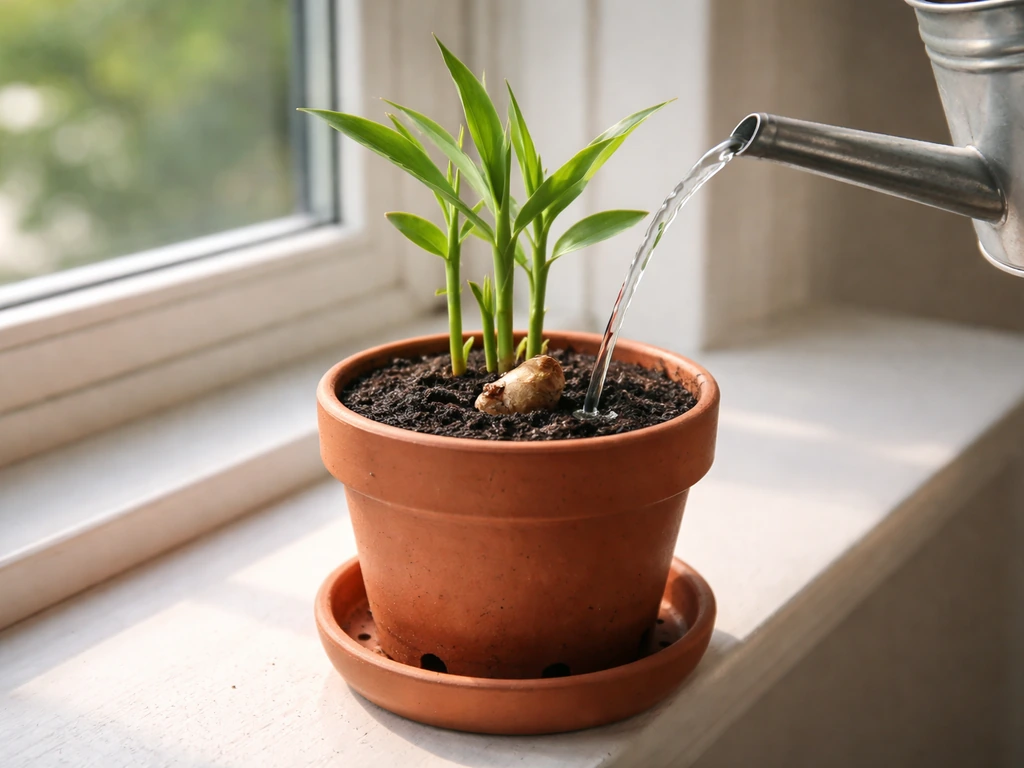
Ginger wants evenly moist soil, not soggy soil. Water when the top inch of soil feels dry, and always make sure excess water drains freely from the pot. During hot summer stretches, containers may need water every day or two. In cooler, cloudy spells, hold back. Overwatering is as dangerous as underwatering, especially early in the season before the plant is actively growing fast.
Fertilizing
Use a balanced fertilizer rather than anything heavily weighted toward one nutrient. Grow Pittsburgh's ginger workshop explicitly recommends balanced fertilizers for this reason. A balanced slow-release granular applied at planting, topped up with diluted liquid fertilizer every three to four weeks through the summer, works well. Ginger is a moderate feeder, not a heavy one. Don't push it with excess nitrogen or you'll get lush tops and underdeveloped rhizomes.
Mulching and humidity
A layer of mulch or extra potting mix over the top of the container helps retain moisture and keeps soil temperatures more stable on cool nights. Ginger appreciates humidity, so if you're growing on a very exposed, windy deck, occasional misting or grouping plants together can help. Indoors, low humidity can slow things down noticeably.
Bringing plants back indoors
When nighttime temperatures start dropping toward 55°F in September or early October, bring containers back inside. At this point you have two choices: keep watering and let the plants continue growing in a warm, bright indoor spot, or taper off watering and let the plants go dormant. If you let them go dormant, the foliage will yellow and die back naturally. You can then either leave the rhizomes in the pot with dry soil over winter and store the whole thing in a cool, dry location, or dig the rhizomes out, let them dry further, and store them in a brown paper bag in a cool dry spot. Penn State Extension recommends both approaches as valid options.
Growth timeline for Pennsylvania
| Month | What's happening |
|---|---|
| Late February to March | Cut and cure rhizomes; begin pre-sprouting on heat mats indoors |
| March to April | Shoots emerge; pot up into final containers; grow on indoors |
| Mid-May to June | Move containers outside after last frost; begin earthing up around 30 days in |
| June to August | Active top growth; water and feed regularly; plants can reach 2 to 4 feet tall |
| September | Growth slows; rhizomes bulking up; begin watching night temps |
| October | Bring inside before first frost; harvest or store depending on your plan |
| November onward | Dormant storage or continued indoor growing; replant saved rhizomes next spring |
Harvesting, curing, and what to expect
In Pennsylvania, you're almost certainly going to be harvesting baby ginger rather than fully mature ginger. Fully mature ginger takes around six months of warm growing conditions from planting to harvest, and Pennsylvania's reliable warm window outdoors is closer to four to five months. Baby ginger, harvested before full maturity, has a thinner skin, milder flavor, and beautiful pinkish-white coloring. It's actually prized by chefs and used heavily in pickling. Virginia Tech notes that short-season growers like those in Virginia typically plan for baby ginger, and the same logic applies here. You can use the same container-first, pre-sprout approach in Virginia to get harvests of baby ginger, even though winters stay cool grow ginger in Virginia.
Harvest when foliage starts to yellow and dry back, or simply dig carefully into the container to check rhizome size. You'll likely get modest yields from home containers, but enough for fresh use in cooking is realistic. Expect small clusters of rhizomes from each original piece.
Curing and storing after harvest
After digging, brush off loose soil and let the rhizomes cure by air-drying for three to seven days in a well-ventilated spot with some airflow and indirect light. This drying period forms a protective skin that reduces rot risk during storage. UF/IFAS recommends open-weave bags or a well-ventilated tray with good air movement for this step. Virginia Tech also advises a one to two week air-dry for cut or bruised surfaces specifically. Once cured, store in a cool, dry place. Baby ginger can also be used immediately fresh, pickled, or frozen without curing.
Saving rhizomes for replanting
Set aside some of your healthiest, firmest rhizome pieces to replant the following spring. Virginia Tech advises discarding any pieces that are soft or show signs of rot, keeping only firm, intact sections. This is important: one rotten piece tucked in with your saved stock will spread to the others in storage. Store your replanting pieces in a brown paper bag in a cool, dry location over winter and start the whole pre-sprout process again in late February.
Common problems in Pennsylvania and how to fix them
Rhizome rot before sprouting
This is the most common failure for Pennsylvania growers, and it almost always comes down to one of three things: cold soil, wet soil, or skipping the curing step. Cold soil slows germination so long that the rhizome just sits in moisture and rots. Wet soil adds insult to injury. The fix is to use a heat mat during pre-sprouting, ensure containers drain freely, and never skip the 48-hour cut-surface cure before planting. Starting with quality organic seed ginger rather than questionable supermarket rhizomes also reduces disease risk significantly.
Cold injury and stunted growth
If ginger sits in temperatures below 55°F for extended periods, it goes into a kind of suspended state and may yellow, drop leaves, or just stop growing entirely. In Pennsylvania this most often happens when gardeners put plants out too early in spring, or when an unexpectedly cool September night catches containers that haven't been brought in yet. The rhizomes may survive but the lost growth time in a short season is costly. Watch your forecast and don't rush the outdoor transition.
Slow or no sprouting
If your rhizomes sit in soil for three or four weeks with no sign of life, temperature is usually the culprit. Check that your soil temperature is actually hitting 70°F or above, not just ambient air temperature. Heat mats make a real difference here. Also check that the rhizome pieces are still firm, not soft. If pieces are mushy they've rotted and won't recover. Dig them out, discard, and start fresh with better-quality material.
Pests
Ginger grown in containers in Pennsylvania doesn't tend to attract heavy pest pressure. Spider mites can be an issue when plants are brought indoors in fall, especially if kept in dry indoor air. Check the undersides of leaves and treat with insecticidal soap if needed. Root-knot nematodes can be a problem in ground-grown ginger in warmer regions, but for container growers using fresh potting mix each season it's rarely an issue.
No flowers, smaller-than-expected rhizomes
Penn State Extension is direct about this: ginger grown in Pennsylvania containers rarely flowers. Don't worry about it. The plant is putting its energy into rhizome production, which is what you want anyway. Small rhizomes at harvest are normal for baby ginger. If rhizomes are consistently very small or stringy, the plant probably ran out of growing season warmth. Starting earlier indoors, using a heat mat longer, and not moving plants outside until temperatures are reliably warm will help in subsequent seasons.
Is Pennsylvania worth the effort?
Compared to growing ginger in warmer states like Georgia or North Carolina, Pennsylvania does require more active management: indoor starts, heat mats, and careful timing. North Carolina can also work well for ginger, but you'll still want to pay close attention to soil drainage and timing. It's closer in challenge level to growing ginger in New York or Maine, where the season is short and cold protection is essential. But the method described here is well-tested and genuinely works. If you have a warm sunny porch, a couple of containers, and can commit to the pre-sprout timing in late February, you'll get usable ginger from Pennsylvania every season. Baby ginger from a home container is honestly a pleasure to cook with, and once you've got the hang of the system, replanting saved rhizomes makes the whole thing nearly self-sustaining year to year.
FAQ
Can you grow ginger in Pennsylvania outdoors year-round in the ground?
Not reliably. Ginger is too cold-sensitive for Pennsylvania winters, and even in spring the ground often stays cool and wet long enough for rhizomes to rot. If you want an in-ground idea, use large containers or a protected setup (like a high tunnel) rather than planting directly in beds.
What type of ginger should I plant if I want the kind you buy in stores?
Plant culinary ginger (Zingiber officinale). Ornamental gingers may look similar but are grown for appearance, and they usually are not the same rhizome quality you want for cooking.
Can I use grocery store ginger, and will it sprout in Pennsylvania?
Yes, it often works if the pieces are firm with visible eyes and you follow the same pre-sprout plan. The main risk is that some supermarket ginger has reduced viability or can carry rot problems, so discard any pieces that are soft or moldy.
How many ginger plants (or rhizome pieces) fit in one container?
For the minimum pot size mentioned (about 12 to 16 inches wide), plan on just a couple of rhizome pieces. Overcrowding makes drainage harder and limits how much rhizome space the plant can expand into.
Do I need a heat mat, or can I just rely on indoor warmth?
A heat mat is strongly helpful because it stabilizes soil temperature. Indoor air can feel warm while the potting mix stays cool, and cool mix is when rhizomes sit too long and rot or fail to sprout.
My cut rhizomes smell bad or look discolored after curing. Should I plant them?
No. If the cut surfaces are still soft, mushy, or show active rot, do not plant them. Curing is meant to let cuts callus over, not to reverse rot already in progress.
How deep should I plant ginger rhizomes in the container?
Keep them shallow, around two inches deep, with eyes facing up and the rhizome positioned horizontally. Planting much deeper can delay sprouting and makes it harder to mound soil later.
What if my ginger sprouts, but then the leaves yellow quickly?
Most often it is a temperature or water issue. Yellowing soon after sprouting can happen if nighttime temps dip toward the mid-50s°F range too early or if the soil stays soggy. Move the container back to a warmer spot temporarily, and water only when the top inch dries.
How do I know whether the problem is cold soil versus bad rhizomes?
If rhizomes are firm and you have stable warmth (soil temperature staying above about 55°F, ideally much warmer during pre-sprout), lack of growth after a few weeks usually points to cold conditions or inadequate heat. If pieces are mushy or break down, the rhizome is the problem, discard them and restart.
Can ginger in Pennsylvania be grown without grow lights?
It can, but only if you have very bright conditions. If your window is dim, growth slows and plants can become leggy before outdoor planting, which reduces rhizome development. Supplemental light is especially useful during the pre-sprout and early sprout phase.
Should I fertilize ginger immediately after planting?
Apply a balanced, slow-release option at planting as planned, but avoid heavy feeding with lots of nitrogen early. If you already added fertilizer to the mix, wait a bit before starting diluted liquid feed every few weeks to prevent lush tops with smaller rhizomes.
When should I stop watering in fall, and do I have to keep ginger indoors?
When nights start dropping toward about 55°F (often September or early October), bring containers inside or adjust watering based on whether you want growth or dormancy. For dormancy, taper off watering and let foliage die back naturally, then store in a cool, dry location.
Do container-grown ginger plants flower in Pennsylvania?
Rarely. Flowers are uncommon in Pennsylvania containers, and it is normal. Focus on rhizome size instead, because flowering is not the goal for a harvest of baby ginger.
How can I prevent spider mites when moving plants indoors?
Inspect the undersides of leaves before bringing containers inside, and check frequently for webbing or stippling. If needed, use insecticidal soap and keep indoor air from becoming very dry, since mites often surge under dry conditions.
What is the best way to store replant pieces over winter?
Save only firm, healthy rhizomes, and keep them separated in a brown paper bag in a cool, dry spot. If you store any soft or rotting pieces with the good ones, rot can spread through the batch.
Learn where black pepper can be grown in the US and how to grow it indoors or in warm zones for fruit.

Regional guide to growing caper plants in the US, choosing cultivars, meeting soil and climate needs, and harvesting bud
Zone-by-zone guide to growing black pepper peppercorns in the US, including heat, humidity, indoor options, and timeline