Yes, you can grow kava (Piper methysticum) in the US, but where you live determines almost everything. If you're in Hawaii, South Florida, or coastal Southern California, you have a real shot at growing it outdoors year-round. Everywhere else, you're looking at container growing indoors or in a heated greenhouse, because kava is a genuinely tropical plant that dies when temperatures dip below about 50°F (10°C) and sulks badly below 60°F (15°C). It's not impossible outside the tropics, but it takes deliberate setup and realistic expectations about the timeline, which is measured in years, not months.
Can You Grow Kava in the US? Climate, Care, and Options
Marcus Petersen
30 Apr 2026
Where in the US Can Kava Actually Grow?
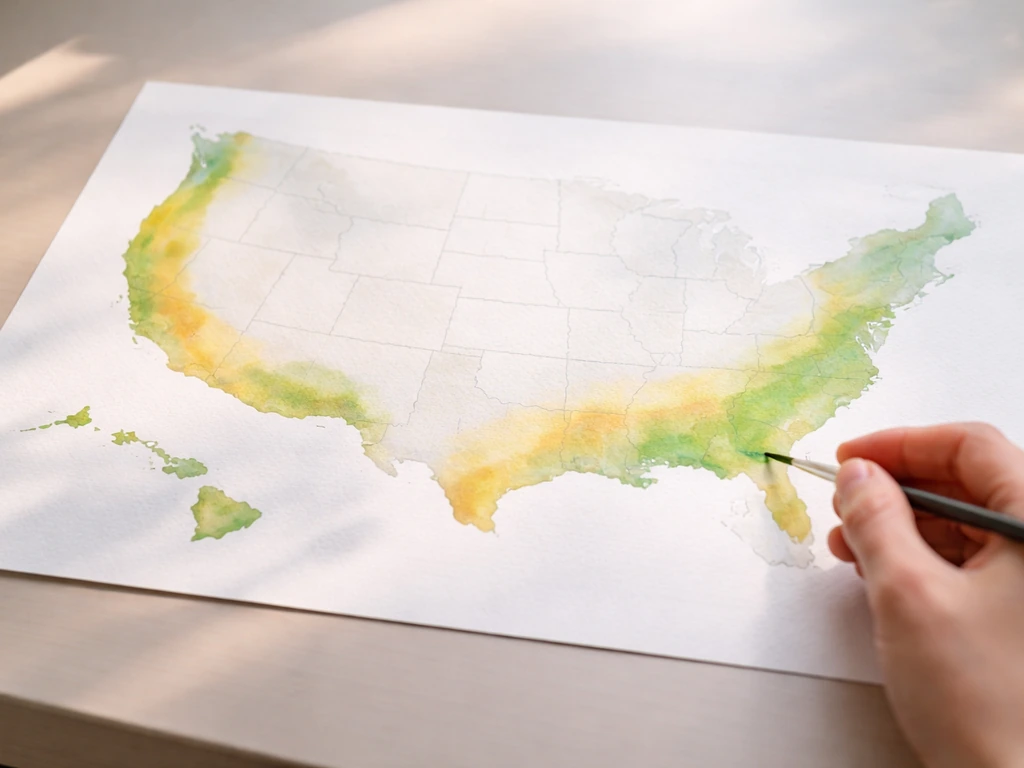
The honest zone-by-zone breakdown matters here, because kava's needs are specific. It wants mean annual temperatures around 20–25°C (68–77°F), well over 2000 mm of annual rainfall, and high humidity consistently. That profile matches very few places in the continental US.
| Region / USDA Zone | Outdoor Feasibility | Best Approach |
|---|---|---|
| Hawaii (all islands) | Excellent — ideal conditions | In-ground outdoors, traditional cultivation |
| South Florida / Keys (Zone 11–12) | Very good with humidity and rainfall | In-ground or large containers outdoors |
| Central/North Florida, Gulf Coast (Zone 9b–10b) | Marginal — frost risk, drier winters | Containers outdoors in warm months, bring in for winter |
| Southern California coast (Zone 10–11) | Possible but humidity is usually too low | Containers with humidity management |
| Pacific Northwest, Mountain West, Midwest, Northeast (Zone 8 and below) | Not feasible outdoors | Strictly indoor or greenhouse growing |
| Texas Gulf Coast, Louisiana, Georgia coast (Zone 9a–9b) | Risky — occasional freezes and dry spells | Container growing with winter protection |
Hawaii is the only US state where kava is traditionally cultivated at any scale, and it's legal to grow there without restrictions. The Hawaiian DOH issued a GRAS determination in January 2024 recognizing the traditionally prepared 'awa (kava) beverage from noble variety roots mixed with water or coconut water, which reflects how central this plant is to Hawaiian culture and agriculture. If you're anywhere else, you're working against the climate from day one.
What Kava Is and Why It's Demanding
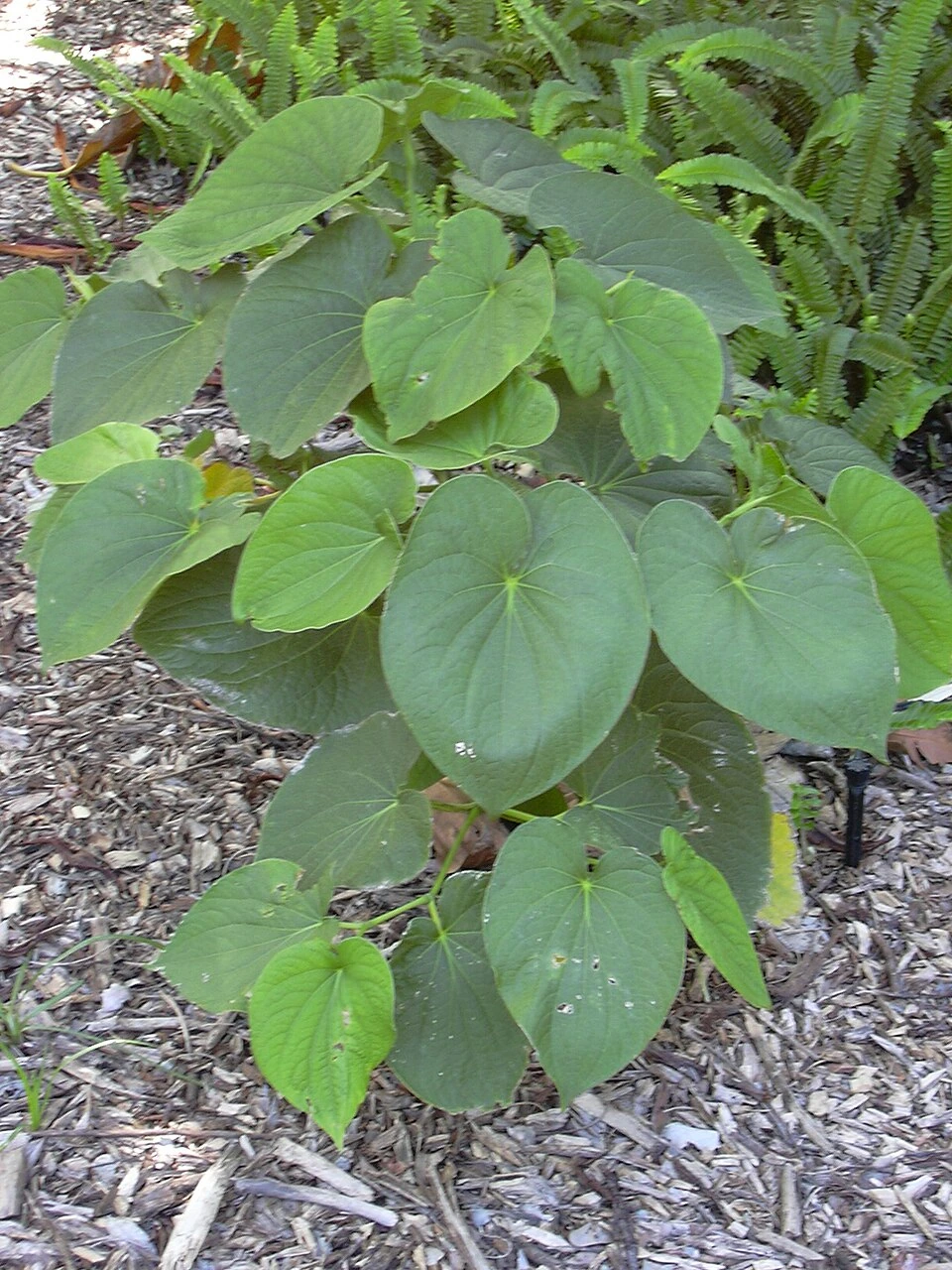
Kava is native to the Pacific Islands, where it's been cultivated for thousands of years as a ceremonial and social crop. The part people use is the root and rhizome system, which builds up over several years. The plant itself looks like a large-leafed shrub, growing 1.5 to 3 meters tall in ideal conditions, with heart-shaped leaves on thick, knotted stems. It doesn't produce viable seed in cultivation, so virtually all propagation happens vegetatively from stem cuttings.
Here's why it's challenging outside the tropics: kava needs warmth, moisture, and humidity simultaneously and consistently. It tolerates some shade, which is actually helpful in hot climates, but it won't tolerate drought, poor drainage, cold nights, or low humidity for extended periods. The combination of those needs rules out most of the continental US for outdoor growing. Think of it like growing a tropical crop similar in temperament to taro or ginger, but even less forgiving of temperature swings.
Indoors vs. Outdoors: Which Path Makes Sense for You
Growing Kava Outdoors
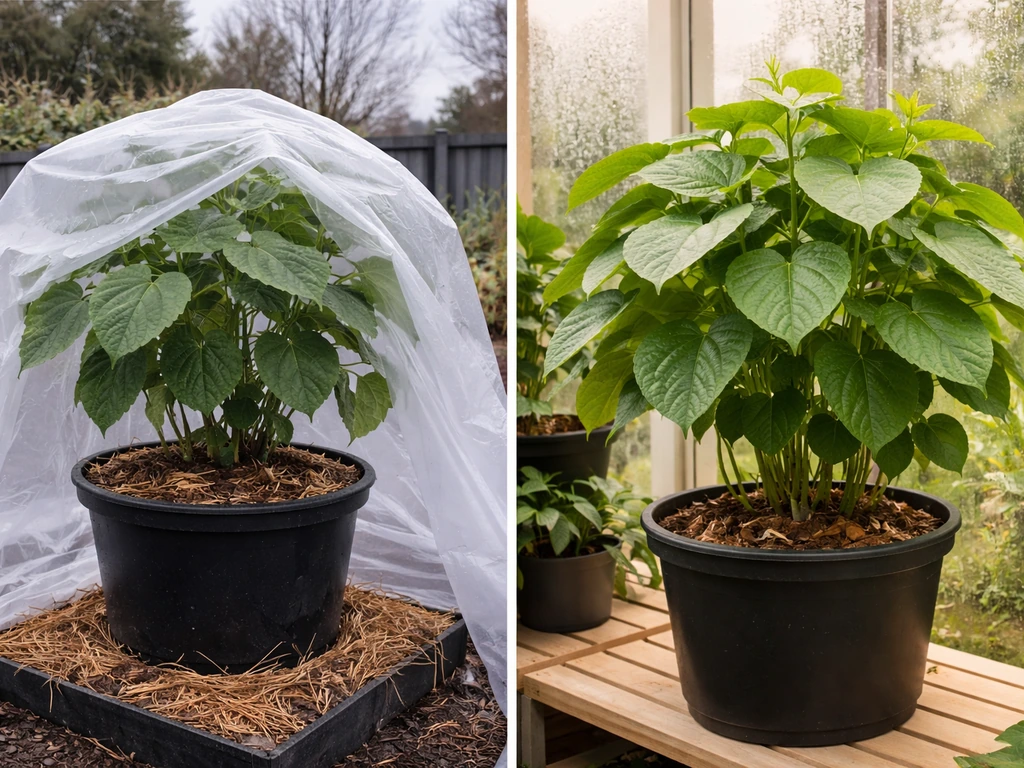
Outdoor growing is only realistic if you're in a frost-free zone with high humidity and warm nights year-round. In Hawaii or South Florida, you can plant directly in the ground or in raised beds and let the plant do its thing. In marginally warm areas like coastal Southern California or the Gulf Coast, you can put containers outside from late spring through early fall but need to have a plan to bring them in before any risk of frost. If your winters regularly drop below 50°F at night, outdoor cultivation isn't a viable primary strategy.
Growing Kava Indoors or in a Greenhouse
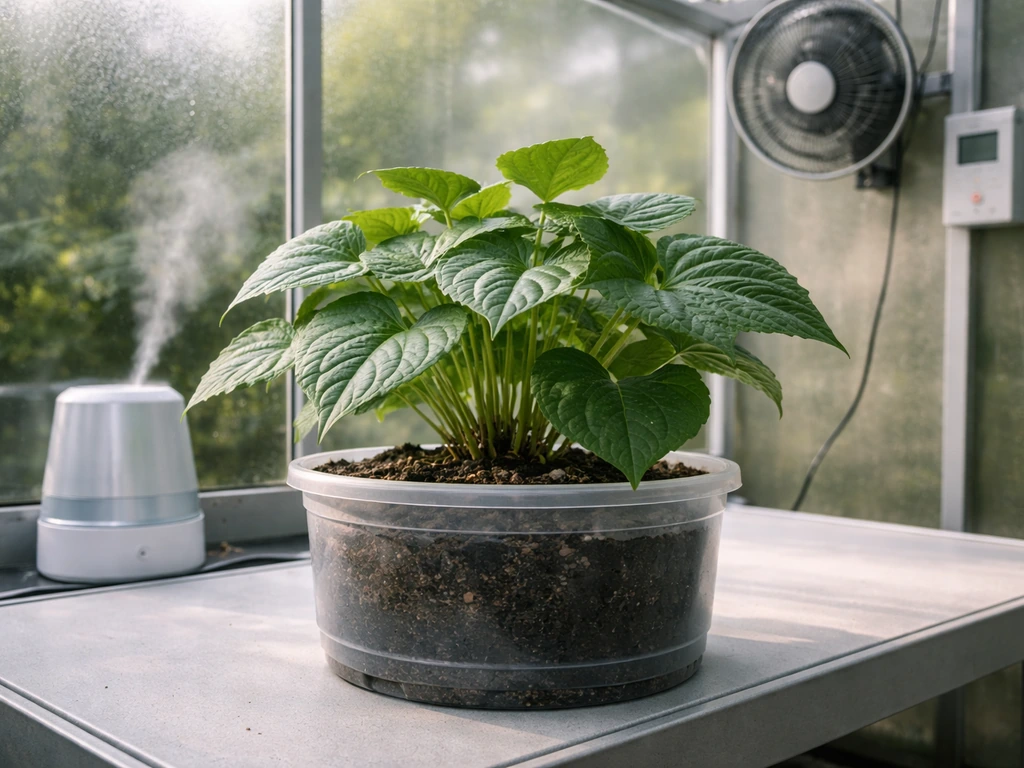
For most of the US, indoor growing in large containers is the practical path. A heated greenhouse works well if you can maintain temperature and humidity targets consistently. Indoors, kava grows slower and stays smaller, but it can survive and even produce harvestable roots over several years if the conditions are right. The main challenge indoors is humidity: most homes run at 30–50% relative humidity, and kava wants 70% or higher. A grow tent with a humidifier, or a dedicated greenhouse space, handles this better than an open living room.
Soil, Light, Moisture, and Container Setup
Soil is one of the places where kava growers most often go wrong. It needs deep, fertile, well-drained soil with high organic matter and a pH between 5.5 and 6.5. Compacted or heavy clay soils kill it through root rot. For container growing, a mix of high-quality potting soil, perlite, and coco coir in roughly a 2:1:1 ratio gives good drainage while holding enough moisture and nutrients. Avoid anything with a lot of bark mulch or coarse wood chips in the mix, as those can harbor pathogens.
Light needs are moderate. Kava naturally grows under partial canopy shade in tropical forests, so it doesn't need or even want full blazing sun all day. Bright indirect light or about 50–60% shade cloth outdoors works well. Indoors, a south-facing window with supplemental grow lights for 12–14 hours is a reasonable setup. Direct afternoon sun in hot climates can scorch the leaves.
Watering needs to be consistent but never waterlogged. Kava wants moist soil, not wet soil. Let the top inch or two dry slightly between waterings, but don't let it dry out completely. In containers, make absolutely sure there are multiple drainage holes and that the pot isn't sitting in standing water. A container with no drainage is a death sentence for kava roots. For container size, start with at least a 5-gallon pot and plan to move up to 15–25 gallons as the plant matures if you want any meaningful root development.
Temperature, Humidity, Timing, and How Long This Takes
The hard targets: keep temperatures between 65°F and 95°F (18–35°C) for active growth, with nighttime temperatures not dropping below 60°F (15°C). If temps hit 50°F (10°C), the plant starts shutting down. Frost is fatal. Relative humidity should be at or above 70% for best results. Below 50% humidity, growth slows and the plant becomes more susceptible to stress and disease.
Timing for outdoor planting in marginal zones: wait until nighttime lows are reliably above 60°F before putting kava outside, and plan to bring it in at least a month before your average first frost date. In Zone 9b, that might mean a May-to-October outdoor window. In Zone 10b or 11, you may get a longer or year-round outdoor season.
Growth timeline is slow by most garden standards. In ideal tropical conditions, kava is typically harvested after 3 to 5 years when the roots are mature enough to have meaningful kavalactone content. In a US home growing setup, that timeline can stretch to 4 to 7 years, especially indoors. Don't expect a quick harvest. The plant will grow steadily, adding stems and spreading its rhizome base, but patience is genuinely required. I've talked to growers in Southern Florida who waited 4 years for their first modest harvest and said it was worth it; growers in less suitable climates who tried to rush it were consistently disappointed.
Propagation, Pests, Diseases, and Common Failures
How to Propagate Kava
Kava doesn't produce viable seed in cultivation, so you're working with stem cuttings. Take segments of mature stem that include at least two or three nodes, cut them to about 20–30 cm (8–12 inches) long, and bury the lower portion about 5–10 cm (2–4 inches) deep in a moist, well-draining medium. Keep humidity high and warmth consistent during rooting, which typically takes 4 to 8 weeks. Bottom heat from a seedling mat helps significantly if you're starting cuttings in a cooler environment. Don't let cuttings dry out or sit in soggy medium during this stage.
Pests and Diseases to Watch For
- Root rot (Pythium and related pathogens): the most common killer. Caused by poor drainage, overwatering, or heavy soils. Symptoms are yellowing leaves, wilting despite moist soil, and eventual collapse. Prevention through proper soil mix and drainage is far easier than cure.
- Spider mites: a common indoor pest in low-humidity environments. Increase humidity and use neem oil or insecticidal soap as needed.
- Scale insects: can appear on stems. Remove manually and treat with horticultural oil.
- Fungal leaf spots: more common in stagnant air with high humidity. Improve airflow while maintaining humidity levels.
- Slugs and snails: relevant for outdoor growing in humid climates, especially in Hawaii.
Why Kava Plants Fail: The Honest List
- Cold stress: even a single night below 50°F can set the plant back significantly or kill it.
- Overwatering in dense or poorly draining soil: the number one cause of root rot.
- Underwatering during establishment: new cuttings need consistent moisture to root successfully.
- Low humidity: plants can survive but growth stalls and stress vulnerability increases.
- Too much direct sun: especially in hot climates, full afternoon sun scorches leaves and stresses roots.
- Container too small: stunts root development and limits the harvest potential you're working toward over years.
- Impatience with the harvest timeline: cutting roots too early when kavalactone content is still very low.
Harvesting Roots and What You Need to Know About Safety and Legality
Harvesting and Curing
When kava roots are mature, typically after at least 3 years in the ground, you harvest by carefully digging up the root mass and lateral roots. The lateral roots and the basal stump are the parts used; the main tap root and stems can sometimes be replanted or used to propagate new plants. After harvesting, roots are typically washed, then either used fresh or dried for longer storage. Drying is done in a well-ventilated area out of direct sunlight, at low heat if using a dryer, until moisture content is low enough to prevent mold. This is what's generally referred to as curing, though it's less involved than curing processes for crops like tobacco or vanilla. Fresh root is considered more potent by many traditional users; dried root is more practical for storage and transport.
Legal Status and Safety Notes
Kava is not controlled under the federal Controlled Substances Act, according to the DEA. Growing it, possessing it, and consuming it is legal at the federal level in the US, and it's sold widely as a dietary supplement. No US state currently prohibits home cultivation of kava. You might also be wondering whether khat can be grown the same way in the US, since it has very different climate needs home cultivation of kava. So from a legal standpoint, you're clear to grow it.
On safety: in March 2002, the FDA issued an advisory warning that kava-containing dietary supplements may be associated with severe liver injury. This remains a legitimate concern that's worth taking seriously. The risk appears to be higher with concentrated supplement products, and the Hawaiian DOH's 2024 GRAS determination specifically applies to traditionally prepared 'awa beverage from noble variety roots mixed with water or coconut water, not to concentrated extracts or supplements. If you're growing kava for personal use, sticking to traditional preparation methods and noble cultivars is the more cautious approach. Anyone with liver conditions, or taking medications metabolized by the liver, should talk to a doctor before consuming kava in any form.
One other practical note: if you ever consider importing kava plants or products from overseas, the FDA requires prior notice before food items are offered for import, and customs rules apply. Buying from a US-based nursery or established domestic supplier is a much simpler path for home growers.
Where to Source Plants and Your Step-by-Step Starting Plan
Where to Buy Kava Plants or Cuttings
Finding kava plants in the continental US takes a bit of searching, but they're available. Look for these sources:
- Hawaiian nurseries and farms: several Hawaii-based operations sell rooted cuttings or young plants and ship domestically. This is the most reliable source for noble cultivars.
- Specialty tropical plant nurseries: online retailers that specialize in rare tropicals sometimes carry kava. Search for Piper methysticum specifically to make sure you're getting the right species.
- Kava enthusiast communities and forums: growers sometimes sell or trade cuttings, which can be an affordable way to get started.
- Etsy and similar platforms: variable quality, but legit sellers do exist. Read reviews carefully and confirm the cultivar if possible.
Stick to named noble cultivars rather than unlabeled cuttings when possible. Noble varieties are the ones with a long history of traditional use and a better safety profile than 'tudei' (two-day) kava varieties, which are generally not recommended for consumption.
Your Simple Starting Plan
- Assess your zone honestly. If you're not in Hawaii or Zone 10+, plan for container/indoor growing from the start.
- Source a rooted cutting or young plant from a reputable Hawaiian nursery. Specify a noble cultivar.
- Prepare your container: use a 5-gallon pot minimum with good drainage holes. Fill with a mix of quality potting soil, perlite, and coco coir (2:1:1). Target pH 5.5–6.5.
- Set up your environment before the plant arrives. If indoors, have your grow lights (12–14 hours), humidifier, and temperature controls ready. Aim for 70%+ humidity and 68–85°F consistently.
- Plant your cutting at 5–10 cm depth, water thoroughly, and place in bright indirect light. Avoid direct harsh sun while establishing.
- Water consistently but carefully. Check soil moisture before watering; never let the pot sit in standing water.
- If you're in a marginal outdoor zone, move containers outside once nighttime temps are reliably above 60°F. Bring them back in well before your first frost date.
- Fertilize lightly every 4–6 weeks during the growing season with a balanced organic fertilizer. Don't over-fertilize; kava doesn't need heavy feeding.
- Be patient. Plan for a 3-to-5-year timeline before any meaningful root harvest. Enjoy the plant in the meantime.
- When harvesting, use traditional preparation methods and noble variety roots. Treat safety notes seriously, especially if you have any liver health concerns.
If you've grown other demanding tropicals in containers, like ginger, taro, or even cassava, you already have relevant experience for kava. If you are wondering can you grow stevia, you can also try it as a warm-weather container herb, but its needs are much easier than kava’s grown other demanding tropicals. The care principles overlap significantly. Kava is worth trying if you're in Hawaii or South Florida and want a genuinely unique garden plant with cultural depth. It's a committed container project if you're in the rest of the country, but it's doable if you're patient and set up the environment correctly. If you’re specifically wondering, can you grow ube in California, it helps to understand how your local climate affects tropical crops. Go in knowing it's a multi-year project, not a season-end harvest, and you'll be set up for realistic success.
FAQ
If I’m in the continental US, can I keep kava alive outside during summer but still harvest eventually?
Yes, but you need heat and humidity control, not just warmth. If your nights regularly fall below about 60°F (15°C), growth slows and health issues become more common, even if daytime temperatures look fine. A typical workaround is an indoor setup with a humidifier plus nighttime temperature stability, or an attached heated greenhouse space where you can also maintain high relative humidity.
What happens if kava gets hit by a light frost or several cool nights?
Avoid it as a first strategy. Even when the plant survives a cooler spell, repeated cold stress reduces root development and can delay harvest quality by years. If you do container-garden, move plants indoors or to a reliably heated structure before nighttime lows approach the mid-50s°F (around 10–13°C), and never allow frost exposure.
How do I increase my success rate when starting kava from stem cuttings?
Choose propagation from healthy, mature stems, and treat rooting like a humidity-and-temperature project. Cuttings need warmth, consistently moist (not soggy) medium, and high humidity during the 4 to 8 week rooting window. Bottom heat helps in cooler homes, and the main mistake is letting the medium dry out too much or keeping it waterlogged, either of which can stall rooting or cause rot.
What container size should I start with to get decent root growth?
Bigger is generally better for root development, but you still have to balance size with aeration. In containers, use at least 5 gallons initially, then move toward 15 to 25 gallons as the plant grows if you want meaningful roots. A common mistake is going too large too soon without ensuring drainage and an airy mix, which can keep the root zone wet and increase rot risk.
How often should I water kava in a container?
Let the top layer dry slightly, but never swing between bone-dry and waterlogged. A practical check is to water only after the top inch or two feels lightly dry, then ensure excess drains freely. Also confirm you have multiple drainage holes and never let the pot sit in a saucer full of water.
How much light is too little for healthy kava indoors or outdoors?
Kava tolerates partial shade, but too little light can make the plant weak and slow. Indoors, aim for bright indirect light and supplement to keep steady growth, and outdoors use shade cloth rather than deep shade. If leaves are stretching or growth seems stagnant while humidity is high, insufficient light is often the culprit.
Can I grow kava in my home without a humidifier?
Yes, but don’t treat it like a typical houseplant because humidity needs are high. If you only rely on household humidity, you may see slow growth and stress. Many growers use a grow tent or dedicated greenhouse section with a humidifier and monitor relative humidity, targeting 70% or higher.
What soil mix mistakes most often cause kava to fail?
Use the right medium and avoid anything that holds water too long. Keep the mix well-drained, fertile, and within the pH range (about 5.5 to 6.5). A frequent issue is heavy clay or overly bark-heavy mixes that retain moisture or can harbor problems, leading to root rot or poor root mass.
After harvest, can I replant parts to keep the same plant producing?
Harvesting usually means removing the lateral roots and basal stump, then washing and either using fresh or drying. However, don’t expect seed-based regrowth, because kava doesn’t reliably produce viable seed in cultivation. If you want continuity, plan propagation from mature stems and consider replanting usable portions that support the next generation.
Is it safer to use home-grown kava, or are supplements still a risk?
For safety, be especially cautious with concentrated products, not just the plant itself. The FDA has warned about potential severe liver injury associated with certain kava-containing dietary supplements, and traditional preparations are generally viewed as the more cautious route. If you have liver conditions or take liver-metabolized medications, talk to a clinician before consuming any form.
If I can legally grow it federally, what are the practical legal issues to watch for locally or with imports?
Legally, the federal level is generally clear, but real-world access can still be tricky. Your next step is to buy from a domestic nursery or established supplier when possible, so you avoid import notice requirements and customs complications. Also, confirm local rules if you are in a municipality with additional ordinances.
Next Articles
Can You Grow Black Pepper in the US Where and How
Learn where black pepper can be grown in the US and how to grow it indoors or in warm zones for fruit.

Can You Grow Capers in the US? Regional Guide for Home Gardeners
Regional guide to growing caper plants in the US, choosing cultivars, meeting soil and climate needs, and harvesting bud
Can You Grow Peppercorns in the US? A Zone-by-Zone Guide
Zone-by-zone guide to growing black pepper peppercorns in the US, including heat, humidity, indoor options, and timeline