
Yes, you can grow loofah in Michigan, but it is genuinely borderline and you have to work for it. Most of the Lower Peninsula sits in USDA zones 5b to 6b, and loofah needs roughly 90 to 110 frost-free days with consistent heat to produce mature, usable sponges. Can you grow loofah in Colorado? It depends on whether you can consistently provide that heat and season length loofah needs roughly 90 to 110 frost-free days. That is a tight fit even in southern Michigan, and a near-impossible one in the Upper Peninsula. The good news is that with an early indoor start, a hot sunny site, and a little season extension gear, most Lower Peninsula gardeners can pull off a real harvest. You can use the same strategy in Washington by starting seeds indoors early, then protecting the vines with season extension if your summers are short can you grow loofah in washington. You just need to go in with a clear plan and realistic expectations.
Can You Grow Loofah in Michigan? How to Grow It Successfully

Loofah basics and which type to grow
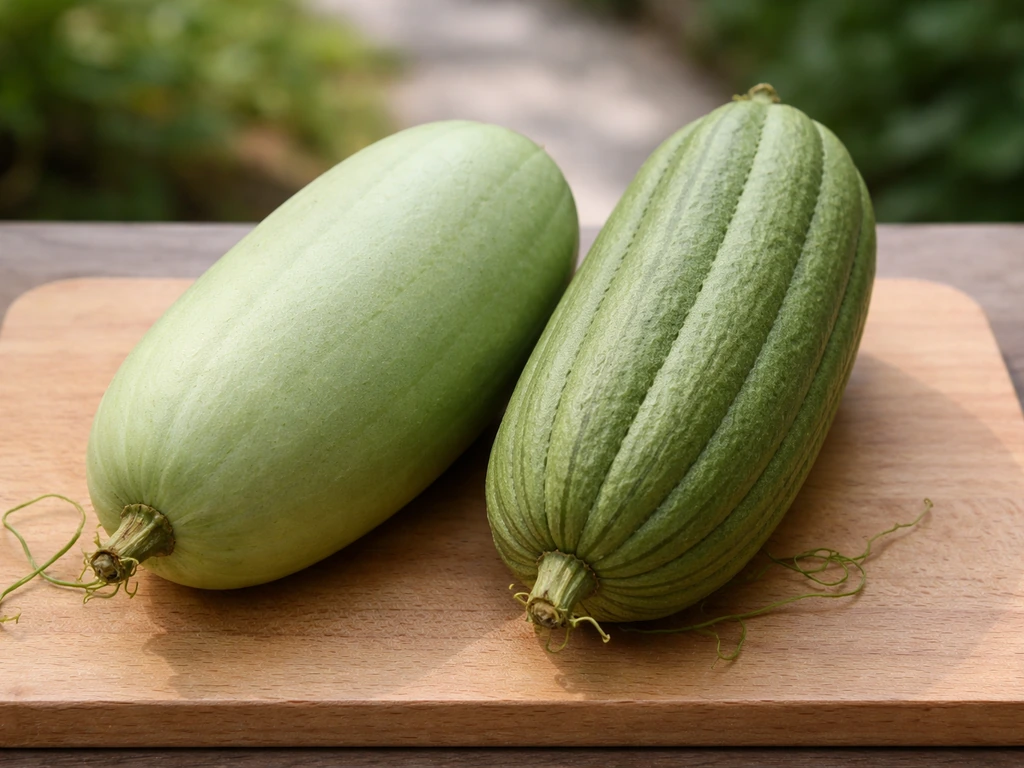
Loofah and luffa are the same plant, just spelled differently. The two species you will encounter are Luffa aegyptiaca (smooth sponge gourd) and Luffa acutangula (ridged or angled luffa). Both produce edible fruit when harvested young and green, under about 6 to 7 inches, and both will eventually produce the familiar fibrous sponge if left on the vine long enough to mature and dry. For Michigan, the species choice matters less than the variety's day-to-maturity rating, but Luffa aegyptiaca is the standard choice for sponge production and has the most variety options available to North American seed sellers.
The two harvest modes are worth keeping straight before you plant. If you want edible fruit, you pick young and often, and the season-length pressure is low because young fruits arrive relatively quickly. If you want sponges, you need the fruit to turn brown, shrivel, and fully dry on the vine, which is where the 90 to 110 day requirement bites. In Michigan, I would recommend deciding early which mode you are prioritizing, because they require different timing decisions.
Michigan climate reality: can it ripen here?
The Lower Peninsula's southern tier, think the area around Kalamazoo, Ann Arbor, Monroe, and the lakeshore communities along Lake Michigan, gets roughly 150 to 170 frost-free days. That is enough, barely, to hit 90 to 110 days of warm growing if you are aggressive about your start date. In Canada, you will usually need an aggressive early start and season extension to reach the warm, long stretch luffa needs for sponge maturity can i grow luffa in canada. Moving north in the Lower Peninsula shrinks that window noticeably. By the time you reach the Traverse City area or anywhere in the Upper Peninsula, the math stops working for full sponge harvest without a greenhouse, and even then it is a stretch.
Heat accumulation matters just as much as frost-free days. Loofah wants soil temperatures of 70°F or warmer to really get moving, and Michigan summers, while warm, are not the long humid heat of the South where loofah thrives commercially. Cold, wet springs can stall plants for weeks even after the frost date has passed. Microclimates matter enormously here. A south-facing slope, a brick wall that stores daytime heat, or a sheltered raised bed can add weeks of effective growing. Exposed flat sites with northern exposure can easily cost you the harvest.
If you are growing in the Upper Peninsula, I would honestly redirect you toward edible immature harvest only, or consider growing in a hoop house or unheated greenhouse from the start. For the rest of this guide I am writing primarily for Lower Peninsula growers, especially those in the southern half. Can you grow soursop in Michigan? Learn what temperatures and season length soursop needs to survive and whether you can manage it with indoor growing or protection.
Choosing varieties, starting seeds indoors, and transplant timing
For Michigan, look specifically for varieties labeled at 90 days or under if you want sponges, and do not trust the day count to be accurate on the low end. I have found that the stated days on seed packets lean optimistic in cooler climates. Shorter-season selections like some of the Chinese market varieties sold under names like 'Smooth Luffa' or specifically labeled early-maturing types are your best bet. Avoid anything labeled over 100 days as your primary planting if sponges are the goal.
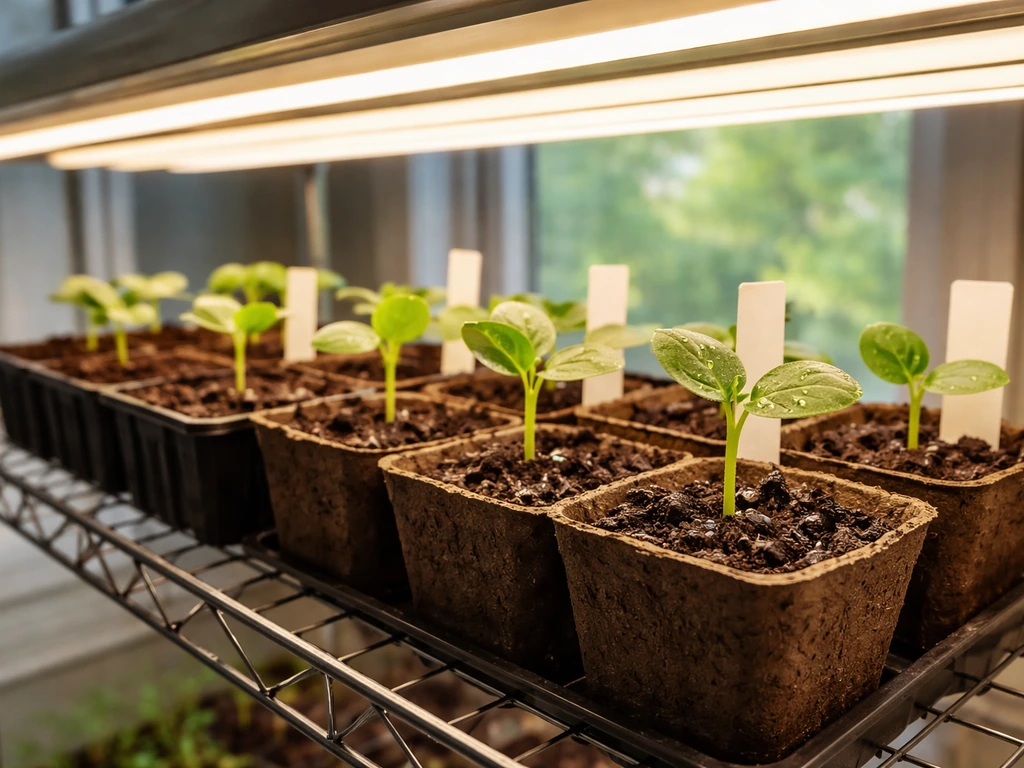
Start seeds indoors 6 to 8 weeks before your planned transplant date, which in Michigan means starting no later than late March and ideally in mid-March for the southern Lower Peninsula. Before planting, soak seeds in warm water for 24 hours to soften the shell and speed germination. Plant into individual 4-inch or larger pots and put them on a heat mat set to 75 to 85°F. Without bottom heat, germination is slow and erratic. Once sprouts are up and growing, they need strong light, a south-facing window is marginal so supplement with a grow light if you have one.
Transplant date for most of southern Michigan is mid to late May, after your last frost has reliably passed. Do not rush it. Loofah transplants are cold-sensitive and a setback from a cold snap can cost you two weeks of growth. Harden off seedlings over 7 to 10 days before moving them out permanently. If you are using a low tunnel or row cover from the start, you can push transplant a week or two earlier, but keep cover material on hand.
| Task | Timing for Southern Lower Peninsula | Timing for Northern Lower Peninsula |
|---|---|---|
| Soak and start seeds indoors | Mid to late March | Early to mid March |
| Transplant outdoors (no cover) | Mid to late May | Late May to early June |
| Transplant with row cover protection | Early to mid May | Mid to late May |
| Expect female flowers | Late June to mid July | July |
| Target harvest window for sponges | Late September to mid October | October (tight, may not ripen) |
Site setup and support: sun, soil, trellises, and spacing
Loofah is a large, aggressive vine and it needs a spot that gets full sun, meaning a genuine 8 or more hours of direct sun per day. In Michigan where summers are not scorching, every hour of sun exposure matters. A south-facing location against a fence or shed wall is ideal because the structure reflects heat back onto the plants and soil. Avoid shaded or north-facing sites entirely.
Soil should be well-draining and fertile. Work in a generous amount of compost before planting and aim for slightly acidic to neutral pH around 6.0 to 7.0. Loofah is not particularly fussy about soil type as long as drainage is good. Waterlogged roots in Michigan's occasionally wet spring soil will stall or kill young plants quickly.
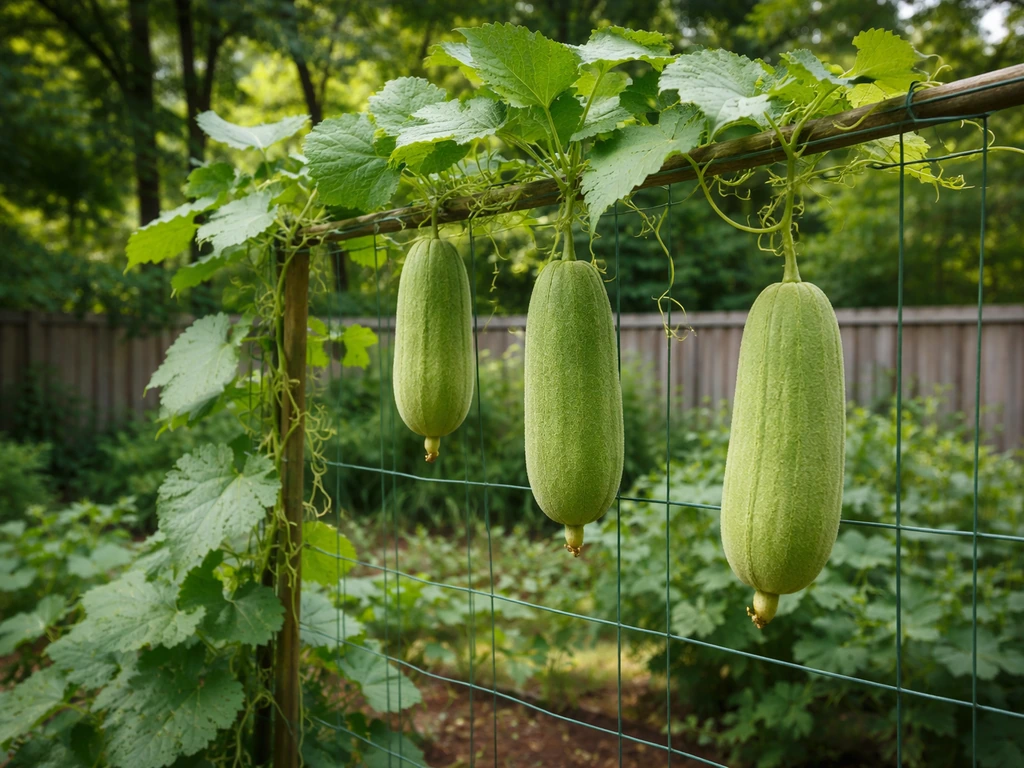
The trellis is non-negotiable. Loofah vines can easily reach 10 to 15 feet or more and they need something substantial to climb. A 6-foot fence, a cattle panel arch, or a sturdy A-frame trellis all work well. Space plants about 2 to 3 feet apart along the base of the trellis. The fruits hang freely when the vine grows vertically, which helps them develop straight and uniform. Train new growth onto the trellis regularly in the early weeks because the vines grow fast once temperatures warm up and can become a tangled mess if you ignore them.
Care during the season: watering, feeding, pollination, and vine management
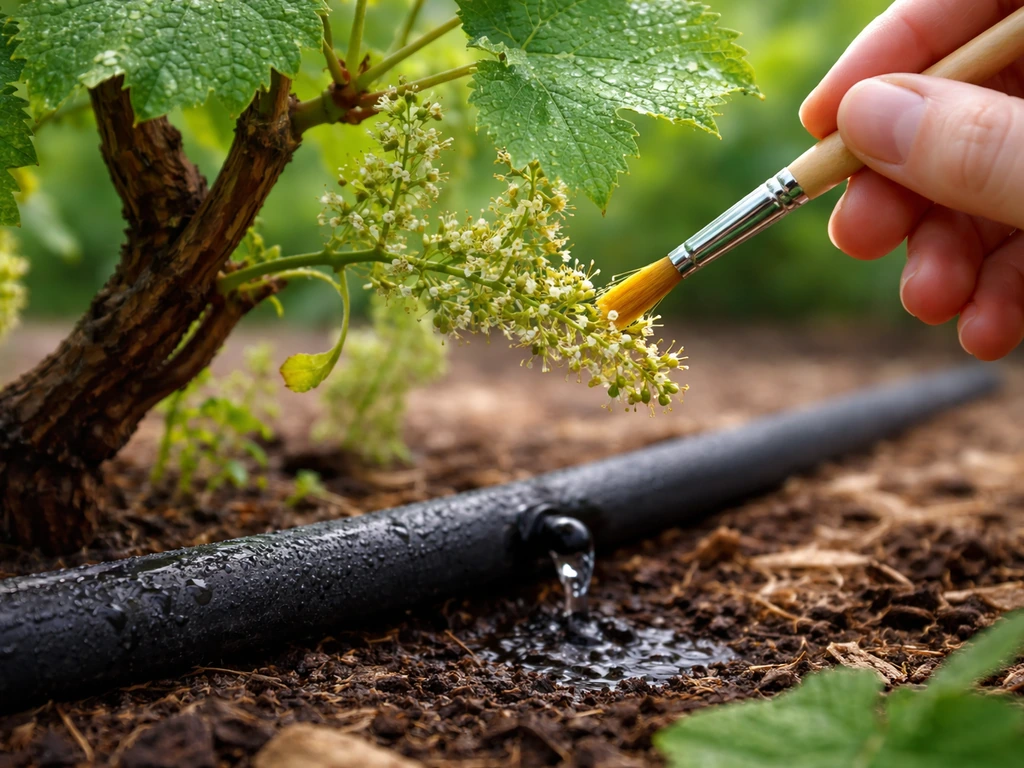
Water consistently, aiming for about 1 inch per week, and use drip irrigation or soaker hoses if possible. Wet foliage is an invitation for powdery mildew and downy mildew, both of which are common cucurbit problems in Michigan. Rutgers control recommendations for cucurbits emphasize prevention and monitoring to manage downy mildew pressure, which can help gardeners start a practical program early. Powdery mildew shows up as white powdery patches on leaves and becomes more aggressive in late summer when nights cool. Downy mildew looks like yellowish patches on upper leaf surfaces with grayish-purple growth underneath. Neither is immediately fatal but both can slow fruit development at exactly the wrong time. Avoid overhead watering, give plants good air circulation, and scout for symptoms starting in July.
Feed with a balanced fertilizer at transplant, then switch to something lower in nitrogen and higher in phosphorus and potassium once plants start flowering heavily. Too much nitrogen late in the season pushes leafy growth at the expense of fruit development, which is the opposite of what you want when you are racing the frost calendar.
Loofah has separate male and female flowers on the same vine. Male flowers appear first, usually in clusters, and the females come along later as individual flowers with a small immature fruit (the ovary) at the base. Bees and other pollinators typically handle this, but in a short Michigan summer where you want every fruit to set quickly, it is worth hand-pollinating. Use a small brush or simply pick a fully open male flower and dab the pollen directly into the center of an open female flower. Do this in the morning when flowers are freshest. One plant can theoretically produce 20 to 25 gourds, but in Michigan I would be happy with 8 to 12 good-sized sponges from a well-managed vine.
Once fruits are setting and sizing up, you can pinch off the growing tips of the main vine to redirect energy into the fruits that are already developing. In a short season state like Michigan, it makes no sense to let the plant keep making new growth and new flowers in August when what you really need is for the existing fruits to mature before October.
Season extension strategies for short summers in Michigan
Season extension is not optional in Michigan if you want mature sponges. Think of it as adding two to four weeks at both ends of the season, which is often the difference between a good harvest and a pile of green, immature gourds killed by frost. The simplest approach is a low tunnel: wire or plastic hoops over your planting row with floating row cover draped over them. This keeps plants 5 to 10 degrees warmer than the ambient air on cold nights and protects against late spring frosts so you can transplant earlier.
Close your low tunnels at night any time the overnight forecast drops below 40°F. Open or vent them during the day when temperatures rise above 70°F to prevent overheating and to allow pollinator access. Once your plants are flowering heavily in summer and temperatures are reliably warm, you can remove the row cover entirely and let the plants climb their trellis freely. Then reinstall or have plastic sheeting ready in September to push the season as long as possible at the back end.
Growing in containers is another option, particularly for gardeners in northern areas of the Lower Peninsula. A large container (at least 15 to 20 gallons) on a south-facing patio or against a heat-reflective wall gives you the ability to move the plant to take advantage of warmth and avoid cold pockets. Containers dry out faster than in-ground beds so daily watering is often needed in hot weather. It is more work, but the microclimate gains can be real.
If you have an unheated hoop house or cold frame already set up for other crops, that is your best Michigan option for loofah by far. Starting the vine inside the structure, training it through a vent or door opening once it outgrows the space, and then reclosing the structure over the ripening fruits in fall gives you the maximum possible growing window.
Harvesting, curing, and what to expect if it's frost-limited
If things go well, your sponge fruits will start turning brown and slightly shriveled on the vine in late September or early October in southern Michigan. That browning and lightening of the skin is the main harvest cue. The fruit should feel lighter than you expect because the interior is drying out. At that point, cut the fruits from the vine and bring them inside to finish curing in a warm, dry spot with good air circulation.
To process the sponges, soak the dried gourds in water until the outer skin softens enough to peel, then strip the skin off, shake or rinse out the seeds, and rinse the fiber thoroughly until the water runs clear. Dry the sponge completely in a warm, airy spot before storing. If the fiber looks stained or discolored, a dilute bleach soak can lighten it before the final rinse and dry.
Here is the honest fallback scenario for Michigan: frost arrives before your fruits are fully brown. Do not compost them. Fruits that are large, mature-green, and have started to dry internally can still be processed into a usable sponge even if they never fully browned on the vine. Research from NC State confirms that mature-green stage fruits can yield workable sponge fiber after post-harvest treatment. Bring them inside, let them sit in a warm location for a couple of weeks, and then attempt processing. The fiber may be softer or less uniform than vine-ripened sponges, but you will likely get something usable out of them.
If your fruits are still small and green at first frost, those are best eaten. Young loofah under 7 inches can be cooked just like zucchini and is genuinely good. So even a frost-cut season is not a total loss if you accept that some of your harvest will be culinary rather than sponge.
The bottom line: loofah in Michigan is worth trying if you are in the southern Lower Peninsula, you start seeds indoors in March, you have a full-sun site with a trellis, and you use row covers at both ends of the season. If all of those pieces are in place, a sponge harvest is genuinely achievable. If you are missing one or two of those conditions, plan around immature edible harvest and treat any sponges you get as a bonus. If you are wondering can you grow lychee in ohio, the key issue is whether Ohio’s summers provide enough warmth and a long enough season for that kind of tree. Gardeners in Ohio face a similar but slightly more favorable version of this same calculation, and the growing approach in both states is essentially the same.
FAQ
Can you grow loofah in Michigan without a greenhouse or hoop house?
Yes, but for sponge harvest you will usually need at least low tunnels (or row cover) at both ends of the season. If you skip season extension, frost typically interrupts the vine before gourds fully brown and dry, so plan on eating more immature fruit instead (green, under about 6 to 7 inches).
What’s the biggest reason loofah fails in Michigan, cold or too little time?
It is usually a combination of both, but timing often wins. Michigan can get enough frost-free days in the southern Lower Peninsula, yet cold wet spells in spring and cool nights in late summer still delay growth and slow full drying, which makes frost arrive before mature sponging.
Do I need to grow loofah from seed, or can I buy transplants?
Start from seed if you can, because loofah dislikes cold setbacks and transplant shock. If you do buy transplants, set them out only after consistent warm conditions and expect a slower start if the nursery pot was root-bound or kept cool.
How early can I start seeds for loofah in southern Michigan?
Mid-March is a practical target for many southern Lower Peninsula gardeners, but only if you can keep seedlings warm and under strong light. If your light setup is weak, shift later rather than producing tall, leggy vines that struggle to recover after transplanting.
Why are my loofah seedlings stalling even after the last frost?
Most stalling is from soil that is still cool or waterlogged. Use bottom heat for seedlings, and when transplanting, choose well-draining soil and avoid planting into cold, wet beds. Consider raising the bed and using the low tunnel from day one to warm the root zone.
Can I plant loofah directly outdoors in Michigan?
Direct seeding is rarely reliable for sponge production. Loofah needs warm soil for steady germination and a long run of warm weather afterward, so outdoor timing usually fails to give enough heat accumulation for mature sponges.
What row cover or low tunnel setup works best, and when should I remove it?
Use row cover over hoops to gain warmth early and protect from late frosts, then vent or remove during daytime warmth to prevent overheating and to allow pollinators. Once flowering is heavy and nighttime temperatures are reliably warm, you can remove cover for best vine growth and fruit set, but be ready to reinstall in September for extra fall time.
Should I hand-pollinate loofah in Michigan every time?
Not necessarily, but it can help when you are aiming for a full sponge harvest. If you notice lots of male flowers but few females setting, do morning hand-pollination for a week or so to boost fruit count, then rely on pollinators as usual.
How can I tell if a loofah is close to sponge-ready before frost?
Look for browning and a slight shrivel plus a noticeably lighter feel, because the inside is drying out. If the outer skin is still fully green and the fruit feels heavy, you are likely not at sponge maturity yet, even if days-to-maturity says otherwise.
If frost hits before the gourds fully brown, can I still process them?
Yes, for many cases you can bring mature-green gourds inside and let them finish in a warm, dry spot for a couple of weeks before processing. If fruits are still small and very green at first frost, treat those as edible (like zucchini) rather than expecting uniform sponge fiber.
How long should dried loofahs cure indoors after peeling?
After you strip the skin and clean the fiber, dry fully in a warm, airy area until completely dry to the touch and not cool or damp inside. Extra moisture can cause odor or mildew during storage, so aim for a crisp, fully dry sponge.
Why are my loofah fruits growing crooked or tangled on the trellis?
Crooked gourds usually happen when fruits are not supported vertically or the vine is allowed to sprawl. Keep vines trained onto the trellis early, and make sure fruits hang freely below the point they formed, adjusting the vine rather than waiting until fruits are large.
Do I need a lot of nitrogen to get big loofah vines in Michigan?
Too much nitrogen is counterproductive once you want sponges. After flowering starts, switch to a fertilizer mix that is lower in nitrogen and higher in phosphorus and potassium so the plant prioritizes fruit filling and drying instead of endless leafy growth.
What pests or diseases should I watch for specifically in Michigan?
Powdery mildew and downy mildew are the main leaf issues in late summer, and they can slow fruit maturity at the wrong time. Scout from July onward, keep foliage as dry as possible by avoiding overhead watering, and ensure good airflow on the trellis.
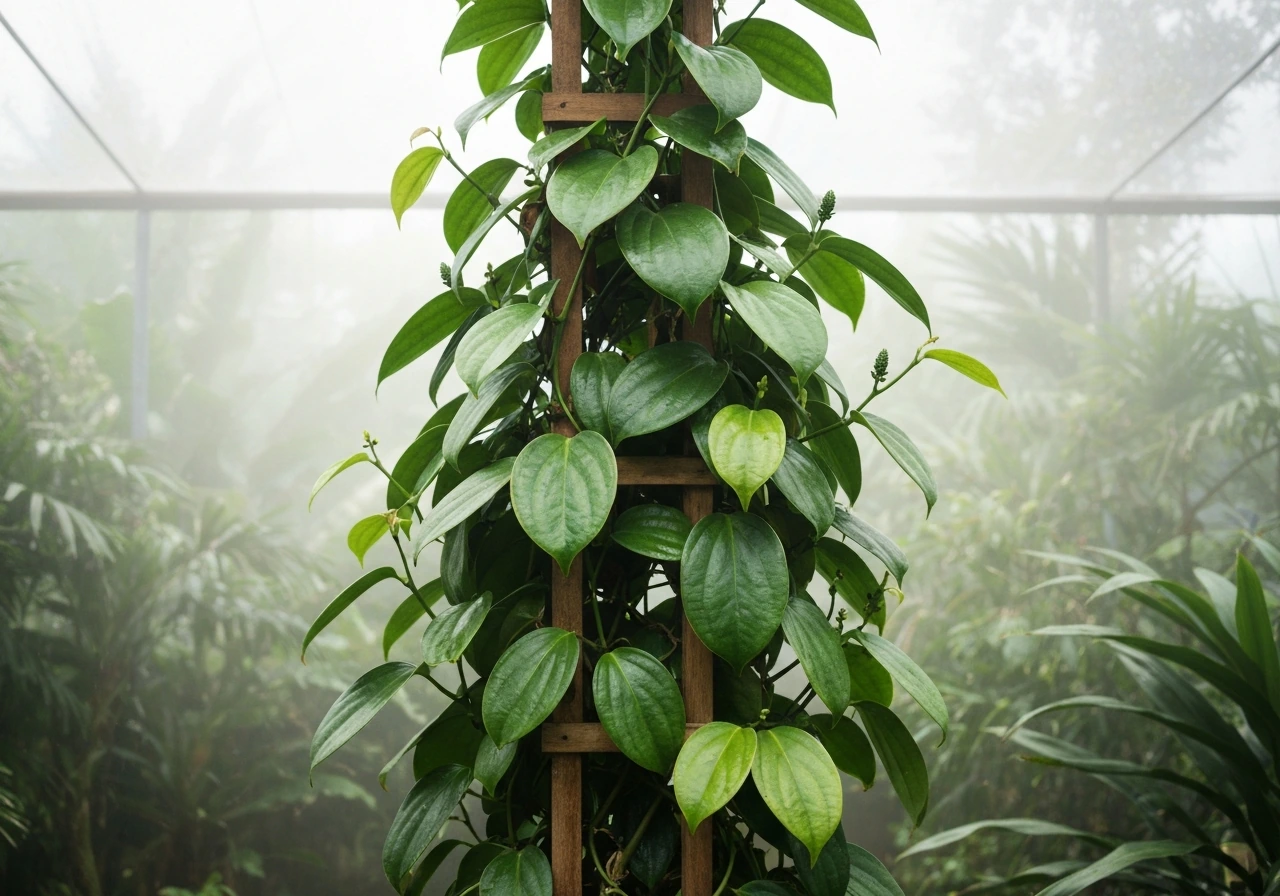
Learn where black pepper can be grown in the US and how to grow it indoors or in warm zones for fruit.

Regional guide to growing caper plants in the US, choosing cultivars, meeting soil and climate needs, and harvesting bud
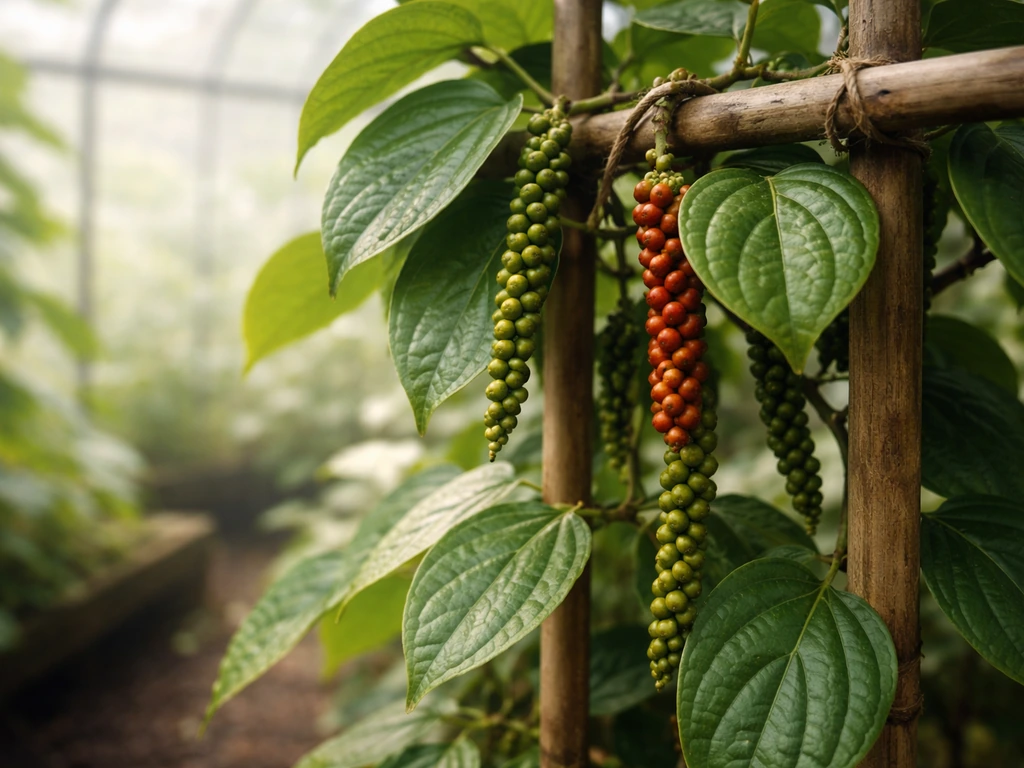
Zone-by-zone guide to growing black pepper peppercorns in the US, including heat, humidity, indoor options, and timeline