
Yes, you can grow sassafras, specifically Sassafras albidum, the common species most gardeners are after, if you're in the right part of the country. It's a native North American tree that thrives across a wide band of the eastern and central U.S., from USDA hardiness zones 4 through 9. If you're in that range, you're not fighting the plant. You're mostly just giving it decent soil, a sunny to partly shaded spot, and the patience to wait out a slow first year or two.
Can You Grow Sassafras in the U.S.? Planting Guide

Marcus Petersen
6 May 2026
What sassafras is and where it naturally grows
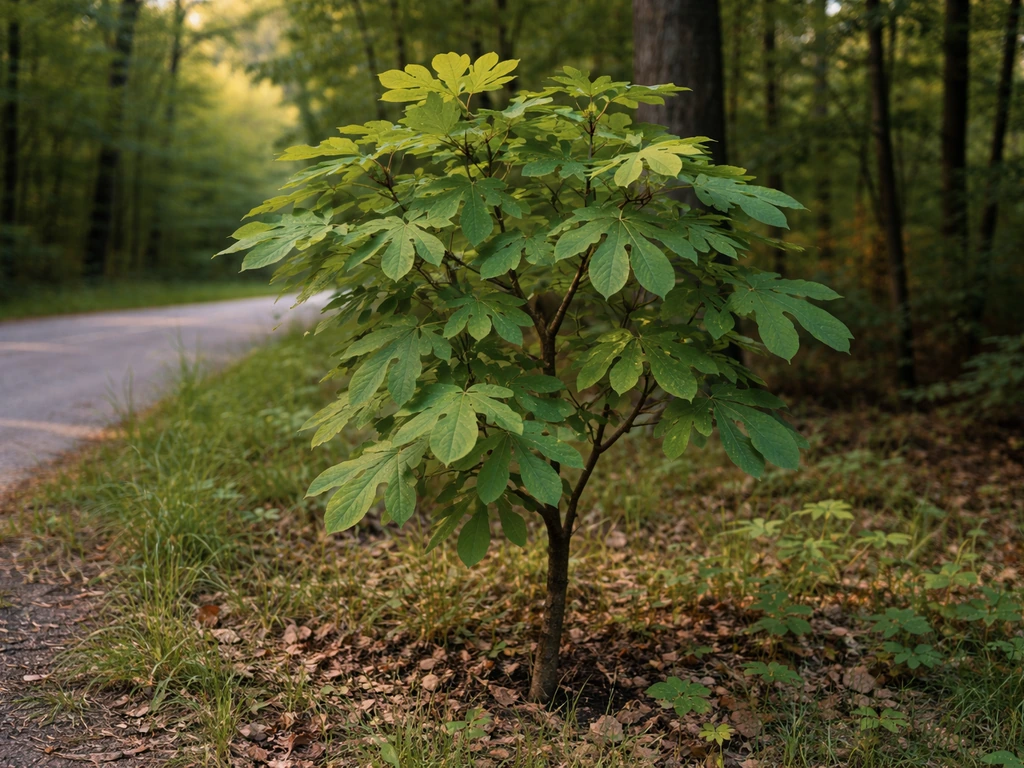
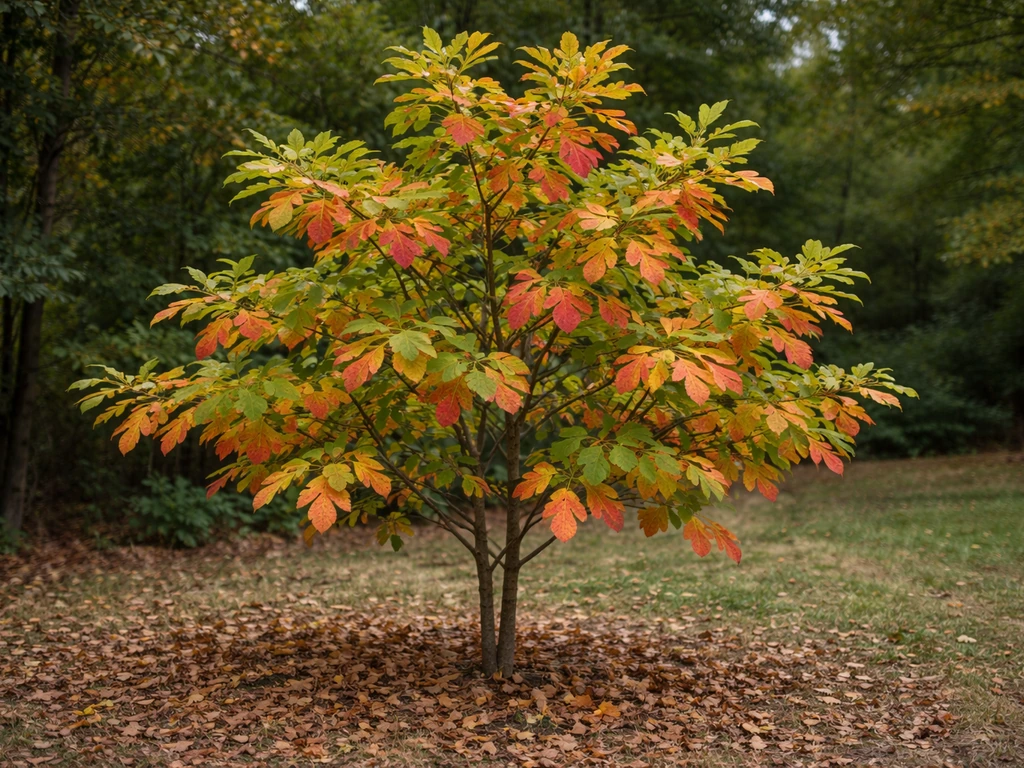
Sassafras albidum is a deciduous tree (sometimes a large shrub, depending on conditions) native to eastern North America. The USDA Forest Service tracks its native range from southern Maine and Ontario south through the Appalachians and into the Gulf and Atlantic coastal regions. It grows wild in woodlands, forest edges, old fields, and roadsides, places where disturbed soil and variable light are common. That tells you something useful about the plant: it's opportunistic and scrappy, not delicate.
People grow it for a few different reasons. Some want the stunning fall foliage, leaves turn orange, red, and purple in a way that honestly rivals maples. Others are after the aromatic bark, roots, or leaves for culinary or folk uses. And some just want an interesting native tree that wildlife loves. Sassafras is a larval host plant for the spicebush swallowtail butterfly and provides food for birds and mammals. Whatever your reason for growing it, the plant itself is the same, it's what you do with it afterward that varies.
Where sassafras grows well in the U.S.
The sweet spot for sassafras is the eastern half of the United States, roughly from New England down through the Mid-Atlantic, the Midwest, the Appalachian South, and into the lower Gulf states. Zones 4 to 9 cover this range well, and sassafras handles genuine winter cold without much trouble, it's a native plant that evolved with North American winters.
The harder limits are in the West and the coldest northern fringe. Dry western climates, think Colorado, the Great Basin, or most of California, are genuinely difficult for sassafras because the plant needs adequate summer moisture and humidity levels it just doesn't get there without serious irrigation and microclimate management. The Pacific Northwest is a partial exception, but sassafras isn't commonly grown there either. If you're in California or Colorado, you're fighting the plant's biology, not just its preferences. The Great Lakes states, Michigan, Wisconsin, Ohio, are fine, since sassafras grows natively in parts of that region.
If you're in the Southeast or Mid-Atlantic, consider yourself in the easiest tier. The plant practically volunteers in disturbed areas in Virginia, North Carolina, Tennessee, Kentucky, Missouri, and similar states. Zone 5 through 7 gardeners in the Northeast and Midwest also have solid odds, just expect a slower start and be mindful of drainage in heavy clay areas.
How to start sassafras: seeds, saplings, or cuttings
This is where a lot of gardeners hit a wall, so let's be straight about the options.
Starting from seed
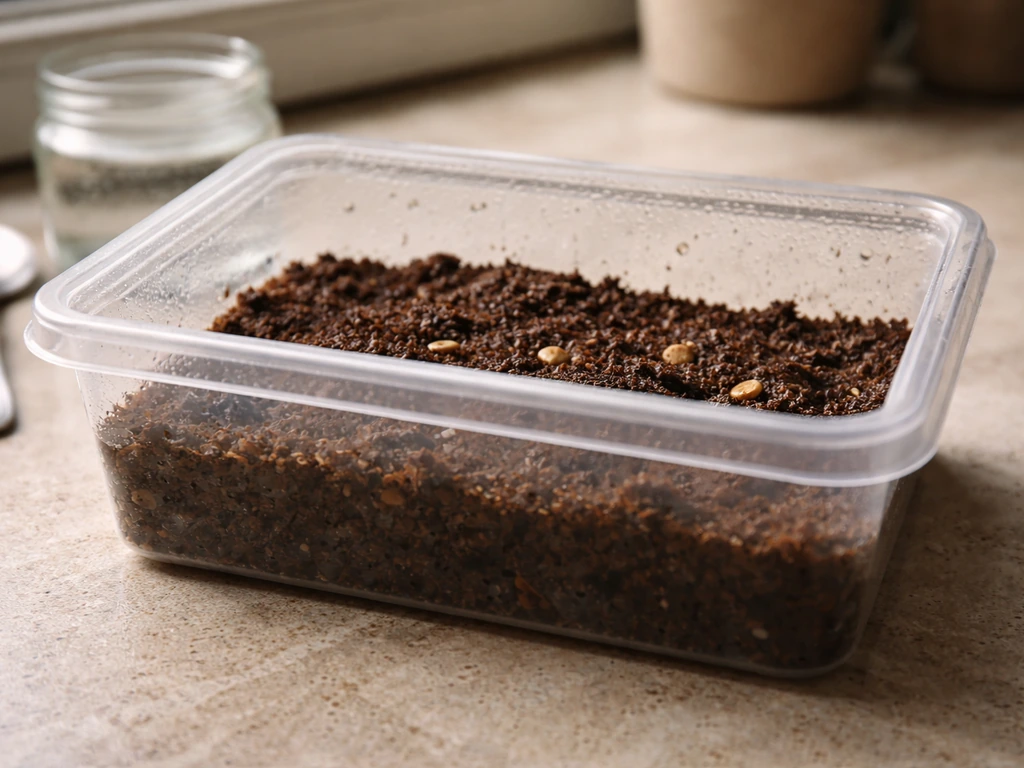
Sassafras seeds are available but fussy. They require cold stratification, typically 90 to 120 days in moist, cold conditions (around 34 to 40°F) to break dormancy. If you collect fresh seed in fall, you can stratify over winter in your refrigerator using barely moist sand or peat in a sealed bag, then sow in spring once soil temps reach around 60°F. Germination rates can be disappointing even with proper stratification, and seedlings are slow. I've had batches where half the seeds never did anything despite doing everything right. Seed is the cheapest route, but it's also the most patience-intensive.
Starting from nursery saplings
Buying a container-grown sapling from a reputable nursery, ideally one that specializes in native plants, is the most reliable path for most home gardeners. The plant is already past the fragile seedling phase, and you're starting with established roots. Even so, sassafras is known for transplant sensitivity (more on that below), so a younger, smaller sapling in a container will often establish faster than a large balled-and-burlapped specimen. Look for local native plant nurseries or native plant sales run by state conservation departments; they often carry sassafras at reasonable prices.
Cuttings, skip it
Propagating sassafras from cuttings is generally unreliable and not the standard approach. Root cuttings taken from suckers in late winter or early spring have some success rate, but it's not a method I'd recommend if you're not already experienced with woody plant propagation. The better shortcut, if you want free plants, is to dig up small root suckers from an established tree in your yard or a neighbor's yard (with permission) in early spring before leafout. Those suckers have their own root systems and transplant better than stem cuttings.
Soil, light, and water
Sassafras is not a prima donna, but it does have real preferences. Get these right and the plant mostly takes care of itself. Get them wrong and you'll be wondering why your sapling looks miserable two years in.
| Requirement | Ideal | Tolerable | Avoid |
|---|---|---|---|
| Soil type | Sandy loam, well-drained | Loamy clay if drainage is good | Heavy, waterlogged clay |
| Soil pH | Slightly acidic, 5.5 to 6.5 | Up to about 7.0 | Strongly alkaline soils |
| Light | Full sun to part shade | Dappled shade (slower growth) | Deep shade |
| Watering | Regular moisture, especially first 2 years | Occasional drought once established | Consistently wet or flooded roots |
| Drainage | Essential — must drain freely | Raised beds or amended sites | Low spots, hardpan, standing water |
On pH: sassafras strongly prefers slightly acidic conditions, which aligns with what you'd find in native eastern woodland soils. If your soil runs alkaline, common in parts of the Midwest with limestone bedrock, amend with sulfur before planting and consider a soil test first. The plant will yellow and stall on highly alkaline soil.
On light: full sun produces the best growth rate and most vivid fall color. Part shade is workable, especially in hotter southern zones where some afternoon shade reduces stress. In deep shade, the plant will grow weakly and lean toward light, which defeats the purpose of planting it as a landscape feature.
When and where to plant, and how much space you really need
Plant sassafras in early spring, just before or as growth begins, or in fall after leaf drop, at least four to six weeks before your first hard frost. Spring planting in zones 4 through 6 gives the roots the full growing season to establish before winter stress. In zones 7 through 9, fall planting works well and avoids the stress of summer heat on a newly transplanted tree.
Site selection is where most people make a mistake they regret later. Sassafras can grow 30 to 60 feet tall at maturity, though in typical landscape conditions it usually stays in the 20 to 40 foot range. That's a significant tree, not a shrub you can tuck into a border. More critically: sassafras spreads aggressively through root suckers. Once established, it will push up new shoots from its root system in a radius around the parent plant, sometimes well beyond the drip line. In a naturalized area or woodland edge, this is a feature. Next to a lawn, a driveway, or a foundation, it becomes a real problem.
- Give the tree at least 15 to 20 feet of clearance from structures, walks, and other trees
- Avoid planting near underground utilities — root systems are wide-spreading
- Don't plant against a house foundation; root suckers will be a recurring battle
- Naturalized woodland edges and back-of-property plantings are ideal
- If you want to limit spread, plan to mow or cut suckers routinely — there is no chemical-free way to stop them entirely
Year-by-year care
The first two years are the most critical and the most discouraging. Sassafras is slow to establish, it puts most of its energy into root development before pushing significant top growth. Don't panic if your sapling barely grows in year one. That's normal. What you're watching for is healthy leaf color and no wilting; if the plant looks green and upright, it's doing its job underground.
Year 1 and 2
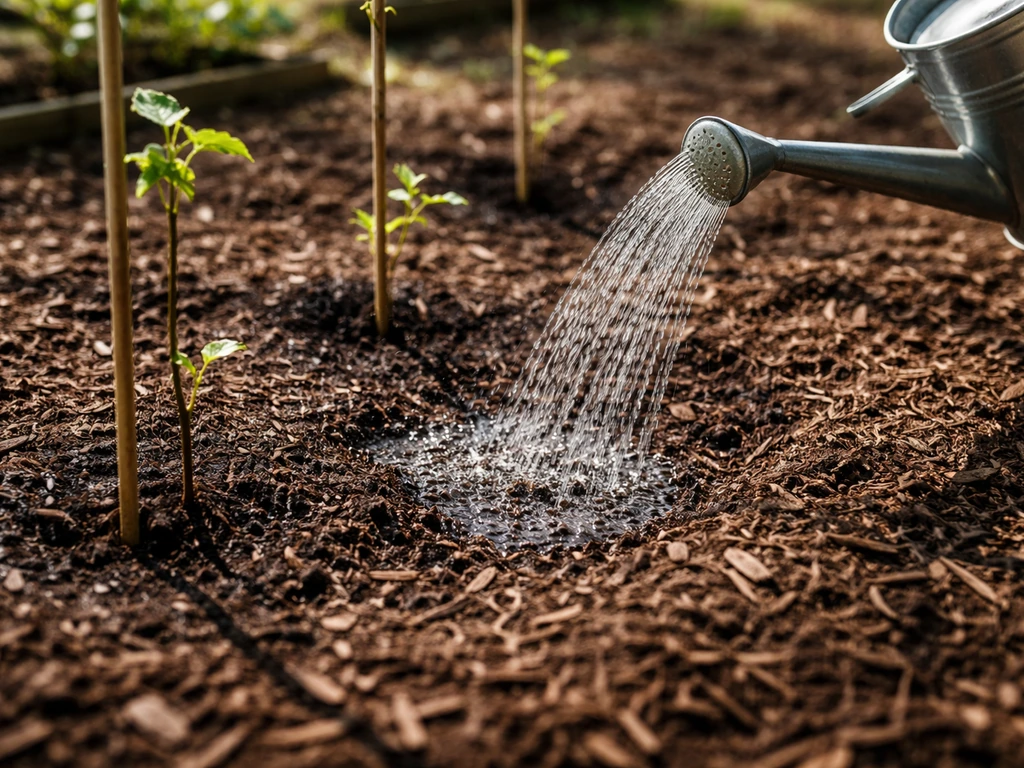
- Water deeply once or twice a week during dry spells — the goal is consistent moisture, not sogginess
- Apply a 3 to 4 inch layer of organic mulch around the base, keeping it a few inches away from the trunk
- Pull competing weeds manually; avoid herbicides near the root zone
- Do not fertilize heavily in year one — it pushes soft growth that can be frost-damaged
- If you see transplant shock (wilting despite moist soil, leaf drop), cut back irrigation frequency and ensure drainage is adequate
Year 3 and beyond
Once established, sassafras is remarkably low maintenance. It handles drought better, doesn't need regular fertilizing, and requires almost no pruning unless you want to shape it or remove crossing branches. The main ongoing task is managing root suckers, decide early whether you're letting them naturalize or keeping the tree as a single specimen, and stick with that plan. Suckers cut at ground level will resprout, so consistent removal is necessary if you want to contain spread. Mulching the root zone annually in spring helps retain moisture and suppress competing vegetation.
Pests, diseases, and transplant headaches
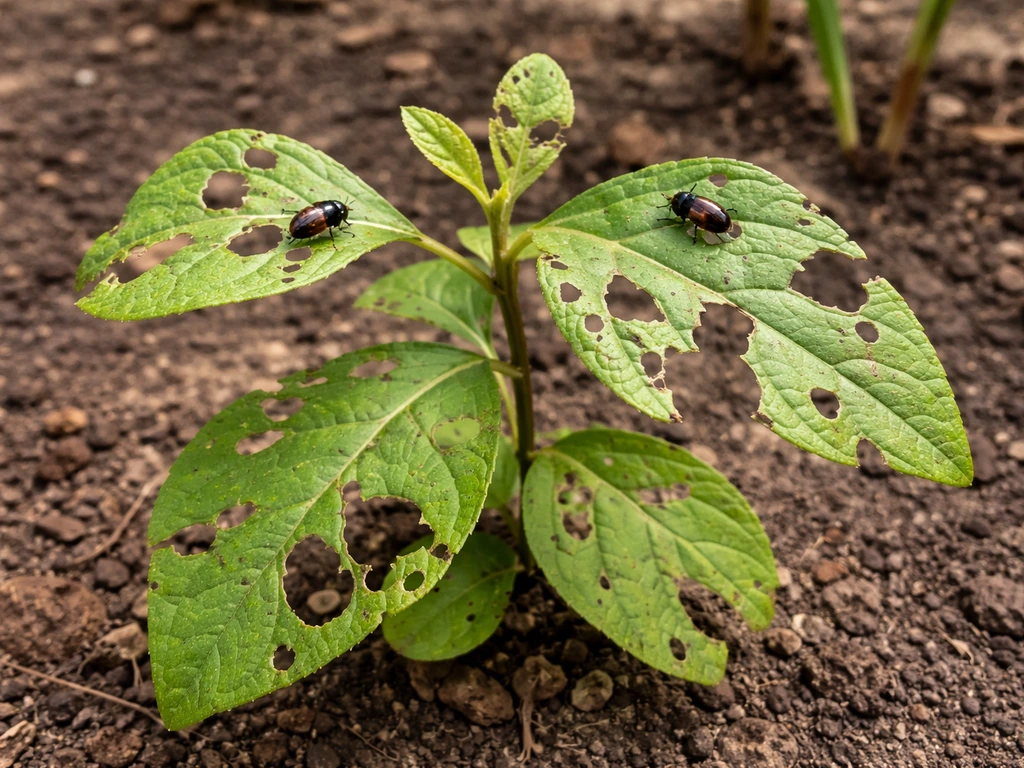
Sassafras is generally pretty tough once it's in the ground and happy. But there are a few things worth watching for.
Transplant stress
This is the single biggest killer of sassafras in home gardens. The plant has a deep, fleshy taproot and a wide lateral root system that does not appreciate being disturbed. If you're transplanting a sapling, minimize root disturbance as much as possible, plant at the same depth it was growing, and water it in thoroughly. Wilting in the first few weeks after transplanting is common. Shade cloth for the first two to four weeks can help reduce stress in hot weather. If you're moving a wild-dug plant, cut it back by about one-third to compensate for root loss.
Pests
Japanese beetles will feed on sassafras leaves, especially in the Mid-Atlantic and Midwest. The damage is usually cosmetic, they skeletonize leaves but rarely cause serious long-term harm to a healthy tree. Promethea silkmoth and spicebush swallowtail caterpillars also feed on sassafras, which is part of its value as a native plant. If you're seeing heavy defoliation from caterpillars, it's almost always worth leaving them, these are native insects completing their life cycle on a plant that evolved alongside them.
Diseases
Sassafras can be affected by laurel wilt, a fungal disease spread by the redbay ambrosia beetle. This is a serious and fatal disease in native sassafras populations in the Southeast, spreading from Florida northward. If you're in a high-risk area (coastal Southeast especially), check with your local extension service about current spread before planting. Root rot from consistently poor drainage is also a risk, which is why drainage is non-negotiable in site selection.
Harvesting, legality, and what you can realistically use
Here's where you need to be informed before you start digging roots for tea. Sassafras has a long history of culinary and folk medicinal use, the roots and bark were traditionally used to make root beer and herbal teas. However, safrole, the primary aromatic compound found in sassafras root bark oil, was banned by the FDA in 1960 as a food additive after studies linked it to liver cancer in rodents at high doses. Safrole is also a controlled precursor chemical in the manufacture of certain illegal substances, so sassafras root oil is regulated.
What this means practically: growing sassafras as a landscape tree is completely legal and unregulated. Using the leaves (which have lower safrole content) as a culinary herb, dried and powdered into filé powder, a traditional thickener in Louisiana cooking, is a well-established, generally regarded as safe practice. Drinking concentrated root bark tea regularly is not advisable given the safrole content, and extracting safrole-rich oil for any purpose other than legitimate research or approved industrial use is federally restricted.
If you're growing sassafras for the landscape value, the wildlife habitat, the fall color, or the occasional use of leaves as filé, you're on solid, legal, and safe ground. If you're hoping to recreate old-fashioned sassafras root tea for regular consumption, understand the health context before you do so, and consider it an occasional treat rather than a daily habit. Growing the tree itself is the easy, uncomplicated part.
Is it worth growing? Realistic expectations
If you're in zones 4 through 9 in the eastern or central U.S., especially in states like Virginia, Ohio, Tennessee, Kentucky, Missouri, Pennsylvania, or the Carolinas, sassafras is genuinely worth planting. The Virginia Department of Forestry reports that laurel wilt could impact redbay trees and sassafras trees statewide in Virginia. It's a native tree with excellent fall color, real wildlife value, aromatic leaves, and a distinctive three-lobed leaf shape that draws attention. The challenges are upfront: getting it established, choosing the right site, and managing suckers. After that, it's one of the lower-maintenance trees you can grow.
If you're in Michigan or other Great Lakes states, sassafras grows natively there and is a solid choice. The farther west you go, into Colorado, California, or other dry or cold-dry climates, the harder it gets, and honestly, there are better native alternatives for those regions. For Mid-Atlantic and southeastern gardeners thinking about adding a native tree with personality, sassafras earns its spot. Start with a nursery sapling rather than seeds if you want results in a reasonable timeframe, give it room to spread, and plan to enjoy it for decades.
FAQ
How long does sassafras take to get established after planting?
In most of the U.S. where sassafras albidum grows well (roughly zones 4 to 9 in the eastern half), you should plan to see little to no visible top growth in year one. That slow start is normal because the plant prioritizes establishing its taproot and lateral roots first. Focus on leaf color and overall turgor, and give it consistent watering the first growing season, especially during hot, dry stretches.
Can you transplant a sassafras tree or sapling?
Yes, but you need to match the depth and avoid root damage. Sassafras has a deep, fleshy taproot and a wide lateral system, so digging and moving it often leads to decline if roots are broken or left exposed. If you must transplant, do it very early in spring or in fall soon after leaf drop, keep as much of the root ball intact as possible, plant at the same depth, then water thoroughly and watch for wilting for several weeks.
Will sassafras stay put where you plant it?
Expect it to spread by root suckers, even if you plant it as a single specimen. The shoots can appear beyond the drip line and, in lawn or near buildings, they become hard to manage. If you want one tree, plan a containment strategy early (regular sucker removal at ground level, and keeping it away from foundations, sidewalks, and turf where you cannot easily remove new shoots).
What should I do if my soil is too alkaline for sassafras?
A soil test is the quickest way to confirm what to do about pH. If your soil is noticeably alkaline, sassafras may yellow and stall even when light and water are good. Sulfur can help lower pH, but application rates depend on your soil and target, so test first and avoid overcorrecting.
How much sun does sassafras need?
In deep shade, it tends to grow weakly and lean, which can ruin the landscape effect and increase stress. For best growth and strongest fall color, aim for full sun. If your summers are hot, some afternoon shade is acceptable, but avoid dense shade under mature trees where airflow is poor.
Is watering important for sassafras, and how do I avoid root rot?
Yes, but keep it consistent and avoid waterlogged conditions. Sassafras can handle some drought once established, yet poor drainage can still lead to root rot. Use mulch to moderate moisture, water regularly during the first season, and ensure the planting site drains well, particularly if your soil is heavy clay.
What is the best way to propagate sassafras at home?
If you want new plants, the most practical method is digging or removing small root suckers from an established tree with permission. Stem cuttings are generally unreliable for home gardeners. When you transplant a sucker, water in well and treat it like a new plant, because small changes in root handling can set it back.
What do I do about leaf damage from Japanese beetles or caterpillars?
Japanese beetles can skeletonize leaves, but on healthy trees the damage is usually cosmetic and the tree often refoliates. If you see heavy defoliation from other causes, or the plant is wilting at the same time, look again at drainage and transplant stress. For beetles, leaving native caterpillars alone is often the better tradeoff, since they support local wildlife.
How worried should I be about laurel wilt or other diseases?
Laurel wilt is most concerning in higher-risk parts of the Southeast where the redbay ambrosia beetle is active. Because local risk changes over time, the most practical step is to check with your local extension office before planting or if you notice sudden wilting and dieback. Also keep your drainage excellent, since root rot from chronic wet soil can mimic other decline problems.
Can I use sassafras for root beer tea or herbal tea from the root bark?
If you want occasional culinary use, dried leaves for filé powder are typically the safest choice compared with root bark preparations. Concentrated root bark tea as a regular drink is not a good idea due to safrole concerns. If your goal is landscaping and wildlife habitat, you do not need to handle root bark or oil.
Next Articles
Can You Grow Black Pepper in the US Where and How
Learn where black pepper can be grown in the US and how to grow it indoors or in warm zones for fruit.

Can You Grow Capers in the US? Regional Guide for Home Gardeners
Regional guide to growing caper plants in the US, choosing cultivars, meeting soil and climate needs, and harvesting bud
Can You Grow Peppercorns in the US? A Zone-by-Zone Guide
Zone-by-zone guide to growing black pepper peppercorns in the US, including heat, humidity, indoor options, and timeline