
Yes, you can grow turmeric in Michigan, but you have to treat it like the tropical plant it is. Turmeric is rated for USDA Zones 8–11, and Michigan sits in Zones 5–6. That gap means you cannot just toss rhizomes in the ground in May and walk away. What you can do is start them indoors in late February or March, give them a full indoor head-start, move them outside after your last frost, and harvest in fall before the cold returns. Done right, you will get real, usable rhizomes. The season is tight, the plant is slow, and you need to stay on top of timing, but it is genuinely worth trying.
Can You Grow Turmeric in Michigan? How to Succeed

Marcus Petersen
17 May 2026
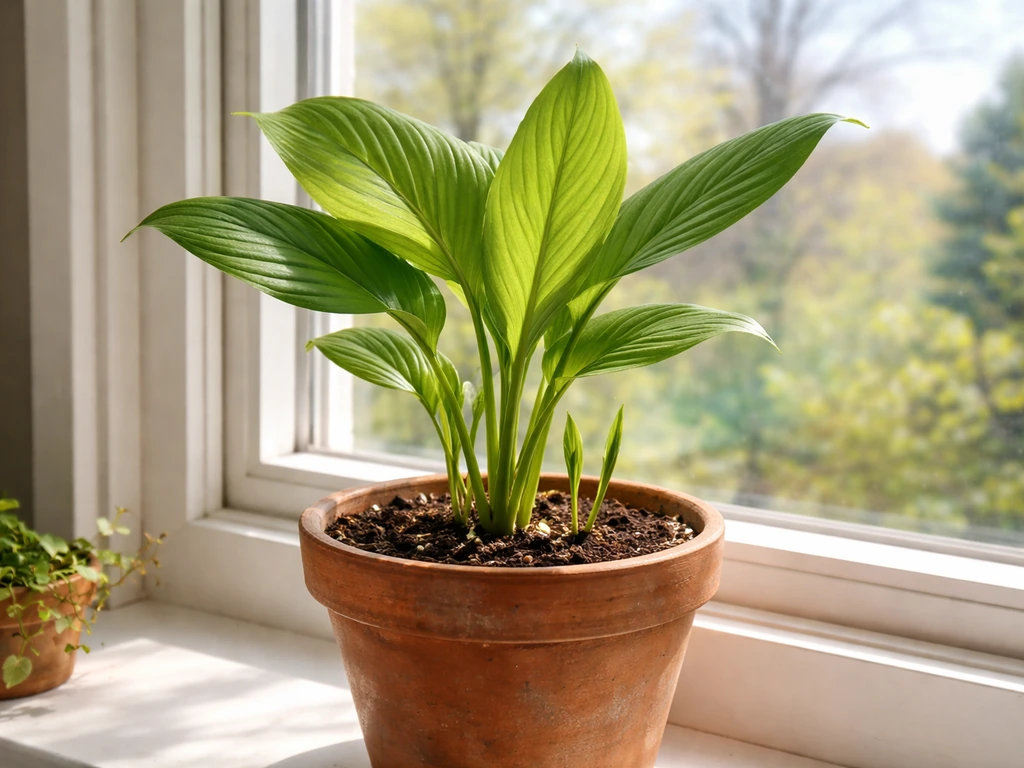
Michigan's climate and whether turmeric can realistically work here
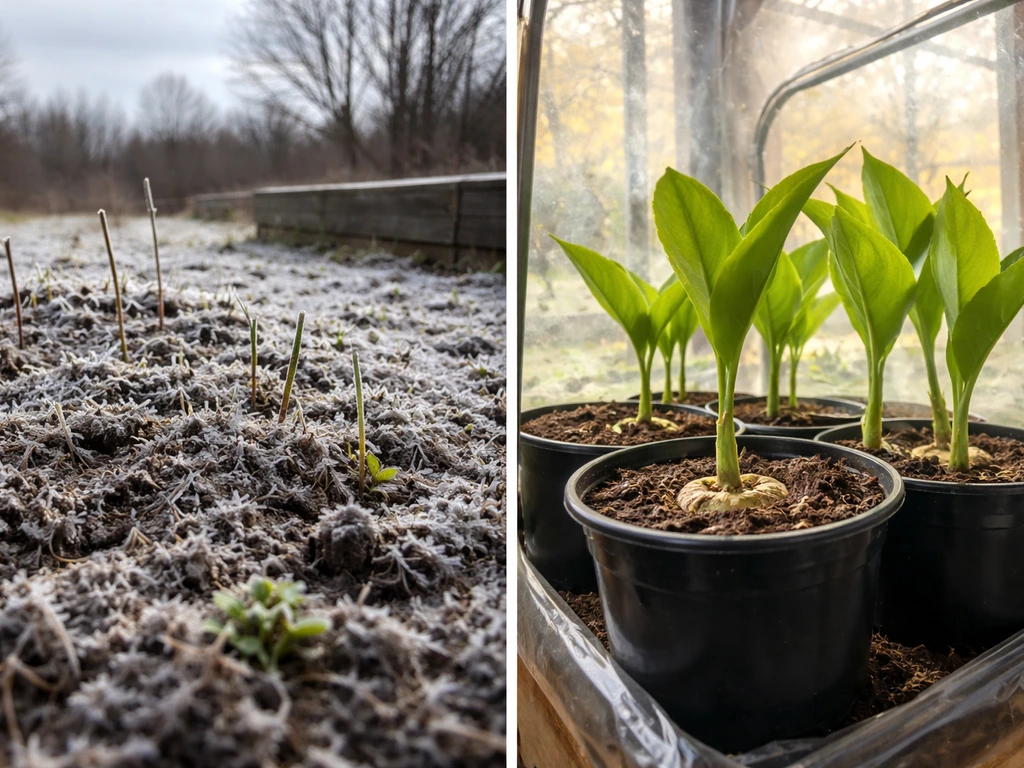
Michigan's growing season is the central challenge. Turmeric needs 7–10 months from planting to harvest, and in warm climates like India or Texas, that is easy to deliver. In Michigan, your frost-free window runs roughly from mid-May to mid-October, which gives you only 5 months of outdoor warmth. That is why indoor starting is not optional here, it is the whole strategy. By pre-sprouting rhizomes indoors you effectively add 2–3 months to the plant's season before it ever sees the garden.
Michigan's last frost dates vary quite a bit depending on where you live. MSU Extension data shows that in a location like Allegan, the 50th-percentile last frost date is around May 14, but the absolute last frost can stretch to June 12. In the Upper Peninsula, you can lose another few weeks on top of that. Use your local MSU Extension frost table to find your specific town's numbers rather than assuming a statewide average.
First fall frost arrives across most of Michigan in late September to mid-October, so your effective outdoor season for turmeric is roughly 130–160 days, depending on location. That is not enough on its own for a 7–10 month crop, but with indoor starting, you can hit the lower end of that range.
The cold is not the only issue. Turmeric wants soil that stays at 65°F or above, with an ideal range of 75–85°F. Michigan's outdoor soil in May often sits in the 50s. Planting into cold soil triggers rot, not sprouting. This is one of the most common failure points I hear about from Michigan growers, and it is completely avoidable if you respect the soil-temperature threshold and use containers or row cover to warm things up.
Best turmeric varieties and where to find rhizomes
Not all turmeric varieties are equal for a short-season climate. Research from India categorizes turmeric cultivars as early-duration (200–230 days), medium-duration (230–250 days), and late-duration (beyond 250 days). In Michigan, you want early-duration types. They finish faster and give you the best shot at mature rhizomes before your fall frost shuts things down.
Named early varieties worth looking for include 'Alleppey Finger,' 'Madras,' and 'BSR-2.' These are commonly sold by specialty seed suppliers in the US. You can also use organic turmeric from a grocery store or co-op as planting stock, as long as it is firm, has visible eyes or buds, and has not been treated with a sprout inhibitor. Avoid anything soft, shriveled, or smelling of mold. Do not bother with powder or cut pieces without intact buds.
For sourcing, look at specialty herb and vegetable seed companies that ship rhizomes in late winter: Strictly Medicinal Seeds, Cultivariable, and several Etsy sellers who specialize in tropical rhizomes. Order early. Rhizomes sell out by March in many years, and waiting until April leaves you scrambling.
Starting turmeric rhizomes indoors
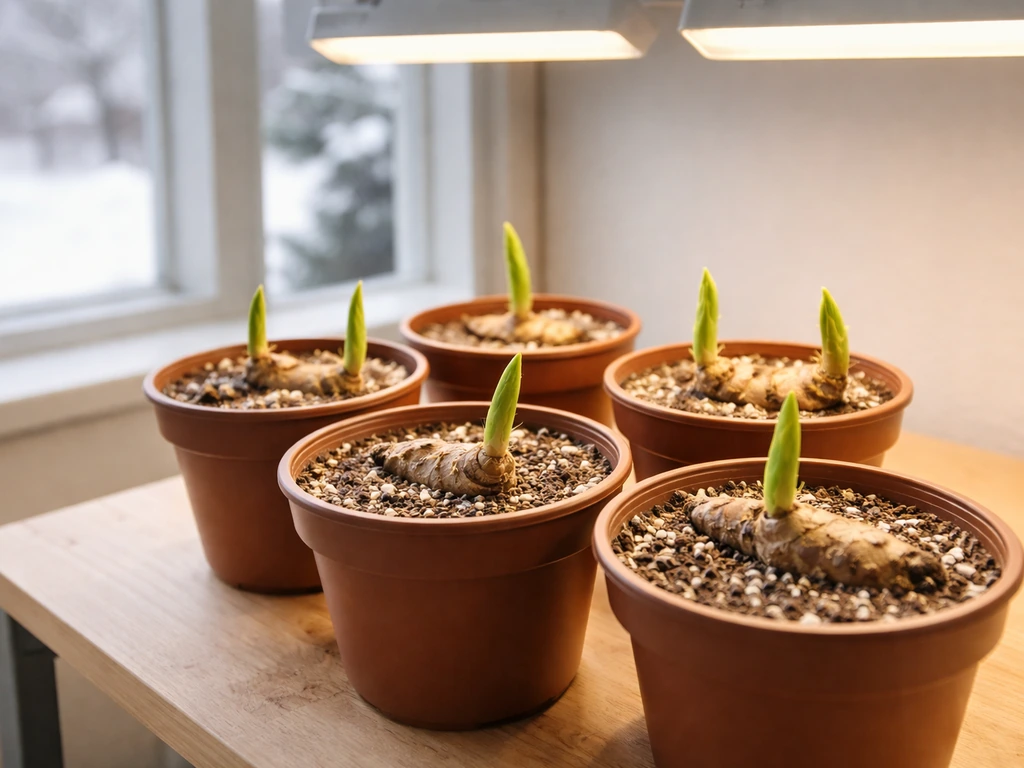
In Michigan, you want to start rhizomes indoors in late February or early March. That gives you 10–12 weeks before your expected outdoor planting date. This is not optional extra credit, it is what makes the math work for a 7-plus-month crop in a 5-month outdoor season.
- Soak rhizomes in warm water for 2–4 hours before planting. This rehydrates them and signals the plant to start waking up.
- Break larger rhizomes into sections that each have at least one or two clear buds (eyes). Each section can become a separate plant.
- Fill 4-inch or 6-inch pots with a well-draining mix: a blend of potting soil with perlite works well. Avoid heavy mixes that stay wet.
- Plant rhizomes 2–3 inches deep with the buds pointing up.
- Set pots on a heat mat set to 80–85°F. This is critical. Without bottom heat, Michigan's indoor temps in February and March often stall sprouting completely. I have left rhizomes sitting for six weeks in a 65°F room with no action, then put them on a mat and had sprouts in ten days.
- Place the heat mat setup in a warm room with indirect light. You do not need grow lights yet because nothing has sprouted.
- Once sprouts emerge (usually 2–4 weeks with a heat mat), move pots to a bright window or under grow lights for 14–16 hours per day.
- Water lightly: keep the mix just barely moist, never wet. Rotting before sprouting is the second most common failure point, and it comes from overwatering cool, dormant rhizomes.
Keep indoor temperatures between 70–85°F during this phase. If your house drops below 65°F at night, the heat mat becomes even more essential. By early May you should have plants with 6–12 inches of growth and a well-established root system, ready to start hardening off.
Moving turmeric outdoors in Michigan: timing, soil, and sun
Do not rush this step. Putting warm-grown turmeric into cold Michigan spring air will set the plant back hard. Hardening off takes about 10–14 days: start by putting pots outside in a sheltered spot for 2–3 hours in the warmest part of the day, then gradually increase outdoor time each day. By the end of two weeks the plant should be able to handle full outdoor exposure during the day.
Transplant to your outdoor bed or final container once nighttime temps are consistently above 55°F and soil temperature is at least 65°F. In most of southern Michigan that is late May to early June. In northern Michigan or the UP, you may be pushing into mid-June. Use a soil thermometer, not just the calendar. If you plant into 50°F soil you risk rhizome rot even on plants that were sprouted and thriving indoors.
For outdoor conditions, turmeric wants partial to full sun: at least 6 hours of direct light per day, though it tolerates partial shade better than most vegetables. It prefers slightly acidic to neutral soil, pH 5.5–7.0, with excellent drainage. Heavy clay Michigan soils are a problem because they stay cold and wet. Amend clay beds with compost and coarse perlite before planting. Work 3–4 inches of compost into the top 12 inches of soil, and raise the bed slightly if drainage is slow. Plant rhizomes or transplants 12–18 inches apart, 2–3 inches deep.
Mulch heavily once the soil has warmed: 3–4 inches of straw or shredded leaves around the base of the plants keeps soil moisture even, suppresses weeds, and buffers soil temperature during cool Michigan nights. This is one of the highest-value things you can do for outdoor turmeric in this climate.
Containers vs. in-ground: which makes more sense in Michigan
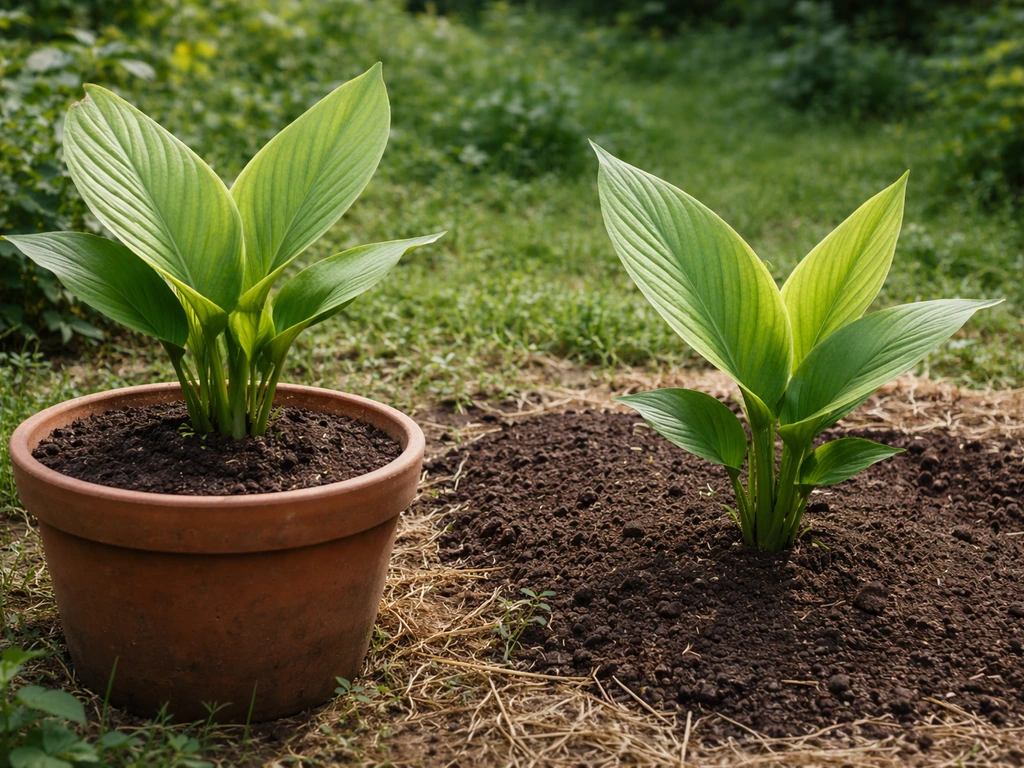
This is the most practical decision you will make as a Michigan turmeric grower. Both approaches can work, but they have different strengths and failure modes.
| Factor | Containers | In-Ground |
|---|---|---|
| Overwintering rhizomes | Easy: bring indoors before frost | Must dig up rhizomes every fall |
| Soil temperature control | Warms faster in spring, easier to manage | Slower to warm, cold soil risk in May |
| Root space for yield | Limited by pot size; 15+ gallon needed for good yield | Unlimited, better potential yield per plant |
| Frost protection | Move indoors at any sign of frost | Requires row cover or digging |
| Watering | Dries out faster, needs more frequent attention | More buffered, less frequent watering |
| Setup effort | Low, start with pots you have | Higher, requires soil prep and bed building |
| Best for | First-time Michigan growers, renters, small spaces | Gardeners with prepped beds and room to dig |
My honest recommendation for most Michigan gardeners: start with containers. A 15–20 gallon pot gives roots enough room to produce a respectable harvest, warms up faster in spring than garden soil, and lets you move the whole plant indoors the moment temperatures threaten frost. If you have a raised bed with amended soil and you are committed to digging rhizomes each fall, in-ground can produce more, but the container approach takes most of the guesswork out of overwintering and frost timing.
If you go the container route, use pots that are at least 12 inches deep and 18 inches wide per plant, with drainage holes. Fill with a high-quality potting mix amended with extra perlite (about 20–25% by volume). Do not use garden soil in containers: it compacts, drains poorly, and dramatically increases rot risk.
Watering, fertilizing, pests, and fixing common problems
Watering
Turmeric likes consistent moisture but cannot sit in wet soil. In Michigan's summer, water when the top inch of soil is dry, roughly every 2–3 days for containers and every 4–5 days for in-ground beds, adjusting for rainfall. The goal is evenly moist, never waterlogged. Rhizome rot from overwatering kills more Michigan turmeric plants than cold does. If your containers do not have drainage holes, add them. Seriously.
Fertilizing
Feed turmeric with a balanced, slow-release fertilizer at planting, then switch to a low-nitrogen, higher-potassium formula once the plant is actively growing. Too much nitrogen encourages big leafy growth at the expense of rhizome development. A liquid fish emulsion or kelp meal application every 3–4 weeks during the outdoor season works well. Container-grown plants need more frequent feeding since nutrients flush out with watering.
Pests and disease
Turmeric in Michigan is relatively pest-resistant compared to many vegetables. The issues you are most likely to encounter are rhizome rot (fungal, from wet or cold soil), leaf spot from excess humidity, and occasionally aphids or spider mites on indoor-grown plants. Rhizome rot is prevented rather than treated: good drainage, correct watering, and not planting into cold soil are your defenses. For leaf spot, improve air circulation and avoid wetting leaves when watering. For aphids or spider mites on indoor plants, a strong spray of water or insecticidal soap handles most infestations.
Troubleshooting slow growth and poor sprouting
Turmeric is slow in cool conditions. If your rhizomes are sitting for more than three weeks without sprouting, the most likely cause is temperature, not a bad rhizome. Check your soil or potting mix temperature: if it is below 65°F, sprouting will be minimal or stalled entirely. Add a heat mat, move pots to a warmer room, or wait until outdoor conditions actually warm up. Do not add more water thinking the plant is thirsty; a dormant, unrooted rhizome sitting in wet cool soil will rot. Yellow leaves mid-season (not at harvest time) usually signal overwatering or a sudden temperature drop. Brown leaf edges can indicate low humidity or inconsistent watering.
Harvesting, curing, storing, and overwintering for next year
When and how to harvest in Michigan
Harvest timing in Michigan is driven by the calendar as much as by plant maturity. Ideally you want to harvest when the lower leaves have started to yellow and die back, which signals that the plant has finished channeling energy into the rhizomes. In tropical climates that happens at 7–10 months. In Michigan, your outdoor season ends whether the plant is done or not, so plan to harvest before your first fall frost, typically mid to late September in southern Michigan and early September further north.
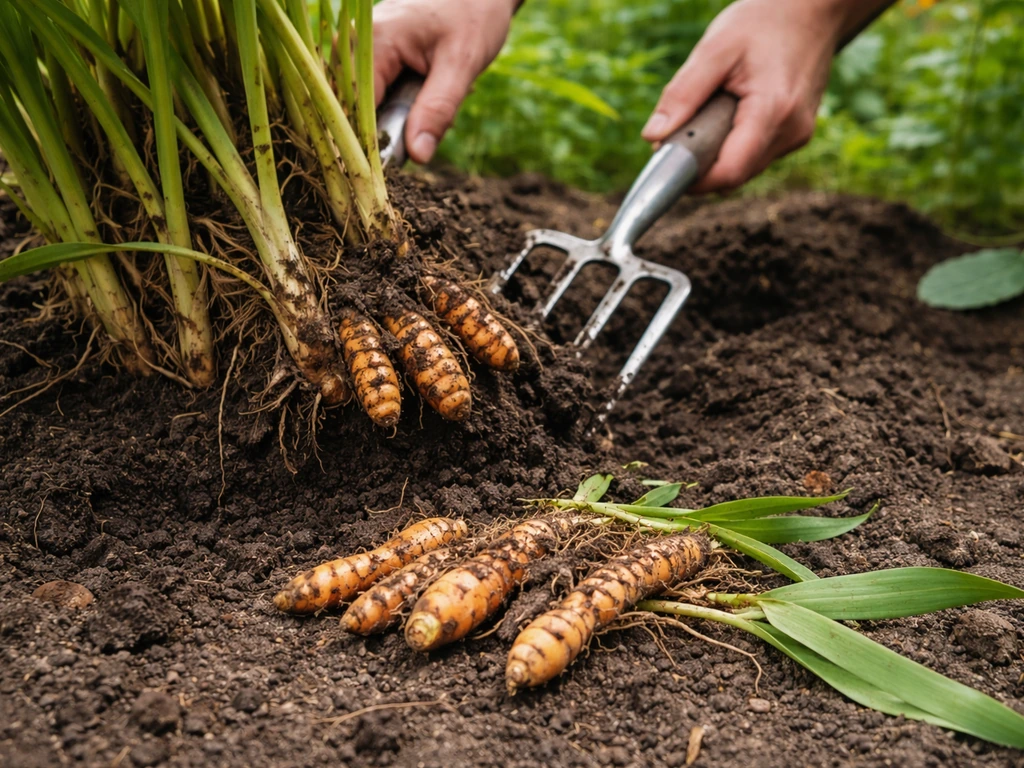
To harvest, dig carefully around the base of the plant with a garden fork, about 8–10 inches out from the stem. Lift the entire clump gently and shake off excess soil. You will find a central mother rhizome surrounded by fingers. With an indoor start in February or March, Michigan growers can realistically expect rhizomes that are smaller than commercially grown turmeric but completely usable for cooking and replanting. Do not expect the enormous clusters you see in photos from warm-climate farms.
Curing and drying
After harvest, rinse the rhizomes gently to remove soil, then let them cure for 1–2 weeks in a warm (80–85°F), humid spot. Curing heals the cut surfaces and outer skin, which dramatically reduces mold and rot during storage. A warm corner of a garage or a greenhouse works. After curing, allow rhizomes to dry fully at room temperature, moving them to a cooler, dry spot once the surface feels firm and dry. Any moisture left on stored rhizomes will cause mold, so do not rush this step.
Long-term storage
For rhizomes you want to eat or use in cooking, store in the refrigerator in a paper bag or loosely wrapped in a paper towel for up to a month. For longer storage, freeze them whole or grated. For rhizomes you want to replant next season, storage is more critical: keep them at 50–60°F (10–15°C) in a cool basement or root cellar, in a container with dry sawdust, sand, or peat. This temperature range prevents premature sprouting but avoids freezing, which kills them. Do not seal them in plastic: ventilation matters to prevent mold buildup. Check monthly and discard any soft or moldy pieces immediately before they infect the rest.
Overwintering for next year
Michigan winters will kill turmeric left outdoors. There is no getting around that. Your two realistic overwintering strategies are storing dug rhizomes as described above, or leaving container-grown plants intact and overwintering the whole pot indoors.
The container method is simpler: before your first fall frost, move the pot into a cool but non-freezing space (a basement at 50–60°F works perfectly), water it once every few weeks just enough to prevent the rhizomes from shriveling, and ignore it until late February. At that point, bring it back to warmth and start the cycle again. The plants will die back to the soil during dormancy; that is completely normal, not a sign the plant is dead.
New sprouts will emerge once temperatures climb again.
If you are growing turmeric in other cool or temperate climates, the same indoor-start strategy applies with local adjustments for frost dates. If you are wondering, can you grow turmeric in Ireland, the same indoor-start approach applies, with adjustments for local frost dates and soil warmth other cool or temperate climates.
Growers in Minnesota face an even shorter outdoor window than Michigan gardeners, while those in Georgia or Texas can often skip the indoor start entirely because their soil warms earlier and their frost-free season is much longer. In fact, the same warm-climate advantage that makes turmeric easier in places like Texas is why the indoor start is much more critical in colder states. Michigan sits in a middle zone where the indoor start is non-negotiable but success is completely achievable.
If you are willing to manage the timing, start rhizomes in late February, use a heat mat, and commit to either digging each fall or managing a container through dormancy, turmeric is worth growing in Michigan. Your harvest will not look like a commercial farm's yield, but the flavor of freshly dug homegrown turmeric is genuinely better than anything you will buy at a store, and that is reason enough to give it a real try.
FAQ
Can you grow turmeric in Michigan without a heat mat or grow lights?
You can try, but it is easy to stall or rot because turmeric needs consistently warm rooting conditions (soil near or above 65°F). If your home is cooler at night, a heat mat under the pot (or using a warmer room) matters more than grow lights for getting sprouts. If you do not use supplemental warmth, wait to plant outdoors until soil has clearly warmed rather than relying on dates.
Is it safe to plant store-bought turmeric in Michigan, and what should I check first?
It can work if the turmeric is firm, has visible eyes or buds, and has not been treated with a sprout inhibitor. Avoid pieces that are soft, shriveled, or moldy. Also, cut only if each piece will have a bud (and let cut surfaces dry briefly) to reduce rot risk in Michigan’s cool start conditions.
What size rhizomes can I realistically expect in Michigan?
Expect smaller rhizomes than warm-climate farms, especially if you are harvesting based on first fall frost rather than waiting for a full 7–10 months of ideal warmth. Container culture with a 15 to 20 gallon pot typically produces more usable rhizomes than small pots, and earlier indoor starting (late February to early March) usually increases size.
How do I know whether my turmeric is dormant versus failing to sprout?
Dormancy is normal if planted rhizomes are kept cool and then slow to wake, but true stalling is usually temperature-related in Michigan. If you see no sprout after a couple weeks, check the pot or soil temperature first. Do not keep the mix constantly wet, because unrooted, cold rhizomes are the rot-prone combination.
Should I leave turmeric in the ground and just mulch it for winter?
In most of Michigan, no. Mulching can slow freezing and reduce swings, but it does not reliably protect rhizomes from winter cold and wet conditions. Your more dependable options are digging and storing rhizomes, or overwintering a container indoors in a cool, non-freezing space.
If I overwinter in a container indoors, how much water should I give it?
Very little. You want to prevent the rhizomes from shriveling, but not keep the mix wet. Water only enough that the potting mix is not bone dry, and let excess drain fully. Check every few weeks, and reduce watering if you notice consistently damp soil.
What soil pH and amendments work best for Michigan turmeric?
Aim for slightly acidic to neutral soil (pH 5.5 to 7.0) and prioritize drainage over fertility. In heavy clay areas, compost alone may not be enough. Mixing in coarse perlite and raising the bed helps soil warm faster in spring and reduces rot risk.
Why are my leaves turning yellow mid-season?
Mid-season yellowing is often from overwatering or a temperature drop rather than from a lack of fertilizer. Reassess watering frequency and confirm the container is draining well. If nighttime temperatures dip suddenly, move pots to a warmer spot or use a temporary row cover to buffer cold.
How can I prevent leaf spot indoors in Michigan?
Improve airflow and avoid wetting the leaves when you water. If you water from above, humidity around the canopy stays high and leaf spot is more likely. Spacing pots for better circulation and watering earlier in the day can help the foliage dry faster.
What is the best way to harvest so I do not damage rhizomes?
Use a garden fork and dig wider than you think, about 8 to 10 inches out from the stem, then lift the clump gently. Shake off loose soil instead of washing immediately outdoors, and avoid prying aggressively because turmeric fingers bruise easily and rot sooner if damaged.
How should I cure turmeric rhizomes for storage in a Michigan garage?
Cure in a warm (around 80 to 85°F), humid spot for 1 to 2 weeks, then dry at room temperature until the surface feels firm and dry. If the air is too dry, curing may not seal cuts quickly, but if it is too wet, mold can start. After curing, store properly ventilated (paper bag or loosely wrapped), and check monthly for any soft spots.
Can I replant the next year from the small rhizomes I harvest in Michigan?
Yes, and it is often your best long-term approach for building a local supply. Keep replant rhizomes cool (about 50 to 60°F) and ventilated, in dry medium like sand or sawdust, and do not seal in plastic. Remove any soft or moldy pieces immediately so they do not infect the rest.
Next Articles
Can You Grow Black Pepper in the US Where and How
Learn where black pepper can be grown in the US and how to grow it indoors or in warm zones for fruit.

Can You Grow Capers in the US? Regional Guide for Home Gardeners
Regional guide to growing caper plants in the US, choosing cultivars, meeting soil and climate needs, and harvesting bud
Can You Grow Peppercorns in the US? A Zone-by-Zone Guide
Zone-by-zone guide to growing black pepper peppercorns in the US, including heat, humidity, indoor options, and timeline