Yes, you can grow saffron in Michigan
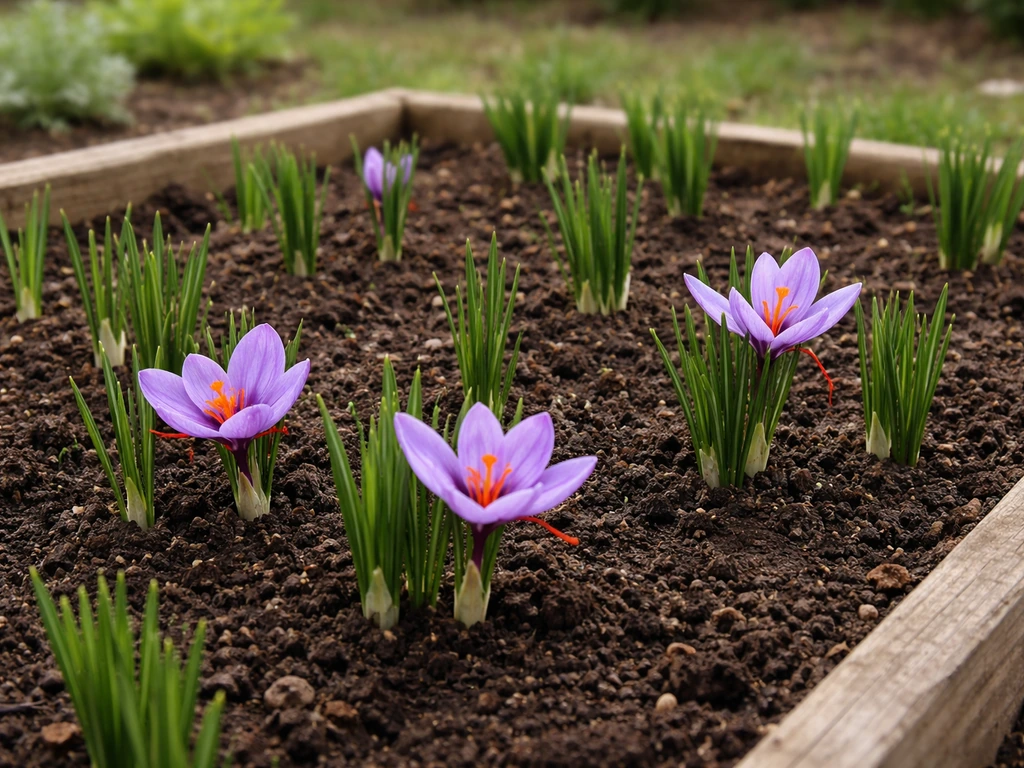
The short answer is yes, saffron (Crocus sativus) is a realistic crop for most Michigan gardeners. The plant actually needs a proper winter chill to bloom, which means Michigan's cold winters are more of an asset than a problem. What you do need to manage carefully is drainage, because saffron corms rot fast in wet soil, and timing, since the blooms open for only a few days in October and you have to be ready. Southern Michigan, particularly the area around Detroit and the lower southwest, sits in Zone 6b and is close to ideal. The further north you go into Zones 4a and 5a, the more you'll need to protect the corms in winter or grow in containers. But across most of the Lower Peninsula, this is genuinely doable.
What Michigan's climate actually means for saffron
Michigan spans USDA Zones 4a through 6b, based on the 2023 USDA Plant Hardiness Zone map. Detroit anchors the warm end at Zone 6b, while the Upper Peninsula and parts of northern Lower Michigan dip into Zones 4a and 4b. Saffron corms are generally rated cold-hardy to about Zone 6, though many gardeners push them into Zone 5 with a bit of mulch. Zone 4 is where it gets genuinely risky without winter protection.
Saffron needs a dry, warm summer dormancy followed by a cool fall that triggers blooming, then a cold winter that gives the corm its chilling requirement. Michigan delivers all three, but the specifics matter. In southern Michigan, summers are warm enough to keep dormant corms dry (as long as your soil drains), and fall arrives gradually enough to give the plant time to bloom before hard freezes shut things down. The average first fall frost in the Detroit area typically lands in late October, which aligns nicely with the saffron bloom window. Move north to Traverse City or the Upper Peninsula and the first frost can come in early to mid-October, which can clip your harvest window significantly.
The biggest climate pitfall in Michigan isn't the cold itself. It's the combination of wet springs, clay soils, and freeze-thaw cycles that heave corms out of the ground or keep them sitting in standing water. That's what kills saffron in this state more than anything else. Solve the drainage problem and you've solved most of Michigan's climate challenges for this crop.
Picking the right spot and setting up your bed
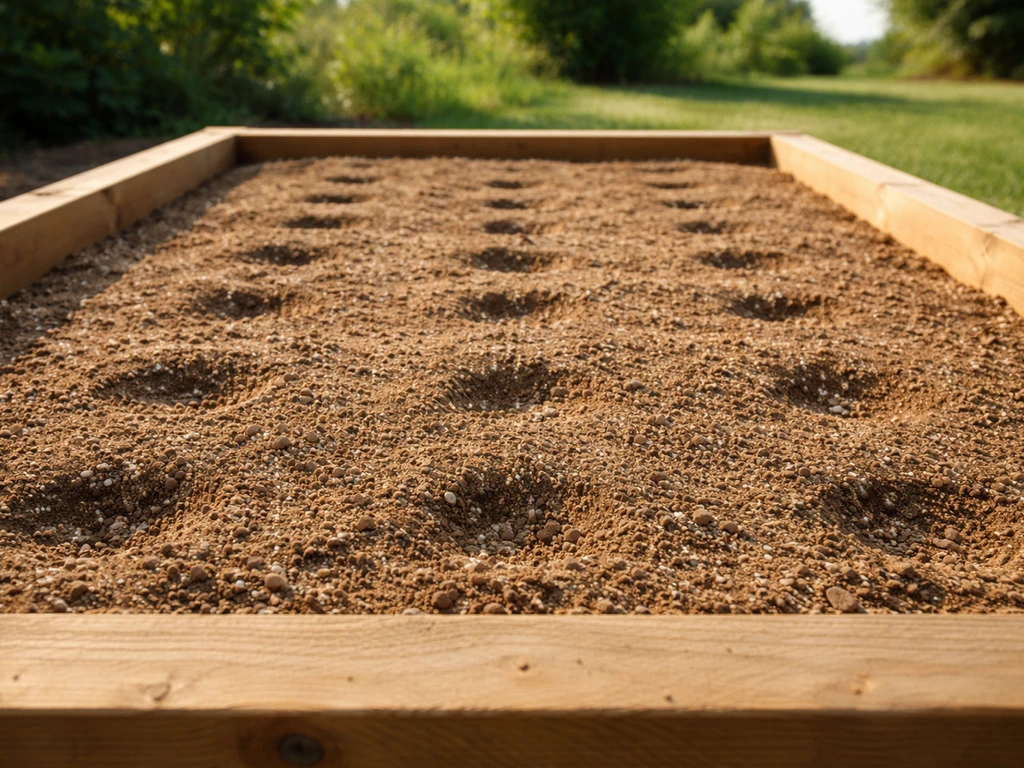
Saffron needs full sun, at least six hours of direct light per day, and ideally eight or more. In Michigan, where fall days shorten quickly, every hour of sun counts during the bloom period. Choose your sunniest, most south-facing spot. Avoid low-lying areas where water pools after rain or snowmelt. Even a slight slope helps water move away from the corms.
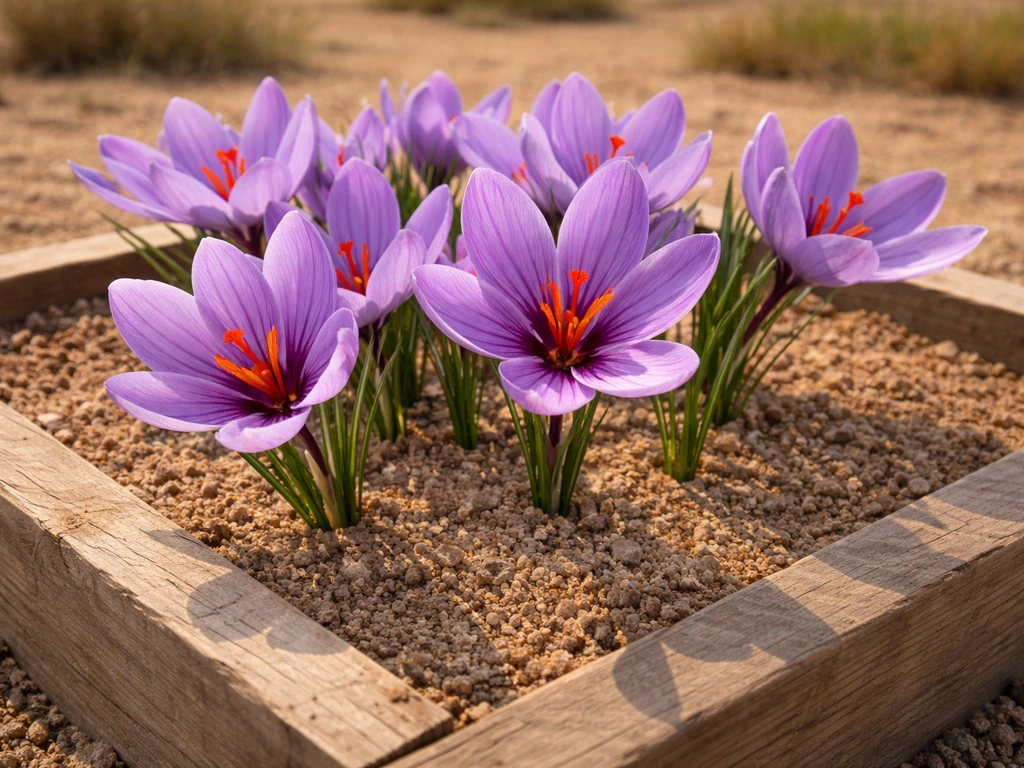
Michigan soils are all over the map. Sandy loam in west Michigan near the lakeshore, heavy clay around Metro Detroit, and everything in between. Saffron wants loose, well-drained soil with a pH between 6.0 and 8.0. If you're working with clay, don't try to grow saffron in it without serious amendment. Dig the bed 10 to 12 inches deep and work in generous amounts of coarse sand and compost. A raised bed is an even better option, giving you complete control over drainage and soil texture. I'd strongly recommend raised beds for anyone in the Detroit metro area or anywhere else in Michigan with heavy clay subsoil.
If you're in northern Michigan or the Upper Peninsula, containers are worth considering seriously. A 12-inch-deep pot filled with sandy, well-draining potting mix lets you bring the corms into an unheated garage or shed over the coldest months, protecting them from the brutal Zone 4 winters without babying them too much. They still need cold, just not frozen-solid-for-four-months cold.
When and how to plant your corms
Plant saffron corms in late summer to early fall, after the worst summer heat has passed but with enough time for roots to establish before the ground freezes. In southern Michigan (Zones 6a and 6b), the window is typically late August through mid-September. In the central Lower Peninsula (Zones 5a and 5b), aim for mid-August to early September. In northern Michigan (Zone 4), push toward early to mid-August so the corms have a longer establishment window before hard freezes arrive.
Plant corms 3 to 4 inches deep, measured from the top of the corm. Space them 4 to 6 inches apart. Deeper planting (closer to 4 inches) provides more winter insulation, which matters in Zones 4 and 5. Set them pointy side up. If you're unsure which end is up, plant on their side and the plant will figure it out, though it'll take a little longer.
Buy your corms from a reputable supplier. The size matters: larger corms (8 to 9 centimeter circumference or bigger) produce more flowers in the first year. Smaller corms may take a full season or two to reach blooming size. Order early, since quality saffron corms sell out quickly and you don't want to be scrambling in October when planting season is already over.
Caring for saffron through the Michigan growing year
Fall: establishment and bloom
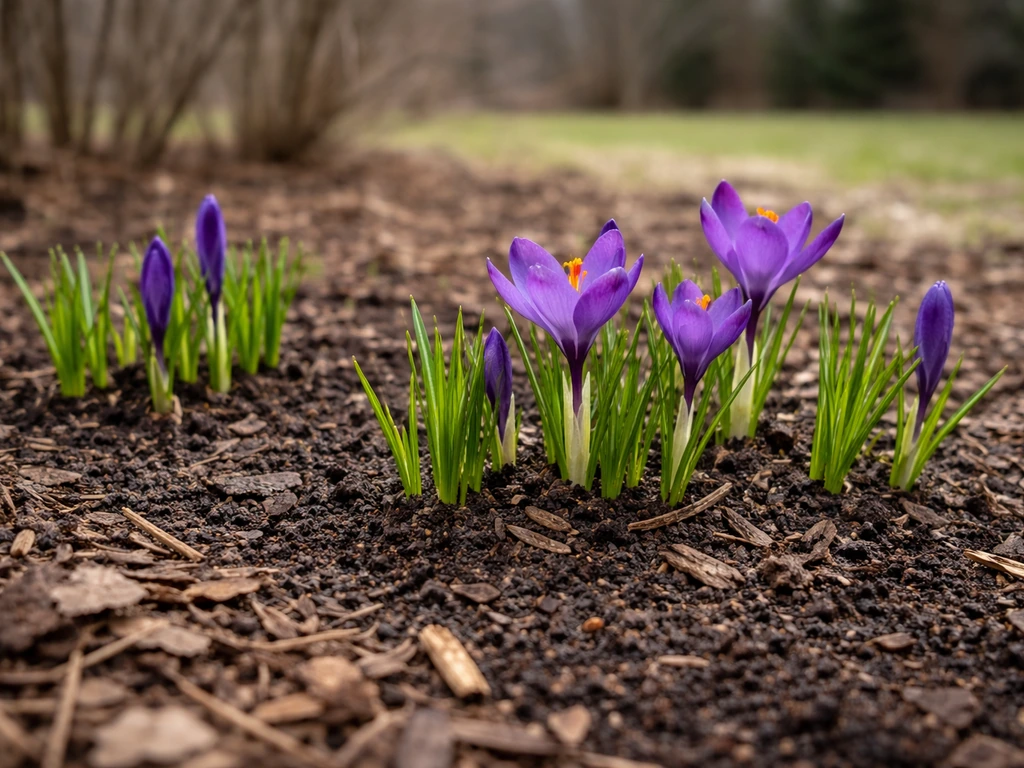
Once planted, give the bed a thorough watering to settle the soil around the corms. After that, hold off on irrigation unless you're in a dry fall. Michigan fall weather is usually wet enough that supplemental watering is rarely needed. The corms will send up foliage and flowers within a few weeks. The blooms arrive first, typically in October, and the foliage follows or appears simultaneously. Don't confuse the two flushes; saffron does things a little backward compared to most bulbs.
Winter: cold protection by zone
After the flowers fade and through the winter, the foliage keeps growing as long as temperatures allow. In Zone 6b, the corms usually survive Michigan winters in-ground with no extra protection. In Zones 5a through 5b, apply 2 to 4 inches of straw mulch after the ground starts to freeze in late fall. This insulates without trapping moisture against the corm. In Zone 4, either use heavy mulch (4 to 6 inches) or dig the corms and store them in a cool, dry place (around 40 to 50°F), then replant in late summer. Freeze-thaw cycles are the main danger in borderline zones, so consistent insulation matters more than just keeping them warm.
Spring and summer: dormancy management
The foliage dies back in late spring, usually by May or June in Michigan, and the corm enters summer dormancy. This is the critical period where most Michigan gardeners accidentally kill their saffron by watering the bed as part of their regular garden routine. Stop watering the saffron bed once the leaves yellow and die back. The corms need to stay dry and warm during summer. If your saffron is planted near vegetables or annuals that get regular irrigation, this is a real problem. A dedicated raised bed helps enormously because you control exactly what gets watered. Weeds are your other concern during dormancy since the corms are invisible and it's easy to disturb them while weeding. Mark your bed clearly.
Harvesting your saffron threads
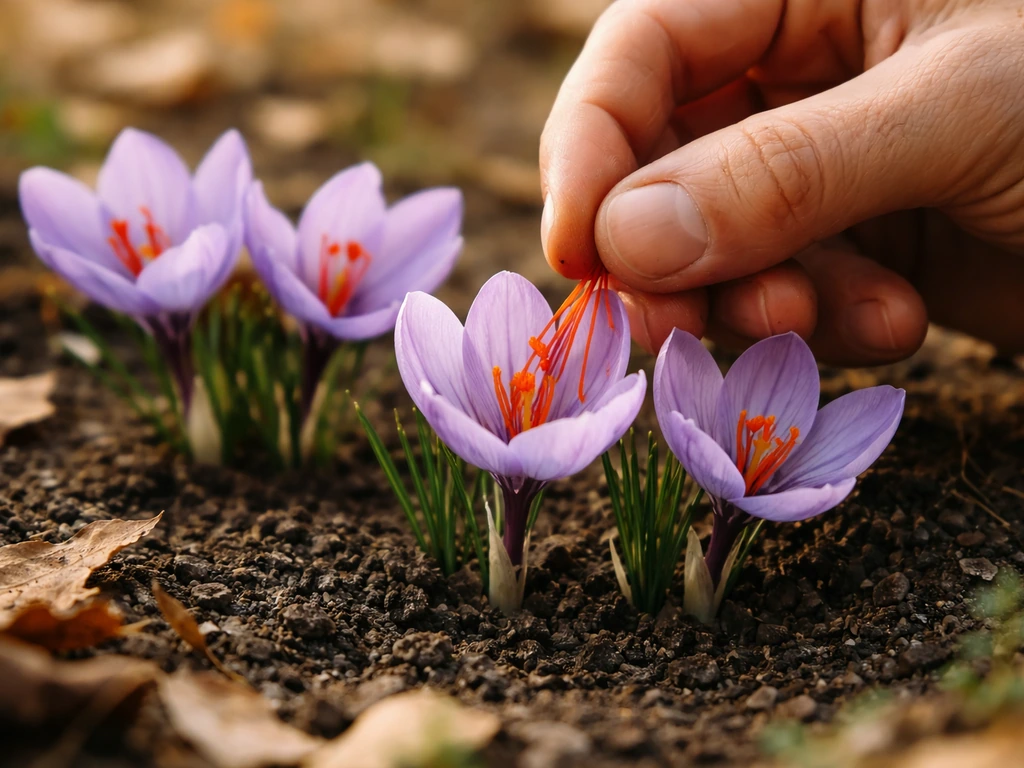
Saffron blooms in October in Michigan, and the window is short. Each flower produces three red stigmas, which are the saffron threads. You need to harvest them the morning after a flower opens, ideally before noon when the flower is fully open but fresh. Pick the threads by hand, pulling them away from the flower with your fingers or tweezers. Do not wait for all the flowers to open before harvesting. Check the bed every single morning during bloom season.
After harvesting, dry the threads on a paper towel or small screen in a warm, dry spot away from direct sunlight. A few hours to a full day is usually enough. Store dried saffron in a small airtight glass jar away from heat and light. It keeps its potency for a year or two when stored properly.
Yield expectations need to be realistic. It takes roughly 150 to 200 flowers to produce one gram of dried saffron. A home plot of 100 corms in its first year might realistically give you 40 to 80 flowers depending on corm size and conditions, which translates to somewhere between 0.2 and 0.5 grams. That's enough to season a few dishes but not enough to feel like a commercial operation. The good news is that saffron corms multiply over time. By year three or four of a well-maintained Michigan bed, you can have many more corms than you started with and yield climbs accordingly.
When things go wrong: common Michigan problems
Corm rot
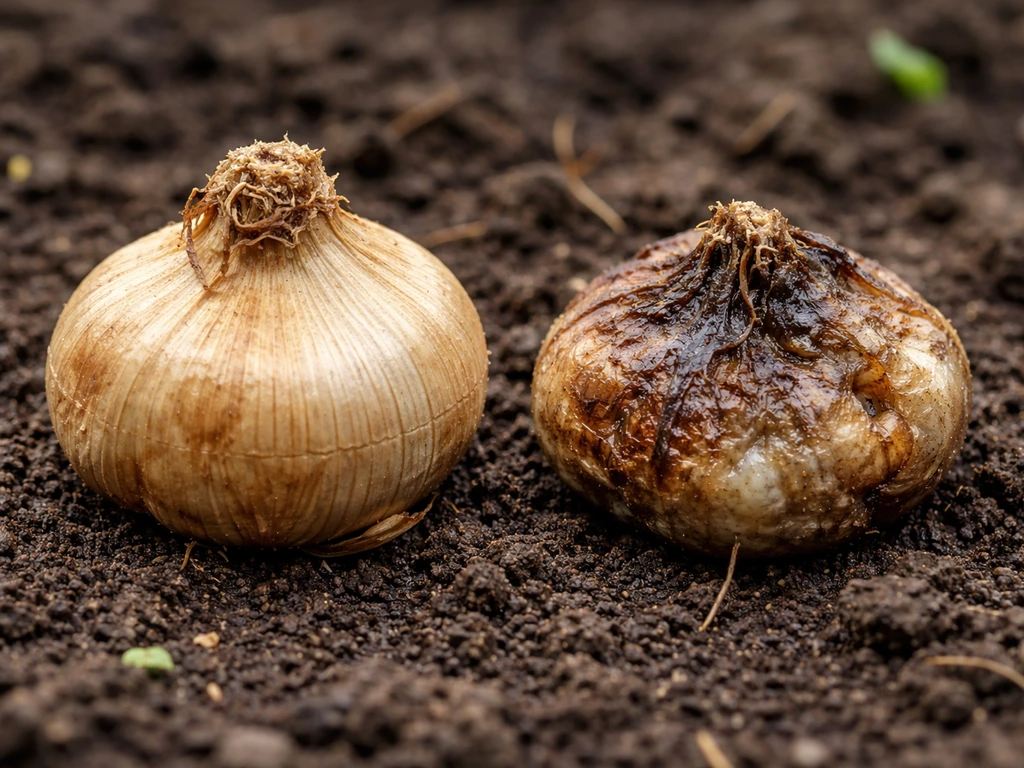
This is the number one failure in Michigan. Wet clay soil or overwatering during dormancy causes corms to go soft and rot. If you dig up your corms in summer and find mushy, foul-smelling bulbs, drainage was the culprit. The fix is a raised bed with amended soil, not just adding compost to clay in the ground. Once rot sets in, those corms are done. Discard them and start fresh with better site preparation.
No blooms
If your corms send up foliage but no flowers, there are a few likely causes. Corms planted too late in fall won't have time to establish and may skip blooming the first year. Small or immature corms (under 7 centimeters circumference) often don't bloom in their first season. Too much shade reduces flowering significantly. And corms that didn't get adequate summer warmth during dormancy may not have set flower buds properly. Check all four factors before giving up. Most no-bloom situations resolve themselves in year two if the corms are healthy.
Critters and birds
Squirrels, voles, and deer are genuine nuisances in Michigan gardens. Squirrels will dig up freshly planted corms out of pure curiosity. Voles tunnel under mulch and eat corms from below. Deer occasionally browse the foliage. Cover a newly planted bed with wire mesh or hardware cloth laid flat on the soil surface until the plants emerge. For voles, a layer of hardware cloth at the bottom of a raised bed before filling it with soil is the most reliable long-term solution.
Freeze-thaw heaving
In Zones 4 and 5, repeated freeze-thaw cycles in late fall and early spring can push corms toward the soil surface, exposing them. If you notice corms working their way up, gently press them back down and add more mulch. Consistent mulch application after the ground firms up in late fall prevents most heaving.
What to buy
- Saffron corms, size 8 to 9 cm circumference minimum, ordered by late July at the latest (they sell out fast)
- Coarse builder's sand for bed amendment if your soil is clay-heavy
- Finished compost or aged mushroom compost for soil improvement
- Straw mulch for winter protection (Zones 5 and colder)
- Hardware cloth or wire mesh for critter protection
- Small airtight glass jars for storing harvested and dried saffron threads
- Raised bed materials (optional but highly recommended for clay-soil areas)
Michigan planting calendar by region
| Region / Zone | Prep Your Bed | Plant Corms | Expect Blooms | Apply Winter Mulch | Stop Watering (Dormancy) |
|---|
| Southern MI, Detroit area (Zone 6a–6b) | July–early August | Late August–mid-September | Mid to late October | After ground firms, November | May–June when foliage dies back |
| Central Lower Peninsula (Zone 5a–5b) | July | Mid-August–early September | Early to mid-October | Late October–early November | May–June when foliage dies back |
| Northern Lower Peninsula (Zone 4b–5a) | Early July | Early to mid-August | Early October | Mid to late October | May–June when foliage dies back |
| Upper Peninsula (Zone 4a–4b) | Early July | Early August | Late September–early October | October (before hard freeze) | May–June; consider container growing |
To fine-tune your frost dates by zip code, MSU Extension's Lower Peninsula garden calendar and the Almanac's frost date tool are both worth checking for your specific county. Your average first fall frost date is your key anchor point: saffron should be in the ground at least six weeks before that date.
If you're in southern or central Michigan and have a sunny, well-drained spot, saffron is genuinely worth trying. Set up the bed right, plant on time, and stay out of the way during summer dormancy. Most of the work happens before the corms go in the ground. Once they're established, a Michigan saffron bed mostly takes care of itself, and it gets better every year as the corm colony expands. Gardeners curious about how neighboring states stack up will find that Ohio and Wisconsin face very similar challenges and solutions, while Minnesota's shorter, colder seasons make things meaningfully harder. If you're wondering can you grow saffron in Missouri, the same approach applies: match planting timing to your first fall frost date and plan for solid drainage and winter protection Minnesota's shorter, colder seasons. If you’re wondering can you grow saffron in Minnesota, the key is matching your planting timing and giving the corms strong winter protection for your zone. If you are asking can you grow saffron in Ohio, focus on the same essentials: excellent drainage, correct planting timing, and winter protection for your zone Ohio and Wisconsin. Michigan sits in a solid middle ground for this crop. If you are in Illinois, you can still grow saffron by matching your planting timing to your first fall frost date and setting up excellent drainage and winter protection for your zone can you grow saffron in Illinois.