
Yes, you can grow patchouli in the U. Gardenish’s plant encyclopedia notes that patchouli is generally blank" rel="noopener noreferrer">propagated via stem cuttings, a vegetative approach commonly used to keep plants true to type. S., but whether it lives outside year-round or spends its winters on your windowsill depends entirely on where you live. You can also use a similar climate-and-container approach to answer whether you can grow an argan tree in India. If you're in USDA Zone 10 or 11 (think South Florida, Hawaii, or the warmest parts of Southern California and South Texas), patchouli can stay in the ground permanently. Everyone else grows it as a container plant that comes inside once temperatures drop below 50°F. That's the honest answer. Red sandalwood is a different species with much stricter climate and sourcing needs, so check what works where you live before you try growing it can i grow red sandalwood. The good news is that even in cold-winter states, patchouli is very doable as a seasonal patio plant or a year-round houseplant. If you're curious about sandalwood specifically, the climate requirements in the U.S. are very different from patchouli can i grow sandalwood in usa.
Can You Grow Patchouli? Yes, Here’s How in Your Climate

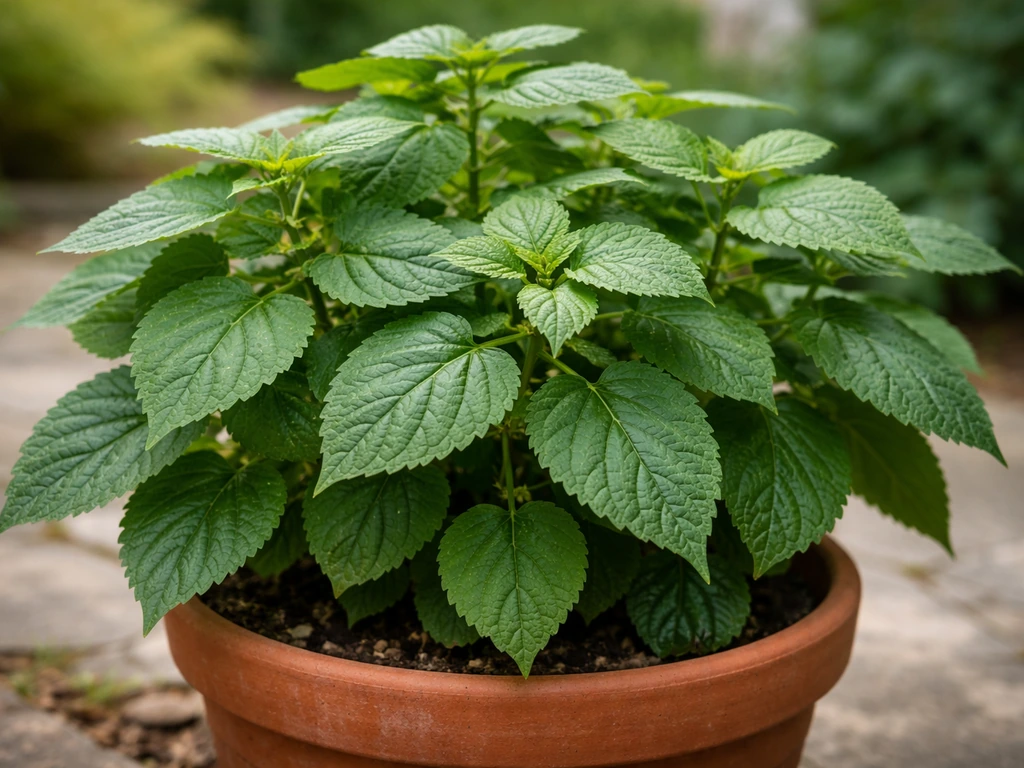
Where patchouli can actually grow outdoors in the U.S.
Patchouli (Pogostemon cablin) is a tender tropical plant native to Southeast Asia. It has essentially zero cold tolerance. Once temperatures dip below 50°F, the plant starts wilting and struggling; a hard frost will kill it outright. That narrows permanent outdoor growing to a pretty small slice of the country.
| USDA Zone | Example Locations | Outdoor Growing Feasibility |
|---|---|---|
| Zone 10–11 | South Florida, Hawaii, far South Texas, coastal SoCal (warmest pockets) | Perennial outdoor plant; stays in ground year-round |
| Zone 8–9 | Gulf Coast, Central Texas, Pacific Northwest coast, most of California | Grow outdoors spring through fall; must overwinter indoors |
| Zone 6–7 | Mid-Atlantic, Midwest, Pacific NW inland, Tennessee | Container plant only; outdoors in summer, inside by September |
| Zone 5 and below | Upper Midwest, New England, Mountain West | Container/houseplant; outdoor time limited to hottest summer months |
If you're in Georgia, the Carolinas, or coastal Louisiana, you're in a gray zone. You might get away with leaving a well-established plant outside during a mild winter, but I wouldn't count on it. The safer play in Zone 8 is to treat it like a container plant you move in and out seasonally.
What patchouli actually needs to thrive
Patchouli is happiest in a climate window of roughly 70 to 95°F with high humidity. It's not a drought-tolerant Mediterranean herb like oregano or rosemary. Oregano also grows best in warm conditions and is usually treated as a perennial only in the warmest regions, so if you're in India check your local climate and plan for containers or seasonal growth accordingly. It wants warmth, moisture in the air, and consistent soil moisture without sitting in water. Once you understand that, most of the care decisions make a lot more sense. Patchouli is commonly propagated by cuttings, and Wikipedia notes cuttings, grafts, and rooting as the most common methods blank" rel="noopener noreferrer">consistent soil moisture without sitting in water.
- Temperature: 70–95°F is the sweet spot; below 50°F causes wilting and stress; frost is fatal
- Humidity: naturally prefers humid tropical air; indoor growers in dry climates often need to mist or use a pebble tray
- Sunlight: bright indirect light outdoors (filtered by taller plants or dappled shade in hot climates); indoors, an east- or west-facing window or a grow light works well
- Soil: rich, well-draining mix; patchouli does not like waterlogged roots, but it also doesn't like drying out completely
- Watering: consistent moisture is the goal; let the top inch or so dry before watering again, but don't let it fully dry out
- Fertilizer: a balanced all-purpose fertilizer every few weeks during the growing season supports healthy, fragrant foliage
Outdoor vs. container growing by region
Zones 10–11: just plant it and let it go
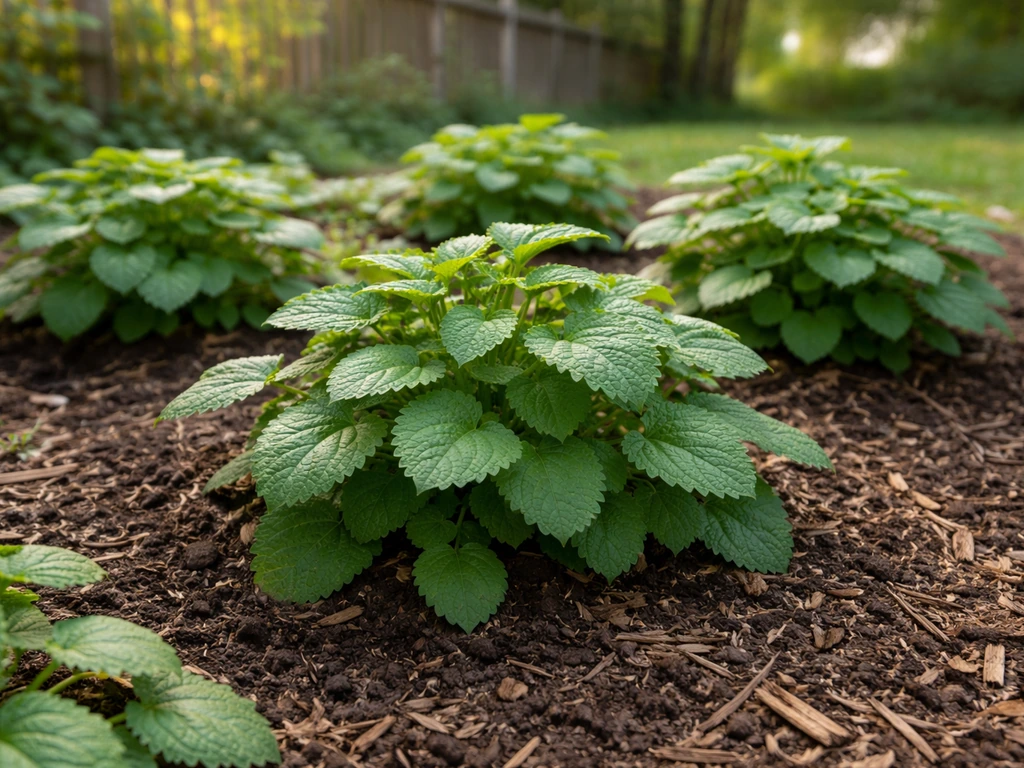
If you're in South Florida or Hawaii, patchouli is about as low-drama as it gets. Plant it in a partially shaded garden bed with good drainage, water it regularly, and it will grow into a shrubby perennial that can reach 2 to 3 feet tall. You're essentially growing it like any other tropical herb. The main thing to watch for is overwatering during wet season and root rot in heavy soils.
Zones 8–9: seasonal outdoor plant with indoor backup
This is the most common situation for U.S. gardeners trying patchouli. You'll get a solid six to eight months of outdoor growing from late spring through early fall. Keep the plant in a container so the transition indoors is easy. When nighttime temps start hovering around 55°F, that's your cue to start bringing it in for the night. Don't wait for a frost warning.
Zones 6–7: container plant with a summer vacation
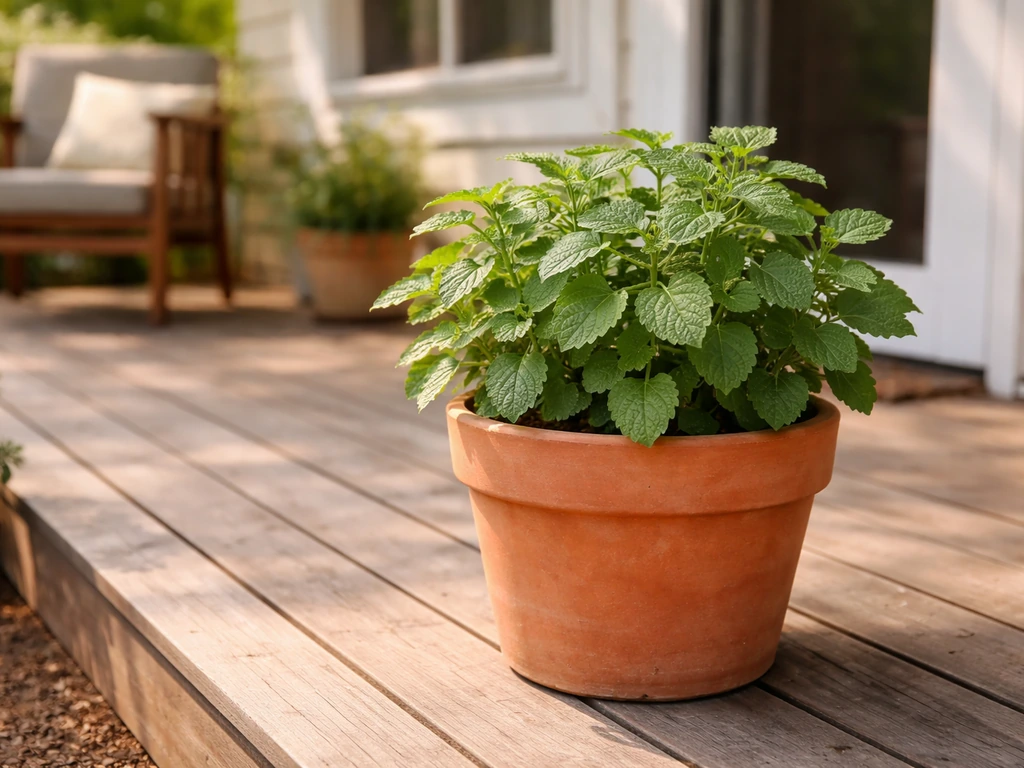
In most of the mid-Atlantic, Midwest, and upper South, patchouli is a houseplant that gets to spend summer outside. You're looking at a May through September outdoor window at most. The upside is that patchouli actually does quite well as a container plant indoors once you give it enough light. I've kept one going successfully for two years in a pot, moving it to the patio each summer and back inside each fall.
Zone 5 and colder: possible, but minimal outdoor time
You're really growing this as a houseplant with a brief summer outing. You might get it outside for July and August in a sheltered, warm spot, but the growing window is short enough that you won't see much size increase before it's time to come back inside. It's still worth doing if you love the plant, but manage expectations accordingly.
How to get your first patchouli plant
FAQ
Can you grow patchouli indoors year-round, and will it actually stay healthy through winter?
Yes, but it needs a bright, consistently warm spot. Use an east or west window, or add a grow light on a timer (12 to 14 hours). In winter, reduce watering because growth slows, and skip fertilizer until new growth resumes outdoors.
What is the lowest temperature patchouli can handle before I risk losing it?
Plan around 50°F as the danger line. Below that, leaves can wilt and the plant weakens quickly, and a hard frost can kill it. Bring the plant in when night temperatures are hovering around 55°F to avoid getting surprised by a cold snap.
Can you grow patchouli from store-bought stems or cuttings from grocery herbs?
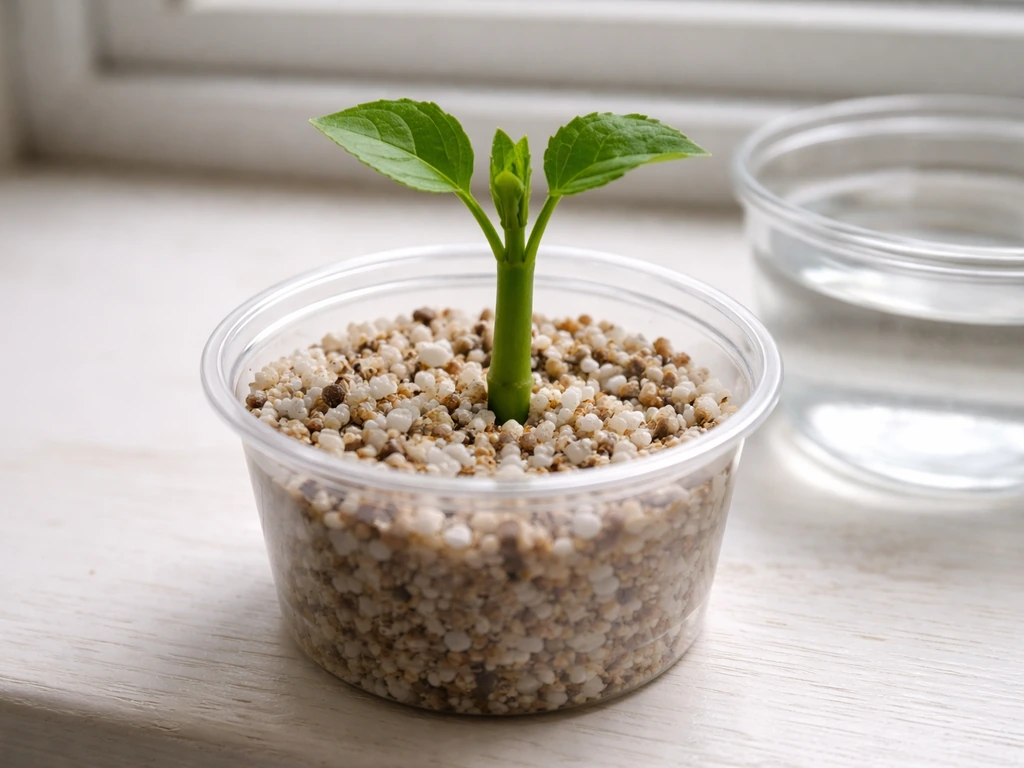
Usually not reliably. Patchouli sold as a fresh culinary herb is often a different plant or may have been treated and may not root well. If you want to try, use true patchouli cuttings with nodes from a reputable grower or nursery, and keep them humid in a moist rooting medium.
How long do patchouli cuttings take to root, and how do I tell if they failed?
Roots can start forming in about a couple of weeks, but it can take longer depending on warmth and humidity. After about a week, gently tug and feel for resistance. If the cutting stays limp, turns dark, and smells bad, it is likely rotting rather than rooting.
Is patchouli drought-tolerant once it is established in a container?
No. It likes consistent moisture, but not soggy roots. Let the top inch of potting mix dry before watering again, and never allow the pot to sit in a drainage saucer full of water, since root rot is the most common cause of failure.
Do I need a bigger pot to grow more leaves, or is frequent repotting required?
A slightly larger pot helps, but overpotting can keep soil too wet and raise rot risk. Repot only when the plant is clearly root-bound or the mix breaks down, and always use fast-draining mix amended with perlite.
Why are my patchouli leaves yellowing or dropping after I move it indoors?
Most often it is a light-drop and watering adjustment problem. Indoors in winter, reduce water because evaporation slows, and place it in a brighter window or under a grow light. Some leaf drop by February is normal, as long as the stems stay firm.
How do I overwinter patchouli without it becoming leggy?
Provide strong light (east or west window, or a grow light) and keep temperatures reasonably warm. Reduce fertilizer to zero during winter, and expect slower growth. Leggy growth usually means the plant is reaching for light.
Can you harvest patchouli for fragrance without hurting future growth?
Yes, harvest leaves throughout the season. Avoid stripping the plant bare, and cut back stems by about a third if you need a larger prune. Let harvested leaves dry completely in a warm, airy spot out of direct sun, since scent deepens as they age.
Does humidity matter, and what should I do if my indoor air is very dry?
Humid air supports healthy growth, especially during rooting. For indoor plants, watch for crispy leaf edges. You can use a humidity dome during rooting or place the pot near a tray of water without letting the pot sit in it, and consider a small humidifier if your home is very dry.
Learn where black pepper can be grown in the US and how to grow it indoors or in warm zones for fruit.

Regional guide to growing caper plants in the US, choosing cultivars, meeting soil and climate needs, and harvesting bud
Zone-by-zone guide to growing black pepper peppercorns in the US, including heat, humidity, indoor options, and timeline