
Yes, you can grow cinnamon at home in the U.S., but with some real caveats. If you live in a warm, humid climate (think South Florida, Hawaii, or coastal Southern California), you can grow it outdoors year-round. If you're anywhere else, you're looking at a container plant that spends most of its life indoors or in a heated greenhouse. Either way, growing your own cinnamon is a legitimate project for a patient home gardener. The catch: it takes years before you see a single harvestable piece of bark. So the question isn't just whether you can keep the plant alive, it's whether you're growing it as a long-term commitment or just as a cool tropical houseplant.
Can You Grow Cinnamon at Home in the US? Yes, Here’s How

Marcus Petersen
17 Apr 2026
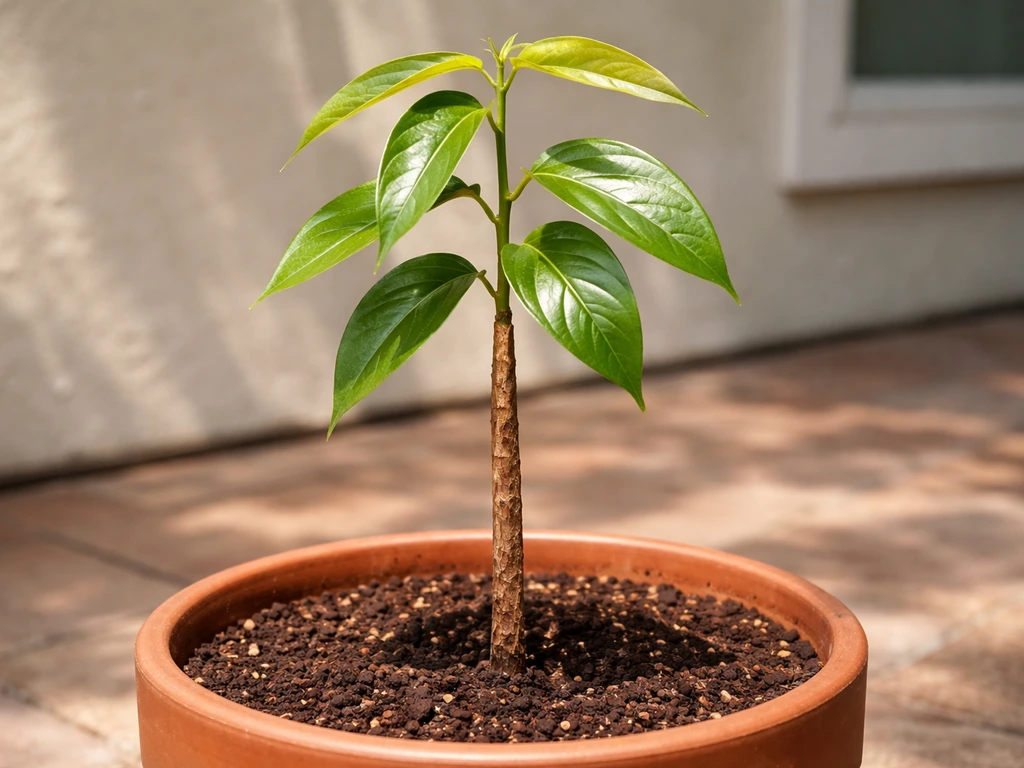
What plant are you actually growing?
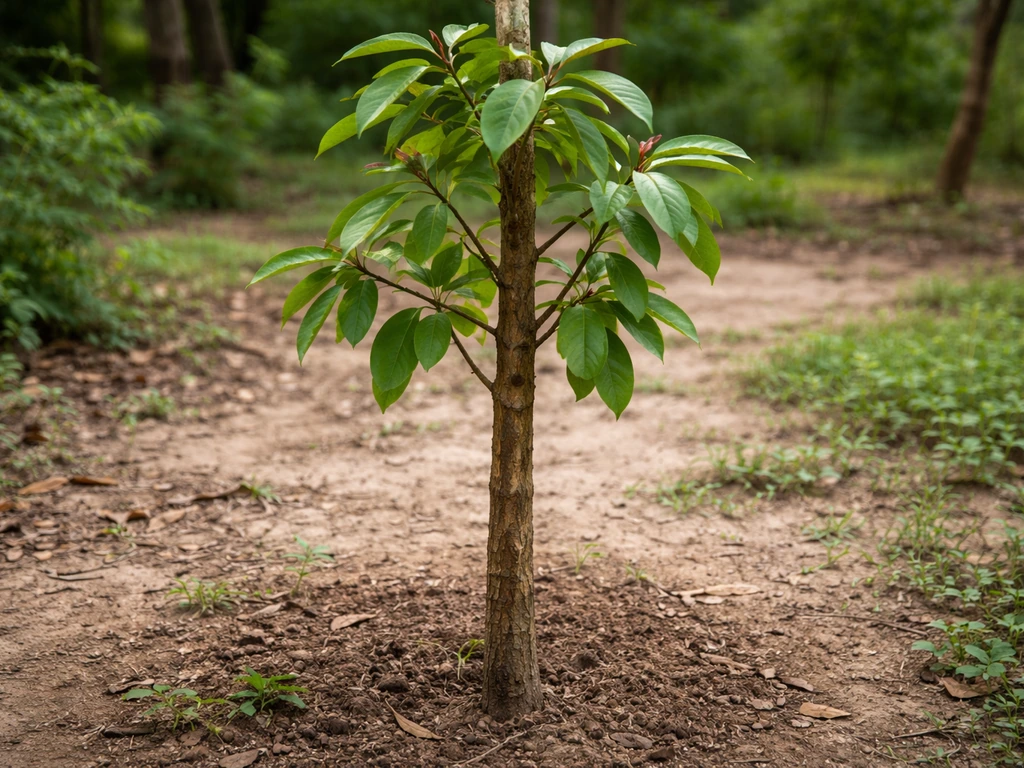
Cinnamon doesn't come from a vine or a bush or some ground-cover herb. It comes from the bark of a tree, specifically from the genus Cinnamomum. The species most associated with "true cinnamon" is Cinnamomum verum (also called Ceylon cinnamon, native to Sri Lanka), and that's what most home growers are after. The stuff in your spice cabinet is literally the dried, peeled inner bark of this tree, rolled into those familiar quills.
The other common species you might encounter is Cinnamomum cassia, which is what most cheap supermarket cinnamon actually comes from. It's slightly hardier, slightly easier to find as a nursery plant, and still worth growing if that's what you can source. A third species, Cinnamomum burmannii (Korintje or Indonesian cinnamon), also shows up occasionally. For practical home growing purposes, C. verum is the gold standard, but all three share similar growing requirements: heat, humidity, well-drained acidic soil, and patience.
It's also worth knowing where this plant comes from naturally. Cinnamon's origins in India and Sri Lanka tell you a lot about what it needs: tropical lowland conditions, plenty of rainfall, warm temperatures year-round, and no frost tolerance whatsoever. That context shapes every decision you'll make about where and how to grow it.
Where in the U.S. can you actually grow cinnamon?
The short answer is: outdoors only in USDA zones 10–12, and in a container or greenhouse almost everywhere else. The USDA plant hardiness zone system is based on blank" rel="noopener noreferrer">average yearly minimum temperatures, which is why zone placement predicts cold survival. Let me break that down by region so you know exactly what you're dealing with.
| Region / Zone | Outdoor Growing? | Best Approach |
|---|---|---|
| South Florida, Hawaii (Zones 11–12) | Yes, year-round | Plant in ground; full tropical conditions |
| Coastal Southern California, Zone 10 | Yes, with some protection | In-ground or large container; protect from rare cold snaps |
| Gulf Coast Texas, Louisiana (Zone 9b–10a) | Marginal, risky | Large container you can bring inside; expect occasional cold damage |
| Pacific Northwest, Southwest Desert (Zones 8–9) | No outdoor growing | Container indoors or heated greenhouse |
| Most of the South, Mid-Atlantic (Zones 7–8) | No | Container or greenhouse only; bring inside by October |
| Midwest, Northeast, Mountain West (Zones 3–7) | No | Greenhouse or indoor container with supplemental heat and humidity |
If you're in the continental U.S. outside South Florida or a very sheltered Zone 10 microclimate, you're growing cinnamon as a container plant, period. That's not a dealbreaker, but it does shape everything from pot size to how you'll manage humidity in winter. For a deeper look at regional feasibility across the country, the full breakdown of growing cinnamon across U.S. climate zones is worth reading before you buy a plant.
And if you're in Canada or near the northern border, the climate math gets even harder. Growing cinnamon in Canada is technically possible but requires a serious indoor setup, not just a sunny windowsill.
Seeds vs. cuttings: how to propagate cinnamon
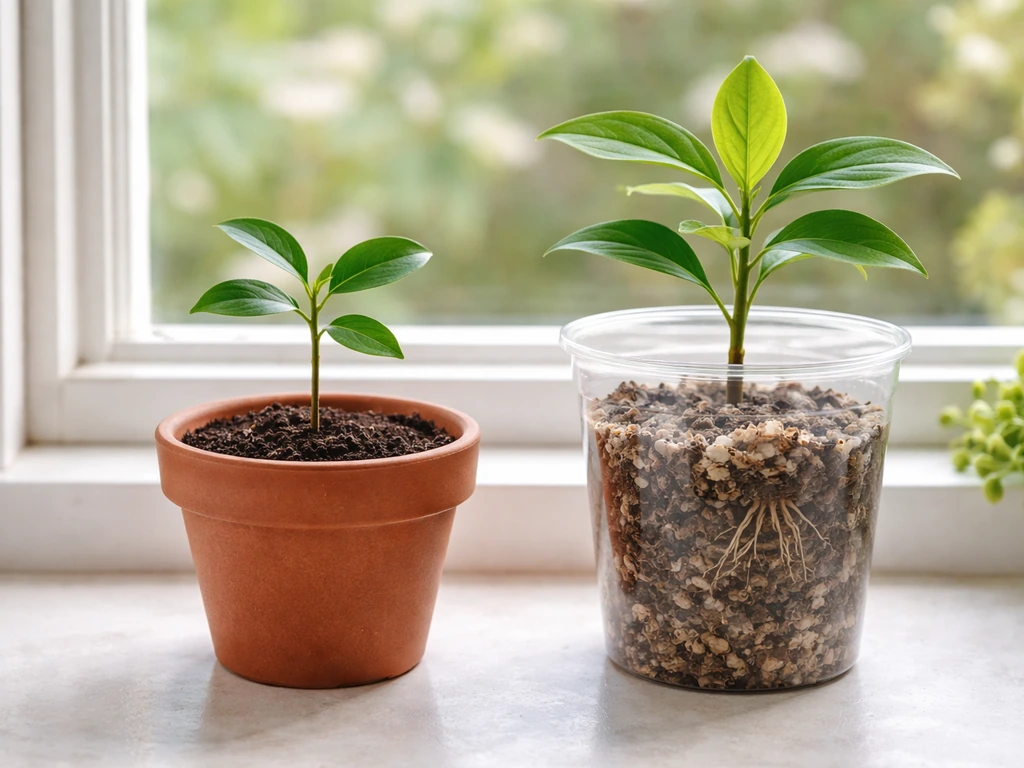
This is one area where I'd steer you away from the most obvious route. Starting cinnamon from seed sounds appealing, but it's actually the hardest option for most home growers, for one specific reason: cinnamon seeds lose viability extremely fast. FAO guidance on seed handling explains that many orthodox seeds rapidly lose viability if stored improperly and that fresh seed is often best to maintain viability cinnamon seeds lose viability extremely fast. Sources on Cinnamomum verum are consistent on this point: seeds must be sown immediately after collection, because viability drops off quickly once they're off the tree. By the time seeds reach you through a mail-order retailer, they may already be largely non-viable. I've tried starting C. verum from seeds I ordered online twice, and germination was poor both times. If you do go the seed route, buy from a supplier who can tell you when the seeds were collected, and sow them the day they arrive.
Vegetative propagation is more reliable if you can access it. Options include stem cuttings (semi-hardwood work best), air layering, and division of root suckers. Cuttings taken from a healthy established plant root reasonably well under warm, humid conditions with bottom heat. Air layering is slower but has a good success rate for getting rooted material without stressing a donor plant. If you know someone growing cinnamon locally, getting a cutting or layered branch from them is far more reliable than ordering seeds online.
The most practical starting point for most U.S. home growers is simply buying a small nursery plant. Specialty tropical nurseries and online retailers sell small Cinnamomum verum plants that are already a year or two old and rooted. You skip the seed viability problem entirely, and you're starting with a plant that has a known chance of survival. Seedlings around 10–12 months old are considered ready for transplanting into their permanent home, so even buying a young plant puts you ahead.
Setting up your cinnamon plant for success
Containers and soil
For container growing, start a young plant in a 5-gallon pot and plan to move up to at least a 15- to 25-gallon container as the tree matures. Cinnamon trees can get large (10+ feet in the ground in tropical climates), but in containers they stay more manageable. Use a well-draining mix: a blend of good potting soil with added perlite and a bit of coarse sand works well. Cinnamon likes slightly acidic soil in the pH 5.5 to 6.5 range. Avoid heavy, moisture-retaining mixes that stay wet. Root rot is a real killer with this plant, and it usually starts from soil that doesn't drain fast enough.
Light and temperature
Full sun is ideal: at least 6 hours of direct sun per day. Indoors, a south-facing window is your best bet, but supplemental grow lights help significantly during short winter days if you're north of Zone 9. Temperature-wise, cinnamon really wants to stay above 60°F at all times, and it thrives at 70–90°F. Brief dips near 50°F can stress the plant; anything below 40°F will cause serious damage or death. Don't push it. If nighttime temps are dropping into the low 50s, that plant needs to be inside.
Watering and humidity
Water deeply but let the top inch or two of soil dry before watering again. Consistency matters more than frequency. In a heated indoor environment over winter, humidity tends to drop, and cinnamon really doesn't like dry air. Aim for relative humidity above 50%. A pebble tray with water under the container, a nearby humidifier, or grouping tropical plants together all help. Misting works short-term but isn't a substitute for ambient humidity. If your indoor winter air is very dry, leaf edges will brown and the plant will look generally unhappy even if you're watering correctly.
Greenhouse option
If you're serious about getting this plant to a harvestable size and you live north of Zone 10, a heated greenhouse is the most realistic path. It solves the humidity problem, keeps temperatures stable, and lets you grow the plant much larger than you could manage inside a house. Growing cinnamon in a greenhouse opens up options that just aren't practical for windowsill or sunroom growing, especially if you're aiming for actual bark harvests rather than just keeping a novelty plant alive.
How long until you can harvest anything?

Here's the part where I'm going to be blunt with you: it takes a while. In commercial cinnamon production in Sri Lanka, the first harvest is obtained after 3 to 4 years of growth. And that's under ideal tropical conditions with full sun, warm temperatures, high humidity, and proper soil. In a container in your living room or a greenhouse in Ohio, expect that timeline to stretch. The first harvest in commercial operations involves coppicing (cutting stems down to 10–15 cm from the ground) to trigger multiple new shoots. The bark is peeled from those new shoots, and subsequent harvests come from the regrowth cycle.
For home growers, the realistic expectation is this: you may get a first experimental bark harvest at years 3–5 if you're in a warm climate and the tree has put on good growth. You'll get thin strips of bark, not a full yield of quills. It'll smell amazing. But most home growers who keep cinnamon in containers will spend years enjoying the foliage (which is genuinely beautiful and fragrant) without ever doing a real bark harvest. That's still a worthwhile plant to have, but you should go in knowing it.
Common problems and when to cut your losses
Root rot is the number one killer. It usually comes from overwatering or poor drainage, and by the time you notice it (yellowing leaves, sudden wilting), it's often too late. Prevention is everything: use well-draining soil, never let the pot sit in standing water, and check the root zone if the plant suddenly looks sick.
Cold damage is the second major issue. Even brief cold exposure can cause leaf drop, stem dieback, or death. If you see blackened tips and drooping leaves after a cold spell, cut back the damaged growth to healthy wood and make sure the plant is warm going forward. Young plants are especially vulnerable.
- Spider mites: common indoors in dry air; treat with insecticidal soap and improve humidity
- Scale insects: check the stems and undersides of leaves; treat with neem oil or horticultural oil
- Leaf spot diseases: usually from overwatering or poor air circulation; reduce moisture and improve airflow
- Slow growth: normal for container-grown cinnamon, especially in low-light indoor conditions; don't overfertilize trying to speed it up
- Yellowing leaves: usually a drainage or humidity issue; check soil moisture and ambient humidity before assuming a nutrient problem
When should you give up? If your plant has been struggling for more than two growing seasons despite correct care, if you can't maintain temperatures above 60°F consistently, or if root rot has killed the root system, it's not worth continuing. Cinnamon is genuinely a tropical plant with firm requirements. No amount of wishful thinking overrides 40°F nights or waterlogged soil.
Is it worth trying, or should you just buy cinnamon?
Here's how I'd frame it: grow cinnamon if you're in Zone 10–12 and want a productive ornamental tree, or if you're a serious tropical plant enthusiast who enjoys the process regardless of harvest yield. Don't grow it if your only goal is to produce spice, you're impatient, or you're not willing to manage humidity and temperature indoors over winter. A pound of good Ceylon cinnamon costs a few dollars. The plant will take 3–5 years minimum to give you even a modest bark harvest.
That said, there's real satisfaction in growing something this unusual. The leaves are beautiful, they're fragrant when crushed, and the plant draws genuine curiosity. If that sounds worthwhile to you, start with a nursery-grown plant (not seeds), check your zone, get your container and soil setup right from day one, and commit to the long game. It's a project, not a quick win.
FAQ
Can you grow cinnamon indoors year-round in a regular house without a greenhouse?
Yes, but “success” usually means keeping it alive and growing foliage, not getting bark. To do well indoors you need stable temperatures above 60°F, strong light (often a grow light in winter), and consistently humid air above about 50% to prevent leaf edge browning. Expect the harvest timeline to stretch, and some indoor setups never reach a size that can be bark-harvested.
Which cinnamon is best to buy for home growing, Ceylon or cassia?
If your goal is the spice people call “true cinnamon,” buy Cinnamomum verum (Ceylon). If you cannot source verum reliably, cassia (C. cassia) is more commonly available and can be a practical alternative. Both still require heat and humidity, and both can take years before any bark is harvestable.
Is seed-starting completely hopeless for cinnamon?
It is the hardest path, mainly because seeds lose viability quickly after collection. If you still try, only use freshly collected seed, confirm the supplier’s collection date, and sow immediately on arrival. Even then, germination can be inconsistent, so plan for delays compared with buying a rooted nursery plant.
How do I know my potting mix is draining fast enough to prevent root rot?
Test it before potting: after you water, the pot should not remain soggy for hours. Use a mix with perlite and coarse drainage components, and ensure the container has plenty of drainage holes. After watering, if you can still easily push a finger into wet, heavy soil an inch or two down later in the day, the mix likely holds too much water for cinnamon.
Should I repot cinnamon after I buy it from a nursery?
Often yes, but do it thoughtfully. If the nursery potting mix drains well and the plant is healthy, you can wait until it shows active growth. If the mix stays wet, repot into an appropriate larger container with drainage material. Avoid repotting right before winter when temperature and light are dropping, because stress plus cold can stall growth and raise rot risk.
What container size is realistic for a home grower, and how fast should I up-pot?
Start around a 5-gallon pot for a small plant, then move up gradually as the tree establishes. Jumping to a very large pot too early can trap excess moisture around roots. A common target is eventually 15 to 25 gallons for long-term container management, but size increases should track root growth and drying speed of the mix.
How much direct sun does cinnamon need, and can it handle midday heat?
Aim for full sun conditions, roughly 6 hours of direct sun, when outdoors. In very bright climates, you may need some protection during the hottest parts of the day, especially for new leaves in a container. Indoors, a south-facing window helps, but in winter many homes still need supplemental grow lights to meet light demand.
What humidity method works best indoors, humidifier or pebble tray?
A pebble tray can add local moisture near the plant, but it often does not raise whole-room humidity much. A small humidifier placed near the plant is usually more effective for keeping ambient humidity consistently above 50%. Grouping tropical plants also helps buffer dry air, while misting alone is typically too short-lived.
How do I water cinnamon correctly in winter when the plant is slower?
Water deeply, then wait until the top inch or two of the mix dries. In winter the plant’s growth slows and evaporation drops, so the same watering schedule used in summer can overwater. If nighttime temperatures are cool even briefly, reduce watering slightly and prioritize airflow and drying time.
What should I do if the leaves turn yellow or the plant suddenly wilts?
Treat it as a root-zone problem first. Check drainage and the soil moisture level, and inspect roots if the plant stays unusually wet or has a sour smell. If you find root rot, you may need to remove damaged roots, refresh the potting mix, and improve drainage immediately. The earlier you catch it, the better recovery chances are.
Does cinnamon survive a brief cold snap outdoors?
Not reliably. Even short exposure near the mid-50s can stress, and anything below about 40°F can cause severe damage or death. If temperatures are dropping into the low 50s at night, move the container indoors before cold arrives, and keep the plant away from drafty windows.
When should I trim or prune cinnamon, and does pruning affect bark harvesting?
Pruning is usually for shaping, removing cold-damaged wood, and encouraging a healthier structure rather than quick harvest. If you prune after cold stress, cut back to healthy wood. For harvest-oriented regrowth, bark harvest typically relies on cycles of new shoots, so pruning strategy should support vigorous regrowth without stressing the tree during cold months.
Realistically, when can a home grower expect any bark at all?
Under ideal tropical conditions, first bark can take around 3 to 4 years. In typical U.S. container or greenhouse conditions, plan for a longer and variable timeline, commonly 3 to 5 years for an experimental thin bark harvest in favorable setups. Many container growers enjoy foliage for years without ever getting a meaningful bark yield.
My cinnamon is growing but not getting taller. Is something wrong?
Slow growth often comes from insufficient light, low humidity, or cooling during winter. Check whether your plant is maintaining temperatures above 60°F consistently, and confirm it is getting enough light (grow lights if days are short). Also make sure the potting mix drains well, since chronically waterlogged roots can look “stalled” rather than obviously dying early on.
When is it reasonable to give up and replace the plant?
If you cannot keep temperatures above 60°F consistently, or you have repeated root-rot incidents that permanently damage the root system, replacement may be the practical choice. Another good decision point is if the plant has struggled through more than two growing seasons despite correct care steps, because cinnamon has strict tropical requirements that are hard to overcome indoors.
Next Articles
Can You Grow Black Pepper in the US Where and How
Learn where black pepper can be grown in the US and how to grow it indoors or in warm zones for fruit.

Can You Grow Capers in the US? Regional Guide for Home Gardeners
Regional guide to growing caper plants in the US, choosing cultivars, meeting soil and climate needs, and harvesting bud
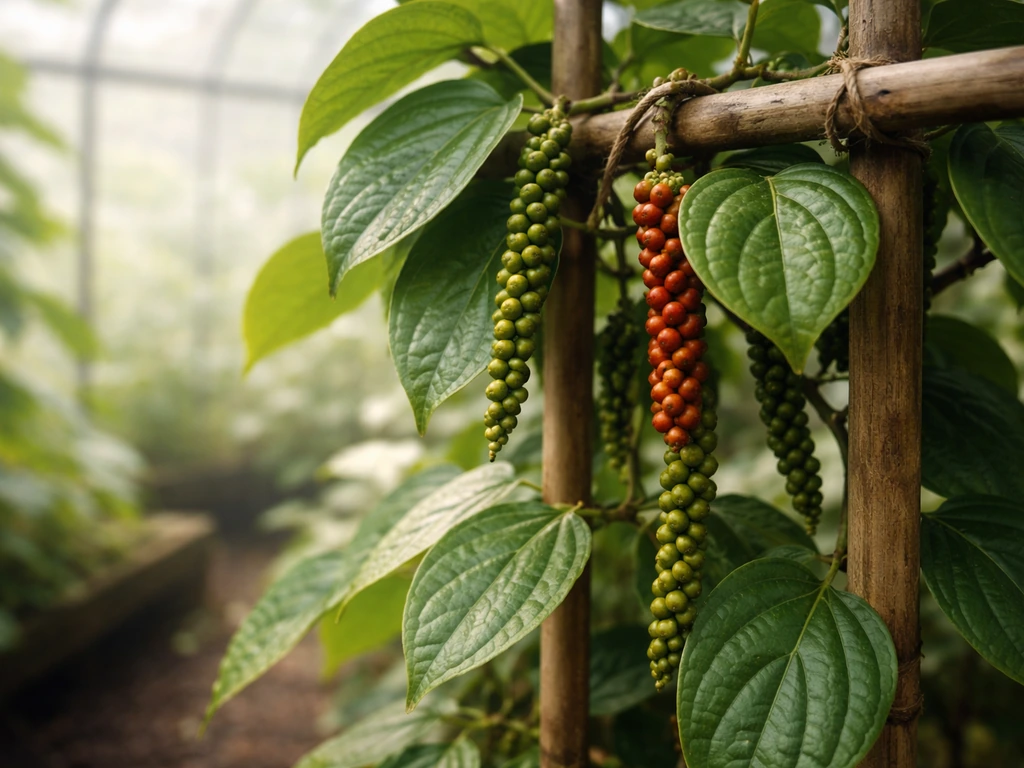
Can You Grow Peppercorns in the US? A Zone-by-Zone Guide
Zone-by-zone guide to growing black pepper peppercorns in the US, including heat, humidity, indoor options, and timeline