
Yes, you can grow cinnamon in the U.S., but where and how you grow it makes all the difference. If you live in South Florida, Hawaii, or the warmest corners of Southern California, you can plant a cinnamon tree in the ground and watch it thrive. Everywhere else, you're looking at container growing, overwintering indoors, or a greenhouse setup. It's absolutely doable across most of the country, but you need to go in with realistic expectations about what that involves and what you'll actually harvest.
Can You Grow Cinnamon in the US? Outdoor and Indoor Guide

Marcus Petersen
24 Apr 2026
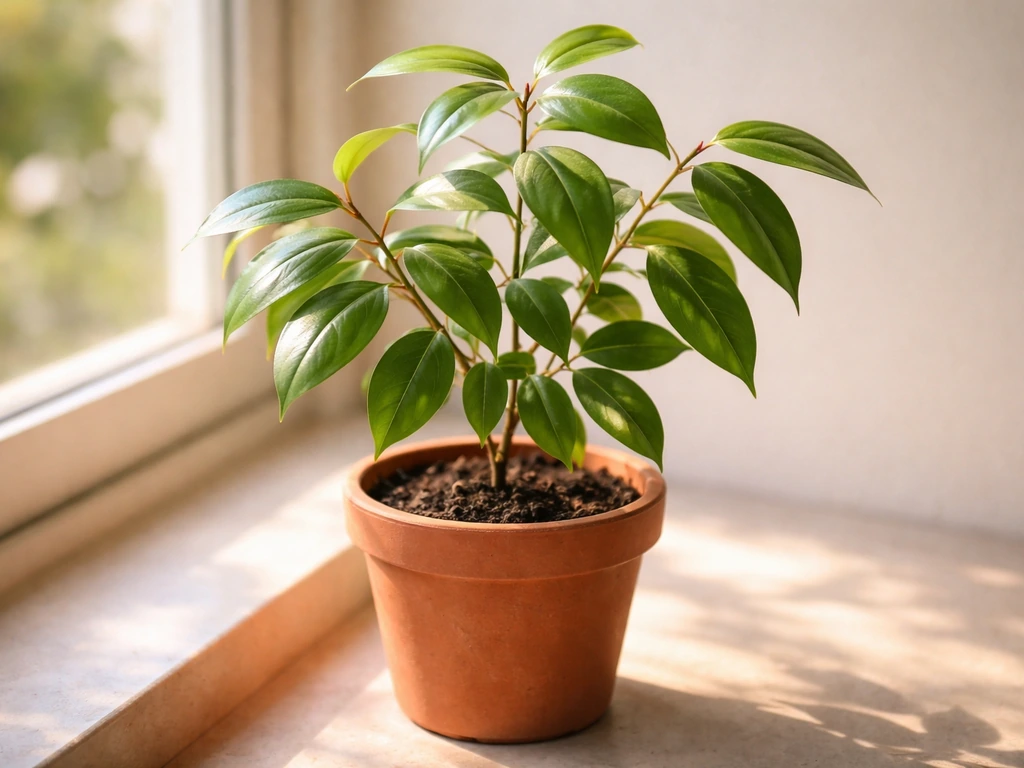
Where in the U.S. cinnamon can actually grow (by region)
The honest regional picture breaks down pretty cleanly once you understand that cinnamon is frost-sensitive and needs sustained warmth and humidity to do its best work.
| Region / Zone | Outdoor Ground Planting | Container / Overwintering | Realistic Outlook |
|---|---|---|---|
| South Florida (Zones 10b–13) | Yes, year-round | Optional | Best outdoor shot in the continental U.S. |
| Hawaii (Zones 11–13) | Yes, year-round | Not needed | Ideal conditions, closest to native range |
| Gulf Coast / Central Florida (Zone 9b–10a) | Marginal, frost risk most winters | Recommended backup | Can work with frost protection, expect occasional dieback |
| Southern California coast (Zone 10–11) | Possible in frost-free microclimates | Smart precaution | Low humidity is a challenge even without frost |
| Southwest / Desert Southwest (Zone 8–10) | No — too dry, cold nights | Yes, with humidity management | Container only; arid air is a real obstacle |
| Pacific Northwest (Zone 7–9) | No | Yes, indoors in winter | Feasible as a container plant with effort |
| Southeast / Mid-Atlantic (Zone 7–9) | No — winter freezes | Yes, bring in before first frost | Popular container approach, rewarding with care |
| Midwest, Northeast, Mountain West (Zones 3–7) | No | Yes, but more demanding | Doable as a houseplant/greenhouse project; harvest is a long game |
The short version: USDA Zones 10b and warmer get to treat this like a landscape tree. Everyone else is growing it in a pot and hauling it inside when temperatures threaten to drop below 40 to 50°F. That's not a dealbreaker, but it is the reality.
What plant you're actually growing (and why it matters)
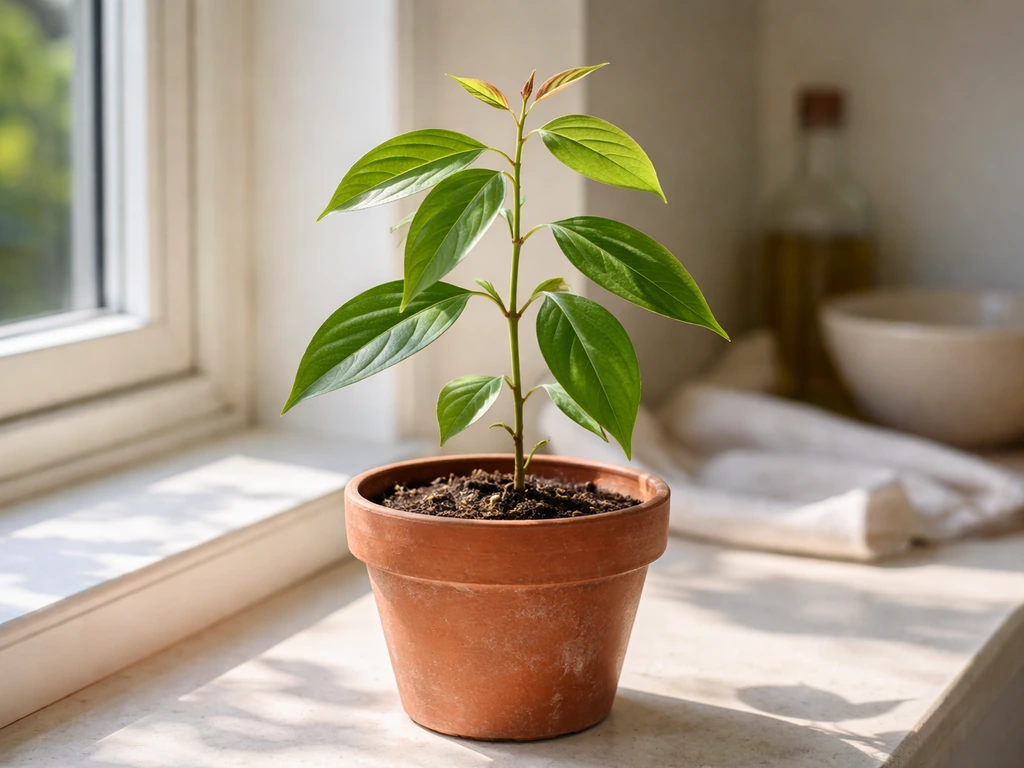
When people say "cinnamon tree," they're usually picturing Cinnamomum verum, also called Ceylon cinnamon or true cinnamon. This is the species behind the delicately sweet, mildly spiced bark you find sold as Ceylon cinnamon in specialty stores. It's native to Sri Lanka and southern India, which tells you a lot about what it expects from your garden. The other cinnamon you may have heard of is Cassia (Cinnamomum cassia or related species), which produces the bolder, more common grocery-store cinnamon. Both are in the same plant family (Lauraceae), both are grown the same basic way, and both have the same cold-sensitivity problem in the U.S.
For home growing in the U.S., Cinnamomum verum is the most commonly available and the most rewarding to grow for the actual spice experience. It's a small to medium evergreen tree that, in tropical conditions, can reach 20 to 30 feet. Missouri Botanical Garden lists Cinnamomum verum as an evergreen tree and notes its mature height is about 30 to 50 ft, native to Sri Lanka and cultivated in tropical regions elsewhere can reach 20 to 30 feet. In a container in your living room or greenhouse, it stays much more manageable, often topping out at 4 to 8 feet depending on pot size and pruning. The leaves are aromatic and attractive on their own, so even if you never harvest bark, it makes a respectable ornamental plant.
What cinnamon actually needs to survive and grow well
Temperature: this is the non-negotiable part
Cinnamon is frost-sensitive, full stop. If you want a quick answer, can you grow cinnamon in your region depends mostly on keeping it warm and providing humidity and good light. Cinnamomum verum should never experience freezing temperatures, and honestly, you want to keep it above 40 to 50°F even on cold nights. Wired notes that Ceylon cinnamon (Cinnamomum verum) is sensitive to cold and should be kept out of freezing temperatures to thrive blank" rel="noopener noreferrer">kept above 40 to 50°F even on cold nights. Think of it the same way you'd think about a tropical crop like cardamom, which dies back to the ground at 50°F and won't flower or fruit without genuinely tropical conditions. Cinnamon is in the same category. The ideal growing range is 70 to 95°F with warm nights. If you're in a zone where winter temperatures regularly drop below 40°F, the plant needs to come inside well before fall gets cold.
Humidity, sun, and soil
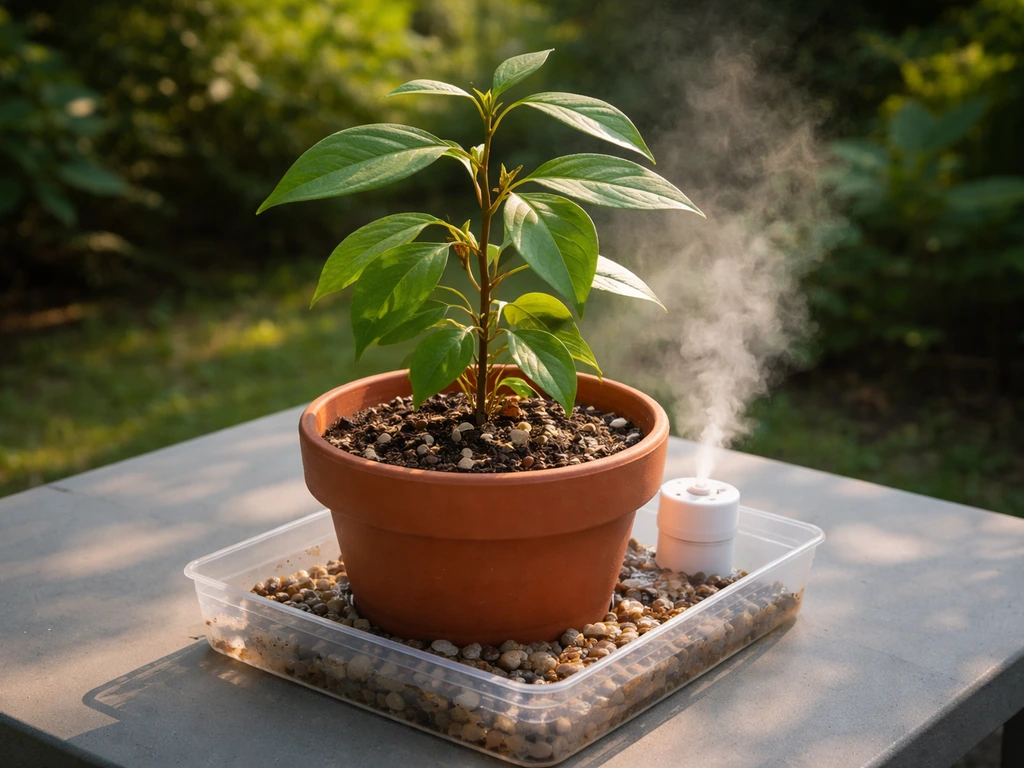
Beyond temperature, cinnamon wants high humidity (ideally 60 to 80%), full sun to partial shade, and well-draining, slightly acidic soil (pH around 4.5 to 6.0). Sandy loam with good organic matter works well. Waterlogged roots are one of the fastest ways to lose a cinnamon plant, so drainage matters as much as moisture. If you're in a dry region like the Southwest, humidity is actually a bigger challenge than temperature in some seasons. A pebble tray with water under your container, regular misting, or growing near other plants can help bump up ambient humidity indoors.
How to grow cinnamon at home across most of the U.S.
The most practical setup for anyone outside South Florida or Hawaii is container growing with indoor overwintering. This works better than most people expect. I've kept a Ceylon cinnamon in a large container for three years now, moving it to a south-facing window from November through March and back to the patio for the warm months. It's slow but steady, and the plant is genuinely low-drama as long as you stay on top of the cold transitions.
Container growing
Start in a container at least 12 to 14 inches in diameter with drainage holes. Use a well-draining mix: a good tropical plant potting mix, or standard potting soil amended with perlite and a bit of peat or coco coir to hold some moisture without getting soggy. Repot every 1 to 2 years as the plant grows. Size up the container gradually rather than going too large at once, which can hold too much moisture around young roots.
Greenhouse growing
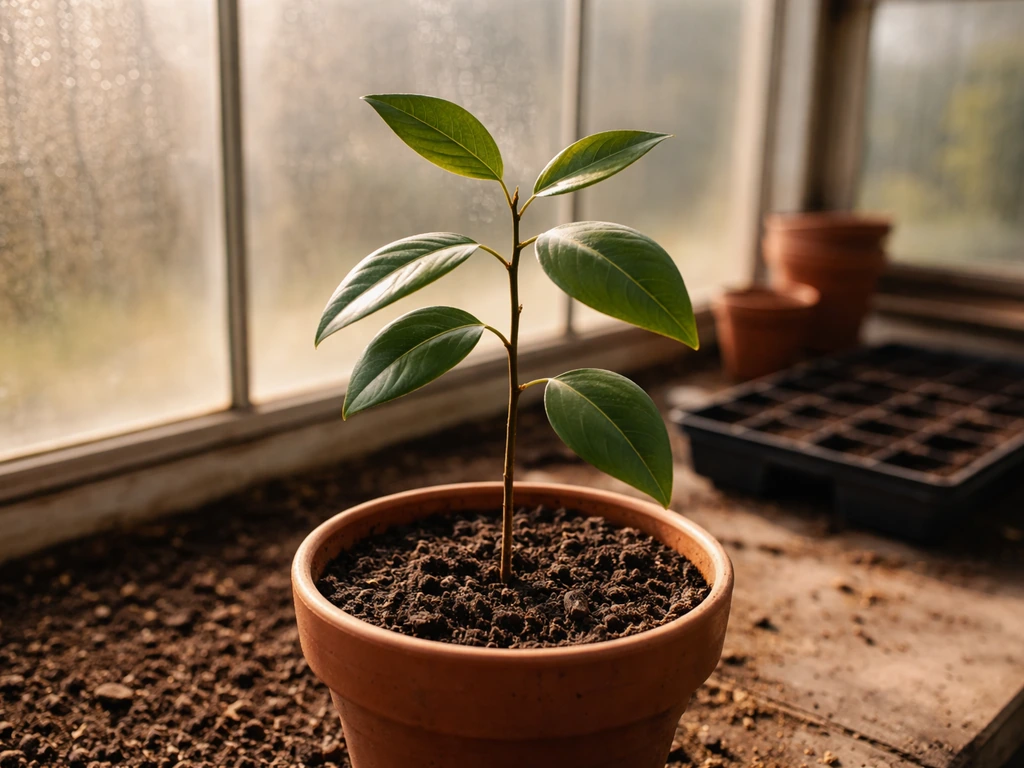
A heated greenhouse is actually the best setup in the U.S. outside of the tropics. You can maintain consistent warmth and humidity year-round, which means faster growth and a more realistic path to a harvestable trunk in 3 to 5 years rather than 7 to 10. If you're already running a greenhouse for other tropical plants, cinnamon fits right in with the same temperature and humidity profile. For more on that approach, it's worth exploring greenhouse-specific growing techniques for cinnamon as a dedicated topic.
Overwintering indoors
The key to successful overwintering is catching the transition early. Don't wait until your first frost warning to haul the plant inside. Once nighttime temperatures are consistently at or below 50°F, bring it in. Place it in the brightest spot you have, ideally under supplemental grow lights if your winter windows are weak. Water less frequently in winter since the plant's growth slows, but don't let it dry out completely. Avoid heating vents blowing directly on the plant since that dries out the foliage fast.
What you can realistically harvest and when
This is the part where I want to be straight with you: cinnamon bark harvest in a U.S. home garden context is a long-term project. The cinnamon spice you know comes from the inner bark of young stems and branches, which are harvested by stripping the outer bark and then carefully peeling and drying the inner bark (which curls into the familiar quills as it dries). Commercially, this is done on 2- to 3-year-old coppiced shoots from mature trees. In your container or backyard, you're realistically looking at 3 to 5 years before you have stems thick enough to harvest in any meaningful way, and longer if your growing conditions are suboptimal.
That said, the leaves are harvestable almost immediately and do contain cinnamon oils. Cinnamon leaf tea, dried leaf, and leaf essential oil are real products. You won't get quills from leaves, but they're a genuine, usable product from the plant while you wait for the trunk and branches to develop. In the best outdoor conditions (South Florida, Hawaii), a well-managed tree could be giving you harvestable shoots within 3 to 4 years. In a container indoors in Minnesota, you might wait 7 to 10 years for a meaningful bark harvest, if ever. Worth being honest about that upfront.
Your step-by-step start plan for right now
- Buy a live Cinnamomum verum plant, not seeds. Seeds have low germination rates and take much longer to establish. Nurseries specializing in tropical plants, Etsy sellers focused on rare plants, and some online tropical nurseries carry live starts. Look for a plant that's already 12 to 18 inches tall to skip the most fragile stage.
- Choose your site based on your zone. Zone 10b or warmer: pick a sunny, well-draining spot in your yard, ideally with some afternoon shade protection in peak summer heat. Everyone else: pick your largest available container (14 to 18 inches to start) and plan for a prime indoor window or grow light setup.
- Prepare your growing medium. Mix quality tropical potting soil with 20 to 30% perlite for drainage. Add a small amount of coco coir or peat to help retain some moisture without waterlogging. Aim for slightly acidic pH around 5.5.
- Plant and set up. For containers, place the plant in its pot, top-dress with a thin layer of bark mulch to retain moisture, and set the container on a pebble tray filled with water (but make sure the pot bottom isn't sitting in the water) to boost humidity.
- Establish a watering and feeding routine. Water when the top inch of soil feels dry, more frequently in warm months and less in winter. Feed monthly during the growing season (spring through early fall) with a balanced slow-release fertilizer or diluted liquid fertilizer at half strength. Cinnamon is not a heavy feeder.
- Plan your overwintering transition. Mark your calendar to bring the plant inside at least two to three weeks before your area's average first frost date. Don't wait for a frost warning. Set up your indoor winter spot (south window, grow light, or greenhouse) before the plant comes in.
- Be patient and track growth. Note when new leaves appear, how tall the plant gets each season, and when stems start to thicken. This is your long-game record-keeping, and it helps you calibrate expectations for harvest timeline.
Common reasons cinnamon struggles and how to fix them
Yellowing leaves
This is usually overwatering or low humidity, and it's the most common indoor problem I hear about. Check the soil: if it's consistently wet, ease off on watering and improve drainage. If the soil moisture seems fine, the issue is probably dry air, especially in winter when indoor heating strips humidity. Add a humidifier nearby or a pebble tray, and keep the plant away from heating vents.
Slow or no growth
If your plant just sits there not doing much, light is usually the culprit indoors. Cinnamon wants bright, direct light for several hours a day. A north-facing window in winter is not enough. Supplement with a full-spectrum grow light running 12 to 14 hours per day, positioned 6 to 12 inches above the canopy. Growth should pick up within a few weeks of improving the light situation.
Leaf drop after moving indoors
Some leaf drop when transitioning inside is normal, especially if the light level drops significantly. It's the plant adjusting, not dying. Minimize it by acclimating the plant gradually: bring it inside during the day for a week or two before leaving it inside full-time. This gives the plant time to adjust to lower light without a shock response.
Root rot
If the plant starts wilting even though the soil is wet, or if you see mushy brown roots when you check the rootball, root rot is the likely culprit. This almost always comes from poor drainage combined with overwatering. Repot immediately into fresh, well-draining mix, trim off any black or mushy roots with clean scissors, and hold off on watering for a week or two while the plant recovers. Prevent it by always using containers with drainage holes and never letting the plant sit in standing water.
Cold damage
Blackened, wilted, or mushy foliage after a cold snap is cold damage. If the plant experienced a light chill but not a hard freeze, cut back the damaged growth and move it somewhere warmer. The plant may recover from the roots up if the cold wasn't prolonged. A hard freeze typically means starting over. This is the most preventable failure of all: move the plant inside early, and don't gamble on weather forecasts being right.
Is it worth trying where you are?
If you're in South Florida or Hawaii, yes, plant it in the ground and enjoy it as a productive landscape tree. If you're in Zone 9b along the Gulf Coast or in a warm coastal California microclimate, it's worth trying in the ground with some frost protection ready, but have a container backup plan. For everyone else in the continental U.S., it's a rewarding container plant and a genuinely interesting long-term growing project, but be honest with yourself about the commitment involved. Growing cinnamon in Canada poses even steeper challenges, and the same greenhouse strategies that work in northern U. Growing cinnamon in Canada poses even steeper challenges, but with a greenhouse or careful indoor transitions, it can still be done. S. states apply there too. If you're willing to manage the indoor transitions and provide good light in winter, a cinnamon plant in, say, the Carolinas or the Pacific Northwest is absolutely achievable. The harvest timeline is just longer and the effort is real. Go in knowing that, and it's a project worth starting today.
FAQ
Can I grow cinnamon from store-bought cinnamon sticks or powder in the US?
Usually, no. True cinnamon quills and cinnamon powder are processed bark, they do not contain viable seeds. If you want to try at home, purchase an actual live cinnamon plant (Cinnamomum verum) or start with rooted nursery material. Expect a slow start, especially if you are not providing sustained warmth and humidity.
If my winters dip to 35 to 40°F, can I keep cinnamon outdoors with a cover?
Covering helps with wind and frost on the surface, but it rarely prevents the root zone from dropping into a damaging range. Cinnamon needs consistently warm conditions, ideally staying above about 40 to 50°F at night. If you routinely hit the mid-30s, plan on overwintering indoors or in a greenhouse, and use the outdoor period only for nights that stay safely warm.
Which is easier to grow at home in the US, Ceylon cinnamon (Cinnamomum verum) or Cassia?
For most home growers, Cinnamomum verum is the more rewarding option for the flavor profile people want from “cinnamon,” but both Ceylon and Cassia have the same basic cold sensitivity. From a practicality standpoint, the limiting factor is temperature and humidity control, not whether you choose verum or cassia.
How do I tell if my cinnamon problem is humidity or watering?
Do a simple root-and-soil check. If the pot stays wet for days or the soil feels swampy, it is overwatering or poor drainage. If the soil is drying appropriately but leaves are drying, curling, or dropping in winter, dry air is the likely issue. Indoor heat and radiators commonly cause this, even when you are watering correctly.
What container size should I start with, and should I repot immediately?
Start with a pot at least 12 to 14 inches across with drainage holes. If your plant is already in a small nursery pot, you can repot once it is acclimated to your indoor spot, but avoid jumping to an excessively large container, because extra soil holds water longer and increases root-rot risk. Repot every 1 to 2 years as it grows.
Do cinnamon plants need acidic soil, and how strict is the pH?
Aim for slightly acidic conditions, roughly pH 4.5 to 6.0, but do not overcomplicate it if you are using a quality tropical potting mix. The bigger immediate wins are good drainage and avoiding waterlogged roots. If your mix is neutral to slightly alkaline, you may need to adjust over time rather than trying to correct everything at once.
Can I grow cinnamon successfully without a greenhouse if I live outside a warm zone?
Yes, but you need a reliable indoor overwinter plan. Put the plant in the brightest available window or under full-spectrum grow lights for 12 to 14 hours daily, and move it inside before night temperatures consistently reach the risky range. Consistency matters more than occasional “rescue” moves after cold warnings.
How can I prevent leaf drop when transitioning cinnamon indoors?
Acclimate gradually. Bring the plant indoors for short daytime periods first, then increase indoor time over 1 to 2 weeks so it can adjust to lower light and indoor humidity changes. Also keep it away from heating vents, since hot, dry airflow makes leaf drop much more likely.
If I get frost damage, can the plant recover?
If the cold was mild and did not freeze the plant hard, cinnamon may recover from the roots up. Cut back clearly damaged foliage after you move it to a warmer location and watch for new shoots. If it experienced a hard freeze, recovery is uncertain and you should be prepared for significant setbacks or starting over.
How long until I can harvest cinnamon bark in a home garden in the US?
Expect a multi-year timeline. With good outdoor warmth and humidity, bark harvest might be possible in about 3 to 4 years. In a container with indoor overwintering in colder states, it is often 7 to 10 years for anything meaningful, and sometimes longer. Leaves are harvestable sooner, and leaf products are the realistic early payoff.
Can I harvest cinnamon leaves for tea or oil while I wait for bark?
Yes. Cinnamon leaves contain oils and can be dried for tea or used fresh, and some growers experiment with leaf oil extraction at home. You will not get quills from leaves, but leaf harvest can be a practical way to use the plant while the trunk and branches mature.
Next Articles
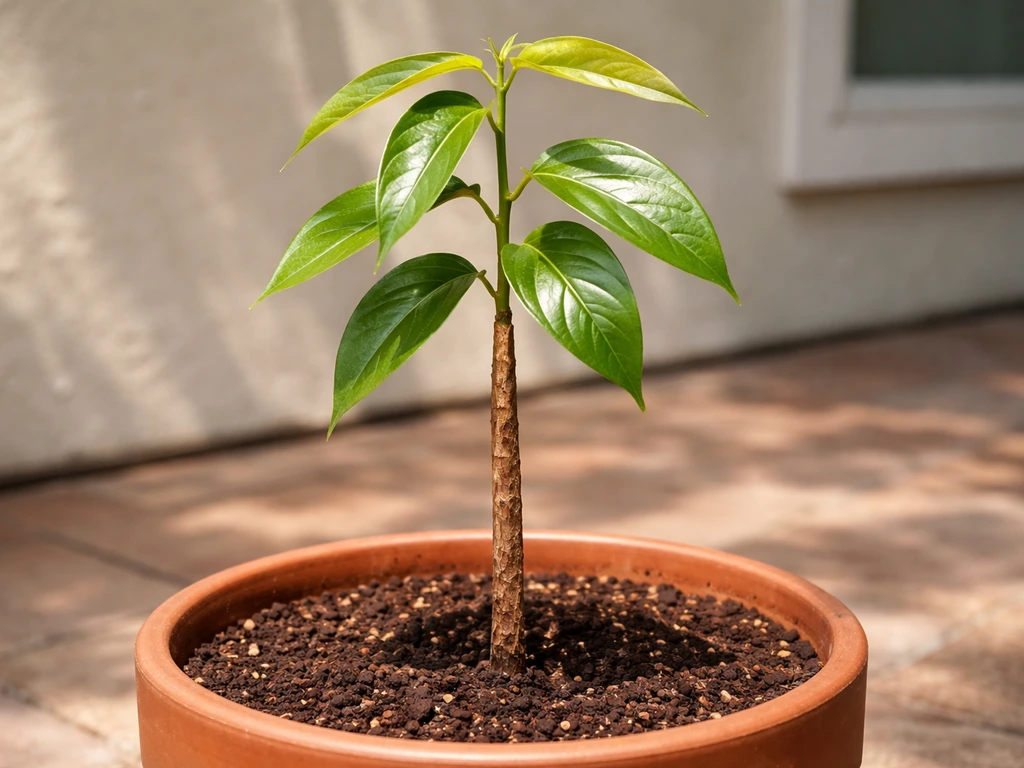
Can You Grow Cinnamon at Home in the US? Yes, Here’s How
Grow cinnamon at home in the US: which tree to plant, climate options, step-by-step care, and realistic harvest timeline
Can You Grow Black Pepper in the US Where and How
Learn where black pepper can be grown in the US and how to grow it indoors or in warm zones for fruit.

Can You Grow Capers in the US? Regional Guide for Home Gardeners
Regional guide to growing caper plants in the US, choosing cultivars, meeting soil and climate needs, and harvesting bud