Yes, you can grow nightshade crops at home across most of the U.S., but the answer depends almost entirely on which nightshade you mean. If you're talking about tomatoes, peppers, eggplant, potatoes, or tomatillos, the answer is a confident yes with the right timing and conditions. If you're asking about wild or ornamental nightshades like belladonna or jimsonweed, technically yes, but there's almost no reason a home gardener should, and there are real safety concerns worth knowing before you do.
Can You Grow Nightshade? Edible, Ornamental, and Tips by Zone
Marcus Petersen
2 May 2026
First, which nightshade are you actually growing?
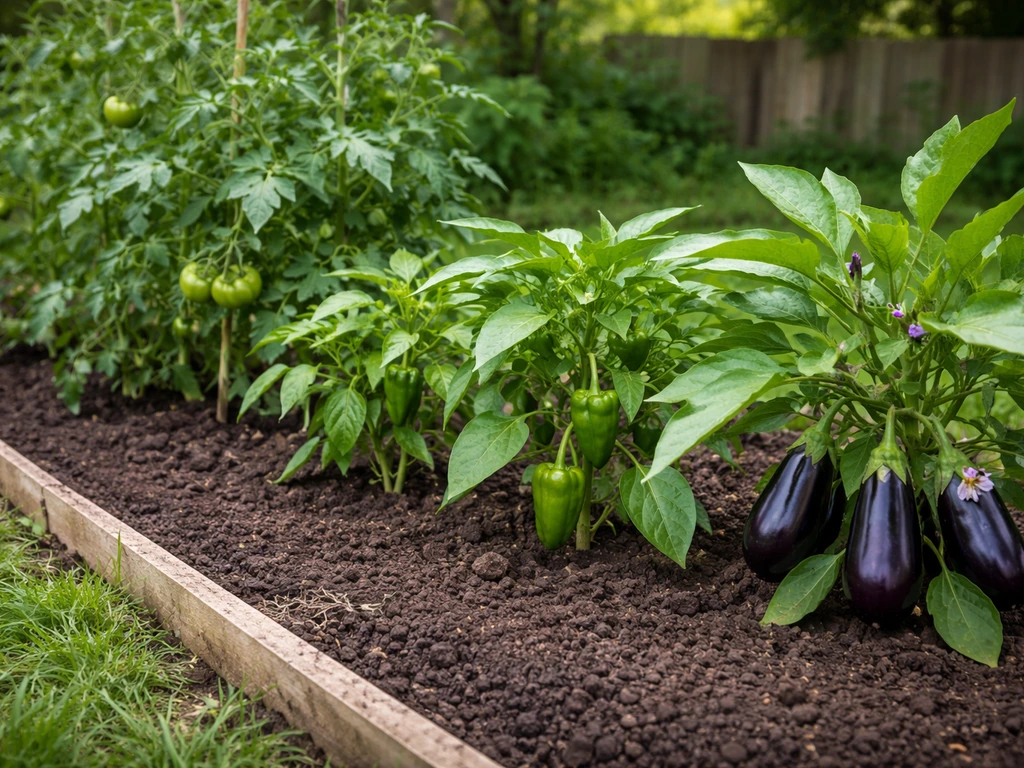
"Nightshade" is a family name, not a single plant. The Solanaceae family is enormous and includes some of the most useful kitchen-garden crops on the planet alongside some genuinely toxic plants. When most gardeners search "can you grow nightshade," they mean the edible side of the family: tomatoes, peppers (including hot varieties like cayenne and ghost peppers), eggplant, potatoes, and tomatillos. These are the plants you'll find in every seed catalog and farmers market.
On the other side of the family are wild and ornamental nightshades like deadly nightshade (Atropa belladonna), jimsonweed (Datura stramonium), and black nightshade (Solanum nigrum). These plants do grow in the U.S., sometimes aggressively as weeds, but they contain toxic alkaloids that make them dangerous to handle carelessly and life-threatening if eaten. The rest of this guide focuses on the edible crops, but there's a safety section at the end that addresses the toxic members directly.
Where nightshades can realistically grow in the U.S.
The edible nightshade crops are warm-season plants. Almost all of them are frost-intolerant, meaning one hard freeze ends the game. That said, with the right variety selection and timing, they're viable across virtually every U.S. region, from the Pacific Northwest to the Gulf Coast to the Upper Midwest. The USDA Plant Hardiness Zone Map gives you a starting point for understanding your winters, but for nightshades, what matters more is your frost-free window and summer heat profile.
| Crop | Best U.S. Regions | Marginal Regions | Primary Challenge |
|---|---|---|---|
| Tomato | Zones 5–10 (most of the U.S.) | Zones 3–4 (short season) | Short frost-free window, late frosts |
| Pepper | Zones 6–11 (South, Southwest, Pacific Coast) | Zones 4–5 (Midwest, Northeast) | Cool nights, slow warm-up |
| Eggplant | Zones 7–11 (South, Southeast, Southwest) | Zones 5–6 (Midwest, Mid-Atlantic) | Chilling sensitivity, need warm soil |
| Potato | Zones 3–10 (most of the U.S.) | Very hot zones 10–11 (summer heat) | Cool tuber-formation temps needed |
| Tomatillo | Zones 5–10 (most of the U.S.) | Zones 3–4 (short season) | Need two plants, long season |
Potatoes are the odd one out here. While most nightshades love heat, potatoes are a cool-season crop. They form tubers best when soil temperatures sit between 60°F and 70°F, which means gardeners in very hot climates (Deep South, Desert Southwest) need to time potato planting for late winter or early spring rather than summer. Everywhere else, spring planting after the last frost works well.
Growing conditions that make or break your nightshade harvest
Soil temperature is the real gatekeeper
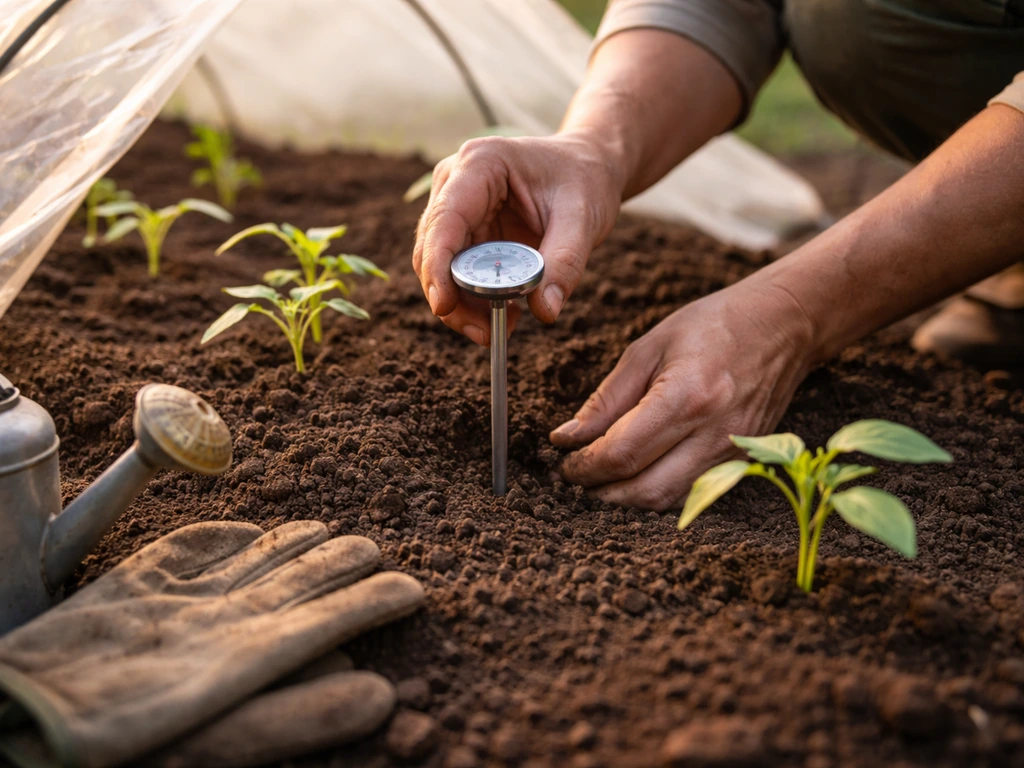
This is where most beginner failures happen. Nightshades planted into cold soil won't germinate reliably, and transplants set out too early will just sit there looking sad while the soil warms up. Tomato seeds need a soil temperature of at least 50°F to germinate, with an optimum around 85°F. Peppers are even pickier: germination essentially stops at low soil temperatures, and their sweet spot is also around 85°F. Eggplant should go into soil that's reached at least 60°F. If you transplant eggplant when overnight lows are still dropping below 50°F regularly, the plants will show chilling stress and often never fully recover their vigor.
Sun, water, and soil
All the major edible nightshades want full sun, meaning at least 6 to 8 hours of direct sunlight per day. Less than that and you'll get leggy plants, poor flowering, and disappointing yields. They also need consistent moisture, not soggy roots, but not drought stress either. Irregular watering is a major driver of problems like blossom drop in peppers and blossom end rot in tomatoes. For soil, nightshades are heavy feeders that do best in well-draining, organically rich ground. Compost dug in before planting makes a real difference. Most of the family prefers a soil pH somewhere in the 6.0 to 7.0 range, with potatoes doing fine up to pH 7.5.
Season length matters for variety selection
If you're in a short-season region (think Minnesota, Montana, or upstate New York), the "days to maturity" number on a seed packet is your most important shopping filter. Choose the shortest-season varieties you can find. A tomato variety that takes 85 days to maturity is a gamble in zones 4 and 5, while a 65-day variety is much safer. The same logic applies to peppers and eggplant, which are even more heat-hungry than tomatoes.
How to grow each of the main nightshade crops
Tomatoes
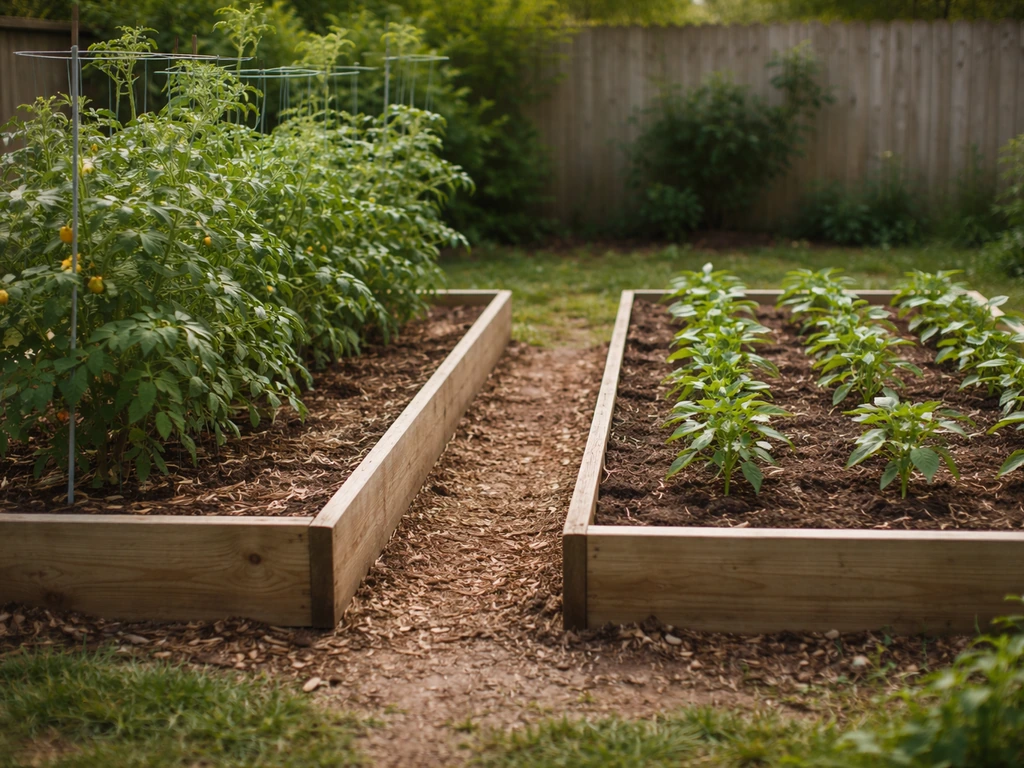
Tomatoes are the most widely grown nightshade and forgiving enough for beginners as long as you respect the timing rules. Start seeds indoors 6 to 8 weeks before your last frost date. Transplant outdoors only after overnight lows are consistently above 50°F and your soil has warmed up. Space plants 18 to 36 inches apart depending on variety (determinate vs. indeterminate), stake or cage them, and water deeply and consistently. In short-season areas, go with early varieties like Stupice, Siletz, or any "Early Girl" type.
Peppers
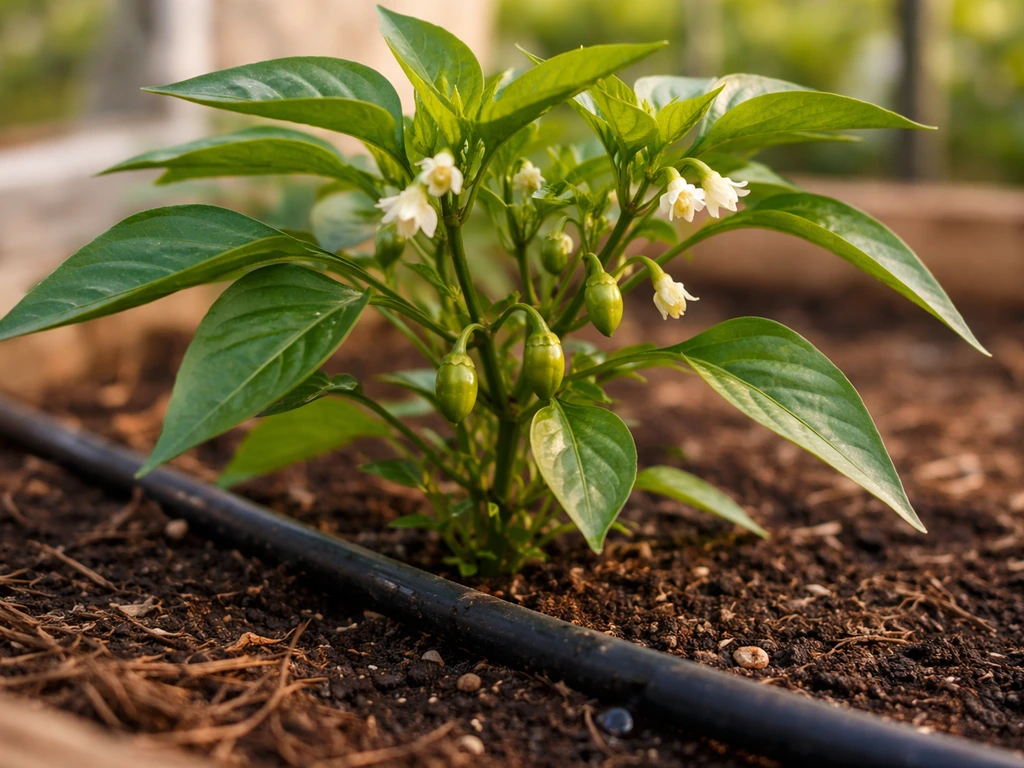
Peppers need the longest indoor head start of the group. Start them from seed indoors about 8 weeks before you plan to transplant outdoors. If you specifically want to can you grow cayenne pepper, use this same warm-season timing and keep seedlings protected from cool nights Start them from seed indoors about 8 weeks before you plan to transplant outdoors.. They're slow to germinate even under ideal conditions, so bottom heat (a seedling heat mat) is genuinely worth it. Peppers are extremely sensitive to cool nights. If you transplant when overnight temperatures are still dropping into the 50s regularly, expect slow growth and poor fruit set. In cool-climate states, choosing compact, fast-maturing varieties and using black plastic mulch to warm the soil helps significantly. Ghost peppers and other superhots need an especially long, hot season to reach their full heat potential. Ghost peppers are a type of hot pepper, so they follow the same long, warm growing rules as other peppers.
Eggplant
Eggplant is the most heat-loving of the group and the one most likely to disappoint in short-season or cool-summer climates. I've seen gardeners in the Pacific Northwest and Upper Midwest grow beautiful eggplant in containers on heat-absorbing patios when in-ground growing was just too marginal. Start seeds indoors 8 to 10 weeks before your transplant date, and wait until soil reaches at least 60°F before moving plants outside. Extreme heat and drought can cause poor flowering, so keep watering consistent during hot spells.
Potatoes
Potatoes are planted differently from the rest: you start with seed potatoes (small tubers or cut pieces with eyes), not seeds or transplants. Plant them 2 to 4 weeks before your last frost date because the foliage can handle a light frost even though hard freezes will damage it. The goal is to get tubers forming while soil temperatures are in that 60°F to 70°F sweet spot. Hill up soil around the stems as plants grow to protect developing tubers from sunlight (green potatoes contain the toxic alkaloid solanine and should not be eaten). In hot climates, time your planting for a late-winter or early-fall crop instead of summer.
Tomatillos
Tomatillos are indeterminate, meaning they keep flowering and fruiting right up until frost kills them, which makes them great for maximizing a long season. The most important thing most beginners don't know: you need at least two tomatillo plants for pollination and fruit set. One plant alone will flower extensively and produce almost nothing. Start seeds indoors 6 to 8 weeks before transplant, treat them similarly to tomatoes for timing, and stake or cage the plants because they sprawl aggressively. They're generally more heat and drought-tolerant than tomatoes once established.
Timing your planting: seeds indoors, transplants, and when to go outside
The single most common reason nightshade crops underperform is wrong timing, either planted too early into cold soil or started so late indoors that transplants go out underdeveloped. Here's a practical starting framework based on your last frost date, which you can look up for your specific ZIP code through your local extension service.
| Crop | Start Seeds Indoors | Transplant Outside | Minimum Overnight Low |
|---|---|---|---|
| Tomato | 6–8 weeks before last frost | At or just after last frost | 50°F consistently |
| Pepper | 8–10 weeks before last frost | 2–3 weeks after last frost | 55°F consistently |
| Eggplant | 8–10 weeks before last frost | 2–3 weeks after last frost | 60°F soil temperature |
| Potato | N/A (plant seed potatoes directly) | 2–4 weeks before last frost | Tolerates light frost |
| Tomatillo | 6–8 weeks before last frost | At or just after last frost | 50°F consistently |
For anyone in zones 3 to 5 where the season is genuinely short, a few tools make a real difference: row covers or low tunnels let you transplant 1 to 2 weeks earlier by keeping nighttime temperatures a few degrees warmer around plants. Black plastic mulch absorbs heat and warms soil faster than bare ground. For Canada specifically, the same idea of warming your soil with tools like black plastic mulch can help peppers and similar warm-season crops get off to a strong start. And growing in containers gives you the option to move plants into a garage or covered porch if a surprise late frost threatens. I've used all three strategies in short-season gardens, and they genuinely extend your window by weeks.
Common problems and how to fix them
Poor or slow germination
If your nightshade seeds aren't germinating, soil temperature is almost always the culprit. Peppers especially will just sit dormant in cool soil. Use a seedling heat mat under your trays and aim for an air temperature around 75°F to 80°F. Don't give up on pepper seeds in under 2 to 3 weeks: they're slow even in ideal conditions.
Temperature stress (too cold or too hot)
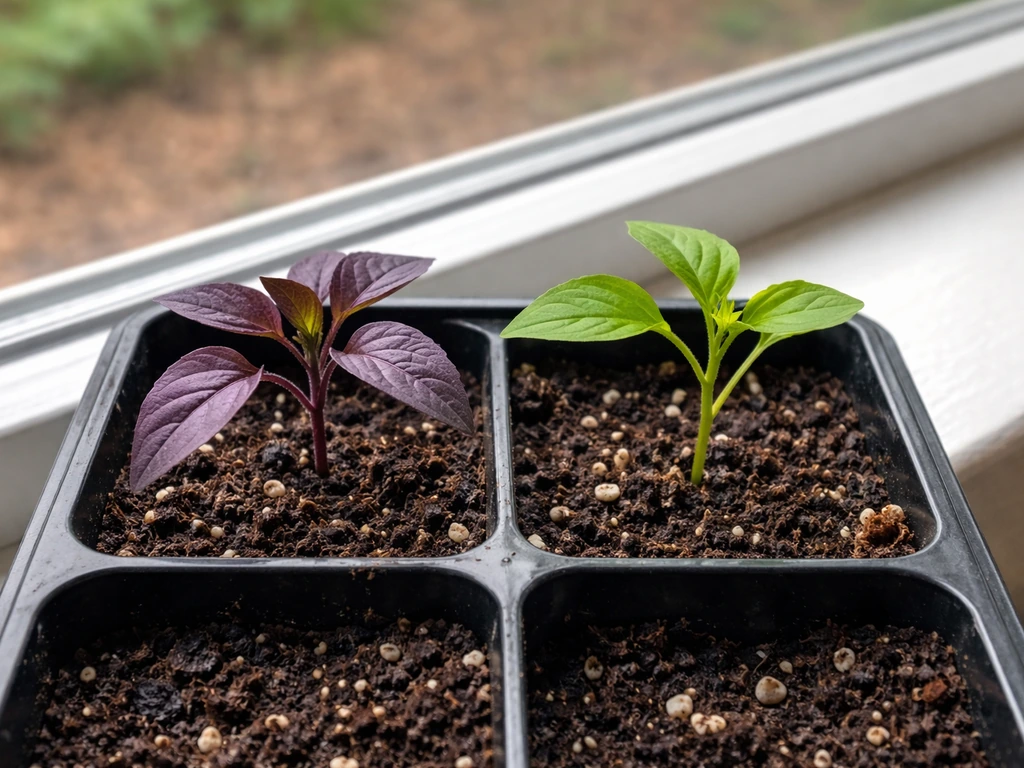
Cold stress on transplanted peppers and eggplant shows up as purpling of leaves, stunted growth, and flowers dropping before setting fruit. The fix is patience and better timing next year, plus using row covers to buffer nighttime temperatures. Heat stress on the other end (common during July and August heat waves) causes blossom drop in eggplant and poor fruit set in peppers. Shade cloth and consistent deep watering help bridge those periods.
Pests
The Colorado potato beetle is the most notorious Solanaceae pest: it can defoliate potato plants rapidly if not managed. Scout regularly and pick off egg masses (yellow-orange clusters on leaf undersides) and larvae by hand early in the season. For tomatoes and peppers, aphids, hornworms, and flea beetles are common. Flea beetles are especially brutal on young eggplant seedlings. Row covers right after transplanting protect plants during the vulnerable early weeks.
Diseases
Late blight is the most serious disease threat across Solanaceae, capable of wiping out tomato and potato crops fast once it takes hold. It spreads in cool, wet conditions and moves through both leaves, stems, and tubers. Catch it early and remove affected plant material immediately. Crop rotation is your best preventive tool: avoid planting any Solanaceae crop in the same bed where tomatoes, peppers, potatoes, or eggplant grew in the previous year or two. Verticillium wilt is another common problem in soils where nightshades have grown repeatedly, which is another strong argument for rotation.
Safety basics: what's edible, what's not, and what to watch for
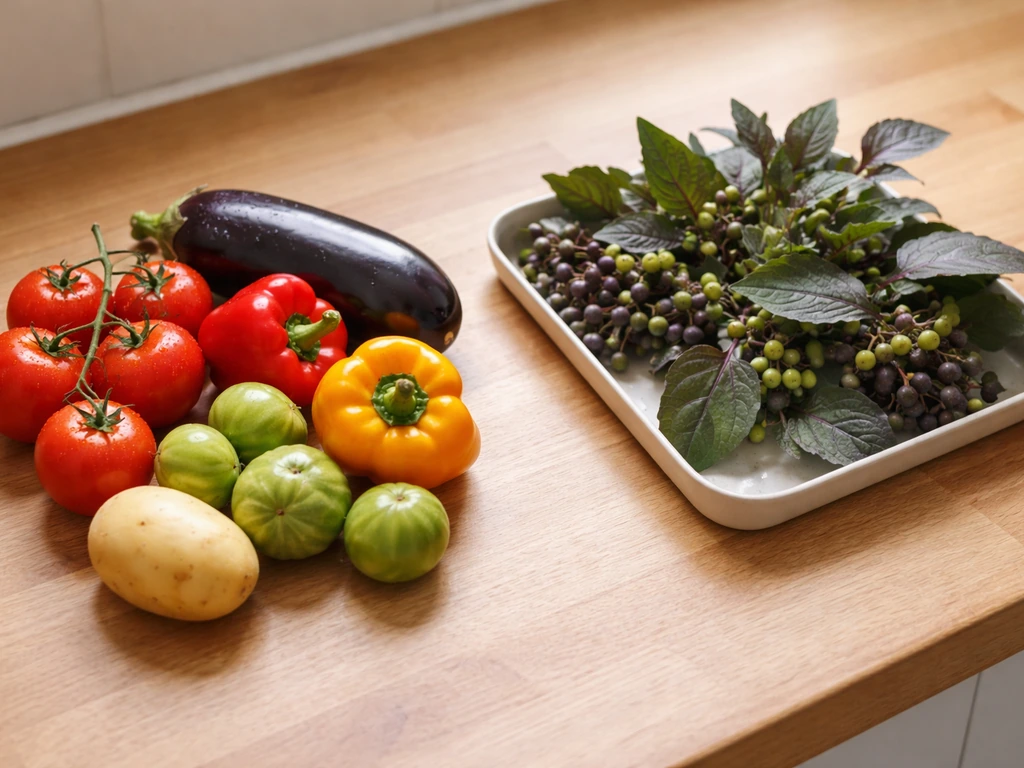
The edible nightshades (tomatoes, peppers, eggplant, tomatillos, and potatoes in their flesh) are safe to eat and have been staple foods globally for centuries. That said, even within the edible species, some parts are not safe. Potato foliage and green potato tubers contain solanine, a toxic alkaloid. Never eat green potatoes or potato leaves. Tomato leaves and stems are also best avoided, though they're not typically dangerous in incidental small amounts.
The genuinely dangerous members of the family are the wild and ornamental nightshades. MedlinePlus notes that blank" rel="noopener noreferrer">black nightshade poisoning can happen when people eat parts of the plant, since poisons are found in the plant, especially unripe fruit and leaves. Deadly nightshade (Atropa belladonna) contains atropine and other alkaloids in its leaves and berries that are extremely poisonous to humans. There are documented cases of serious poisoning from ingesting even cooked belladonna berries. Jimsonweed (Datura stramonium) is similarly dangerous and grows as a roadside weed in many U.S. states. These plants are not candidates for home food gardens. If you're growing belladonna or datura for ornamental purposes, wear gloves when handling them and keep children and pets well away.
If you're growing any nightshade and suspect a person or pet has ingested plant material they shouldn't have, contact Poison Control (1-800-222-1222 in the U.S.) immediately. Don't wait to see symptoms.
Worth growing? A region-by-region reality check
Here's the honest "yes, but" breakdown by situation. If you're in zones 6 to 10 with warm summers, you can grow virtually every edible nightshade outdoors with standard care. Tomatoes, peppers, eggplant, potatoes, and tomatillos are all realistic goals. If you're in zones 3 to 5 with short, cool summers, tomatoes and tomatillos are still very achievable with early indoor starts and short-season varieties. Potatoes are actually easy in these zones. Peppers are marginal but doable with extra effort (heat mat, plastic mulch, row covers, choosing the fastest-maturing varieties). In Texas specifically, you can grow black pepper in containers or protected spots by providing lots of warmth and avoiding cold snaps can you grow black pepper in texas. Eggplant in zone 4 or colder is a stretch; containers on a south-facing patio give you the best shot. If you're in a desert or very hot zone 9 to 11 summer, tomatoes and peppers thrive in spring and fall but may stall during peak summer heat. Potatoes need to be a cool-season crop here. Eggplant and tomatillos actually love the heat and often do better here than anywhere else in the country.
A simple planting plan to get started
If you're new to growing nightshades, start with tomatoes and potatoes. They're the most forgiving and give you the best return on effort across the widest range of climates. Add peppers once you have a season or two of experience with timing. In Australia, you can grow peppers by matching your sowing and transplant timing to your local frost-free window and warm soil conditions can you grow pepper in australia. You can grow black pepper in a warm, humid setup, but you need to treat it like a tropical perennial rather than a typical nightshade garden crop. Save eggplant for when you understand your microclimate well enough to give them the warmth they need.
- Find your last frost date for your ZIP code (your local cooperative extension service has this).
- Count back 6 to 8 weeks from that date to set your indoor seed-starting date for tomatoes and tomatillos, and 8 to 10 weeks for peppers and eggplant.
- Use a seedling heat mat for germination, especially for peppers and eggplant.
- Amend your planting beds with compost before transplanting.
- Check soil temperature with a cheap soil thermometer before transplanting. Don't rush it.
- Plant at least two tomatillo plants if you grow them.
- Rotate your nightshade crops to a different bed each year to reduce disease pressure.
- Scout for pests (especially Colorado potato beetle and flea beetles) starting the week after transplanting.
Nightshades as a group are some of the most rewarding crops a home gardener can grow. The variety is enormous, from sweet cherry tomatoes to fire-hot peppers to silky roasted eggplant. Get your timing right, respect the soil temperature rules, and you'll have more than you can eat by midsummer in most parts of the country. If you want to know can you grow black pepper in Michigan, the key is that black pepper is a tropical vine and won’t survive outdoors there.
FAQ
Can you grow nightshade plants from store-bought produce (like grocery tomatoes or potatoes)?
Tomatoes, peppers, and eggplant from store-bought fruit are often from hybrids that may not come true, and seeds may have variable results. Potatoes are the easiest to try because you can plant seed potatoes, but avoid supermarket potatoes that are sprouted or treated with sprout inhibitors. For best consistency, use labeled seed varieties and certified seed potatoes.
What if my nightshade seedlings look fine indoors, but they stall after transplanting?
That usually points to cold soil or overnight temperatures. Even if air feels warm, the root zone can lag, so use soil-warming tools (black plastic mulch, row covers, or low tunnels) and delay transplanting until nighttime stays reliably above about 50°F. Also harden off seedlings gradually over 7 to 10 days to reduce transplant shock.
Can I grow nightshades in partial shade and still get a harvest?
You can grow them, but yields typically drop. Aim for at least 6 to 8 hours of direct sun, and if you must compromise, prioritize sun for tomatoes and peppers because they set fruit based on energy and stable flowering conditions. In lower light, expect more leaf growth, fewer flowers, and uneven ripening.
How much watering is “consistent” for tomatoes and peppers, and how do I avoid blossom end rot?
Use deep watering so moisture reaches the root zone, then let the top layer of soil dry slightly before watering again, rather than daily shallow sprinkles. Blossom end rot is strongly tied to irregular water supply and inconsistent calcium uptake, so keep moisture swings small and mulch to stabilize soil temperature and evaporation.
Are there nightshade varieties that handle cool weather better, especially peppers and eggplant?
Yes, look for earliest-maturing or “short season” selections. For peppers, compact plants with fewer days to first harvest help, and protection like row covers or cold frames can buy time. For eggplant, prioritize varieties bred for cooler climates if available, and rely on warm microclimates such as raised beds with heat-absorbing materials.
Can I grow nightshade crops in containers, and what changes compared with in-ground beds?
Containers work well for patios and short seasons, especially for eggplant and potatoes. Use large pots with strong drainage, keep roots warmer (pots cool faster than ground), and water more carefully because containers dry out quickly. Plan for frequent feeding since leaching removes nutrients, and expect you may need earlier or later scheduling based on how quickly your container soil warms.
Do I need to rotate my nightshade crops, and how long should I wait before replanting the same bed?
Yes, rotation matters because diseases and soil issues can build up over time. A practical minimum is to avoid replanting any Solanaceae crop in the same bed for at least one or two seasons, and longer is better if you had disease like late blight or recurring wilt. Track bed history so you do not accidentally follow tomatoes with peppers or potatoes.
How many tomatillo plants do I really need for fruit, and what if I only have space for one?
Tomatillos typically need at least two plants for reliable fruit set because pollination and cross-viability improve outcomes. If you only plant one, it may flower but often produces very little. If space is limited, use two small plants rather than one large one.
Why are my potato plants turning green, and should I worry about toxicity?
Green tubers form when developing potatoes are exposed to light, and they can contain solanine. Hill soil up around stems as plants grow, keep tubers covered, and do not eat any green potatoes. Also avoid eating potato leaves, even if you see them growing on the plant.
What should I do if I suspect late blight or severe disease on a nightshade crop?
Act quickly. Remove and discard affected leaves or plants promptly, do not compost diseased material if you can avoid it, and avoid overhead watering that spreads spores. After removal, reassess your schedule and spacing for better airflow, and plan rotation so the bed is not replanted with Solanaceae the next cycle.
Is it safe to eat nightshade leaves or stems from my plants?
Generally avoid eating tomato leaves and stems, and never eat potato leaves or green potato tubers because of alkaloid risk. Stick to the fruiting parts you grow for food, such as tomatoes, peppers, eggplant flesh, tomatillo husk fruit, and properly stored white potatoes.
If I have kids or pets, what is the safest way to handle ornamental or wild nightshades near my garden?
Keep dangerous relatives like deadly nightshade and jimsonweed completely out of reach, and do not allow pets to graze near them. If they are growing nearby, physically remove them carefully and use gloves, then wash hands thoroughly. For added safety, do not confuse ornamental plants with edible nightshade crops when planting or labeling.
Can nightshade seeds fail even when soil temperature seems warm enough?
Yes. Peppers in particular can be delayed by moisture issues or insufficient warmth, not just temperature. Make sure seeds stay consistently moist (not waterlogged), provide bottom heat if needed, and remember germination can take longer than you expect, especially for peppers. If conditions are ideal, give peppers closer to the longer end of the timeline before discarding.
Next Articles
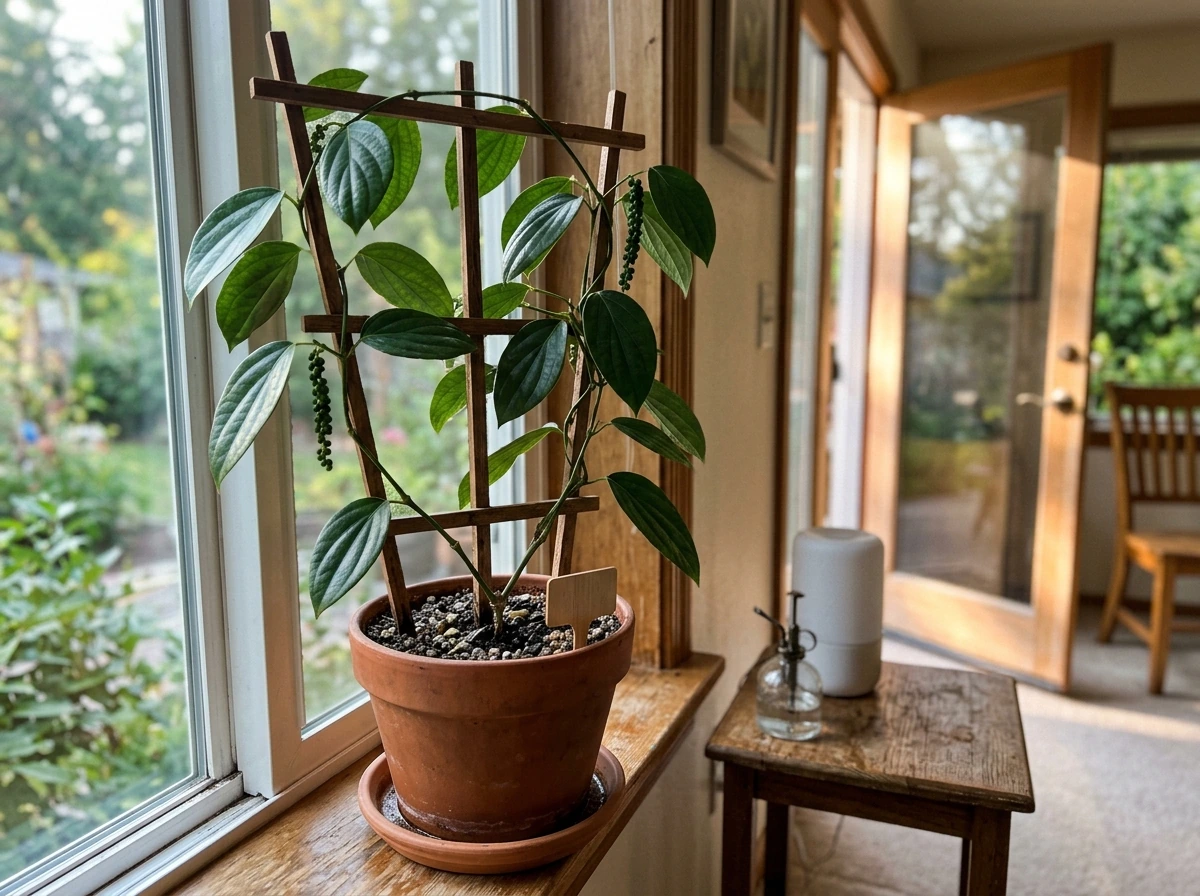
Can You Grow Black Pepper at Home in the US?
Grow black pepper at home in the US from seeds or store peppercorns with indoor or outdoor care, timelines, and fixes.
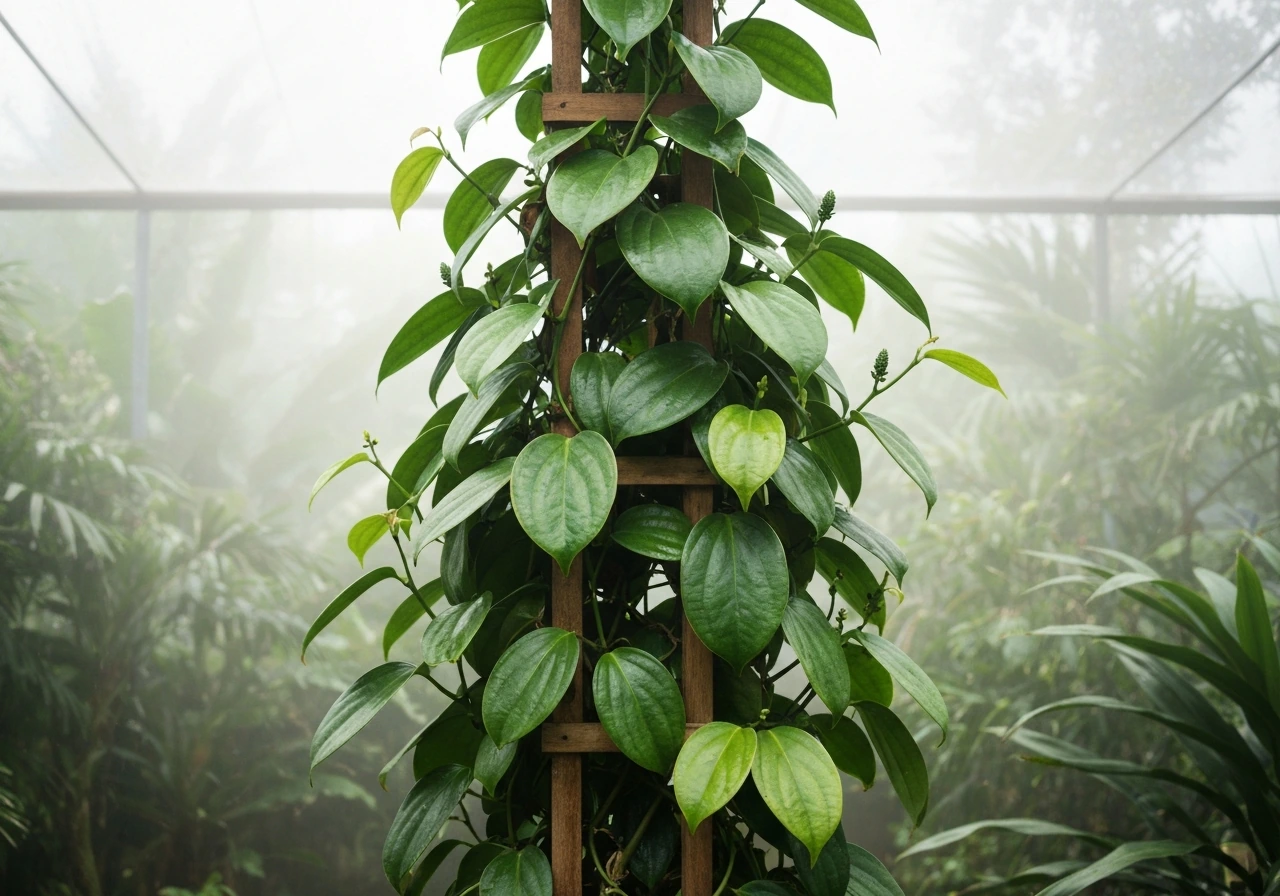
Can You Grow Black Pepper in the US Where and How
Learn where black pepper can be grown in the US and how to grow it indoors or in warm zones for fruit.

Can You Grow Capers in the US? Regional Guide for Home Gardeners
Regional guide to growing caper plants in the US, choosing cultivars, meeting soil and climate needs, and harvesting bud