
Yes, you can grow ginger in Illinois, but you need to treat it as a container plant for most of the year. However, you can still grow ginger in Colorado by treating it as a container plant and starting the rhizomes indoors. Illinois winters will kill ginger roots left in the ground, and the outdoor growing season is just barely long enough to get a real harvest. The practical playbook here is to start rhizomes indoors in late winter, move containers outside in early summer, then bring them back in before the first fall frost. Done that way, you can absolutely get harvestable ginger in Illinois.
Can You Grow Ginger in Illinois? Container Guide
Marcus Petersen
13 May 2026
Illinois climate and what kind of ginger we're talking about
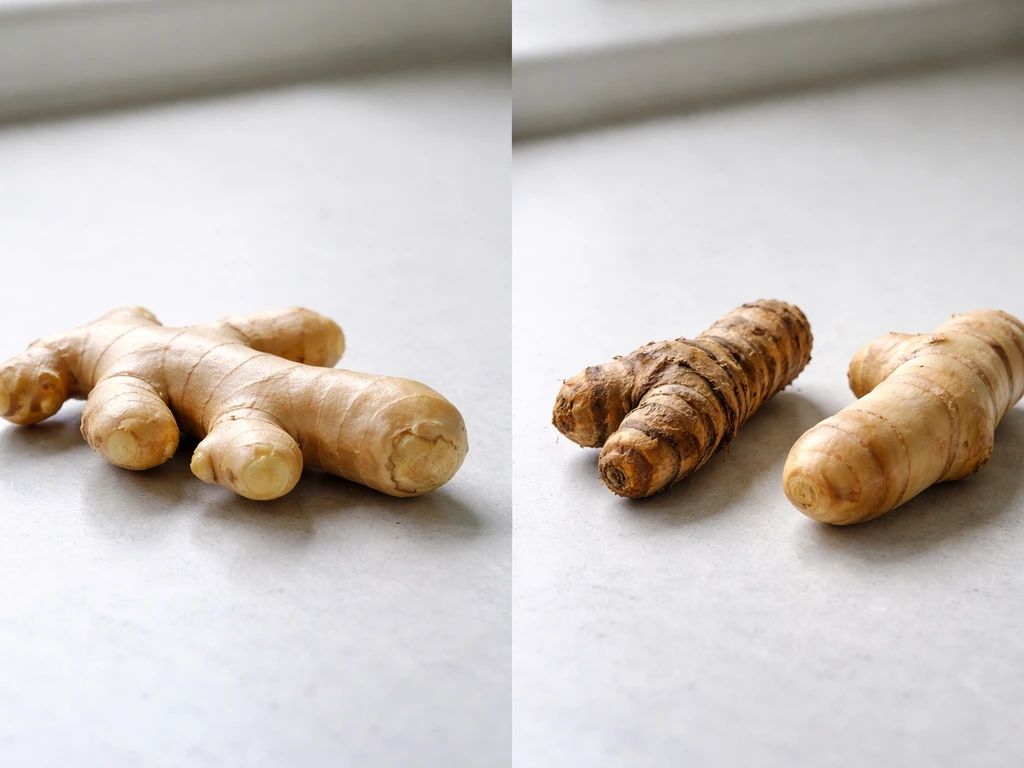
Standard culinary ginger (Zingiber officinale) is the rhizome you buy at the grocery store and the one this whole guide is built around. It's a tropical plant that naturally grows in warm, humid regions with no frost. Illinois is USDA hardiness zones 5a through 7a depending on where you are: Chicago sits around zone 6a, Springfield around 6b, and the far southern tip near Cairo pushes into zone 7a. None of those zones are warm enough to leave ginger in the ground year-round. Even in zone 7a, winter lows routinely drop well below the freezing point that ginger rhizomes can tolerate.
The other big constraint is soil temperature. Ginger wants soil consistently above 60°F to grow well, and research on rhizome germination shows blank" rel="noopener noreferrer">optimal early growth happens between 25 and 26°C (roughly 77°F). blank" rel="noopener noreferrer">According to Illinois soil temperature records from the state's WARM monitoring network, 4-inch soil temperatures in central Illinois typically don't reach 60°F until sometime in May, and they drop back below 60°F again in October. That gives you maybe four to five months of warm soil outdoors, which is workable but tight. Northern Illinois gets even less. Starting plants indoors in late winter effectively adds two or three months to that window.
Best zones in Illinois and where to put your plants
If you're in southern Illinois, you have the most favorable outdoor conditions. The longer frost-free season and warmer soils mean you can try in-ground growing with a serious mulching plan in fall, though you'll still want to dig rhizomes before hard frost. Central Illinois is squarely in container territory for anyone who wants reliable results. Northern Illinois and the Chicago metro should plan on containers exclusively.
Microclimates matter a lot here. A south-facing brick wall that absorbs heat, a raised bed against a garage foundation, or a dark-colored container sitting on concrete patio all add meaningful warmth. I've seen ginger do noticeably better against a south-facing wall than in an open garden bed just 10 feet away. If you're pushing limits outdoors, use every microclimate advantage you can find.
Container vs. in-ground: which setup makes sense for you
Most Illinois gardeners will get better, more reliable results from containers. Here's how the two approaches compare:
| Factor | Containers | In-Ground |
|---|---|---|
| Winter survival | Move indoors, no problem | Must dig rhizomes every fall |
| Soil temperature control | Warms faster in spring, easy to manage | Dependent on weather and location |
| Yield potential | Moderate (limited root space) | Higher if soil and season cooperate |
| Flexibility | Take outside in summer, inside in fall | Fixed location, frost-dependent timing |
| Best for | All Illinois zones | Southern IL only, with caveats |
For containers, go large. A 5-gallon pot is the minimum; a 10 to 15-gallon pot will give rhizomes room to spread and actually produce a meaningful harvest. Use a well-draining mix with plenty of organic matter, like a peat or coir-based potting mix blended with compost. Ginger likes moisture but absolutely cannot sit in waterlogged soil or the rhizomes rot fast.
For in-ground planting in southern Illinois, pick a spot with partial shade (ginger doesn't want full Illinois summer sun all day), amend the soil with compost to improve drainage, and plan to mulch heavily in fall if you're trying to overwinter. The University of Illinois Extension recommends digging rhizomes in fall after a light frost, storing them, and replanting in spring at about 2 inches deep. That's honestly the smarter strategy even in the south: treat it as an annual crop you dig and store.
Planting rhizomes: timing, prep, and step-by-step
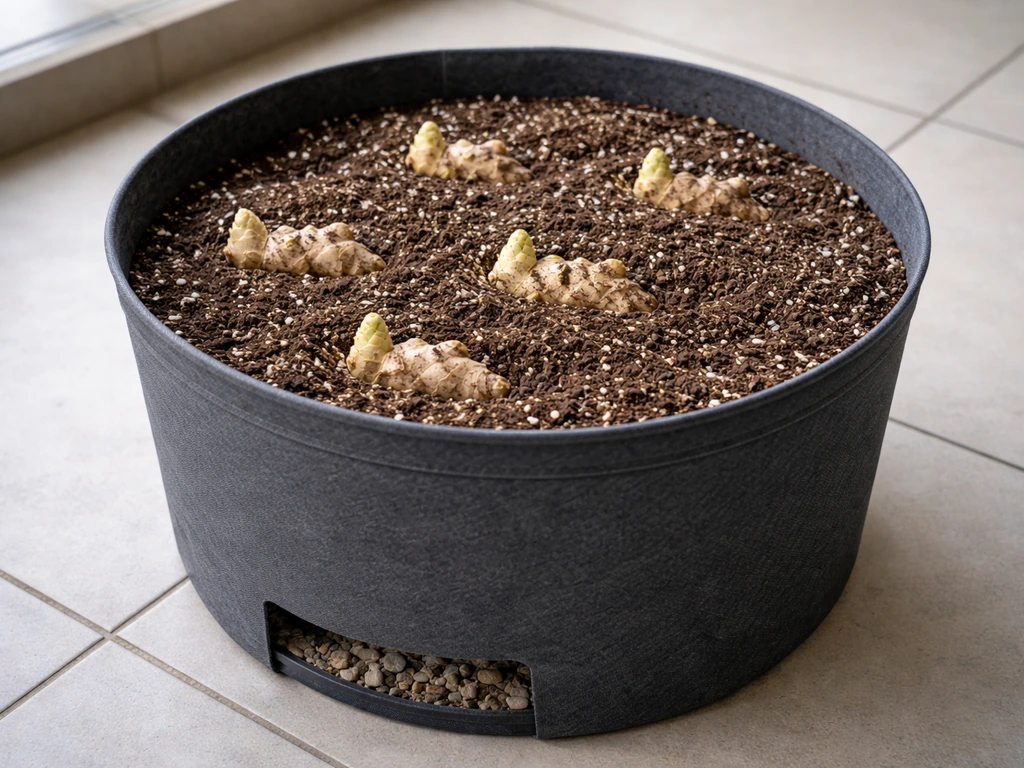
The best source for starting material is a fresh, plump ginger rhizome from a grocery store or Asian market, or a certified disease-free rhizome from a seed supplier. Grocery store ginger sometimes works fine, though it may be treated to slow sprouting. Soak rhizomes in warm water overnight before planting to encourage them along.
Timing is critical. Start indoors in late February or early March for the best results. That gives the rhizomes 8 to 10 weeks of indoor warmth before outdoor temperatures are safe, and it front-loads the growing season so you have a fighting chance at a real harvest by fall.
- Soak rhizomes in warm water overnight to soften any sprouting inhibitors.
- Break or cut rhizomes into pieces 1 to 2 inches long, each with at least one visible growth bud (the small nubby bumps on the surface). Let cut pieces dry for a day to callous over.
- Fill a pot with moist, well-draining potting mix blended with compost.
- Plant rhizome pieces 2 inches deep with the growth buds facing upward, spacing pieces 6 to 8 inches apart.
- Place the pot in a warm spot with soil temperature ideally above 70°F. A heat mat under the pot speeds things up significantly.
- Keep the soil moist but not soaked. Cover the pot loosely with plastic wrap to hold humidity until sprouts appear.
- Once sprouts emerge (usually 2 to 4 weeks), remove the plastic and move to a bright, warm location.
Light, temperature, watering, and feeding through the season
Ginger wants bright indirect light indoors, not direct harsh sun through a window, which can scorch leaves. Once outside in June, partial shade is ideal, especially protection from intense afternoon sun. In central and northern Illinois the summer sun intensity is manageable, but south-facing walls with full afternoon exposure can stress the plants.
Temperature targets: keep air temperatures above 50°F at all times. Below that, growth stalls. Below 40°F, you risk rhizome damage. Outdoors in Illinois, this means containers come out in early June (after soil temps are safely past 60°F and night temps stay above 50°F) and come back inside by early October at the latest. Don't gamble with an early frost in September.
Watering is where most people go wrong. Ginger likes consistently moist soil during active growth, but the number one killer I've seen (and experienced) is letting containers sit too wet. Water when the top inch of soil is dry, and make sure water drains freely from the bottom. Cut back watering significantly in late fall when the plant starts yellowing and going dormant.
Fertilizing: use a balanced liquid fertilizer (something like a 10-10-10 or a fish emulsion) every two to three weeks from late spring through August. Reduce feeding in September and stop altogether when the plant starts going dormant. Ginger is a moderate feeder and benefits from steady nutrition during active growth, but overfeeding late in the season isn't helpful.
How long until harvest and what to do with the rhizomes
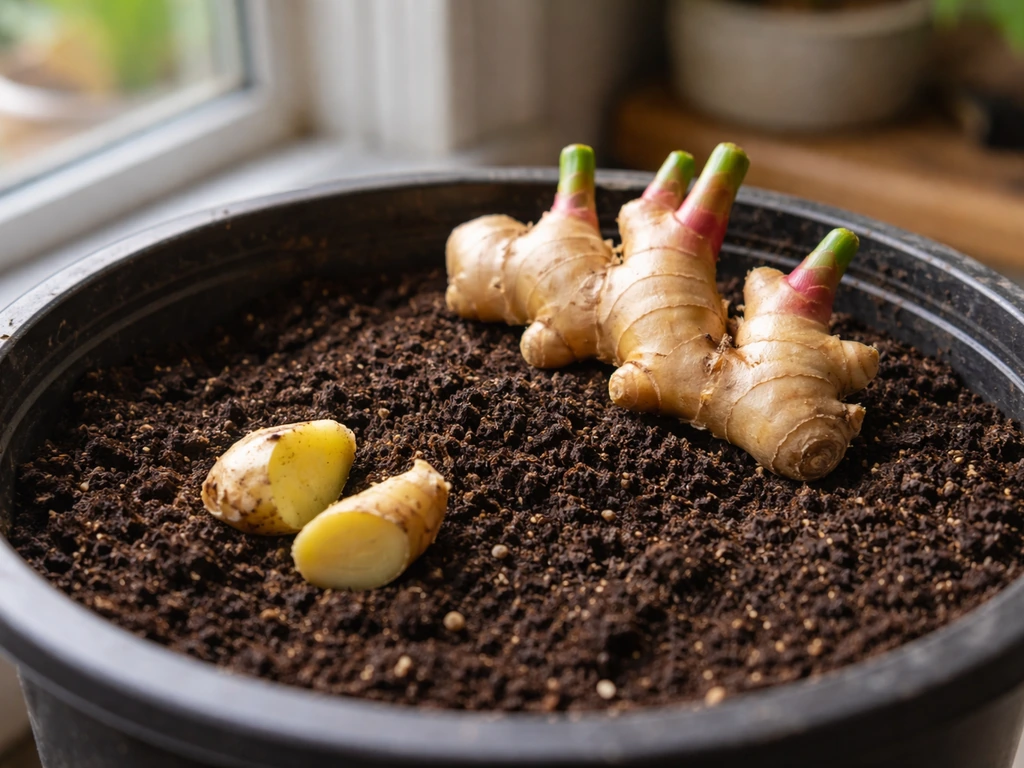
Ginger takes 8 to 10 months to reach full maturity from planting. In Illinois, starting indoors in late February and harvesting in late October or November gives you about 8 to 9 months total, which is enough for a real harvest. The plants signal readiness when the leaves start yellowing and dying back in fall, which also happens to coincide with the time you need to bring containers indoors anyway.
You can actually harvest "baby ginger" or young ginger earlier, around 4 to 6 months in. Young ginger is milder, less fibrous, and has a thin pinkish skin. It's delicious and honestly a great option for Illinois growers who want something to show for the effort before full maturity. For young ginger, gently scrape around the base of the plant and pull a few pieces without disturbing the whole root system.
For full harvest, dump the container or dig the bed after the foliage dies back. Shake off soil, rinse gently, and let rhizomes dry in a warm spot with good air circulation for a few days. To store, keep rhizomes at around 55 to 60°F in slightly damp sand or peat in a breathable container. A cool basement or cellar works well. Alternatively, save the healthiest pieces to replant in late winter and use the rest fresh or frozen.
Common problems in Illinois and how to fix them
- Rhizome rot before sprouting: Usually caused by cold, wet soil. Use a heat mat to keep soil above 70°F and make sure drainage is excellent. Let cut rhizome pieces callous before planting.
- No sprouting after 4 to 6 weeks: The rhizome may be too cold, or it may have been heavily treated to inhibit sprouting. Try soaking in warm water for 24 hours and moving to a warmer spot. Some store-bought ginger just won't sprout; buy from an Asian market for fresher stock.
- Yellowing leaves mid-season: Check for overwatering first. If soil is draining well and the plant seems otherwise healthy, it may need fertilizer. If the soil is soggy, ease up on watering and improve drainage.
- Slow or stunted growth: Almost always a temperature or light issue in Illinois. Ginger growing below 65°F air temperature just sits there. Move containers to a warmer, brighter spot.
- Cold damage after a surprise frost: If leaves got hit but the rhizomes are still in the ground or a container that stayed above freezing, the plant can recover. Cut back dead foliage and keep the plant warm. If the rhizomes themselves froze, they're lost.
- Spider mites indoors: Common when plants overwinter inside in dry air. Rinse leaves regularly and use insecticidal soap if needed. Keep humidity up with a pebble tray or humidifier nearby.
Realistic expectations: yields, overwintering, and where to source rhizomes
Let's be straight about yields. A single 10-gallon container started in late February can produce roughly half a pound to a pound of harvestable rhizomes by November. That's not a commercial crop, but it's a satisfying personal harvest. Your yield grows with experience as you dial in the warmth, watering, and fertilizing rhythm. I killed a couple of batches before I started using a heat mat and stopped trying to overwinter rhizomes outdoors in central Illinois. Once I switched fully to the container system, results improved a lot.
Overwintering strategy: the simplest option is to harvest all rhizomes in fall, store the best pieces in cool, slightly damp conditions, and replant each February. You can also keep a container alive through winter by reducing water dramatically once the plant goes dormant, moving it to a cool but frost-free spot (50 to 55°F works), and waiting for it to re-sprout in late winter. The second approach takes less effort but risks rot if you're not careful about moisture during dormancy.
For sourcing, Asian grocery stores often carry the freshest, least-treated ginger rhizomes. Seed suppliers like Strictly Medicinal Seeds, Territorial Seed, or Burpee sell certified ginger rhizomes in late winter. Ordering in January or early February means you have material ready when you need it. Growing conditions in Illinois are similar in challenge to other cold-climate Midwest states. If you've researched growing ginger in Minnesota or Colorado, the container-first approach applies there too, though Illinois gardeners generally get a longer warm outdoor window than those northern neighbors. If you're wondering can you grow ginger in Colorado, the same container-first, warm-soil strategy is usually the best bet.
Worth trying if: you have a warm, bright indoor space and some patience. Ginger is not a beginner crop in Illinois, but it's also not that hard once you stop thinking of it as something you plant outdoors in spring and forget. If you're wondering can you grow ginger in utah, the container-and-indoor-start approach used for Illinois limits is usually the best comparison point. Treat it like a houseplant that summers on the patio and you'll do fine.
FAQ
If I have a greenhouse, can I grow ginger in Illinois longer than the container season?
Yes, if you keep it frost-free and warm enough. A practical trigger is to start indoor growth only when you can maintain steady warmth (daytime above about 70°F is ideal) and then move outdoors only after night temps stay above 50°F, not just after the last frost date.
What indoor light conditions are best for ginger started in late winter?
Use bright, indirect light, and rotate the pot weekly. A common mistake is intense sun through a window, which can scorch leaves even when temperatures are warm, then weak regrowth makes later rhizome production slower.
How do I avoid root rot when growing ginger in containers?
Cut back watering based on container drainage and your pot size. Water when the top inch dries, but never let the pot sit in a saucer of water, and consider adding a moisture meter, because ginger rot often starts before you notice any smell or leaf problems.
My grocery-store ginger won’t sprout, what should I do?
Yes, but don’t rush it. Grocery ginger sometimes sprouts slowly or irregularly, especially if it was treated. Soaking overnight in warm water can help, and you can also plant it with the buds oriented upward and keep it consistently warm until shoots appear.
Can I get a harvest from my ginger before full maturity in Illinois?
Yes, you can harvest young ginger around 4 to 6 months, and do it without destroying the entire plant. Scrape around the base, remove a few rhizome pieces, then re-cover and keep watering steady so the remaining rhizomes continue to size up.
How important is container size for ginger yield in Illinois?
If a container is too small, ginger often grows leaves but produces thin, low-yield rhizomes. A 10 to 15-gallon pot typically gives a more reliable harvest, because rhizomes need space to spread and thicken.
Should I fertilize ginger after leaves start yellowing in fall?
It can, but you need to manage it like a crop with a dormancy phase. Stop or reduce fertilizer once the leaves yellow and fall, because continued feeding late in the season can keep tissues soft and increase the risk of rot during the cool-dormant period.
How often should I water ginger, and does the schedule change in fall?
Use the first top inch as your guide, not a fixed watering schedule. In early growth, water more consistently, then taper in fall as temperatures drop and the plant enters dormancy, aiming for slightly damp (not wet) conditions.
What’s the best way to store harvested ginger rhizomes over winter?
Clean off soil gently and let rhizomes dry in a warm spot with airflow before storing. For storage, slightly damp sand or peat in a breathable container works best around 55 to 60°F, and you should check periodically for soft spots or mold.
Next Articles
Can You Grow Ginger in Colorado? Step-by-Step Guide
Learn if you can grow ginger in Colorado and follow a step-by-step container and indoor guide to harvest rhizomes.
Can You Grow Black Pepper in the US Where and How
Learn where black pepper can be grown in the US and how to grow it indoors or in warm zones for fruit.

Can You Grow Capers in the US? Regional Guide for Home Gardeners
Regional guide to growing caper plants in the US, choosing cultivars, meeting soil and climate needs, and harvesting bud