
Yes, you can grow ginger in Ohio, but you have to work around the climate rather than pretend it's tropical. Ohio is USDA zones 5b to 6b depending on where you are, and ginger (Zingiber officinale) is a tropical plant that needs a long, warm, humid growing season. The honest approach for most Ohio gardeners is to start rhizomes indoors in late winter, move containers outside after your last frost, then bring them back in before fall cold hits. Done right, you'll get a real, harvestable crop of fresh ginger. It just won't happen on the ground without extra effort.
Can You Grow Ginger in Ohio? How to Succeed

Marcus Petersen
25 Apr 2026
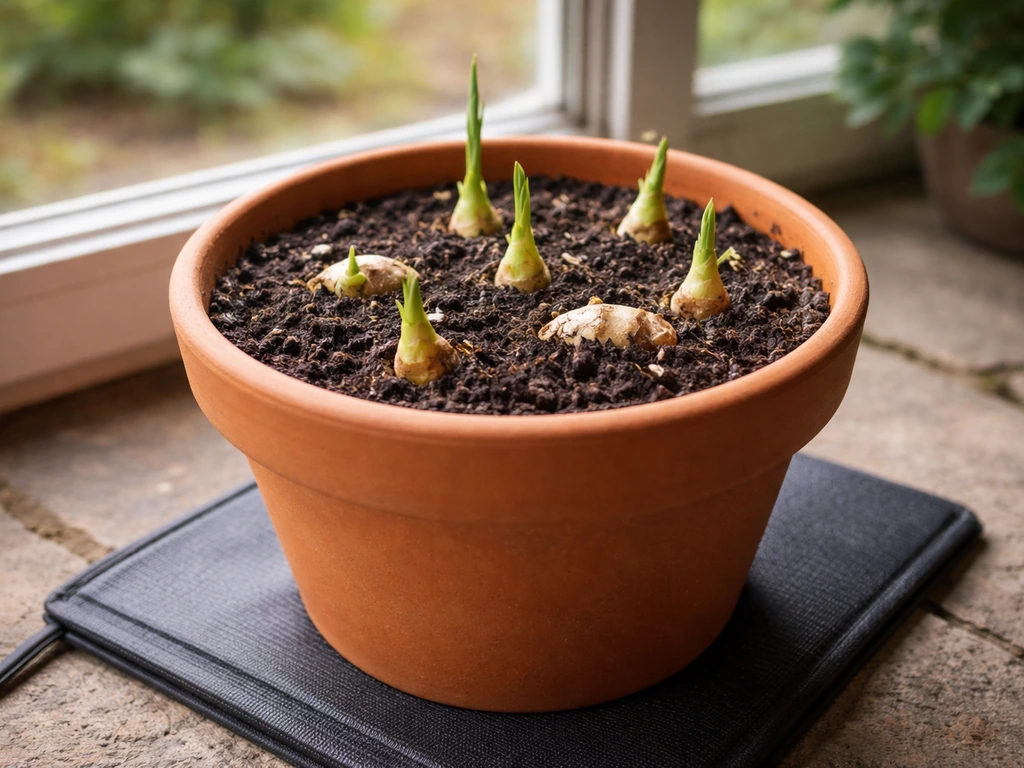
Ohio's climate and whether ginger can actually work here
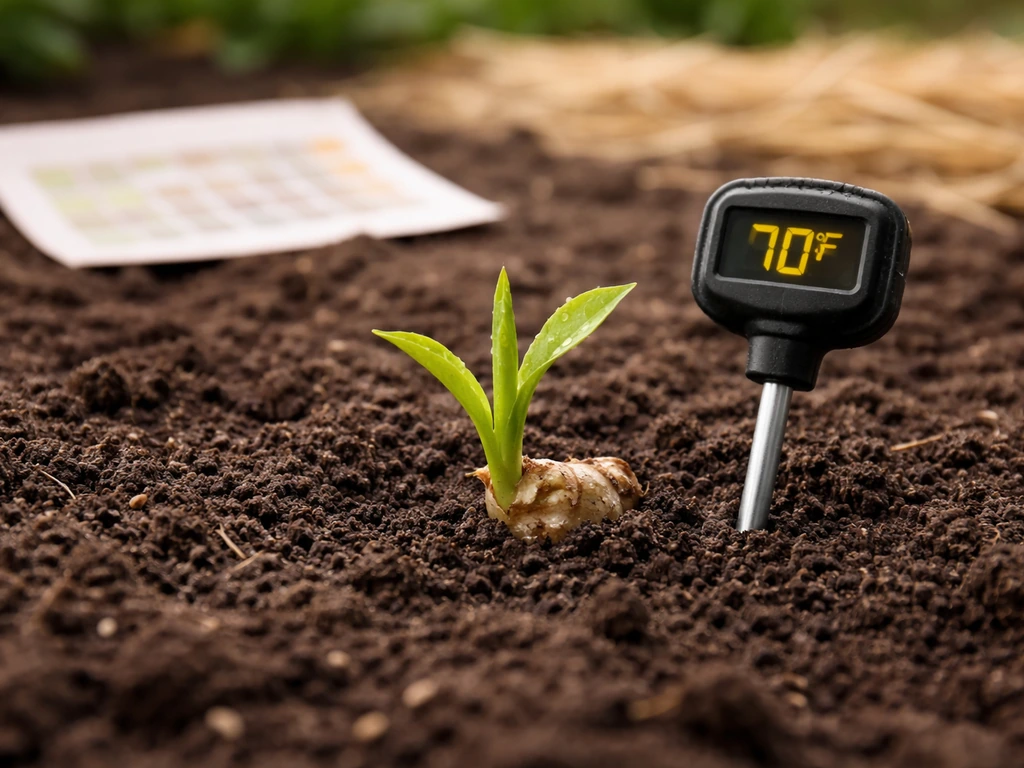
Ohio's climate is the main thing working against you. Ginger only grows when soil temperature stays above 68°F, and it performs best around 77°F. In northern Ohio, that window is short. According to NWS Cleveland data, the average last frost in the Cleveland region falls between May 4 and May 12, and the first fall frost comes back around October 1 to October 19. For the Cleveland, OH area, NWS Cleveland lists the average last spring frost date at 32°F as May 4 and the average first fall freeze date at 32°F as October 14, along with regional averages for nearby cities blank" rel="noopener noreferrer">average last spring frost date at 32°F (May 4) and first fall freeze date at 32°F (October 14). In Cincinnati, the frost-free window is a bit longer, but it's still not the 8 to 10 months ginger gets in a subtropical climate. Put simply, if you're planting ginger directly in Ohio ground and waiting for the soil to warm naturally, you're losing at least a month of the growing season you need. That's why indoor starting is non-negotiable here.
The good news is that ginger doesn't need full sun and adapts well to containers, which means you can control its environment almost entirely. Gardeners in neighboring states like Michigan and Indiana face nearly identical constraints, and the container-plus-indoor-start method works across that whole region. In Indiana, you can use the same indoor-start and container strategy to give ginger the long warm season it needs grow ginger in Indiana. The same container-first approach also works in Michigan, where you still need to start the rhizomes indoors and time the season carefully grow ginger in Michigan. Oregon gardeners in wetter, milder zones have a different calculation. If you're asking can you grow ginger in Oregon, the key is using milder microclimates and containers so you can manage warmth and moisture year-round. For Ohio specifically, the strategy is simple: add 6 to 8 weeks of indoor warmth on the front end and plan to harvest before the first fall frost.
Picking the right ginger type and starting material
For home gardeners, Zingiber officinale is the standard choice because it's the culinary ginger you actually want to eat. You're not growing ornamental ginger here. The most practical starting material is a fresh rhizome from a grocery store or a reputable online supplier. Grocery store ginger works fine as long as you pick the right piece. Look for rhizomes with plump, swollen nodes or 'eyes,' similar to the eyes on a potato. The piece should feel firm, not shriveled or soft. Avoid anything that looks dried out or has been treated to prevent sprouting, which some imported commercial ginger is. If you're not sure, buying from a seed supplier or garden center gives you untreated rhizomes that sprout reliably.
When you're ready to cut the rhizome into planting pieces, aim for segments that are 1 to 3 ounces each and at least 1.5 to 2 inches long, with at least one or two visible growing points on each piece. Bigger pieces with multiple buds tend to sprout faster and more vigorously. After cutting, let the pieces sit in a dry, well-ventilated spot for at least 48 hours before doing anything else. This allows the cut surfaces to callus over, which significantly reduces the chance of rot once you plant them.
Container vs. ground growing in Ohio, and timing it right
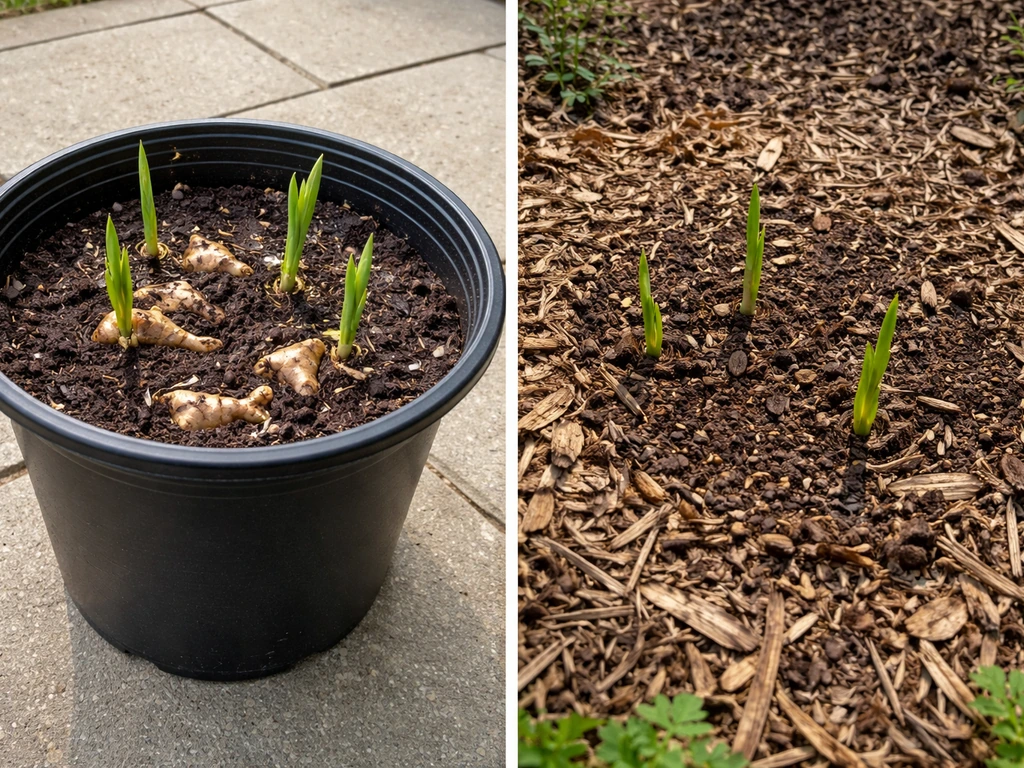
Containers are the practical choice for most Ohio gardeners, and I'd recommend starting there rather than fighting the ground. A 5-gallon pot fits one to two rhizomes comfortably, but a larger container, 10 to 15 gallons, gives the roots more room and tends to produce more. The big advantage of containers is that you control the temperature from start to finish. You start them indoors in late February or early March, move them outside when it's consistently warm, and bring them back in before the cold returns.
If you want to try growing ginger in the ground, it can work in southern Ohio where the frost-free window is longer, but you still need to pre-sprout the rhizomes indoors. Ground planting works best when you use raised beds with amended, fast-draining soil, plant in a sheltered spot with partial shade, and are prepared to mulch heavily if an early fall cold snap threatens. In northern Ohio, I'd stick with containers entirely.
| Factor | Containers | In-Ground (Southern Ohio only) |
|---|---|---|
| Temperature control | Full control indoors/outdoors | Limited to ambient soil/air temps |
| Frost protection | Easy, just move inside | Requires mulching or covering |
| Harvest timing | Flexible, pull when ready | Must harvest before first frost |
| Soil management | You fill it exactly right | Needs significant amendment |
| Recommended for northern OH | Yes | Not ideal |
| Recommended for southern OH | Yes | Possible with pre-sprouting |
Timing is everything. Start your rhizomes indoors around late February to mid-March, roughly 6 to 8 weeks before your local last frost date. That gives the rhizomes time to sprout and develop 4 to 6 inch shoots before you even think about moving them outside. Move containers outdoors in late May once nighttime temperatures are reliably above 50°F and soil in the pot has warmed. Plan to bring them back inside or harvest by early to mid-October, before your first frost arrives.
Soil, light, and water: what ginger actually needs
Ginger wants well-draining, loamy soil with a pH between 5.5 and 6.5. It does not tolerate standing water, and the number one way people kill ginger rhizomes is by keeping the soil too wet before the plant is actively growing. For containers, use a quality potting mix and add perlite or coarse sand to improve drainage. If you're amending garden soil, work in compost and perlite to loosen it up. The rhizome needs moisture, but the soil should never be soggy.
On light: ginger naturally grows under a forest canopy in the tropics, so it prefers bright indirect light or dappled shade. On Ohio's sunny summer days, full afternoon sun can actually stress the plant. An east-facing window indoors works well. Outside, a spot with morning sun and afternoon shade is close to ideal. Grow lights work fine indoors during the pre-sprouting phase.
Watering during active growth should keep the soil consistently moist but not waterlogged. Ginger also appreciates humidity, which is not always Ohio's strength in spring. Misting the leaves occasionally or grouping plants together helps. Once the plant is actively growing in summer, it's fairly forgiving as long as you don't let it dry out completely. As fall approaches and growth slows, reduce watering to match the plant's reduced demand.
Step-by-step: planting, sprouting, and caring for ginger in Ohio
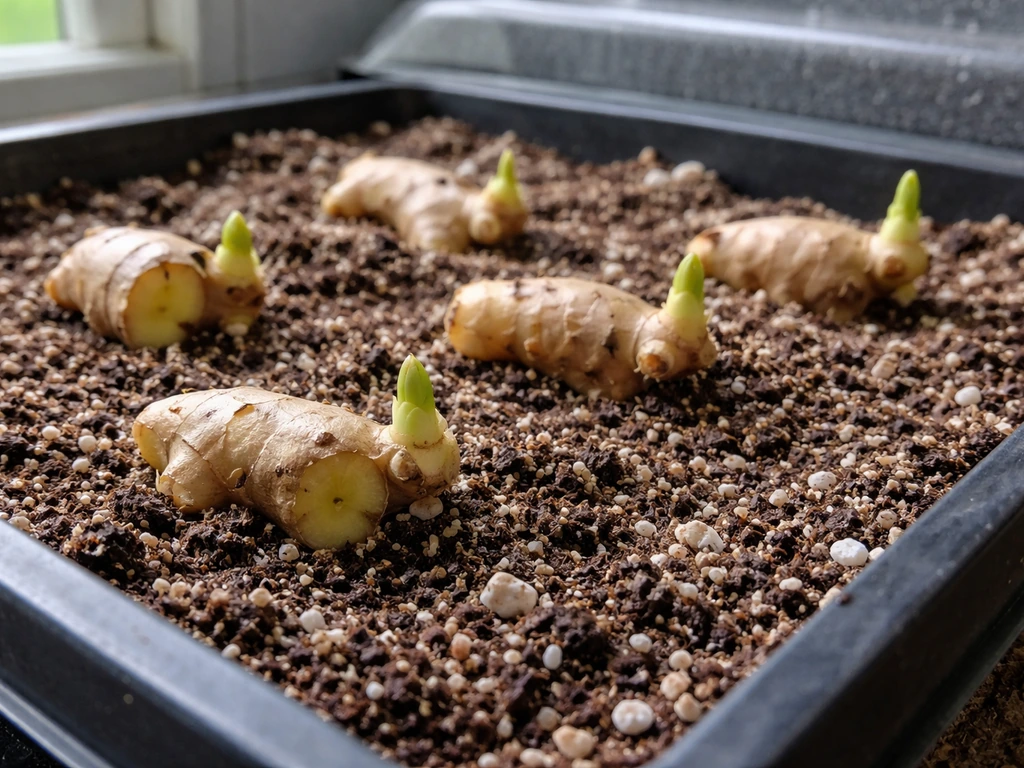
- Cut and cure your rhizomes (late February to mid-March): Cut the ginger into 1 to 3 ounce pieces, each with at least one or two buds. Let the cut pieces air-dry in a ventilated spot for 48 hours to callus the cut surfaces.
- Pre-sprout indoors: Place the cured pieces bud-side up in a shallow tray or flat with moist (not wet) potting mix or coco coir. Keep the environment warm, around 75 to 80°F, by placing the tray on a heat mat or on top of a warm appliance. Mist lightly every day or two. Do not soak or drench.
- Watch for sprouting: In 2 to 4 weeks you should see small green shoots emerging from the buds. Once shoots reach 1 to 2 inches, it's time to pot them up properly.
- Pot up (late March to April): Move sprouted pieces into your chosen containers with well-draining potting mix. Plant each piece about 1 inch deep with buds pointing upward. Water lightly and place in a warm, bright indoor spot.
- Grow on indoors: Keep plants in bright indirect light at 65 to 75°F. Water when the top inch of soil feels dry. Once shoots are 4 to 6 inches tall, begin hardening them off for outdoor conditions.
- Harden off and move outside (late May): About a week before moving outside, start setting containers outside in a sheltered shady spot for a few hours a day, gradually increasing exposure over 5 to 7 days. This acclimation step prevents shock.
- Summer outdoor care: Once settled outside, ginger is pretty low-maintenance. Water consistently, keep it in dappled or partial shade, and feed with a balanced liquid fertilizer every 3 to 4 weeks during active growth. The plant will send up reed-like stalks with long leaves through summer.
- Reduce watering in late summer: As days shorten and temperatures start dropping in August and September, ease back on watering. The plant will naturally begin pulling energy into the rhizomes. This is a good sign.
Harvesting, storing, and saving rhizomes for next year
In Ohio, your harvest window is September through early October, before the first frost. You can harvest 'baby ginger' as early as August if you want thin-skinned, mild-flavored rhizomes, which don't need peeling and are excellent fresh. For mature ginger with full flavor and thicker skin, wait until the leaves start yellowing and dying back in September, which signals the plant is done for the season.
To harvest, dump the container or dig up the root zone and pull out the rhizome cluster. Shake off loose soil and trim away the leaf stalks. If you plan to use some and store some, separate the rhizomes at this point. Fresh ginger can go straight to the kitchen. For storage, let the rhizomes you're saving dry at room temperature for a day or two to toughen the outer skin, a process called curing. This forms a decay-resistant layer that extends shelf life. blank" rel="noopener noreferrer">Store cured rhizomes at around 55°F with moderate humidity, around 85%, which means a cool basement corner or the crisper drawer of a refrigerator works well. Avoid storing them where they'll freeze.
To overwinter rhizomes for replanting next year, you have two options. You can leave them in the container, let the soil dry out, and store the whole pot in a cool, frost-free space like a basement or garage where temperatures stay around 50 to 60°F. Or you can dig out the rhizomes, brush them clean, and place them in a paper bag in a cool, dry location until you're ready to pre-sprout them again in February or March. Both methods work. The paper bag method takes up less space and lets you inspect the rhizomes for rot during winter.
Common problems in Ohio and how to troubleshoot them
- Slow or no sprouting: Almost always a temperature issue. If your pre-sprouting area is below 70°F, the rhizome just sits there. Get a heat mat and target 75 to 80°F consistently. Patience is also required; some pieces take 4 to 6 weeks.
- Rhizome rot during pre-sprouting: This happens when the growing medium is too wet. Ginger wants moisture, not saturation. Mist rather than water, make sure your tray has drainage, and never let rhizomes sit in standing water. Cutting pieces that feel mushy when you press them should be discarded.
- Yellowing leaves in midsummer: Usually either too much direct sun or underwatering. Move the container to a shadier spot and check soil moisture. If the soil is dry an inch down, water more frequently.
- Stunted growth outdoors: Ohio's cooler nights in May and June can slow ginger down even if frost isn't a risk. If plants look stalled, move containers to a warmer, more sheltered spot and consider placing them against a south-facing wall that holds heat.
- Cold damage in early fall: Ohio can get surprise cold snaps in late September. If temperatures are dropping below 50°F at night, bring containers in. Even a couple of cold nights won't kill the plant, but consistent cold stops all growth.
- Tiny harvest: This often means the rhizomes didn't have enough warm growing time, or the soil dried out repeatedly during summer. Starting earlier indoors and keeping watering consistent through peak summer are the two biggest levers.
- Stored rhizomes sprouting early in winter: If your storage spot is too warm or humid, rhizomes will start sending up shoots before you're ready. Move them somewhere cooler, around 50 to 55°F, and reduce humidity.
Growing ginger in Ohio is worth trying if you're willing to run it mostly as a container plant and accept that your season starts indoors. It's genuinely satisfying to harvest a cluster of fresh rhizomes you grew yourself, and once you've got the timing and pre-sprouting method down, it gets easier every year. The biggest beginner mistake I see is starting too late, hoping Ohio's outdoor season is enough on its own. It isn't. Start in late February, keep things warm, and you'll be pulling ginger in September.
FAQ
Can you grow ginger from store-bought ginger in Ohio, or do you need seed rhizomes?
Yes, but it is slower and less reliable in Ohio. If you sprout from grocery ginger, you still need the same indoor start and warmth window, because the limiting factor is soil temperature, not just whether it sprouts.
How often should I water ginger in an Ohio container?
Aim for a potting mix that drains fast, then water only when the top 1 to 2 inches start to feel dry. Ginger can tolerate mild dryness better than soggy conditions, especially before it fully leafs out.
When should I move ginger back inside in fall in Ohio?
You should bring containers indoors when nights drop and before soil temperatures fall. A practical rule is to start moving plants back inside once nighttime temps consistently hover near the low 40s to avoid a cool-soil slowdown that can invite rot.
Do I need fertilizer for ginger, and when should I start feeding?
It can be tempting to fertilize early, but wait until you see active shoots and healthy leaf growth. Then use a balanced fertilizer at a light rate, because too much feeding in cool conditions can increase soft, weak growth.
My ginger leaves are wilting, how do I tell if it is underwatering or rot?
Not usually. If your leaves look wilted but the soil is wet, you may be dealing with rot or poor drainage rather than drought stress. Check drainage by lightly lifting the pot, healthy roots feel firm, rotten rhizomes feel mushy.
Is “baby ginger” worth it in Ohio, or should I wait for mature roots?
Yes, and it can change how you manage harvest timing. If you grow for baby ginger, you can pull smaller rhizomes earlier, but you may get fewer total roots per plant compared with waiting for full-size harvest.
What ginger pieces are best to plant, and what should I avoid buying?
Avoid planting grocery pieces that have no visible “eyes,” very shriveled skin, or that feel soft when squeezed. Even if they sprout, weak rhizomes often rot during the cool, early indoor phase.
Will a small pot work, or do I need a 10 to 15 gallon container to get good-sized ginger?
You can, but only to a point. Most Ohio gardeners benefit from larger pots (10 to 15 gallons) because ginger rhizomes spread, and crowding can limit size even if the plant survives.
What is the best way to try ginger in the ground in southern Ohio?
If you are growing in-ground, raised beds help a lot because they prevent water pooling. Keep the bed partially shaded, use fast-draining amended soil, and mulch to buffer temperature swings during early fall cooling.
Should I harden off ginger before taking it outside in late May?
Yes, and it can be a lifesaver. Before moving outdoors, gradually increase exposure over about a week so leaves do not scorch and so the plant adjusts to stronger sun and outdoor humidity.
Do I really need to let ginger rhizome pieces callus after cutting?
A common issue is leaving cut rhizome pieces in damp soil before they callus. After cutting, let pieces dry and callus for at least 48 hours in a ventilated, dry spot to reduce rot risk.
Which overwintering method is safer in Ohio, storing rhizomes in paper bags or keeping the whole pot?
For replanting next year, the paper-bag method is often easier to inspect and reduces the chance of unnoticed rot. The downside is you must re-pre-sprout again, while leaving them in the container requires a truly frost-free, stable space.
Next Articles
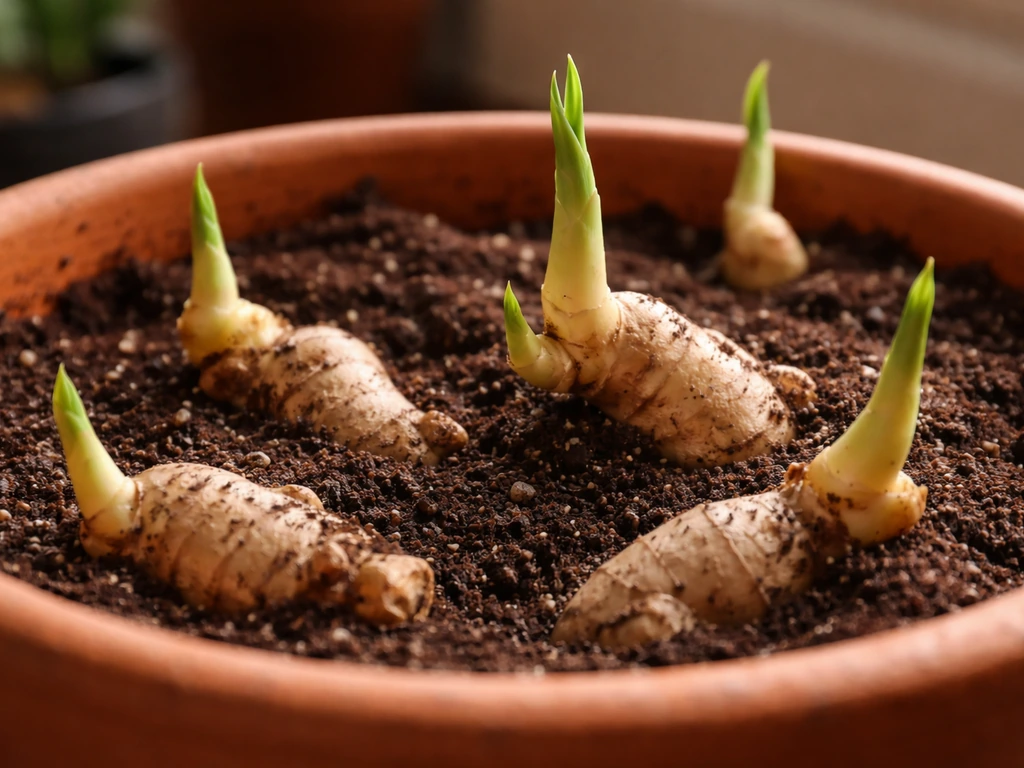
Can You Grow Ginger in Michigan? How to Do It Successfully
Yes, you can grow ginger in Michigan with indoor starts and warm containers, timing, care, overwintering, and troublesho
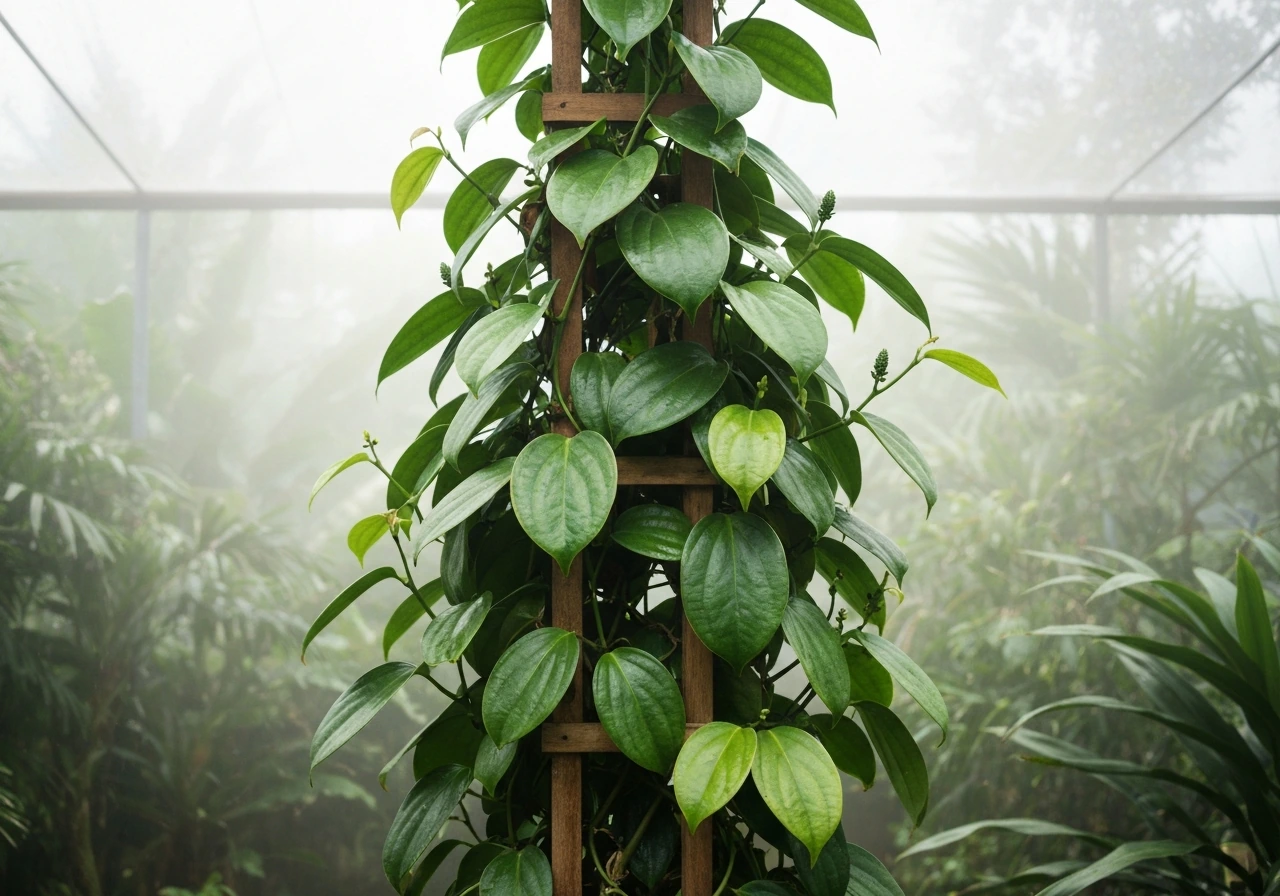
Can You Grow Black Pepper in the US Where and How
Learn where black pepper can be grown in the US and how to grow it indoors or in warm zones for fruit.

Can You Grow Capers in the US? Regional Guide for Home Gardeners
Regional guide to growing caper plants in the US, choosing cultivars, meeting soil and climate needs, and harvesting bud