
Yes, you can grow ginger in Michigan, but not the way you'd grow it in Georgia or Hawaii. Ginger is a tropical plant that needs a long, warm growing season, and Michigan's cold winters and relatively short summers mean you have to work around the climate rather than with it. The good news: container culture makes this totally doable, even in the Upper Peninsula. Because ginger is a zone 8, 10 plant, the same container-and-indoor-overwintering approach is what makes it possible to grow ginger in Oregon, too. The not-so-good news: you're not just dropping rhizomes in the ground in May and walking away. You need a plan, the right timing, and a willingness to bring your plants indoors before the first frost hits. Do all that, and a fresh ginger harvest from your own garden is absolutely realistic.
Can You Grow Ginger in Michigan? How to Do It Successfully

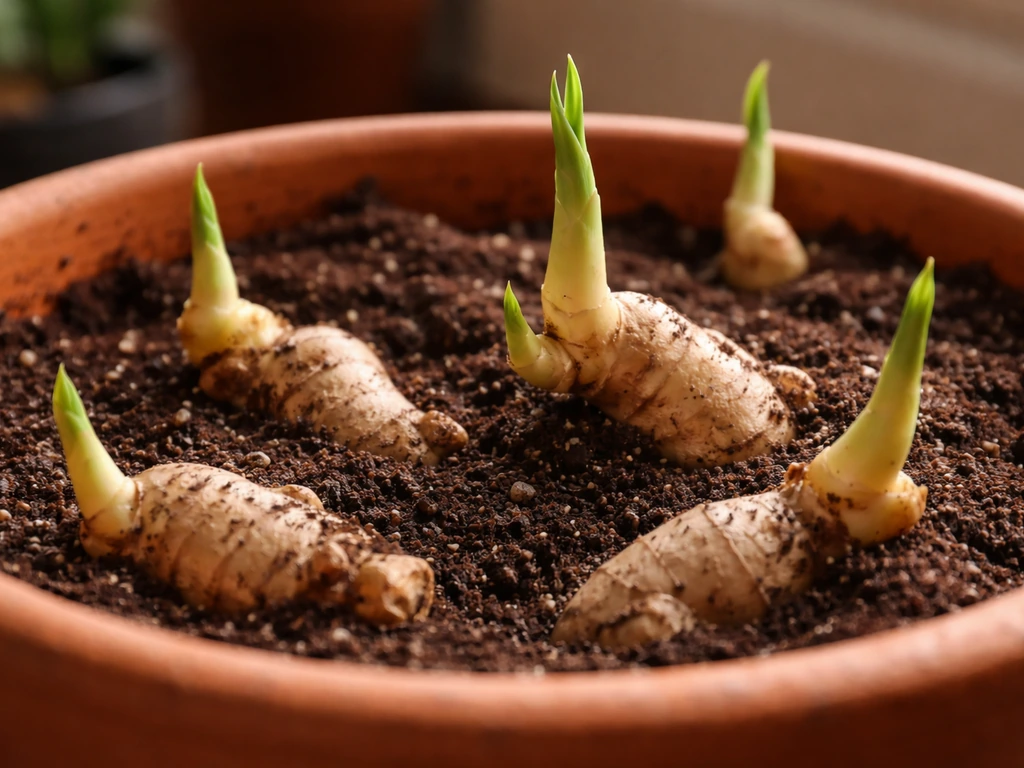
What to realistically expect growing ginger in Michigan
Michigan sits mostly in USDA hardiness zones 5b through 6b, with the Upper Peninsula running even colder. Ginger (Zingiber officinale) is a zone 8–10 perennial, which means it simply will not survive a Michigan winter in the ground. Full stop. If you plant it outside and leave it, it dies. That's the honest starting point. Food Network advises that fresh, whole, unpeeled ginger can be stored loose either at room temperature or in the refrigerator’s crisper drawer.
What you're really doing in Michigan is growing ginger as an annual, using a combination of indoor starts, outdoor summers, and indoor overwintering. Think of it like growing a tomato, but with more patience: you start it early inside, move it out when it's warm enough, bring it back in before frost, and harvest your rhizomes at the end of that cycle. The whole process from planting to harvest takes 8 to 10 months, so starting on time is critical.
Yield expectations should be realistic too. A single healthy rhizome planted in a good-sized container can multiply significantly over a growing season, but don't expect grocery-store quantities from one pot. Gardeners who get their timing and conditions right often see several times the weight they started with, but the main reward here is fresh, flavorful homegrown ginger, not a commercial harvest. Neighboring states like Ohio and Indiana face similar challenges, and the container approach that works there applies just as well in Michigan. The same container-first strategy can help you answer whether you can grow ginger in Ohio too, despite Ohio’s cooler winters.
Container vs. in-ground: which one to choose in Michigan
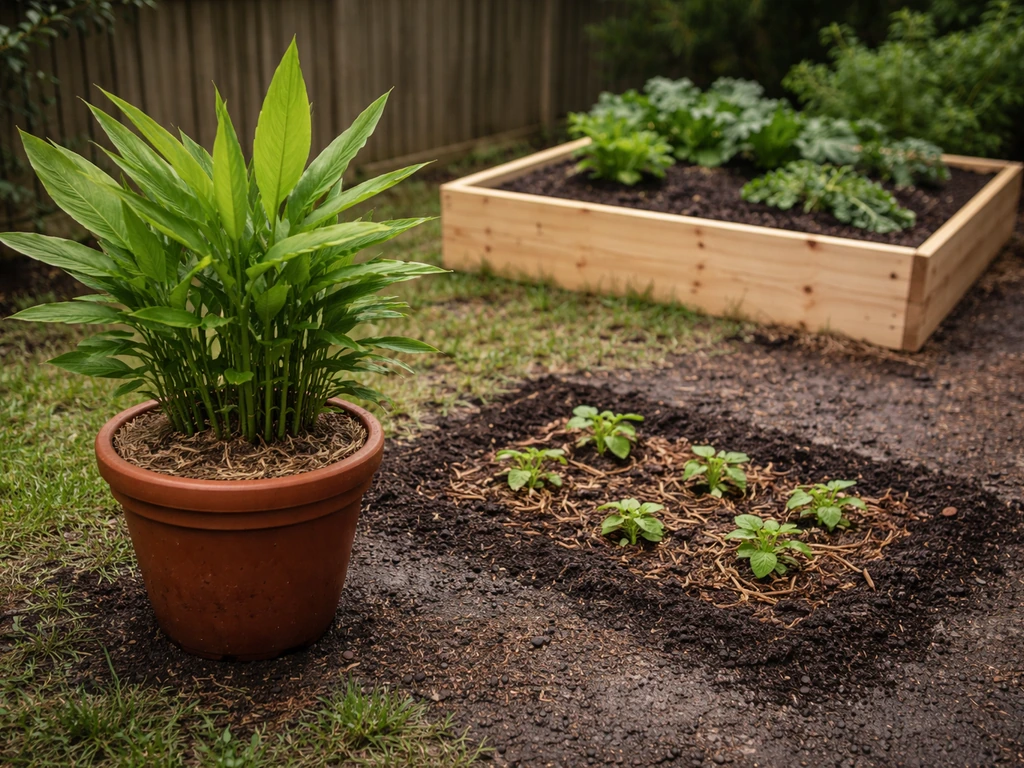
For most Michigan gardeners, containers are the only practical option, and honestly, even if you live in the warmest corner of southwest Michigan near Lake Michigan's moderating influence, I'd still recommend a container for your first few seasons. Here's why: ginger must come inside before frost, and digging up established in-ground ginger without damaging the rhizomes is harder than it sounds. A container lets you simply pick it up and move it indoors when temperatures start dropping in September.
| Method | Pros | Cons | Best for |
|---|---|---|---|
| Container | Easy to move indoors, full temperature control, manageable soil mix | Needs regular watering and fertilizing, limits root spread | Most Michigan gardeners, beginners, anyone in zones 5b–6b |
| In-ground | More root space, less frequent watering, more natural growth | Risky to dig up without damage, must plan for frost, harder to overwinter | Experienced growers in SW Michigan with mild falls, short trial beds only |
Use at least a 15-inch diameter container, and deeper is better since ginger rhizomes spread horizontally. A wide, shallow pot works better than a tall, narrow one. Make sure it has drainage holes because sitting water will rot your rhizomes fast. If you want to try in-ground eventually, do a container season first so you understand how the plant grows before committing to a bed.
When to plant ginger in Michigan: timing your indoor start
Timing is where most Michigan gardeners go wrong. Start too late and you won't have enough warm growing days before fall forces you back inside. Ginger needs a long season, and Michigan doesn't hand you one for free.
Michigan's average last spring frost dates vary significantly by location. In southern Michigan (zone 6a), the last frost typically falls between May 1 and May 15. Northern Michigan and the Upper Peninsula can see last frosts well into late May or even early June. Plan to start your ginger indoors in late February or early March, giving it 8 to 10 weeks of indoor warmth before outdoor temperatures are consistently between 70°F and 80°F, which is when you can safely move containers outside.
- Late February to early March: Start rhizomes indoors in containers with bottom heat
- Late May to early June (after last frost and once daytime highs are reliably above 70°F): Move containers outside to a warm, sheltered spot
- Mid to late September (when nighttime temps start dropping toward 50°F): Move containers back indoors
- October through November: Harvest rhizomes or begin overwintering storage
Don't push the outdoor move early just because the calendar says it's past frost date. Ginger wants warm soil, not just frost-free air. Soil temperature needs to be above 55°F at minimum before you move it out, and it really only grows actively when soil hits 68°F or higher. Optimal growth happens around 77°F. Rushing this just means your plant sits there doing nothing, which wastes your season.
How to plant and grow ginger: step by step
Choosing and preparing your rhizome
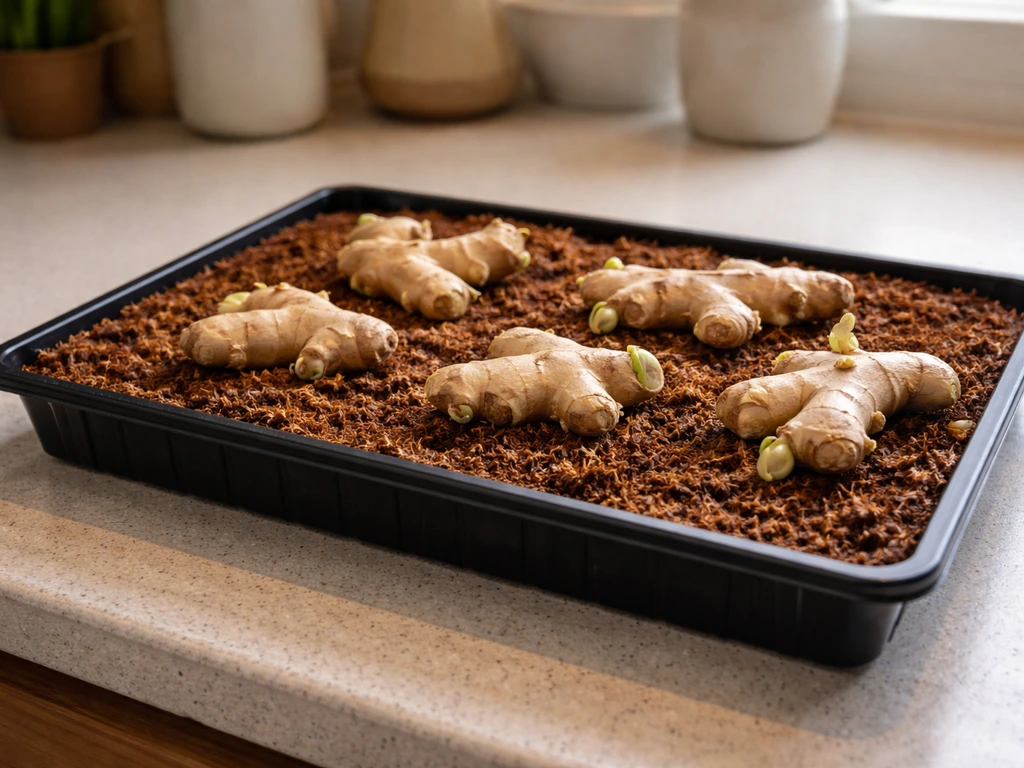
Source your planting rhizomes from a nursery, online seed supplier, or a reputable garden catalog rather than a grocery store. Grocery ginger is often treated to inhibit sprouting and may carry pathogens. Look for firm, plump rhizomes with visible growth buds (the little nubby "eyes"). Cut the rhizome into pieces that are roughly 2 to 3 inches long and have at least 1 to 2 growing points each. Let the cut surfaces dry for a day or two before planting so they can callus over, which reduces rot risk.
Pre-sprouting for a head start (highly recommended in Michigan)
Pre-sprouting gives you a real advantage in Michigan's shorter season. Place your rhizome pieces on top of moist coconut coir in a shallow flat or tray, in a warm location around 75 to 80°F. A seedling heat mat with a thermostat set to 77°F works perfectly here. Mist the coir every 24 to 48 hours to keep it moist but not soaking wet, you don't want the rhizomes sitting in water. Once you see green shoots emerging, move the flat under a grow light or into a bright window. The shoots need light once they appear, not darkness. Pre-sprouting typically takes 2 to 4 weeks.
Soil mix, planting depth, and container setup
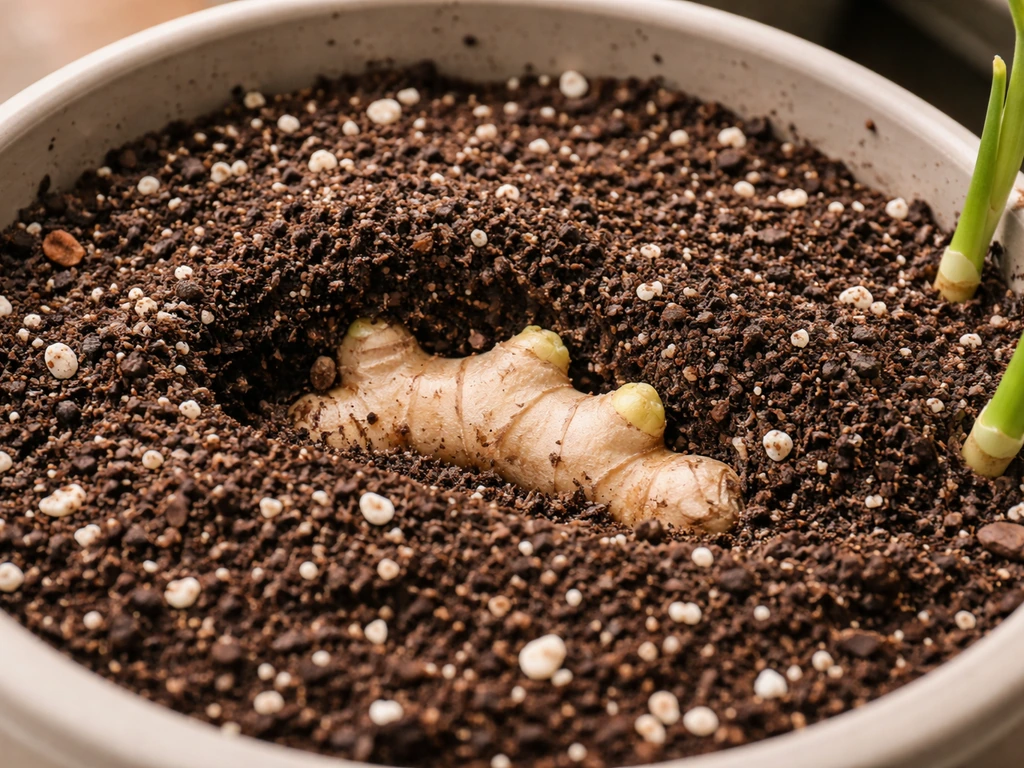
Ginger likes rich, loose, well-draining soil with plenty of organic matter. A good indoor mix is two parts quality potting soil, one part compost, and one part perlite or coarse sand for drainage. Avoid heavy garden soil in containers as it compacts and holds too much moisture. Plant rhizome pieces about 1 inch deep with the growth buds pointing upward, spaced 6 to 8 inches apart. If you're using a large container, you can fit two or three rhizome pieces in a 15-inch pot.
Light, temperature, and humidity indoors
Ginger does not love intense direct sun, especially when it's young. Indoors, a bright window with indirect light works, but a full-spectrum grow light for 12 to 14 hours a day is better during those early February or March weeks when Michigan light is weak and days are short. Aim to keep your indoor growing space at 70 to 80°F. Ginger is a humidity lover, so if your home is dry in winter (and most Michigan homes are), set the pot on a tray with pebbles and water, or run a small humidifier nearby. Dry air won't kill it, but it slows growth.
Watering
Keep the soil consistently moist but never waterlogged. The number one killer of potted ginger is overwatering, especially early on when the plant is establishing. Water when the top inch of soil feels dry. As the plant grows and puts out more foliage during the summer outdoor phase, it will need more frequent watering, sometimes daily during hot, dry stretches. Always water deeply and let excess drain out the bottom.
Fertilizing and care through the growing season
Ginger is a moderate feeder. Start fertilizing about four weeks after you see shoots emerging, once the plant is actively growing. A balanced liquid fertilizer (something like a 10-10-10 or similar) every two to three weeks works well during the active growing phase. Some growers prefer a fertilizer slightly higher in potassium during the later part of the season to support rhizome development, but honestly a balanced feed all season is simpler and still effective.
When containers are outside during summer, keep up with watering, and don't skip fertilizer. Containers flush nutrients out with every watering, so regular feeding matters more in a pot than in the ground. Watch for yellowing leaves, which can signal either overwatering or a nitrogen deficiency. If the soil is draining well and you're still seeing yellow, add a dose of fertilizer and see if it recovers.
Ginger won't need much pruning or fussing. Just keep the container in a warm, partially shaded spot outside during summer: somewhere that gets morning sun and afternoon shade is ideal, as harsh afternoon sun can scorch the leaves. Bring it back inside well before the first fall frost. For most of lower Michigan, that means watching the forecast closely in September and not waiting until October.
Harvesting, curing, and overwintering your Michigan ginger
When and how to harvest
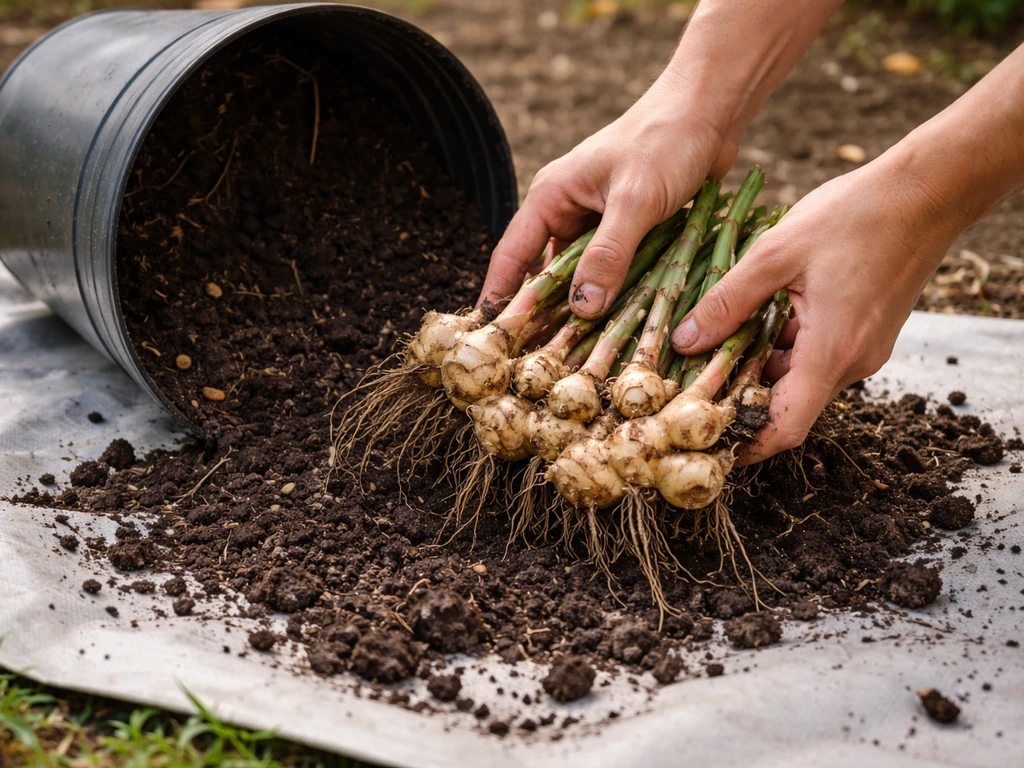
Container-grown ginger started in late February or early March is typically ready to harvest 8 to 10 months later, which puts harvest right around October to November in Michigan. You can take a partial harvest earlier by carefully digging around the edges of the pot and snapping off younger rhizomes (this is called "baby ginger" and it has a milder, less fibrous flavor). For a full harvest, wait until the foliage starts to yellow and die back naturally, which signals the plant is going dormant and the rhizomes are mature.
To harvest, tip the container over onto a tarp and gently work through the soil by hand to pull out all the rhizomes. Be patient here because ginger rhizomes spread out and breaking them apart roughly wastes good planting material. Rinse them off and inspect for rot or damage.
Curing your harvest
After harvest, air-dry the rhizomes for 1 to 2 weeks in a warm, dry location with good airflow. This allows any cuts or bruises to callus over and lets the surface dry out, which is called curing. Cured ginger stores better and is less prone to mold. Don't skip this step even if you're eager to cook with it.
Overwintering rhizomes for next season
Set aside some of your best-looking rhizomes for replanting next season. You have two options. First, you can leave the rhizomes in the container soil, reduce watering dramatically, and store the whole pot in a cool, dry indoor space (around 50 to 60°F, like a basement or attached garage) over winter. Second, you can dig the rhizomes, clean and dry them, and store them in a brown paper bag in a cool, dry spot. Either way: do not refrigerate rhizomes you plan to replant. The cold and moisture of a refrigerator will damage them and prevent sprouting. Start the whole cycle again in late February.
Troubleshooting: when things go wrong
Rhizome not sprouting
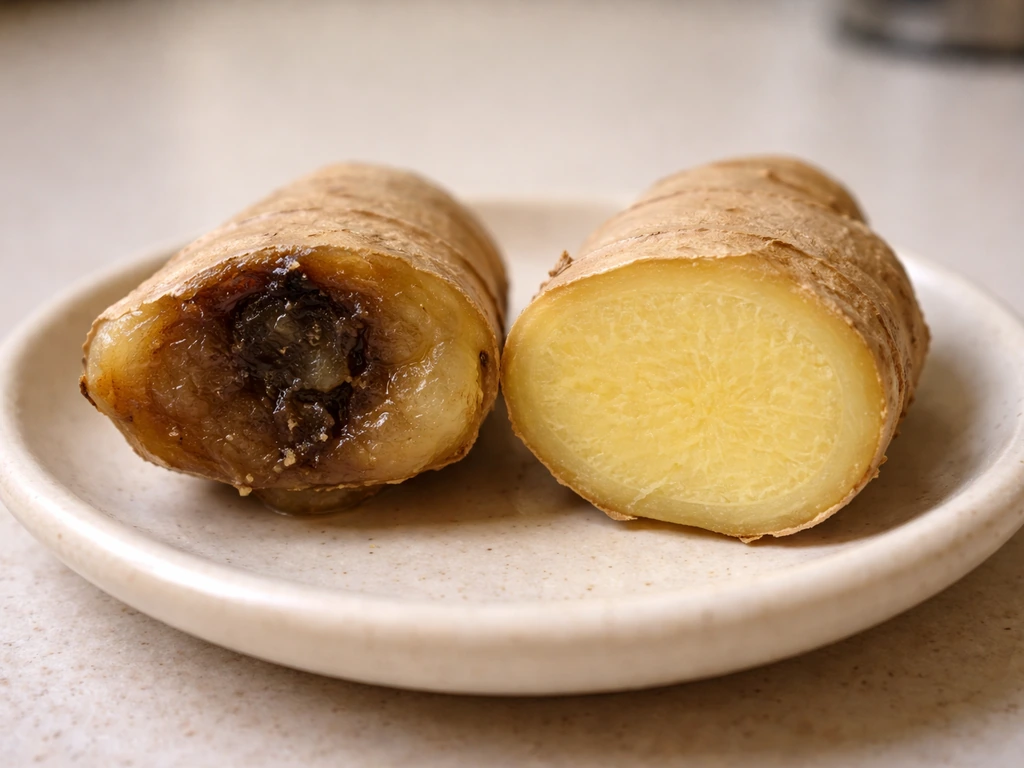
The most common reason ginger fails to sprout is cold soil. If your indoor space is below 65°F, the rhizome will just sit there doing nothing or rot. Get a heat mat under the container and make sure temperatures at the soil level are actually hitting 70 to 78°F. Also double-check that your rhizome has visible growth buds: a completely bud-free piece won't sprout no matter how warm you keep it. I've planted pieces that looked fine but had no viable eyes, and they just turned into a soggy disappointment. Another cause is rhizomes that were refrigerated before planting: cold storage kills the sprout potential.
Rhizome rot
Rot is almost always caused by overwatering or poor drainage. If you're seeing mushy, dark rhizomes, pull everything out, cut away the affected sections down to healthy tissue, dust the cuts with powdered cinnamon or sulfur to discourage further fungal spread, and let everything air out before replanting in fresh, dry soil. Going forward, water less frequently and make sure your pot has genuine drainage. A pot that drains slowly is a rot waiting to happen.
Pests and mold
Spider mites are the most common pest when ginger is brought indoors for winter or kept in dry indoor conditions. You'll see fine webbing on leaves and stippled, dull foliage. Spray the plant down with water, then apply insecticidal soap every few days until the population drops. Fungus gnats can also be a problem in overly wet soil: let the top inch of soil dry out between waterings and use yellow sticky traps. Surface mold on the soil is usually harmless but indicates too much moisture at the surface: reduce watering frequency and improve air circulation around the pot.
Yellowing or drooping leaves
Yellowing leaves on actively growing ginger usually point to overwatering, underfeeding, or insufficient light. Work through these one at a time: check soil moisture first, then consider whether you've fertilized recently, then evaluate your light setup. Drooping can also happen when ginger is moved outdoors too early into cool conditions. If temperatures drop below 50°F and your plant starts looking sad, bring it back inside and wait for a warmer stretch.
Your next steps right now
If you're reading this in April, you're at a good point in the season. Rhizomes started now will be a few weeks behind an ideal late-February start, but you can still get a solid harvest this fall if you act quickly. Order or buy rhizomes this week, get them pre-sprouting on a heat mat right away, and plan to move your container outside by late May or early June once soil temperatures catch up with the calendar. Keep them warm and fed all summer, watch for pests when you bring them back in during September, and harvest in October or November.
If you're reading this later in the summer and haven't started yet, you're cutting it close for a full harvest this year. You could still try for baby ginger or a partial harvest, but the realistic move might be to plan for next year: source good rhizomes in January, start them up in late February, and run the full season from the beginning. Ginger is genuinely worth the effort in Michigan. It just rewards the gardeners who plan ahead.
FAQ
Can I grow ginger in Michigan directly in the ground, without bringing it inside?
No. In Michigan, ginger will not survive winter in the ground because it needs a warm, frost-free, zone 8 to 10 type cycle. If you want to experiment outside, plan for a full container season first, then only try partial above-ground growing during warm months with a guaranteed indoor move before fall frost.
What container size is the minimum for ginger in Michigan?
At minimum, use about a 10 to 12 inch pot. For best results, especially in Michigan where you are extending the season, a 15 inch diameter container gives rhizomes more room and reduces stress that can come from frequent watering and nutrient loss. Make sure drainage holes are large enough that water doesn’t linger.
How do I know when it’s truly time to move ginger outdoors in Michigan?
Don’t rely only on the air frost date. Wait until soil is reliably above 55°F, and ideally closer to the high 60s°F for active growth. An easy decision aid is to monitor nighttime temperatures and only move outdoors when days and nights both stay warm for at least a week.
Will ginger grow if my indoor temperature is warm for the air but cool at the pot level?
It might not. The most common sprouting problem is cold rhizome-zone soil. Place the heat mat under the container (or use insulation under it), and confirm soil temperature with a probe so the rhizomes actually experience around 70 to 78°F.
Can I use grocery store ginger to start a plant in Michigan?
You can try, but it is riskier. Grocery ginger is often treated to slow sprouting, and it can also be less clean. If you do use it, choose the firmest pieces with visible growth buds, and consider pre-sprouting anyway to screen out non-viable rhizomes early.
How should I cut and handle ginger rhizomes to reduce rot risk?
After cutting, let pieces callus for a day or two in a dry, airy spot, then plant into fresh, well-draining mix. Keep the first watering light and avoid soaking, rot often starts when cut surfaces remain too wet or when the pot drains slowly.
Is it better to pre-sprout ginger in Michigan or start straight in soil?
Pre-sprouting is usually better in Michigan because it shortens the calendar lag and confirms viability early. If you skip pre-sprouting, you can lose weeks to slow, non-sprouting rhizomes, especially if indoor conditions cool down or you accidentally overwater.
What does overwatering look like on potted ginger, and what should I do?
Expect mushy, darkened rhizomes, persistent wilting despite wet soil, or a sour smell. If you suspect rot, remove the pot, inspect rhizomes, cut back to healthy tissue, air out, then replant into drier, fresh mix with improved drainage. Going forward, water only after the top inch dries.
Why are my ginger leaves yellowing, even though I’m watering carefully?
Yellowing can still come from insufficient light or underfeeding, not just water. If soil moisture checks out and drainage is good, increase light first (bright indirect light or a grow light) and then consider feeding once shoots are well established, containers lose nutrients quickly.
How do I prevent spider mites when ginger comes indoors for winter?
Check leaves early when you bring the plant in (especially the undersides). If your home is dry, increase humidity around the plant, rinse leaves gently, and isolate the pot for a few days if you see stippling or webbing so mites do not spread to other houseplants.
Can I harvest ginger more than once in Michigan?
Yes, you can do a partial or “baby ginger” harvest by digging around the edges and removing smaller rhizomes while leaving the rest to mature. For a full harvest, wait until foliage yellows and dies back naturally, that’s when rhizomes are mature enough to cure and store better.
Should I refrigerate ginger rhizomes I plan to replant next season?
No. Don’t refrigerate replant stock. Store replanting rhizomes in a cool, dry place (around 50 to 60°F) in paper or dry conditions so they remain viable and dry enough to sprout when you restart in late February.
I started ginger in April. Can I still get a worthwhile harvest in Michigan?
You can, but you’ll likely be behind schedule. The most realistic approach is pre-sprout immediately, move outdoors once soil warms (not just after the date passes), keep feeding through summer, and target a partial harvest or faster baby ginger. For a full harvest next year, start the cycle earlier in late winter.
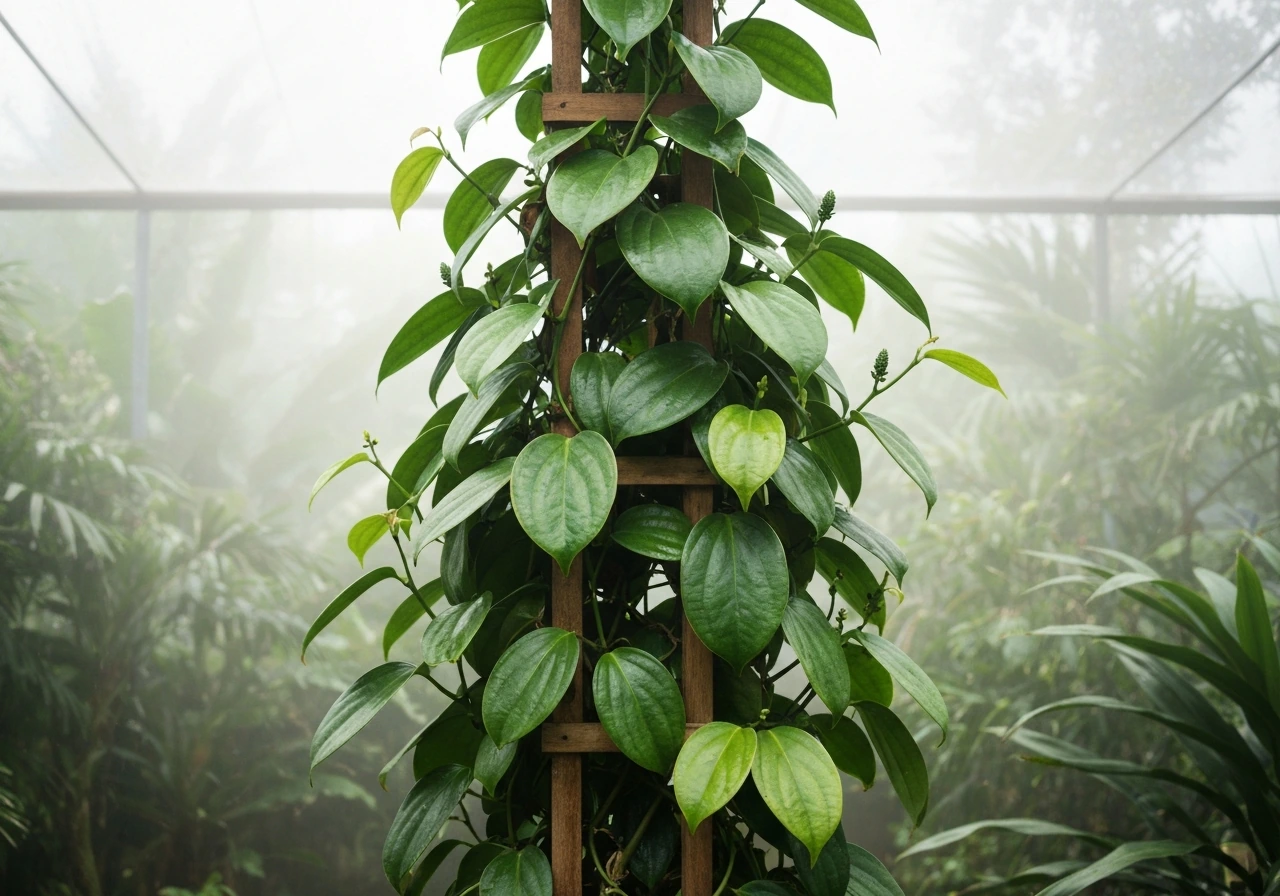
Learn where black pepper can be grown in the US and how to grow it indoors or in warm zones for fruit.

Regional guide to growing caper plants in the US, choosing cultivars, meeting soil and climate needs, and harvesting bud
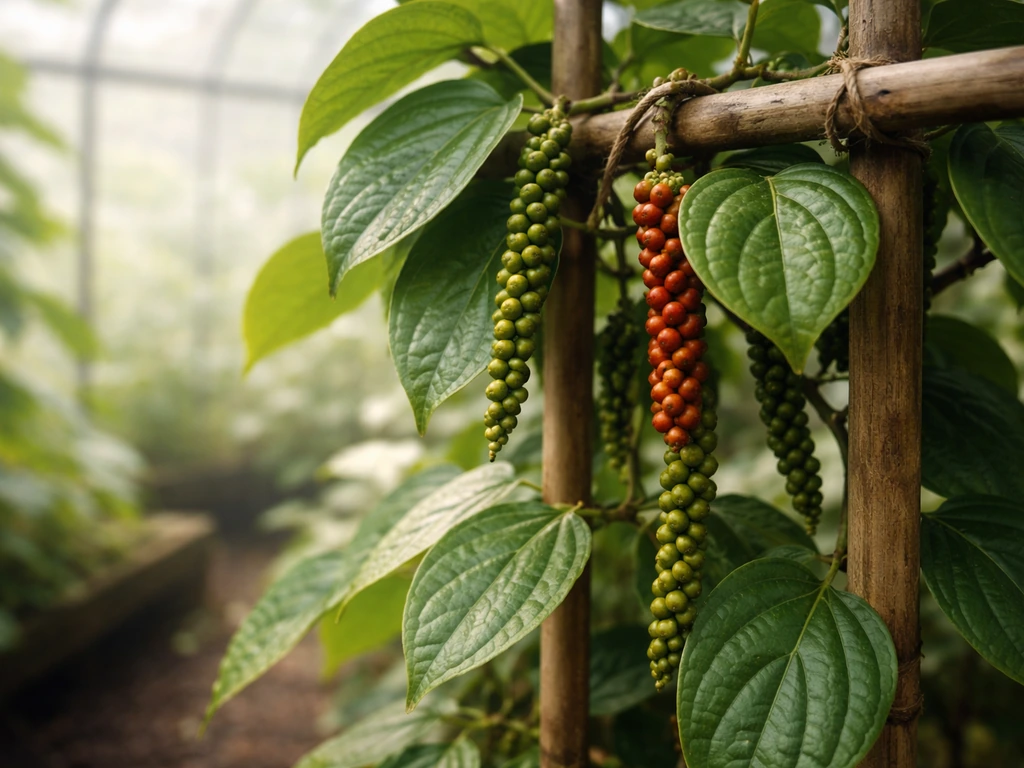
Zone-by-zone guide to growing black pepper peppercorns in the US, including heat, humidity, indoor options, and timeline