
Yes, you can absolutely grow stevia at home in the U. If you are wondering whether khat can grow in the US, it depends heavily on the climate and local regulations rather than just having a sunny spot grow stevia. If you're wondering can you grow kava in the US, the climate and container setup matter a lot as well, because kava has its own temperature needs grow stevia. S. It does well as an annual in most of the country and as a true outdoor perennial in USDA zones 8 through 11. If you live somewhere colder, you just grow it during the warm season and either treat it as a yearly replant or bring it indoors before the first frost. Stevia.org also advises bringing stevia plants indoors when nighttime temperatures start dropping to prevent frost damage bring it indoors before the first frost. Either way, harvesting your own sweet leaves is very doable with a sunny spot and a little timing awareness.
Can You Grow Stevia at Home? Start-to-Finish Guide
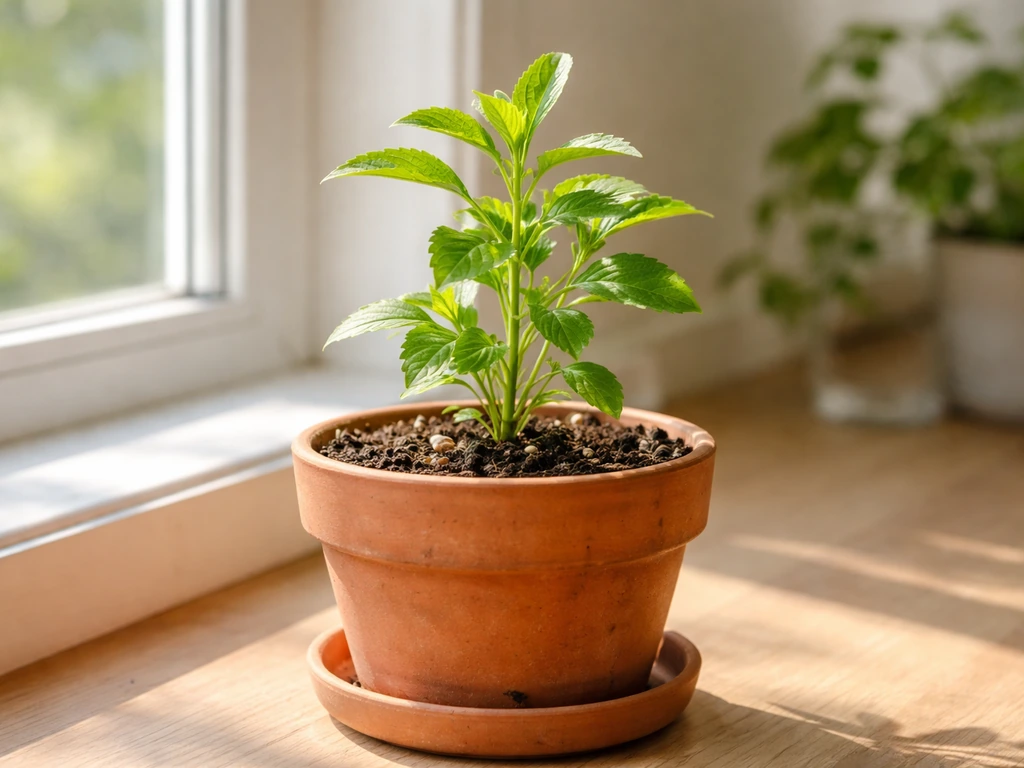
Which stevia to grow (this matters more than you'd think)
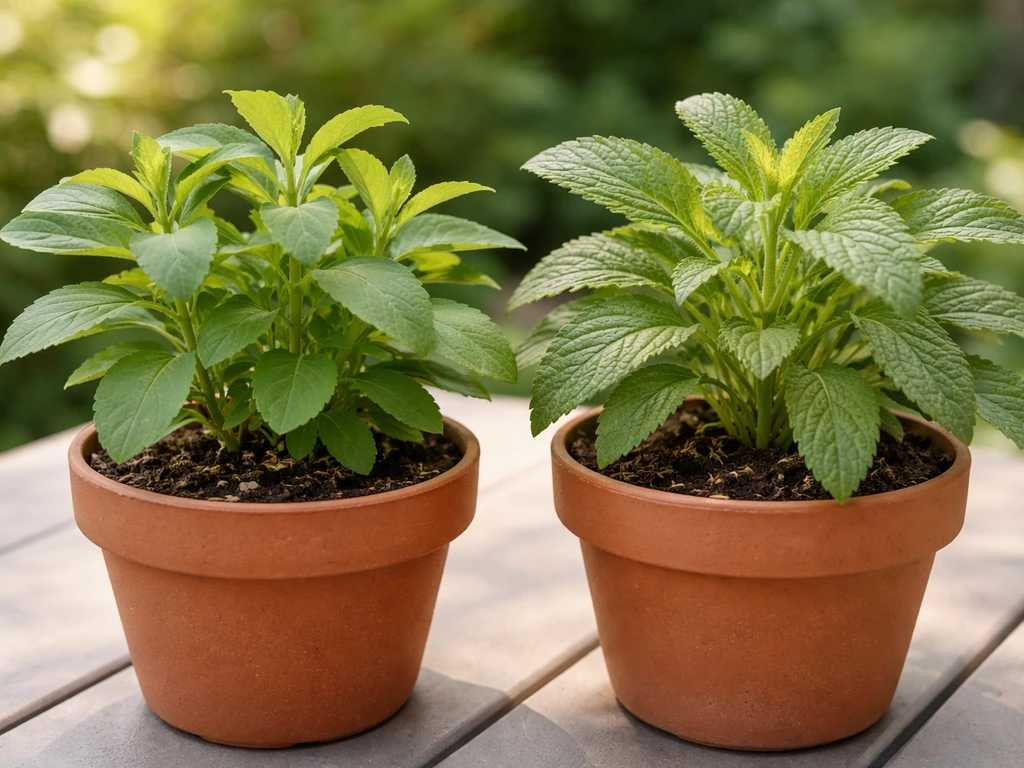
Not all stevia is equal for sweetness. The species you want is Stevia rebaudiana, not other ornamental or wild stevia relatives. It's the one bred specifically for steviol glycosides, the compounds that make the leaves taste sweet. When you're buying seeds or starter plants, confirm you're getting Stevia rebaudiana. If the label just says "stevia" without the species name, ask or check the product details. Getting this right upfront saves a lot of confusion when your leaves don't taste like much.
Where in the U.S. stevia grows best
Stevia is a warm-climate plant, originally from subtropical South America. In the U.S., the sweet spot for outdoor growing without any special management is USDA zones 8 through 11, which covers much of the South, the Gulf Coast, Southern California, Arizona, and Hawaii. In those zones, stevia can behave as a perennial and survive winter outdoors, especially with a thick layer of mulch to protect roots in zone 8 where light frosts do occur.
Everywhere else, including the mid-Atlantic, Midwest, Pacific Northwest, and Northeast, you grow it as a warm-season annual. That's not a dealbreaker at all. I've grown stevia in zone 6 conditions and still pulled decent harvests. You just need to start plants early indoors and work within your frost-free window. The shorter your growing season, the more important it is to get seedlings in the ground as soon as it's safe, because stevia is ready to harvest about 40 days after transplanting.
| Region / Zone | Outdoor Feasibility | Strategy |
|---|---|---|
| Zones 9–11 (Gulf Coast, S. California, Hawaii) | Excellent – true perennial outdoors | Plant in ground, minimal winter management |
| Zone 8 (parts of South, Pacific NW coast) | Good – survives most winters with mulch | Heavy mulch over roots; may die back and regrow |
| Zones 6–7 (Mid-Atlantic, Midwest, parts of South) | Annual only outdoors | Start indoors 6–8 weeks before last frost; treat as annual |
| Zones 4–5 (Upper Midwest, Northeast, Mountain West) | Short-season annual or container | Start early indoors; harvest by late summer; overwinter indoors |
| Zone 3 and colder | Container growing strongly preferred | Grow in pots, move indoors before nights drop below 45°F |
Seed vs. starter plants: which way to go
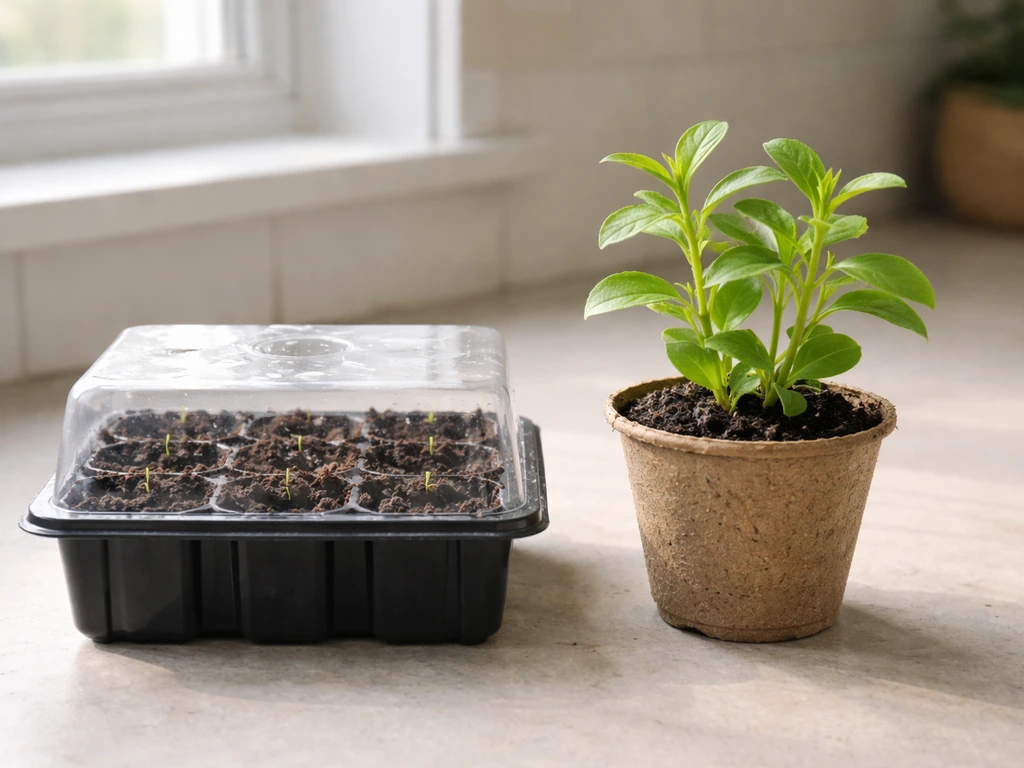
Starting stevia from seed is possible but genuinely finicky. Seeds have low and inconsistent germination rates, and they need light to sprout, meaning you press them into the surface of the soil and don't cover them. Keep soil temperature between 70 and 75°F and expect germination somewhere between 7 and 21 days, though some seeds take longer or don't sprout at all. I killed a few batches early on by covering the seeds or letting the soil cool too much at night. If you go the seed route, sow 6 to 8 weeks before your last frost date indoors, and sow more than you think you need to account for low germination rates.
Honestly, if this is your first time growing stevia, buy a starter plant. It's faster, more reliable, and gets you to harvest sooner. Many garden centers carry Stevia rebaudiana transplants in spring, and online herb nurseries stock them reliably. Starting from a purchased plant is the practical choice for most home gardeners, especially if your season is short.
If you do start from seed, here's the process
- Start seeds indoors 6 to 10 weeks before your last frost date.
- Press seeds onto the surface of a moist, well-draining seed-starting mix. Do not cover them with soil.
- Keep the tray at 68 to 75°F (20–24°C) with consistent light. A heat mat under the tray helps.
- Expect germination in 7 to 21 days. Some seeds will lag further.
- When seedlings have at least 3 pairs of true leaves, pot them up into 3- to 4-inch containers.
- At about 3 to 4 weeks old, feed with a half-strength complete fertilizer once.
- Harden off seedlings outdoors for a week before transplanting after last frost.
What stevia actually needs to thrive
Sunlight
Full sun, no compromise. Stevia wants at least 6 to 8 hours of direct sunlight per day. Less than that and you'll get leggy, weak plants with fewer leaves and less sweetness. If you're growing indoors or on a porch, put it in the sunniest spot you have, south-facing if possible.
Temperature
Stevia will not tolerate temperatures below 45°F (7°C). That's the hard cutoff. Frost will kill it outright. Don't transplant outdoors until nighttime temperatures are consistently above that threshold, which usually means a week or two after your official last frost date to be safe. On the other end, stevia handles summer heat well as long as it has consistent moisture.
Soil
Well-drained soil is non-negotiable. Stevia doesn't like wet feet and will develop root problems in heavy clay or poorly draining ground. It doesn't need rich soil and actually doesn't need much fertilizer at all. A loose, sandy loam or amended garden soil with good drainage is ideal. If you're planting in the ground in heavy soil, work in some compost or coarse sand to improve drainage before planting.
Watering
Water consistently but don't overdo it. Stevia prefers evenly moist soil, not saturated. In containers especially, let the top inch of soil dry slightly between waterings. During hot stretches, container plants may need daily watering. In the ground, established plants are somewhat drought tolerant once settled but do better with regular moisture during the growing season.
Container vs. ground growing
For most of the U.S., containers are the more practical choice because they give you the ability to move plants in response to weather. If frost threatens, you bring the pot inside. If summer gets too hot and dry in a particular spot, you can shift it somewhere better. Johnny's Selected Seeds recommends a pot at least 14 inches across to give roots enough room, and that tracks with my own experience. Anything smaller and the plant gets rootbound quickly and dries out too fast.
If you're in zones 8 through 11 and want to plant in the ground, go for it. In California, that same approach can work well if you can provide enough sun and protect the plant from frost can you grow ube in california. Space plants about 18 inches apart to give them room to fill out. Stevia can reach 1 to 2 feet tall and becomes a tidy, bushy herb if you pinch it regularly. In the ground in warmer zones, it's genuinely low-maintenance once established.
One thing worth knowing about containers in colder climates: the roots in a pot experience close to the same temperature as the outside air in winter, unlike roots in the ground which get insulation from soil mass. That means a container plant sitting on a cold porch in January is essentially exposed to killing temperatures at the root level. If you're overwintering a container stevia indoors, bring it inside well before hard frost and keep it in a warm, bright spot, not a cold garage.
Problems to watch for, when to harvest, and overwintering
Common pest and disease issues
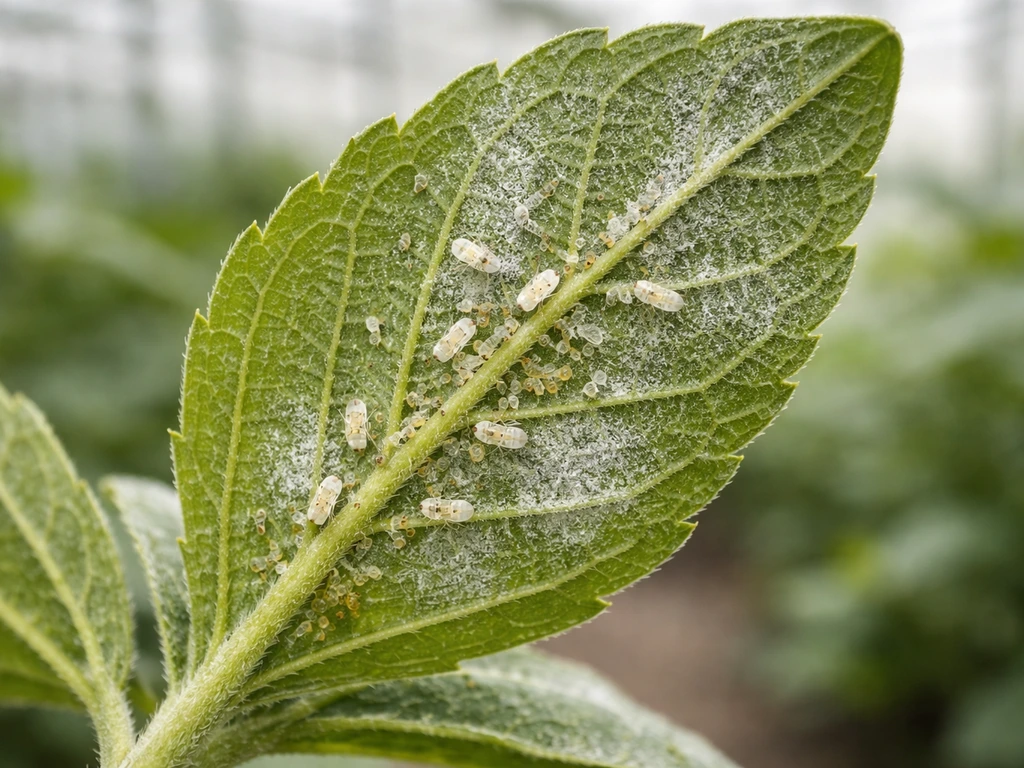
Stevia is not particularly pest-prone outdoors, but whiteflies can be a real problem, especially on container plants moved indoors or grown in greenhouse conditions. Check the undersides of leaves regularly. Outdoor populations are often kept in check naturally by predators, but indoor plants are more vulnerable. If you see clouds of tiny white insects when you disturb the plant, act quickly with insecticidal soap or neem oil before the infestation gets established.
On the disease side, powdery mildew can show up in humid conditions or when air circulation is poor. Keep plants well-spaced and avoid overhead watering. Leaf spot and gray mold have also been documented on stevia under wet or crowded nursery conditions, so good airflow and avoiding waterlogged soil goes a long way toward prevention.
When and how to harvest
Plan to harvest starting about 40 days after transplanting if you're doing a light, ongoing harvest. The best time to do a main harvest is just before the plant starts to flower, because the leaves are sweetest at that point and flowering can introduce bitterness. Pinch back flower buds as they appear to keep the plant in leaf production mode and encourage bushy growth. When you're ready to harvest for drying, cut whole stems on a dry morning, crush the leaves thoroughly, and store them in an airtight container. You can dry them in the sun or in a low-heat oven.
If frost is forecast, don't wait. Cut a good harvest before it arrives, then either cover the plant or bring it inside. A frost-killed plant is a lost harvest.
Overwintering options for colder zones
In zone 8, you can often overwinter stevia in the ground if you bury the root zone under a thick mulch layer of several inches. It may die back to the ground but resprout in spring. North of zone 8, outdoor overwintering isn't reliable. Your best option is to bring a container plant inside before the first frost and treat it as a houseplant through winter in a warm, sunny window. Come spring, stems that survived indoors can be cut and used to propagate new plants, which is actually a more reliable way to get next year's garden going than starting fresh from seed every year.
Ready to get started? Here's your checklist
- Confirm your USDA hardiness zone and last frost date before buying anything.
- Source Stevia rebaudiana specifically, either as seeds or a starter plant from a garden center or online nursery.
- If starting from seed, sow indoors 6 to 10 weeks before last frost on the soil surface (don't cover seeds) at 70–75°F.
- If buying a transplant, wait until nighttime temps are reliably above 45°F before putting it outside.
- Choose a container at least 14 inches across with well-draining potting mix, or prep a sunny, well-drained garden bed.
- Place in full sun (6 to 8 hours minimum) and water consistently without waterlogging the roots.
- Pinch back flower buds as they appear to keep leaves sweet and encourage bushy growth.
- Plan your first harvest around 40 days after transplanting, ideally just before flowering begins.
- If you're in zones 6 or 7 and want to keep the plant over winter, bring containers inside before the first frost and overwinter in a bright, warm spot.
Stevia is worth growing if you have a sunny spot and even a modest warm season. For example, if you want to grow cassava in the U.S., you'll need the right warm conditions or you may need to treat it like a container crop sunny spot and even a modest warm season. It's not fussy about soil, doesn't need heavy feeding, and gives you a genuinely useful harvest in a single season. The main thing to get right is timing: start early, protect from cold, and harvest before flowering. If you can manage those three things, you'll end up with more sweet leaves than you expected. It's one of those crops that rewards a little planning with a pretty satisfying payoff.
FAQ
Can you grow stevia indoors, year-round, without a garden?
Yes, but it will limit how much you can harvest and how sweet the leaves get. If you are determined to grow stevia indoors year-round, choose a very bright window (often south-facing) and expect slower growth. For containers, keep the soil barely moist, rotate the pot weekly toward the light, and use a grow light if your daylight hours are under about 10 to 12 hours.
What’s the easiest way to get more stevia plants for next year?
Propagation from stem cuttings is usually more reliable than seed and gives you the same plant genetics as your starter. Take cuttings, keep them warm and humid until roots form, then transplant when you can provide consistent warmth and light. This is especially useful in colder areas where you want the plant to return year after year without relying on overwintering outdoors.
Why won’t stevia seeds germinate reliably, and what should I change?
If you cover stevia seeds during sowing or let the seed tray get too cool at night, germination commonly fails or becomes uneven. Use a shallow sowing method, press seeds lightly to contact the surface, keep soil in the 70 to 75°F range, and do not bury them.
My stevia tastes bland. How do I know if I bought the wrong plant?
A common mistake is assuming “any stevia plant” will taste sweet. Only Stevia rebaudiana is typically bred for the sweet steviol glycosides you want. If your leaves taste bland, check the plant label for the species name, because some ornamental relatives look similar but have different chemistry.
Can you grow stevia in colder climates like zone 6 without losing the whole plant?
Yes, but you need to manage it like a warm-season crop. In zone 6 and similar climates, start indoors early so transplants go out as soon as nighttime temperatures stay safely above about 45°F. Also plan to harvest before flowering, since you may not get a full perennial-style season before cool weather returns.
How much fertilizer should I use on stevia, and what happens if I overfeed it?
Fertilizer is optional, and too much can actually reduce flavor intensity and increase soft growth that invites disease. Use only light feeding if the plant looks pale, and avoid high-nitrogen lawn-type fertilizer. Focus on drainage and consistent moisture first.
When is the best time to harvest stevia for sweetness, and how do I avoid bitterness?
For the most even sweetness, harvest just before flowering rather than after buds open. Do not expect the same flavor from every leaf at every stage, so do small cut-and-dry batches during peak leaf production. Pinching early flower buds helps keep the plant focused on leaf growth.
What should I do if I see powdery mildew on my stevia?
In humid or crowded conditions, powdery mildew risk rises, even if you are not overwatering. Increase airflow by spacing plants properly, avoid watering overhead, and water at the base. If you notice mildew starting, improve ventilation immediately rather than waiting.
Can I move my potted stevia around to manage weather and sun?
Yes, and containers are also the easiest way to recover from weather mistakes. Choose a pot large enough to prevent root-heat stress, keep it sheltered from cold drafts, and you can move the plant to a warmer, brighter spot when nights dip. This “weather mobility” helps keep leaves growing instead of stalling.
Does mulching guarantee stevia survival through winter?
Yes, but “mulch” doesn’t make stevia cold-proof in all climates. In zone 8, thick mulch over the root zone can help it survive winter down to light frosts, but north of that it often fails outdoors. For colder areas, overwinter the plant indoors in a warm, bright location before hard frost.
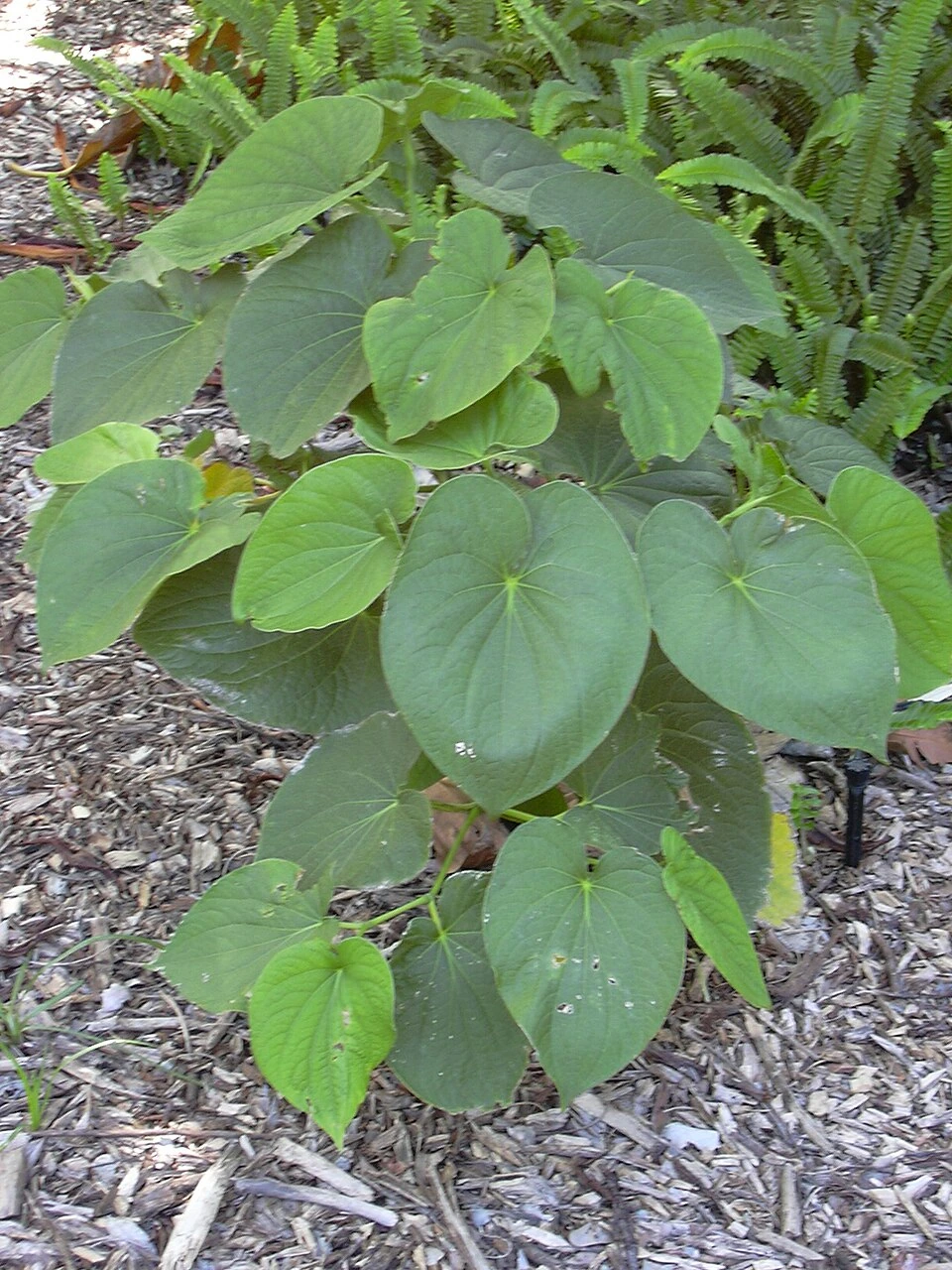
Learn if you can grow kava in the US, with climate targets, care needs, frost rules, and indoor vs outdoor options.
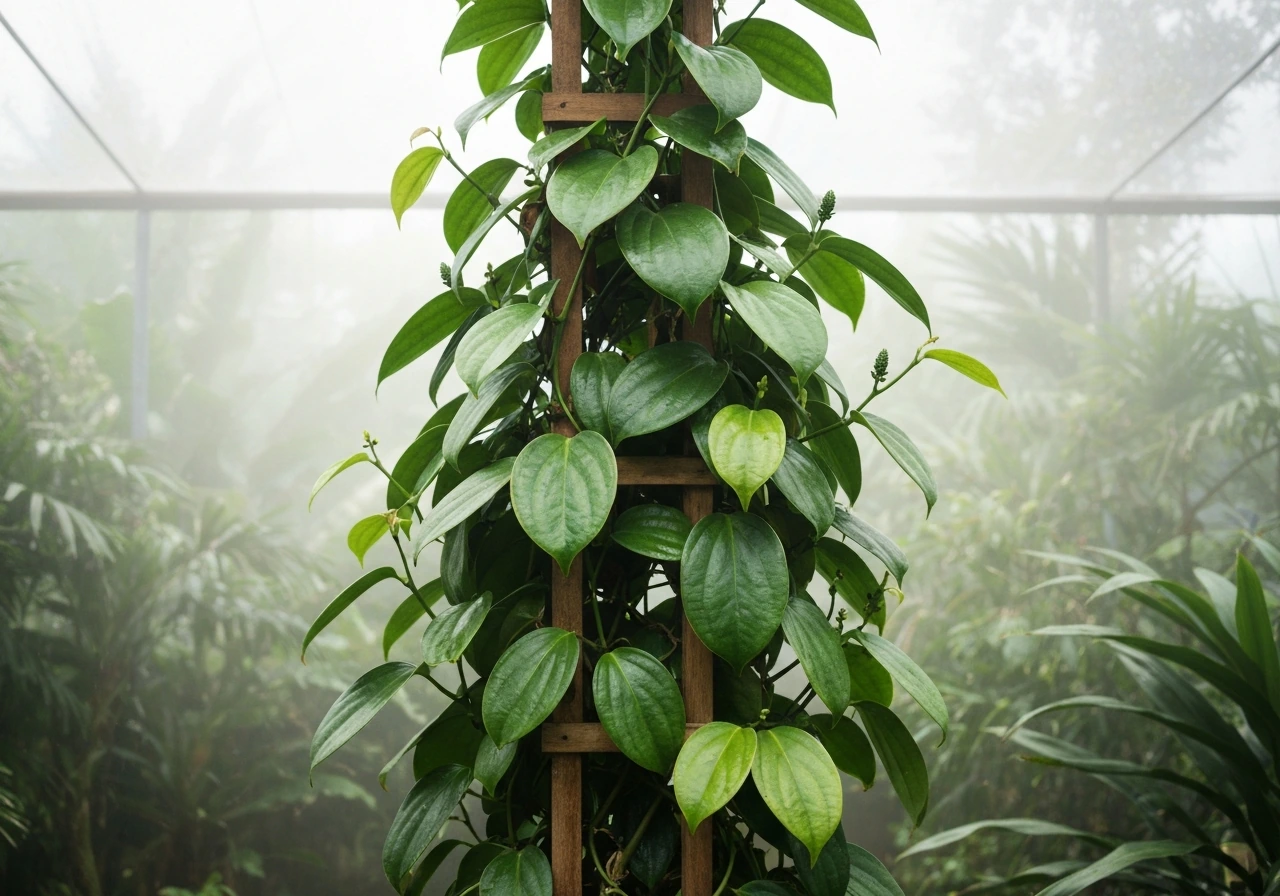
Learn where black pepper can be grown in the US and how to grow it indoors or in warm zones for fruit.

Regional guide to growing caper plants in the US, choosing cultivars, meeting soil and climate needs, and harvesting bud