
Yes, you can absolutely grow sage at home, and it's one of the easier herbs to get established across most of the U. S. Culinary sage (Salvia officinalis) is a tough, drought-tolerant, semi-woody perennial that thrives in Zones 4 through 8 with minimal fuss. Can you grow sassafras?
Can You Grow Sage? How to Grow It at Home in the US

Marcus Petersen
19 May 2026
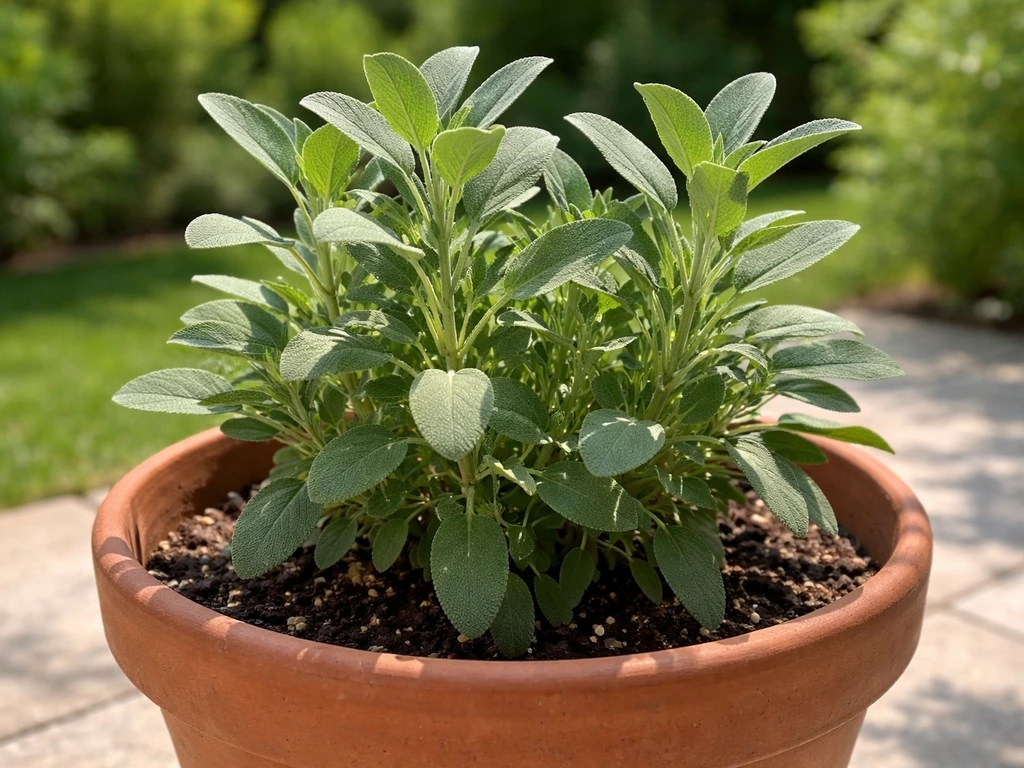
does sassafras grow in michigan Can you grow sassafras? . Sassafras is a different plant from culinary sage, and you should check local conditions to see if it can grow in Colorado grow sassafras. It’s a totally different tree, so plan for shade tolerance, long-term care, and patience sage at home.
Outside that range, it still works, you just have to adjust your approach. If you've got a sunny spot and decent drainage, you're most of the way there.
Pick the right sage and how you'll start it
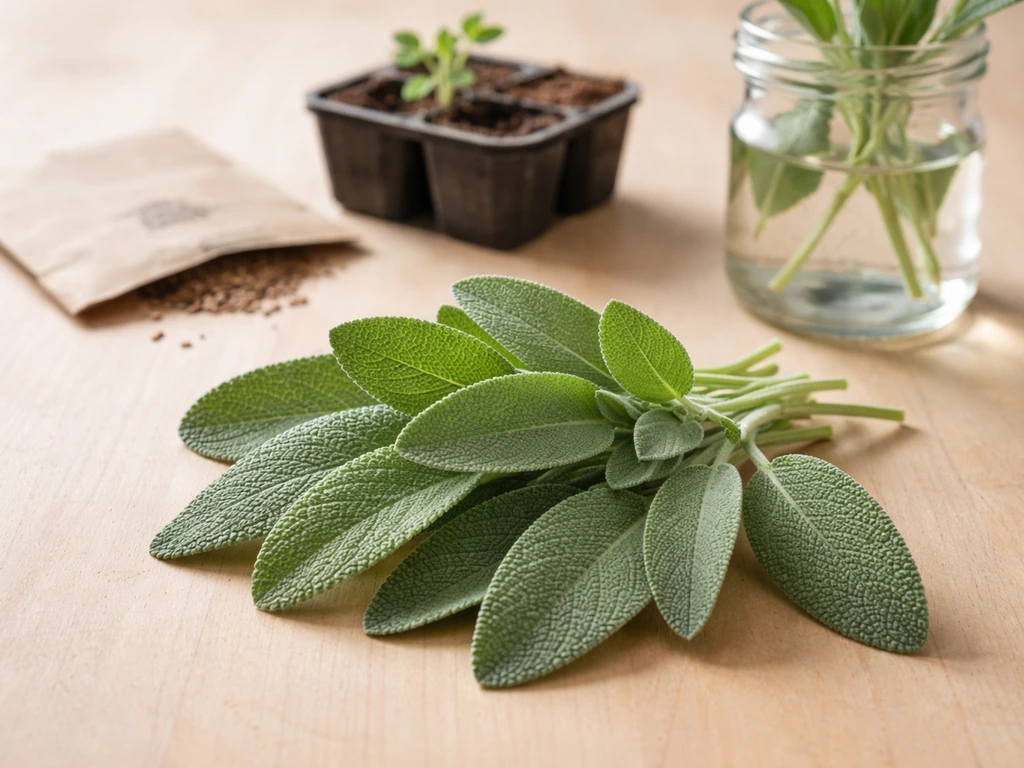
When most people search for growing sage, they mean common culinary sage (Salvia officinalis), the grayish-green, velvety-leaved plant used in stuffing, butter sauces, and teas. That's what this guide focuses on. There are also ornamental sages (like Salvia nemorosa) and tender perennial sages used in landscaping, but if you want to cook with it, you want officinalis. The variety 'Berggarten' is a great choice if you want bigger leaves and less flowering; 'Purpurascens' (purple sage) and 'Icterina' (golden sage) are culinary too, just prettier on the plate.
For starting plants, you have three options: seed, nursery transplants, or cuttings. Each has tradeoffs.
| Method | Best For | Time to Harvest | Difficulty |
|---|---|---|---|
| Seed | Patient growers, budget-conscious | 75–90 days from germination | Moderate (slow germinator) |
| Nursery transplant (seedling) | Fastest path to usable plants | 4–6 weeks after planting | Easy |
| Stem cuttings | Propagating from a plant you already have | 6–10 weeks to rooted cutting | Easy to moderate |
If this is your first time growing sage, buy a transplant. Seriously. Sage seeds are notoriously slow and uneven germinators, I've waited three weeks just to see spotty sprouts. Starting from a 4-inch nursery pot gives you a head start of several weeks and almost always produces a stronger first-year plant. Once you have an established sage, take cuttings in late spring each year to multiply your stock for free. To take a cutting, snip a 3 to 4 inch stem just below a leaf node, strip the lower leaves, and stick it in moist potting mix or a glass of water. Roots usually appear in two to three weeks.
What sage actually needs from your site
Sage wants full sun, at least 6 hours, preferably 8. It'll survive in partial shade but the leaves lose intensity, the stems get leggy, and you'll have more disease trouble. This is non-negotiable if you want flavorful harvests.
Soil drainage is equally important, and honestly it's where most people fail. Sage is Mediterranean in origin and expects lean, gritty soil that dries out between waterings. Heavy clay that stays soggy after rain is a death sentence, especially through winter. If your native soil is dense, either amend it heavily with coarse sand and compost before planting, or skip the ground entirely and use a container with drainage holes. Illinois Extension puts it plainly: sage only performs as a perennial when it has very well-drained soil, particularly during the cold months.
For watering, the default rule is: water deeply, then wait. Let the top inch or two of soil dry out before watering again. In humid climates like the Southeast or Mid-Atlantic, you may barely need to water at all once plants are established, but you do need to watch for fungal issues. In hot, dry climates like the Southwest, water more frequently in summer but always let drainage happen.
Getting it in the ground (or pot): timing and setup
Timing
For most of the U.S., late spring after your last frost is the safe planting window for outdoor sage. If you're starting seeds indoors, begin 6 to 8 weeks before your last frost date. In Zones 8 through 10 (the Deep South, much of Texas, Arizona, Southern California), you can also plant in early fall and grow through winter, avoiding the brutal summer heat where sage goes dormant or dies back. If you're wondering does sassafras grow in California, it can, but its requirements differ from common herbs like sage.
In-ground planting
Space plants 18 to 24 inches apart, sage spreads outward as it matures and gets good air circulation that way. Dig a hole twice as wide as the root ball, mix some coarse sand or perlite into heavy soils, and plant at the same depth as the nursery pot. A light mulch of gravel or coarse bark around the base (not piled against the stem) helps drainage and keeps moisture-related diseases at bay.
Container growing
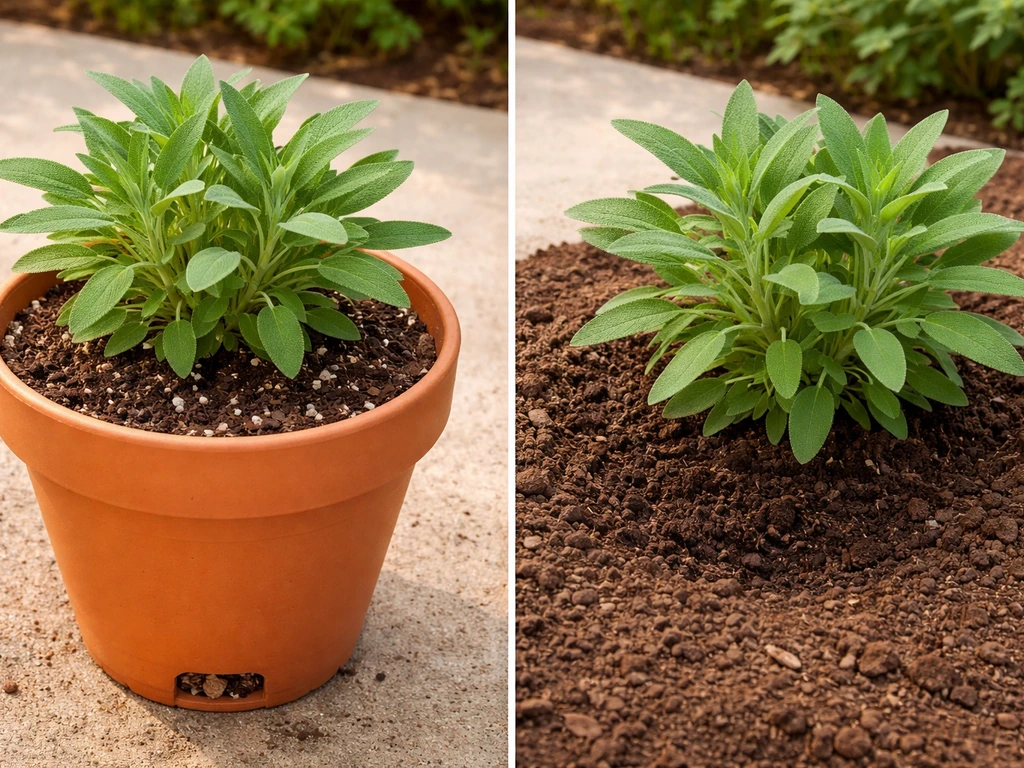
Sage does very well in containers, which is actually the best option for gardeners in Zones 3 and under, in humid southern climates with poor drainage, or anyone who wants to bring plants indoors for winter. Use a terracotta or unglazed clay pot at least 12 inches wide and deep, with multiple drainage holes. Fill with a well-draining mix, standard potting mix cut with 25 to 30 percent perlite works well. One plant per 12-inch pot is plenty; sage roots like to spread horizontally.
Keeping sage healthy and productive all season
Sage is genuinely low maintenance once established. It doesn't need rich soil or frequent fertilizing, too much nitrogen produces lush, weak growth with less flavor. A single light application of balanced fertilizer in spring is enough. Skip the mid-season feeding.
The most important ongoing task is pruning. Sage gets woody and leggy fast if you ignore it. In early spring, cut the plant back by about one-third to encourage fresh growth from the base. After the plant flowers (it produces small purple-blue flowers in late spring), cut the flower stalks back to keep energy going into the leaves. University of Wisconsin-Madison Extension specifically calls out legginess and unwanted flowering as the main reasons home growers end up with unproductive plants, regular cutting prevents both. Don't be shy about harvesting leaves throughout the season, either. That counts as pruning.
One more thing to plan for: sage is a short-lived perennial. University of Maryland Extension recommends replacing plants every 3 to 4 years, and that's realistic advice. By year 3 or 4, most plants get increasingly woody, sparse, and less flavorful. The good news is that by then you'll have plenty of experience taking cuttings to start fresh replacements.
What to do when things go wrong
Seeds aren't germinating
Sage seeds are slow and fussy. Germination typically takes 14 to 21 days, sometimes longer. They need consistent warmth (around 65 to 70°F) and light moisture, not soggy. If nothing's happening after three weeks, check soil temperature and make sure the seeds weren't buried too deep (they want barely a quarter-inch of cover). Soaking seeds in warm water for a few hours before planting can help.
Plants are getting leggy
Legginess usually means not enough sun or not enough pruning. Move containers to a sunnier spot and cut the plant back hard in early spring. If it's in the ground in a shady location, that's a tougher fix, consider transplanting it, or at minimum start pruning more aggressively.
Root rot and crown rot
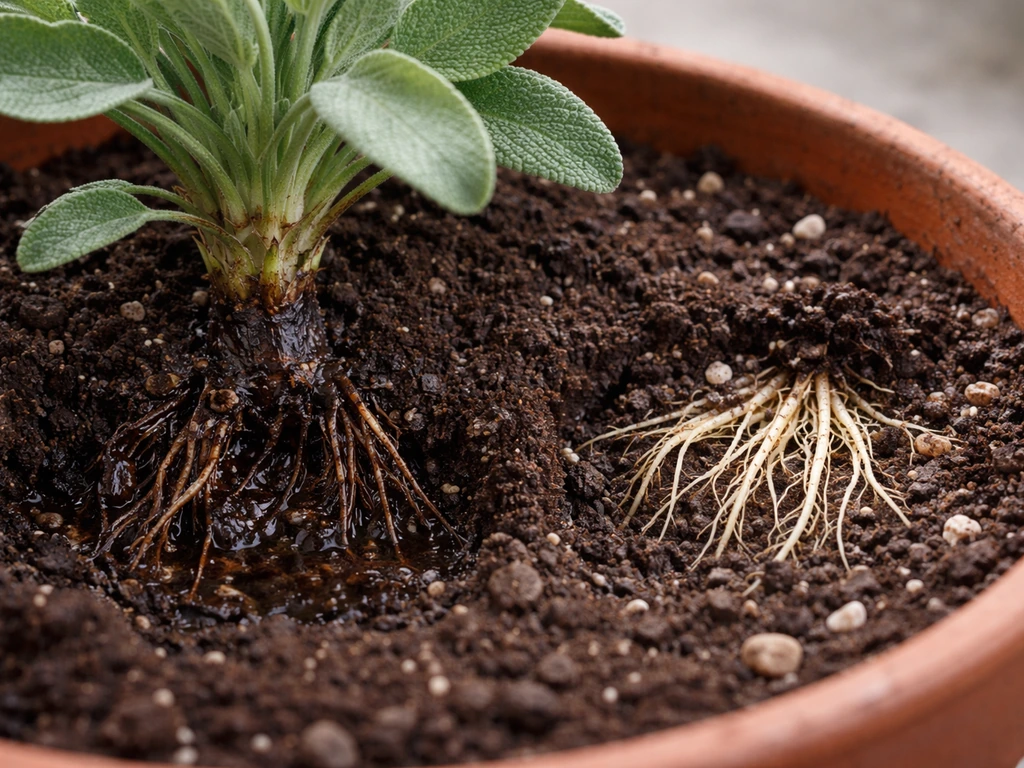
This is the most common way to lose sage, and it almost always comes down to drainage. If a plant wilts even when the soil is moist, or if the base of the stem looks dark and mushy, you've got rot. There's no saving a severely affected plant, pull it and improve drainage before replanting. Prevention is everything: raised beds, amended soil, containers with drainage holes, and not overwatering.
Pests and diseases
Sage is generally pest-resistant, which is one of its best qualities. The main issues are spider mites in hot, dry conditions (rinse foliage with water and improve air circulation) and powdery mildew in humid climates (improve spacing and airflow, avoid wetting leaves). Slugs occasionally go after young plants, a ring of coarse sand or diatomaceous earth around the base deters them.
Overwintering sage by region
How you handle sage through winter depends almost entirely on where you live. Here's the practical breakdown by zone.
| U.S. Region / Zone | What Sage Does in Winter | What You Should Do |
|---|---|---|
| Zones 6–8 (mid-Atlantic, mid-South, Pacific NW, much of Midwest) | Dies back but roots survive; evergreen in mild winters | Mulch heavily with straw or shredded leaves after hard frost; cut back in spring |
| Zone 5 (upper Midwest, northern New England) | Roots may survive with protection | Apply 4–6 inches of mulch after ground freezes; plant in raised beds with excellent drainage; expect some loss |
| Zones 3–4 (Minnesota, northern Wisconsin, Montana) | Often killed to the roots or fully | Grow in containers; bring indoors before first frost; keep in a cool, sunny window over winter |
| Zones 9–10 (Southern California, Gulf Coast, South Texas, South Florida) | Sage may struggle in summer heat and humidity | Plant in fall; grow through winter as an annual or short-lived perennial; ensure excellent drainage; replace frequently |
| Zone 8b–9a (Central Texas, Arizona, inland Southeast) | Semi-evergreen; struggles in humid summers | Plant in fall or early spring; grow in containers for drainage control; mulch lightly in winter frost events |
For container growers overwintering indoors: don't expect the plant to thrive, it just needs to survive. Keep it in the coolest, sunniest spot you have (a south-facing window or under a grow light), water very sparingly (once every 10 to 14 days), and don't fertilize. Cut it back by a third before bringing it in. Resume normal care when nighttime temps reliably stay above 40°F and you move it back outside.
Bottom line: sage is worth growing for almost every U.S. gardener. If you're in Zones 4 through 8, plant it in the ground with good drainage and nearly forget about it. If you're in a colder or hotter zone, grow it in a container and adjust for your season. It's not a difficult herb, just one that punishes waterlogged soil and neglected pruning. Get those two things right and you'll have flavorful, productive plants with very little work.
FAQ
Can you grow sage indoors, and will it still be good for cooking?
Yes, but it is easy to overdo. Thin, young sage leaves are fine to eat, but for the best flavor, harvest a few sprigs at a time once plants are established (after the first growing season for new transplants). Avoid stripping more than about one-third of the plant in a single month, and always leave enough foliage so the plant can regrow.
Why does my sage get woody and leggy even though I water it correctly?
You can, and basil-like “pinch and keep going” works, but there’s a key difference: sage needs hard light. Aim for the brightest window you have, or use a grow light so you get long daily light. Also, don’t keep the pot constantly moist, let the top inch dry out, and choose a container with drainage holes (indoor rot is a common failure).
What’s the best way to prevent rot when rainy weather hits?
Check two things first. If the plant is not getting at least about 6 to 8 hours of sun, it will stretch and thin. If it is getting enough sun, then it likely needs more frequent cutting, including an early-spring trim and removal of flower stalks so energy goes into new leaf growth.
Can I grow sage from seed successfully, or should I buy a transplant?
Improve drainage before the next storm rather than “trying to water less.” Raised beds, gritty amendments, and containers with multiple drainage holes are the most reliable fixes. If the crown stays wet for days, consider switching to a container or relocating to a raised spot, since sage is especially vulnerable in cold, soggy soil.
How often should I fertilize sage, and what if my plant looks lush but tastes weak?
You can grow from seed, but it requires patience and stable conditions. Use barely covered seed (about a quarter-inch or less), keep temperatures around 65 to 70°F, and avoid soggy soil, since seeds can stall or rot. If after three weeks nothing appears, verify soil temperature and seed depth before re-seeding.
Is it normal for sage to die back in summer in hot climates?
Keep feeding minimal. Too much nitrogen produces soft, fast growth with less intense flavor. In most cases, one light, balanced feeding in spring is enough, skip mid-season fertilizer, and consider using a leaner mix next time (more perlite, less rich compost).
How do I overwinter sage that’s in the ground but my winters are wet?
In very hot zones, sage can go dormant or partially die back when heat peaks. The practical approach is to keep it well-drained, water only as needed (deep and then dry), and avoid heavy mid-season feeding. In many cases it bounces back when temperatures cool and light levels remain strong.
What size container should I use for sage, and how many plants per pot?
Treat drainage as the main winter protection. If your ground stays wet, use a raised bed approach or plant in a very well-drained spot with improved soil structure. Avoid piling mulch against the stem, and consider a gravel-coarse mulch layer that helps keep the crown drier during repeated freeze-thaw cycles.
My sage has powdery mildew, what should I do without ruining the plant?
Use a pot at least 12 inches wide and deep with multiple drainage holes. Sage prefers spreading roots horizontally, so one plant per 12-inch container is the safe default. Wider is usually better if you want fewer issues with drying and airflow.
Can I propagate sage, and when is the best time to do it?
Start by improving airflow and stopping leaf wetting, since sage mildew is often tied to humidity and crowded spacing. Remove heavily affected leaves, water at the soil level instead of overhead, and make sure plants (or container spacing) have room to dry quickly. In the future, prune earlier and avoid excess nitrogen so foliage stays less dense.
How do I know when it’s time to replace my sage plants?
Yes. Late spring cuttings are the easiest. Take a 3 to 4 inch cutting just below a leaf node, strip lower leaves, and root in moist potting mix or water. Expect roots in about two to three weeks, then move to brighter light gradually so new growth doesn’t stall.
What’s the difference between culinary sage and ornamental sages if I’m buying plants?
A common sign is increasing woodiness and fewer flavorful leaves by years 3 to 4. If harvests get sparse, growth looks thin, and the plant struggles to respond even after pruning, plan to restart with cuttings and replace the older plant.
Can sage handle partial shade?
Not all sages are the same for cooking. Culinary sage typically refers to Salvia officinalis, while many ornamental types have different leaf texture or flavor and are grown primarily for flowers. If the label emphasizes landscaping, double-check that it’s specifically intended as culinary sage before committing.
Should I prune sage after it flowers?
It can survive, but it often becomes less productive. Expect reduced leaf intensity, leggier stems, and sometimes more disease pressure because the plant dries more slowly. If your site is borderline, choose the sunniest available spot or keep container sage movable so it can chase the light.
Is spider mites a real problem for sage, and how do I address it?
Yes. After late-spring flowering, cut back the flower stalks so the plant keeps investing in leaves instead of seed production. Also continue light leaf harvesting during the season, harvesting counts as pruning and helps keep growth from getting woody.
Can sage survive in very humid climates without fungal problems?
They can be, especially in hot, dry conditions. Watch for fine webbing and stippled leaves. Rinse foliage with water to knock them back, increase airflow, and avoid letting the plant bake dry. If mites keep coming back, address the environment first before escalating treatments.
Why do sage seeds sometimes take longer than expected to sprout?
It can, but you have to set it up for quick drying. Use spacing for airflow, avoid wetting the leaves, and ensure excellent drainage so the crown and lower stems stay dry. If fungal issues show up, prune to reduce dense foliage, then adjust watering so the surface dries reliably between waterings.
Can I grow sage in clay soil without digging it all out?
Cold or fluctuating soil temperatures and planting too deep are the most common reasons. Sage seeds prefer consistent warmth and only light moisture, so if your soil stays cooler than the target range or the seeds are buried beyond a quarter-inch, germination can slow or stall. Soaking in warm water for a few hours before sowing can also help.
My container sage keeps drying out too fast, what should I change?
Sometimes, but it depends on how fast the soil drains after rain. If water sits or the bed stays soggy, mixing in coarse amendments may not be enough. The reliable options are building a raised bed for sage or switching to a container so the root zone never stays wet.
Can I compost sage cuttings or will it spread disease?
First, confirm the pot isn’t undersized and has enough drainage holes for healthy airflow without letting it go bone-dry. Use a well-draining mix that still retains some moisture (potting mix cut with perlite), water deeply and then let it dry partly before the next watering, and keep the plant in consistent full sun so growth is steady.
How do I choose between sand, perlite, or grit amendments for sage soil?
If the cuttings or plant shows active disease like powdery mildew, it is safer not to compost the affected material unless your compost system reaches consistently high temperatures. Otherwise, discard affected parts and keep tools clean to avoid spreading spores.
Can I start sage cuttings directly in water and transplant them later?
For containers, perlite is convenient and effective, use it to increase drainage in the potting mix. For in-ground beds, coarse sand plus compost can improve structure, but the goal is still rapid drying, not “more nutrients.” If your site stays wet, prefer structural fixes like raised beds or gravelly top dressing around the crown.
What is the biggest mistake that ruins sage in the first year?
Yes. Many gardeners root cuttings in a glass of water, then transplant once roots form. When moving them to potting mix, do it gradually with brighter light and careful watering, because newly rooted plants can stress if they dry out immediately.
Can I grow sage next to other herbs, or does it need its own space?
Overwatering and poor drainage, especially in cold weather. First-year plants are also more vulnerable if they are placed in soil that stays wet after rain. If you’re unsure, start in a container so you control the root zone and drainage from day one.
How long does it take before sage is ready to harvest regularly?
You can grow it with compatible herbs, but give it enough room to dry and avoid overcrowding. Sage prefers lean, well-drained conditions and benefits from airflow, so avoid pairing it with water-hungry herbs that keep the bed consistently moist.
Can sage tolerate windy locations?
If you start with a nursery transplant, you can usually do small harvests in the first year, then ramp up the following season. If you start from seed, plan on a longer wait, focus on establishing strong growth before doing heavy leaf picking.
Will pruning too late in the season hurt sage?
It generally tolerates wind, which can actually help reduce humidity on leaves. The bigger concern is wind drying the pot too quickly in containers, so make sure you have enough soil volume, and water based on drying rather than a fixed schedule.
Can I grow sage from store-bought grocery bunches?
It can. Early-spring pruning is the most reliable timing. If you prune heavily right before winter, you may encourage tender new growth that is more likely to be damaged by cold snaps, so stick to the early spring and post-flowering timing described in this guide.
How do I stop sage from turning into a “patch” that crowds itself?
Usually not reliably. Store-cut herbs are often cut from different plants, may not root well, and may have been kept in conditions that reduce viability. For dependable results, use nursery plants or take cuttings from a healthy, established sage plant.
Can I grow purple or golden sage and use it the same way as green sage?
Sage spreads outward, so control it with regular harvest and periodic shaping. Space plants 18 to 24 inches apart, and if a plant gets too wide, prune back the outer woody portions in early spring to keep the growth compact.
Do I need to remove older, woody stems each year?
Often yes, many purple and golden culinary sages are used similarly to common sage, but flavor intensity and leaf texture can differ by variety. If your goal is cooking, verify the plant is labeled as culinary and use small taste tests before substituting it 1:1 in recipes.
Is sage drought tolerant once established, or does it still need regular watering?
Not necessarily every year, but you can selectively cut back the oldest woody portions during early-spring pruning. This encourages fresh shoots from the base and reduces sparse growth, especially as the plant gets to its 3 to 4 year replacement window.
Can I mulch sage with straw or leaves?
It is drought tolerant, but not drought-proof. Once established, you can extend intervals, but the plant still needs deep watering when the soil dries out significantly. The safe approach is the same as in the guide, water deeply then wait, never keep the roots consistently wet.
Should I use hot compost or regular compost for sage?
Gravel or coarse bark is usually better than thick organic mulch, since sage prefers a drier crown. If you use straw or leaves, keep it light and avoid piling it against the stem, heavy mulch can trap moisture and increase winter rot risk.
How can I tell if my sage is failing due to drainage vs underwatering?
Avoid heavy, rich compost that keeps soil overly fertile and moisture-retentive. If you amend at planting, mix compost sparingly into gritty material, and rely mostly on drainage improvements. For established plants, skip frequent top-dressing and stick to light spring feeding if needed.
Can I grow sage in grow bags?
Underwatered sage tends to look dry and wilt, then recover after a thorough watering. Rot from poor drainage often includes persistent wilting even when soil feels moist, plus dark, mushy stem bases. If you see mushiness, treat it as drainage failure and remove the affected plant.
How do I keep tools from spreading disease between sage plants?
Yes, as long as the grow bag has good drainage and you use a well-draining mix. Keep an eye on moisture because bags can swing from dry to wet quickly. Avoid overwatering, ensure excess water can escape freely, and use spacing so leaves can dry.
Can I save seeds from my sage plants?
Wipe or sanitize pruners between plants, especially if you cut stems showing mildew or rot. Since sage prunings are often used for propagation, keeping tools clean also reduces the chance of carrying problem material into fresh cuttings.
What is the safest way to move an in-ground sage plant to a better location?
If your goal is sowing later, allow the plant to finish flowering and set seed, then collect once dry. However, since flower stalks are removed for best leaf production, seed saving usually means sacrificing some leaf yield that season, so plan accordingly.
Will sage come back if it freezes in winter?
Timing matters. Move sage in early spring when growth is just restarting, and dig a wide root ball because sage has spreading roots. Replant at the same depth, water in well, then keep watering conservative while the plant re-establishes and the drainage is excellent.
Can I grow sage in a raised bed with other vegetables?
It depends on the severity of cold and how dry the crown is. Sage in good drainage and suitable zones typically survives, but wet, cold conditions increase the odds of crown rot. If you see dieback above ground, wait for early-spring new growth before deciding it is gone.
Does the pot material matter for container-grown sage?
Yes, but keep it from being overfed. Vegetables often get richer amendments and more consistent moisture, which can reduce sage performance. Consider planting sage on the bed edges or dedicating a section with leaner soil and careful watering to maintain the sage’s preferred conditions.
What should I do if my sage flowers heavily, and I only want leaves?
Yes. Terracotta or unglazed clay pots dry faster than plastic, which is usually beneficial for sage because it reduces the risk of staying wet. If you’re in a very hot area, you may need to water more often, but you still want the same, dry-between-waterings cycle.
Can sage be grown from a failed transplant that didn’t take?
Cut flower stalks as soon as they appear or soon after flowering starts. Also do a stronger early-spring pruning to keep growth coming from the base. Regular harvesting for leaves helps reduce the plant’s tendency to shift energy into reproduction.
How much sun is enough for sage in summer, especially in the North?
Sometimes, but it depends on whether roots established before conditions got stressful. If the plant is still alive but struggling, improve sun exposure and drainage immediately, then avoid heavy fertilizing. If the crown is dark or mushy, treat it as rot and replace.
Can I propagate sage from leaf cuttings?
Aim for consistent full sun, ideally close to 8 hours if you can. In northern summers where daylight is long but cooler, sage may still need that intensity to stay compact and flavorful. If you see persistent legginess, increase light rather than adjusting fertilizer or watering.
Is it safe to use sage grown at home in homemade skincare or teas?
Not usually. Sage propagation is best from stem cuttings that include a node. A single detached leaf typically won’t produce a new plant reliably, so use the stem-with-node method described in the cuttings section.
Can you grow sage with hydroponics or just water in a jar?
For cooking, culinary sage is straightforward. For skincare or ingestion as a tea, stick to culinary varieties and avoid plants that were treated with any pesticides or herbicides you are not sure about, since those products can linger on edible herbs.
Should I remove flowers even if I want pollinators?
Sage can root in water for cuttings, but long-term hydroponic production is not the typical route and it may change flavor and watering needs. If you try it, start with water rooting for propagation, then move to a proper well-draining mix or an actual hydroponic setup designed for herbs, because sage still expects a dry cycle and healthy airflow.
Can I grow sage in the shade of taller plants, like tomatoes or peppers?
You can keep some flowering for pollinators while removing other flower stalks to protect leaf yield. For example, leave a couple of stalks on each plant, but cut back the rest after they form so energy still goes into leaf growth.
Do I need to rotate sage plants in containers toward the sun?
It’s risky because sage needs strong sun for compact, flavorful growth. If the shade is only partial and temporary, you might get survival, but plan for slower leaf production and leggier stems. Better results come from edge planting or choosing a sunnier bed location.
Can I plant sage in early spring if nights still get below freezing?
Yes, it helps. Containers often lean toward light, which can lead to uneven growth and more leggy stems. Turn the pot every week or two so the plant grows more evenly and you can prune less aggressively.
How do I improve drainage in a spot that already has established plants?
Usually, yes if the ground is workable and drainage is solid, but young growth can be damaged by severe cold snaps. In marginal weather, consider waiting until after the last frost for outdoor planting, or use temporary protection for newly planted containers and fresh transplants.
Can I use sage cuttings to replace an older plant immediately?
If it’s a single area, you can sometimes top-dress and lightly rework the top layer with coarse amendments, but if waterlogging persists, the better long-term fix is to build a raised bed section around the plants or move sage into containers. Sage is unforgiving when the crown stays wet, so don’t rely on small tweaks if the site remains soggy after rain.
How do I stop slugs from chewing new sage?
Often yes. Root new cuttings in late spring, then keep them growing through summer. If the original plant is still healthy, you can keep it for one more season while new ones establish, but if it is already sparse or woody, restarting with cuttings is the best way to restore leaf quality quickly.
Why do my sage leaves turn pale or dull?
Use a physical barrier around the base, coarse sand or diatomaceous earth can help, and remove hiding spots like loose boards or thick mulch near the crown. If damage is heavy, consider trapping methods, since young sage plants are much more vulnerable than mature clumps.
What’s the best way to clean up sage at the end of the season?
Paleness and dull leaves are commonly linked to insufficient sun and overly rich soil that encourages softer growth. Make sure the plant gets enough light, then avoid nitrogen-heavy feeding. Also check watering habits so the soil dries between waterings, since constant moisture can reduce vigor.
Can I grow sage in a north-facing yard?
A light tidy is fine, but avoid aggressive pruning right before winter. In cold climates, focus on pruning at early spring and after flowering, leave structure through winter, then cut back in spring when growth resumes and you can see what survived.
Is it okay to use sage that has been trimmed frequently for months?
North-facing spots often fail the sun requirement because they receive fewer effective hours of direct light. If you only have north-facing areas, plan to grow in a container so you can move the pot to the sunniest spot, or choose a different planting location that can reliably reach the 6 to 8 hour target.
Can I grow sage alongside lavender or rosemary?
Yes, as long as you never remove too much at once and you still keep pruning balanced. Frequent harvesting acts like pruning, it can keep plants compact and leaf-forward. Just avoid stripping the majority of foliage during a single short period so the plant can keep enough energy to regrow.
Why do my sage stems look brown at the base even if the leaves look okay?
Often yes, because they share similar Mediterranean preferences (sun and drainage). The main difference is rosemary’s hardiness varies by variety and your winter conditions, so watch microclimates and avoid overwatering the group. Give enough spacing so airflow stays good and leaves dry quickly.
Can you grow sage from a cutting taken from an outdoor plant in winter?
Dark, mushy tissue at the base points to crown or stem rot, drainage is the likely cause. If it is just a small cosmetic discoloration, improve airflow and keep watering conservative, but if you see softness or the plant wilts despite moist soil, remove it and replant in a drier setup.
How do I reduce flowering if my sage keeps trying to go to bloom?
You can try, but success is much lower. Sage cuttings root best in late spring when conditions support active growth. Winter cuttings tend to stall because light and temperatures are inadequate, so use spring timing for reliable rooting.
Can I grow sage in a raised bed that drains well but receives lots of compost?
Keep it compact with early-spring pruning, harvest leaves throughout the season, and remove flower stalks promptly once they appear. If your plant is in too much shade or too much nitrogen, it may also shift into reproductive growth, so correct light and avoid heavy feeding.
Do I need to worry about sage being invasive?
Yes if the drainage is excellent, but go easy on compost. Too much nutrient can reduce flavor and encourage soft growth that is more disease-prone in humid conditions. Mix compost sparingly into a gritty, fast-draining base, and keep fertilizer minimal once plants are established.
Can I save money by dividing sage instead of replanting?
Culinary sage is not typically considered invasive, it spreads gradually and stays manageable with normal pruning and spacing. That said, it can fill space over a few years as it gets woody, so plan to thin or replace every 3 to 4 years and take cuttings to maintain productivity.
Is sage safe for pets?
Sometimes, but sage is often easier to restart from cuttings than to divide, especially once it becomes woody. If you divide, do it in early spring and ensure each division has strong roots. For consistent results and better leaf quality, cuttings are usually the more reliable method.
Can I grow sage in a greenhouse, and how should watering change?
Culinary sage is generally safer than many ornamental plants, but pet reactions vary. If your pets chew plants heavily, keep them out of reach, since even “safe” herbs can cause stomach upset in some animals. If you are concerned, consult your veterinarian.
What’s the best way to label different sage varieties so I don’t mix culinary and ornamental?
Yes, and the main adjustment is humidity control and drainage. Greenhouses can stay too humid, so prioritize airflow and water only when the top inch dries out. Avoid overhead misting and keep the crown dry, similar to the outdoor drainage and fungal-prevention principles.
Can you grow sage from the same plant indefinitely by continuously pruning?
Use plant tags that include the Latin name (like Salvia officinalis) and the variety. If you’re collecting seeds or cuttings, label the parent plant as well, because ornamental sages can look similar but may not be ideal for cooking.
What temperature range does sage do best in outside of zones?
It will stay productive for a while, but not indefinitely. Because it becomes woody over time, most growers will need replacement around year 3 to 4. Regular pruning and harvesting can delay that decline, but restarting eventually keeps flavor at its best.
Can I use black plastic mulch under sage?
Sage prefers moderate conditions and strong sun, it handles cooler climates better than persistent wet cold. In hot climates it may slow down or go dormant during peak heat. The practical takeaway is to pair sage with a dry, well-drained root environment and adjust watering seasonally.
Should I deadhead sage if it’s ornamental rather than culinary?
It can help warm soil in spring, but it can also trap heat and moisture depending on your climate. Since sage depends on drying between waterings, you may prefer gravel or coarse mulch that doesn’t hold water against the crown. If you use plastic, ensure you can still manage irrigation carefully and avoid crown wetness.
How can I tell if my sage is overwatered versus just naturally slow growing?
For ornamental sages, deadheading can encourage additional blooms. For culinary sage grown mainly for leaves, it is usually better to remove or cut back flower stalks so the plant focuses on foliage. If you want both, leave a small portion to bloom and harvest leaves from the rest.
Can sage grow in sand without adding anything else?
Slow growth alone is not the issue. Overwatering often shows up as consistently damp soil, poor vigor that does not improve after drying, and sometimes base browning or softness. If it is truly slow but roots are healthy, it should respond after a normal drying interval and an early-spring trim.
Can you grow sage from a cutting that has no leaves left?
Sand can work very well because drainage is excellent, but pure sand may be too low in moisture retention for young plants. If you use mostly sand, mix in a small amount of compost for structure, and water more carefully early on until the roots spread and stabilize.
How do I avoid accidentally planting sage too deep?
Not reliably. For rooting, cuttings typically need a stem segment with at least one node, some leaves help support early rooting. If leaves are stripped too far, the cutting may dry out before roots establish, so keep a few upper leaves if possible.
Can I grow sage with drip irrigation?
Planting at the same depth as the nursery pot is the goal. If you cover the crown with too much soil or mulch, it stays wetter and increases rot risk. Use the root ball as a reference, then firm soil around the sides without burying the stem.
Why does sage taste more bitter some seasons?
Yes, drip is compatible as long as it’s set to avoid constant wetness. Use timers that water deeply then allow drying, and keep emitters positioned to water the root zone without soaking the crown. In humid areas, drip can still lead to mildew if the soil stays damp for long periods.
Can I grow sage in a self-watering planter?
Flavor changes can come from stress, like inconsistent watering, low sun, or too much nitrogen. If growth is leggy and weak or the plant is repeatedly stressed, leaves can taste harsher. Correct light, improve drainage, keep feeding light, and prune for fresh growth.
How do I store harvested sage so it stays flavorful?
It’s not ideal because sage dislikes sitting in consistently moist media. Self-watering systems can keep roots too wet, especially in cool seasons, which raises rot risk. If you use one, you would need strong control so the reservoir does not keep the soil saturated.
Can you grow sage from cuttings taken from a plant that hasn’t been pruned in years?
Drying works best for long storage. Harvest early in the day, then dry quickly with good airflow. If you wet-wash leaves, dry fully before storing to reduce the chance of spoilage.
What should I do if my sage seedlings damp off?
It can work, but cuttings from very woody, neglected stems may root more slowly. For best results, take cuttings from more flexible, newer growth after a spring trim. Then you can use those new rooted plants to replace the older woody clump.
Can you grow sage in a pot on a balcony?
Damping off is usually a moisture and airflow problem. Use a sterile, well-draining seed-starting mix, avoid overwatering, ensure good airflow, and consider bottom watering so the surface stays less wet. If seedlings collapse, remove them to prevent spread, then adjust watering and ventilation.
Can sage be grown near a hot concrete wall?
Yes, as long as it gets enough sun and the pot drains well. Balcony containers dry faster and can get very windy, so check moisture more often, water deeply when the top layer dries, and prune regularly to keep the plant compact and airflow-friendly.
How do I take cuttings without damaging the parent plant?
Often yes, and it can even boost warmth, but it still needs drainage. Concrete can increase heat and reduce soil moisture, so in very hot weather you may need more frequent deep watering in containers. In-ground, the main concern is ensuring the crown does not stay wet in cooler seasons.
Can you grow sage in a window box?
Choose stems that are healthy and not flowering, and cut just below a leaf node. Remove lower leaves and avoid taking more than about a third of the plant’s new growth at one time. Afterward, keep the parent in good light and drainage so it can recover and push fresh growth.
What’s the typical lifespan of sage in a home garden?
You can, but use a wide box and ensure drainage, window boxes often get too wet or too dry depending on exposure. Sage prefers being planted with enough soil volume, so choose a larger box, use a gritty mix with perlite, and keep the plants in the sunniest part of the balcony or window area.
Can I grow sage in a raised bed without worrying about weeds?
For many gardeners it is around 3 to 4 years before quality drops, especially as the plant becomes woody. Regular pruning and continued propagation can extend productivity, but replacement every few years keeps leaf harvests consistently flavorful.
Can you grow sage from a transplant that arrived wilted?
You still need early weed control. During establishment, weeds can compete for light and moisture and increase humidity around the base. Use a light, non-soggy mulch strategy and keep the first season relatively weed-free, then the dense sage growth becomes more competitive.
Will sage tolerate drought stress during heat waves?
Sometimes, but you need to check roots and drainage. If the crown is firm and roots are alive, replant promptly in a well-drained spot, water in deeply once, then follow a dry-between-waterings routine. If the base is mushy or black, do not persist with it, replace it and correct drainage for the new plant.
How can I tell if I bought the wrong sage variety for cooking?
It can, but stress reduces leaf quality and can trigger leggier growth. In extreme heat, prioritize deep watering followed by drying, rather than frequent shallow watering. If the plant is in a container, watch daily because pots can dry much faster than garden beds.
Can I grow sage from a cutting in a plastic bag to increase humidity?
Look for labels that explicitly indicate Salvia officinalis and mention culinary use. Ornamental sages may be sold under different species or described mainly in terms of flower color or landscaping value. If the tag is vague, taste is not a reliable test because the plant may still be edible but not as flavorful for cooking.
Is it worth growing sage if I only have a small space?
It’s not usually necessary and can increase the risk of rot by trapping moisture. For cuttings, keep the rooting medium lightly moist, provide bright indirect light, and allow airflow. If you do cover the cutting, vent it regularly so leaves and stem do not stay wet.
Can I grow multiple sage varieties in the same container?
Yes, because it stays fairly compact with pruning and can be grown in containers. Use one plant per 12-inch pot, give it strong light, and plan to renew plants every few years via cuttings so the limited space remains productive.
Can you grow sage in a compost-only filled bed?
It’s generally better to keep one variety per container because different varieties can grow at slightly different rates, and overcrowding reduces airflow. If you must mix, choose similar growth habits, maintain spacing within the pot, and be extra careful about preventing wet soil.
What’s the safest pruning schedule for beginners?
Not as a long-term plan. Sage expects lean, fast-draining conditions, compost-heavy beds tend to hold moisture and can increase winter rot. If you use compost, mix it into a gritty, drainage-forward base and avoid a thick compost-only layer around the crown.
Can I grow sage on a rooftop garden?
Do a major trim in early spring (about one-third), cut flower stalks after flowering, and harvest leaves throughout the season. Avoid heavy late-season pruning before winter, and correct the two usual problems, insufficient sun and irregular pruning.
How do I stop seedlings from drying out after germination?
Yes if you have enough sun and can manage drainage and wind. Rooftops can be very windy and fast-drying, containers may need more frequent deep watering, and soil can heat up quickly, so use a larger pot and a well-draining mix with adequate volume.
Can I grow sage in a hanging basket?
Once seeds sprout, keep moisture consistent but not wet. Bottom watering helps, and covering the tray loosely until they are established can reduce drying. When transplanting, harden off gradually so seedlings do not shock in sun and wind.
How do I propagate sage if I don’t have access to an existing plant?
Usually not ideal because hanging baskets dry out quickly and airflow can be uneven at the crown. Sage prefers a stable root zone, if you do use one, use a larger basket, choose a gritty mix, and be ready to water deeply when the top dries, while still preventing soggy conditions.
What do I do if my sage plant keeps falling over?
Start with a nursery transplant, then take cuttings in late spring once it is established. If you bought seed, grow it through the first season before cuttings. This approach avoids the low success rate of trying to root unknown herb bunches.
Can I grow sage alongside rosemary, and do their watering needs match?
Legginess and weak stems usually point to insufficient sun and lack of pruning. Move containers to the brightest spot, prune back in early spring, and cut flower stalks. If stems are already woody, the most effective fix is pruning and, if needed, replacing after a few years.
Is sage drought tolerant enough to skip watering entirely after establishment in all climates?
They are similar in preferring sun and good drainage, but rosemary can be more sensitive in colder, wet winters depending on variety. If your bed drains well and you avoid overwatering, the pairing can work, just keep fertilizer light and avoid frequent watering that keeps soil constantly damp.
Can you grow sage in an area with frequent foot traffic?
Not in all climates. In humid regions you might water rarely, but in hot, dry areas you will need supplemental watering during long dry spells. Use the dry-between-waterings rule, and always prioritize drainage so water can move through rather than pool around the roots.
Should I pinch sage during the first month after transplanting?
It can, but compaction and occasional damage can stress plants. Keep the plant slightly set back, maintain spacing for airflow, and in containers place them where they are not frequently knocked. If the crown gets repeatedly compressed or wet, rot risk increases.
Can you grow sage from a cutting that was taken too early in the season?
If the plant is established from a transplant and actively growing, light pinching can encourage branching. Avoid heavy pruning immediately after transplant, give it a couple of weeks to recover first, then start the early-spring pruning strategy in the next suitable season.
Can you grow sage in a humid bathroom window?
It might root, but success is usually lower. Late spring cuttings align with active growth, so stems have enough energy to form roots. If you root earlier, keep conditions warm and bright and be more conservative with moisture.
How do I reduce the chance of spider mites in dry weather?
Rarely ideal. Bathrooms often have lower light intensity and can be humid, but sage needs strong, dry conditions and ample sun. If you try it, use a grow light, ensure good airflow, and avoid keeping soil consistently damp.
Can I grow sage from cuttings taken off a plant that flowered already?
Keep plants healthy with proper watering rhythm (deep then dry), ensure airflow, and avoid letting containers bake in full, reflected heat. If you spot mites early, rinse leaves and remove heavily infested foliage, then keep monitoring so they do not rebound.
Do I need to cover sage plants during frost?
Yes, but cuttings from flowering stems may root more slowly and the parent plant may be directing energy into reproduction. For best results, take cuttings from non-flowering or just-beginning growth, and then prune the parent to encourage new leaf stems.
Can I grow sage from a tissue-culture or specialty plant if it’s labeled for landscaping?
Usually no for established sage in appropriate zones with good drainage. Covering can be helpful for newly planted transplants or container plants during brief hard freezes, but avoid trapping excessive moisture against the crown. For containers, moving indoors or to a sheltered, sunny spot is often safer.
How can I tell if my soil is “well-drained enough” before planting sage?
If it is identified as Salvia officinalis and sold as culinary, it will typically work for cooking. If it is labeled mainly as ornamental (different species or cultivar), flavor may not match culinary expectations even if it’s edible.
Can I grow sage in a cold frame?
Do a simple rain or watering test. Saturate the area, then watch how long it takes to drain, if the soil stays wet for days or squishes when you walk on it, it is likely too heavy. In that case, amend thoroughly or switch to a container or raised bed.
Can I grow sage from seeds in the same pot year after year?
Yes, a cold frame can help protect containers or seedlings and extend the season. Just make sure ventilation is good so humidity does not spike, and do not overwater. Sage still needs a drying cycle, even under cover.
Can you grow sage in water culture long term like true hydroponics?
You can reuse the pot, but refresh the mix and watch for compaction and disease buildup. Sage grows for multiple years and can become woody, so it’s often better to replace or restart cuttings every few years rather than trying to keep the same pot and soil indefinitely.
Next Articles
Can You Grow Sassafras in the U.S.? Planting Guide
Learn if you can grow sassafras in the US, plus soil, sun, planting timing, care, and safe use expectations.
Can You Grow Black Pepper in the US Where and How
Learn where black pepper can be grown in the US and how to grow it indoors or in warm zones for fruit.

Can You Grow Capers in the US? Regional Guide for Home Gardeners
Regional guide to growing caper plants in the US, choosing cultivars, meeting soil and climate needs, and harvesting bud