
Yes, you can grow moringa in the U.S., but whether it survives long-term depends almost entirely on where you live. Canada can be difficult for moringa because it is frost-sensitive, but you may be able to grow it as a container plant you move indoors before cold weather grow moringa in Canada. If you're in a warm-climate state like southern California, Texas, Florida, or Georgia, you can plant it in the ground and it will likely thrive. Everywhere else, you're looking at a container plant that needs to come inside before your first frost. That's not a dealbreaker, but it does change what you're signing up for.
Can I Grow Moringa? Where and How to Grow It in the US

Marcus Petersen
26 Apr 2026
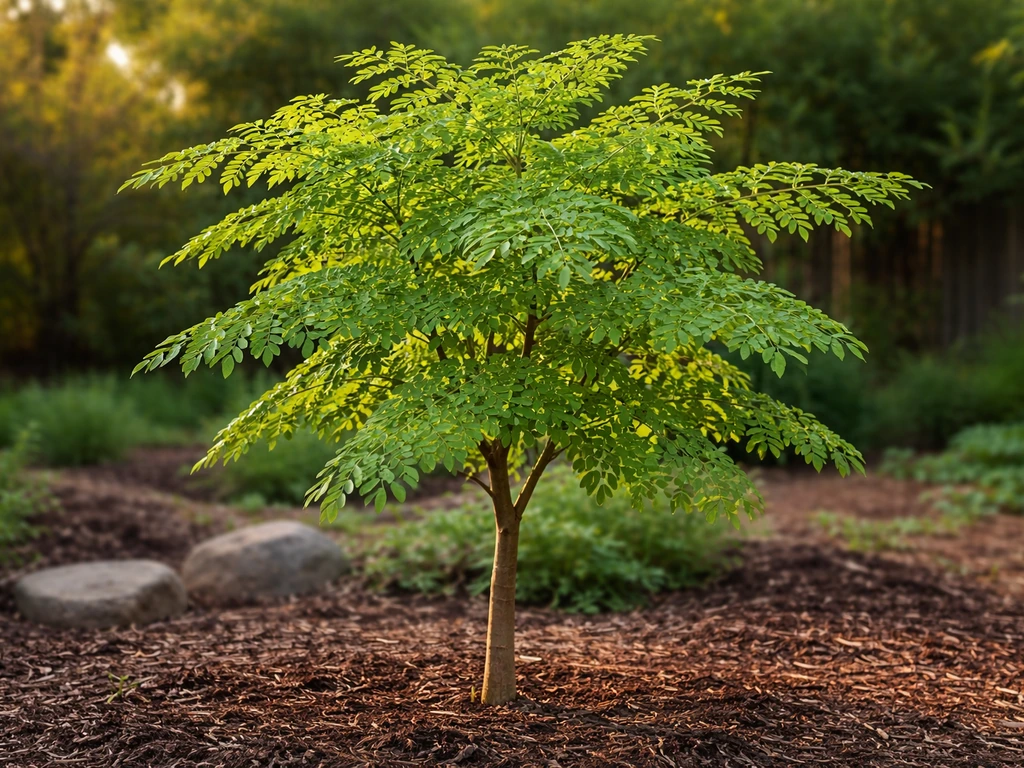
Quick answer: can you grow moringa where you live?
Moringa is a tropical tree. It's happiest in USDA hardiness zones 9 and warmer, and it has zero frost tolerance. A hard freeze will kill the above-ground growth outright, and a prolonged cold event can kill the roots too. So the real question isn't just "can moringa grow" but "can moringa survive your winters." If you're in zones 9b through 11, the answer is a straightforward yes, plant it outside and let it go. If you're in zones 7 or 8, you can grow it as an aggressive annual or a container plant you bring in each fall. If you're in zone 6 or colder, it's a project, not a landscape plant, but it's still doable in a pot.
What moringa actually needs to grow
Before getting into the regional specifics, here's what the plant genuinely requires. Moringa is not fussy in many ways, but it has firm non-negotiables.
Sun
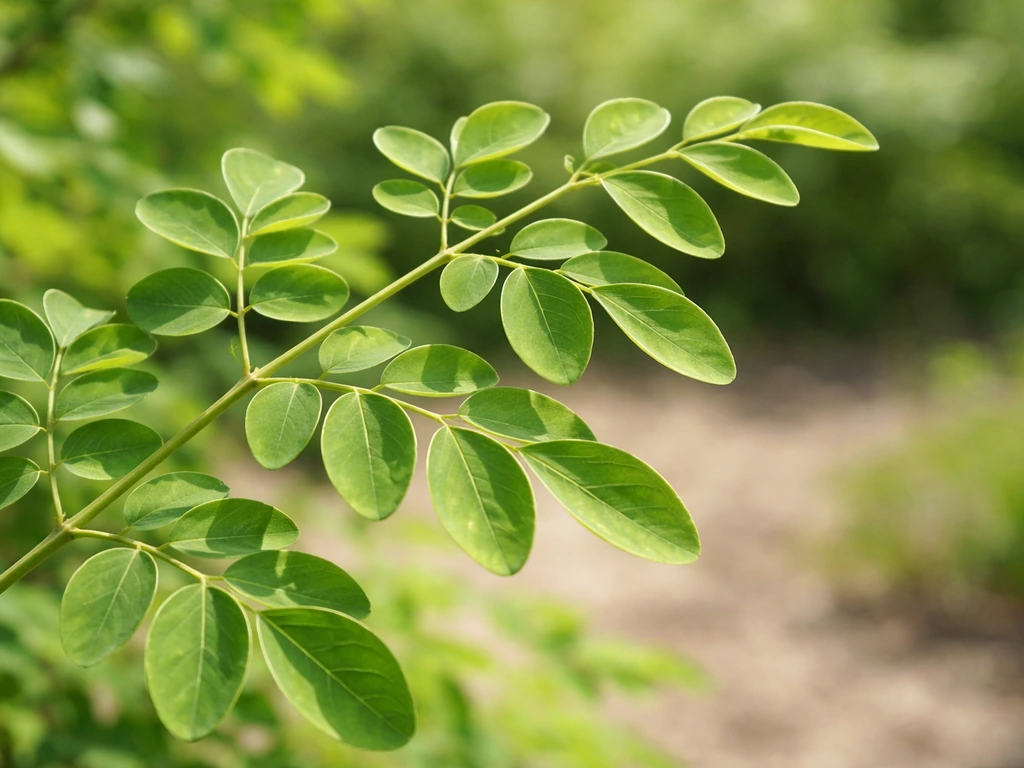
Full sun, all day, no compromise. Moringa wants maximum light exposure. If your spot gets less than six hours of direct sun, you'll get a scraggly, slow plant that barely produces. This matters a lot for people growing it indoors or on a patio, where a south-facing window or a supplemental grow light is not optional.
Soil and drainage
This is where most people fail. Moringa does fine in sandy or loamy soils and tolerates a wide pH range, roughly 5.0 to 9.0, with a sweet spot around 6.3 to 7.0. What it absolutely cannot handle is blank" rel="noopener noreferrer">standing water or waterlogged roots. The Royal Horticultural Society explains that prolonged waterlogged (saturated) soil reduces root oxygen and can lead to yellow leaves, root rot, and death blank" rel="noopener noreferrer">standing water or waterlogged roots. Saturated soil can kill a moringa plant within days. If your yard has clay-heavy soil that holds water, you either need to amend it heavily with sand and compost or skip in-ground planting entirely and use a raised bed or container with a fast-draining mix.
Water
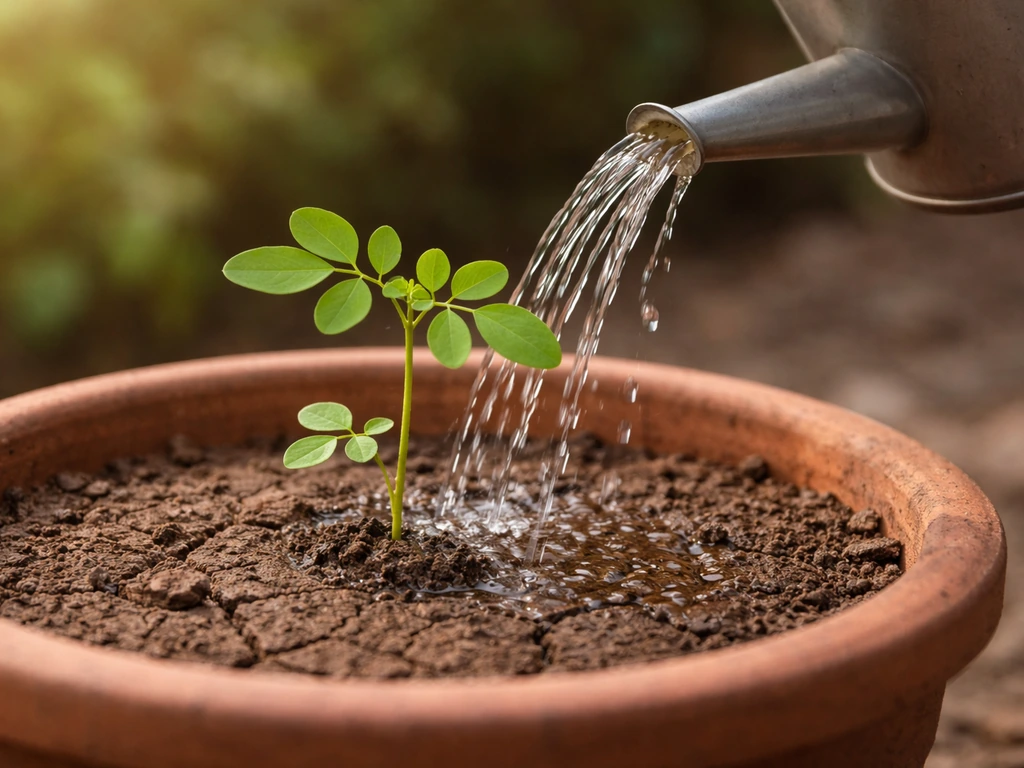
Moringa is drought tolerant, which surprises people who expect a tropical plant to be thirsty. It can handle dry spells better than most vegetables. That said, drought stress will reduce how much it produces, so consistent but moderate watering is the goal. Think deep, infrequent watering rather than daily shallow sprinkles. And again: never let the pot or bed stay soggy.
Heat
Moringa germinates and grows best when nighttime temperatures are reliably above 50°F (10°C). Germination stalls and seedlings struggle in cold soil. The upper end of its comfort zone stretches to about 104°F (40°C), which means it handles southern summer heat far better than most plants. Heat is genuinely not a problem for this tree. Cold is.
Frost reality check by U.S. region
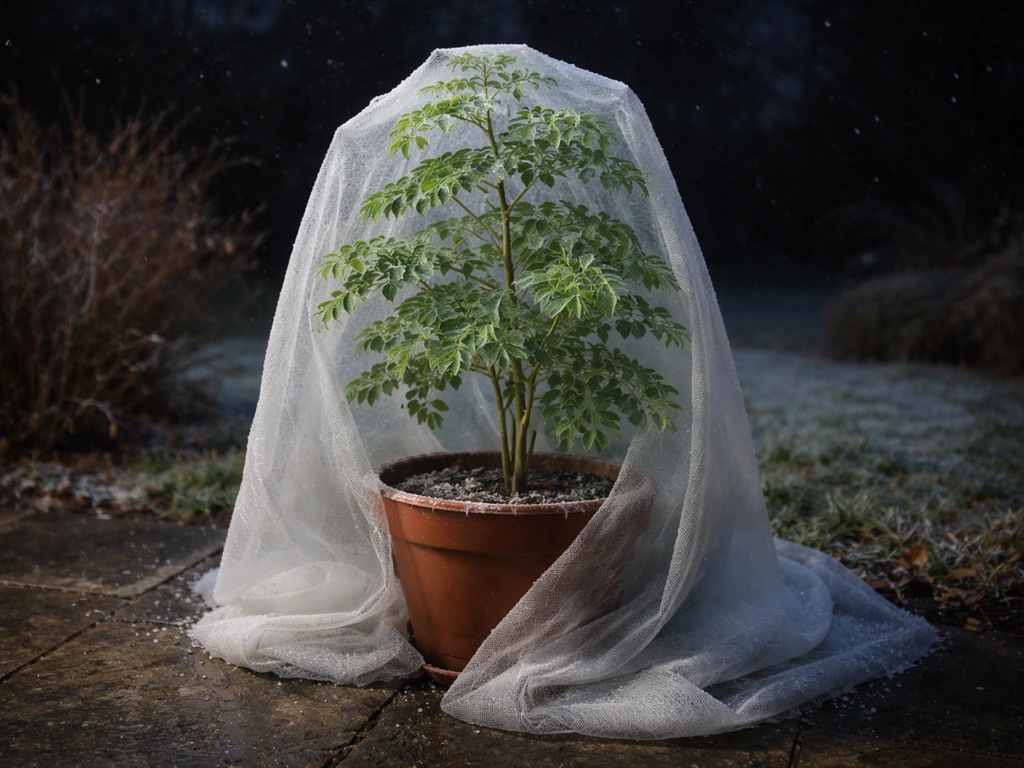
Here's an honest look at what to expect depending on where you garden. I've grouped these loosely by how realistic in-ground versus container growing is.
| Region / Zone | In-ground realistic? | What to expect |
|---|---|---|
| South Florida, Hawaii (Zone 10-11) | Yes, year-round | Moringa thrives as a true perennial tree. Plant and mostly leave it alone. |
| Coastal/Southern California, South Texas, Deep South (Zone 9b) | Yes, with minor frost protection | Grows vigorously. Light frost may cut it back; it typically regrows from roots. A freeze cloth on cold nights is cheap insurance. |
| Central California, Gulf Coast, Central Texas, Georgia (Zone 8-9a) | Marginal in-ground; safer in containers | Treat as a tender perennial. A hard freeze will kill top growth. Roots may survive if mulched heavily. Container growing lets you move it inside. |
| Mid-Atlantic, Pacific Northwest, Midwest (Zone 6-7) | No in-ground survival | Treat it as an annual or a container plant. You'll get one season of growth before bringing it in. It won't overwinter outdoors. |
| Northern states, mountain regions (Zone 5 and colder) | No | Container or greenhouse only. Expect limited production. Mostly a novelty unless you have a heated greenhouse. |
For readers in specific states, the details vary quite a bit. Growing moringa in California's Central Valley is genuinely feasible, and it's actually cultivated commercially there by Hmong American farmers. If you live in California, warm regions are your best bet for keeping moringa thriving outdoors can moringa grow in california. Texas has a wide climate spread from zone 7 in the Panhandle to zone 9b along the coast, so where in Texas matters a lot. If you want the short answer for your exact area, see guidance on whether moringa can grow in Texas Texas has a wide climate spread. If you follow the right frost and temperature expectations, can moringa grow in texas comes down to your zone and whether you can protect it during cold snaps. Because North Carolina is right on the edge, you can still grow moringa there, but you may need to use a container and bring it indoors during cold snaps can moringa grow in north carolina. Georgia's warm summers and mild winters in the southern part of the state make it another reasonable bet, while North Carolina sits right on the edge of what's workable in-ground versus container. If you are wondering can moringa grow in georgia, the key is matching Georgia's warmer areas with your local frost and planting approach, just like with other warm states.
In-ground vs container: which one makes sense for you
If you're in zones 9b and warmer, plant it in the ground. Moringa grows fast, sometimes three to five feet in a single season, and a container will limit that significantly. In-ground plants also develop deeper roots, making them more drought-resilient and longer-lived.
If you're anywhere in zone 8 or colder, a large container is almost certainly the smarter move. You need to be able to bring the plant inside before your first frost date, which means a container that's big enough to support the plant but light enough (or on wheels) to actually move. A 15- to 25-gallon pot is a practical size. Go too small and the plant stays stunted; go too large and you'll never move it.
Indoors over winter, moringa wants 65 to 75°F and as much light as you can give it. A south-facing window helps, but in most northern homes, you'll need a grow light to prevent the plant from going completely dormant or declining. It may drop leaves and look rough, and that's okay. Keep it barely moist (not dry, not wet) until spring warmth returns.
How to start moringa today
Seed vs cutting: which to use
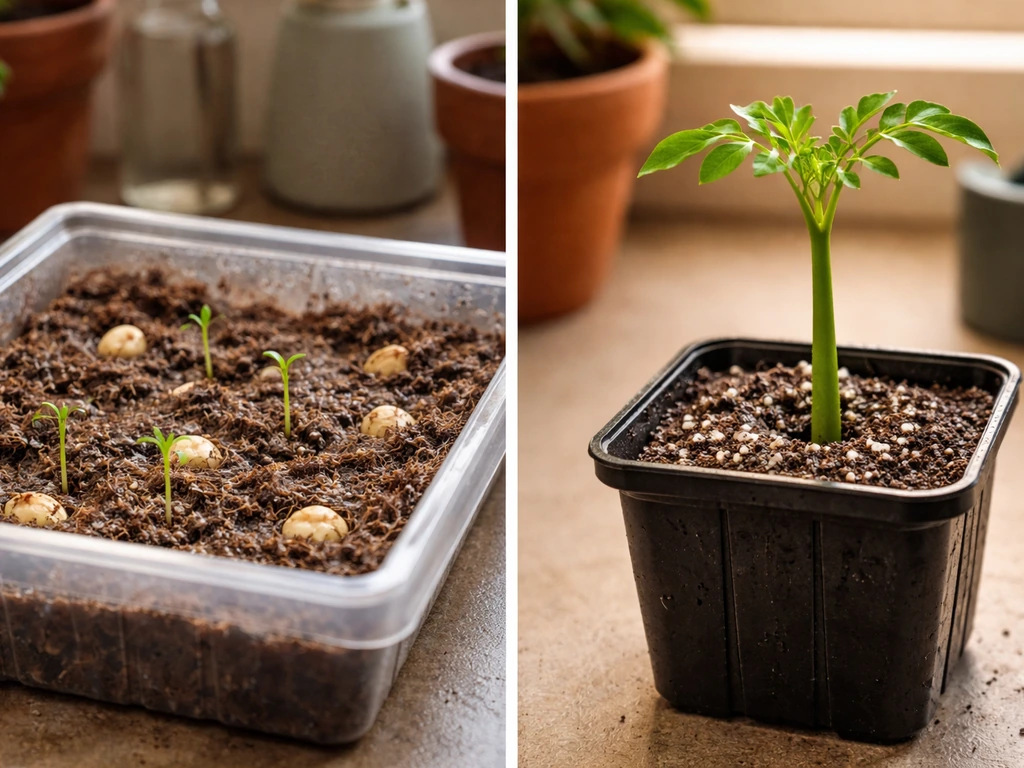
Seeds are the most accessible option and they germinate quickly. Under warm conditions (soil temps above 70°F), moringa seeds typically sprout within about a week, sometimes as fast as six or seven days. That's fast. Use fresh seed if you can get it, since viability drops with age and storage. Plant seeds about an inch deep in warm, moist but well-drained soil or starter mix. Don't bother starting seeds when nights are still cold; wait until you're reliably past 50°F overnight.
Cuttings are a good option if you have access to a mature plant or can source them locally. Moringa roots from hardwood stem cuttings fairly well, and using a rooting hormone (look for IBA-based products at any garden center) improves your success rate meaningfully. Research supports that higher IBA concentrations produce better root and shoot development in moringa cuttings. Spring is the best time to take cuttings, once the parent plant is actively growing again.
Step-by-step planting
- Time it right. Wait until your nighttime temperatures are consistently above 50°F and frost risk is gone. For most of the country, that's late April through May. In zone 9 and warmer, you may already be fine right now (late April).
- Prepare your spot. If planting in ground, make sure drainage is good. If your soil stays wet after rain, build it up or use a raised bed. If using a container, choose one with drainage holes and fill it with a fast-draining potting mix, ideally something designed for cacti or palms, not a moisture-retaining mix.
- Plant at the right depth. Seeds go about one inch deep. Cuttings should be buried at least six to eight inches into the soil with two or three nodes above ground.
- Water in well, then pull back. After planting, water thoroughly. Then let the soil dry out to at least an inch below the surface before watering again. This is the single biggest mistake I see: people love their moringa to death with water.
- Give it sun. Move containers to your sunniest spot immediately. For in-ground plants, don't plant in the shadow of a fence or tree.
Care after planting and what can go wrong
Once established, moringa is surprisingly low maintenance. It grows aggressively in warm weather and actually produces better when you cut it back regularly, which forces bushy growth and keeps leaves within reach. Most growers prune to about three feet to encourage lateral branching rather than letting it shoot straight up to twelve feet.
The most common problem I hear about is root rot from overwatering or poor drainage. If your plant's leaves are yellowing and dropping and the soil feels wet, stop watering and check the roots. Healthy moringa roots are tan to light brown and firm. Rotted roots are dark, mushy, and smell off. At that point, if you're in a container, you can try repotting into dry fresh mix and cutting away the affected roots. Outdoors in soggy soil, it's much harder to recover.
Pests are occasional but manageable. Indoor and container plants are more vulnerable to mealybugs, aphids, and spider mites. Check the undersides of leaves regularly. For minor infestations, a strong spray of water or neem oil solution handles most cases. The key is catching them early before they spread.
Cold damage looks dramatic but isn't always fatal. If a light frost hits your plant and the top growth dies back, don't pull it up. Cut the dead material back to live wood, mulch the base heavily, and wait. In zones 8 and warmer, moringa often regrows from the base or roots when temperatures come back up. In zone 7, survival depends on how hard and long the freeze was.
Your practical next steps
Here's what I'd do if I were starting today, wherever I was:
- Find your USDA hardiness zone. Just search your zip code with 'USDA zone.' This tells you exactly how cold your winters get and is the single most useful piece of information for this decision.
- If you're in zone 9b or warmer: buy moringa seeds or seedlings now (late April is a great planting window), prepare a sunny well-drained spot in your yard, and get them in the ground.
- If you're in zone 7 or 8: start seeds now in containers and grow them outdoors for the season. Plan to move the container inside before your first fall frost date, which you can look up for your area. Treat it as a long-season annual or keep overwintering it each year.
- If you're in zone 6 or colder: grow in a large container with a very well-drained mix. Accept that it's a summer project, not a permanent tree. Set up a grow light spot indoors for when it has to come in.
- Prioritize drainage above all else. Whatever region you're in, soggy soil will kill moringa faster than cold will.
- Start with seeds if you can't find a local nursery selling moringa. They're cheap, they germinate fast, and you can start a backup batch without much loss.
Moringa is worth trying in most U.S. climates as long as you're realistic about what you're getting. In the South and warm West, it's a rewarding, fast-growing tree. In colder regions, it's a seasonal container plant that takes some planning. Either way, it's not as fragile as the "tropical tree" label makes it sound, as long as you respect the drainage requirement and keep it out of frost.
FAQ
Can I grow moringa from store-bought leaves or seeds I find in markets?
Leaves from a grocery store usually cannot be used to propagate (they do not reliably root). For growing, you need viable seeds or cuttings, and with seeds the biggest make-or-break factor is freshness, viability drops as seed age increases and storage quality worsens.
What’s the best way to prevent root rot in a container?
Use a fast-draining potting mix and make sure the container has drainage holes, then avoid “watering on a schedule.” Check moisture by feel, water only when the top few inches start to dry, and never let the pot sit in a saucer of runoff.
How do I choose the right container size if I’m moving the plant indoors?
A practical range is 15 to 25 gallons, where smaller pots stunt growth and larger ones can become too heavy to move before frost. Also confirm you can access the drain holes easily, because soil that stays wet for days is the pathway to rot.
Can moringa survive a light frost if I cover it at night?
Covering can reduce damage from brief, mild cold, but moringa has zero real frost tolerance, a hard freeze can still kill above-ground growth. For the best odds, treat cover only as supplemental protection and still plan to bring containers inside before your first frost.
Is it better to grow moringa in-ground or in a raised bed in colder or rainy areas?
If your soil stays wet, raised beds with an aggressively fast-draining mix usually outperform in-ground planting because they reduce waterlogging. In zones 8 and colder, you may still need a container approach for winter, but a raised bed can help plants survive wet springs and falls.
How much sun is enough if I want to grow moringa indoors?
Aim for maximum light, ideally a south-facing window plus supplemental grow light. If indoor light is under about six hours of direct equivalent light, growth often becomes thin and slow, and indoor winter dormancy can be deeper than expected.
When should I prune moringa, and how hard can I cut it back?
Prune during active growth periods, cutting it back to encourage bushy lateral branches. Many growers prune to around three feet to keep harvestable height, but avoid heavy cuts right before cold weather or while the plant is already stressed from low light.
Why is my moringa dropping leaves indoors over winter?
Leaf drop during winter is common, it often happens because temperatures are cooler than ideal and light is limited. Instead of panicking, keep it barely moist (not wet), maintain warmth where possible, and resume normal watering when spring temperatures return.
How do I know if yellow leaves are from overwatering versus nutrient issues?
If the soil feels wet and the yellowing comes with leaf drop, root stress from excess moisture is a top suspect. If the mix is dry between waterings and drainage is good, then consider nutrient imbalance, but fix watering first because moringa declines quickly when roots stay saturated.
Can I start moringa seeds before nights are consistently warm?
You can, but germination and early growth stall when night temperatures are below roughly 50°F (10°C). Waiting until overnight conditions reliably stay above that threshold improves success and helps you avoid weak, slow seedlings that struggle later.
What’s the easiest pest-control routine for indoor moringa?
Check the undersides of leaves weekly, especially during dry indoor months when mites can flare. For early infestations, start with a strong water rinse, then use neem oil if they persist, and isolate new plants to prevent spreading.
Next Articles
Can You Grow Black Pepper in the US Where and How
Learn where black pepper can be grown in the US and how to grow it indoors or in warm zones for fruit.

Can You Grow Capers in the US? Regional Guide for Home Gardeners
Regional guide to growing caper plants in the US, choosing cultivars, meeting soil and climate needs, and harvesting bud
Can You Grow Peppercorns in the US? A Zone-by-Zone Guide
Zone-by-zone guide to growing black pepper peppercorns in the US, including heat, humidity, indoor options, and timeline