
Yes, you can grow saffron in Ohio, and it can actually do quite well here. Ohio falls mostly in USDA zones 5b through 6b, which sits right in the sweet spot for Crocus sativus. The plant needs cold winters to trigger dormancy, warm dry summers to rest the corms, and a decent fall window for blooming. Ohio delivers all three, more or less. The real risk isn't temperature, it's drainage. Ohio's clay-heavy soils and humid summers will rot your corms if you don't address that before planting. Get that part right, and you're set up for blooms within the first season.
Can You Grow Saffron in Ohio? Step-by-Step Guide

Marcus Petersen
23 Apr 2026
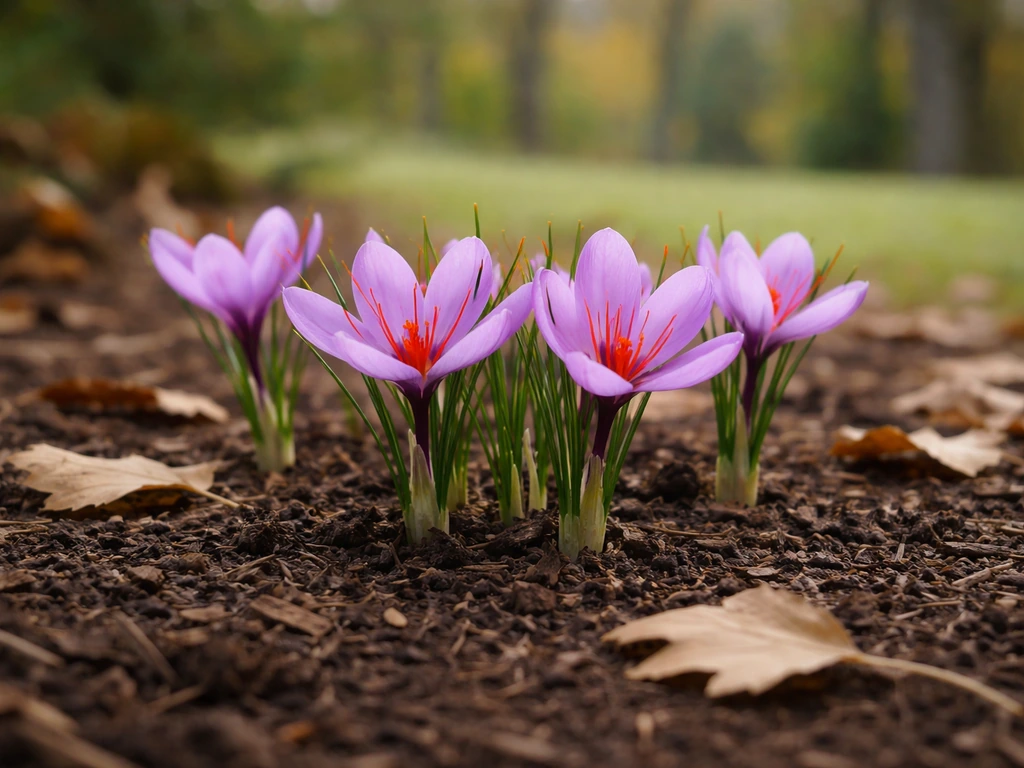
What you're actually growing
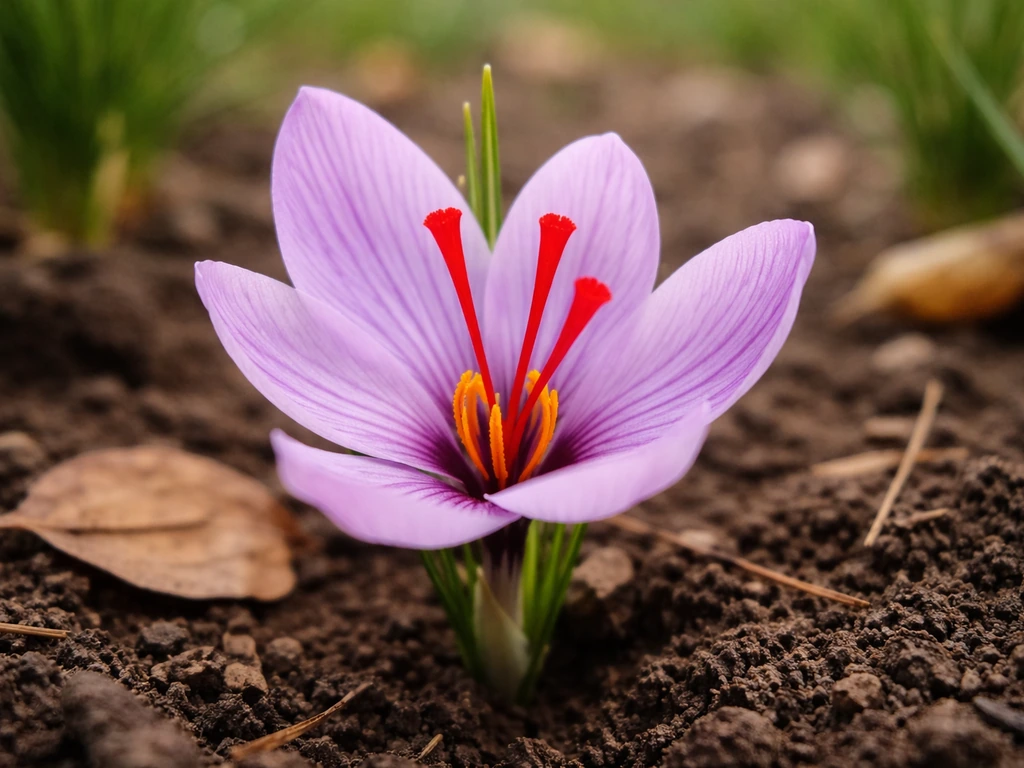
Saffron comes from Crocus sativus, a specific fall-blooming crocus that produces three bright red stigmas per flower. Those stigmas, dried, are what you know as saffron spice. You're not planting seeds. Crocus sativus is a sterile triploid, meaning it can't reproduce by seed at all. You plant corms, which are solid underground storage organs (similar to bulbs but technically different), and the plant multiplies by producing small offsets called cormlets each year. That's an important point for Ohio growers: your patch gets bigger over time if conditions are right, and you'll get more flowers every season.
Climate matters because saffron corms follow a very specific annual cycle. They need a warm, dry summer dormancy to rest and develop flower buds inside the corm. Then they need a period of cooling temperatures to break dormancy and trigger flowering in fall. After blooming in October or November, the foliage grows through winter and into spring, then dies back completely by early summer. If any part of that cycle is disrupted, you get poor flowering or none at all. Ohio's climate respects that cycle, which is why growers here have had real success.
How Ohio's climate lines up for saffron
Ohio's climate is a reasonable match for saffron, zone by zone. Central and southern Ohio (zones 6a and 6b) are arguably the best spots in the state. Northern Ohio near Lake Erie (zones 5b to 6a) works too, though the lake effect can mean wetter conditions that require more attention to drainage. The colder zones in eastern Ohio can be a bit more variable, but saffron is rated hardy down to zone 4 in some sources, so winter cold alone shouldn't kill your corms.
The summer dormancy window is actually a good fit for Ohio. Saffron corms want to be warm and relatively dry from around June through August while they're dormant underground. Ohio summers are warm, and if you're not overwatering during this period, the corms will rest properly and build up the energy for fall flowering. The issue is that Ohio summers are also humid and sometimes rainy, which means any site with poor drainage becomes a problem. In heavy clay soil with summer rain sitting on it, corms will rot. That's the main thing to watch.
Fall timing works well here too. Ohio's first frost typically arrives between late September and mid-October depending on location. The NOAA/NWS Cleveland frost and freeze information provides average and earliest first frost dates for local reporting locations, which helps explain timing like late September to mid-October blank" rel="noopener noreferrer">Ohio's first frost typically arrives between late September and mid-October depending on location.. Saffron flowers emerge right around that window, usually in October, and the blooms are surprisingly frost-tolerant. You can get flowers coming up while nighttime temperatures are already dipping below freezing. That's normal. The foliage that follows grows through Ohio's winters without major problems, and by late spring it's gone, right on schedule.
Planting saffron corms in Ohio: the specifics
When to plant
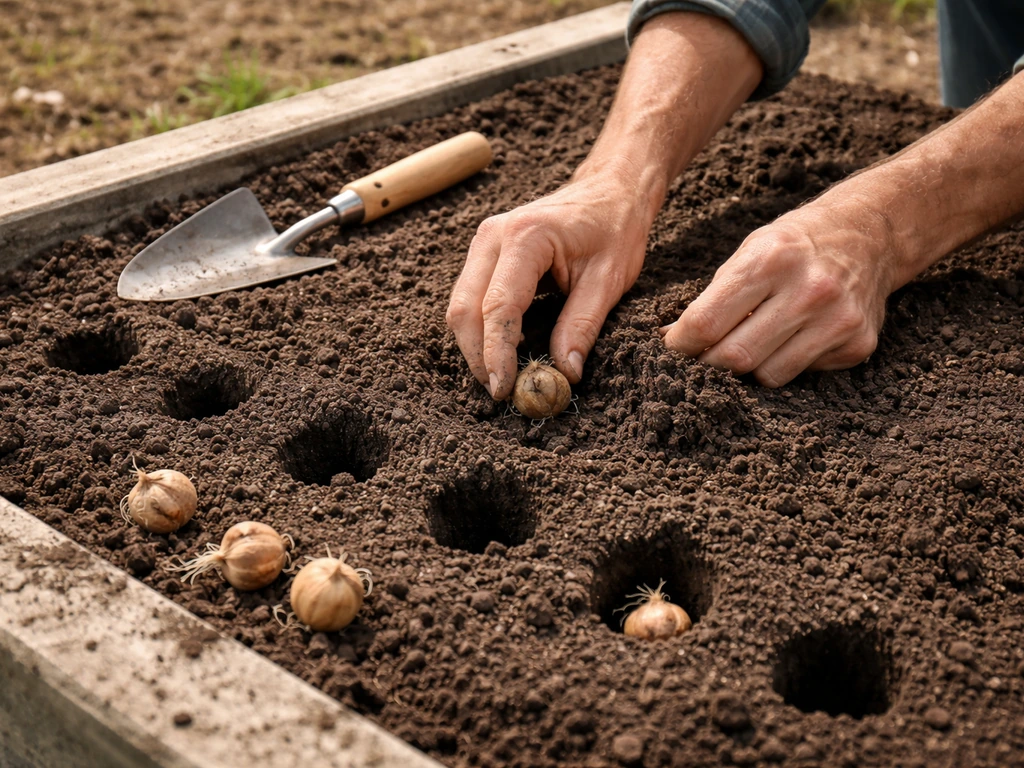
Plant your corms in late summer to early fall, ideally from late August through mid-September in Ohio. This gives them time to settle in before fall blooming begins. If you plant in early September, don't be surprised if you see flowers just six to eight weeks later. Some growers report blooms in the very first season after planting, which makes saffron unusually rewarding for a specialty crop. If you miss the window and plant in October, you might still get some straggly first-year flowers, but you'll see much better results the following fall.
Depth, spacing, and soil
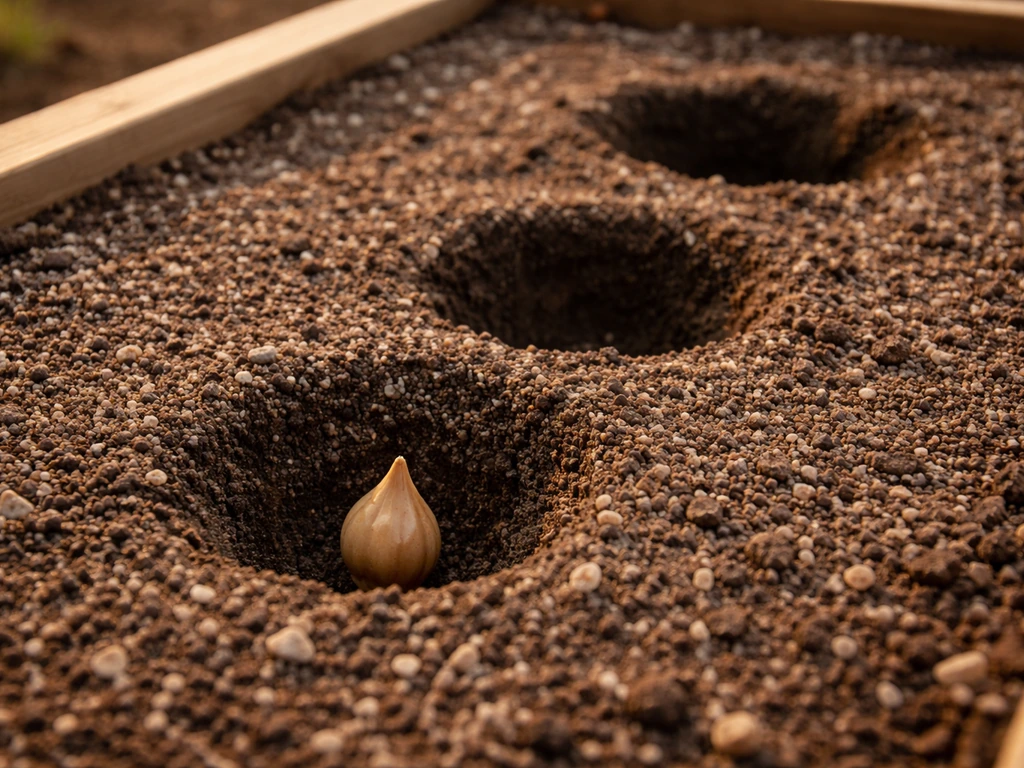
Plant corms about 6 inches deep, with the pointed tip facing up. Space them 4 to 6 inches apart for a dense planting, or up to 8 inches apart if you want to give them room to multiply without dividing for a few years. Deeper planting (up to 6 inches) actually helps in Ohio because it insulates the corms from wild temperature swings in late winter and early spring.
Soil is the most important factor in Ohio. Saffron absolutely demands well-drained soil. If your garden has typical Ohio clay, you need to amend it before planting. Work in generous amounts of coarse sand and compost to improve drainage and loosen the texture. Raised beds are a genuinely good option here, not just a workaround. A raised bed of 8 to 12 inches filled with a loamy, well-draining mix gives you direct control over drainage and keeps the corms in ideal conditions. I'd actually recommend starting in a raised bed if you're in northern Ohio or anywhere with heavier soil.
In-ground vs. containers
Container growing is a smart option for Ohio beginners, especially if your outdoor drainage is questionable. Use a large container (at least 12 inches deep) with excellent drainage holes and a gritty potting mix. The advantage is you can move the pots to a drier spot during summer dormancy if you're getting a lot of rain. The downside is that containers need more attention to winter protection in northern Ohio zones 5b and 6a, since pots freeze harder than in-ground plantings. If you go the container route in colder parts of the state, move pots to an unheated garage or shed over the deepest part of winter.
Keeping your patch healthy through the season
Watering
Saffron's watering needs shift dramatically by season. When corms are dormant in summer (June through August), keep the soil on the dry side. This is where Ohio growers have to be most careful. If you're getting regular summer rain and your bed isn't draining fast enough, add a layer of gravel beneath the planting zone or improve your raised bed mix. Once fall arrives and the corms are actively growing and blooming, regular moisture is fine. During the winter foliage phase, Ohio's natural rainfall is usually sufficient. Back off watering again as the foliage dies back in spring.
Fertilizing
Saffron doesn't need heavy feeding, but a light application of low-nitrogen fertilizer in early fall (as blooms are emerging) and again in early spring (while foliage is actively growing) helps build corm size. Avoid high-nitrogen fertilizers, which push leafy growth at the expense of flower production. A balanced granular fertilizer or a low-nitrogen bulb food works fine.
Mulch and weed control
A light layer of mulch, around 2 inches, helps regulate soil temperature during Ohio's fall temperature swings and protects corms during deep winter cold snaps. Keep mulch lighter over saffron beds than you might for other perennials, because heavy mulch can hold too much moisture. Pull weeds by hand rather than cultivating deeply around your corms, since the corms and their developing cormlets sit relatively shallow and can be disturbed.
Pests
Rodents are the main pest concern in Ohio. Squirrels, voles, and chipmunks will dig up and eat saffron corms. If you've had rodent problems in your garden before, lay hardware cloth flat in the bottom of your planting bed before filling it with soil. That's the most reliable long-term solution. Deer generally leave saffron alone, which is a nice change from many other crops.
Harvesting and drying your saffron
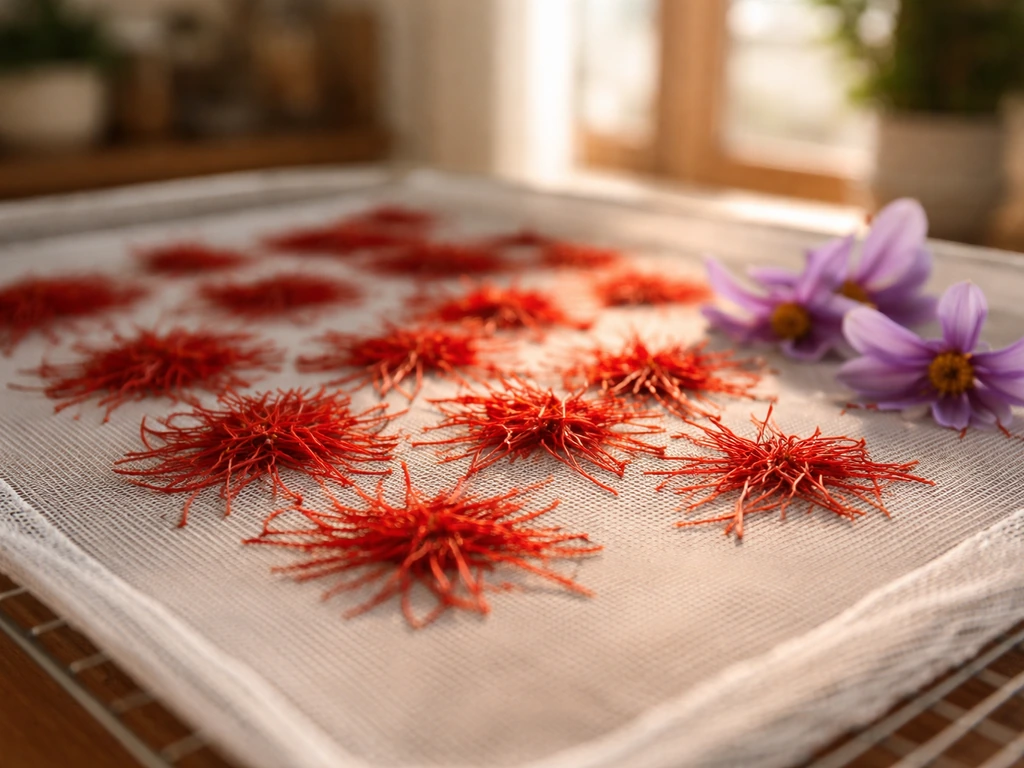
Saffron flowers in Ohio typically bloom in October, occasionally stretching into early November. The entire flowering period for a given clump lasts only two to three weeks, and individual flowers open for just a day or two. You need to harvest the stigmas the same day the flower opens, or first thing the following morning before the petals wilt. It sounds intense, but once you see the bright orange-red threads against the purple petals, you'll have no problem recognizing what to pick.
To harvest, pinch or use small scissors to snip the three red stigmas (the very tips, which are the saffron) from each flower. Leave the yellow stamens behind. You can harvest the petals too if you want to use them for cooking or dyeing, though they have no saffron flavor. Collect your stigmas into a small bowl or container.
Drying is simple but important. Spread the fresh stigmas on a small piece of paper or a screen and leave them somewhere warm and dry with good air circulation for two to four days. A spot near a window or on top of a warm appliance works fine. Once completely dry and slightly crisp, store your saffron in a small airtight glass jar away from light. Dried saffron keeps well for two to three years.
What to realistically expect
Each flower yields only three stigmas, and it takes roughly 150 to 200 flowers to produce one gram of dried saffron. That sounds discouraging, but keep in mind your corm count grows every year. A patch planted with 50 corms might give you a small but real first harvest, and within three to four years that same patch can triple in corm count. Most Ohio home gardeners treat saffron as a slow-building perennial project rather than a first-year windfall. The reward isn't just the spice, it's the unusually beautiful October blooms during an otherwise bare garden season.
Common problems and how to fix them
| Problem | Likely cause in Ohio | Practical fix |
|---|---|---|
| Corm rot | Poor drainage, clay soil, summer rain sitting on beds | Raised beds, amended soil with grit and compost, reduce watering in June-August |
| No blooms first year | Late planting, corms too small, or dormancy not complete | Plant by early September, source larger corms, be patient for year two |
| Declining blooms over years | Overcrowded corms, depleted soil | Divide and replant every 3-4 years, refresh soil with compost |
| Corms eaten or dug up | Squirrels, voles, chipmunks | Hardware cloth barrier at bottom of planting bed |
| Foliage dies but no fall flowers | Summer too wet, dormancy disrupted | Improve drainage, hold water during summer months |
| Weak or small flowers | Shallow planting or low fertility | Plant at 6 inches deep, apply low-nitrogen bulb fertilizer in fall and spring |
The failed-dormancy problem is worth flagging specifically for Ohio. If your summer is unusually cool and wet (which does happen in northern Ohio), the corms may not get the dry warm rest they need. In those seasons, you might see sparse flowering or none at all. The fix for the following year is improving drainage so the soil dries faster even when rain comes. A raised bed with a gritty mix solves this for most Ohio sites.
Is saffron worth growing in Ohio?
For most Ohio gardeners, yes, it's absolutely worth trying. The climate is a genuine match, growers in central Ohio have documented successful harvests, and the plant is hardy enough for all but the coldest Ohio microclimates. The effort required is real but not extreme: mostly upfront work on soil drainage and choosing the right site. After that, saffron is a fairly low-maintenance perennial that gets better each year. Illinois gardeners can follow the same saffron recipe: well-drained soil and a warm, dry summer dormancy, plus correct fall timing for flowering can you grow saffron in illinois.
If you're in northern Ohio with heavy clay and poor drainage, start with a raised bed or container rather than direct in-ground planting. If you're in central or southern Ohio with decent soil, amend for drainage and plant directly. Either way, order your corms from a reputable supplier (not big-box garden centers, which rarely carry true Crocus sativus), aim for late August to early September planting, and set expectations for a modest first-year harvest that builds over time.
Compared to neighboring Midwest states, Ohio is actually one of the more favorable options. The climate is less severe than Minnesota or Wisconsin in winter, more reliable than Michigan's wet lake-effect zones, and warmer than the northern fringe of Illinois. If you’re wondering can you grow saffron in Wisconsin, focus on the same basics: excellent drainage, a warm dry summer dormancy, and correct fall timing. If you're wondering whether you can grow saffron in Michigan, the same key factors apply: good drainage, a warm, dry summer dormancy, and the right fall timing. If you've been curious about saffron and you're in Ohio, this is genuinely one of those cases where the answer is yes rather than 'probably not. If you're wondering whether this same approach works in Missouri, you'll want to start by checking your drainage and summer dormancy conditions. '
FAQ
What’s the best way to test if my soil drains fast enough for saffron in Ohio?
Do a simple percolation test, dig a hole about 12 inches deep, fill it with water, and time how long it takes to drain. If it still holds lots of water after a couple hours, plan on a raised bed or major amendment, since saffron corms need a dry summer rest more than they need rich soil.
Can I grow saffron in Ohio if I only have wet, heavy clay and don’t want to build raised beds?
You can try, but only if you can reliably keep the planting zone from staying damp in summer. The most reliable no-raised-bed approach is to create an engineered mound or “ridge” with a gritty, well-drained mix above the clay and plant the corms in that improved zone.
How do I keep summer rain from rotting corms during dormancy?
Focus on drainage and keep water from pooling over the corm area. A raised bed with a gritty mix is the easiest fix, and in problem spots you can also use a temporary cover during the wettest weeks so the bed surface stays dry while still allowing airflow.
Should I water after I plant corms in late August or September?
Water lightly to settle the soil if it’s dry, then avoid ongoing watering unless the weather is truly dry. Overwatering right after planting can worsen early rot risks, especially in clay, so it’s safer to let the site dry back between rains.
What spacing should I use if I want more flowers quickly but also want the patch to expand?
For faster production the first couple years, plant closer (about 4 to 6 inches). If your main goal is avoiding dividing and letting it multiply, use wider spacing (around 8 inches). Either way, don’t split or move corms while foliage is active.
Do saffron corms need to be divided in Ohio, and when?
Crocus sativus cormlets naturally build size and number over time. If flowering drops after a few years, you can lift and reset in late summer, but typically you only intervene when you see crowding or reduced blooms, not on a fixed schedule.
How can I tell whether the problem in Ohio is winter cold or dormancy failure?
If foliage never appears in spring, look at winter survival and drainage, but if spring growth is fine and you still get little or no fall bloom, it often points to the prior summer not being warm and dry enough. In that case, your next step is improving summer drainage, not changing your fall fertilizer.
Why didn’t my saffron bloom in its first year, even though I planted on time?
First-year yields can be modest, and timing matters. If you planted late (early October) or your site stayed too wet during June to August, the corm may not have formed flower buds well. Also, corm size matters, larger corms generally perform better than tiny ones.
Is mulch helpful or harmful for saffron in Ohio?
A light layer (around 2 inches) can help buffer temperature swings, but heavy mulch can trap moisture in humid periods. Keep mulch minimal and pull it back if the bed stays damp, especially right before dormancy ends and fall flowering begins.
Do I need to fertilize saffron in Ohio, and what’s the safest approach?
If you amended heavily with compost before planting, you can often get by with just light feeding. When you do fertilize, keep nitrogen low, apply in early fall as growth is about to start and again in early spring during active foliage, then stop to avoid pushing leaf growth at the expense of blooms.
How do I protect saffron from rodents without ruining the soil structure?
Use hardware cloth at the bottom of the planting area before you backfill, so it blocks digging without needing to disturb the corm layer later. If you wait and try to add barriers after planting, it often fails because rodents already have established access points.
Can I grow saffron in a container in Ohio if I don’t have an unheated garage or shed?
You can, but you need a frost-safe, sheltered spot where the pot will not stay waterlogged. In northern Ohio, containers freeze harder, so prioritize insulation (like wrapping the pot) and strict drainage, and be prepared to move it to the driest protected microclimate you have.
When should I harvest stigmas in Ohio to avoid poor color or loss of potency?
Harvest the same day the flower opens, or early the next morning before petals fully wilt. Stigmas are most visibly fresh when the petals are still crisp, and letting them sit longer increases handling difficulty and can reduce quality.
What storage conditions keep dried saffron best in an Ohio home?
Store in a small airtight glass jar and keep it away from light and heat sources. Humid kitchens and frequent temperature swings can degrade flavor, so a cool cabinet is better than storing near a sunny window or above the stove.
Next Articles
Can You Grow Saffron in Michigan? How to Do It
Learn if saffron grows in Michigan and get a step by step plan for planting corms, winter care, and harvesting threads.

Can You Grow Black Pepper in the US Where and How
Learn where black pepper can be grown in the US and how to grow it indoors or in warm zones for fruit.

Can You Grow Capers in the US? Regional Guide for Home Gardeners
Regional guide to growing caper plants in the US, choosing cultivars, meeting soil and climate needs, and harvesting bud