
Yes, agarwood (Aquilaria) can be grown in the USA, but with serious caveats. Outdoor cultivation is only realistic in a narrow strip of the country, roughly USDA zones 10b through 12, which covers parts of South Florida, Hawaii, and Puerto Rico. Everyone else is looking at greenhouse or indoor growing, which is absolutely doable but requires real commitment. On top of the horticultural challenge, there are legal layers around buying, importing, and eventually harvesting agarwood that you need to understand before you invest time and money. The short version: it's a project for patient, well-equipped hobbyists, not a casual backyard experiment.
Can Agarwood Grow in USA? Climate, Care, and Legal Steps
Marcus Petersen
23 May 2026
Is Growing Agarwood Legal in the USA?
This is the question most people skip, and it's the one that can actually get you in trouble. All Aquilaria species (the trees that produce agarwood resin) are listed on CITES Appendix II. Aquilaria malaccensis, the most commercially important species, was the first to be listed in 1995, and today every known Aquilaria species falls under that same Appendix II designation. CITES Appendix II doesn't ban trade outright, but it means that international trade in agarwood, agarwood oil, and plant materials requires permits from both the exporting and importing countries.
In the U.S., two agencies share enforcement responsibility. USDA APHIS handles plant-specific import and export permits under 7 CFR 355, issuing what's called a Protected Plant Permit for businesses and individuals importing or re-exporting CITES- or ESA-regulated plant materials. The U.S. Fish and Wildlife Service (USFWS) Office of Law Enforcement handles the broader CITES permit framework for wildlife and plants and works with Wildlife Inspection Offices at ports of entry. If you're bringing in seeds, cuttings, or live plants from overseas, you need to coordinate with both agencies, and the paperwork is real.
For a home hobbyist, the practical takeaway is this: buying live Aquilaria plants or seeds from a U.S.-based nursery that has already cleared customs legally is your cleanest path. Ordering seeds or cuttings directly from Southeast Asia without the right documentation puts you in a gray area that isn't worth it. Growing the tree itself on your property in the U.S. is not prohibited, but harvesting and selling agarwood or oud oil from it commercially would re-enter the CITES framework. For personal, non-commercial cultivation, most hobbyists operate without issues, but know the rules before you scale up.
Where Agarwood Actually Comes From (And What That Tells You About Growing It)
Aquilaria species are native to tropical and subtropical forests across South and Southeast Asia, including parts of India, Bangladesh, Vietnam, Indonesia, Malaysia, and southern China. These are regions with high annual rainfall (typically 1,500 to 3,000mm per year), high humidity (70 to 90% relative humidity is common), warm temperatures that rarely drop below 50°F, and well-draining but consistently moist, slightly acidic soils. The trees grow in lowland tropical rainforest up into montane forest, depending on the species.
What this means for U.S. Can you grow sandalwood in Canada depends mostly on your climate and whether you can replicate warm, humid conditions indoors or with a greenhouse. growers is that you're trying to recreate tropical conditions in a country where most of the landmass is temperate. Aquilaria does not tolerate frost. Even a brief dip below 32°F will damage or kill young trees, and mature trees are not significantly more cold-hardy. They want humidity above 60%, bright but not scorching direct light (dappled or filtered sun works well for young trees), and a slightly acidic, loamy soil with good drainage. Waterlogging is a fast way to kill them, but they also don't want to fully dry out.
Outdoor vs. Indoor Growing by USDA Zone
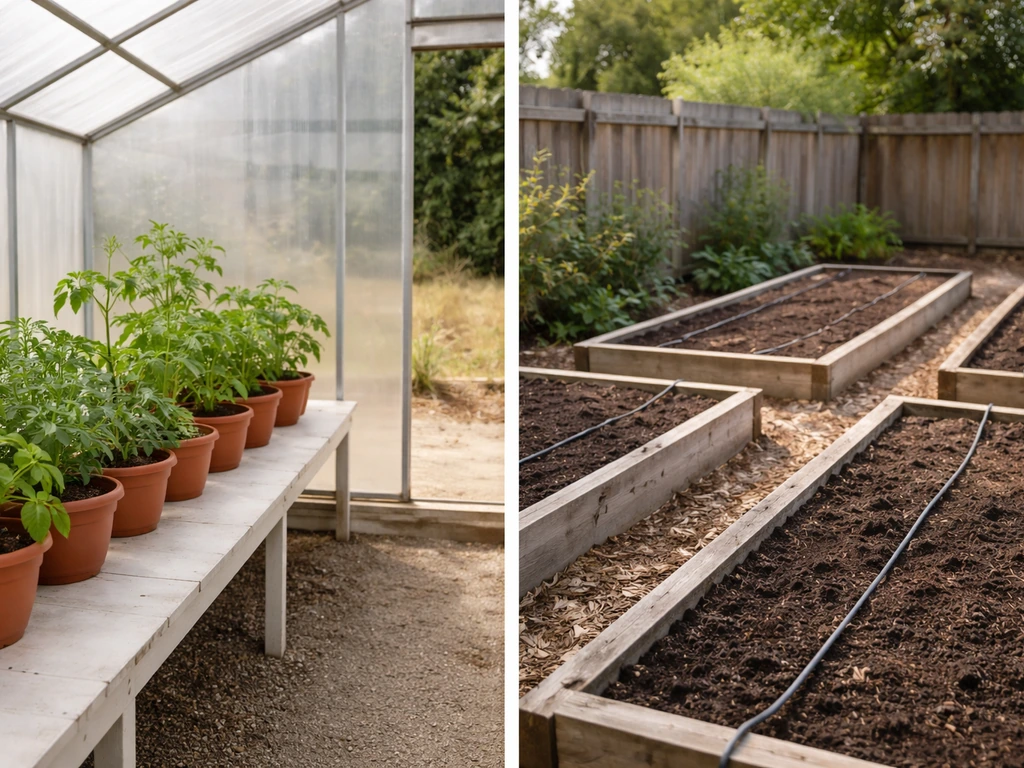
The honest zone-by-zone breakdown matters here, because the answer genuinely changes depending on where you live.
| USDA Zone | Region Examples | Outdoor Feasibility | What You Need |
|---|---|---|---|
| Zones 10b–12 | South Florida, Hawaii, Puerto Rico | Yes, with care | Well-drained soil, irrigation, wind protection |
| Zone 10a | Parts of coastal Southern California, extreme South Texas | Marginal — frost risk in cold winters | Frost cloth, sheltered microclimate, container option |
| Zones 9a–9b | Central California, Gulf Coast, Arizona low desert | Outdoors risky — occasional frost likely | Greenhouse or large container moved indoors |
| Zones 6–8 | Most of the continental U.S. | Not outdoors year-round | Heated greenhouse or indoor grow setup |
| Zones 3–5 | Northern U.S., Mountain West | Outdoor growing not viable | Full indoor/greenhouse setup required |
If you're in South Florida or Hawaii, you have a genuine shot at growing Aquilaria in the ground. The humidity, warmth, and rainfall profile in those areas actually match what the tree needs. I've spoken with growers in Miami-Dade County who have established small Aquilaria trees outdoors with no special infrastructure. If you're anywhere in zones 7, 8, or 9, container growing with a greenhouse or sunroom for winter protection is the realistic path. In colder zones, you're doing a full indoor grow, which requires serious attention to humidity and light supplementation.
How to Propagate Aquilaria: Seeds vs. Cuttings
Seeds are the more common starting point for hobbyists, and they're what you're most likely to find from U.S.-based specialty nurseries that carry tropical and exotic species. Aquilaria seeds have short viability, often just a few weeks after harvest, so fresh seeds matter a lot. If you're buying from a nursery, ask when the seeds were harvested. Older seed lots have significantly lower germination rates.
Germination setup is straightforward: sow fresh seeds in a well-draining mix of peat, perlite, and a small amount of coarse sand at a ratio of roughly 2:1:1. Keep the medium moist but not wet, maintain temperatures between 77 and 86°F (25 to 30°C), and provide high humidity around 80% if possible. A seedling heat mat and a humidity dome work well for this. Germination typically occurs within 2 to 4 weeks for fresh seeds. I've had good results keeping the germination tray inside a plastic bag loosely sealed over the top in a warm spot.
Cuttings from Aquilaria are possible but harder to root than seeds. Semi-hardwood cuttings taken in spring or early summer, treated with rooting hormone and placed in a high-humidity propagation environment, can root in 6 to 10 weeks, but success rates are inconsistent. For most hobbyists starting out, seeds are the more accessible and reliable option. Sourcing cuttings also adds another layer of import compliance complexity if they come from overseas.
Setting Up an Indoor or Greenhouse Environment
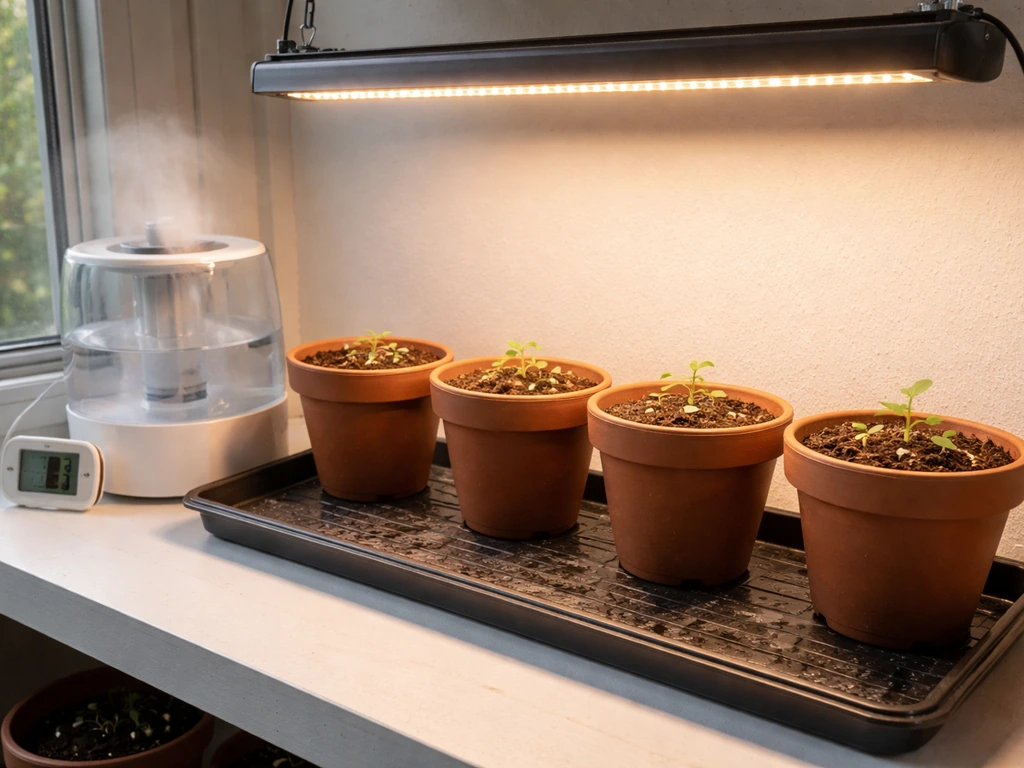
For growers outside of tropical zones, the grow environment is everything. Aquilaria needs minimum nighttime temperatures above 55°F (ideally above 60°F year-round), daytime temps in the 75 to 95°F range, and relative humidity consistently above 60%. A small heated greenhouse with a misting system or ultrasonic humidifier handles this well. Full-spectrum LED grow lights at 12 to 16 hours per day compensate for lower light in northern latitudes or winter months. In containers, use a fast-draining tropical mix, repot as the tree grows, and never let the pot sit in standing water.
The Part Everyone Actually Cares About: How Agarwood Forms
Here's the thing that trips up a lot of people: growing a healthy Aquilaria tree does not automatically give you agarwood. Agarwood, the dense, fragrant, resin-saturated heartwood that makes the tree valuable, is not present in a healthy tree. It forms as a stress response to injury or fungal infection. In nature, this happens through physical wounds, insect damage, or pathogen attack. In cultivation, growers deliberately trigger this process.
The methods used commercially include physical wounding (drilling holes or making incisions into the trunk), inoculation with specific fungal strains (commonly Fusarium solani or other wood-decaying fungi), chemical induction using ethylene-generating compounds, or combinations of these approaches. In plantation settings in Southeast Asia, inoculation is the dominant commercial method. For a hobbyist, mechanical wounding combined with a fungal inoculant is the most accessible approach, and some specialty suppliers in the U.S. and online do sell Aquilaria-compatible fungal inoculants.
The critical point on timing: trees generally need to be at least 5 to 8 years old and have a trunk diameter of at least 5 to 8 cm before induction attempts are made. Trying to trigger resin formation in a young, small tree usually just kills it. Even after induction in a mature tree, visible resin development takes 1 to 3 years minimum, and quality agarwood in commercially meaningful quantities takes much longer in natural conditions. In managed plantation settings, growers typically wait 8 to 15 years from planting to first harvest.
Day-to-Day Care, Pests, and the Most Common Ways It Goes Wrong
Routine Maintenance
Aquilaria is not a high-maintenance tree in the right climate, but in U.S. conditions it demands attention. Water consistently to keep soil moist but never waterlogged. A well-draining pot or raised bed with a loamy, slightly acidic mix (pH 5.5 to 6.5) is ideal. Fertilize lightly during the growing season with a balanced slow-release fertilizer, and hold back fertilizer in winter when growth slows. The trees do grow fairly quickly in good conditions, reaching 1 to 2 meters in 2 to 3 years when happy.
Pests and Diseases to Watch For
- Root rot: the number one killer in U.S. cultivation, almost always caused by overwatering or poor drainage. If your tree's lower leaves yellow and drop, check the roots immediately.
- Spider mites: common in dry indoor environments. Maintain humidity above 60% and inspect undersides of leaves regularly.
- Scale insects: appear as brown bumps on stems and leaves. Treat with neem oil or insecticidal soap before infestations get established.
- Fungal leaf spots: can appear when humidity is high with poor air circulation. Space plants adequately and use a small fan in greenhouse setups.
- Mealybugs: attack new growth and root zones in containers. Regular inspection matters, especially when growing indoors.
Where Most Hobbyists Fail
The most common failure points are cold exposure (one overnight frost can kill a tree that took years to grow), humidity crashes in winter indoors (heating systems dry the air dramatically), overwatering (which looks deceptively similar to underwatering at first), and impatience with induction, specifically trying to trigger resin formation in trees that are too young or too small. I killed two container-grown Aquilaria seedlings in my first attempt by moving them to an unheated garage during a cold snap, thinking they'd be fine for a few nights. They weren't.
What You Can Realistically Expect as a U.S. Hobbyist
Growing a healthy Aquilaria tree in the U.S. is achievable, especially in a greenhouse or warm indoor environment. Getting it to produce harvestable agarwood resin is a much longer, less certain proposition. For most hobbyists, the realistic outcome over a 5 to 10 year horizon is a living, mature specimen that is ready for induction attempts, with actual fragrant heartwood formation being a hopeful outcome rather than a guarantee. Commercial-quality oud oil production from a hobbyist setup in the U.S. is not a realistic near-term goal.
That said, the journey itself has real value if the plant interests you. Aquilaria is a beautiful tropical tree, and the process of learning to cultivate it is genuinely interesting. If your primary interest is in fragrant resins and aromatic wood, it's worth knowing that other aromatic species like patchouli or sandalwood (which comes up frequently alongside agarwood in hobbyist discussions) present different trade-offs in terms of climate needs and timeline. Sandalwood cultivation in the USA, for example, has its own set of regional considerations worth exploring separately. If you're specifically asking can i grow sandalwood in USA, the key is choosing the right species and matching its light and temperature needs to your region Sandalwood cultivation in the USA. Sandalwood cultivation has different growing requirements than agarwood, so you'll want to look at the species-specific climate and soil needs before you commit Sandalwood cultivation in the USA. Sandalwood is a different species and growing it in the U.S. comes with its own specific climate and sourcing considerations Sandalwood cultivation in the USA. If you're wondering about sandalwood specifically, you may find it helpful to compare sandalwood growing requirements in India with what Aquilaria needs for resin production can i grow sandalwood in india.
Worth trying if: you're in zones 10b–12, or you have a heated greenhouse in zones 7–10a and you're genuinely committed to a multi-year project. If you are asking specifically about India, the key question is whether your region can sustain consistently warm, humid, frost-free conditions long term, ideally with greenhouse or similar protection can we grow argan tree in india. The legal pathway for personal cultivation is navigable as long as you source plants properly from U.S.-based suppliers. Wait if: you're in a cold climate without greenhouse infrastructure, or if you're expecting harvestable agarwood within a few years. This tree rewards patience and setup investment, and it punishes shortcuts.
FAQ
If I grow Aquilaria in my yard in the USA, do I automatically need CITES permits to keep it as a pet plant?
For personal, non-commercial growing, many hobbyists are not flagged, but you can still run into issues if you import the plants or later ship plant parts out of the country. The safer approach is to buy started plants or seeds from a reputable US source that already handled any required import paperwork. If you plan to move, sell, or donate plants to others, ask the seller for documentation and confirm with USDA APHIS and USFWS before transfer.
Can I legally order Aquilaria seeds online from a foreign seller and start them in the US?
It can be legally complex because Aquilaria is CITES-listed, and shipments need the right permits for import, not just a commercial invoice. Even if the seeds arrive, you may be left holding the bag if paperwork is missing or doesn’t match what was shipped. A practical decision aid is to only use overseas sellers who explicitly state they can ship CITES Appendix II plant materials to the USA with the correct permits and documentation.
What happens if my Aquilaria is grown outdoors in a warm area, but I bring it indoors during winter?
Seasonal moving often makes people overlook compliance and plant health. From a practical standpoint, the biggest risk is a humidity crash indoors, heaters drying the air, which can lead to leaf stress and losses even when temperatures stay above freezing. Plan for stable humidity (target above 60%, ideally near 70 to 80%), and avoid dramatic light changes, acclimating the plant over 1 to 2 weeks.
Will agarwood form just because I have a healthy Aquilaria tree, or do I need to induce it?
A healthy tree rarely makes resin on its own. Agarwood typically forms as a stress response to wounds or pathogen activity, and commercial-style quality resin generally requires deliberate induction. If your goal is simply an attractive tropical tree, you may never chase induction, but if you want resin, expect a multi-year timeline and understand it is not guaranteed even with proper induction.
How do I avoid overwatering when I switch from indoor to greenhouse growing?
Watering mistakes are common because Aquilaria likes consistently moist conditions, but it cannot sit in saturated media. A useful control is to use a fast-draining mix plus a pot with drainage holes, then water only when the top few centimeters start to dry. In a humid greenhouse, people often water too frequently because evaporation drops, so you may need less water than your indoor routine.
What if I try to induce agarwood but my tree is still too small, can it recover later?
If you induce too early, the most likely outcome is direct damage or killing of the tissue, especially when wounds are made before the trunk has the size the tree can tolerate. Even if the tree survives, it may take longer to re-accumulate healthy growth, pushing your timeline further. The practical rule is to wait until the tree is mature enough and the trunk diameter meets your planned induction approach.
Can I harvest resin or sell oud oil from a US-grown tree as a hobbyist?
Commercial sale of resin or oil re-enters a regulated context, because extraction and onward trade can trigger CITES and wildlife/plant enforcement concerns. The article notes that scaling up from personal cultivation back into harvest-and-sell can bring paperwork back into play. If you think you may want to sell, treat this as a compliance project early, not something to solve after your first induction.
Are all Aquilaria species equally suitable for indoor greenhouse growth in the USA?
Not necessarily. The article frames legality and general cultivation needs, but in practice different Aquilaria species can vary in growth rate, humidity tolerance, and how they respond to stress induction. If you are choosing a species for a greenhouse, prioritize the species your supplier specifies as suitable for controlled environments and ask about germination success and growth timelines for that exact species, not just the genus.
What are the most common mistakes that kill seedlings in the first winter indoors?
Heated indoor air causing humidity crashes is a top killer, along with cold drafts or short trips to unheated spaces. Another common failure is letting the humidity dome dry out between checking schedules, which interrupts the stable microclimate seedlings need. Use a thermometer-hygrometer near the tray, keep temperatures in the proper range, and avoid moving seedlings to garages or porches during cold snaps.
Next Articles
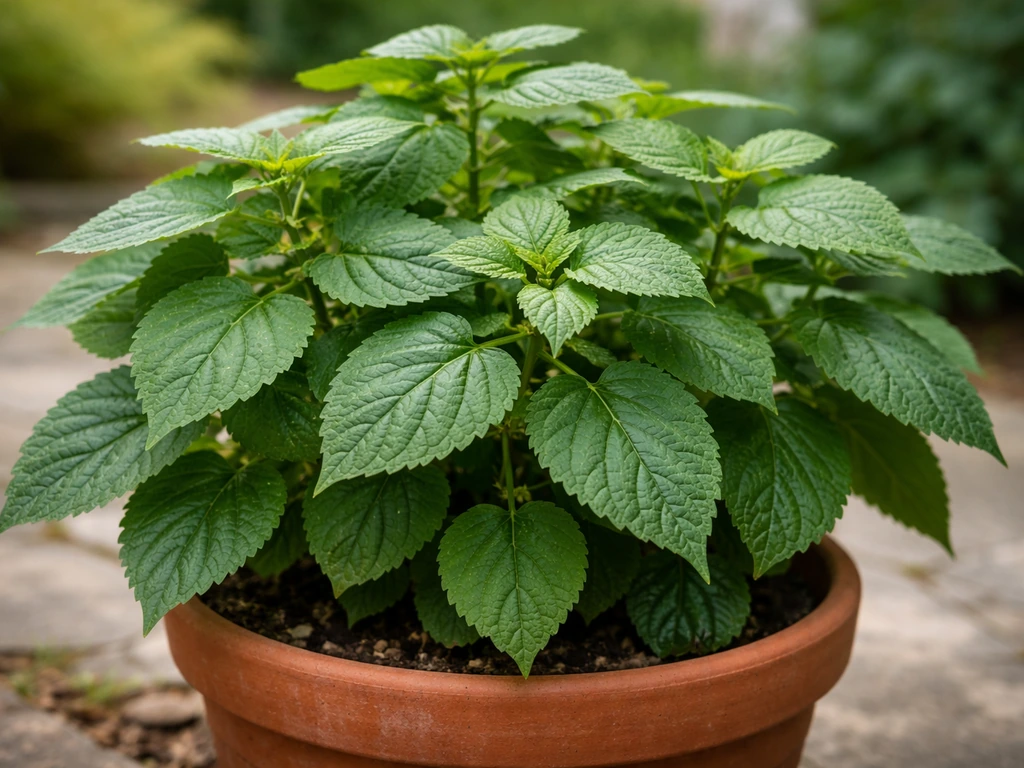
Can You Grow Patchouli? Yes, Here’s How in Your Climate
Yes, grow patchouli at home with climate guidance, indoor or outdoor setup, planting, overwintering, and harvest timing.
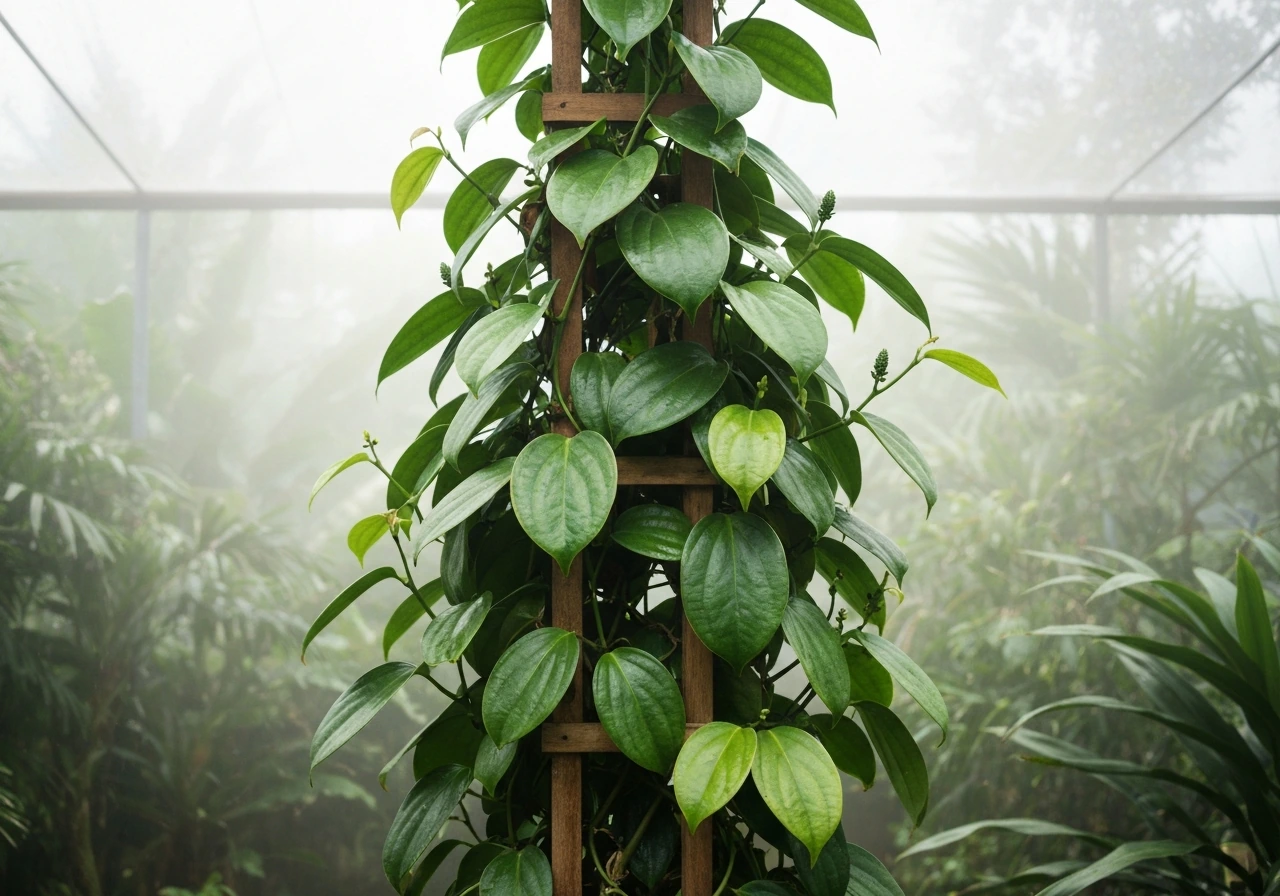
Can You Grow Black Pepper in the US Where and How
Learn where black pepper can be grown in the US and how to grow it indoors or in warm zones for fruit.

Can You Grow Capers in the US? Regional Guide for Home Gardeners
Regional guide to growing caper plants in the US, choosing cultivars, meeting soil and climate needs, and harvesting bud