Ginger grows reliably outdoors in the U.S. across the Gulf Coast, Florida, Hawaii, and the warmer parts of the Southwest and Pacific Coast. In every other region, you can still grow it, but you'll need containers, a high tunnel, or a greenhouse to make it work. The deciding factor is simple: ginger needs around 8 to 10 months of warm, frost-free conditions to produce fully developed rhizomes, and if your growing season is shorter than that, you either harvest baby ginger early or give the plant a protected indoor environment to finish.
Where Does Ginger Grow in the US? Regions and Tips
Marcus Petersen
10 Jul 2026
What ginger actually needs to thrive
Ginger (Zingiber officinale) is a tropical plant, and it behaves like one. It wants warmth, humidity, filtered light, and consistent moisture. The sweet spot for growth is roughly 70°F to 80°F. Ginger production guidance for Florida notes that rhizome development is supported when plants grow under a typical climate of about 70°F to 80°F and short-day (quantitative short-day) conditions. Soil temperature needs to be above 55°F before you even think about planting outside, and any frost will stop the plant cold, literally. It doesn't handle standing water either: good drainage is non-negotiable, because waterlogged roots rot fast.
The frost-free window is the key constraint. Fully mature ginger rhizomes take 8 to 10 months from planting to harvest. Baby ginger, which is younger, milder, and harvested before the skin toughens, can be pulled at 5 to 8 months. Gilded ginger is grown the same way as regular ginger, so you can apply the same timing and growing conditions to your setup Baby ginger. That timeline is everything when you're deciding whether outdoor growing is realistic in your region. If your last frost is in May and your first fall frost is in October, you're working with maybe 5 months of warm weather, which pushes you firmly into baby-ginger or container territory.
Ginger also responds to day length. It uses short-day conditions to trigger rhizome development, which is part of why fall harvests in places like Florida line up naturally with the seasonal shift. High humidity helps throughout the growing season, and the plant does best with bright, indirect light rather than harsh direct afternoon sun.
Where ginger grows best in the U.S.
If you want to grow ginger outdoors with the least amount of effort, you want to be in one of these regions. If you're wondering what can you grow on ginger island, the short answer is ginger, as long as you can match its long warm, frost-free conditions grow ginger outdoors. Each one offers the long, warm, humid growing season ginger needs without requiring special infrastructure.
| Region | States/Areas | Outdoor Feasibility | Notes |
|---|---|---|---|
| Hawaii | All islands | Excellent | Year-round growing possible; ginger is grown as a commercial crop here |
| Deep South / Gulf Coast | Florida, Louisiana, coastal Mississippi, Alabama, Georgia | Excellent to very good | Long frost-free season; Florida produces both field and container ginger commercially |
| South Texas / Rio Grande Valley | South Texas, lower Rio Grande | Very good | Hot and dry, so irrigation matters more; good warmth for long season |
| Pacific Southwest / Low Deserts | Southern Arizona, inland Southern California | Good with irrigation | Dry heat requires consistent watering; shade cloth helps in peak summer |
| Coastal California | Bay Area south to San Diego | Good | Mild winters and moderate summers; may need row cover in cooler coastal spots |
| Southeast inland (mid-elevation) | Central Georgia, South Carolina, North Carolina piedmont | Moderate to good | Season long enough for baby ginger; mature rhizomes possible in warmer years |
| Mid-Atlantic to Northeast | Virginia, Maryland, Pennsylvania, New York | Limited outdoors | Short warm season suits baby ginger only; containers or tunnels needed for mature rhizomes |
| Pacific Northwest | Western Oregon, Washington | Limited outdoors | Cool summers limit development; containers and tunnels are the practical route |
| Mountain West / Upper Midwest / Northeast | Colorado, Minnesota, Michigan, New England | Containers/indoors only | Frost-free window too short for outdoor success |
Hawaii is in a class of its own. The University of Hawaii has dedicated extension guidance on ginger as a full production crop, with extended warm seasons that allow for commercial-scale growing. Florida is the next best bet on the mainland, where UF/IFAS positions the state as genuinely favorable for ginger and turmeric production. From there, feasibility drops off as you move north or into drier, cooler climates.
Outdoors, containers, or indoors: what to choose based on where you live
This is honestly the most practical decision you'll make. I've seen gardeners in Pennsylvania try to grow ginger directly in the ground every year and wonder why they get nothing worth eating. The issue isn't skill, it's just timing math. Here's how to think about it based on your situation.
If you're in a warm, frost-light zone (roughly USDA zones 8b and warmer)
Plant directly in the ground. You have enough frost-free days to get a full or near-full rhizome development, and the humidity in the Gulf states particularly suits ginger. You can leave established plants in the ground over winter in the warmest parts of Florida and Hawaii without any protection. In zone 8b areas like coastal Georgia or the Houston area, a light frost cloth during cold snaps is usually enough to protect the rhizomes.
If you're in a mid-range climate (zones 6b to 8a, think Virginia, the Carolinas, northern California, coastal Pacific Northwest)
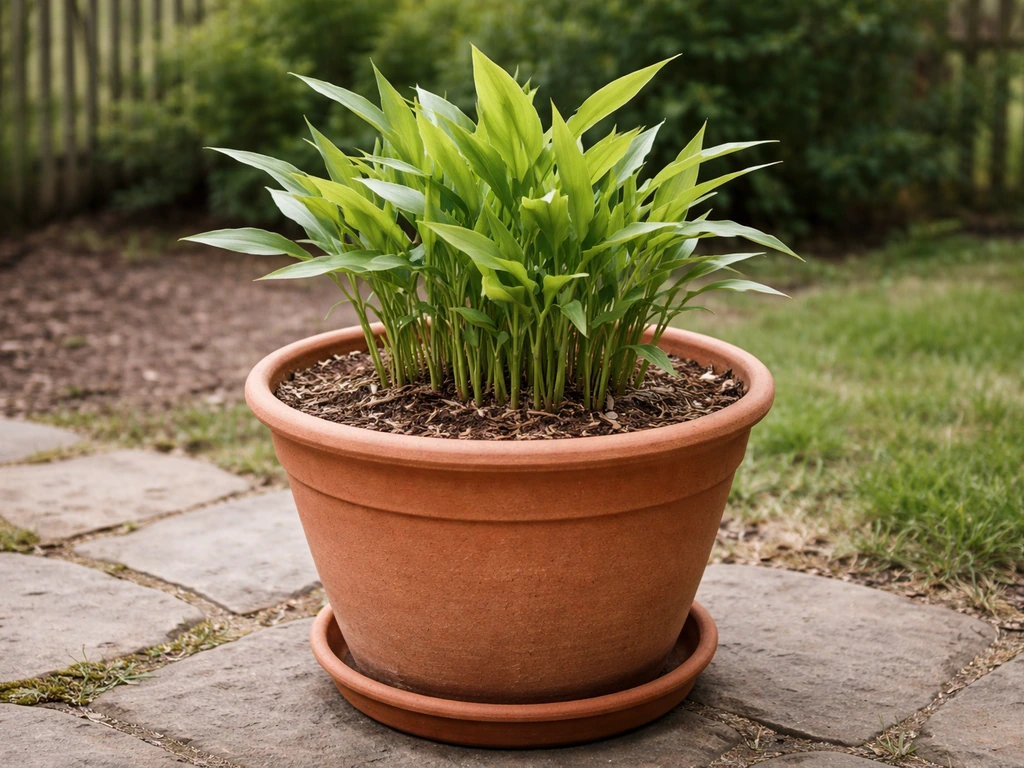
Containers are your best friend here. Grow in large pots (5-gallon minimum, bigger is better), start them indoors in early spring to get a jump on the season, then move them outside once nighttime temps stay above 50°F. When fall frosts threaten, you bring the containers back in. Virginia Cooperative Extension specifically recommends this multi-year container approach for Virginia, noting that open-ground success there is constrained without protection. You can also harvest baby ginger from containers in the fall for a satisfying result even if you don't get fully mature rhizomes.
If you're in a cold-climate zone (zones 6a and colder: Pennsylvania, New York, the Midwest, New England)
Penn State Extension lays out the approach clearly: start rhizomes in a heated greenhouse around April 1, then transfer the sprouted plants to an unheated high tunnel by mid-May to late May. That setup gives you a long enough warm season to harvest baby ginger in the fall. Without some kind of season extension structure, you're unlikely to get much out of outdoor planting. University of Delaware extension researchers have confirmed that the mid-Atlantic warm window really only supports baby ginger production unless you're using tunnels. That's still worth doing, but go in with realistic expectations.
When to plant and harvest: timing by U.S. climate
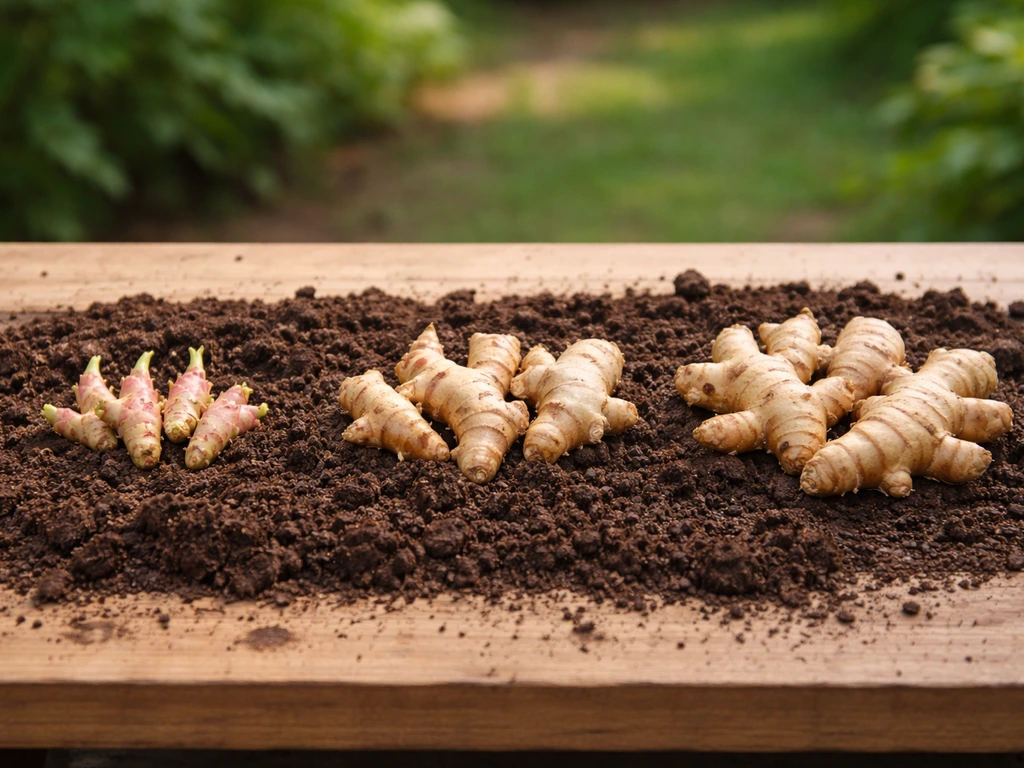
The universal rule: plant after your last spring frost, once soil temperature has climbed above 55°F. Count forward from there to figure out what you can realistically harvest.
| Climate Type | Plant Outdoors | Baby Ginger Harvest (5–8 mo) | Mature Ginger Harvest (9–12 mo) | Notes |
|---|---|---|---|---|
| Hawaii / South Florida | Year-round or Feb–March | July–October | Nov–Feb | Two cycles possible in Hawaii |
| Gulf Coast / Deep South | March–April | Aug–Nov | Dec–Jan | Florida winter harvest aligns with short-day trigger |
| South Texas / SW Low Desert | March–April | Aug–Oct | Dec–Jan | Needs irrigation; afternoon shade in peak heat |
| Coastal California / Zone 9 | March–April | Aug–Oct | Dec–Jan | Mild winters mean light protection may extend season |
| Mid-Atlantic / Carolinas (containers) | Start indoors Feb–March; outdoors May | Sept–Oct | Unlikely without tunnel | Baby ginger is realistic target |
| Pennsylvania / Northeast (high tunnel) | Start heated greenhouse April 1; tunnel May 15–30 | Early Oct | Not realistic outdoors | Penn State approach; tunnel required |
In Florida and similar climates, UF/IFAS notes that rhizomes harvested around seven months after planting are suitable for curing and selling, which lines up with a winter harvest for spring-planted ginger. UC Master Gardeners of Santa Clara County put baby ginger at 5 to 8 months and mature ginger at 9 to 12 months, which tracks closely with the University of Kentucky's figure of four to six months for baby ginger. The key takeaway is that baby ginger is a legitimate, usable product, not a consolation prize, and it's what most northern gardeners should be targeting.
Setting up the garden for success
Getting the soil right matters more than almost anything else. Ginger wants loose, loamy soil that's rich in organic matter with excellent drainage. Compacted clay or soil that holds water after rain will rot your rhizomes before they have a chance to develop. If your native soil is heavy or clay-heavy, raised beds are worth the effort. Texas A&M AgriLife is direct about this: avoid marshy locations where beds sit in water, and make sure the bed drains freely, because waterlogged soil deprives roots of oxygen.
Soil and drainage
Amend your bed or container mix generously with compost before planting. A 50/50 blend of quality potting mix and compost works well in containers. For in-ground beds, work in several inches of compost and make sure the bed is slightly raised or sloped for drainage. Ginger wants moisture-retentive soil, but not soil that stays soggy. That's the balance you're aiming for.
Light
Filtered sunlight or bright indirect light is ideal. Morning sun with afternoon shade works well, especially in hot southern climates where direct afternoon sun can scorch the foliage. In cooler northern zones, more direct sun is fine because the intensity is lower. Indoors or in a greenhouse, a bright south-facing window or supplemental grow lights will keep the plant active.
Watering
Water sparingly right after planting until you see sprouts emerge, then keep the soil consistently moist throughout the growing season. UF/IFAS advises planting rhizome pieces about 1 to 1.5 inches deep and maintaining moisture during the sprouting phase, which can take several weeks. Once plants are established and actively growing, they need regular water, especially during hot, dry stretches. In arid climates like Arizona or West Texas, drip irrigation is practically essential.
Starting your rhizomes right
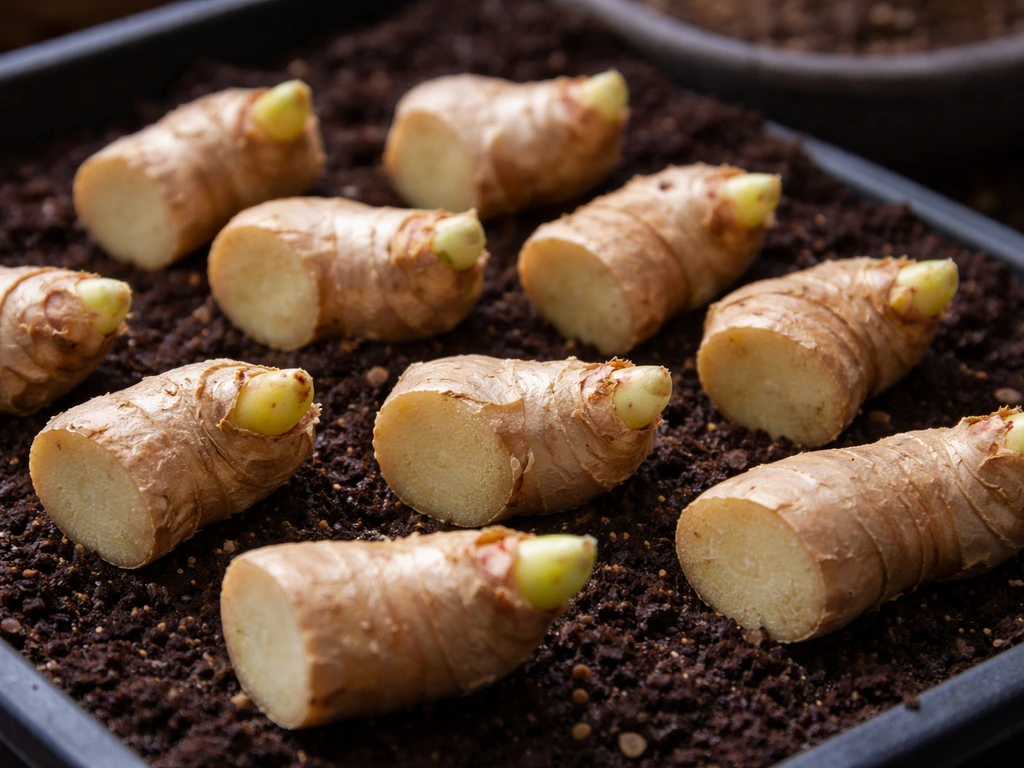
Cut rhizomes into 1 to 1.5-inch pieces, making sure each piece has at least one visible bud or eye. Let the cut surfaces dry and callus for one to two days before planting, which significantly reduces rot risk. If you're using store-bought ginger, soak the rhizomes in water overnight first, because grocery store ginger is often treated with a growth retardant that can slow or prevent sprouting. Rhizomes from a nursery or seed supplier are cleaner for this reason, but treated grocery rhizomes can work once soaked. I've had good luck with both, but I've also lost batches to rot from planting fresh-cut pieces without letting them callus. That step is not optional.
What to do next based on where you live
The honest next step depends entirely on your location and how much setup you're willing to do. Ginger can grow in parts of Europe too, but the timing and protection you need depend on local temperatures. Here's how to move forward right now.
- Check your USDA hardiness zone and your average last spring frost date. If your last frost is before April 15 and you're in zone 8 or warmer, you can plant directly outdoors this season with a realistic shot at mature or near-mature rhizomes.
- If your last frost is in April or May and you're in zones 6 to 7, start rhizomes in pots indoors immediately (if it's still early in the warm season) or in a greenhouse, then move them outside once nighttime temps hold above 50°F. Plan on harvesting baby ginger in early fall.
- If you're in a cold zone (6a or colder) and don't have a high tunnel or heated greenhouse, grow in containers on a sunny porch or patio this season, bring them indoors before first frost in the fall, and harvest then. It's low-effort and you'll get usable baby ginger.
- Source rhizomes from a nursery, online seed supplier, or a well-stocked grocery store. Soak grocery store rhizomes overnight. Cut, callus for 1 to 2 days, then plant 1 to 1.5 inches deep in moist, loose, compost-rich soil.
- Mark your expected harvest window on a calendar: 5 to 8 months out for baby ginger, 9 to 12 months for mature. Use that timeline to decide whether you need season extension or whether outdoor growing gives you enough runway.
- If you're in the Deep South or Hawaii and want to go bigger, look into field-scale or raised-bed production using the container-to-field transition in spring. UF/IFAS and University of Hawaii extension resources go deep on that if you're ready to scale up.
One thing worth noting: if you're curious how ginger grows in other parts of the world, the climate logic is pretty consistent. Ginger thrives in the same warm, humid tropical and subtropical belt whether you're looking at growing regions in North India, parts of Europe with greenhouse support, or the U.S. states covered here. The U.S. is unusual in offering such a wide range of climates in one country, which is exactly why the answer to 'where does ginger grow' varies so much from Hawaii to New Hampshire. Worth trying if you're in zone 8 or warmer with minimal setup, and absolutely worth trying in a container anywhere else if you're curious.
FAQ
Can I grow ginger in the US if my growing season is shorter than 8 months?
Yes, but expect smaller harvests and adjust your expectations. If you cannot provide the 8 to 10 month warm, frost-free window for fully mature rhizomes, focus on baby ginger (about 5 to 8 months) and harvest early. For mature ginger in cooler areas, you will likely need a high tunnel, greenhouse, or heated indoor starter to extend the season long enough.
Will grocery-store ginger actually sprout in the US, and how should I plant it?
Ginger can sprout from store-bought grocery ginger, but it is more hit-or-miss than fresh nursery rhizomes. A practical approach is to soak grocery rhizomes overnight, then cut into 1 to 1.5 inch pieces and let the cut ends callus 1 to 2 days before planting to reduce rot risk. Still, treated or older rhizomes may take longer or fail to sprout, so plant more pieces than you need.
What is the right time to plant ginger outdoors in my region?
Wait until soil temperature is above about 55°F, then plant after your last spring frost. If nights are still cool but daytime warms up, you can start in containers indoors or in a protected spot so the rhizomes spend fewer weeks in cold soil. Planting too early is one of the fastest ways to get stalled growth or rot.
Does ginger need fertilizer, or can I rely only on compost?
Not always. If you have already planted in a warm, humid setup, too much fertilizer can push leafy growth while leaving rhizome development slower. Use compost-rich soil as the base, then if you feed at all, keep it light and consistent rather than heavy and occasional. In containers, a modest, balanced feed during active growth can help, but stop short of oversupplying nitrogen.
How do I water ginger properly without causing rot?
Typically, avoid fully soaking the bed or letting water pool around the rhizomes. Ginger likes consistently moist soil during growth, but waterlogged conditions quickly lead to rot. A good check is whether the top layer feels slightly damp but the soil drains well after watering, and whether beds sit level or slightly raised rather than low and wet.
Can I keep ginger alive through winter in my yard?
Yes. If your winters are cold enough to risk freezing, containers are the easiest way to manage. Move pots indoors or into a greenhouse before temperatures drop below freezing, and keep moisture at a low-but-not-dry level so rhizomes do not desiccate. In mild zones, you may get away with leaving plants outside with protection during brief cold snaps, but freezing temperatures are still a major risk.
If ginger needs short days, how does that affect planting and harvest timing in the US?
Day length matters, but you can’t control it directly in open ground. What you can do is plan your harvest timing around the seasonal shift in your region, especially in warm climates where fall harvests naturally align with short-day cues. In northern areas using tunnels or containers, schedule planting so you reach the short-day trigger window while temperatures are still warm enough for rhizome growth.
My ginger leaves look weak, what are the most common causes?
If your ginger leaves are struggling but the rhizomes have not rotted, the issue is often temperature or moisture imbalance rather than “lack of sun.” Make sure daytime and nighttime temps stay warm enough, aim for bright filtered light, and keep soil moisture steady (not soggy). In hot climates, afternoon shade can prevent stress even if you’re giving plenty of water.
What are the best practices for cutting ginger rhizomes before planting?
Use a sharp tool, cut pieces about 1 to 1.5 inches, and ensure each piece has at least one visible bud or eye. After cutting, let the pieces callus for 1 to 2 days before planting, especially if your weather is humid or you tend to overwater. Skip the callus step and you raise the odds of rot significantly.
How can I troubleshoot when my ginger harvest is small?
Start with the simplest diagnostic first. If you are harvesting early, you may be limited to baby ginger by time, not by technique. If you planted with enough warm days but still got tiny rhizomes, reassess soil drainage (standing water is a common culprit), soil warmth at planting (below 55°F stalls development), and whether you allowed consistent moisture during active growth.
Next Articles
Does Ginger Grow in Europe? How to Grow It at Home
Yes, ginger can grow in Europe at home, using warmth and containers in cool areas with harvest and overwinter tips.
Can You Grow Gilded Ginger? How to Grow It Anywhere
Learn if you can grow gilded ginger anywhere, with zone tips, container steps, and fixes for sprouting and rot.
What Can You Grow on Ginger Island? Crop Guide
Best crops for Ginger Island, including giant crop rules, planting windows, and what to grow for yield or ease.