
Yes, you can grow ginger in Minnesota, but you have to treat it as a container plant, not a garden crop. Minnesota's short warm season and cold winters rule out planting ginger directly in the ground and leaving it there. The realistic approach is to start rhizomes indoors in late winter, move containers outside once temperatures warm up in late spring, then bring them back in before fall frost. Done right, you can harvest real, usable ginger from a pot on your porch. Done wrong, you get rot and disappointment. Here's how to do it right.
Can You Grow Ginger in Minnesota? Container Guide and Timing
Marcus Petersen
14 May 2026
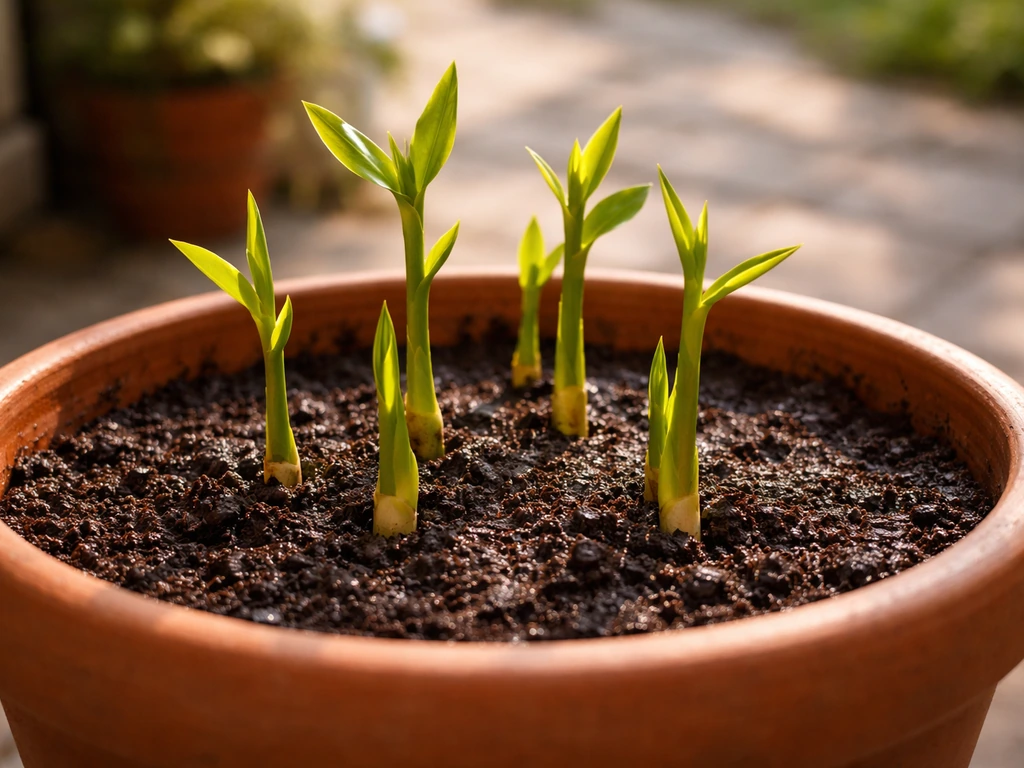
Outdoors vs. containers: what actually works in Minnesota
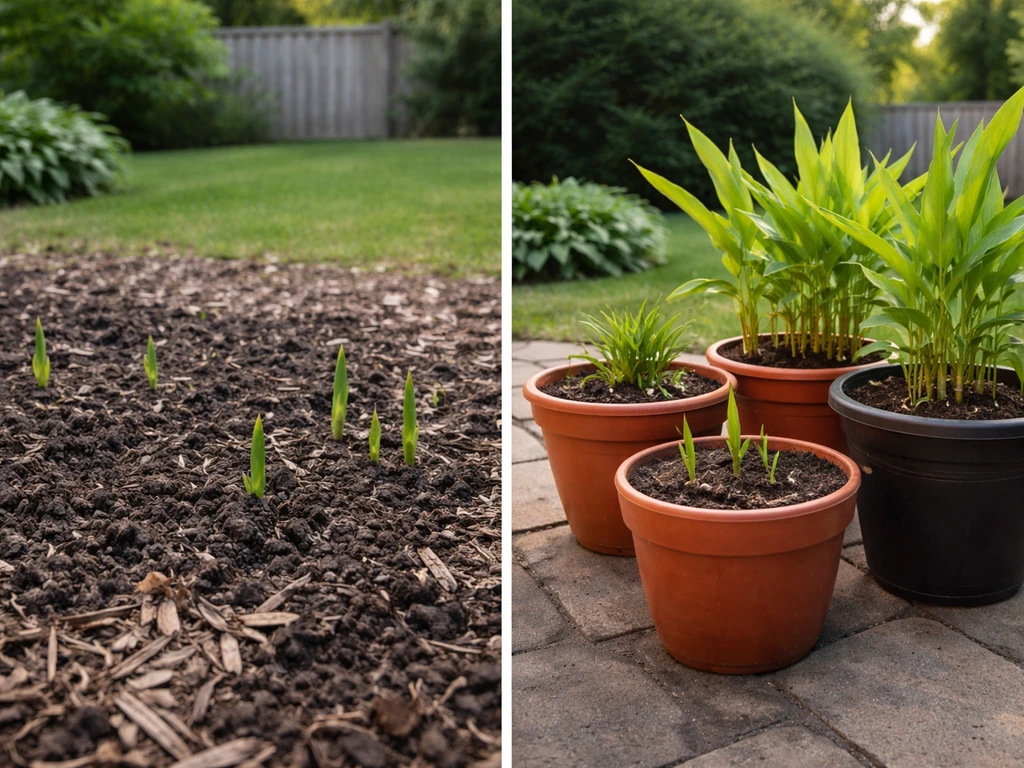
Ginger needs soil temperatures above 68°F to even begin growing, with the sweet spot around 77°F. In Minnesota, outdoor soil rarely hits those temperatures before late June in most parts of the state, and it cools back down by early September. That's a growing window of maybe 10 to 12 weeks outdoors, and ginger needs 8 to 10 months to reach a mature harvest. The math doesn't work for in-ground growing.
Container growing solves this by letting you control the environment. You start the rhizomes indoors in February or March where it's warm, get 6 to 8 weeks of indoor growth before frost risk ends, then move the pots outside to a warm, sheltered spot from roughly late May through early September. That gives ginger closer to 7 to 8 months of growth before you harvest in fall. You won't get the same yield as a tropical grower in Hawaii or southern Florida, but you will get real ginger rhizomes worth eating.
If you have a greenhouse or a very warm south-facing sunroom that stays above 70°F through winter, you can push that timeline even further and potentially get closer to a full harvest. For most Minnesota gardeners though, a pot on a warm patio is the practical setup.
Which ginger variety to grow and where to find rhizomes
Common culinary ginger (Zingiber officinale) is what you want for eating, and it's the variety most seed companies and nurseries carry. There are a few named selections, including 'Hawaiian Baby' (a compact variety well suited to containers) and standard culinary ginger from seed suppliers. For Minnesota container growers, a compact variety that doesn't need massive root space is a practical advantage.
The best place to source rhizomes is from a reputable seed company or online nursery that sells certified planting stock. Johnny's Selected Seeds, Strictly Medicinal Seeds, and a few specialty online vendors sell ginger rhizomes specifically for planting. These are reliably untreated and ready to sprout.
You can also use grocery store ginger, but there's a real catch: conventional grocery ginger is often treated with a growth retardant to extend shelf life, which means it may never sprout no matter what you do. If you go the grocery route, buy organic ginger and look specifically for pieces that already have swollen buds or visible green tips. Soaking store-bought rhizomes overnight in water before planting can help counter growth retardants, but it's not a guarantee. I wasted a full season on treated grocery ginger before switching to seed-supplier rhizomes, and the difference was immediate.
What ginger needs to actually grow in MN conditions
Heat and light
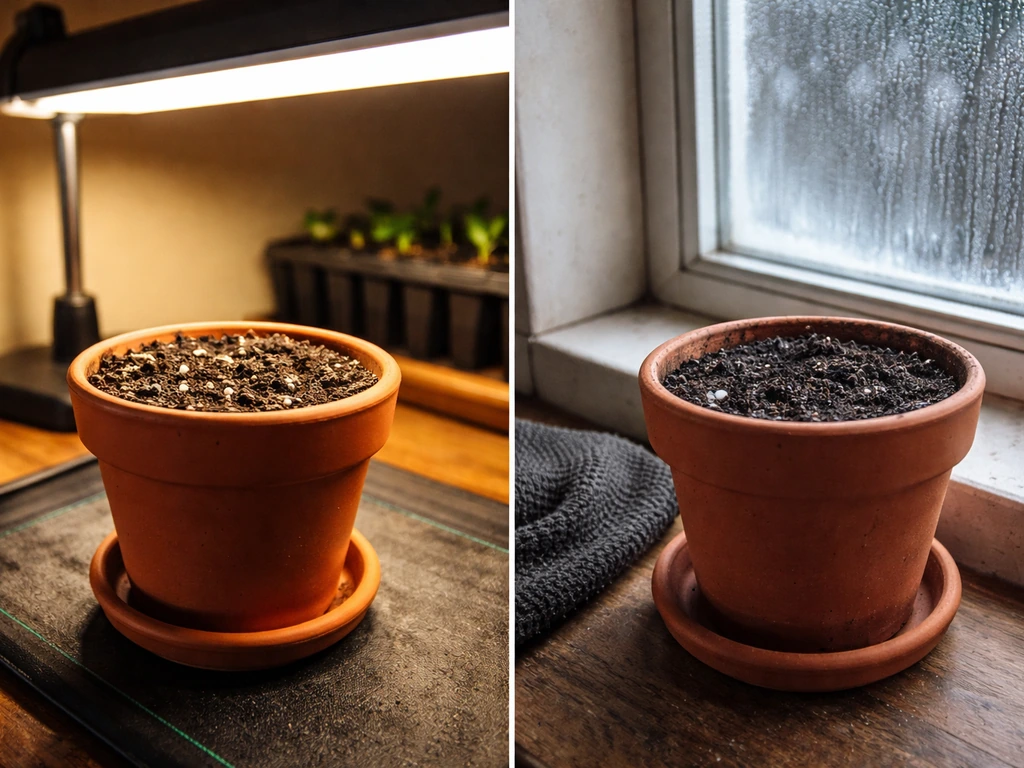
Ginger wants warmth above almost everything else. blank" rel="noopener noreferrer">Keep soil temperatures above 68°F consistently, and aim for ambient temperatures between 75°F and 85°F during the growing period. Indoors, a heat mat under the pot during the early sprouting phase makes a noticeable difference, especially in February and March when Minnesota homes can have cool floors. For light, ginger actually prefers filtered or indirect sun rather than harsh direct afternoon light. A bright east-facing window or a spot with morning sun and afternoon shade outdoors works well.
Soil and drainage
Use a rich, well-draining potting mix. A quality commercial soilless mix amended with a bit of compost is ideal. Do not use garden soil from your yard in containers: it compacts, drains poorly, and can introduce fungal pathogens that cause rhizome rot. Drainage is non-negotiable. Wet, poorly drained conditions are the primary reason ginger fails, and they create exactly the environment where Pythium and Fusarium rot pathogens thrive.
Timing
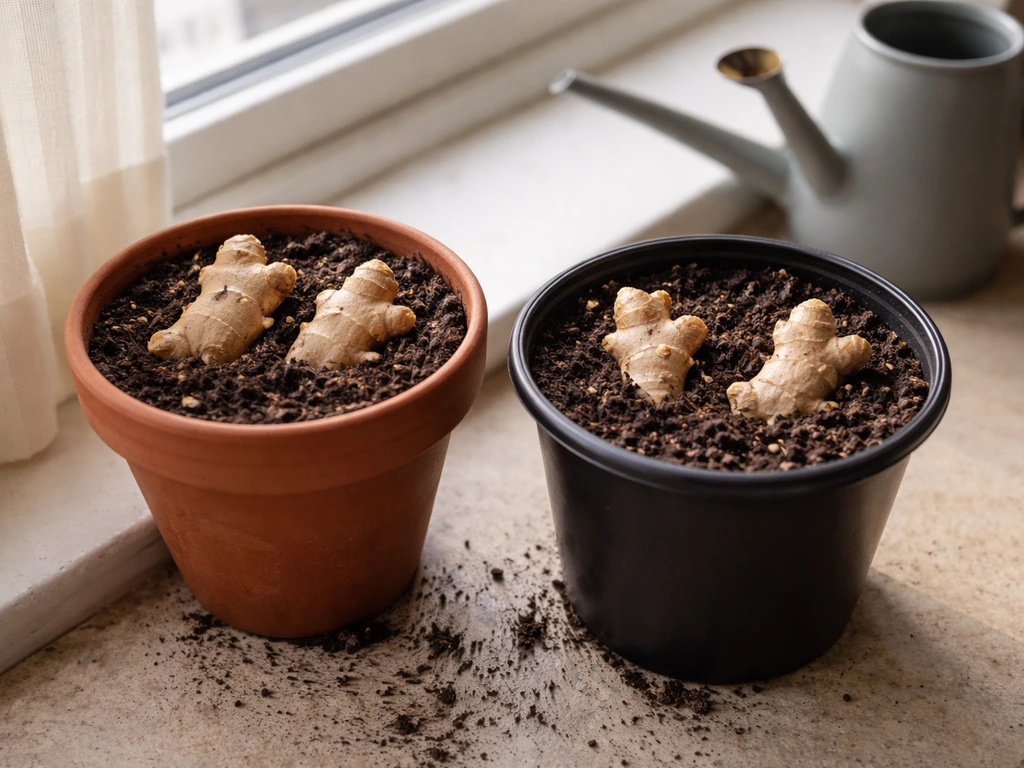
Start rhizomes indoors in late February or early March. This gives you a head start before the outdoor season begins. If soil temperature drops below 55°F, growth slows dramatically or stops entirely, so don't rush moving containers outside. In Minnesota, late May is a safe target for transitioning pots outdoors, after your last frost date has passed and nighttime temperatures are consistently staying above 50°F. Bring containers back in by mid-September to avoid cold stress before you're ready to harvest.
Step-by-step planting guide
- Select rhizomes with at least one plump, swollen bud (called an "eye"). Each section should be 1 to 1.5 inches long with at least one bud.
- If you're cutting a larger rhizome into pieces, let the cut surfaces callus for 2 to 3 days in a warm, dry spot before planting. This seals the wound and dramatically reduces the chance of rot when the rhizome meets moist soil.
- If using store-bought ginger, soak rhizomes in room-temperature water overnight before planting to help counter any growth retardants.
- Fill a pot (at least 12 inches wide and deep, with drainage holes) with a quality soilless potting mix. Do not pack it tight.
- Plant rhizomes about 1 inch deep with buds pointing upward. Lay them horizontally in the pot, as ginger spreads sideways rather than down.
- Water lightly after planting, just enough to settle the mix around the rhizome. Do not soak the pot at this stage.
- Place the pot in a warm spot (ideally 75°F to 85°F) with indirect or filtered light. A heat mat under the pot speeds up sprouting significantly.
- Expect to see shoots emerging in 2 to 4 weeks. Once growth starts, water more consistently but always let the top inch of soil dry slightly between waterings.
Container setup and overwintering indoors
Choosing the right pot
Go with an unglazed clay or plastic pot that has drainage holes, sized at least 12 inches in diameter and depth for a single rhizome piece, or larger (16 to 18 inches) if you're planting several pieces together. Drainage holes are non-negotiable: if water pools at the bottom of the pot, rhizome rot is almost inevitable. If you want to use a decorative outer container, slip the growing pot inside it and make sure water can drain freely out of the inner pot. Never let the inner pot sit in standing water.
Watering and feeding
During active growth, ginger likes consistent moisture but not soggy soil. Water when the top inch of mix feels dry. Container-grown ginger benefits from a general-purpose liquid fertilizer every 2 to 3 weeks during the growing season, since nutrients wash out of containers faster than in-ground beds. Reduce watering significantly in fall as the plant slows down and leaves start to yellow.
Overwintering the rhizomes
When you bring containers in from the patio in September and aren't ready to harvest yet, keep the pots in a warm indoor spot and maintain light watering. Missouri State University extension guidance also emphasizes [overwintering ginger by keeping it planted](https://ag. missouristate. edu/StateFruit/Files/GingerTurmericKarenScott.
pdf) and managing indoor dormancy and temperature conditions for cooler-climate production. If you want to harvest and store rhizomes for replanting next year, dig them out in October or November after the foliage dies back, cure them (more on that below), and store them at around 55°F in a cool basement or root cellar.
You can also simply leave smaller rhizomes in the pot with minimal watering through winter and restart growth in late February by moving the pot to a warm spot and resuming regular watering.
Harvesting, curing, and using your Minnesota-grown ginger
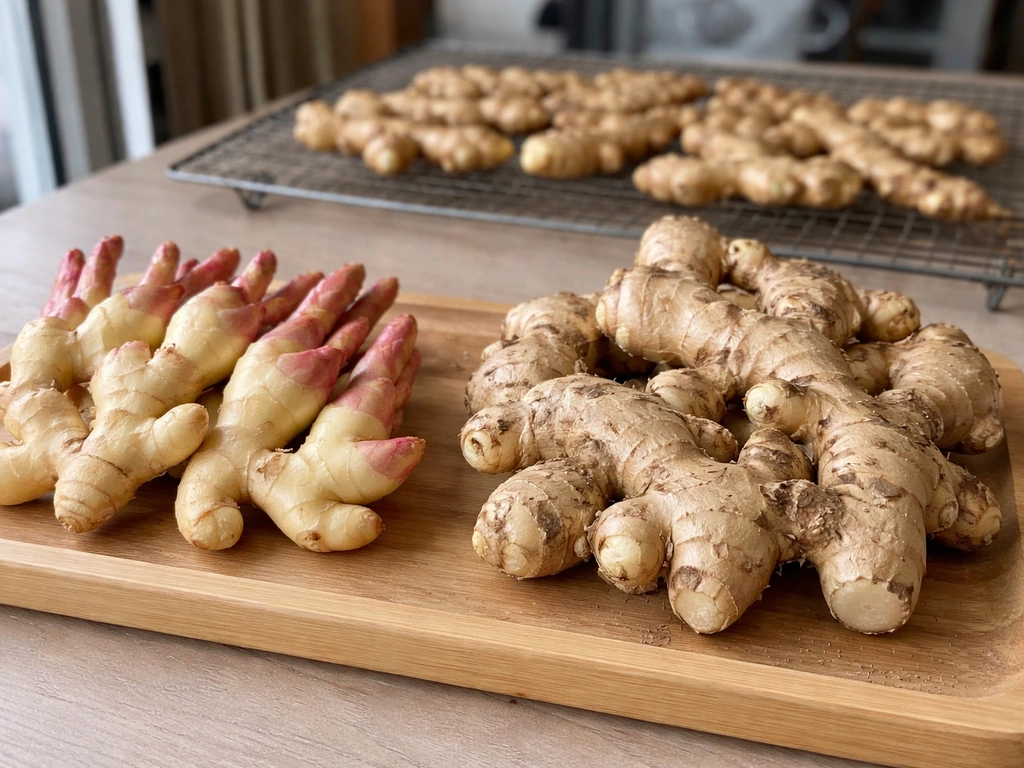
In commercial production with a full 8 to 10 months of warm growing conditions, ginger reaches full maturity and maximum rhizome size. In Minnesota, your realistic timeline from a late February indoor start to a September or October harvest is about 7 to 8 months. That's enough to get usable rhizomes, though they'll be smaller and milder than what you'd get from a full season in a warmer climate.
You have two harvesting options: "baby ginger" harvested at 4 to 6 months (tender, thin-skinned, mildly flavored, no need to peel) or mature ginger at the end of the season (more pungent, thicker-skinned, better for long-term storage). Baby ginger is actually a great option for Minnesota growers since you don't need a full season to get it.
To harvest, tip the container out or dig carefully into the pot. Pull the rhizomes free and brush off loose soil. For rhizomes you plan to store or replant, air dry them in a warm spot for a few days to cure the skin. Store cured rhizomes at around 55°F, such as in a cool basement, and they'll keep for several months. Save a few of the firmest, most bud-bearing pieces to replant in February and you've got next year's crop already sorted.
Fresh ginger straight from your own pot is noticeably better than store-bought: more aromatic, juicier, and with a cleaner flavor. Use it in stir-fries, teas, soups, marinades, or grate it into salad dressings. Baby ginger can be pickled whole or sliced thin without peeling.
Common problems Minnesota growers run into (and how to fix them)
| Problem | Likely Cause | Fix |
|---|---|---|
| Rhizome rots before sprouting | Planted in cold, wet soil or soil was too wet at planting | Callus cut pieces before planting, use well-draining mix, water sparingly until shoots appear |
| No sprouts after 4+ weeks | Treated store-bought ginger, or soil too cool | Switch to organic or nursery-sourced rhizomes, use a heat mat to keep soil above 68°F |
| Yellowing leaves mid-season | Overwatering, cold stress, or nutrient deficiency | Check drainage, confirm temperature above 55°F at night, apply liquid fertilizer |
| Slow or stunted growth outdoors | Soil or air temperature too low, low light | Move to a warmer, more sheltered spot; bring in if nights dip below 55°F |
| Small rhizome at harvest | Season too short or plant started too late | Start indoors by late February, maximize warm indoor time before and after outdoor season |
| Root or rhizome rot (soft, mushy roots) | Pythium or Fusarium rot from poorly drained, wet conditions | Improve drainage, avoid overwatering, use commercial soilless mix, remove and discard affected rhizomes |
Cold stress is the sneaky one. If you move containers out too early in spring or leave them out too late in fall, ginger slows to a near-stop and becomes vulnerable to rot. If soil temperature drops below 55°F, bring the pot inside immediately. A soil thermometer is worth owning if you're serious about this.
Realistic expectations: what you'll actually get and whether it's worth it
Let's be honest about what Minnesota container ginger looks like compared to ginger grown in the tropics or even in a year-round warm greenhouse. You're working with a compressed season, which means smaller rhizomes and a lighter yield per pot. A single 12-inch pot started in February might produce half a pound to a pound of usable ginger by fall. That's not going to supply your kitchen for the year, but it's fresh, flavorful ginger that you grew yourself, and the process is genuinely satisfying once you get it dialed in.
Startup costs are modest. A few planting rhizomes from a seed supplier run $5 to $15. A good-sized pot with quality potting mix costs another $15 to $25 if you don't already have containers. A heat mat (optional but helpful) is $20 to $35. Total first-year investment of under $60 for a setup you can reuse indefinitely by saving rhizomes each fall.
Growing ginger in Minnesota is worth trying if you have a warm, south-facing window or sunroom for the indoor phases, a warm patio or sheltered outdoor spot for summer, and patience to work through the first season's learning curve. Ginger can also work in Colorado, but you typically need a container setup and close attention to warmth and drainage to compensate for cool seasons warm patio or sheltered outdoor spot.
If you’re wondering can you grow ginger in Utah, the same container approach works, but you still need to manage warmth, light, and winter protection. It's probably not worth the effort if your indoor growing space stays below 65°F in winter or you don't have a reliably warm outdoor spot in summer. Gardeners in southern Minnesota (Minneapolis-Saint Paul metro and south) have a slightly longer warm season to work with compared to northern parts of the state, which helps.
If you've tried ginger in a colder neighboring state and had trouble, know that the same container approach applies across cold-climate regions. The challenge in Minnesota is similar to what growers face in Colorado or Illinois, where short warm seasons and cold winters force the same kind of container-and-overwinter strategy. The difference is that Minnesota's summer heat, when it arrives, is genuinely warm enough to push ginger growth if you set things up right.
Your clearest next step: order rhizomes from a seed supplier in January, set up a pot with good soilless mix and drainage, start on a heat mat by late February, and commit to not moving the pot outside until late May. That single adjustment, starting early indoors, makes the biggest difference between a disappointing harvest and a genuine one.
FAQ
How do I know if my ginger pot is warm enough before I see sprouts?
Use a soil thermometer in the pot, not just an outdoor thermometer. Ginger typically needs soil above about 68°F to get going, and if your pot is averaging below 68°F for days, sprouting often stalls. A heat mat under the container (especially in February and March) can keep the root zone warm even when the air feels cool.
Can I start ginger directly in a garage or basement instead of a window?
Yes, if you can keep the temperature warm enough and provide light. A basement or garage that stays cool (below mid-60s°F) slows ginger dramatically. If you only have warmth, you still need a bright window or grow light once shoots appear, because ginger grows lopsided and slower with low light.
What size pot is actually enough if I only have one rhizome piece?
Aim for at least 12 inches wide and deep for a single piece, and avoid skinny containers. Ginger rhizomes expand horizontally and rot becomes more likely in pots with limited drainage volume. If your pot is smaller than 12 inches, you can get growth, but harvest size and quality usually suffer.
How often should I water, and how can I tell if I’m overdoing it?
Water based on the mix drying, not a schedule. Check the top inch, if it feels dry, water thoroughly until excess drains. If the mix stays wet for long stretches, especially in cool weather, cut back and move the pot to warmer indoor conditions, because soggy conditions are the main driver of rhizome rot.
Do I need to peel ginger harvested in Minnesota?
For baby ginger (harvested around 4 to 6 months), you usually do not need to peel because the skin is thin and tender. If you wait for mature ginger, thicker skin can be tougher, and peeling may be helpful for some recipes, especially if you are grating.
Can I overwinter ginger in the same pot without fully curing and storing rhizomes?
Yes, if the pot is kept warm enough to prevent cold stress and you reduce watering significantly. After foliage dies back, many growers keep the pot in a cool, protected place and water only lightly so the rhizome does not sit in wet soil. Plan to restart in late February by moving to a warmer spot and resuming regular watering.
Why did my ginger rot even though I had drainage holes?
Drainage holes prevent pooling, but rot can still happen if the mix stays cold and wet or if water runs slowly through a compacted mix. Avoid garden soil in containers, use a well-draining potting mix, and in shoulder seasons keep the pot indoors quickly when soil temperatures drop toward the 55°F range.
Is grocery-store ginger ever worth trying in Minnesota?
It can sprout, but it is inconsistent. Conventional ginger is often treated to suppress sprouting, and you may lose an entire season. If you try it, use organic pieces with swollen buds or green tips, and treat it as a higher-risk experiment compared with certified seed rhizomes.
When is the best time to start fertilizing, and what should I avoid?
Start fertilizing after active growth begins, then feed every 2 to 3 weeks during the warmer growing months. Avoid heavy feeding right before moving pots outdoors into cooler conditions, because slower growth plus extra nutrients can make the mix stay wetter longer and increase rot risk.
How can I increase my chances of a harvest in northern Minnesota or a colder microclimate?
Prioritize a sheltered, south-facing outdoor spot and control root-zone temperature with a heat mat during the early indoor phase. Also consider using a warmer indoor sunroom or greenhouse for a longer period before the outdoor move, since the biggest limiter is consistent warmth of the soil rather than just air temperature.
What should I do with ginger pots after harvest if I want next year’s plants?
Save the most firm, bud-bearing rhizome sections for replanting in late February. Cure stored rhizomes briefly after harvest, then store around 55°F in a cool location so they do not dehydrate or sprout too early. Replanting with healthy bud-bearing pieces reduces the chance of a weak first growth cycle.
Next Articles
Can You Grow Ginger in Illinois? Container Guide
Yes, grow ginger in Illinois using indoor or greenhouse containers. Learn timing, planting, care, harvest, and winter ov
Can You Grow Ginger in Colorado? Step-by-Step Guide
Learn if you can grow ginger in Colorado and follow a step-by-step container and indoor guide to harvest rhizomes.
Can You Grow Black Pepper in the US Where and How
Learn where black pepper can be grown in the US and how to grow it indoors or in warm zones for fruit.