
Yes, you can grow ginger in Texas, and in most parts of the state it's genuinely one of the easier places in the country to do it. In Ohio, you can still grow ginger, but you will usually need containers and to start the rhizomes indoors early to beat the shorter season can you grow ginger in ohio. Ginger is a tropical plant that needs warm soil, humidity, and a long frost-free season, and Texas delivers all three across most of its geography. The main challenges are heat stress in the brutal summer afternoons and, in North Texas and the Panhandle, shorter growing windows. But with the right placement and a little planning, a home gardener in Texas can reliably grow and harvest ginger rhizomes without a greenhouse.
Can You Grow Ginger in Texas? How to Succeed
Marcus Petersen
27 Apr 2026
Realistic expectations for growing ginger in Texas
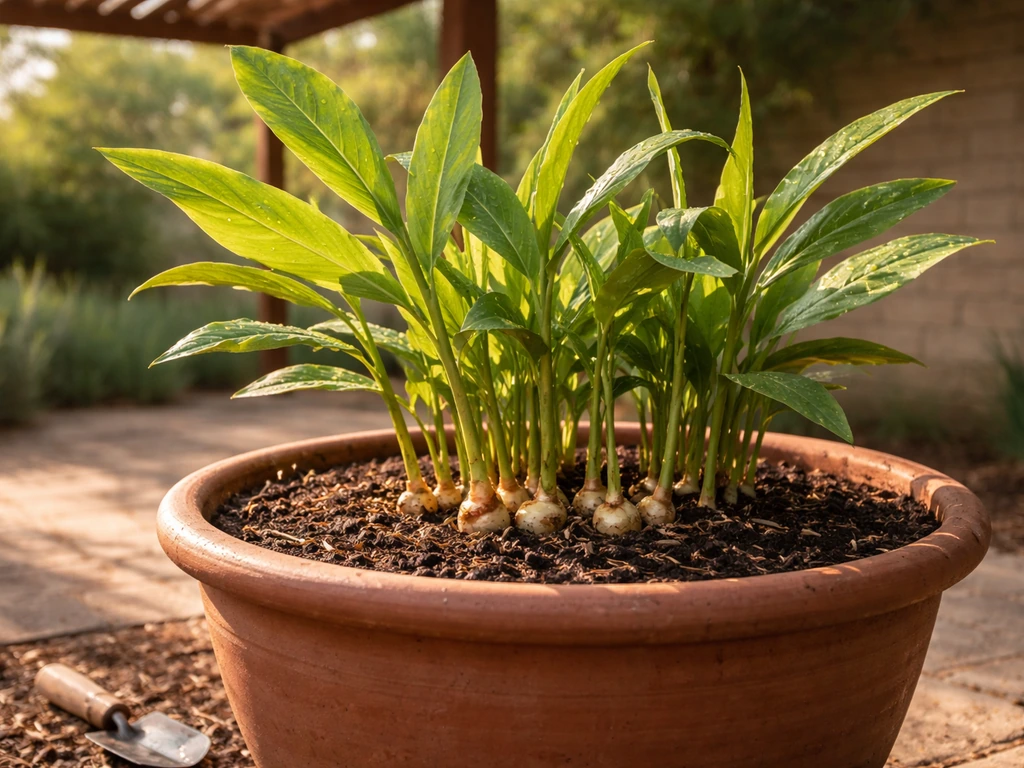
Ginger is hardy in USDA Zones 8 through 12, and most of Texas falls squarely in that range. Houston, San Antonio, and the Rio Grande Valley are essentially ideal outdoor ginger territory. Dallas-Fort Worth sits at the edge of Zone 8, where ginger can grow in the ground year-round with some protection, and the Panhandle around Amarillo is Zone 6-7, where containers become your best friend because last frosts can stretch into mid-April. The realistic expectation for most Texans is this: plant in spring, protect from midday sun in July and August, and pull rhizomes in late fall or early winter after 8 to 10 months of growth. For dried ginger rhizomes, harvest is typically 8, 10 months after planting, at full maturity, according to Wikipedia’s ginger article harvest is typically 8–10 months after planting. You won't get Hawaiian-scale harvests in a backyard plot, but you will get genuine, fragrant ginger root that's noticeably better than what sits in grocery store bins.
Where Texas gardeners sometimes get tripped up is assuming ginger loves full Texas sun the way tomatoes do. It doesn't. Ginger evolved under forest canopies, and direct afternoon sun in a Texas summer will scorch the leaves and stress the plant right when you need it growing hard. That's the single most common failure point I see, and it's easy to avoid once you know to look for it.
How Texas climate actually affects ginger
Frost dates by region
Frost timing is the main variable that separates a simple Texas ginger grow from a more managed one. In Dallas-Fort Worth, the last average freeze is around March 12 and the first freeze of fall is around November 22, giving you roughly a 254-day growing season. That's enough time to get a solid harvest in-ground. El Paso is trickier: the last freeze averages February 18 but the first freeze of the following season can come as early as March 6 of the same stretch, meaning that climate runs cold and dry rather than warm and humid. Amarillo and the Panhandle see last frosts into mid-April and first frosts in mid-October, compressing the outdoor season to about 180 days, which is workable but tight for full rhizome maturity.
Heat and humidity
Ginger grows only when soil temperature clears 68°F, and it really gets moving around 77°F. Texas soils hit those temperatures by April in South Texas and May in the northern third of the state, so timing is naturally on your side. The humidity in East Texas and along the Gulf Coast is practically tropical, which ginger loves. The flip side is that West Texas and El Paso are dry and hot, which means ginger needs more deliberate watering and misting to stay comfortable. In dry areas, misting or spraying plants regularly helps compensate for the lack of ambient humidity, and that extra attention matters more than gardeners often expect.
Container vs. in-ground: which setup works better for you
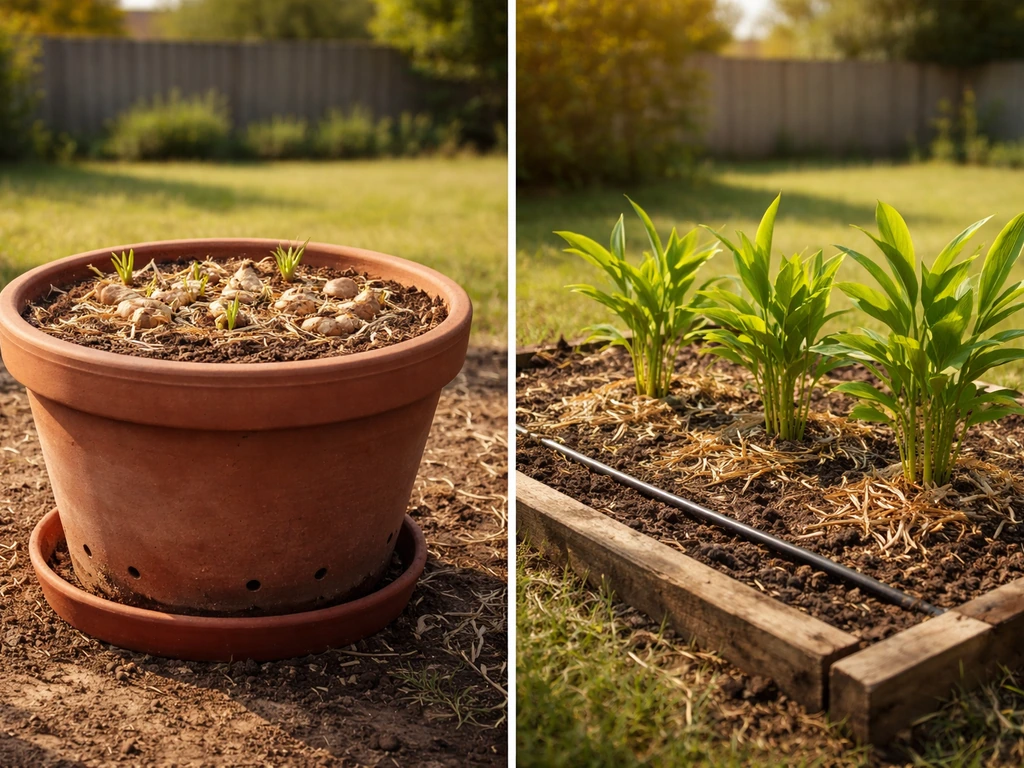
The right choice depends almost entirely on where in Texas you garden and how much flexibility you want.
| Factor | In-Ground | Container |
|---|---|---|
| Best regions | Houston, San Antonio, East Texas, Rio Grande Valley | Dallas-Fort Worth, Amarillo, El Paso, anywhere with frost risk or poor soil |
| Frost protection | Mulch heavily; rhizomes may survive Zone 8 winters in-ground | Move indoors easily when temps drop below 50°F |
| Soil control | Requires amending native soil (often clay or caliche) | Easy to fill with ideal mix from the start |
| Harvest ease | Dig the whole bed | Tip pot or harvest outer rhizomes without disturbing plant |
| Humidity management | Rely on natural conditions | Can cluster pots and mist more easily |
| Recommended pot size | N/A | At least 12–14 inches deep; wider is better for more rhizomes |
My recommendation: if you're in Houston or the San Antonio area with decent drainage, go in-ground and amend the soil well. If you're in DFW or anywhere north of that, containers give you the ability to start earlier indoors in February or March (which extends your growing season) and move the plant in before the first fall freeze without losing your investment. In the Panhandle, containers aren't optional, they're the strategy.
Planting ginger root: selecting, prepping, timing, and depth
Choosing your rhizome
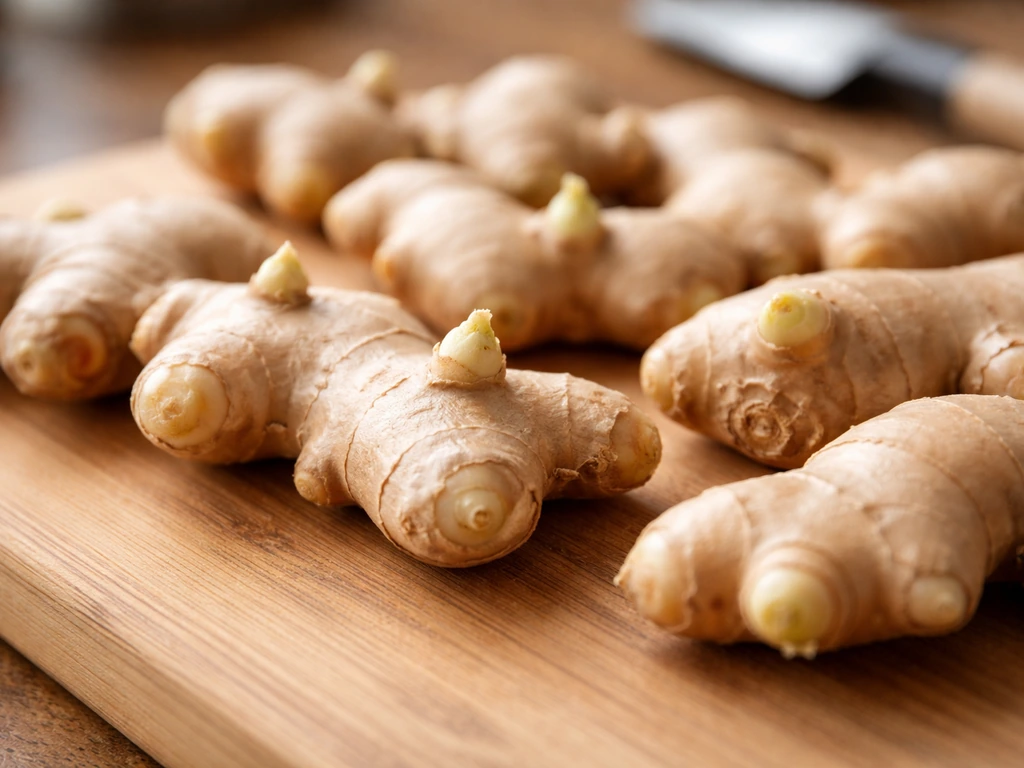
You can start with ginger from a grocery store, and it works fine as long as you pick the right piece. Look for firm, plump rhizomes with swollen buds, sometimes called "eyes," that are just beginning to swell or have a faint greenish tip. Avoid anything shriveled, moldy, or completely dormant-looking with no bud activity. Grocery store ginger is sometimes treated with a growth retardant to extend shelf life, so Texas A&M AgriLife Extension specifically recommends soaking store-bought rhizomes in water overnight before planting to flush out any inhibitors. Garden centers and seed suppliers also sell certified seed ginger if you want to skip that uncertainty.
Prepping the rhizome
FAQ
What’s the best month to plant ginger in Texas if I want the earliest harvest?
For most of Central and South Texas, aim for late March to early April, but in DFW and points north you will do better starting rhizomes indoors in February or March so the plant is already sprouting before you move it out. If your indoor setup warms inconsistently, use a heat mat and keep the growing medium at least around the mid-70s°F to speed emergence.
Can I grow ginger in Texas in-ground if my soil is heavy clay or has caliche?
Yes, but you need to build a better root zone. Plan on digging wider than you think and working compost deeply, about 12 inches down, then mound or create a raised bed so water drains freely after Gulf Coast storms. If standing water happens after rain or the bed stays wet for more than a day, container culture is usually the safer long-term fix.
Do I have to start ginger indoors in DFW, or can I just plant outside and hope?
You can plant outside, but it often leads to a late, smaller harvest because ginger needs a long warm stretch to fully mature. A practical compromise is pre-sprouting indoors for 4 to 8 weeks, then moving plants to a partially shaded spot in April once nights are reliably warm.
How do I tell the difference between normal dormancy and a rot problem?
Normal dormancy shows gradual leaf yellowing and dieback as temperatures cool, with the rhizome still firm when you inspect it later. Rot shows foul odor, mushy tissue, or blackened parts, often after overwatering or when cut rhizomes were planted before callusing. If you suspect rot, reduce watering immediately and improve drainage, especially in containers.
What’s the safest way to water ginger in hot Texas summers without overwatering?
Use a moisture check at the top inch, water only after it partially dries, and avoid frequent light watering that keeps the rhizome zone soggy. In containers, water deeply until a little drains, then wait, while in-ground beds rely more on long soaks followed by a dry-down. If leaves scorch, adjust shade first, then refine watering afterward.
My ginger leaves are yellowing in July. Is that always sunburn?
Not always. Afternoon sun stress is common, but nutrient imbalance and inconsistent moisture can also trigger yellowing. First move or shade to morning sun plus afternoon shade, then verify drainage and check whether the soil has phosphorus-supporting fertilizer from the active growing season onward.
Can I use store-bought ginger, and how do I handle the chance it won’t sprout?
You can, but selection matters. Choose rhizomes that feel firm and have swollen buds or faint green tips. Soaking overnight helps reduce growth inhibitors, and callusing cut pieces for a day or two reduces rot risk. If nothing appears after 6 to 8 weeks at warm temps, it may be dormant or treated, and replacing the planting material is often faster than waiting indefinitely.
Should I cut ginger rhizomes into pieces, and does bigger always mean better?
Cut into 1 to 1.5 inch sections with at least two eyes, bigger is not automatically better because each viable piece can establish its own shoots. Larger pieces can take longer to dry out and may rot if planted immediately, so callus time is still important even with bigger cuts.
How deep should I plant ginger rhizomes in containers vs in-ground?
Plant pieces about 1 inch deep in both settings, the key is consistent depth rather than depth alone. Ginger spreads horizontally, so burying deeper usually delays sprouting and increases the chance the rhizome stays wet too long.
What container size and drainage setup works best in the Texas Panhandle or North Texas?
Use a wide pot so the rhizome has room to expand, aim for at least 10 to 14 inches deep and wide, and ensure multiple drainage holes. For heavy climates, a potting mix with extra perlite is important, and you may want a saucer only if you empty it after draining so the root zone never sits in water.
When should I harvest ginger in Texas, and can I harvest earlier for “baby ginger”?
Harvest when leaves yellow and die back, typically after 8 to 10 months for full-size rhizomes. If you want baby ginger, you can gently harvest thin-skinned pieces around 5 to 6 months, taking outer growth first while leaving the center rhizome intact so the plant can continue maturing.
Is it normal to see no growth right away after planting ginger?
Yes, ginger can take 50 or more days to sprout, especially if soil temperatures are still ramping up. The best next step is to confirm soil warmth (not just air temperature) and make sure rhizomes were callused and not planted too deep or in waterlogged media.
How should I overwinter ginger in Texas containers and protect in-ground plants from freezes?
In northern Texas, bring containers indoors once nights drop consistently below 50°F and keep them in a cool, bright spot with minimal watering until growth resumes. For in-ground plants in milder zones, mulch can help, but hard freezes can still kill rhizomes, so if you are in a colder part of Texas, thick mulch plus a risk plan is wise (including being ready to dig and store rhizomes if temperatures turn extreme).
Next Articles
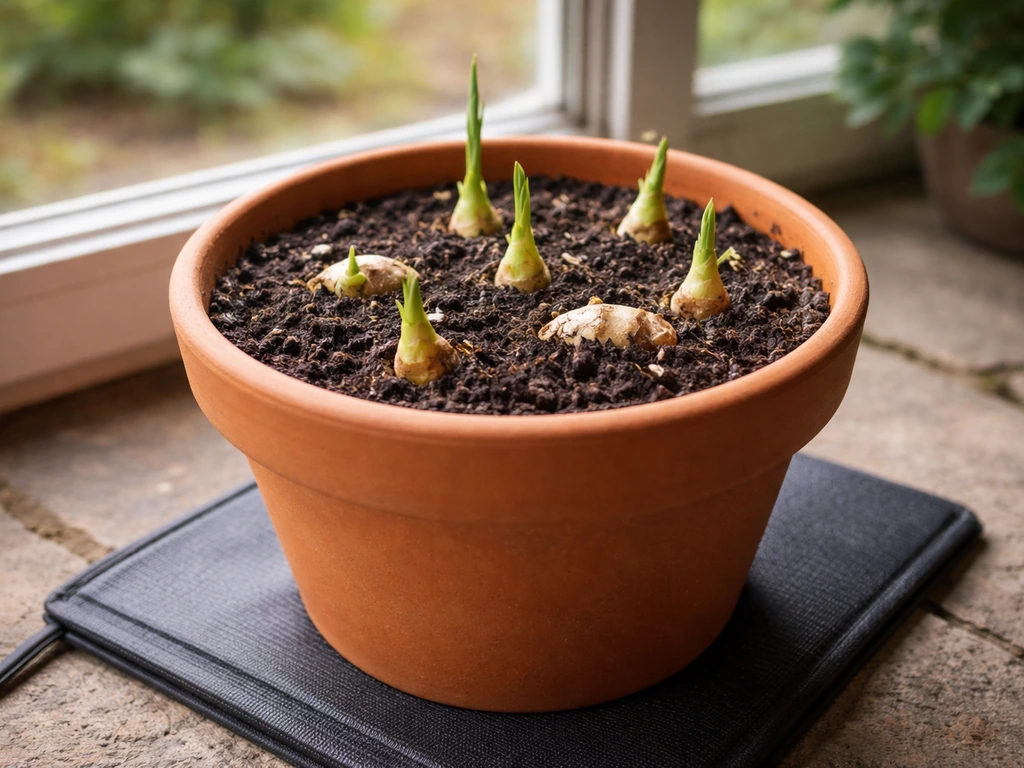
Can You Grow Ginger in Ohio? How to Succeed
Learn if you can grow ginger in Ohio and get step-by-step container and indoor-start tips for harvest and storage.
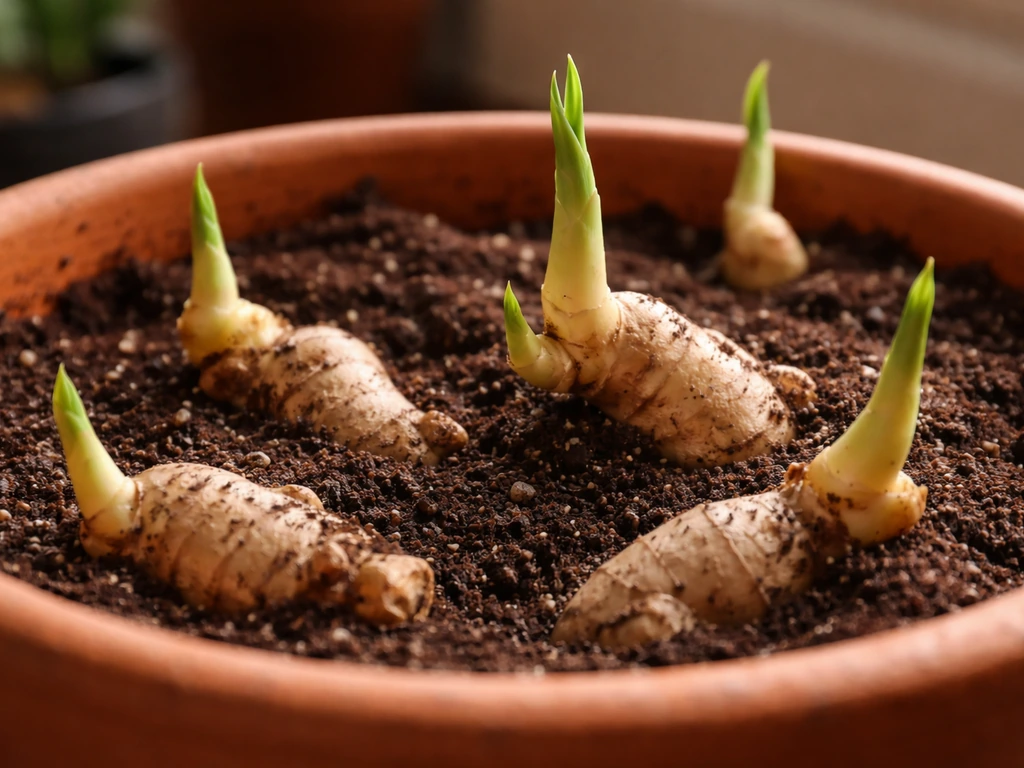
Can You Grow Ginger in Michigan? How to Do It Successfully
Yes, you can grow ginger in Michigan with indoor starts and warm containers, timing, care, overwintering, and troublesho
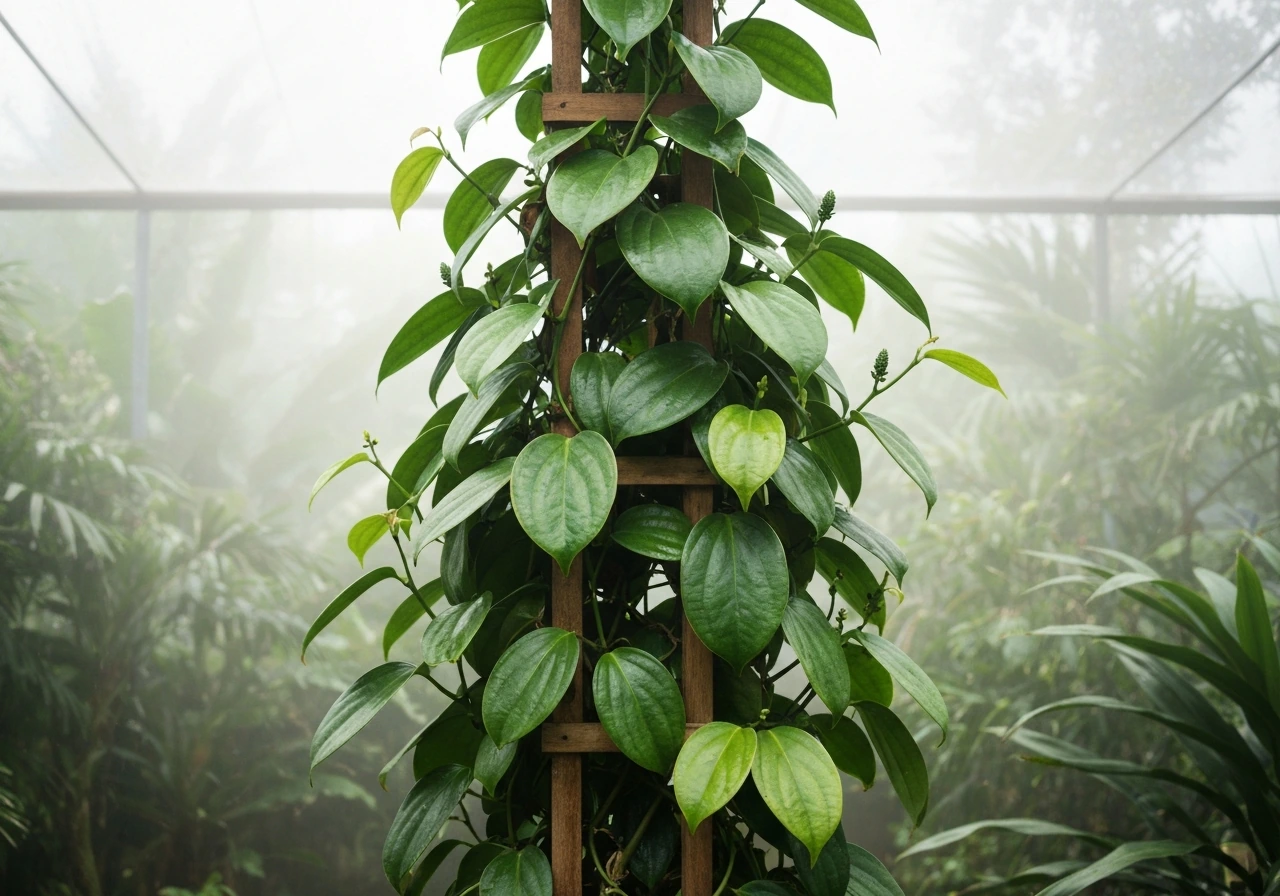
Can You Grow Black Pepper in the US Where and How
Learn where black pepper can be grown in the US and how to grow it indoors or in warm zones for fruit.