
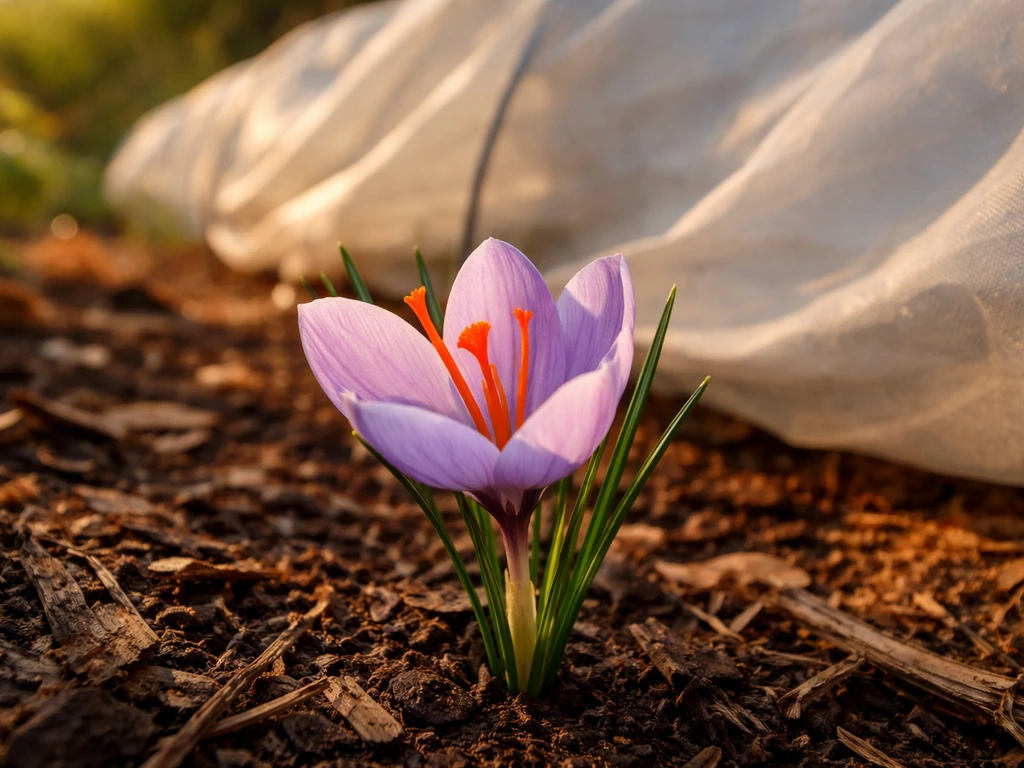
Yes, you can grow saffron in South Carolina, and in most of North Carolina too. The Carolinas actually sit in a sweet spot where the winters are cold enough to give saffron corms the chill they need, but rarely brutal enough to kill them outright. The bigger challenge here is not the cold, it is the hot, humid summers and the wet fall weather that can show up right when your corms are trying to flower. Handle those two problems and you have a genuinely workable saffron garden.
Can You Grow Saffron in South Carolina? Complete Guide

Marcus Petersen
22 May 2026
North vs South Carolina climate reality check for saffron
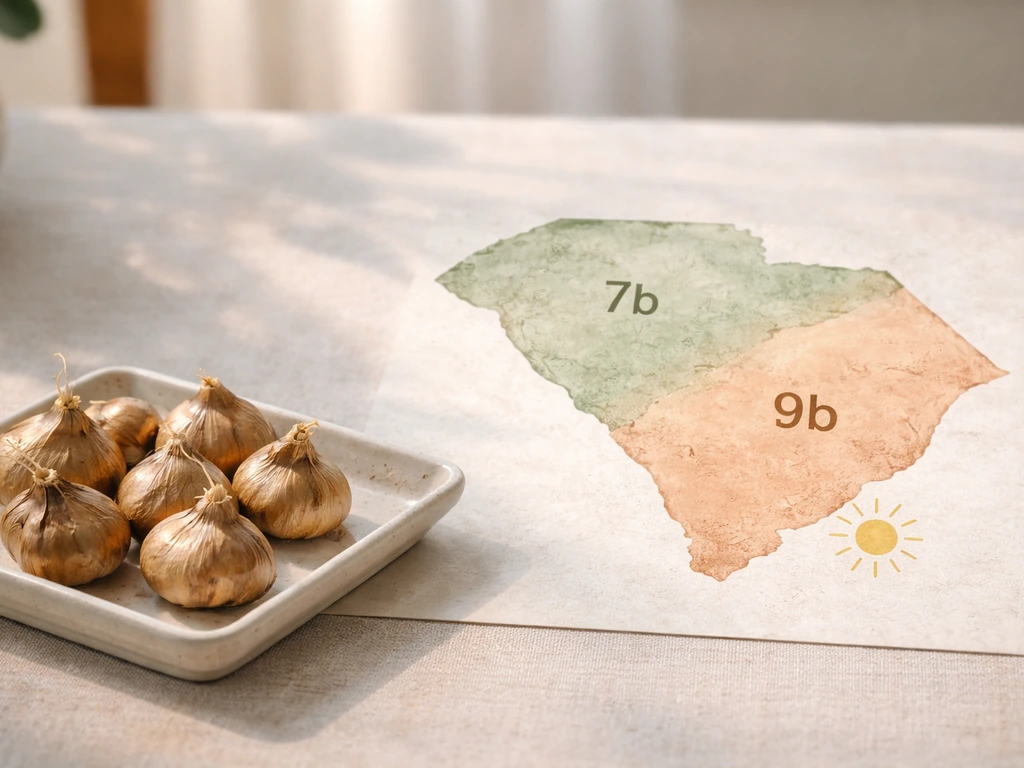
South Carolina runs from about Zone 7b in the extreme northwest corner down to Zone 9b along the southeastern coast near Hilton Head. North Carolina spans a wider range, from Zone 6a in the higher mountains all the way to Zone 9a along the Brunswick County coast. Saffron corms (Crocus sativus) are happiest in Zones 6 through 8, so most of both states fall right in range. The Upstate of South Carolina and the Piedmont of North Carolina are honestly ideal. The coastal lowcountry of South Carolina is the trickiest part of the map because Zone 9b winters may not deliver enough chill hours and the humidity is relentless.
Saffron needs a clear summer dormancy with warm, dry conditions (around 20 to 27°C, roughly 68 to 80°F, to trigger flower initiation inside the corm), then a drop to about 15 to 17°C (59 to 63°F) in autumn to actually push the flowers out of the ground. The Carolinas deliver that temperature swing naturally in most areas. What they also deliver is late-summer humidity and sporadic fall rain, which can collide badly with the flowering window of roughly October 15 through November 20. That is your main management task: keeping soil drainage sharp so flowers emerge into damp air, not soggy soil.
If you are in the NC mountains above 3,000 feet, winter cold is a real consideration. Temperatures that hit 5°F to 10°F (Zone 7a range) will not kill corms that are properly mulched, but sustained hard freezes below 0°F can. A thick mulch layer handles that in most mountain zones. Compare this to growing saffron further south in states like Georgia or Alabama, where the challenge tilts even more toward insufficient winter chill rather than cold damage. If you are wondering can you grow saffron in Alabama, the limiting factor is usually winter chill rather than cold damage growing saffron further south in states like Georgia or Alabama. If you want to try can you grow saffron in georgia, focus on winter chill and keep drainage excellent states like Georgia or Alabama.
Saffron biology: corms, planting season, and growth cycle
Saffron is not grown from seed in any practical sense. You plant corms, which look like smallish onion bulbs with a papery brown tunic. Each corm flowers in its first autumn, then spends the winter and spring producing leaves that feed the next generation of replacement corms underground. By early summer the leaves yellow and die back completely. The corm then goes dormant and stays dormant all through the hot summer months. Around late September to early October, once soil temperatures cool, new growth pushes up and flowers appear, usually before or alongside the first leaves. You harvest the three red stigmas from each flower by hand. The whole flowering window per individual flower lasts only a few days, so you need to check daily during peak bloom.
The critical thing to understand is that the corm's internal flower development happens during the summer heat. Warm soil (around 23 to 27°C) is what initiates that process inside the dormant corm. Then the autumn cool-down is the trigger that says 'now emerge.' In the Carolinas, this cycle lines up well. Summer soil temperatures in most of the region are more than adequate, and October cool-downs arrive reliably enough to get flowers by mid to late October in most years.
Best site selection and soil prep in the Carolinas
Full sun is non-negotiable, at least six hours per day and more is better. In the Carolinas, I would specifically look for a spot with morning sun and some afternoon shade during the hottest weeks of summer. This keeps the corms warm enough to develop flowers without cooking them in 95°F baking heat. A south-facing raised bed against a fence or wall works well in the Piedmont. Avoid low spots where cold air pools in winter or where rainwater collects after storms.
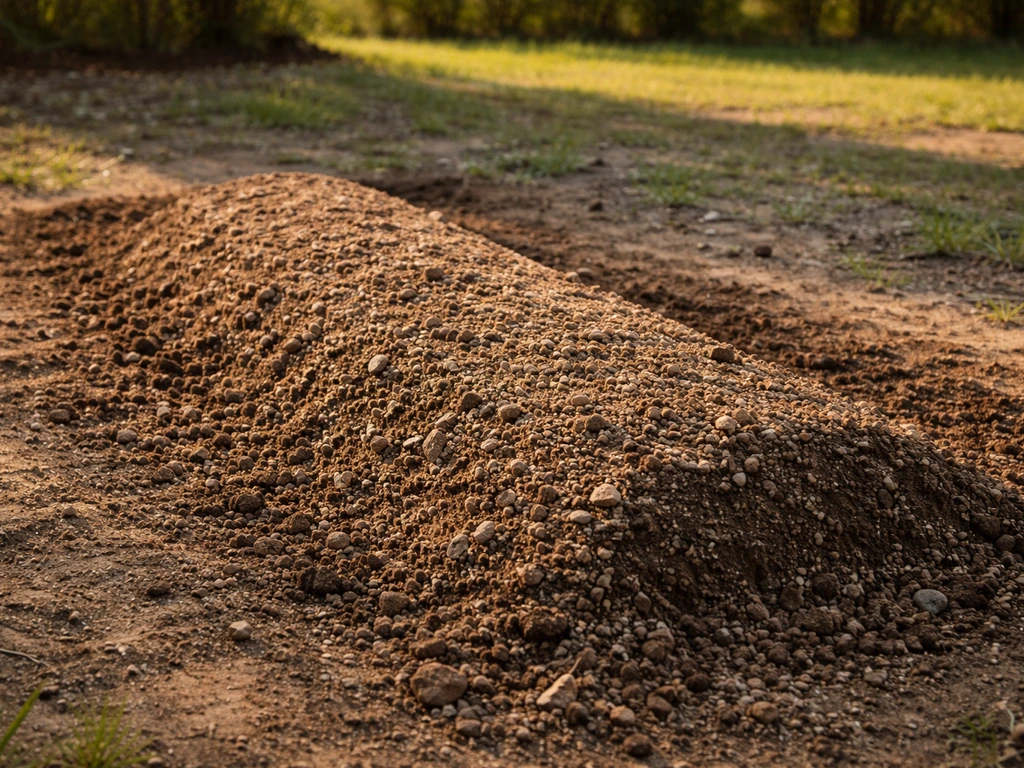
Drainage is the single most important soil factor. Saffron corms sitting in wet soil rot, period. In the Carolinas, where clay soils are common in the Piedmont and sandy, poorly structured soils appear on the coast, you almost always need to amend or raise your bed. I would not bother trying to grow saffron in flat, unimproved clay soil. Build a raised bed at least 8 to 12 inches tall, or mound your bed up significantly. Use a mix of native topsoil, coarse sand or perlite, and moderate compost. Aim for a slightly alkaline to neutral pH in the range of 6.0 to 8.0. The texture you want is loose and crumbly, something that drains within minutes of a heavy rain. If water pools on the surface for more than 30 minutes after rain, that site will kill your corms.
- Choose a full-sun location with a minimum of 6 hours of direct light daily
- Avoid low areas and spots near downspouts or drainage paths
- Build raised beds 8 to 12 inches tall if your native soil is clay or has poor drainage
- Mix coarse sand or perlite into native soil at roughly 1 part amendment to 2 parts soil
- Add moderate compost but do not over-fertilize with nitrogen, which promotes rot
- Target soil pH between 6.0 and 8.0
- Test drainage by pouring a bucket of water on the amended bed and watching how fast it disappears
How to plant saffron corms and what spacing and depth to use
Plant corms in late August through September in the Carolinas. This is earlier than many national guides suggest because you want roots established before the flowering push in October. Both NC State Extension and Johnny's Selected Seeds recommend planting 3 to 4 inches deep and 3 to 4 inches apart. I tend to go with 4 inches deep and 4 inches apart as a standard starting point. In a small home garden bed, you can fit a meaningful number of corms in a relatively tight space.
Set each corm pointy side up (the growing tip) or, if you cannot tell which end is up, plant it sideways and it will sort itself out. Handle corms gently to avoid nicking or bruising them, because damaged tissue is a direct entry point for Fusarium and other pathogens that cause corm rot. Do not soak corms before planting. Drop them directly into a pre-dug trench or individual holes, space them out, cover, and firm the soil gently. Water in once after planting, then wait.
Watering, temperature protection, and pest and fungal considerations
During summer dormancy (roughly late June through late September), saffron corms do not need irrigation. If your bed is outside and you get summer rain, that is fine as long as drainage is working properly. Do not actively water dormant corms. Once you plant in late August or September, give them a single watering to settle the soil, then hold off until you see foliage pushing up. After that, water lightly if there has been no rain for two weeks or more during the active growth and flowering period. The rule from Johnny's is simple and worth repeating: saturated soil kills corms. Let the bed dry out between waterings.
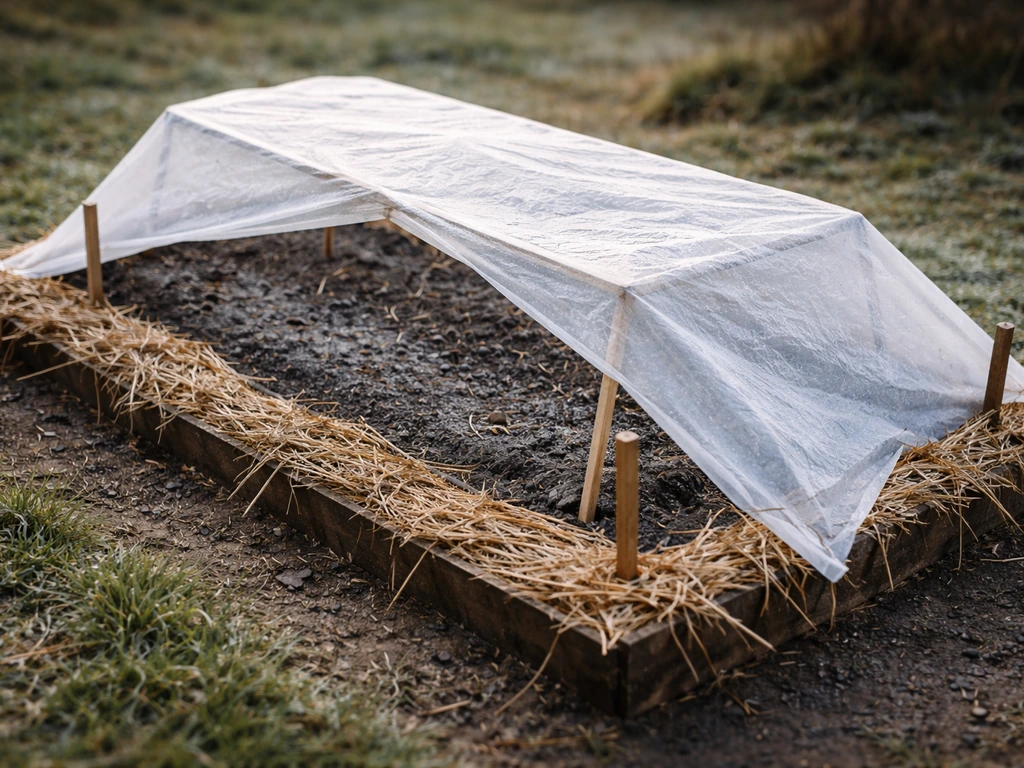
In the Carolinas, winter cold is rarely severe enough to threaten properly planted corms below 4 inches of soil. If you are in the NC mountains or the northwestern SC Upstate and you expect sustained temperatures below 10°F, apply a 3 to 4 inch layer of straw or shredded leaf mulch over the bed after the foliage dies back in spring. Remove the mulch in late summer before bloom. On the coast, winter cold is not your concern, but summer heat and humidity management is critical.
The two biggest disease threats in the humid Southeast are Fusarium corm rot and Botrytis grey mould. Fusarium typically enters through mechanical damage, so handle corms carefully at planting and do not dig around in the bed unnecessarily. Botrytis is a wet-weather fungal problem that can attack flowers and foliage during a rainy October. You cannot fully prevent it, but planting in raised, well-ventilated beds and avoiding overhead watering during the bloom period helps significantly. Violet root rot is a third concern in poorly drained soils and is essentially eliminated by fixing your drainage before you ever plant.
Rodents are a genuine problem with saffron corms. Voles and field mice will find and eat corms underground. If you have had vole problems in your garden before, plant corms inside wire mesh baskets or line the bottom of your raised bed with hardware cloth (half-inch mesh). This is more work upfront but saves a lot of frustration. I lost an entire first planting to something burrowing before I figured this out.
Timeline to first harvest and realistic yield expectations
If you plant corms in late August or September, you will see flowers the same autumn, typically from mid-October through mid-November. Year one yields are modest. A single corm produces one to three flowers, and each flower yields three stigmas. That means 50 corms might give you 50 to 150 flowers in a good year, which translates to roughly 150 to 450 stigmas. Dried saffron is incredibly light, so 150 to 450 stigmas will produce somewhere in the range of half a gram to maybe a gram and a half of dried saffron, depending on conditions. That is enough to flavor several dishes but is not going to replace your spice cabinet.
The good news is that the corms multiply underground. By year two and three, each original corm has divided into several replacement corms, so your bed expands and yields improve without buying more planting stock. Serious saffron gardeners often see their yields double or triple between year one and year three. If you want meaningful culinary quantities, think about starting with at least 100 corms and planning to expand the bed.
| Year | Approximate corm count (starting with 50) | Estimated flower count | Estimated dried saffron yield |
|---|---|---|---|
| Year 1 | 50 | 50 to 100 | 0.5 to 1 gram |
| Year 2 | 100 to 150 | 100 to 200 | 1 to 2 grams |
| Year 3 | 200 to 300 | 200 to 400 | 2 to 4 grams |
Harvest timing is critical. Each flower opens for just two to three days. Pick stigmas in the morning when flowers are freshly open, before midday heat. Pinch or use small scissors to remove just the three red stigmas (not the yellow stamens). Dry them on a paper towel or in a very low oven (below 150°F) for about 30 minutes, then store in an airtight glass container away from light. Freshly dried saffron is noticeably more potent than anything you buy at the grocery store.
Indoor, greenhouse, and container options for tricky spots
If you are in coastal South Carolina (Zone 9a or 9b) and worried that your winters do not deliver enough chill, or if you just have no suitable outdoor bed, containers are a completely viable option. Use a terracotta or fabric pot at least 12 inches wide and deep, filled with a fast-draining mix (50 percent potting mix, 50 percent perlite works well). Plant corms at the same 4-inch depth and spacing as an outdoor bed. You can move containers to a cool, dry garage or unheated shed during summer dormancy to simulate the warm-dry conditions the corms need, then bring them back outside in late August to catch autumn cooling.
A cold greenhouse or high tunnel is the other option, especially in the NC mountains where outdoor corms might face genuinely damaging cold. Research from UVM's saffron program shows that high tunnels extend the growing season and protect flowers from frost and wet weather, which maps well onto mountain NC conditions. You do not need heat, just frost protection during the October to November bloom window. Even a simple row cover or cold frame placed over an outdoor raised bed during the flowering weeks can protect blooms from an early freeze and keep Botrytis down during wet spells.
If you are leaving corms in the ground year-round (which works fine in most of the Carolinas), the main overwintering strategy is the mulch layer described above for cold zones, and simply ensuring drainage is solid so winter rains do not waterlog the bed. In Zone 8 and warmer, corms left in-ground with good drainage typically overwinter without any additional protection.
Where to source corms and how to start this season
The planting window for the Carolinas is late August through September, so if you are reading this in late spring or early summer, you have a few months to get organized. Order corms now before stock runs out. Saffron corms sell out consistently by midsummer at reputable suppliers. Look for vendors that specialize in bulbs and saffron specifically, not just general garden centers. Johnny's Selected Seeds is a reliable source with clear growing information included. Several specialty bulb importers also sell saffron corms in bulk, which makes sense if you want to start with 100 or more corms rather than a small trial packet.
When your corms arrive, inspect each one. Discard any that are soft, shriveled, or show obvious mold. Store them in a paper bag or mesh bag in a cool, dry spot (a basement or garage at around 60 to 70°F works) until planting time. Do not store in plastic, which traps moisture and encourages rot. Do not refrigerate, which can interfere with the internal flower development process.
- Order corms now (May through July) from a reputable bulb supplier before stock sells out
- Decide on your site: raised outdoor bed, in-ground amended bed, or containers based on your location and zone
- Build or amend your bed before August, ensuring fast drainage and appropriate pH
- If voles are a known problem in your yard, install hardware cloth at the bottom of the bed now
- Plant corms 4 inches deep and 4 inches apart in late August through September
- Water in once after planting, then hold off until foliage appears
- Check the bed daily from mid-October onward for flowers, and harvest stigmas every morning during bloom
- After foliage dies back in late spring, apply mulch in mountain zones and let the bed rest dry through summer
The bottom line is this: saffron is genuinely worth trying in most of South Carolina and North Carolina. If you are wondering can you grow saffron in Texas, the answer depends mostly on whether you can recreate the right winter chill and warm, dry summer dormancy conditions. The Piedmont and Upstate regions of both states are well-suited for outdoor in-ground growing with minimal fuss beyond good drainage and a smart planting spot. Coastal South Carolina is harder but doable in containers or with careful site selection. The mountain zones of NC require a little extra cold protection but nothing elaborate. If you can commit to building a well-drained raised bed and getting corms in the ground by September, your first harvest is just a few months away.
FAQ
Can you grow saffron in South Carolina from seed instead of corms?
No, direct sowing seed is not practical for saffron. In South Carolina you should plan on planting saffron corms (Crocus sativus), because they reliably produce flowers the first autumn and then build new replacement corms underground over the following years.
What should I do if my saffron doesn’t bloom in the first year in South Carolina?
If your flowers don’t show up by early November, first check soil dryness and drainage during October. The most common cause in humid areas is waterlogged soil during the flowering push, not a lack of cold. Also confirm you planted in late August to September, since planting too late can miss the warm-summer internal development cycle.
How can I tell if my site is draining well enough for saffron?
Raised bed height matters. If after a heavy rain water sits on the surface longer than about 30 minutes, lower spots or poor soil mix are the problem. A practical fix is rebuilding as a taller raised bed or mound and mixing in more coarse sand or perlite until the bed drains quickly.
Can I irrigate saffron during the growing and flowering season in South Carolina?
Yes, but be strict about where the irrigation water goes. Drip irrigation works best, and you should avoid overhead watering during the bloom window because it increases Botrytis risk. During summer dormancy, do not irrigate unless you have an unusually dry setup and even then only lightly, because saturated conditions are the bigger threat.
Should I disturb the bed or replant around existing corms each year?
Avoid planting corms in the same bed year after year without thinking about soil and airflow. Every season, don’t dig around the corms, but you can refresh the raised-bed mix on the surface lightly and ensure there is no compaction layer. Compacted or poorly aerated soil raises the odds of Fusarium and Botrytis.
What’s the best way to protect saffron corms from rodents in South Carolina?
If voles or mice are active, surface planting failures usually come from shallow corm placement or lack of underground barriers. Use hardware cloth or wire mesh baskets at planting, and make sure the barrier fully covers the bottom and sides of the planting area, not just the top layer of soil.
Can I store saffron corms in the refrigerator before planting in South Carolina?
You generally should not. Refrigerating corms can disrupt the internal cycle that leads to flowering, and plastic storage can trap moisture and cause rot. Store corms dry in a cool, non-refrigerated area (around 60 to 70°F) in breathable paper or mesh until planting.
When can I cut back saffron leaves in South Carolina after planting?
You may, but it can cost yield if you cut too early. Keep foliage until it naturally yellows and dies back, because those leaves feed the replacement corms. If you trim while it is still green, you can reduce the number and size of next year’s corms.
How do I avoid ruining saffron during harvest and drying?
For fresh harvesting, pick flowers early and remove only the three red stigmas. If you see yellow parts (stamens) mixed in, discard them before drying, because they do not contribute to the flavor profile you want and can dilute the final saffron.
What are the most common container mistakes when growing saffron in coastal South Carolina?
In containers, you should treat soil like a “pot-in-ground” system. Make sure the container has real drainage holes, use a fast-draining mix with perlite, and prevent water from collecting under the pot (for example, keep it off a saucer during rainy periods). In summer dormancy, moving containers to a cool, dry garage or shed can help mimic the warm-dry requirement.
Next Articles
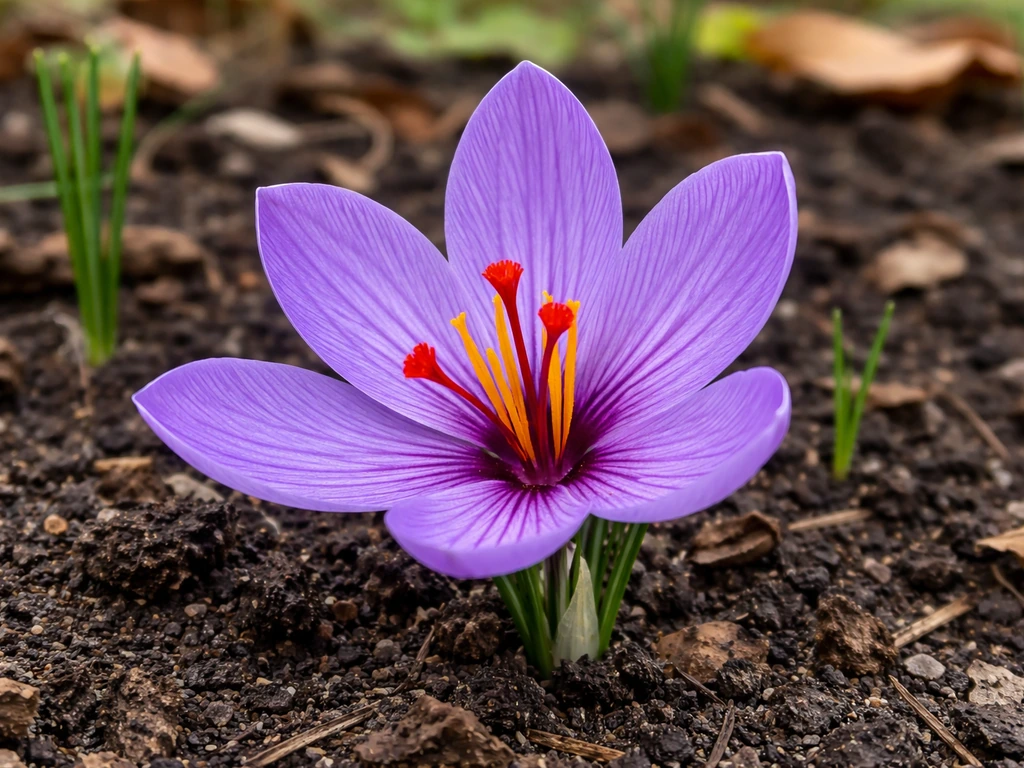
Can You Grow Saffron in Georgia? Steps, Timing, and Tips
Can you grow saffron in Georgia, USA? Learn timing, soil, planting, watering, and troubleshooting for blooms and safe ha
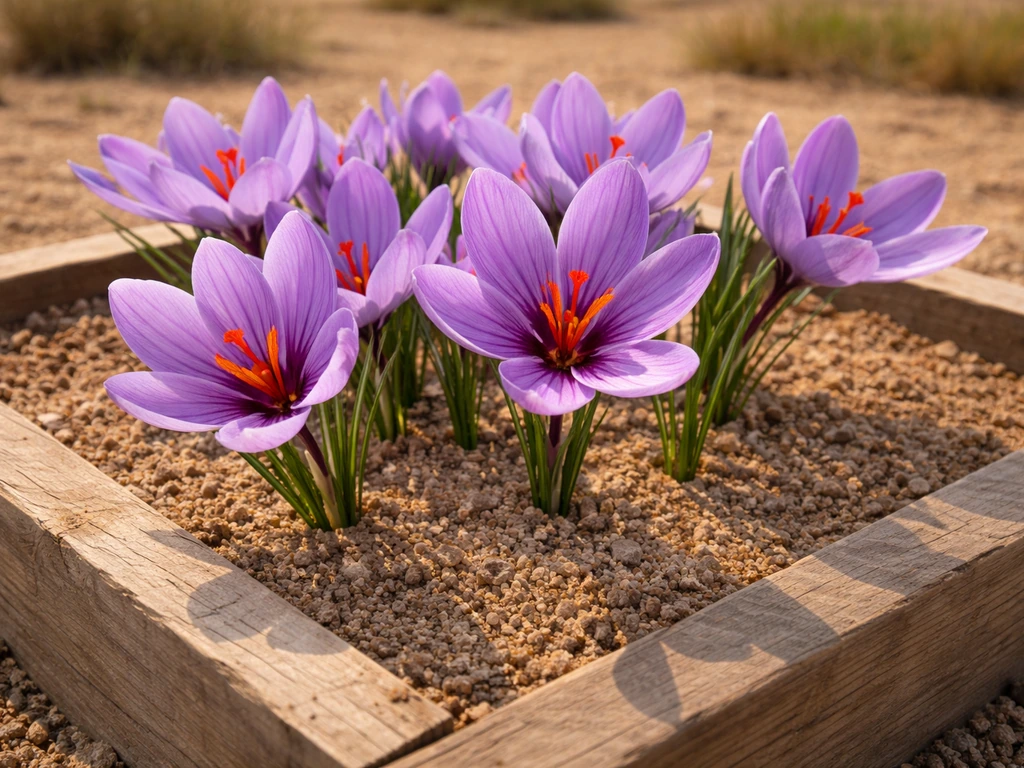
Can You Grow Saffron in Texas? How to Do It
Learn if you can grow saffron in Texas and get step by step planting, climate tips, harvesting, and thread extraction.
Can You Grow Black Pepper in the US Where and How
Learn where black pepper can be grown in the US and how to grow it indoors or in warm zones for fruit.