
Yes, you can grow saffron in Texas, but it depends heavily on where in the state you are and how well you manage drainage and soil conditions. Crocus sativus thrives in USDA hardiness zones 6 through 9, and Texas spans zones 6 through 9 (and even a sliver of zone 10 near the Rio Grande Valley), so the climate fit is real. The USDA hardiness zone map defines these zones using average yearly minimum winter temperatures, which are used to estimate a plant's winter hardiness USDA plant hardiness zones. The bigger challenge isn't cold, it's water. Saffron corms rot fast in soggy soil, and parts of Texas get plenty of rain at exactly the wrong times. Get the drainage right, pick the correct planting window for your region, and you have a genuinely good shot at harvesting your own saffron threads.
Can You Grow Saffron in Texas? How to Do It

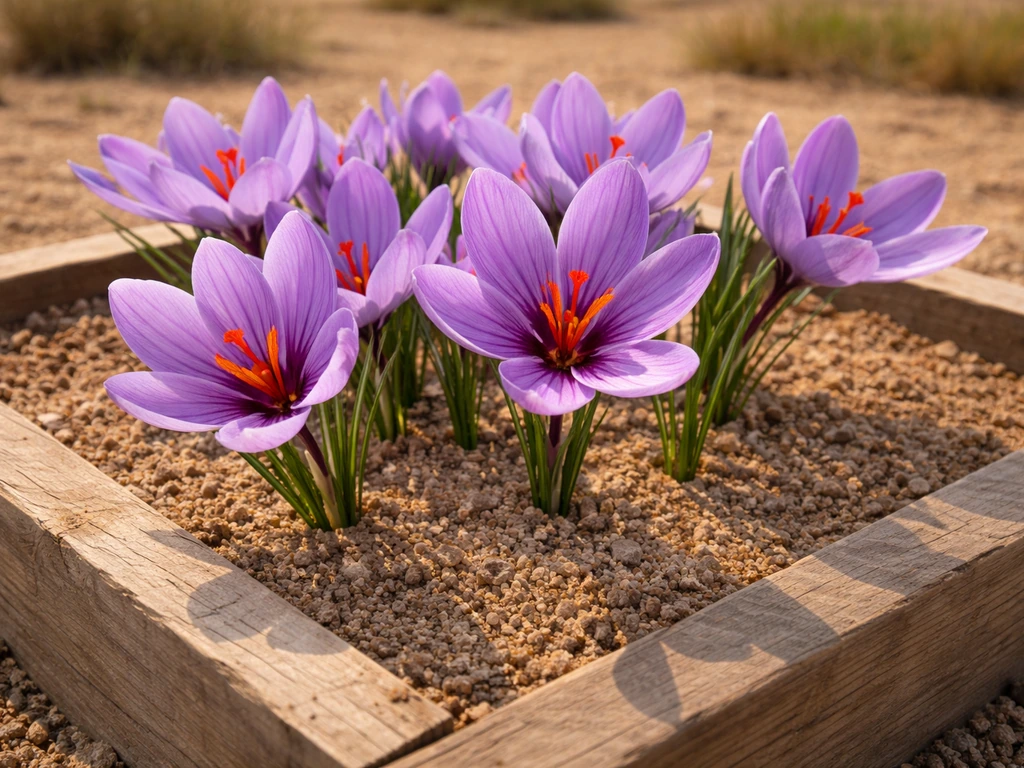
Texas climate feasibility for saffron
Texas is a big, climate-diverse state, and that matters a lot for saffron. The Panhandle sits in zone 6, with cold winters that give corms the chilling they need. Central Texas and the Hill Country are mostly zones 7 and 8, with hot dry summers and mild winters that actually mimic saffron's native range in parts of the Mediterranean and Central Asia. East Texas and the Gulf Coast from Houston south are zones 8 and 9, and those areas are the trickiest because of high humidity and rainfall, especially in summer when corms need to be dry and dormant. South Texas and the western plains sit in an interesting sweet spot: dry summers and warm-to-mild winters that broadly suit saffron's preferences.
The short version is that Central Texas and the Hill Country are your best bets. The Panhandle works too, though winters are harsher. The Gulf Coast and East Texas can work, but you need to be serious about drainage or grow in containers to keep corms from sitting in waterlogged soil. I've seen gardeners in the Houston area lose entire batches to corm rot after heavy fall rain, and that's a very real risk if you plant in-ground without raised beds or amended soil.
| Texas Region | USDA Zone | Saffron Suitability | Main Challenge |
|---|---|---|---|
| Panhandle (Amarillo area) | 6 | Good | Cold winters, short season |
| North Texas (Dallas/Fort Worth) | 7–8 | Very Good | Summer heat, occasional wet springs |
| Hill Country / Central Texas | 7–8 | Excellent | Minimal, great drainage naturally |
| East Texas | 8 | Fair | Humidity, rainfall, drainage |
| Gulf Coast / Houston area | 9 | Challenging | Heavy rain, rot risk, mild winters |
| South / West Texas (Dry regions) | 7–9 | Good to Very Good | Summer heat, irrigation needed |
What saffron actually needs to grow and flower
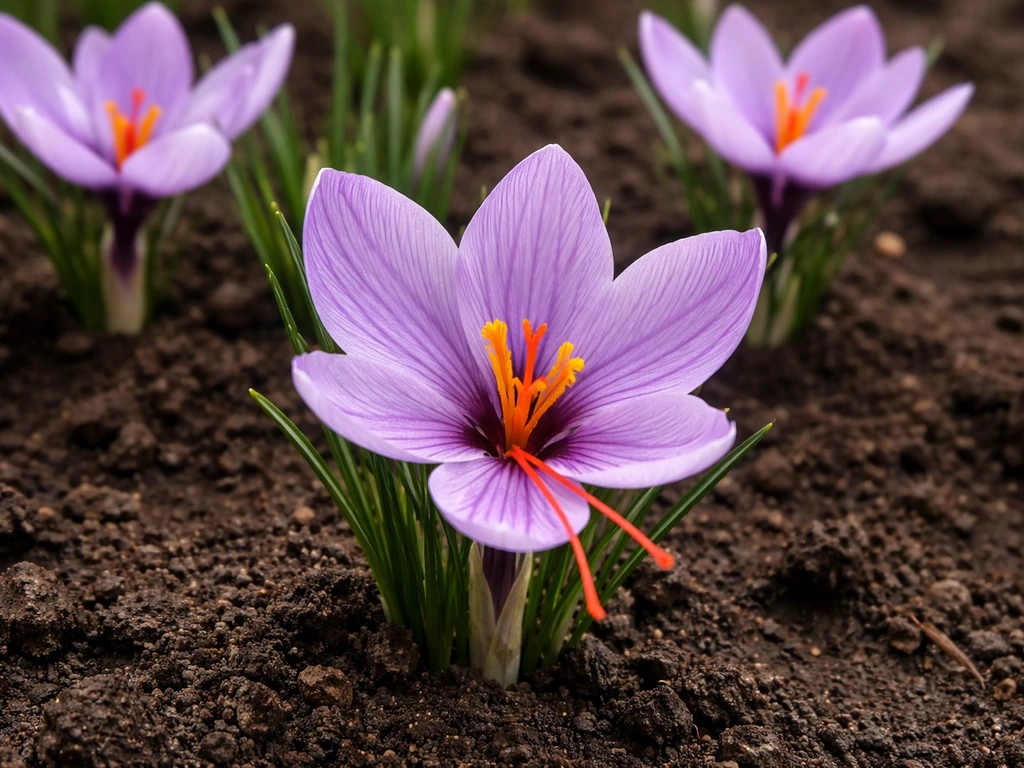
Saffron is not a forgiving plant, but it's not mysterious either. It has specific requirements, and if you meet them it performs reliably. Skip one of them and you'll get foliage with no flowers, or no foliage at all because the corms rotted underground.
Chilling and temperature
Crocus sativus uses cold temperatures as a flowering trigger. The corms need exposure to temperatures around 40 to 54 degrees Fahrenheit (5 to 12 degrees Celsius) for roughly 3 to 8 weeks before they'll bloom reliably. Most of Texas outside the Gulf Coast gets this naturally in fall and early winter. In warmer parts of South Texas or the Valley, you may need to pre-chill corms in the refrigerator (away from fruit, which gives off ethylene gas) for 6 to 8 weeks before planting. Once flowering begins, the ideal temperature range is roughly 59 to 68 degrees Fahrenheit (15 to 20 degrees Celsius), which aligns well with Texas's October through November window.
Sunlight
Saffron needs full sun: at least 6 to 8 hours of direct sunlight per day. This is easy to hit in most of Texas. The one mistake people make is planting under a tree or near a structure thinking partial shade will help with Texas heat. It won't, and the reduced sun will cut into flowering. Pick an open, south-facing spot if you can.
Soil and drainage
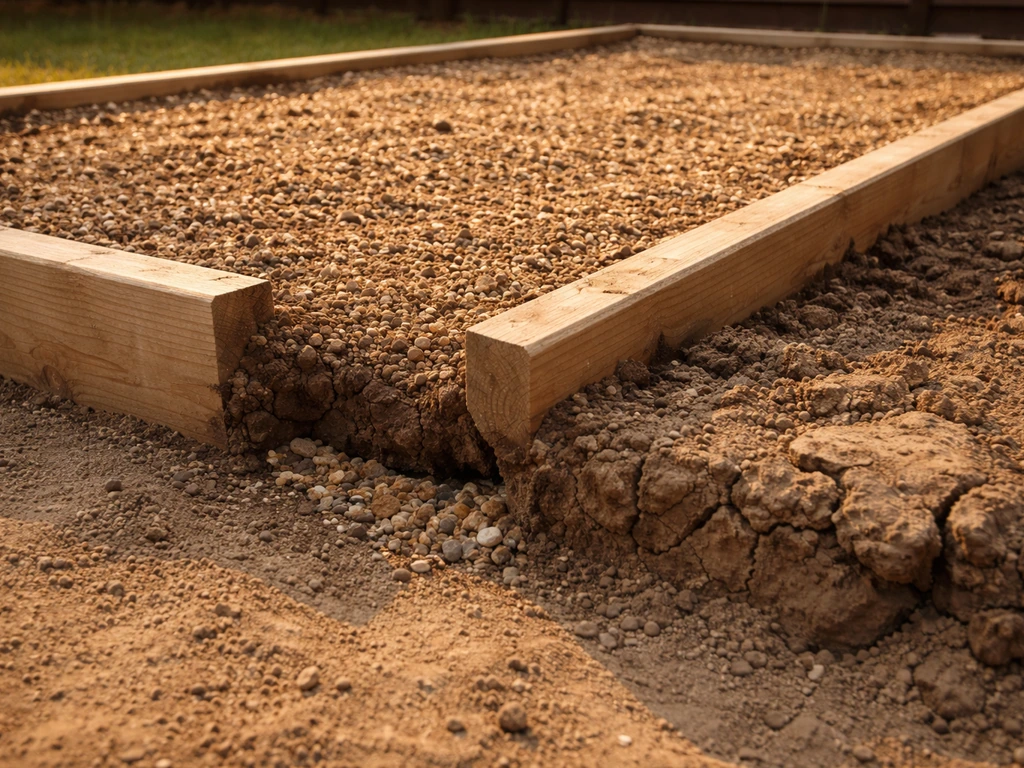
This is the make-or-break factor in Texas. Saffron needs moist but very well-drained soil with a neutral pH between 6.0 and 8.0. Many Texas soils, particularly the clay-heavy soils around Houston, Dallas, and East Texas, drain slowly and hold water in ways that encourage corm rot. If your soil doesn't drain well, build a raised bed or grow in containers. Period. If you want to plant in-ground in poorly draining soil, dig paths about 6 to 8 inches deep around your bed to create a raised planting area and improve drainage. Sandy loam soils common in parts of the Hill Country and West Texas are nearly ideal.
Choosing the right corms and planting time by region
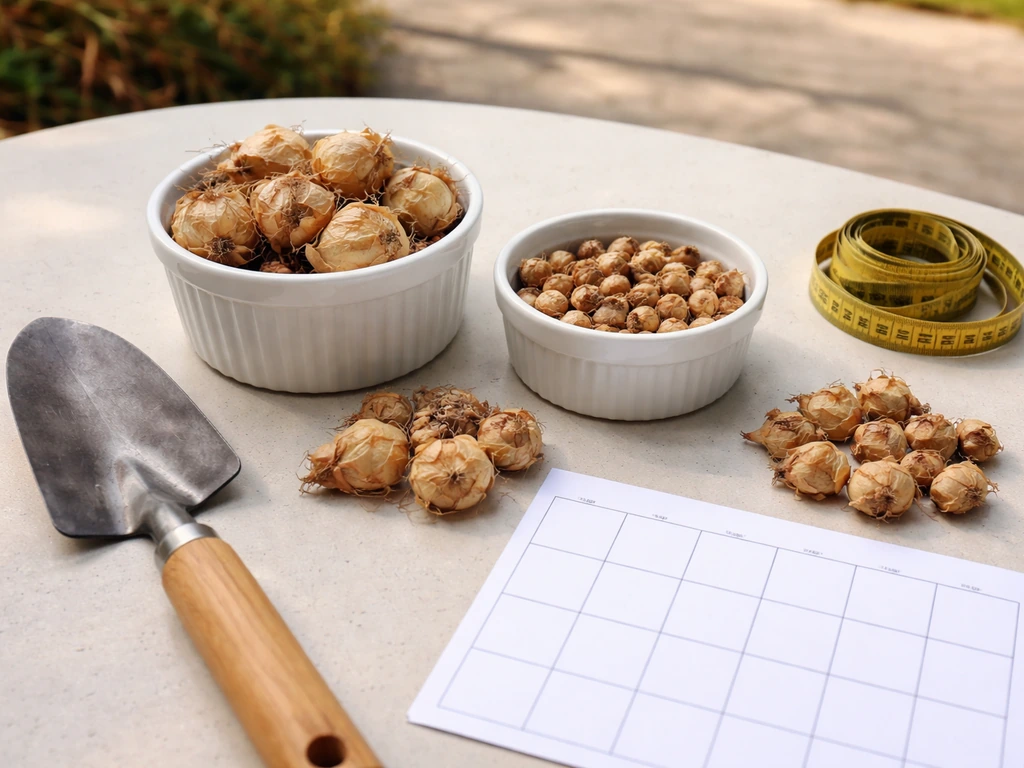
Corm size matters more than most people expect. For a strong first-year harvest, buy corms graded size 9/10 or larger. Size 7/8 corms are cheaper, but they may not flower at all in their first year. If you're trying to produce actual saffron this season rather than just building up a corm population, don't cut corners on corm size. Each corm can realistically produce 2 to 4 flowers, and each flower has 3 stigmas (the red threads you harvest), so the math is simple: more and bigger corms equals more threads.
As for timing, the general target for most of Texas is late September through October. Here's a regional breakdown:
| Texas Region | Ideal Planting Window | Notes |
|---|---|---|
| Panhandle | Mid-September to early October | Plant before first hard frost; corms need to establish quickly |
| North Texas / Dallas-Fort Worth | Late September to mid-October | Reliable chilling from natural fall temps |
| Hill Country / Central Texas | Early to mid-October | Best natural conditions; dry soil and good fall temps |
| East Texas | Mid-October | Wait for soil to dry after summer rains; drainage prep critical |
| Gulf Coast / Houston | Late October to early November | Consider pre-chilling corms; raised beds or containers strongly recommended |
| South / West Texas | Early to mid-October | Pre-chill if average November temps stay above 55°F regularly |
Buy corms from reputable specialty bulb suppliers, not generic garden centers. You want certified Crocus sativus, not ornamental crocus varieties that won't produce saffron. Check for firm, unblemished corms and discard any that feel soft or show mold before planting.
Planting, spacing, and watering
How to plant
Plant corms with the pointed side up, 3 to 4 inches deep for most home garden applications. Some sources recommend up to 6 inches in field production settings, and HGTV's guide suggests 4 to 8 inches depending on your conditions. In Texas, I'd go 4 to 5 inches as a middle ground: deep enough to insulate from surface heat, shallow enough to not impede emergence. Texas A&M AgriLife's Master Gardener guidance references around 2 inches for Southeast Texas, but I'd treat that as a minimum, not a target, especially in heavier soils.
Space corms 3 to 6 inches apart. If you're planting in a container, go with the closer spacing of 3 to 4 inches. In a raised bed, 6 inches gives corms room to multiply over the seasons. Plant corms in clusters rather than long rows if you're harvesting at home since flowers need to be picked quickly and clustered planting makes it easier to monitor the bed.
Watering schedule
Water lightly right after planting to settle the soil, then back off. Saffron does not want constant moisture. The general rhythm is: water moderately during fall leaf and flower growth, reduce in late winter, and stop almost entirely once the foliage dies back in late spring. That die-back, usually by May in most of Texas, signals that the corms have gone dormant. Keep them dry through the Texas summer. This is the dormancy period and excess water during this time is the single biggest cause of corm rot and loss. If you're growing in-ground in a rainy area, this is where a covered raised bed or container grown under an overhang earns its keep.
When to expect flowers and how to harvest saffron
Flowering timeline
After planting, saffron corms typically show foliage within a few weeks and flower within 6 to 10 weeks, sometimes as quickly as 4 to 6 weeks if conditions are ideal. For most Texas gardeners planting in early October, expect flowers in November. The blooming period is short, often just 2 to 3 weeks, and each flower opens and fades within a day or two. You have to stay on top of this. One week of not checking your bed during bloom time and you'll miss everything. If you're planting for the first time with smaller corms or suboptimal conditions, your first harvest may not happen until the following fall, after the corms have had a full season to mature.
Harvesting the threads
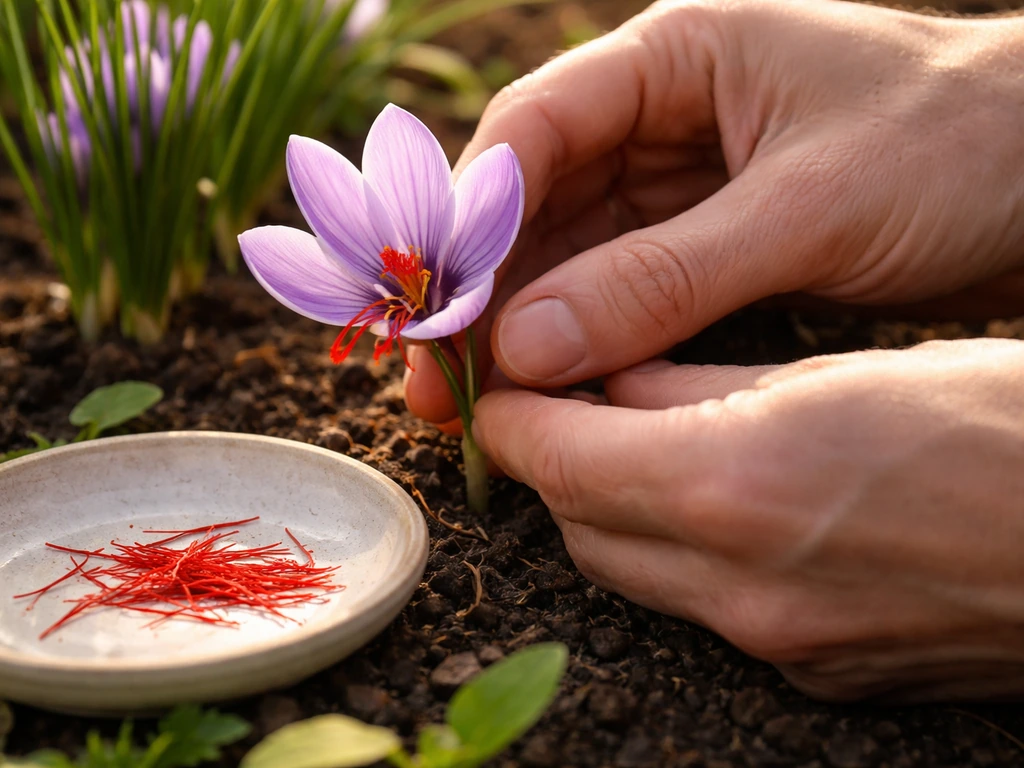
Pick flowers in the morning as soon as they open, before the heat of the day sets in. Each flower has 3 red stigmas (the saffron threads) attached to a pale yellow style. Pinch or snip the red stigmas out of the flower, leaving the rest of the flower behind. Separate the stigmas from any attached yellow or white flower tissue as soon as possible, ideally within a few hours of harvest. To give you a sense of scale: it takes roughly 150 flowers to produce just 1 gram of dried saffron. Each corm gives you 2 to 4 flowers, so 50 to 75 corms might get you that first gram. Plan accordingly.
Drying and storing your saffron
Dry the stigmas at 95 to 113 degrees Fahrenheit (35 to 45 degrees Celsius). A food dehydrator on its lowest setting works well for this. You can also dry them on a paper towel in a warm, dry spot, but temperature-controlled drying gives more consistent results. Properly dried saffron threads are brittle, deeply red-orange, and intensely fragrant. Store them in a sealed glass jar away from light. Dried saffron keeps for 2 to 3 years if stored well.
Common problems in Texas and how to fix them
Texas-specific conditions create a pretty predictable set of failure modes. Here's what to watch for and what to do:
- Corm rot from soggy soil: The most common Texas failure, especially in clay soils or areas with fall rain (Houston, East Texas). Fix: grow in raised beds or containers with fast-draining mix, or amend in-ground soil heavily with coarse sand and perlite before planting. Never plant in a low spot.
- No flowers in year one: Often caused by small corms, insufficient chilling, or planting too late. Fix: buy size 9/10+ corms, pre-chill if your area doesn't get consistent cold nights in October and November, and plant by mid-October at the latest.
- Foliage with no flowers: Usually a chilling problem. Fix: next season, either pre-chill corms 6 to 8 weeks in the fridge before planting or time your planting so it aligns with naturally cool soil temperatures.
- Fusarium corm rot: A fungal disease caused by Fusarium oxysporum and related species that can devastate an entire planting. You'll see yellowing foliage and mushy corms. Fix: inspect all corms before planting, discard any soft or discolored ones, avoid overhead watering, and don't replant in soil where you've had rot problems without treating the bed.
- Summer flooding: Even one heavy rain event during summer dormancy can kill a whole bed. Fix: containers under a roof overhang, or in-ground beds mounded significantly above grade with excellent drainage paths around them.
- Heat stress in spring: Prolonged warm temps in March and April can rush the foliage die-back and reduce corm energy. Not much you can do about this directly, but don't water during die-back and let the plant complete its cycle naturally.
- Pest damage (squirrels, voles): Corms are attractive to critters. If you've had issues with bulb-eating pests, lay hardware cloth just below the soil surface over your planting area.
Setting yourself up for success: site, containers, and irrigation
Site selection
Choose a spot with 6 to 8 hours of direct sun and natural slope or elevation so water runs away from the planting area. South or west-facing spots work well in most of Texas. Avoid low-lying areas, spots near downspouts, and anywhere water pools after rain. If your yard has heavy clay, don't try to fight it with amendments alone, use a raised bed.
Raised beds and containers
Raised beds are the single best upgrade you can make for Texas saffron growing, especially on the Gulf Coast and in East Texas. Build them at least 10 to 12 inches tall and fill with a well-draining mix: roughly equal parts quality garden soil, coarse sand or perlite, and compost. This gives you control over moisture and drainage that in-ground growing in clay soil simply can't match. Containers work just as well, especially for Gulf Coast gardeners who want to move corms under shelter during heavy rain or bring them to a covered patio in summer. Use pots at least 10 inches deep with drainage holes, and a gritty cactus or bulb mix.
Irrigation
Drip irrigation is ideal for saffron because it delivers water to the root zone without wetting foliage or creating surface moisture that encourages fungal disease. Set it to run in fall and winter during active growth, and shut it off entirely by June. If you're relying on rainfall, monitor your bed after heavy rain and add drainage channels or raise your bed further if you see standing water. The key mental shift is treating saffron like a drought-tolerant Mediterranean plant during dormancy, which it effectively is.
Realistic expectations and whether it's worth it
Saffron in Texas is absolutely worth trying if you're in the Hill Country, Central Texas, North Texas, or the drier parts of South or West Texas. The climate conditions are a reasonable match, the investment in corms is modest, and there's genuine satisfaction in harvesting your own saffron threads even if your first gram takes 150 flowers to achieve. If you're in the Houston area or East Texas, go in with eyes open: containers or well-built raised beds are not optional, they're necessary. The failure stories almost always trace back to one problem, corms rotting in wet soil, and that's preventable. The same core drainage discipline applies whether you're comparing notes with saffron growers in Georgia, Alabama, or South Carolina, all states with similar humidity challenges in parts of their territory. The same core drainage discipline matters in South Carolina too, especially in humid areas where soil can stay wet too long. These are also the states where the same drainage-focused approach tends to make or break success Georgia, Alabama, and South Carolina. The same approach—sun, well-drained soil, and controlling moisture during dormancy—can answer can you grow saffron in Georgia for many home gardeners, especially away from consistently wet low spots. Get the drainage right in Texas and the rest of the growing process follows naturally. If you’re wondering can we grow saffron in Karnataka, the same principles—sun, well-drained soil, and keeping corms dry during dormancy—are the deciding factors.
FAQ
What’s the best Texas region to start with if I’m a first-time saffron grower?
Start in Central Texas, the Hill Country, or drier parts of North Texas, where summers are less persistently humid. If you want the safest setup, choose a naturally sloped spot or an oversized raised bed so you can keep corms dry from late spring through summer.
Can I grow saffron in the ground in Houston or East Texas without losing corms?
It’s possible but high-risk unless drainage is excellent. Use a raised bed (at least about 10 to 12 inches tall) or a container under cover, and plan to keep the bed from staying wet after heavy late-fall and winter rains.
How do I know if my soil drains well enough before planting corms?
Do a simple soak test, dig a hole about a foot wide and fill it with water, then time how long it takes to drain. If it takes more than about a few hours to significantly drop, you should switch to a raised bed or container rather than amending clay-only.
What happens if I plant saffron too shallow or too deep in Texas?
Too shallow can expose corms to summer heat and drying, and they may underperform or fail to return. Too deep can delay emergence and sometimes reduces the first-season bloom, especially in heavier soils where emergence strength matters.
Do I need to pre-chill saffron corms in Texas, even outside the Rio Grande Valley?
Only in the warmest pockets where fall chilling is inconsistent. If your average overnight temperatures in early winter stay above the mid-40s for the needed duration, pre-chilling for 6 to 8 weeks can improve flowering consistency, but still prioritize dry dormancy afterward.
How much water should I use during the flowering and leaf stage?
Use a light-to-moderate approach, water only when the soil surface starts to dry, and avoid re-wetting constantly. Drip irrigation that targets the root zone is safer than overhead watering, especially because soggy conditions are what trigger rot.
Should I fertilize saffron in Texas? If so, what’s the right way?
Light feeding is usually enough, because excess lush growth can coincide with moisture issues. If you amend at planting with a modest compost amount, avoid heavy nitrogen later, and focus on keeping the bed balanced and dry during dormancy.
Why do I get foliage but no flowers, and what should I change first?
The most common cause is insufficient chilling or corms that were too small or stressed. Next most common is too little sun. Check both before changing anything else, then confirm your dormancy period stays dry through summer.
How do I protect saffron from rain during the dormancy period?
If your area gets summer storms or occasional wet spells, keep the bed elevated and consider a movable cover over containers. In-ground beds can benefit from a covered raised bed or a roofline that prevents water from directly pooling on the soil surface.
Can I reuse the same raised bed soil mix for multiple years?
Yes, but refresh the structure occasionally. After a couple seasons, top-dress with a small amount of fresh gritty material (coarse sand or perlite) to maintain drainage, and remove any visible decayed plant matter that can harbor rot.
How many corms should I plant to get a noticeable amount of saffron threads?
For planning, a rough target is about 150 flowers for 1 gram of dried saffron. Since each corm may produce a few flowers, planting dozens to over a hundred corms is typical for a first harvest that feels “worth it,” especially if your conditions are not perfect.
When should I stop watering, and how do I know dormancy has started?
Stop once foliage begins to die back and the plant is clearly transitioning to dormancy, often by late spring. At that point, keep the corm zone dry as much as possible, because that dry interval is where most Texas rot prevention happens.
What’s the safest way to store harvested saffron so it keeps for years?
Dry fully until threads are brittle, then store in a sealed jar with minimal headspace, away from heat and light. Avoid frequent opening, because moisture uptake and light exposure reduce aroma over time.
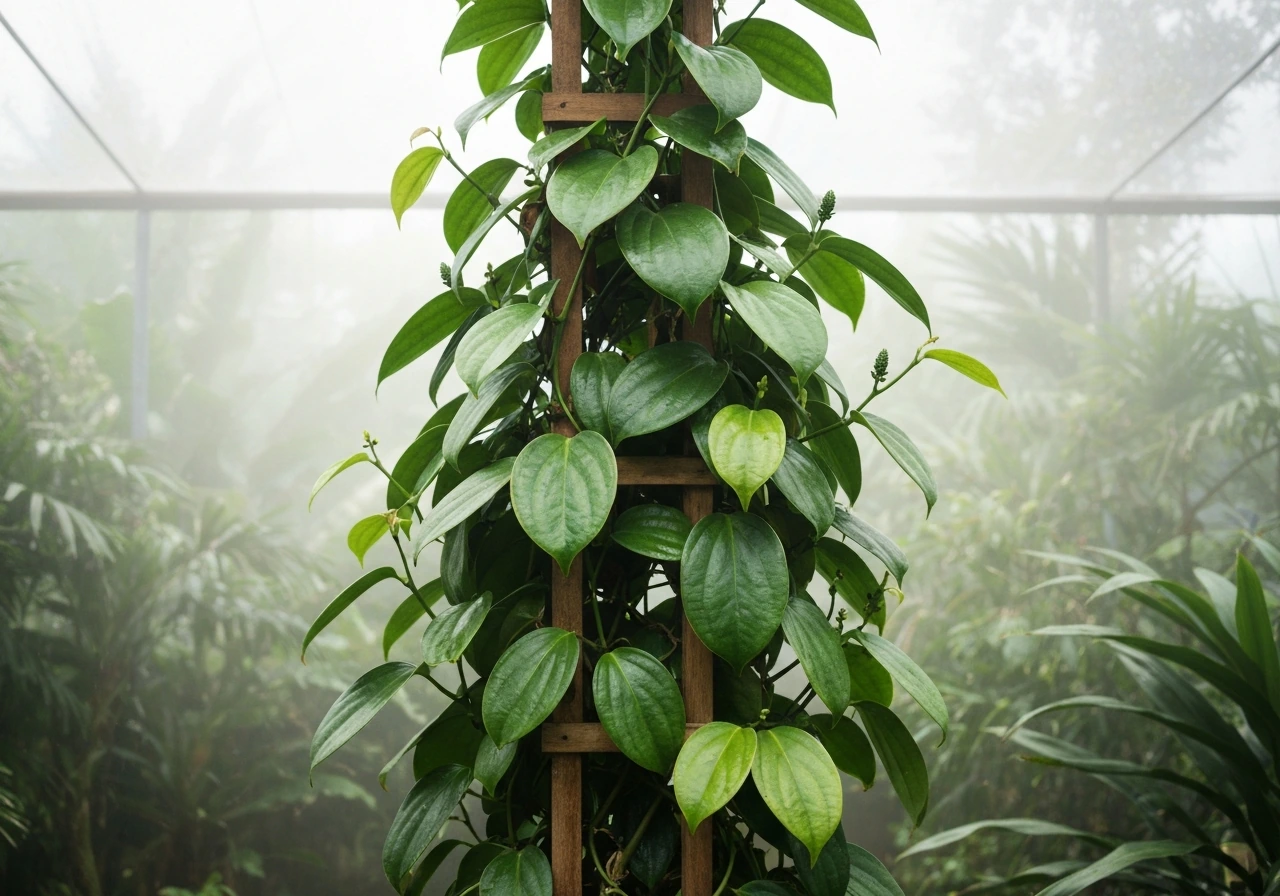
Learn where black pepper can be grown in the US and how to grow it indoors or in warm zones for fruit.

Regional guide to growing caper plants in the US, choosing cultivars, meeting soil and climate needs, and harvesting bud
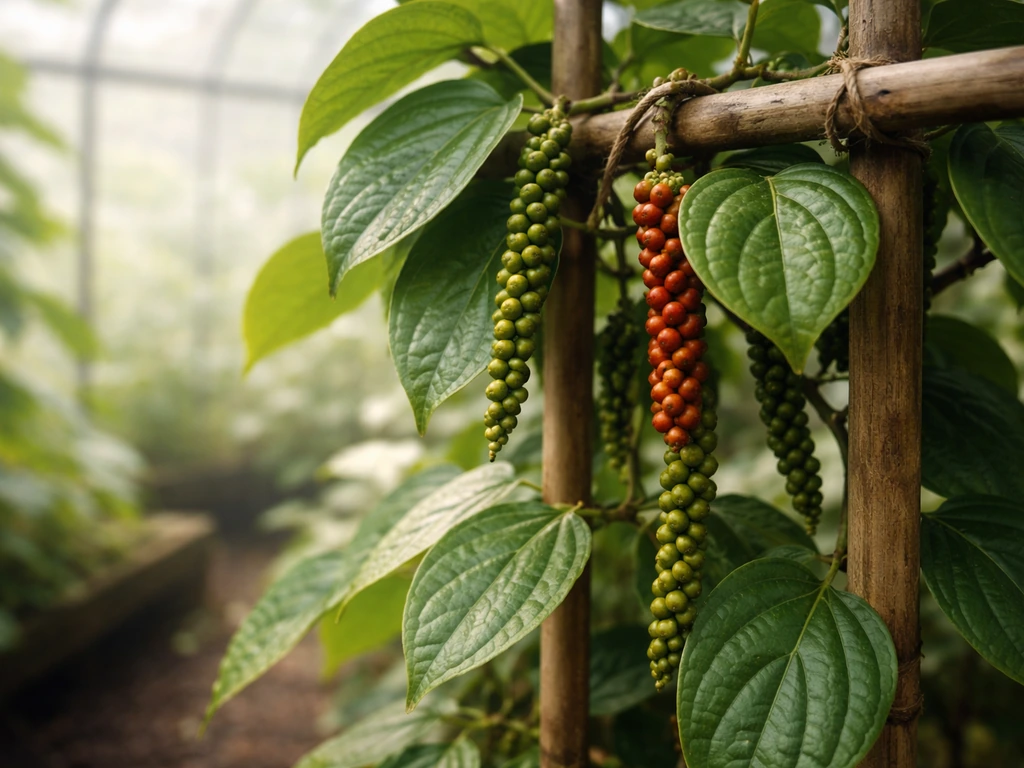
Zone-by-zone guide to growing black pepper peppercorns in the US, including heat, humidity, indoor options, and timeline