
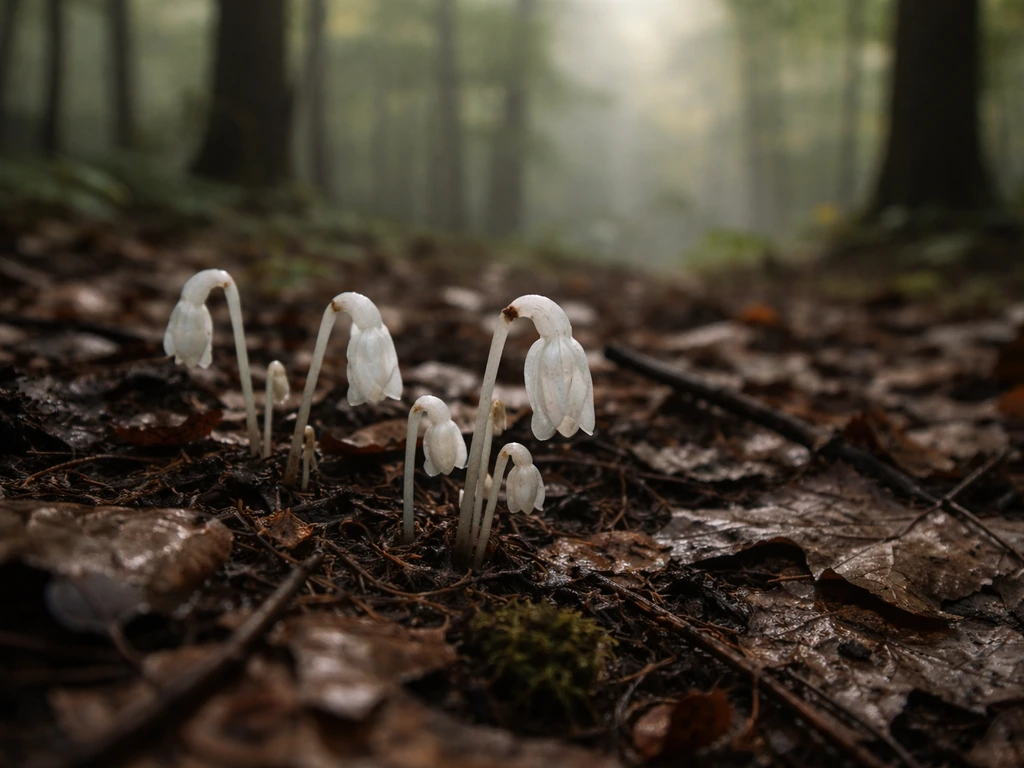
Ghost pipe (Monotropa uniflora) does grow naturally in Indiana. Ghost pipe is also reported from parts of Missouri, but it is uncommon and still tied to undisturbed forest habitat ghost pipe in Missouri. Vouched herbarium specimens confirm its presence in more than a dozen counties, mostly in the south-central and forested areas of the state. But finding it wild and growing it at home are two very different things. Ghost pipe is one of the hardest plants anyone can attempt to cultivate, and I'll be honest with you upfront: the realistic odds of establishing it intentionally in your yard are low. What you can do is understand exactly why, learn what conditions it needs, and make an informed call on whether it's worth the attempt.
Does Ghost Pipe Grow in Indiana? Cultivation Guide

Marcus Petersen
8 Jul 2026
What ghost pipe actually is and why people want it
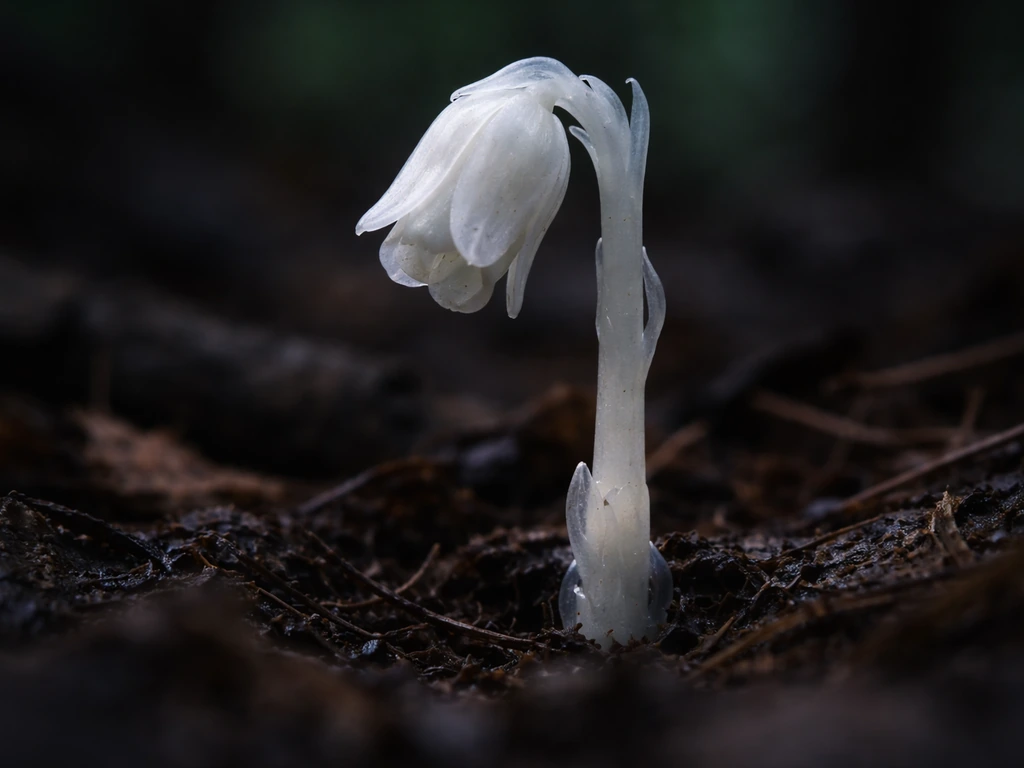
Ghost pipe is a strange plant. It has no green color at all, produces a single nodding white flower on a translucent white stem, and emerges from the forest floor like something out of a fairy tale. That ghostly look is exactly what draws people to it. Botanically, it's a mycoheterotroph, which means it doesn't photosynthesize at all. Instead of making its own food from sunlight, it taps into the underground fungal networks that connect tree roots, essentially stealing sugars and carbon from that system without giving anything back. If you're wondering whether ghost pipe grows in Oklahoma, the answer depends heavily on whether the same deep-woodland fungal and habitat conditions are present does ghost pipe grow in oklahoma. The fungi it parasitizes are themselves in mycorrhizal relationships with trees like oaks and beeches, so ghost pipe is, in a roundabout way, running on tree energy.
People want to grow it for a few reasons. The visual drama is a big one: a cluster of ghostly white stems pushing through dark leaf litter is genuinely striking. Others are interested in it from a foraging or herbal medicine angle. And some native plant enthusiasts simply want to recreate a true woodland feel in a naturalized area of their property. All of those are legitimate goals, but the biology works against easy cultivation in every case.
Where ghost pipe naturally grows in Indiana and nearby states
Indiana's south-central counties, particularly the forested hills of Brown, Lawrence, Monroe, and Jefferson counties, are where ghost pipe shows up most reliably based on herbarium records from the Indiana Plant Atlas. You'll also find specimens documented in Parke, Putnam, Fountain, Franklin, Ohio, Madison, Cass, LaGrange, and LaPorte counties, which tells you this plant has a presence across a surprisingly wide swath of the state. The common thread in all these locations is mature, moist, mixed deciduous or mixed deciduous-conifer forest with a deep layer of leaf litter and established fungal communities in the soil. Ghost pipe can occur in Wisconsin too, but it is also strongly tied to mature, forest-floor soil ecology and fungal networks mixed deciduous or mixed deciduous-conifer forest.
Indiana's climate is genuinely compatible with this species. The state sits in USDA hardiness zones 5b to 6b, with humid summers, cold winters, and consistent summer moisture in wooded areas. Ghost pipe typically blooms in mid to late summer, with Illinois records pointing to late July through August as the window. Indiana's seasonal pattern lines up well with that. If you're in southern Indiana near Hoosier National Forest, you're actually living in the right general habitat zone. If you're wondering about the question for Georgia specifically, you'll find it depends on whether suitable shaded, fungal-rich woodland habitat is present nearby states. The problem isn't the climate. It's the soil ecology.
For context, neighboring states like Ohio, Michigan, Wisconsin, and Missouri all host ghost pipe populations in similar mature woodland settings. Ghost pipe also occurs in Ohio in mature, shaded woodland habitat where its fungal needs are met neighboring states like Ohio. This is a plant of the eastern deciduous forest biome broadly, so Indiana isn't an outlier. It's just that Indiana's most suitable habitat is concentrated in the forested south rather than the agricultural north.
Can you actually grow ghost pipe at home in Indiana?
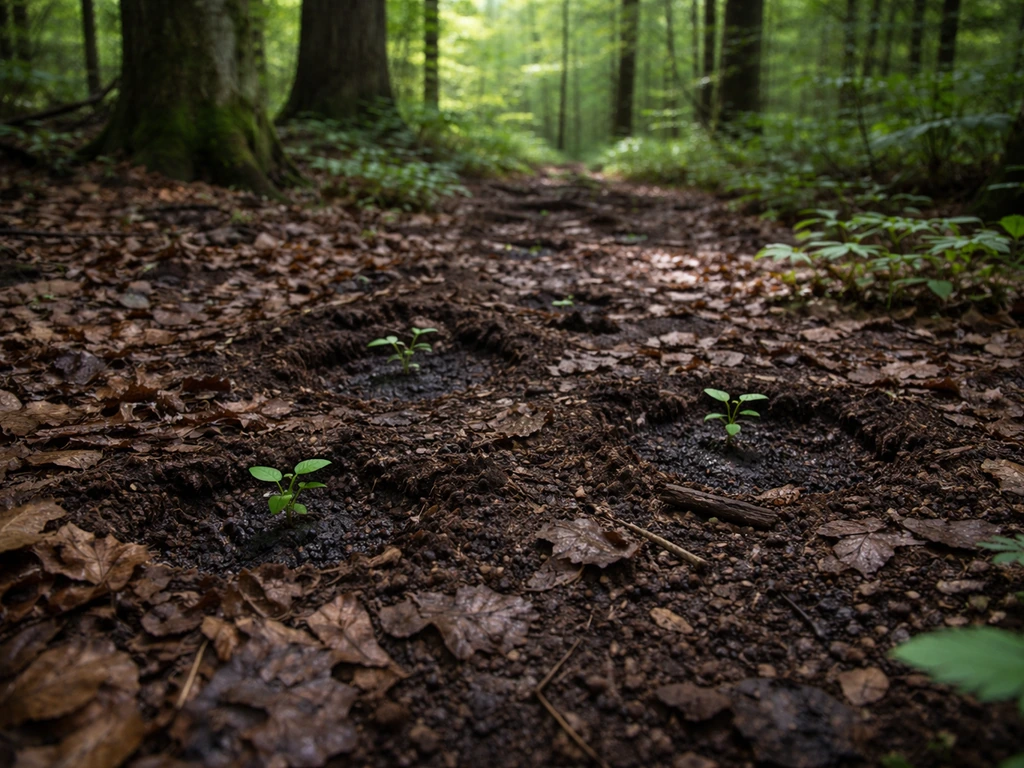
Here's the honest answer: almost certainly not in a typical garden setting, and even in ideal woodland conditions, success is far from guaranteed. The Virginia Native Plant Society calls it "difficult to impossible" to cultivate, and that matches what experienced growers report across the board. Ghost pipe doesn't just need shade and moist soil. It needs a pre-existing, well-established fungal network that is already in a mycorrhizal relationship with mature forest trees. You can't inoculate a raised bed with the right fungi, sprinkle some seeds in, and expect anything to happen. The system it depends on takes decades to develop naturally.
That said, if you have a mature woodlot on your property in southern Indiana with established oaks or beeches, deep leaf litter, and undisturbed soil, you have a better shot than most. The goal isn't to "grow" ghost pipe in the horticultural sense but to create conditions where it might establish itself if seeds are introduced. It's less gardening and more habitat stewardship. And you have to be comfortable with a high probability of nothing happening.
What ghost pipe needs: light, soil, moisture, and timing
Since ghost pipe doesn't photosynthesize, light is essentially irrelevant to its energy needs. But it does naturally occur in deep shade under closed forest canopies, and disturbing a sunny open area to plant it would be pointless. You want the deepest, dimmest part of your woodlot, places where almost nothing else grows because of heavy shade and canopy competition.
Soil is where most attempts fail. Ghost pipe needs undisturbed, organically rich forest soil with a thick layer of decomposing leaf litter (duff) on top. The fungal networks it depends on live in that layer and in the top few inches of soil. Tilling, adding conventional fertilizers, or amending with commercial potting mix will disrupt or kill the fungi it needs. Do not disturb the soil. Do not add anything to it. The goal is to leave the existing ecosystem intact and introduce seeds at the surface.
Moisture should be consistent. Ghost pipe likes soil that stays evenly moist through the growing season but not waterlogged. In Indiana's humid summers, a shaded woodland spot that doesn't dry out in July and August is what you're looking for. A north-facing slope or a low spot that catches runoff in a mature forest setting would be ideal.
Timing matters for seed introduction. NOAA NCEI’s climate normals access service can produce a month-by-month normals summary for specified stations, which can help you parameterize local seasonal conditions relevant to timing phenology monthly normals summary for specified stations. Ghost pipe seeds are dust-fine, nearly microscopic, and require fungal cues to germinate. If you're attempting seed propagation, late fall to early winter, before the ground freezes, is the window to try. The seeds need a cold, moist stratification period over winter before any germination cues can come from the fungal environment in spring.
How propagation actually works and where to source material
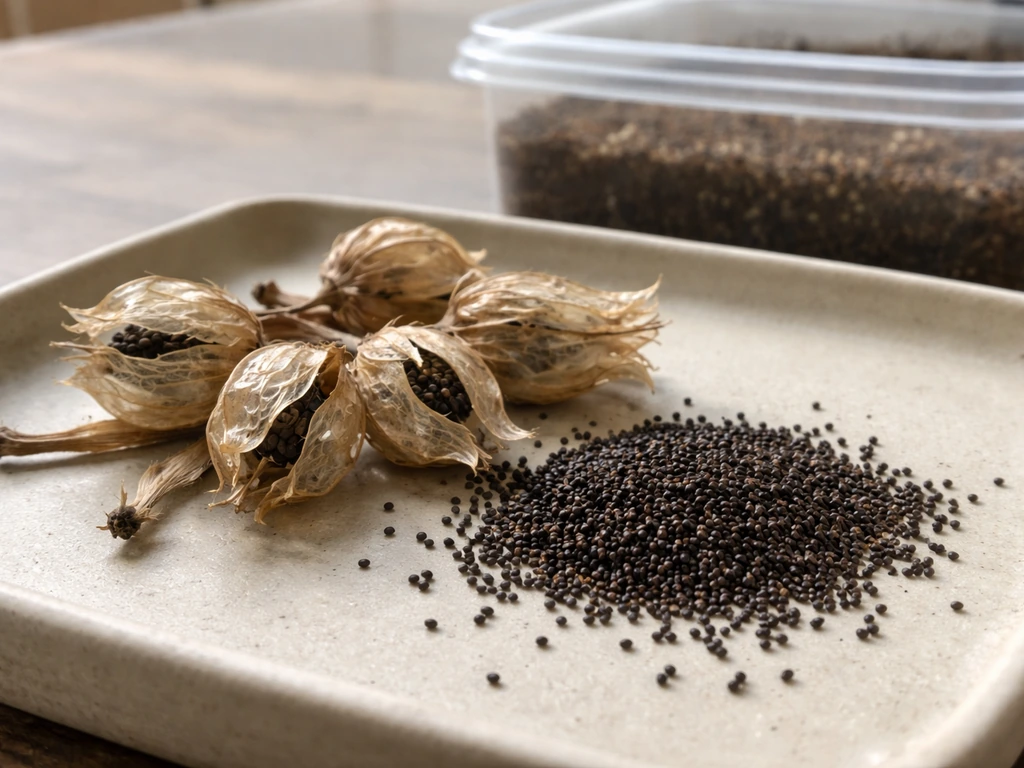
Ghost pipe doesn't have traditional vegetative propagation options. There are no cuttings, divisions, or offsets to work with. The only realistic route is seed. After flowering, the stem turns dark and an upright seed capsule forms, which can persist through the following season. Those capsules contain thousands of dust-like seeds.
A University of Washington propagation protocol describes a seed-based approach using winter sowing in vented containers or a coldframe setup, mimicking the cold stratification and fungal exposure the seeds need. The key detail is that germination is triggered by contact with compatible fungi, not just moisture and temperature. Without those fungi already in the substrate, seeds may stratify correctly and still not germinate.
For sourcing, your best option is to collect seed capsules from wild plants you observe on public land where collection is permitted (see the legal section below before doing this), or to look for specialty native plant vendors who occasionally offer Monotropa uniflora seed. Do not attempt to transplant wild ghost pipe. The plant is entirely dependent on its fungal connections in situ, and transplanting severs those connections immediately. Transplants essentially never survive. The Virginia Native Plant Society specifically recommends sourcing from reputable nurseries and seed vendors rather than wild collection, but commercial sources for this species are rare.
Why most attempts fail and how to troubleshoot
The most common failure is simply no germination at all, which usually means either the seeds never encountered compatible fungi in the soil, the soil was too disturbed to support healthy fungal networks, or the site wasn't right to begin with. If you scattered seed in a garden bed or a young woodland, the fungal infrastructure almost certainly wasn't there.
- Seeds placed in amended or tilled soil: fungal networks disrupted before seed even contacts them. Stick to completely undisturbed forest floor.
- Site lacks mature host trees: no mycorrhizal network for ghost pipe to tap into. You need oaks, beeches, or conifers that have been in place for decades.
- Seeds placed too deep: these seeds germinate at or just below the surface of the litter layer, not buried in mineral soil.
- Introduced in the wrong season: late spring or summer seeding misses the cold stratification window. Try late October through early December in Indiana.
- Single-year impatience: even under ideal conditions, ghost pipe may take multiple years to appear. Some growers wait three to five years before seeing any result.
- Soil disturbance after seeding: foot traffic, digging nearby, or leaf blowing can destroy the fragile seedling stage before anything visible emerges.
If you're attempting this in a woodland that already hosts other mycoheterotrophic plants (like Indian cucumber root, wild ginger, or native ferns doing well in deep shade), that's a decent sign the soil ecology is intact enough to try. If the soil feels compacted, smells sterile, or the area has been used for anything other than passive woodland, don't bother. The ecosystem isn't ready.
Legal and sustainability considerations before you do anything
Ghost pipe is not currently state-listed as endangered or threatened in Indiana, but Indiana DNR's Natural Heritage Data Center maintains records on rare and sensitive native species and their habitats. Before collecting seed from wild populations, you need to confirm that you are on land where collection is permitted. Collecting from state parks, nature preserves, or national forest land without a permit is typically illegal regardless of the species' protection status. Hoosier National Forest, for example, has its own rules about plant collection, and violating them carries real consequences.
Even where collection is legal, think about what you're taking. Ghost pipe populations are small and patchy. Harvesting seed capsules from a tiny colony removes reproductive material from a fragile local population. A general rule: if you can see fewer than a dozen plants in a cluster, leave them alone. If you find a robust patch and collection is permitted, taking one or two capsules from a large group is far more defensible.
On the handling side, ghost pipe has been used in traditional herbal contexts, but there is limited modern clinical evidence for many of its attributed uses. The plant contains compounds including grayanotoxins in some related species, so consuming any part of it without thorough research and ideally professional guidance is not advisable. Treat it as a plant to observe and appreciate, not one to eat or process casually.
Better alternatives if you want that woodland look in Indiana
If the goal is a moody, naturalistic woodland feel with unusual plants, Indiana has genuinely good options that are far more achievable than ghost pipe. These won't replicate the exact ghostly white aesthetic, but they bring real character to a shaded native garden. If you’re wondering does ghost pipe grow in Texas, the answer is that it’s not considered a common or reliable option there compared with its more established northern range native garden.
| Plant | Why it works in Indiana | Caveat |
|---|---|---|
| Wild ginger (Asarum canadense) | Native throughout Indiana, thrives in shaded moist woodland, spreads slowly to form a ground cover | Slow to establish, needs consistent moisture |
| Jack-in-the-pulpit (Arisaema triphyllum) | Native, dramatic structure, grows in moist shaded forest, widely available from native plant nurseries | Needs consistent moisture; corm can rot in standing water |
| Trillium spp. | Several species native to Indiana woodlands, spring blooms with a wild, forest-floor feel | Takes years to bloom from seed; buy from reputable nurseries only |
| White baneberry (Actaea pachypoda) | Striking white berries on red stalks in summer/fall, native to Indiana forests | Berries are toxic, plant away from areas used by children |
| Bloodroot (Sanguinaria canadensis) | Early spring white flowers in woodland settings, native and reliable in Indiana | Short bloom window, foliage persists through summer |
| Ghost fern (Athyrium 'Ghost') | Silver-gray fronds with a genuinely ghostly appearance, thrives in shade with moisture | Hybrid, not a native; performs well in Indiana gardens as a shade specimen |
If you specifically want something that captures the eerie, pale quality of ghost pipe in a plant that will actually grow for you, ghost fern is the most visually satisfying substitute. It's not a wildflower, but in a shaded corner with other woodland natives it creates a similar mood with far less heartbreak.
The bottom line for Indiana gardeners: ghost pipe is real here, it does grow in the state's mature woodlands, and if you have the right habitat you can make a low-effort attempt with collected seed on undisturbed forest floor. But go in with realistic expectations. This is a plant you find, not one you grow. Spend your energy protecting and observing Indiana's existing populations, and reserve the cultivation experiments for plants that actually want to be cultivated.
FAQ
If I live in southern Indiana, can I just plant ghost pipe seeds in my wooded area and expect it to come up?
Not reliably. Even though Indiana has documented populations, ghost pipe’s survival depends on compatible soil fungi that may not be present in your yard. If your site has been landscaped, mulched fresh, tilled, or treated with weed control chemicals, the fungal network is often disrupted enough that seed introduction usually fails.
How do I tell whether a site is fungal-rich enough for ghost pipe before I try seed sowing?
Yes, you can use the “other mycoheterotrophs” clue, but confirm it on your specific micro-site. If nearby plants like wild ginger or Indian cucumber root are thriving right in the darkest, undisturbed area, that suggests the underground fungal web is active there. If those plants only appear along trails or in disturbed pockets, ghost pipe is less likely to establish.
Would a raised bed, planter, or cold frame setup work for ghost pipe cultivation in Indiana?
A raised bed or container is usually a bad fit. The fungi ghost pipe depends on are tied to the existing forest soil profile and leaf-litter duff, not just a potting mix. Even if you mimic moisture and temperature in a cold frame, you can still miss the specific fungal contact cue needed for germination.
Is it better to transplant ghost pipe plants or transplant forest duff to increase my chances?
You should not transplant it, and you also shouldn’t “move” the leaf litter from the woods as a shortcut. Transplanting severs the fungal connections, and removing duff often disrupts the fungi rather than preserving them. If you’re trying anything, the least disruptive approach is introducing seeds at the surface of undisturbed ground in your chosen site.
What’s the biggest reason ghost pipe seeds fail even when you sow them in late fall or winter?
The most common mistake is assuming that cold stratification equals germination. Ghost pipe seeds need not only a winter cold, they need contact with compatible fungi in the right micro-habitat. If you stratify seeds in a container using sterile media, they may stay dormant through spring because they never meet the fungal partner.
Can I plant ghost pipe in a very shady part of my yard, even if it’s been used for landscaping or walking trails?
Don’t rely on high shade alone. Ghost pipe usually occurs in deep, stable canopy shade with an intact decomposing leaf layer, and it tends to be absent from sunny edges even if soil is moist. Pick the darkest section of your woodlot with minimal foot traffic and minimal recent disturbance.
How wet should the soil be for ghost pipe in Indiana, and what spots are best during July and August?
Moisture needs to be consistent, but not soggy. A north-facing slope or a low spot that holds even moisture through July and August is often better than a ridge that dries out. If your soil dries noticeably during mid-summer, ghost pipe is unlikely to persist even if fungi are present.
When should I expect to see ghost pipe if the attempt works, and how long should I wait before giving up?
It varies, but in Indiana the most realistic expectation is to look for flowering in mid to late summer once conditions and fungal cues align. Many attempts show no above-ground plants at all, so you should plan on monitoring over multiple seasons rather than judging success after one winter.
If ghost pipe isn’t endangered in Indiana, can I collect seed capsules anywhere in the state?
It’s legal to collect only where permitted, and permits vary a lot by land type. Even when the species is not state-listed in Indiana, collection in state parks, nature preserves, and most federal lands is typically restricted. Before collecting any seed capsules, verify local rules for the exact property and season, since those rules can change.
Is seed collection from wild ghost pipe colonies ethically or practically okay, especially if the patch is small?
Yes. If a colony is small, harvesting can harm that local patch’s ability to reproduce, especially because ghost pipe is patchy. A safer practice is to avoid taking seed from tiny clusters and, when collection is permitted, take only a minimal amount from larger populations.
Is buying ghost pipe seed from a vendor better than collecting wild seed in Indiana?
For most home attempts, sourcing from reputable vendors matters because seed viability and provenance can be unpredictable. With wild collection, you may be introducing seeds into habitat that lacks the exact fungal cues anyway, and with vendor seed you at least gain clearer expectations about distribution and handling. Either way, treat cultivation as habitat stewardship, not a guaranteed garden project.
Can I use ghost pipe for herbal purposes at home, or should I treat it only as an ornamental?
Treat it as a “do not eat” plant in practice. Even if ghost pipe has traditional uses in some contexts, modern clinical evidence is limited, and related species contain potent compounds. If you want similar aesthetics, focus on observation and native substitutes rather than ingesting or processing any plant material.
Next Articles
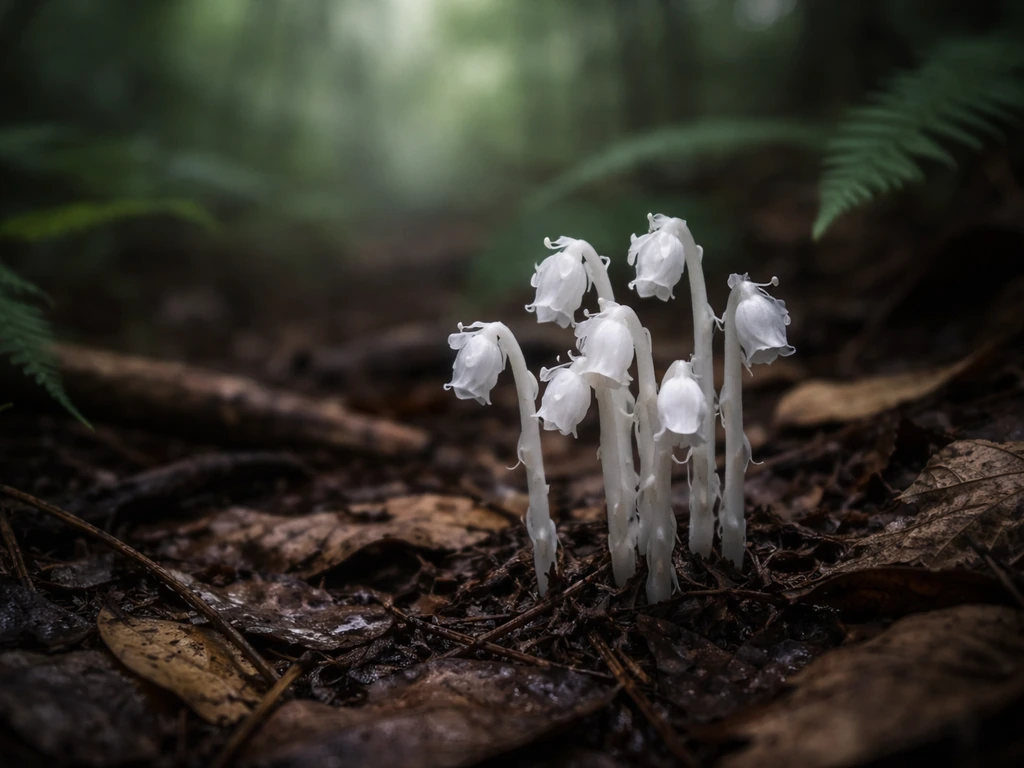
Does Ghost Pipe Grow in Georgia? Habitat and Growing Tips
Find out if ghost pipe grows in Georgia and where to look, plus realistic habitat and growing tips.
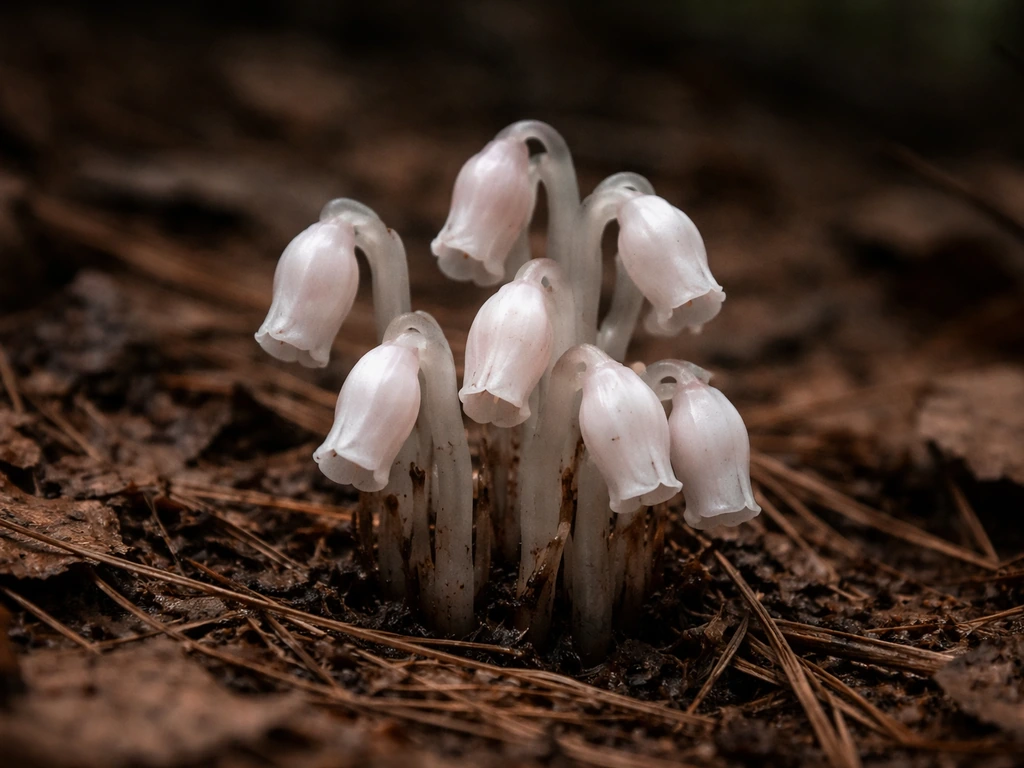
Does Ghost Pipe Grow in Ohio? Habitat and Sightings
Find out if ghost pipe grows in Ohio, where it may appear, and how to confirm sightings and identify it safely.
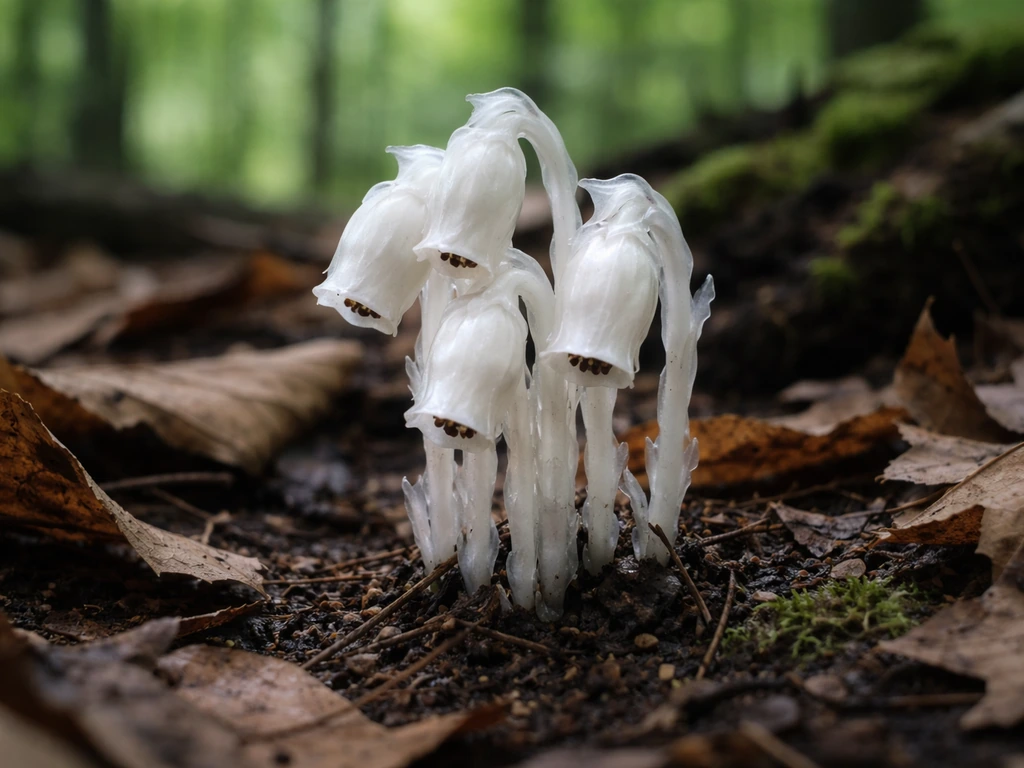
Does Ghost Pipe Grow in Michigan? Habitat, ID, and Odds
Find out if ghost pipe grows in Michigan, where it appears in forests, how to ID it, and realistic odds.