
In North India, the best time to plant ginger outdoors is April through May, when soil temperatures are climbing toward the 25–30°C sweet spot that rhizomes need to sprout. If you're in a cooler hill zone or want a head start, you can sprout rhizomes indoors in March and move them outside once the weather cooperates. Miss that window by planting too early into cold soil or too late into full monsoon waterlogging, and you'll likely lose the batch entirely.
When to Grow Ginger in North India: Planting Guide

Marcus Petersen
11 Jul 2026
North India's climate basics for ginger
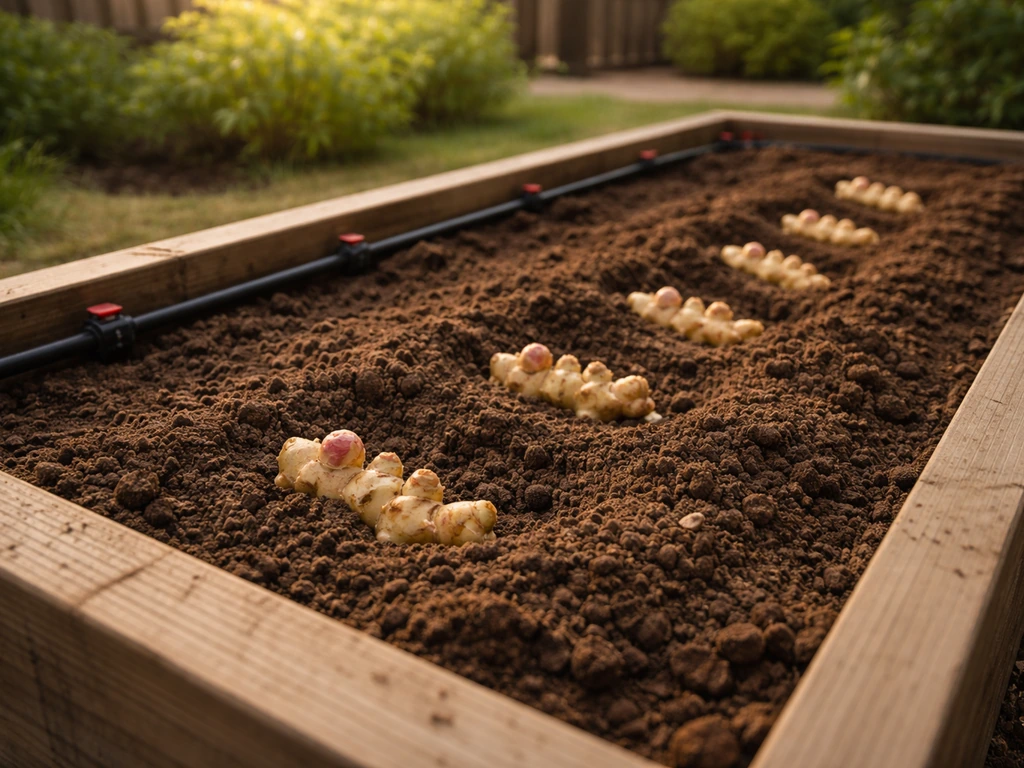
North India is not one climate. The Indo-Gangetic plains around Punjab, Haryana, and Uttar Pradesh have cold winters that dip well below ginger's safe zone, scorching May heat that can push 40°C+, and a proper monsoon from late June through September. Then you have the foothills and sub-montane areas like Himachal Pradesh and the Kandi region of Punjab, which stay cooler longer into spring and get more erratic rainfall patterns. Both can grow ginger, but the planting calendar looks slightly different.
Ginger thrives between 20–35°C and needs somewhere around 150–200 cm of annual rainfall (or equivalent irrigation). It is completely intolerant of waterlogging, which is a serious concern given how hard the North Indian monsoon can hit. The crop also needs 8–10 months from planting to harvest for dried ginger, so the start date matters enormously. Plant too late and you either harvest immature rhizomes or you're racing against the first autumn cold snap.
Best time window to plant: spring vs. autumn
Ginger in North India is treated as a Kharif crop, meaning it goes in the ground during the spring-to-early-summer window and rides the monsoon for most of its water needs. The national-level ICAR Kharif agro-advisory puts the correct sowing time at April–May. Punjab Agricultural University (PAU) is more specific: they recommend the first fortnight of May for the Kandi belt, or coinciding with the onset of the summer rains.
Autumn planting is not a realistic option for most of North India. By September and October, temperatures are dropping and the crop would barely complete its juvenile stages before the cold shuts growth down completely. Ginger rhizomes do not survive frost in the ground, and North India's winters are genuinely cold. Stick to the April–May spring window unless you're managing a controlled indoor or greenhouse setup.
| Region | Ideal Planting Window | Notes |
|---|---|---|
| Plains (Punjab, Haryana, UP) | Late April to mid-May | Soil warm enough; plant before peak June heat |
| Sub-montane / Kandi belt | First fortnight of May | PAU recommendation; wait for summer rains if late |
| Foothills (lower Himachal) | Mid-May to early June | Cooler springs delay soil warming; patience pays off |
| Container/indoor (any zone) | March indoors, move out in April–May | Extends effective growing season by 4–6 weeks |
How to pick your exact planting date based on temperature and rainfall
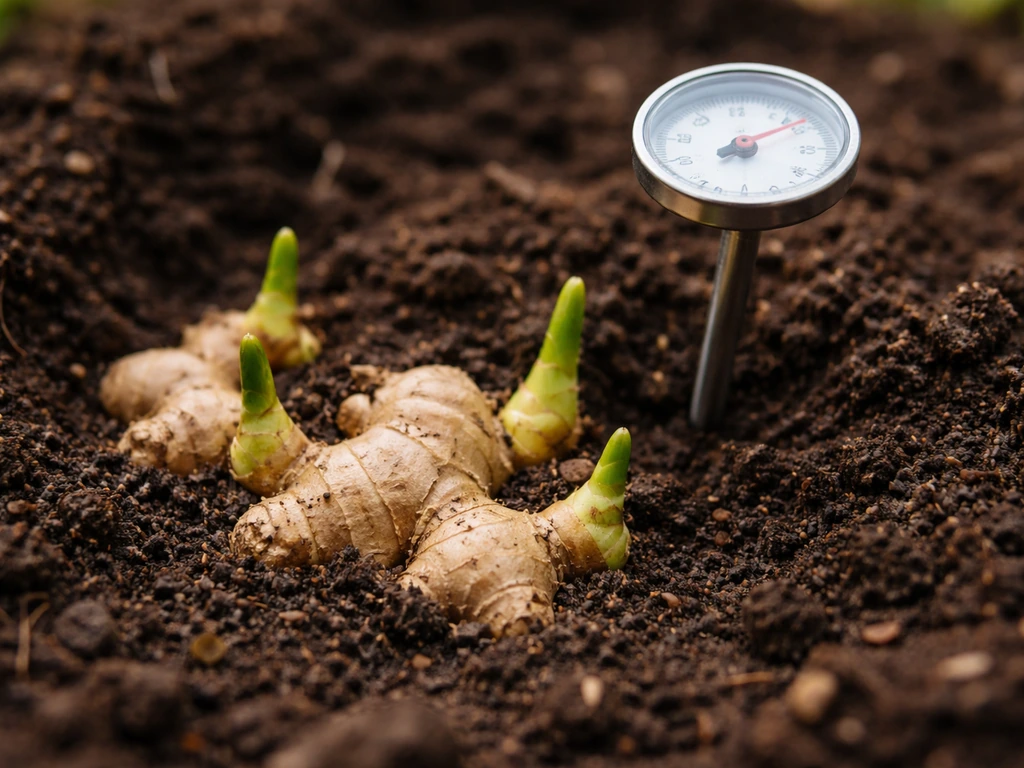
Forget the calendar for a moment and think about soil temperature. Ginger rhizomes sprout optimally at around 25–26°C soil temperature. They will sprout at 20°C but slowly (sprouting takes roughly 40–50 days under good conditions and can drag even longer in cold soil). Below 20°C, almost nothing happens and rot risk climbs fast. A soil thermometer is worth buying if you're serious about this. Aim for a consistent reading of 22°C or above at 10 cm depth before you put rhizomes in the ground.
On the rainfall side, the logic in traditional Indian ginger farming is to plant just before or at the onset of summer/pre-monsoon showers so the first rains do the early irrigation work for you. In North India's plains, those pre-monsoon showers typically arrive in June, which is actually a bit late for optimal planting. That's why the April–May recommendation relies on life irrigation (manual watering) to get sprouting started, then hands off to the monsoon. If you're in a spot where you can reliably irrigate, plant in late April. If you're rain-dependent, wait until late May but understand you're shortening your window slightly.
The monsoon itself is a double-edged situation. You need the moisture, but from July through September the waterlogging risk is real and crop losses from soft rot can hit 50–70% in badly drained plots. In PAU’s vegetable package for ginger (North India context), the monsoon window of blank" rel="noopener noreferrer">July to September is specifically discussed with attention to field irrigation and management to reduce problems like waterlogging. This makes drainage preparation just as important as timing. More on that below.
Indoor vs. outdoor growing schedule
If you're on the plains and want maximum growing time, starting rhizomes indoors in March is a legitimate strategy. The idea is simple: you get 4–6 extra weeks of growing before the outdoor season begins. If you specifically want can you grow gilded ginger, start by following the same timing and drainage rules for ginger rhizomes in your local North Indian conditions 4–6 extra weeks of growing before the outdoor season begins.. Use a 12-inch or larger container for a single rhizome piece, fill it with a well-draining mix, and keep it in a warm spot (near a south-facing window works well). The rhizome doesn't need light to begin sprouting, it needs warmth, so a warm indoor shelf is fine at first. Once you see shoots coming up and outdoor temperatures are reliably above 20°C at night, move the pot outside or transplant into a prepared bed. The North Carolina Extension (CES) notes that ginger does best when air temperatures are above 50°F (about 10°C), which can help you schedule when to move pots outside or transplant blank" rel="noopener noreferrer">reliably above 20°C at night.
For outdoor-only growers, the schedule is simpler. Prepare your beds in late March or early April, let the soil warm, and plant once you hit that 22°C soil temperature target, typically late April on the plains and early to mid-May in cooler hill zones. If you want the biggest picture on where ginger grows in the US, focus on warm regions with good drainage and a long growing season where does ginger grow in the us. Keep containers portable if you're in a location with unpredictable late cold snaps so you can bring them in overnight if needed.
One honest note on containers: they do make timing more flexible, but they also dry out faster and heat up more intensely on hot days. During peak May heat, container-grown ginger on a concrete terrace in Chandigarh or Lucknow can cook. Position containers where they get morning sun and afternoon shade during the hottest weeks.
Soil and moisture prep that make or break the timing
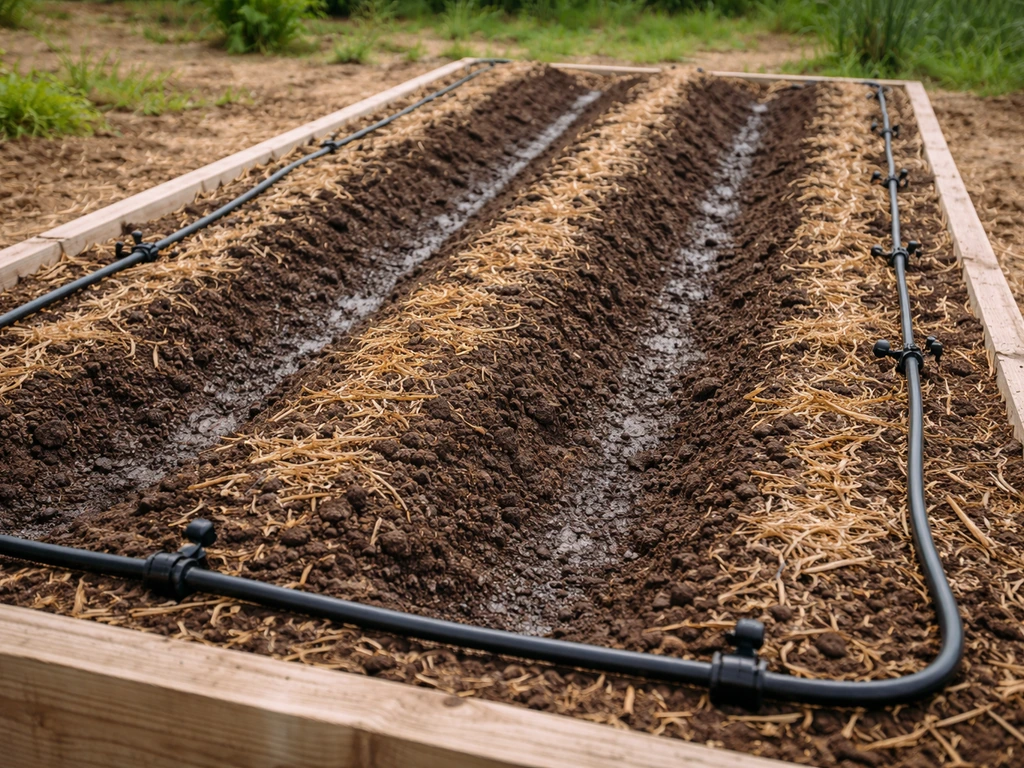
The soil work happens before the rhizomes go in, ideally two to three weeks ahead. Ginger wants deep, well-drained, friable loamy soil rich in humus, and a pH between 5.0 and 7.0. If your soil is heavy clay (common in many Gangetic plain areas), work in significant organic matter and sand. Poor drainage is not a fixable problem after planting, so deal with it now.
Raised beds are strongly recommended for North Indian conditions specifically because of monsoon waterlogging. A bed raised 15–20 cm above the surrounding ground level, with furrows running between rows for water to drain away, gives you a genuine fighting chance during heavy rains. Plant rhizomes at 4–5 cm depth in furrows on top of the raised bed, with 30 cm between rows and 25 cm between plants. Some ICAR guidance recommends 7–10 cm depth, but shallower (4–5 cm) in well-prepared beds tends to work better for sprouting speed in North India's climate.
Before planting, treat your rhizome pieces as a disease prevention step. A 40-minute soak in a Metalaxyl + Mancozeb solution (like Ridomil MZ 72 at 2.5 g/L) significantly reduces the risk of soft rot, which is the main disease threat in humid monsoon conditions. Cut the rhizome into 1 to 1.5-inch pieces, let the cut surfaces callus for a day or two, then do the fungicide soak right before planting.
Planting steps and care timeline from rhizome to harvest
Here is a realistic timeline anchored to a late April planting on the North Indian plains, which gives you the full 8–10 month window for dried ginger or 6 months for green/vegetable ginger.
- Late March to early April: Prepare raised beds, amend soil with compost, check pH (target 5.5–6.5). Let soil settle and warm.
- Mid-April: Cut rhizomes into 1–1.5 inch pieces with at least one growth bud each. Let cuts callus for 2 days in a shaded, dry spot.
- Late April: Soak rhizome pieces in fungicide solution for 40 minutes, let dry slightly, then plant at 4–5 cm depth in furrows. Space 25 cm within rows, 30 cm between rows. Water in gently (life irrigation).
- May to June (weeks 1–6): Sprouting phase. Soil should stay moist but never waterlogged. Expect shoots in 40–50 days. Mulch heavily with straw or dry leaves to retain moisture and suppress weeds.
- July to September: Monsoon management. This is the critical window. Ensure drainage channels are clear before heavy rains hit. Do not irrigate during active monsoon rains. Watch for yellowing leaves or foul-smelling soil as early rot warning signs.
- October to November: Growth slows as temperatures drop. Stop irrigation as the plant begins to mature. Leaves will start yellowing naturally.
- Month 6 onward (October): Harvest green/vegetable ginger by carefully digging individual rhizomes as needed.
- Month 8–10 (December to January): Full harvest for dried/mature ginger. Leaves are fully yellowed and dried. Dig entire clumps, cure in shade for a week before storage or processing.
If you planted in mid-May instead, shift all of these dates forward by two to three weeks. You'll still get a good crop, but you'll be harvesting in January to February, which is fine for most home gardeners.
Common timing mistakes and how to fix them
Planting too early into cold soil
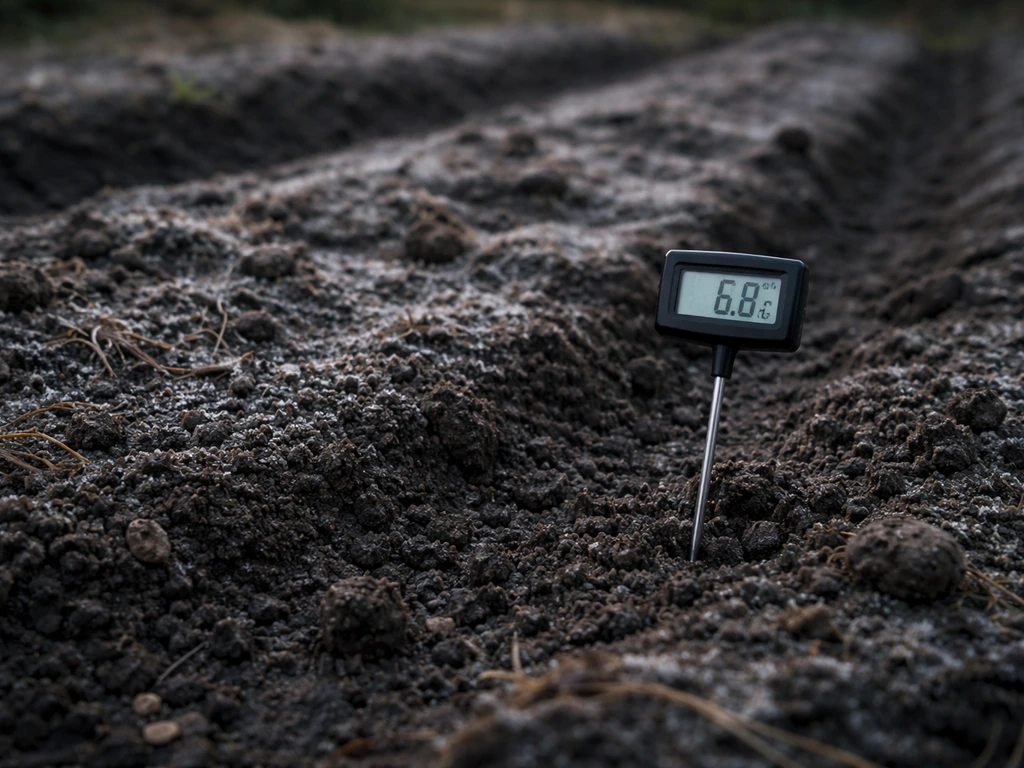
This is the most common mistake I see, especially from enthusiastic gardeners who bought rhizomes in February or March and couldn't wait. Below 20°C soil temperature, rhizomes sit in the ground doing nothing useful while rot pathogens have a field day. If you planted early and you're now seeing no sprouting after 6 weeks, carefully dig one rhizome and check. Mushy, discolored flesh means rot has set in. Firm, slightly dormant rhizomes may still sprout once soil warms. If in doubt, pot them up and bring them indoors to a warm spot to rescue the sprouting phase.
Planting too late into the monsoon
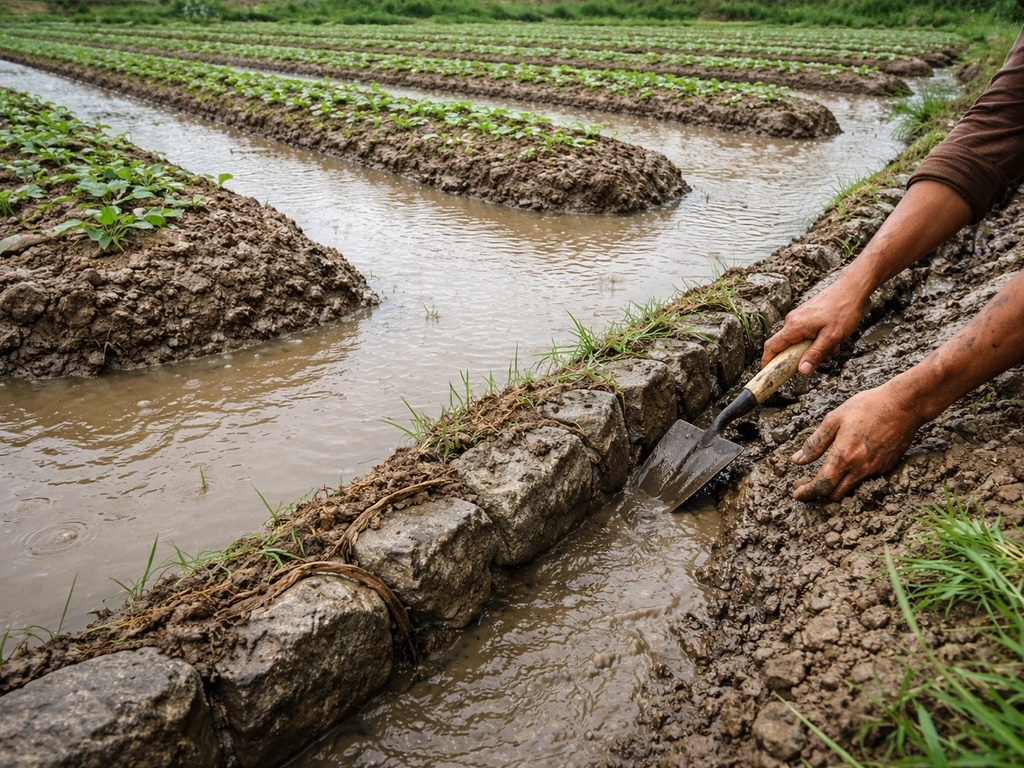
Planting after mid-June in the plains puts your rhizomes into warm, wet soil right as the monsoon intensifies. Without established roots and good drainage, new rhizomes sitting in waterlogged soil during July rains almost certainly develop soft rot. If you missed the April–May window entirely and it's now late June, your best option is to wait until next year or grow in containers where you can control drainage completely. Trying to rush a ground planting in peak monsoon is a loss almost every time.
Inadequate drainage during the monsoon
Even perfectly timed planting can fail if your beds flood during July–September. If you notice standing water around plants after heavy rain, act immediately: cut drainage channels to divert water, mound soil around plant bases, and apply a Bordeaux mixture drench if you suspect early rot. Crop losses from soft rot can reach 70% in badly drained plots. This is not a small risk, it's the single biggest reason ginger fails in North India. If you are asking about growing ginger in Europe, the key is similar timing and drainage, but you may need to adjust the planting window and use greenhouse or controlled indoor growing in colder climates ginger fails in North India.
Not allowing rhizomes to callus before planting
Cutting rhizomes and planting immediately gives pathogens an open wound to enter. The 1–2 day callusing step is quick and genuinely makes a difference. Skip it and you increase disease vulnerability right from day one, especially in humid soil.
Expecting fast sprouting and overwatering in response
Ginger takes 40–50 days to show shoots above soil. A lot of first-timers panic at week three, assume nothing is happening, and start overwatering to coax the plant along. That's the exact condition that causes rot. After planting, water lightly every few days to keep soil moist but not wet. Resist the urge to dig and check more than once. Patience here is genuinely the skill.
Growing ginger in North India is absolutely worth attempting if you can get your timing and drainage right. If you’re wondering what can you grow on ginger island, ginger is one of the most reliable crops to pair with warm, well-drained conditions. The April–May planting window is forgiving enough for most locations, the monsoon handles most of your watering needs, and a well-drained raised bed takes care of the biggest risk. Get those three things aligned and you have a realistic path to a genuine harvest by December or January.
FAQ
Can I plant ginger outdoors in March if the days are warm in North India?
Yes, but only if you can keep the soil consistently warm and avoid waterlogging. If your nights are still below 20°C, sprouting slows and rot risk rises, so indoor sprouting works better than outdoor early planting. Plan to transplant only after you see active growth and nighttime temperatures stay above 20°C.
My ginger planted in April has not sprouted after 6 weeks, what should I do?
Ginger can sprout at around 20°C, but it takes about 40 to 50 days under good conditions, and colder soil often stretches that timeline. In practice, if shoots are not visible after 6 weeks, test one rhizome for rot before you change the whole plan, because extra watering in that period commonly makes it worse.
What happens if I miss April to May and plant in late June in Punjab or Uttar Pradesh?
Do not plant after mid-June in the plains unless you have unusually strong drainage and can control excess water during heavy monsoon bursts. If roots are not established, warm wet soil during July rains is a primary trigger for soft rot losses, even when the plants eventually look green.
How do I measure the right soil temperature, and what depth matters most?
Use the smallest depth check you can manage, 10 cm depth for decision making. If you are below 22°C at 10 cm, wait, or switch to a controlled indoor sprout phase. Surface warmth (hot air) does not reliably mean the rhizome zone is warm enough.
Should I water ginger daily or do deeper watering in the early stage?
Light, frequent irrigation is better than heavy soaking. After planting, aim to keep soil moist but not wet, then let the monsoon handle most watering. If you see standing water within a day of rain, your issue is drainage, not irrigation timing.
How can I tell whether ginger failure is due to timing or poor drainage?
If your bed stays damp for days or you see mud water pooling, treat it as a drainage failure. The most reliable fixes are raised beds (15 to 20 cm), furrows for runoff between rows, and immediate diversion of water channels during storms. Applying fungicide without fixing drainage often does not stop repeated soft rot.
Can I grow ginger in containers to avoid monsoon waterlogging in North India?
Yes. If you grow in containers, ensure a drainage hole plus a well-draining mix, and elevate pots slightly so excess water does not collect. Containers also dry out faster, so you need to water when the mix is drying, but never to the point of soggy saturation.
If I start indoors in March, when should I move the pot outside, and how do I prevent heat stress?
Choose 12-inch or larger containers for a single rhizome piece and place them for morning sun with afternoon shade during peak heat. Overheating is a real issue in hot terraces, so moving containers to a cooler spot during midday can prevent stress when temperatures spike.
Is 7 to 10 cm depth really necessary for ginger, or is 4 to 5 cm okay?
Shallower planting at 4 to 5 cm tends to help sprouting speed in North Indian conditions when the bed is well prepared and warm enough. Very deep planting can delay emergence, especially when soil warming is slow. Depth is a tradeoff, so match depth to how reliably warm and friable your bed is.
Is the callusing step mandatory after cutting ginger rhizomes?
Yes, callusing is important. Let cut surfaces dry for about 1 to 2 days so wounds seal before fungicide soaking and planting, because fresh wounds are an easy entry point for soft rot in humid monsoon conditions.
What if I cannot find Ridomil MZ 72, can I still do rhizome treatment?
If you cannot access the specific Metalaxyl + Mancozeb product, focus on the same concept: a proven systemic plus contact fungicide approach labeled for rot/seed treatment in your region. Do not skip treatment when you know your monsoon drainage is marginal, and always follow local label directions for dosage and safety.
If I plant in mid-May instead of late April, when will I harvest and can I still dry ginger?
Yes, but shift your transplanting and harvest expectations by 2 to 3 weeks if you plant in mid-May instead of late April. The key is to preserve enough time before the first cold snap, because ginger needs roughly 8 to 10 months for dried ginger depending on conditions.
I have late cold snaps sometimes, should I use portable raised beds or containers?
Keep containers portable and be ready for cold nights. If a late cold snap drops nighttime temperatures below 20°C, delay outdoor exposure or wrap pots for a short period, then resume once nights stabilize.
Next Articles
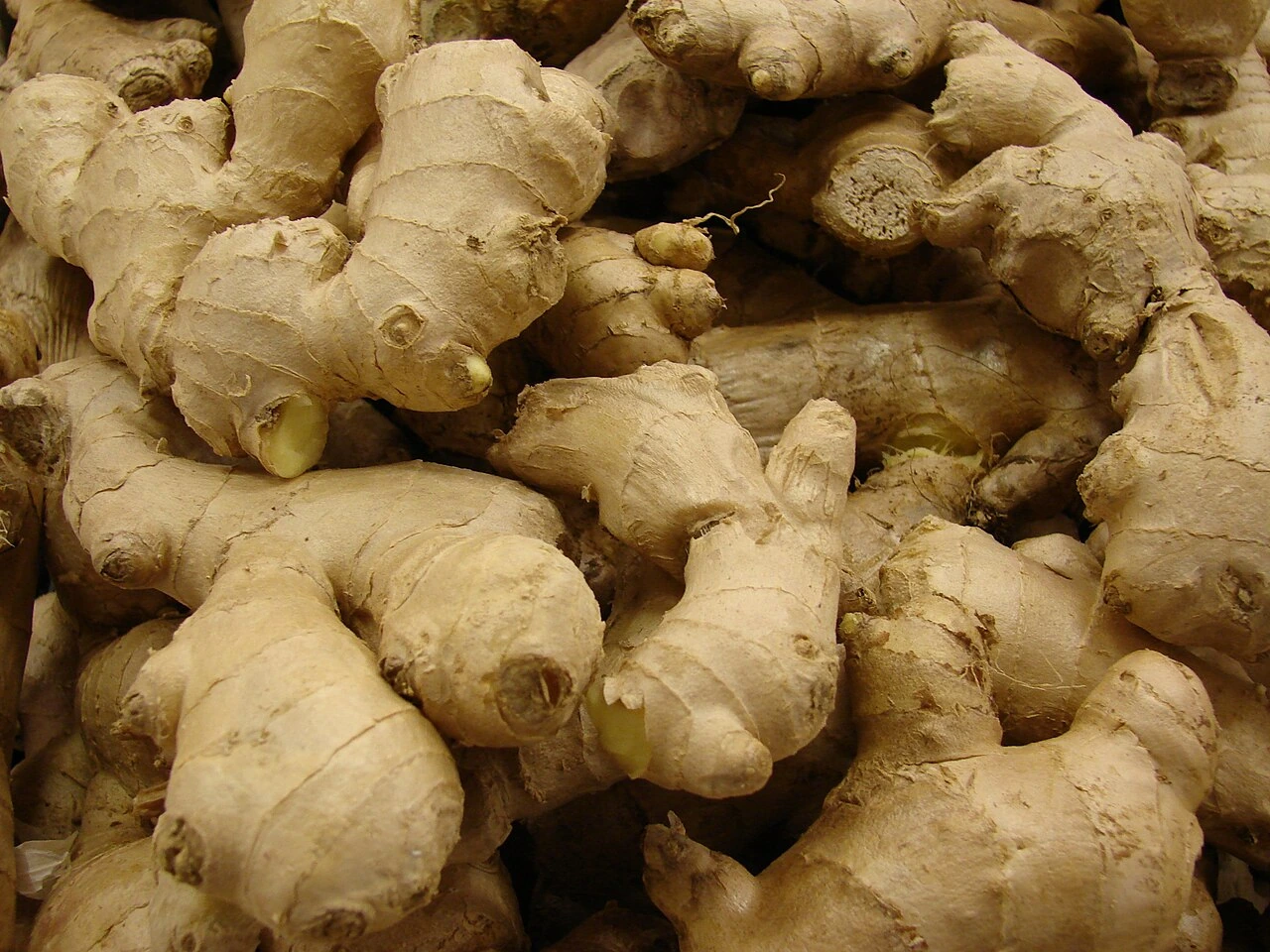
Where Does Ginger Grow in the US? Regions and Tips
Learn where ginger grows in the US and how to grow it by region using frost-free timing, warmth, and humidity.
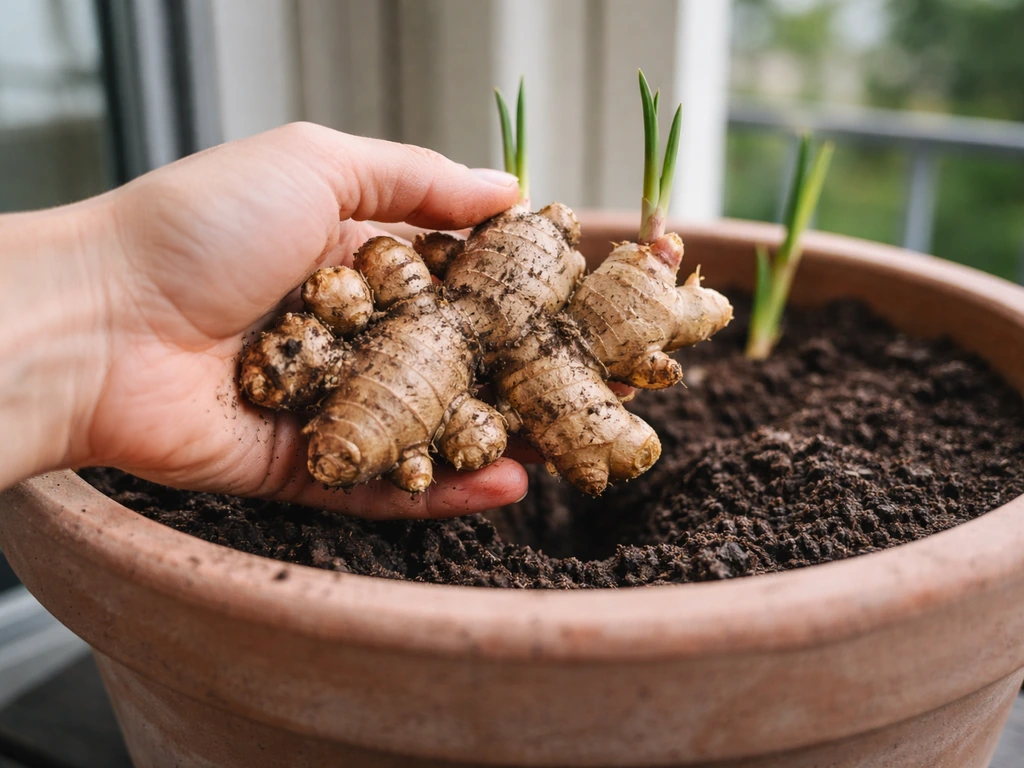
Does Ginger Grow in Europe? How to Grow It at Home
Yes, ginger can grow in Europe at home, using warmth and containers in cool areas with harvest and overwinter tips.
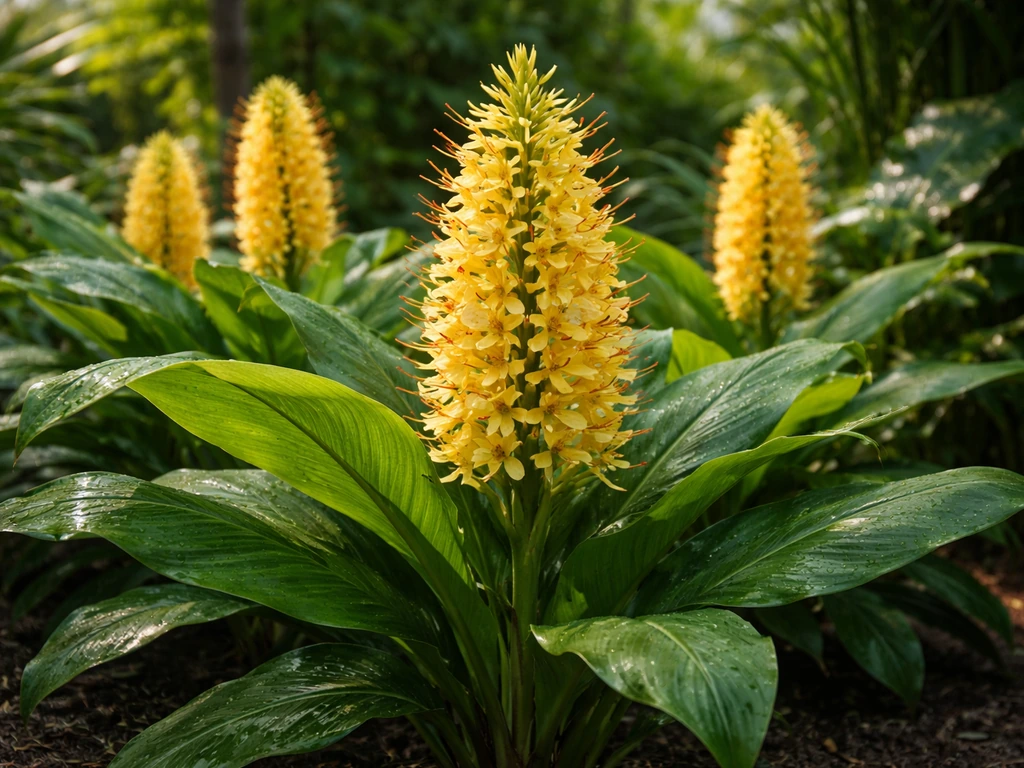
Can You Grow Gilded Ginger? How to Grow It Anywhere
Learn if you can grow gilded ginger anywhere, with zone tips, container steps, and fixes for sprouting and rot.