
Yes, you can grow black pepper (Piper nigrum) in the United States, but only a small slice of the country can do it outdoors year-round, and actually harvesting peppercorns takes real patience and the right setup. Most US gardeners will be growing it as a container plant indoors or in a greenhouse. If you are wondering can you grow cardamom in the US, the same container and greenhouse thinking is usually the difference between success and failure Most US gardeners will be growing it as a container plant indoors or in a greenhouse.. That's not a consolation prize, it's genuinely the most practical approach for the vast majority of climates here, and the plant is rewarding even without a harvest. But if peppercorns are the goal, you need to go in with clear eyes: expect to wait three to five years, and you'll need to nail warmth, humidity, and light consistently.
Can You Grow Black Pepper in the US Where and How
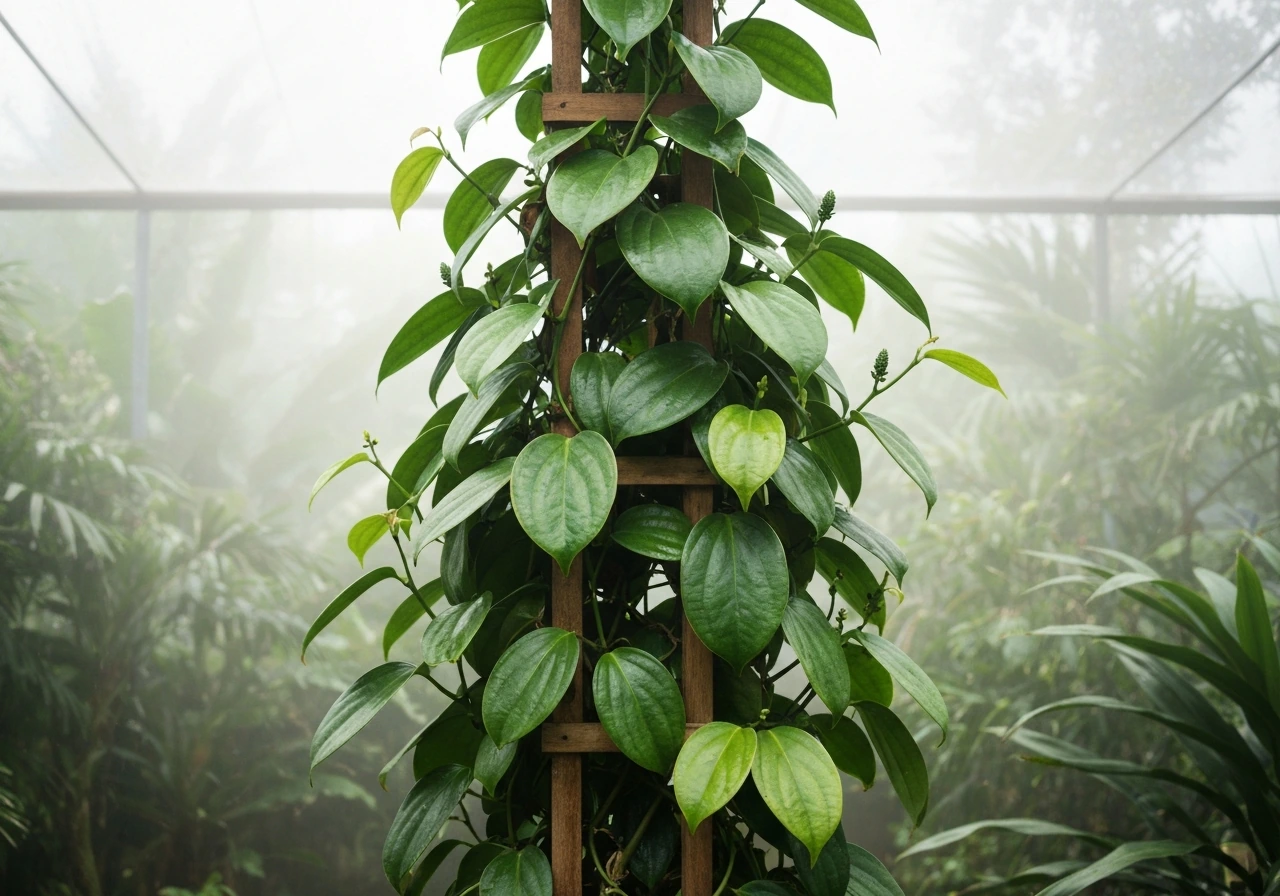
Can black pepper survive outdoors in the US?
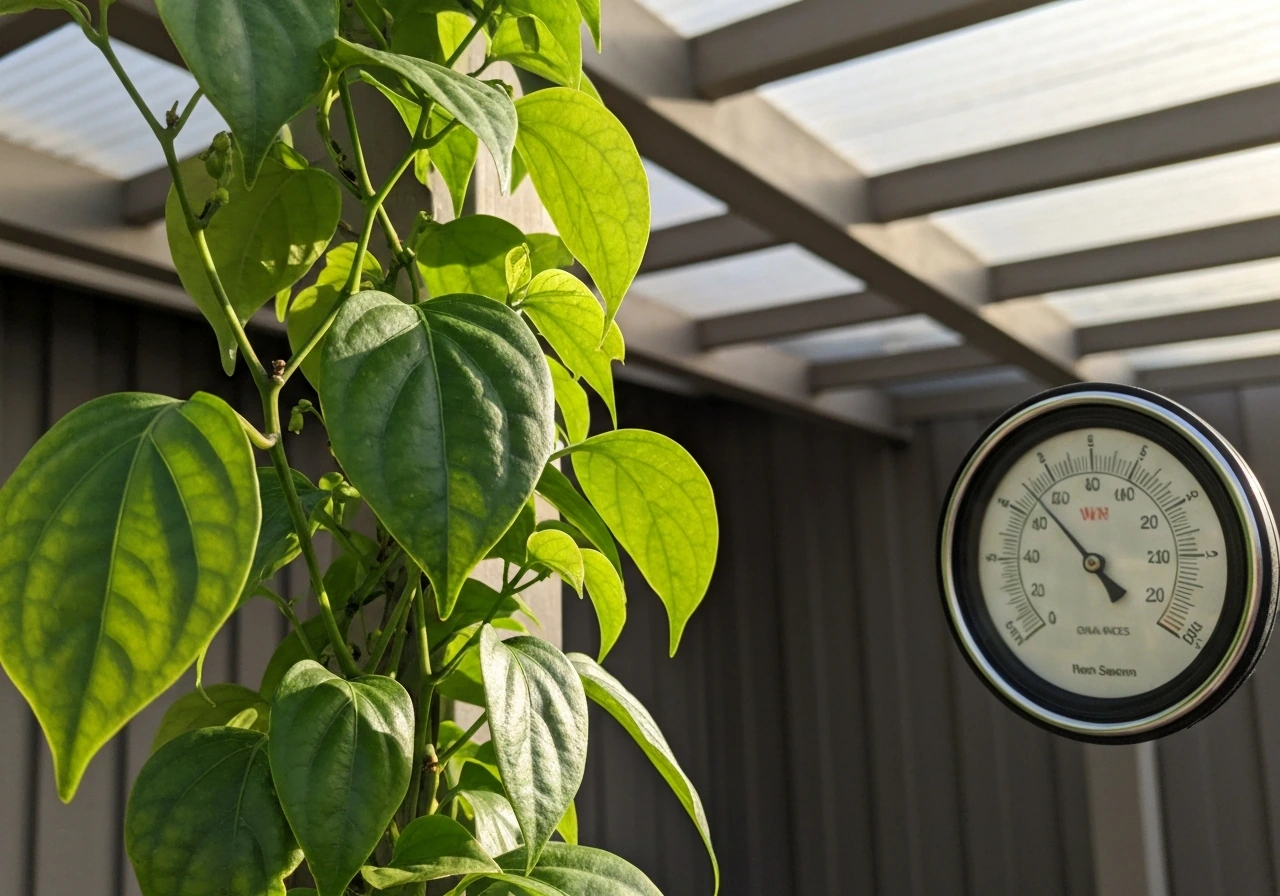
Black pepper is a tropical vine native to the wet, humid forests of South and Southeast Asia. It wants mean temperatures around 25 to 30°C (77 to 86°F) and relative humidity between 65 and 95% year-round. It tolerates a minimum of roughly 10°C (50°F) before growth stalls and cold damage sets in. That combination rules out almost every US climate except the very southernmost coastal zones.
In USDA zone terms, black pepper can stay outdoors year-round only in the warmest, most humid parts of zones 12 and 13, which in the US means southern and coastal Hawaii and parts of Puerto Rico. South Florida (zone 10b to 11) is a borderline case: the warmth is mostly there, but cold snaps below 50°F do happen, especially inland, and the plant won't shrug them off. If you're in South Florida with a sheltered, south-facing microclimate and mild winters, you might pull off outdoor growing with some frost protection. Everywhere else in the continental US, treat it as a warm-season outdoor plant at best, and an indoor or greenhouse plant for the bulk of the year.
| USDA Zone / Region | Outdoor Year-Round? | Realistic Approach |
|---|---|---|
| Zone 12–13 (Hawaii, Puerto Rico) | Yes | Full outdoor cultivation possible |
| Zone 10b–11 (South Florida, lower Rio Grande) | Marginal | Outdoor with frost protection; container backup recommended |
| Zone 9–10a (Central FL, Gulf Coast, SoCal) | No | Outdoors in summer only; overwinter indoors or greenhouse |
| Zone 8 and below (most of the US) | No | Container/greenhouse growing only; keep indoors year-round or close to it |
What black pepper actually needs to grow
Before you buy a plant, understand what you're signing up for. This vine is not forgiving of neglect or marginal conditions, and most failures I've seen come from underestimating one of these five requirements.
Warmth
Keep nighttime temperatures above 60°F (15°C) at all times. Ideally, daytime temperatures stay between 75 and 85°F (24 to 29°C). Growth visibly slows below 65°F and stops around 50°F. Cold drafts from air conditioning vents or winter windows are a common silent killer for indoor plants.
Humidity
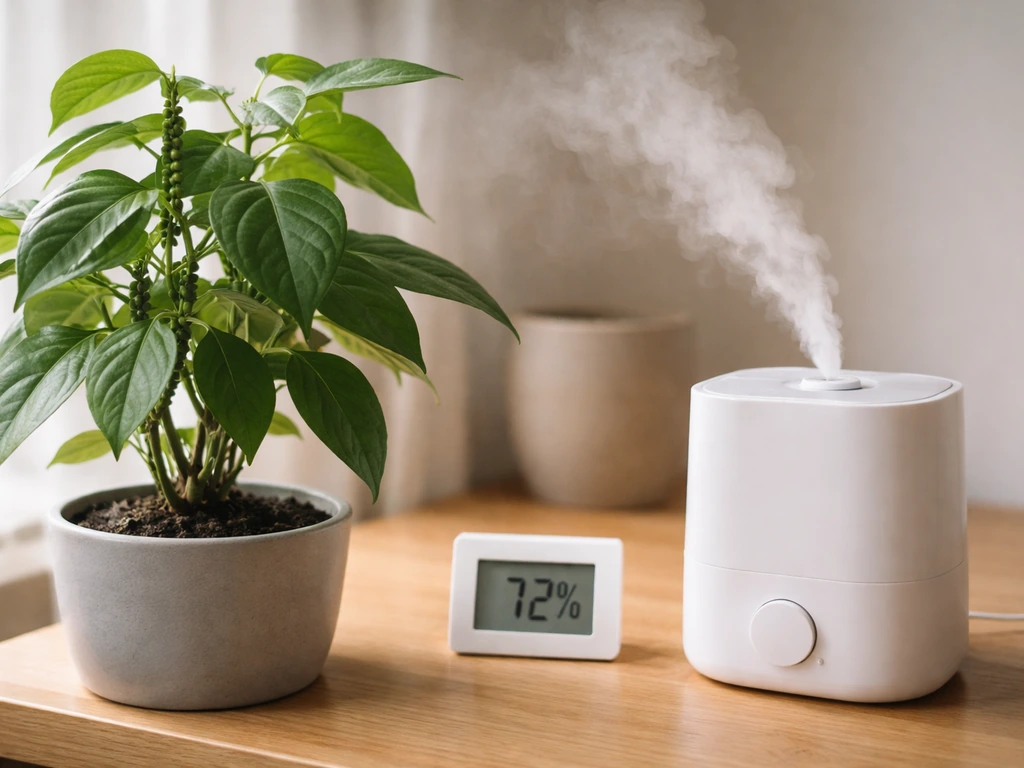
This is where most US indoor setups fall short. Black pepper wants relative humidity above 70% for optimal vine development, ideally 70 to 85%. A typical American home in winter runs 30 to 50% humidity. You'll need a humidifier near the plant, a pebble tray with water, or grouping plants together to raise local humidity. Misting helps short-term but isn't a substitute for consistent moisture in the air.
Light
Black pepper grows in the dappled light of tropical forest edges, so it doesn't want direct midday summer sun blazing on its leaves. Indoors, give it the brightest indirect light you have, a south- or east-facing window works well. In a greenhouse, some shade cloth (30 to 40%) is helpful in peak summer. If natural light is limited, a full-spectrum grow light running 12 to 14 hours a day will fill the gap.
Soil and drainage
Use a well-draining loamy mix rich in organic matter with a pH of 5.5 to 6.5. For containers, I mix quality potting soil with perlite (roughly 2:1) to get drainage right. This matters a lot: Phytophthora root rot is one of the most common ways container black pepper dies, and it's caused by waterlogged soil. Never let the pot sit in standing water, and make sure drainage holes are clear.
Support structure
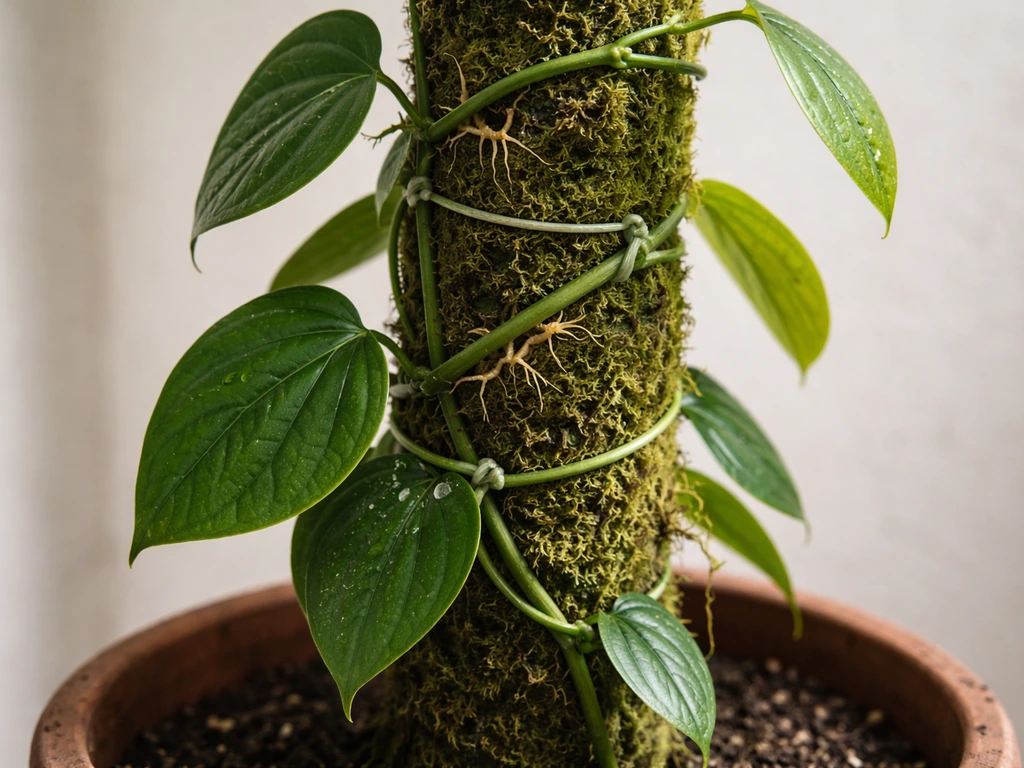
Black pepper is a climbing vine and will reach 10 to 15 feet tall when happy. It needs something to attach to, a sturdy trellis, moss pole, bamboo stake cluster, or even a pipe works fine. University greenhouse setups typically train the vines up vertical pipes or trellises. Without support, the vine sprawls and grows poorly. Set up your support structure at planting time rather than retrofitting it later.
Best growing setups for US gardeners
Outdoor growing (Hawaii, Puerto Rico, and extreme South Florida)
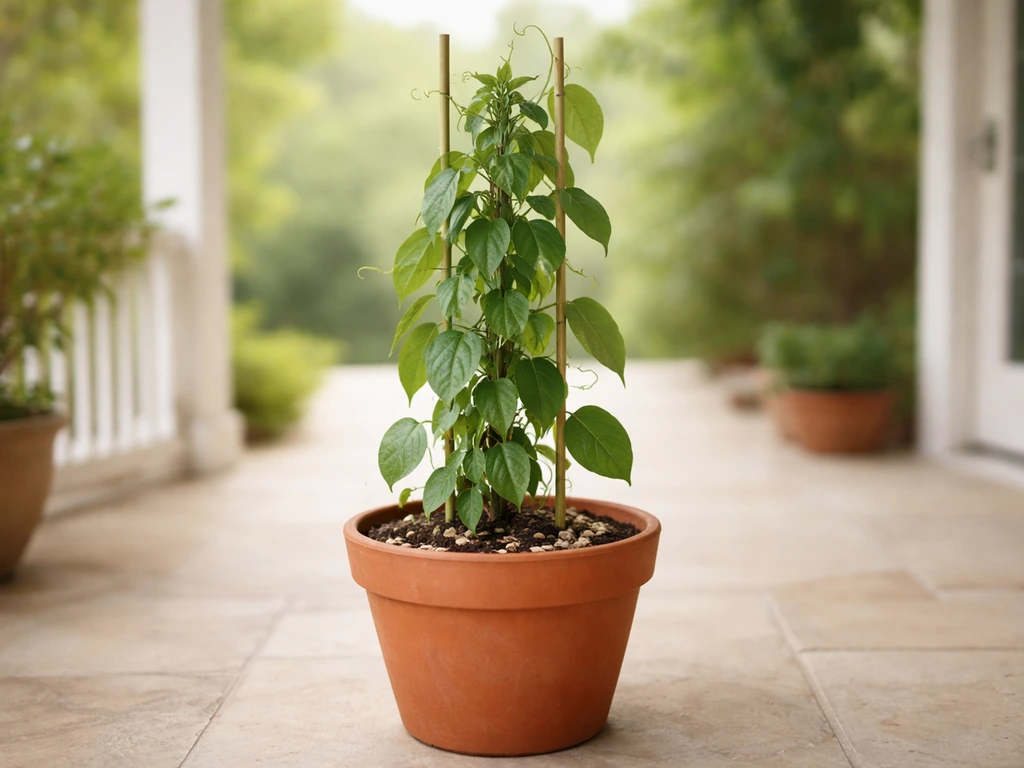
If you're in a genuinely tropical zone, plant black pepper in a sheltered spot with partial shade, good drainage, and high ambient humidity. Avoid low-lying areas where cold air settles on rare cold nights. Amend your soil well with compost, install your trellis or plant near a fence or tree it can climb, and mulch heavily to retain moisture and regulate soil temperature. This is the closest you'll get to growing it the way farmers do in Kerala or Vietnam. That said, can you grow nutmeg in the US is a different question because nutmeg needs warm, humid conditions too growing it the way farmers do in Kerala or Vietnam.
Container growing (most of the continental US)
A 10 to 15 gallon container is the right target size for a mature plant, start in a smaller pot and step up as roots fill out. Use the loamy, well-draining mix described above. Place the container outdoors in a warm, sheltered spot from late spring through early fall (once nights stay consistently above 60°F), then bring it inside before temperatures drop. Indoors, place it near your best light source and run a humidifier nearby. This move-in/move-out rhythm works well in zones 7 through 10 and is honestly what I'd recommend for most people reading this.
Greenhouse growing
A heated greenhouse is the gold standard for producing peppercorns outside of tropical climates. You can dial in temperature, humidity, and light year-round. Keep the greenhouse at 75 to 85°F during the day, not below 60°F at night, and maintain humidity above 70%. If you're in a hot-humid climate like Florida and using a greenhouse, note that summer temperatures inside an unventilated greenhouse can exceed 100°F, which stresses the plant, you'll need active cooling or shade cloth plus good ventilation to keep conditions in range.
Growing for peppercorns vs just keeping the plant alive
There's a real difference between keeping a black pepper vine as a houseplant and actually producing spice from it. Both are valid goals, but set expectations accordingly.
Just keeping the vine healthy and growing is achievable in most US climates with the container approach above. The plant is attractive, it grows quickly once established, and it's genuinely interesting to have. If that's your goal, you'll find it fairly manageable with warm temperatures and decent humidity.
Getting peppercorns is a much longer game. Expect to wait three to five years from a cutting or seedling before you see flower spikes, and don't expect fruit before year three under good conditions. Once flowers appear, fruit takes roughly 6 to 9 months to ripen, studies tracking fruit development in cultivation report 242 to 270 days from spike appearance to ripe berries. Green peppercorns are harvested early; black pepper is made from those same berries dried after picking. You can also leave a few to ripen fully for red peppercorns.
The good news on pollination: black pepper is largely self-fertile. It can set fruit through autogamy and geitonogamy (essentially self-pollination within the same plant or between flowers on the same vine), so you don't necessarily need multiple plants. That said, fruit set is better under high humidity and consistent warmth, and stress during flowering often leads to flower or fruit drop. Gently shaking flower spikes or using a small brush to move pollen can improve fruit set indoors where there's no wind or insects.
How to get started
Getting your plant
You have three options: buying a plant, sourcing cuttings, or starting from seed. Buying a small plant from a specialty tropical nursery or online retailer is the easiest path, look for Piper nigrum specifically, since common names can be confusing. Cuttings are the preferred propagation method commercially because they root reliably (studies report 83 to 87% rooting success with single-node cuttings) and they preserve the parent plant's genetics. If someone you know has a mature plant, ask for a stem cutting with at least one or two nodes. Seeds are available but slower and less reliable, cuttings are the better starting point for most people.
Propagating from cuttings
Take a cutting with two to three nodes, remove lower leaves, and plant in a moist mix of perlite and peat or coco coir. Rooting hormone is optional but can improve success. Cover with a humidity dome or plastic bag to maintain moisture around the cutting, keep it warm (around 80°F is ideal), and place in bright indirect light. Roots should appear in three to six weeks. The biggest mistake at this stage is overwatering before roots form, keep the medium moist but not soggy, and never let cuttings sit in standing water.
Planting and training
Once rooted, pot up into your prepared container with the soil mix described earlier (pH 5.5 to 6.5, well-draining, organic-matter-rich). Install your support structure immediately. As the vine grows, gently tie new growth to the support rather than waiting for it to flop over. Black pepper produces fruiting branches off the main climbing stems, so you want that main stem going vertical as cleanly as possible.
Care through the year and fixing common problems
Watering and feeding
Water when the top inch of soil feels dry, and water thoroughly until it drains from the bottom. Then don't water again until the surface dries out. Overwatering is the most common killer of container black pepper, and it leads directly to Phytophthora root rot, which is very hard to reverse once established. During the active growing season (spring through summer), feed every two to four weeks with a balanced liquid fertilizer. Ease off in fall and winter when growth slows.
Pruning
Black pepper doesn't need heavy pruning, but removing dead or crossing stems helps airflow and keeps the plant tidy. If the vine is getting very leggy indoors without enough light, cutting it back by a third will encourage bushier regrowth. Do this in spring when the plant is entering its active growth phase.
Pests to watch for
Mealybugs and scale insects are the most common pest problems on indoor black pepper. Both suck sap and produce honeydew, which leads to sooty mold on the leaves that blocks light and slows growth further. Check the undersides of leaves and stem joints regularly. Treat early with insecticidal soap or horticultural oil, a weekly spray for two to three weeks is usually enough to knock back an infestation. Catching it early matters, because a heavy mealybug load on a vine already struggling with low humidity can spiral fast.
No flowers or fruit? Here's what to check
If your plant is more than three years old and still not flowering, run through this checklist before giving up:
- Temperature: Is it consistently above 65°F at night? Cold stress suppresses flowering.
- Humidity: Is it above 70%? Low humidity is one of the most common reasons for no flower spikes indoors.
- Light: Is the plant getting 6 or more hours of bright indirect light daily? Add a grow light if not.
- Fertilizer: Are you feeding with a balanced fertilizer? Switch to one with a slightly higher phosphorus ratio in spring to encourage flowering.
- Pot size: Is the plant rootbound? Try moving it up one pot size in spring — sometimes mild root stress triggers blooming, but severe rootbinding stunts the plant.
- Patience: Has it genuinely been three or more years? If it's only been two years, keep going.
Seasonal rhythm for container growers
| Season | Key Tasks |
|---|---|
| Spring (March–May) | Move outdoors once nights stay above 60°F; repot if rootbound; resume regular feeding; train new growth to support |
| Summer (June–August) | Keep well-watered; watch for pests; enjoy fastest growth phase; protect from intense afternoon sun |
| Fall (September–October) | Move indoors before first cool nights; reduce watering frequency; set up humidifier near plant |
| Winter (November–February) | Minimal watering; light feeding or pause fertilizer; maintain warmth (65°F+ nights); run humidifier; monitor for mealybugs |
Is it worth growing black pepper in the US?
Worth trying if: you're in Hawaii, Puerto Rico, or South Florida and want a genuine outdoor spice plant; or you're willing to run a container system with a humidifier, bright light, and the patience to wait three to five years for a harvest. If you’re wondering can you grow peppercorns in the US, the real answer is to match your setup to your local humidity and warmth. The plant itself is beautiful and manageable once you understand what it needs.
Think carefully if: you're hoping for a low-effort houseplant or a quick harvest. Black pepper isn't particularly forgiving of humidity neglect, and peppercorn production in a typical US home is a multi-year project. That said, if you're the kind of gardener who enjoys the journey of growing something unusual, this vine is genuinely satisfying. If you're already exploring tropical spice crops, black pepper sits in interesting company alongside cardamom, nutmeg, and capers, all of which come with their own US-specific challenges and workarounds worth understanding before you commit to a growing setup. Capers can also be grown in the US, but the key is matching the plant to your local warmth and soil conditions.
FAQ
Can I grow black pepper outdoors year-round in the US if I live in a warm area?
Yes, but it will rarely thrive outdoors year-round unless you can keep conditions consistently warm and humid. In the US, most successful growers treat it as a move-in, move-out plant or greenhouse crop, bringing it inside before nights drop toward the low 60s°F and protecting it from cold drafts.
What should I do if my nighttime temperatures drop below 60°F?
If your nights regularly fall below about 60°F, expect slow growth, weak flowering, or total failure. For indoor plants, avoid placing the pot where AC vents or leaky windows create cool air pockets, even if daytime temperatures look fine.
Is misting enough to keep black pepper humid indoors?
Use a humidity target, not a schedule. Aim for roughly 70% relative humidity near the plant, and measure it with a small hygrometer placed at canopy height. If you only mist, humidity spikes last briefly and the vine often still suffers between sprays.
How often should I water a container black pepper plant?
Most people end up watering based on a calendar, but black pepper responds better to soil cues. Water thoroughly only after the top inch dries, then let excess drain completely, never leaving the container sitting in a saucer of water.
Why is my black pepper not flowering yet after a couple years?
Around 4 to 5 years is common from a cutting or seedling, but timing depends on whether the plant reaches maturity, stable warmth, and strong vine growth. A plant that looks healthy but stays cool or dry may keep producing leaves yet take longer to flower.
Do I need a second black pepper plant for fruiting indoors?
Self-fertility helps, but you still need the right moment to support pollination. Indoors, gentle agitation of flower spikes or brushing pollen can improve fruit set, especially when humidity is high enough and temperatures stay steady.
What are the early signs of root rot, and how do I prevent it?
If you see yellowing, leaf drop, or a vine that suddenly collapses, suspect root issues first. Check that the pot has clear drainage holes and that the mix drains quickly, then reduce watering immediately, because waterlogged soil commonly leads to Phytophthora root rot.
Can black pepper handle direct sun if I rotate the plant?
Don’t put it in direct intense afternoon sun, especially indoors near reflective glass. Bright indirect light is ideal, and in a greenhouse a shade cloth in peak summer helps prevent leaf scorching and stress during fruiting.
What light setup works best if I don’t have a strong south or east window?
Grow lights can substitute for window light, but placement matters. Use a full-spectrum light for about 12 to 14 hours daily, keep it close enough for the leaves to stay productive, and avoid long periods of darkness that can disrupt growth cycles.
When should I install the trellis and how do I train the vine?
Start with the trellis at planting time. Black pepper produces fruiting branches from climbing stems, so forcing a vine to retread once it’s established can reduce vigor. Tie new growth gently as it climbs to keep the main stem upright.
Should I fertilize year-round or only during certain months?
Fertilize during active growth when temperatures and light are at their best, typically spring through summer. In cooler, lower-light periods, reduce feeding because salts can build up in the mix and stress roots.
What’s the best way to deal with mealybugs or scale on black pepper?
The most reliable fix is early intervention. If you catch mealybugs or scale early, insecticidal soap or horticultural oil repeated weekly for a couple of weeks often works, and wiping stems and checking leaf undersides speeds control.
Should I buy a plant, use cuttings, or start from seed for peppercorns?
Yes. Buying a nursery plant is the easiest path for a mature start, but cuttings usually give more predictable rooting and preserve the parent genetics. Seeds are slower and more variable, so they are a higher-risk option if your main goal is eventually producing peppercorns.

Regional guide to growing caper plants in the US, choosing cultivars, meeting soil and climate needs, and harvesting bud
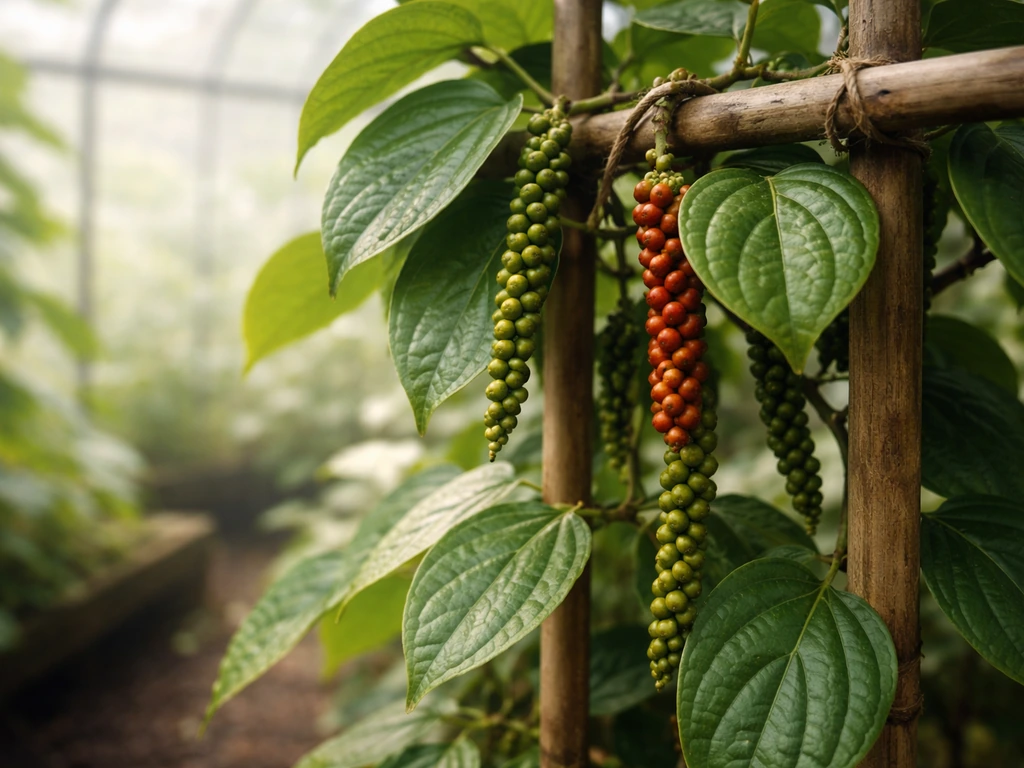
Zone-by-zone guide to growing black pepper peppercorns in the US, including heat, humidity, indoor options, and timeline
Grow true wasabi in Canada: province-by-province verdicts, practical checklist, seasonal timeline and realistic costs.