
Yes, you can grow capers in the US, but where you live makes a huge difference between a thriving, productive shrub and a container experiment that never flowers. Black pepper is a different crop with its own climate requirements, so it does better only in warm, humid conditions rather than the Mediterranean-style setup capers prefer can you grow black pepper in the us. If you're in USDA zones 8b through 11 (think Southern California, the Desert Southwest, coastal Texas, South Florida, and Hawaii), you can plant Capparis spinosa directly in the ground and expect it to behave like the Mediterranean perennial it is. Everywhere colder than that, you're looking at container growing and indoor overwintering, which is absolutely doable but adds real effort and patience to the equation.
Can You Grow Capers in the US? Regional Guide for Home Gardeners

Capers are the bud, not the berry (and the plant matters)
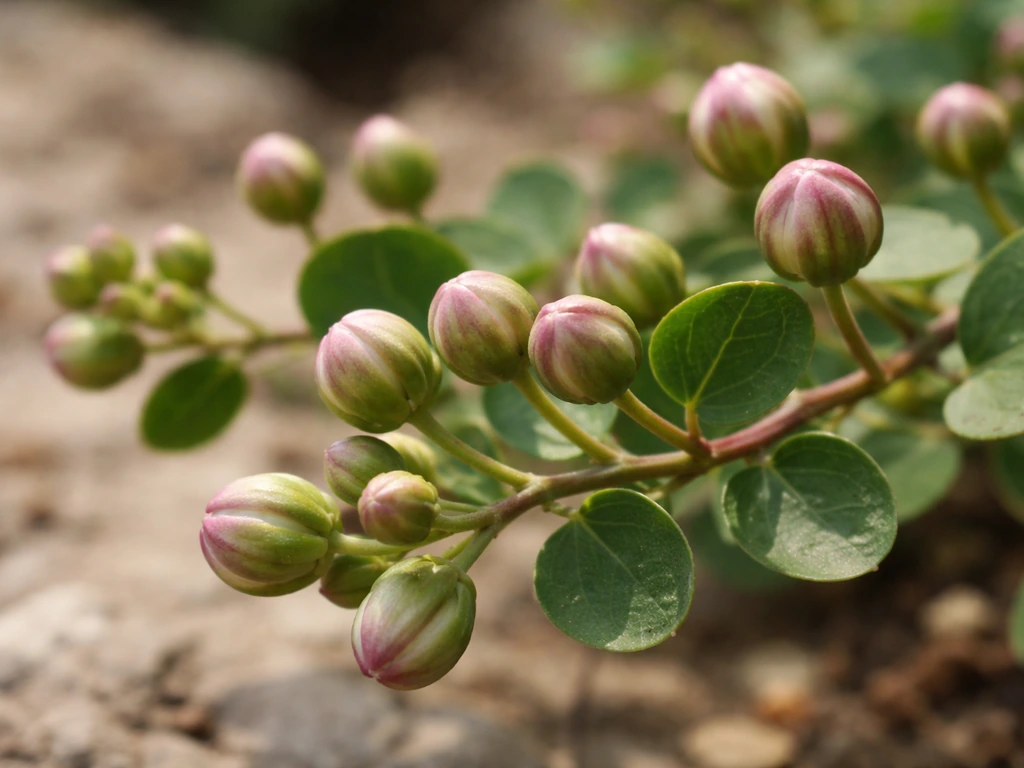
The capers you eat in jars come from the unopened flower buds of Capparis spinosa, a drought-tolerant shrubby perennial native to the Mediterranean. The buds are picked before they open, then salted or pickled to develop the briny, tangy flavor you know from the store. The round green 'caper berries' you sometimes see are the fruit that forms after the flower opens, which is a different (and milder) product. What you're growing, harvesting, and processing are strictly the tight, closed buds.
For home growing in the US, the variety to look for is Capparis spinosa var. inermis, the spineless caper bush. The species also comes in a spiny form, and trust me, you do not want to fight thorns every time you're harvesting small buds by hand. Logee's Plants and Phoenix Perennials both sell var. inermis plants online, which is the easiest starting point. You can also start from seed, but it's slow and germination is patchy unless you soak seeds in warm water for 2 to 3 days before sowing. Buying a small plant and skipping the seed phase saves you at least a full growing season.
If you want the prestige variety, the most famous cultivar is 'Nocellara,' grown under protected designation of origin on the island of Pantelleria in Sicily. Europe’s local caper cultivation includes multiple local cultivars and ethnovarieties, especially in Mediterranean islands and regions such as Pantelleria (Sicily) and Sicily, including Italian commercial biotypes like “Nocellara” and “Nocella.” Nocellara, grown on the island of Pantelleria in Sicily. It's not commonly available in US nurseries, but the straight var. inermis plants sold by reputable US retailers are the same species and will produce real, usable capers with the right care.
Where in the US will this actually work
Capparis spinosa is a Mediterranean shrub, which means it evolved for hot, dry summers, mild winters, and rocky, fast-draining soil. It can handle serious heat and drought once established, but it draws the line at hard freezes. The plant is generally winter-hardy to about 20°F (roughly zone 8b), though even a light frost will knock back young growth. Here's a realistic regional breakdown:
| Region | Zone(s) | In-Ground Viable? | Realistic Outcome |
|---|---|---|---|
| Southern California / Coastal CA | 9–11 | Yes | Best-case scenario. Grows like a weed, flowers freely, multi-year harvests. |
| Desert Southwest (AZ, NM, NV) | 8b–10 | Yes | Excellent heat tolerance; watch summer watering on young plants. Maricopa County, AZ is a well-documented success zone. |
| South Texas / Rio Grande Valley | 9–10 | Yes | Strong summer heat suits it well. Humidity can bring mildew issues. |
| Gulf Coast (LA, MS, AL, FL Panhandle) | 8b–9 | Possible | Heat is fine; humidity and occasional freezes are the challenge. |
| South Florida / Miami area | 10–11 | Yes, with caveats | Heat and drainage are manageable, but high humidity increases disease pressure. |
| Pacific Northwest | 8–9 (coast) | Marginal | Mild winters are good; wet summers are not. Drainage is critical here. |
| Mid-Atlantic / Southeast (NC, VA, TN) | 7–8a | Risky in-ground | Container growing strongly recommended; cold snaps below 20°F will kill roots. |
| Midwest / Northeast / Mountain West | 3–7 | No (in-ground) | Container only. Bring indoors before first frost every fall. |
If you're in Zone 6a or colder and you've seen threads from other gardeners experimenting with capers in buckets and large pots, that's a legitimate approach, just know you're signing up for annual indoor storage from October to April and a plant that may flower more reluctantly because of the stress of moving.
Sun, soil, and drainage: don't compromise on these
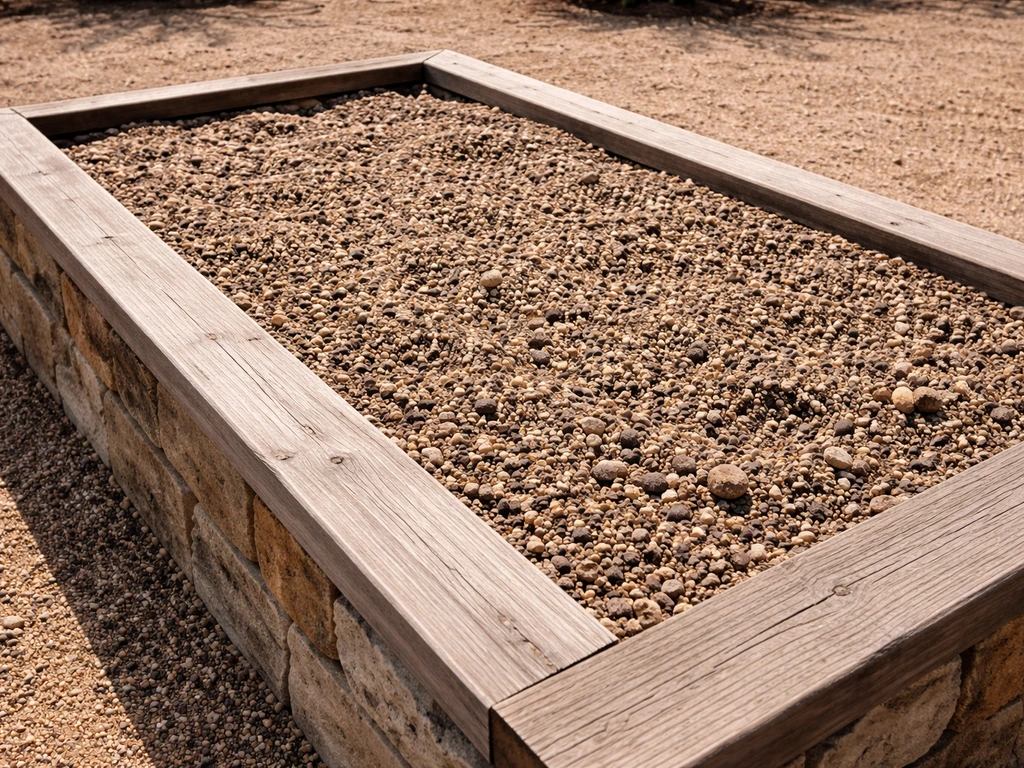
Caper plants need at least six hours of direct sun per day, and more is better. In hot climates, full sun all day is exactly what they want. In cloudier or more northern regions, maximize whatever sun exposure your site gets. A south-facing wall or slope is ideal. These are not shade-tolerant plants.
The non-negotiable requirement is drainage. Capparis spinosa evolved on rocky hillsides and poor, sandy soils. Sitting in wet soil for even a few days can kill the roots, and root rot is the number one way home gardeners lose these plants. Gardenia.
net also notes that capers develop root rot when they sit in excess moisture or poor drainage root rot is the number one way home gardeners lose these plants. The ideal pH range is 6.
5 to 7. 5, slightly alkaline to neutral, which mirrors the limestone-heavy soils of the Mediterranean. If your native soil is acidic (common in the Southeast and Pacific Northwest), amending with agricultural lime helps. The good news is that caper plants have excellent salt tolerance, so if you're gardening near the coast, that's actually a mild advantage.
When planting in ground, dig a hole twice the width of the root ball and work in coarse sand or gravel to improve drainage. In heavy clay soils, consider raising the planting area or installing a drainage layer of gravel at the bottom of the hole. For established plants, water deeply but infrequently. Young plants need regular watering to get established, but once the root system is a year or two old, you can back off significantly. Overwatering a mature caper plant is more likely to kill it than a dry summer.
Container vs. in-ground: which makes sense for you
If you're in a reliably warm zone (8b or warmer), in-ground planting is the better long-term choice. The plant can spread 3 to 5 feet wide and establish a deep root system that makes it genuinely drought-tolerant and productive year after year. Give it space, good drainage, and full sun, and it will reward you for years.
For colder zones, containers are the only practical path. Use a large pot, at least 12 to 16 inches in diameter, with multiple drainage holes. Mix standard potting soil with 30 to 40 percent perlite or coarse grit to keep things draining fast. Avoid saucers that hold standing water. The Maricopa County grower guidance recommends being especially aggressive about drainage in containers, which matches the practical experience of most caper growers I've come across. Terra cotta pots are a decent choice because they breathe and help prevent waterlogging, though they do dry out faster in summer heat.
Container plants are more vulnerable to both drought stress and root rot than in-ground ones, so you'll need to check soil moisture more regularly. Water when the top inch or two feels dry, then water thoroughly until it drains from the bottom. Never let the pot sit in a tray of standing water.
Overwintering when your climate doesn't cooperate
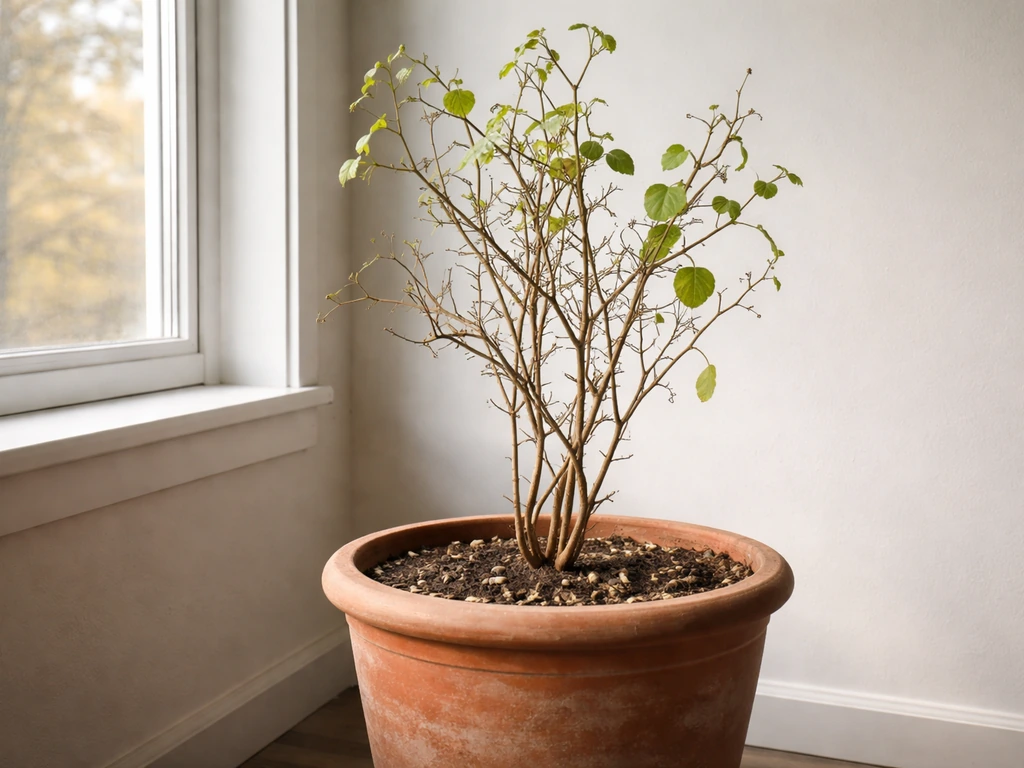
In zones 8a and colder, the goal is to get the plant through winter without killing the root system. For container growers, the simplest approach is to move the pot indoors before the first frost, ideally to a cool but frost-free space like a garage, basement, or unheated sun room. The plant will go semi-dormant and doesn't need much water at all during this period. A south-facing window or supplemental grow light helps if the space is very dark, but the plant can tolerate reduced light during dormancy better than it tolerates freezing.
For borderline in-ground situations (zone 8a, protected microclimates), you can try mulching heavily around the base and wrapping the plant in frost cloth during hard freezes. A south-facing wall that radiates heat overnight can bump your effective zone up by half a zone or more. Still, if a serious cold snap hits below 20°F, expect to lose above-ground growth even if the roots survive. Cut dead stems back in spring and wait, sometimes the plant will push new growth from the base.
One thing that catches people off guard: after bringing a container plant back outside in spring, ease it back into full sun gradually rather than setting it in direct afternoon sun immediately. A week of morning sun only before moving to full exposure prevents leaf scorch.
Getting the buds: flowering, harvesting, and what to do next
When to expect flowers (and why it takes a while)
Patience is genuinely required here. A caper plant started from seed may take 3 to 4 years before it produces usable buds. A plant started from a nursery cutting or small transplant typically flowers in its second or third year. This is not a crop you're harvesting in year one. Once the plant is established and flowering, it produces buds from late spring through summer, often quite prolifically on a mature shrub.
To encourage more flowering, avoid over-fertilizing with nitrogen, which pushes leafy growth at the expense of buds. Let the plant dry out a bit between waterings once established, since mild water stress actually encourages blooming. Full sun and summer heat are the biggest triggers for flower bud production.
How to harvest
Pick the buds when they are tightly closed and still firm. Once the bud starts to loosen or show any color from the emerging petals, it's past peak. Harvest in the early morning when the buds are firm and cool. The smallest buds (under 7mm or so) are considered the highest quality and most flavorful. Larger buds are still usable but have a coarser texture. You'll need to pick frequently during the growing season because the plant produces new buds continuously, and any bud you miss will open into a flower and then a berry.
Curing and pickling: the step you can't skip
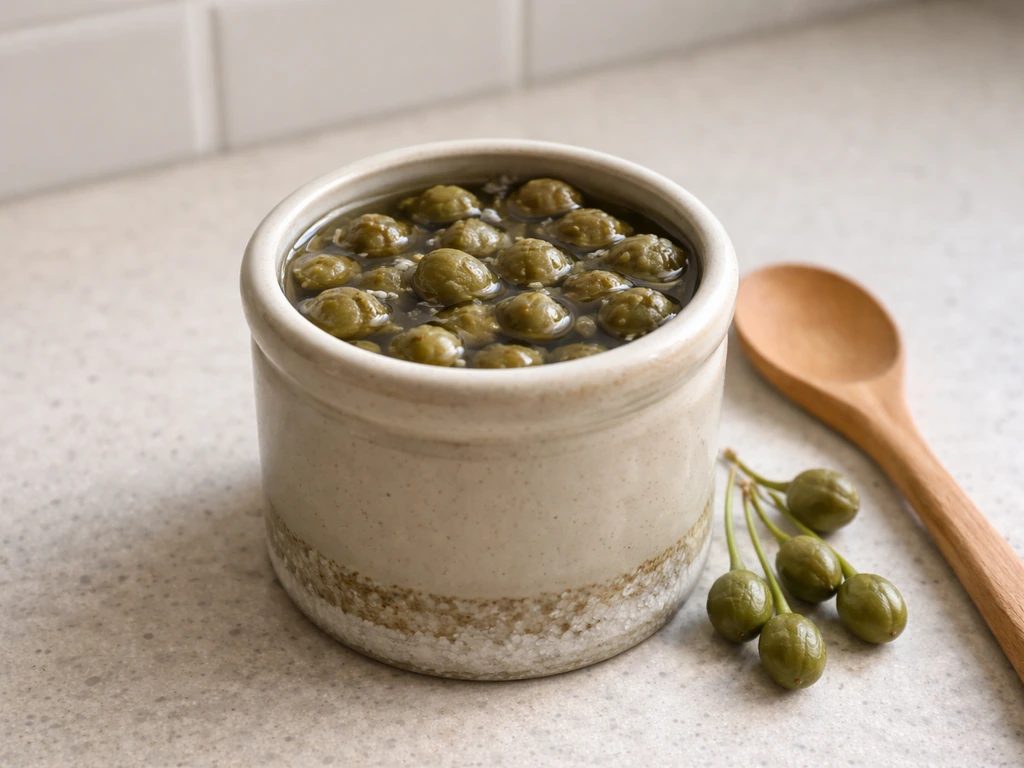
Raw caper buds are not directly edible in any pleasant way. They're bitter and bland until they've been cured. The traditional method is salt-curing: pack fresh buds in non-iodized salt at roughly 20 percent salt by weight (so about 200 grams of salt per kilogram of buds), and let them sit for at least 20 to 30 days. The salt draws out moisture and the buds develop that characteristic briny, slightly fermented caper flavor. Rinse and taste before using.
The other common home approach is brine pickling: dissolve salt in white wine vinegar or a vinegar-water mix, pour over the buds in a clean jar, seal, and refrigerate for at least a week before tasting. This produces a sharper, more acidic caper closer to the commercially jarred product. Both methods work, and it's worth trying both to see which flavor profile you prefer. The salt-cured version tends to be more intensely flavored and more similar to the Pantelleria-style capers you'd find in specialty food stores.
What goes wrong and whether it's worth the effort
Common failure points
- Root rot from poor drainage or overwatering: the single most common killer. If your plant's leaves are yellowing and dropping and the stems look soft near the base, drainage is almost certainly the problem.
- Powdery mildew: shows up in humid climates or shaded spots with poor air circulation. Improve airflow, reduce overhead watering, and apply a diluted neem oil spray early if you spot it.
- Scale insects: can appear on stems and undersides of leaves. Horticultural oil or insecticidal soap works, but you need thorough coverage and multiple applications to make a dent.
- No flowers despite good growth: usually a sign the plant is too young, getting too much nitrogen fertilizer, or not getting enough heat and sun. Wait it out and dial back any feeding.
- Cold damage: stems die back after frost but roots survive. Cut dead growth to the base in spring and be patient. New growth may appear from the crown weeks later than you'd expect.
- Bagrada bug (harlequin bug) damage: particularly relevant in the Desert Southwest. These stink-bug relatives can damage caper foliage. Hand-picking and row covers on young plants help.
Realistic expectations by effort level
If you're in zone 8b or warmer, growing capers is genuinely low-effort once the plant is established. Year one is about getting it settled with decent drainage and full sun. Year two you might see some buds. Year three onward, a healthy plant can produce enough buds for several jars of homemade capers per season. For comparison, other specialty crops like cardamom or nutmeg have far narrower climate windows in the US and require much more controlled conditions. If you are wondering can you grow cardamom in the US, the main challenge is matching its warm, humid climate requirements. Capers, at least in the right zone, are relatively forgiving once established.
In colder zones, the calculation is different. You're committing to a container plant that needs annual indoor storage and may take even longer to start producing because of stress from the seasonal moves. It's a fun project, and plenty of gardeners in zone 6 and 7 have done it successfully, but you're going to wait 3 to 5 years for a meaningful harvest. If you just want the flavor, a jar of imported capers costs a few dollars.
So if you have to ask, can you grow nutmeg in the US, the answer depends just as much on climate and local growing conditions. If you want the experience and are in it for the long game, absolutely go for it.
Is it worth it compared to buying?
Honest answer: not purely from a cost or convenience standpoint. Growing capers is worth it if you enjoy the plant itself (which is genuinely beautiful when it flowers), if you want to know exactly what you're eating, or if you're in a warm-enough zone where the plant basically takes care of itself after the first couple of years.
If you are wondering about another similar spice to try, you might also ask can you grow peppercorns in the us for comparison. In the right climate, it becomes one of those understated garden plants that produces something genuinely useful with minimal fuss. In colder zones, it's a labor of love, and going in with that expectation makes the whole experience more rewarding.
FAQ
What is the easiest US state/region to grow capers outdoors year-round?
The most reliable outdoor results are in USDA zones 8b through 11, especially places with hot, dry summers and winter lows that do not regularly drop well below about 20°F. If you are in a coastal or desert microclimate, you still need the soil drainage to match Mediterranean conditions, not just the zone number.
Can capers survive winter in the ground if the temperature dips slightly below 20°F?
They may survive, but do not count on it for consistent flowering. A hard freeze can kill above-ground stems, and the plant may regrow from the base in spring. If you try a protective approach, focus on preventing wet winter soil as much as preventing cold (dry, fast-draining roots matter most).
How much sun do capers really need if I have a partially shaded yard?
Aim for at least six hours of direct sun, ideally more. Partial shade usually reduces bud production first, and in colder regions it can also delay dormancy and weaken the plant going into winter. A south-facing wall, fence, or slope that reflects light can improve results without needing more land.
Will capers grow in clay soil, or do I need to amend everything?
You can grow them in clay, but you must solve drainage at the planting site. Planting in a raised mound, mixing coarse sand or gravel into the root zone, and sometimes installing a drainage layer at the bottom are common fixes. If water pools after rain for more than a day or two, the site is a risk even if the zone looks correct.
Do capers need fertilizer, and what should I avoid?
You usually do not need much feeding if the plant is in good, well-drained soil and gets full sun. Avoid high-nitrogen fertilizer, since it increases leafy growth and can suppress flowering. If you fertilize, use a light, balanced approach and stop any time the plant starts looking lush but refuses to bud.
How often should I water a caper plant in a container?
Check frequently, because containers swing between drying and staying too wet. Water only when the top inch or two feels dry, then water thoroughly until it drains from the bottom. Never let the pot sit in a saucer of water, and be extra cautious after rain or humidity spikes when soil evaporation slows down.
What pot size is actually necessary for capers in the US?
Small pots are the biggest reason container capers stall or rot. Use at least a 12 to 16 inch diameter pot with multiple drainage holes, and consider even larger if you have the space. Bigger volume buffers temperature swings and makes moisture management less stressful.
Why is my caper plant not flowering, even though it grows leaves?
The most common causes are insufficient sun, overly rich nitrogen fertilizer, or inconsistent watering that keeps roots too wet. In containers, underdrainage also prevents healthy flowering. If you are in a marginal zone, stress from moving indoors and back outside can also delay bud production.
How long does it take capers to produce usable buds?
Expect a long ramp-up. From seed, it can take about 3 to 4 years for usable buds. From a nursery plant or cutting, many home growers see flowering in the second or third year, but a first meaningful harvest may still be modest depending on winter survival and how established the root system is.
Can I grow capers from store-bought caper jars or seeds inside capers?
Usually not. The buds in jars are cured and not viable as planting material, and seeds from capers you buy may be unreliable for germination and plant traits. For best odds, use live nursery plants or seeds from a reputable source intended for propagation.
Should I harvest caper berries or only buds?
For the classic brined caper flavor, harvest the unopened buds that are tight and firm. Once buds loosen or show visible petal color, they are past peak for the product you are trying to make. The round “caper berries” that form later are a different harvest and yield a different (often milder) result.
Is it safe to eat raw caper buds right off the plant?
No, raw buds are typically bitter and not pleasant to eat. You must cure them, either salt-cured for a longer traditional process or brine pickled in vinegar-based brine for a sharper result. Always follow curing time and rinse steps before tasting.
How do I avoid leaf scorch when moving a container caper outdoors in spring?
Acclimate gradually. Move it to morning sun first (or brighter shade), then increase exposure over about a week. Jumping straight to full afternoon sun often causes scorch, especially if the plant grew indoors in lower light.
Can capers handle coastal air and salt in the US?
Capers tolerate salt well once established, so coastal conditions are not usually the problem. The real issue is still drainage, because salty, windy coasts often come with sandy soils that drain well (good), but can also come with heavy, compacted spots (bad). Focus on the root zone first.
What’s the biggest reason caper plants die in US home gardens?
Root rot from wet soil is the leading cause. It can happen in ground plantings with slow-draining clay or in containers that are overwatered or left sitting in a tray. If you see yellowing, sudden decline, or a foul smell from the pot, stop watering and reassess drainage immediately.
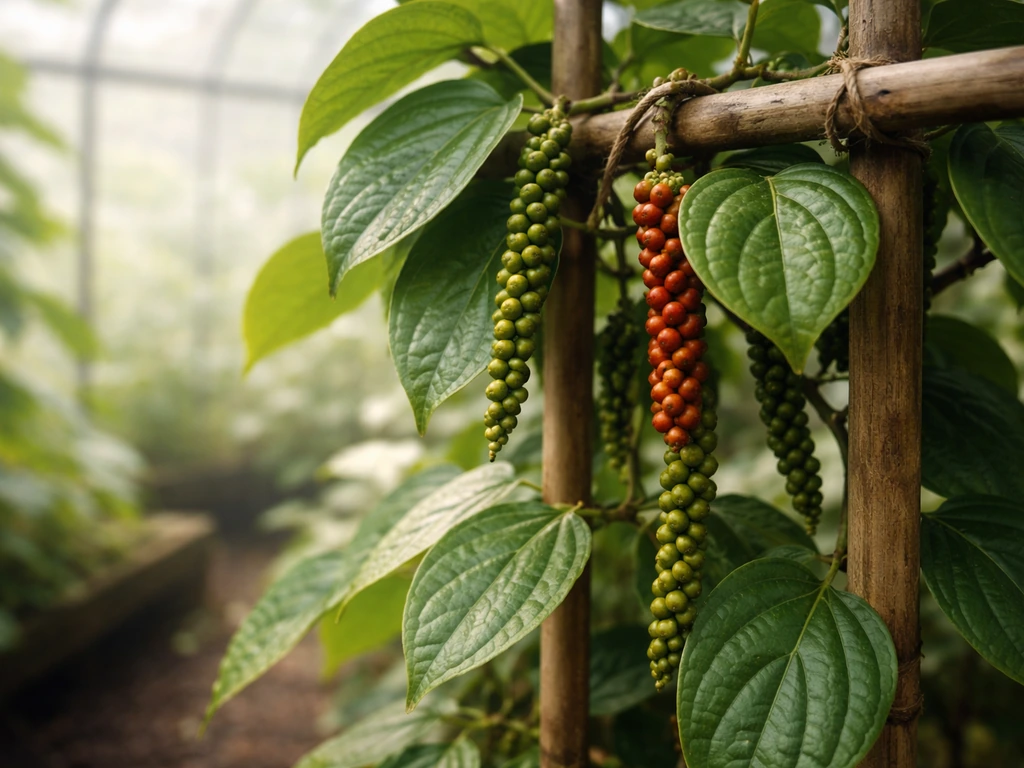
Zone-by-zone guide to growing black pepper peppercorns in the US, including heat, humidity, indoor options, and timeline
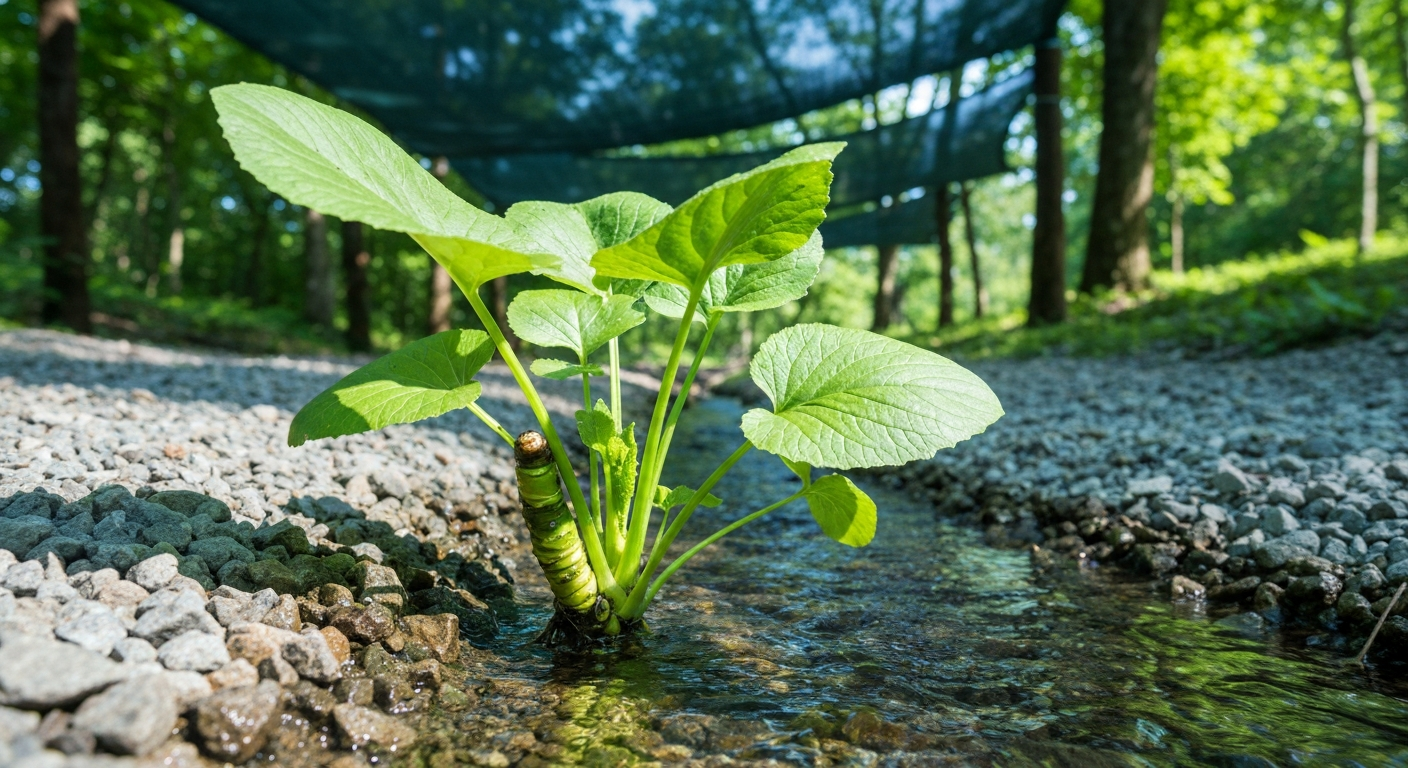
Grow true wasabi in Canada: province-by-province verdicts, practical checklist, seasonal timeline and realistic costs.
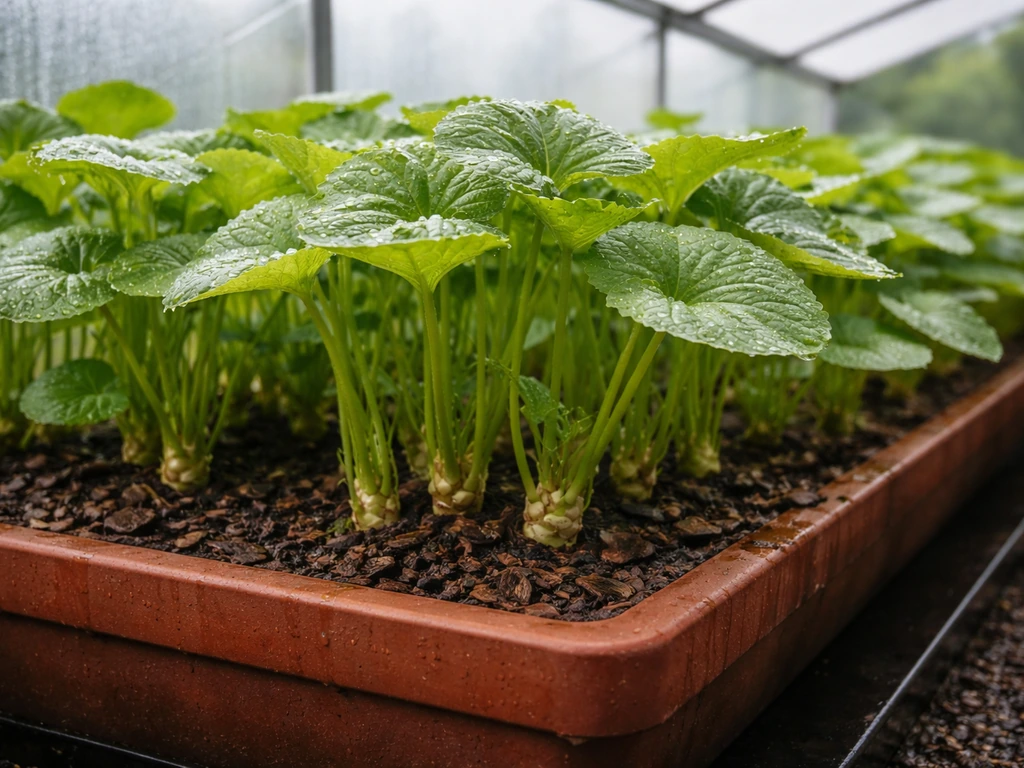
Yes, you can grow wasabi in California with shade, cool temps, steady moisture, and container or greenhouse care.