Yes, you can grow peppercorns in the U.S., but only in a narrow slice of the country outdoors, and realistically, most American gardeners will need containers or a greenhouse to get there. The plant you're after is Piper nigrum, a tropical climbing vine native to South Asia. If you live in USDA zones 12 or above (think South Florida, coastal Hawaii, or Puerto Rico), you can grow it outside year-round and eventually harvest dried black pepper. Everywhere else, you're container growing with indoor overwintering at minimum, and the honest truth is that getting actual harvestable, dried peppercorns requires patience, the right setup, and a multi-year commitment. But it is doable, and it's one of the more satisfying spice crops you can attempt at home. If you’re asking, can you grow capers in the US, the answer depends on your climate just like this does for peppercorns satisfying spice crops you can attempt at home.
Can You Grow Peppercorns in the US? A Zone-by-Zone Guide
What 'peppercorns' actually means (and which plant you need)
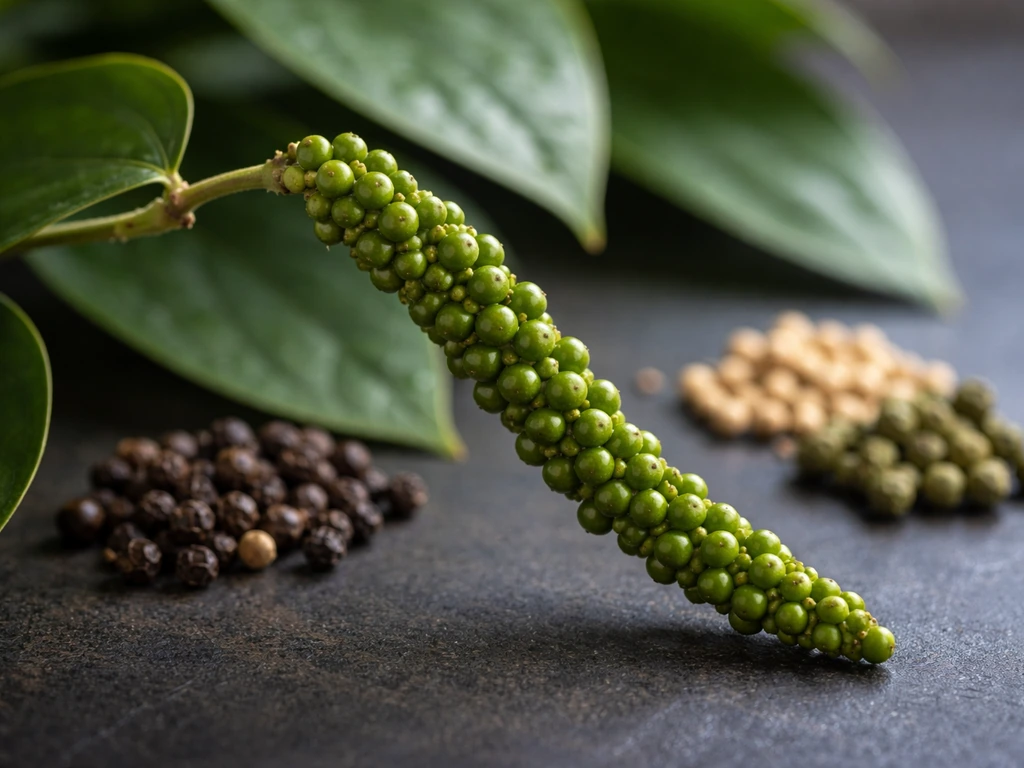
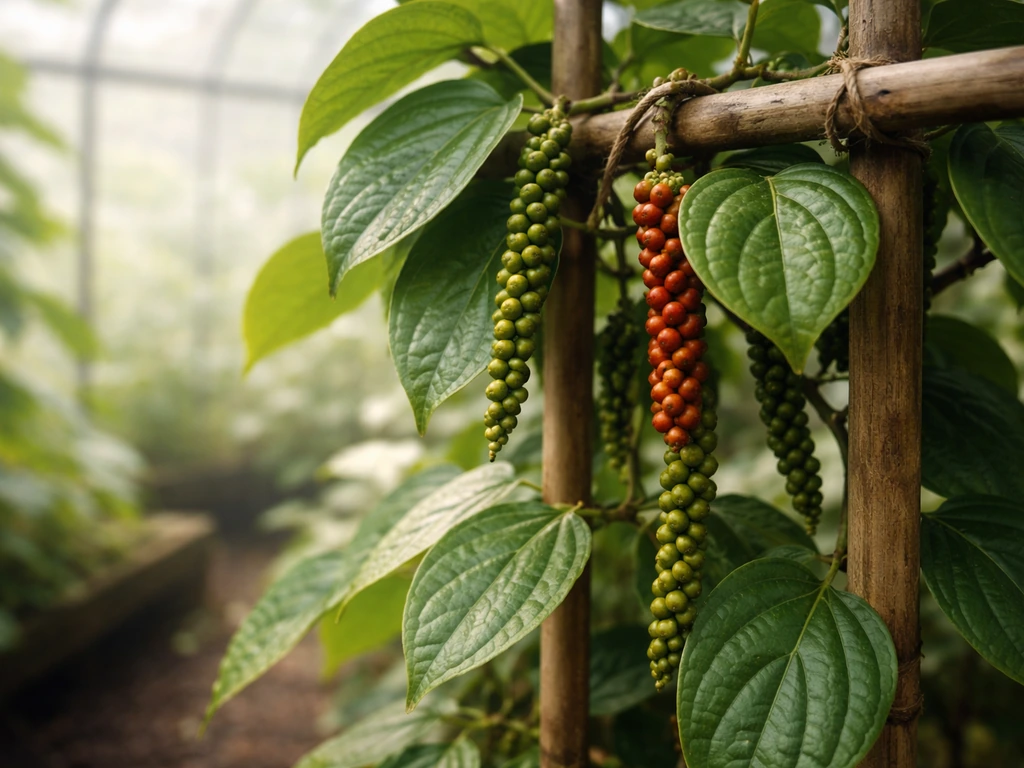
When most people say 'peppercorn,' they mean the dried fruit of Piper nigrum. Black pepper, white pepper, and green pepper all come from the same plant. The difference is entirely in how and when you process the berries. Green peppercorns are unripe berries harvested fresh. Black peppercorns are made by picking berries when they're still green but full-sized and just beginning to blush red, then blanching and drying them until the outer skin shrinks and blackens. White pepper takes ripe red berries, soaks off the outer skin, and dries just the seed. So if you want to grow your own black pepper, the mission is to grow Piper nigrum long enough and well enough for it to actually flower, set fruit, and let those berries mature to harvestable size. That's the whole challenge in a nutshell.
Don't confuse Piper nigrum with ornamental peppers or chili pepper plants (Capsicum species). Those are completely different. And while there are related Piper species worth exploring, if you want actual black pepper spice, Piper nigrum is the one. This is also worth noting if you're comparing it to other exotic spice crops. Growing cardamom or nutmeg in the U. Nutmeg has similarly demanding tropical requirements, but it is a different tree crop than peppercorns. Cardamom also has similar tropical-zone needs, so it can be tricky outside the warmest parts of the U.S Growing cardamom. S. presents similar tropical-climate challenges, and the zone requirements overlap in interesting ways.
Where in the U.S. this actually works: zone by zone
Piper nigrum is a true tropical plant. It does not tolerate frost, full stop. Once temperatures dip below about 50°F (10°C), the plant stops growing. Exposure below 40°F (5°C) causes serious damage, and anything near 32°F will kill it. With that in mind, here's how the U.S. breaks down by zone.
| USDA Zone / Region | Outdoor Growing | Realistic Expectation |
|---|---|---|
| Zone 12+ (South Florida tip, Hawaii, Puerto Rico) | Yes, year-round | Full vine establishment, flowering, and dried peppercorn harvest possible |
| Zone 11 (Miami area, coastal Hawaii, S. Texas coast) | Possible with microclimate protection | May fruit; frost risk in occasional cold snaps needs management |
| Zone 10 (coastal Southern California, Tampa, Phoenix warm pockets) | Seasonal outdoor only; needs winter protection | Container or greenhouse winters; fruiting possible with effort |
| Zones 9 and below (most of the continental U.S.) | Not practical outdoors | Container + indoor overwintering required; harvest possible but takes longer |
If you're in the Southeast (Georgia, Louisiana, coastal Carolinas), you're in zone 8b to 9b territory. You can put a container plant outside from May through September comfortably, but it goes inside before the first cold spell. In the Pacific Northwest, the mild but cool and overcast climate isn't helpful even in zones 8 and 9 because Piper nigrum needs warmth and humidity together, not just a lack of hard frost. The Gulf Coast and Southern California offer the best container-outdoor hybrid strategies. Inland areas with cold winters or dry summers (think the Great Plains, Mountain West, or upper Midwest) are greenhouse-or-bust territory.
The best growing setups: outdoor, container, greenhouse, and indoor
Outdoor in the ground
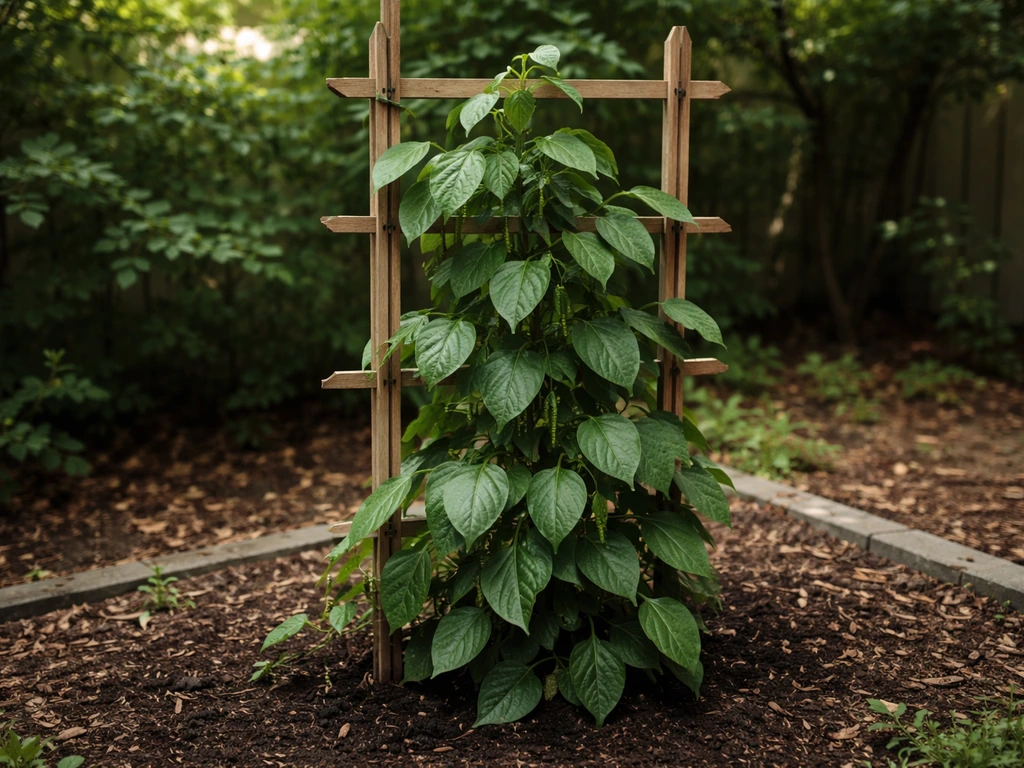
True outdoor, in-ground growing is only realistic in zones 11 and 12. In those areas, plant in a sheltered spot with filtered light (Piper nigrum is a forest understory climber by nature), rich, well-draining soil, and a sturdy trellis or post to climb. Hawaii, in particular, has commercial black pepper operations for exactly this reason.
Container growing (the main path for most U.S. gardeners)
Containers are the realistic primary strategy for zones 9 and below. A large pot (at least 12 to 15 inches wide, deeper is better) lets you move the plant outside in summer and bring it inside before temperatures fall. I keep mine on a wheeled plant dolly for exactly this reason. The downside is that container plants take longer to establish and may produce fewer fruiting spikes than an in-ground vine, but it's the only practical option for most of the country.
Greenhouse growing
A heated greenhouse is genuinely the best setup outside of the true tropics. It lets you maintain the warmth (above 65°F at night, ideally 70 to 90°F during the day) and humidity (above 60%, preferably 70 to 80%) that Piper nigrum needs without seasonal interruption. Indiana University's biology greenhouse, for example, grows a producing Piper nigrum specimen for exactly this reason. If you have even a small heated greenhouse or a large grow tent with a humidifier, you can create the conditions this plant wants year-round.
Indoor overwintering
Bringing a container plant indoors for winter is not the same as a true greenhouse setup. Most U.S. homes are too dry in winter (central heating kills the humidity), and light is usually insufficient unless you add grow lights. If you go this route, place the plant under full-spectrum LED grow lights for 12 to 14 hours a day, run a humidifier nearby, and keep it away from heating vents. It'll survive, but it probably won't actively grow or set fruit during the indoor months. Think of it as a holding pattern until you can move it back outside.
Starting your plant: seeds vs. cuttings and what to actually buy
Commercially, Piper nigrum is propagated almost entirely from cuttings, not seeds. The reason is reliability: seed germination is inconsistent, seeds lose viability quickly, and even fresh seed can take weeks to germinate with no guarantee. Cuttings from a healthy mother plant root faster, are true to type, and give you a head start of a year or more compared to seed. If you can find a rooted cutting or an established young plant from a specialty nursery or online grower, buy that instead of a packet of seeds.
If seeds are your only option, use fresh ones (look for 'fresh viable peppercorn seeds' from a reputable tropical plant seller, not dried grocery-store peppercorns, which have been processed and won't germinate). Soak them for 24 hours, sow in warm, moist seed-starting mix, and keep the medium at 75 to 85°F. Germination can take 30 to 60 days. For cuttings, take a 4 to 6 inch stem with at least two nodes, strip the lower leaves, dip in rooting hormone, and keep in a humid, warm environment (a humidity dome works well) until roots develop. Avoid cuttings from plants that look stressed, have yellowing leaves, or show signs of pest damage.
Planting, soil, light, trellising, and water and humidity needs
Soil and potting mix
Piper nigrum wants rich, organic, well-draining soil with a slightly acidic pH between 5.5 and 6.5. For containers, I use a mix of quality potting soil, perlite, and some orchid bark or coco coir to keep drainage good without letting it dry out too fast. Think of it like a soil that stays evenly moist but never waterlogged. Avoid cheap potting mixes that compact easily or retain too much water around the roots.
Light
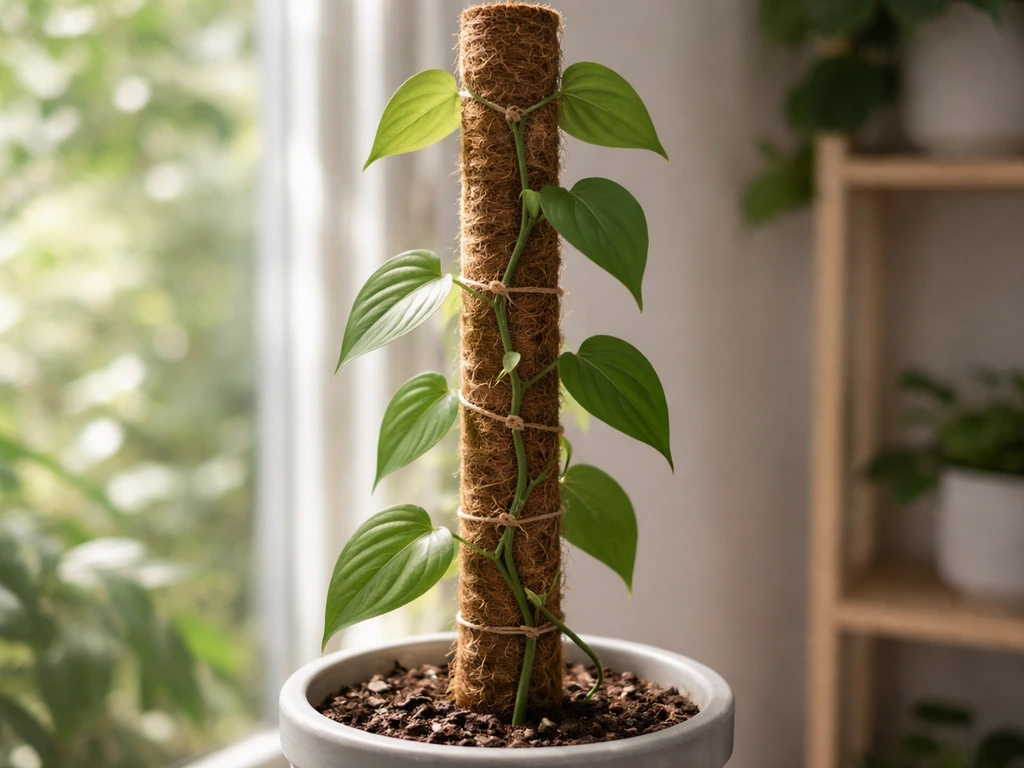
Filtered or indirect bright light is ideal, consistent with how the plant grows in nature as a forest understory climber. Direct afternoon sun, especially in summer in the continental U.S., can scorch the leaves. Outdoors, a spot with morning sun and afternoon shade, or dappled light under taller plants, works well. Indoors or in a greenhouse, bright indirect light or a full-spectrum grow light positioned 12 to 18 inches above the plant is the way to go.
Trellising and training
This is a vine. It will climb if you let it, and it fruits better when it can. Provide a sturdy stake, trellis, or moss pole in the container from early on. In-ground plants can climb a post or a living tree. The fruiting spikes (called catkins) emerge from the vine along the climbing stems, so the more vertical growth you encourage, the more potential fruiting sites you create. Tie new growth to your support gently as the plant grows.
Watering and humidity
Keep soil consistently moist but never soggy. Piper nigrum hates both drought and waterlogged roots. Check moisture levels every two to three days in summer, less often in winter. For humidity, aim for at least 60%, and ideally 70 to 80%. Outdoors in the humid Southeast or Gulf Coast, this mostly takes care of itself in summer. Indoors or in drier climates, you need a humidifier or regular misting. Don't mist the leaves heavily in low-air-circulation environments, since that sets up fungal problems.
Fertilize with a balanced, slow-release fertilizer or a diluted liquid fertilizer (something like a 10-10-10 or a tropical plant formula) roughly once a month during active growth, and back off in the winter months when the plant is just holding on rather than actively growing.
Flowering, fruiting, and the real timeline to harvest
This is where realistic expectations really matter. Piper nigrum typically doesn't start flowering until the vine is at least 2 years old, and full production doesn't come until around 7 to 8 years after planting. For home growers under good conditions, the first meaningful harvest (clusters of harvestable peppercorns) often comes somewhere between 3 and 4 years from a rooted cutting. From a seedling, add at least another year. If your conditions are suboptimal (shorter outdoor seasons, less-than-ideal humidity, crowded container), add even more time.
Pollination is generally self-compatible for Piper nigrum, so you don't need multiple plants. Flowers appear as slender catkin spikes, and berries develop in clusters along these spikes. When the berries are full-sized and the first one or two on a spike begin to blush orange or red, that's your harvest window for black pepper. Pick the whole spike, blanch the berries briefly in boiling water, then spread them out to dry in the sun or a warm, ventilated spot for 7 to 10 days until the skin shrinks and blackens. Be prepared for some yield reduction: dried black peppercorns come out to roughly 26 to 39% of the original fresh berry weight, so a small home harvest won't fill your pepper grinder quickly, but the quality and freshness of homegrown pepper is genuinely remarkable.
Pests, diseases, and the problems you'll actually run into
Scale insects and mealybugs
These are the most common indoor and greenhouse pests for Piper nigrum in the U.S. Scale insects appear as small brown bumps on stems and leaf undersides; the first sign is often sticky honeydew deposits and black sooty mold forming on leaves beneath the infestation. Mealybugs look like fluffy white wax in leaf axils and at stem joints. Both sap the plant's energy and can seriously weaken it. Treat with insecticidal soap, neem oil, or rubbing alcohol on a cotton swab for mealybugs. Check new plants carefully before bringing them near your established vine.
Root and crown rot
Overwatering in a container with poor drainage is the fastest way to kill a Piper nigrum. Root rot (often caused by Phytophthora or other oomycete pathogens) will cause rapid wilting, yellowing, and plant collapse even when the soil feels moist. UMass Amherst CAFE also notes that Phytophthora blight, caused by Phytophthora capsici, leads to root/crown rot and fruit rot in peppers, with infection starting through the roots and producing rot and lesions Phytophthora blight (Phytophthora capsici) causes root/crown and fruit rot in peppers. If you see this pattern, unpot the plant immediately, cut off any black or mushy roots, let the remaining root system dry slightly, and repot into fresh, well-draining mix. Prevention is much easier than treatment: always use containers with drainage holes, never let the pot sit in standing water, and avoid overwatering.
Yellowing leaves and cold stress
Yellowing lower leaves are often the first sign of cold stress or inconsistent watering. If temperatures dropped below 50°F even briefly, the plant may shed leaves as a stress response. Keep it consistently warm and see if new growth emerges within a few weeks. If the whole plant is yellowing with mushy stems, that's usually rot, not cold. Consistent leaf drop from the top of the plant with no new growth usually signals root problems rather than just temperature stress.
Harvesting, drying, and using your homegrown peppercorns
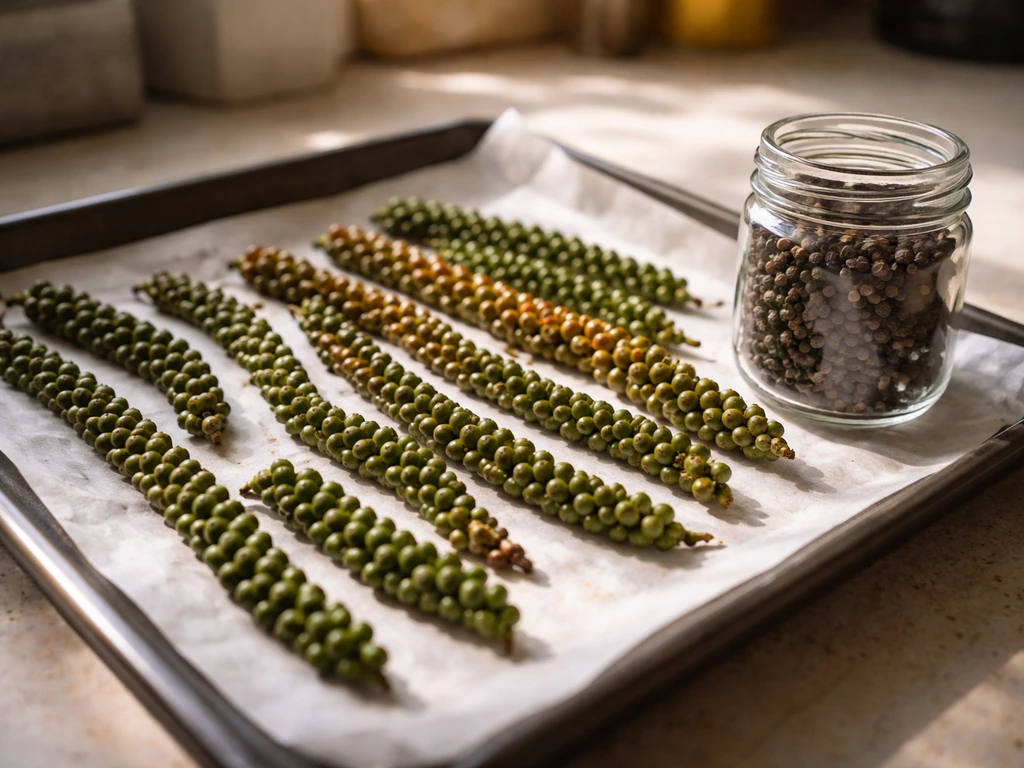
Harvest peppercorn spikes when the berries are full-sized and the lowest berries on the spike are starting to turn from green to orange or red. Don't wait until everything is red or the berries will start dropping. For black pepper, blanch the whole spike in boiling water for about 1 minute, then remove the berries from the spike and spread them on a clean surface in full sun or a warm, well-ventilated spot. After 7 to 10 days of drying, the skin will be black, wrinkled, and fully dried. For green peppercorns, skip the blanching and drying, and use them fresh or freeze them.
Store dried peppercorns in an airtight container away from light, heat, and moisture. A dark cupboard at room temperature keeps whole peppercorns fresh and aromatic for a year or more. Grind them as you need them rather than grinding in advance, since freshly ground pepper from your own vine has a noticeably more complex aroma than anything you'll buy at a grocery store. That aroma is the real reward for the multi-year effort.
Is it worth trying in your situation?
If you're in South Florida, Hawaii, or coastal Southern California with a warm, protected microclimate, absolutely try it in the ground or a large container. You have a realistic shot at a producing vine within 3 to 4 years. If you're in the Gulf Coast or the Southeast with a greenhouse or a sunny, warm indoor space, it's worth the effort if you're patient and genuinely love growing unusual spice crops. If you're in a colder or drier inland region without a heated greenhouse, I'd be honest: you can grow the plant, and it's a beautiful, interesting houseplant, but getting dried harvestable peppercorns is a long-shot without the right controlled environment. In that case, a container setup with a dedicated grow space, humidifier, and grow lights is your best bet, and you should go in knowing it may take 4 to 5 years before you see a meaningful harvest. It's the kind of project where the journey is half the point.
FAQ
Is it better to start peppercorn plants from cuttings or seeds in the US?
The easiest path is to buy a rooted cutting or an established young plant from a specialty tropical plant seller, because Piper nigrum from seed has inconsistent germination and slow early growth. If you already have a plant, focus on warmth, humidity, and getting it to climb, since fruiting depends on reaching a mature enough vine (often years).
Can I keep a peppercorn plant outside year-round somewhere colder in the US?
Yes, Piper nigrum can be grown in a large container, but you should still treat it like a tropical outdoor plant, meaning you move it outside only when nights stay above about 50°F. Don’t leave it out during cold snaps, and don’t “let it get through winter” outdoors even in mild regions, because short dips can cause serious damage or leaf drop that delays flowering.
When exactly should I harvest to get black peppercorns?
Your best indicator is the plant’s “catkin readiness” and berry color shift, not the calendar. For black pepper, harvest when berries are full-sized and the first berries on a spike start to blush orange or red. Waiting until every berry is red increases the chance of dropped berries and uneven drying.
Do I need more than one peppercorn plant for pollination?
You generally do not need multiple plants for fruiting, since Piper nigrum is usually self-compatible. However, strong growth matters, if you keep the plant small or stressed (low light, low humidity, cold nights), you can end up with plenty of flowers but few fruiting spikes.
What’s the biggest mistake people make growing peppercorns indoors?
For indoor setups, assume your home’s humidity is the limiting factor, especially in winter with central heating. A humidifier sized for the room and placed near the plant usually works better than misting leaves, and you should pair it with a consistent light source (grow lights) so the plant actually keeps growing rather than merely surviving.
How can I tell if my peppercorn plant is being overwatered or underwatered?
Yes, but it has to be managed differently than a typical houseplant. Use drainage holes and a saucer you empty, and water only when the top layer starts to dry slightly. If the plant wilts while the soil feels moist, that’s a warning sign for root problems, not a cue to water more.
Can I grow peppercorns under full sun in summer?
Direct sun can scorch Piper nigrum, especially in containers where heat builds up around the pot. Aim for morning sun and afternoon shade outdoors, or bright indirect light indoors and in greenhouse benches. If you see brown, crispy patches on leaves, reduce sun exposure and check that airflow is good.
What container soil mix works best for peppercorns?
Soilless mixes are often too fast-drying, or they can hold too much water depending on the recipe. A practical balance is quality potting mix plus perlite for drainage, and an amendment like orchid bark or coco coir to keep moisture even. The goal is evenly moist, never waterlogged, because both drought stress and root rot can stop flowering.
What should I do if I notice sticky leaves or black soot on the plant?
If you see sticky residue and black sooty mold, treat it as a likely scale or mealybug problem. Isolate the plant, inspect undersides and leaf axils closely, then use insecticidal soap or neem, repeat as needed, and avoid heavy leaf spraying in still air to reduce fungus risk.
How many years will it realistically take before I get any peppercorn harvest?
Yes, expect a long timeline. Piper nigrum often won’t flower until the vine is at least 2 years old, and full production can take much longer. A common decision aid is to plan your setup for multi-year success first (heated, humid, bright enough), then treat early years as establishment rather than trying to force an early harvest.
Will an unheated greenhouse in my region be enough to grow peppercorns?
Because the plant needs warmth and humidity together, a non-heated greenhouse in cold regions can still fall short during winter nights. If your lows drop near or below about 50°F, you’ll likely get stalling and leaf drop, so you may need supplemental heat and a humidity strategy to make the space truly productive.
How should I store homegrown peppercorns to keep the aroma?
Dried black peppercorns store best in airtight containers away from light, heat, and humidity. Also, grind only what you need, because freshly ground homegrown pepper tends to lose aroma quickly compared with whole berries stored properly.
Yes, you can grow wasabi in California with shade, cool temps, steady moisture, and container or greenhouse care.
Yes, with cool shade and constant clean moisture. Learn US regions to try, container setup, care, and realistic harvest
Yes, grow ginger in Virginia with container tips, planting timing, soil and care steps, and overwintering guidance.