
Yes, you can grow ginger in Oregon, but not by just sticking a rhizome in the ground and walking away. Can you grow ginger in Michigan? Can you grow ginger in Indiana too, and what changes if you are in a cooler Midwestern climate? You can, but you’ll still want to treat it like a container crop and manage temperature and frost timing closely grow ginger in Oregon.
Can You Grow Ginger in Oregon? How to Do It Successfully

Marcus Petersen
1 May 2026
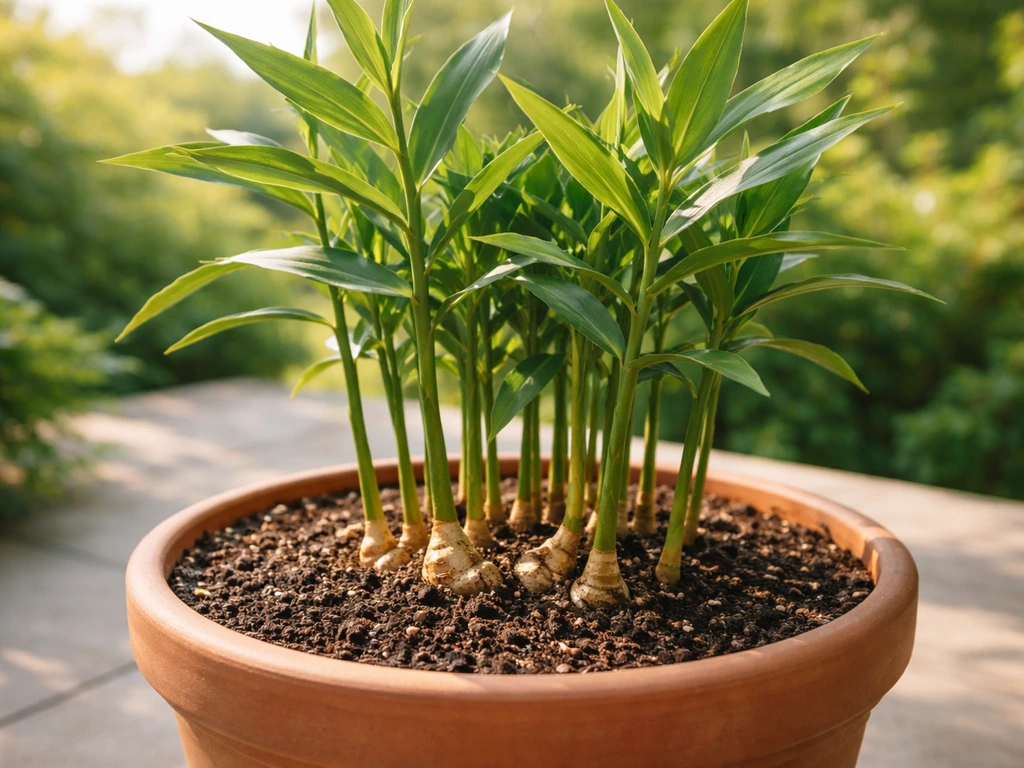
Oregon's cooler temps, wet winters, and shorter warm seasons mean most gardeners need to grow it in containers, move those containers indoors before fall, and treat ginger less like a garden vegetable and more like a houseplant with seasonal outdoor privileges. Do that, and you can absolutely get a real harvest.
Does ginger actually grow in Oregon
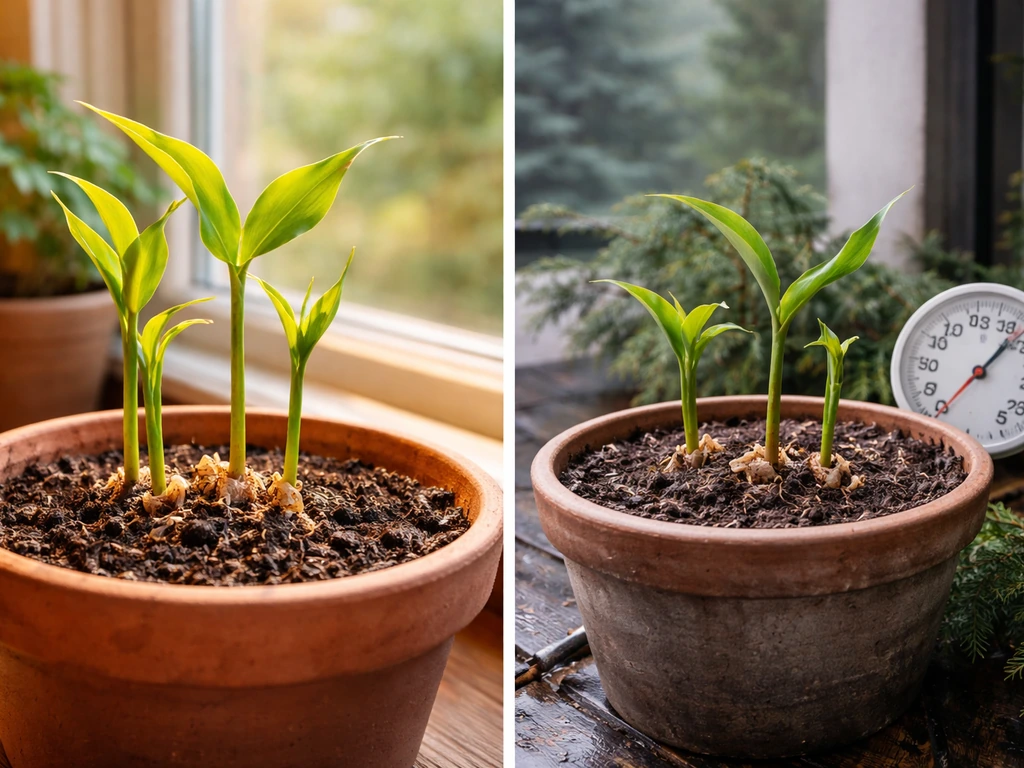
Ginger (Zingiber officinale) is a tropical plant that wants warmth, humidity, and a long frost-free season. Oregon doesn't hand all of that out easily, but it's also not hopeless. The key is being honest about where in Oregon you're gardening.
The Rogue Valley in southern Oregon is your best bet for outdoor container growing. It runs warmer and drier than the rest of the state, and with a sheltered spot you can get close to the 8 to 10 months of warmth ginger ideally wants. The Willamette Valley, where most of Oregon's population lives, is workable too, but the cool wet springs and early fall chills compress your outdoor window noticeably.
The coast is a tricky case: the season is long (up to 190 to 250 days according to OSU Extension), but it stays cool and damp, which ginger doesn't love. You won't get great outdoor results on the coast without serious protection. Eastern Oregon is too cold and too frost-prone for anything but strict indoor growing.
The bottom line across the state: treat ginger as a container plant that spends warm months outside and cool months inside. That approach works everywhere in Oregon and gives you the realistic shot at harvest that trying to grow it as a permanent outdoor plant won't.
Indoor pots vs outdoor containers vs a greenhouse
There are three realistic paths for Oregon gardeners, and each has real trade-offs.
| Approach | Best for | Pros | Cons |
|---|---|---|---|
| Indoor containers (year-round) | All Oregon regions, beginners | No frost risk, consistent warmth, controllable humidity | Lower light levels, need to supplement, less vigorous growth |
| Outdoor containers (seasonal) | Willamette Valley, Rogue Valley | Better light and airflow during summer, natural growth surge | Must move inside before first frost, timing is critical |
| Heated greenhouse | Serious growers, coastal, eastern OR | Best of both worlds, longest effective season | Cost and space commitment, not practical for most home gardeners |
For most Oregon home gardeners, the outdoor container approach is the sweet spot. You start rhizomes indoors in late winter, move containers outside when nighttime temps stay above 50°F consistently, let the plants do their best growing through summer, then bring them back inside before your first fall frost. It takes a bit of coordination, but it gives ginger the warmth and light it needs during the growth window without exposing your plants to Oregon's cold, wet winters. A Portland-area gardener I came across described ginger as 'tougher to grow' locally and recommended exactly this overwintering strategy, and I'd agree completely.
Oregon timing and frost planning
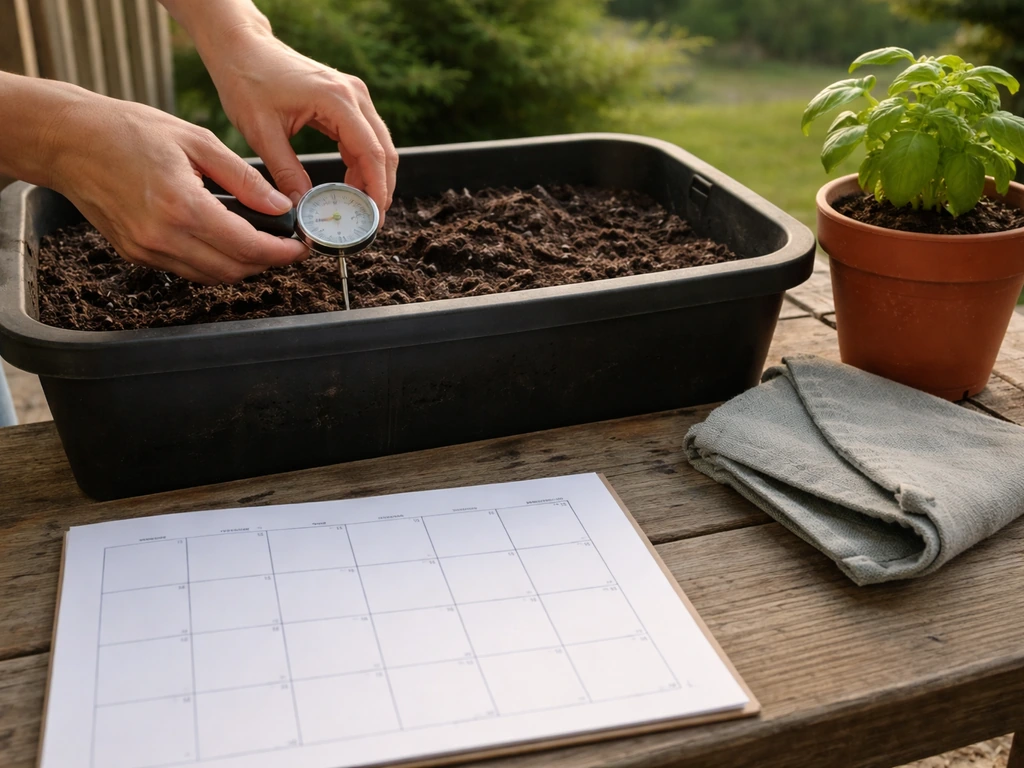
Ginger needs warmth to do anything useful, so your planting and moving schedule has to revolve around your local frost dates. OSU Extension specifically recommends anchoring vegetable timing to average first killing frost and days to maturity, and ginger is no exception. The problem is that Oregon frost dates vary dramatically by region.
In the Portland metro area, average last spring frost is typically in the late March to mid-April window (Plantmaps data shows something like April 1 to 10 for Happy Valley, a southeastern Portland suburb). The Rogue Valley around Medford runs earlier. Coastal areas technically have fewer hard freezes but stay cold enough to stunt ginger growth well into spring. Always check your specific city on a frost date resource like Plantmaps or the NOAA Climate.gov interactive tool, and then add a safety buffer of two to three weeks before moving plants outside.
Here's the practical schedule I'd follow for a Willamette Valley gardener:
- Late February to early March: Start rhizomes indoors in pots in a warm spot (70°F or above)
- Late May to early June: Move containers outside once nights are reliably above 50°F
- September to early October: Watch forecasts closely; move containers back inside before first frost
- November onward: Let plants go dormant indoors or harvest before full dormancy
If you're in the Rogue Valley, you can push outdoor time a few weeks earlier in spring and later in fall. If you're on the coast or in eastern Oregon, lean toward more indoor growing time overall.
What ginger needs to actually thrive
Before you plant anything, run through this checklist. Skipping any one of these is usually how Oregon growers end up with nothing to show for their effort.
- Warmth: Ginger wants soil temperatures of at least 70°F to sprout and grow well. Cold soil is the single biggest killer. The RHS notes minimum temperature requirements that make it clear this plant won't tolerate frost at all.
- Light: Bright, filtered or indirect light is ideal. Direct harsh sun stresses it, but dim corners won't cut it either. Indoors, a south- or east-facing window works, or supplement with a grow light.
- Humidity: Ginger is a tropical plant and prefers humid air. Indoors in Oregon's dry heated winter environments, misting the leaves regularly or using a humidity tray helps significantly.
- Well-draining, rich soil: The RHS describes ginger's ideal growing medium as rich, well-drained, and moisture-retentive. That sounds contradictory but it just means water moves through without pooling, while the organic matter holds enough for the roots between waterings.
- Consistent moisture: The soil should stay evenly moist, not soggy and not bone dry. Erratic watering is a fast track to rot or stalled growth.
For container mix, I use a combination of quality potting soil, perlite for drainage, and a generous amount of compost. Roughly 60% potting mix, 20% perlite, and 20% compost by volume works well. Avoid heavy garden soil in containers, it compacts and holds too much water.
How to start ginger from rhizomes
Choosing your rhizome
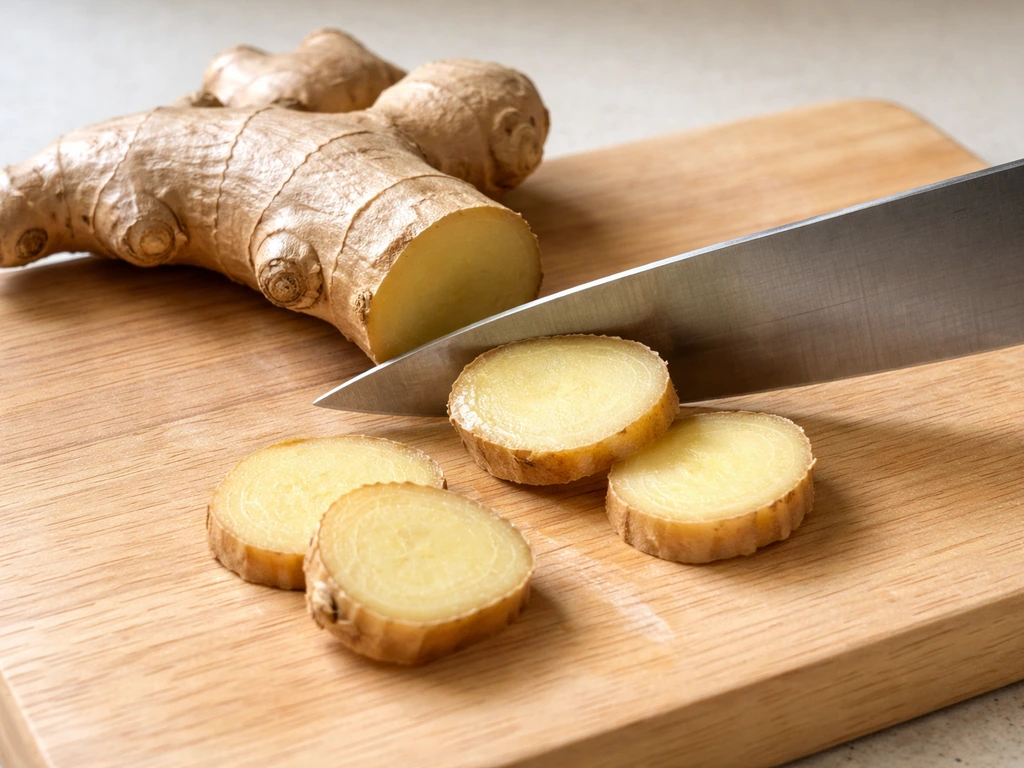
You can use ginger from a grocery store or order seed rhizomes online from a garden supplier. Grocery store ginger works fine and I've started plenty of plants from it, but it's sometimes treated to slow sprouting. Soak store-bought pieces in water overnight before planting to help break any dormancy treatment. Look for plump, firm rhizomes with visible growth buds or 'eyes,' those little knobby protrusions. Avoid shriveled, moldy, or soft pieces.
Cutting and prepping
Texas A&M AgriLife Extension recommends cutting rhizomes into pieces 1 to 1.5 inches in size and then letting the cut surfaces dry and callus over for a few days before planting. This step matters more than people think. A freshly cut, wet surface sitting in moist soil is a rot invitation. I've killed batches before by skipping it and planting straight away. Let the pieces sit on a paper towel on a warm counter for two to three days until the cut ends look dry and slightly sealed.
Planting
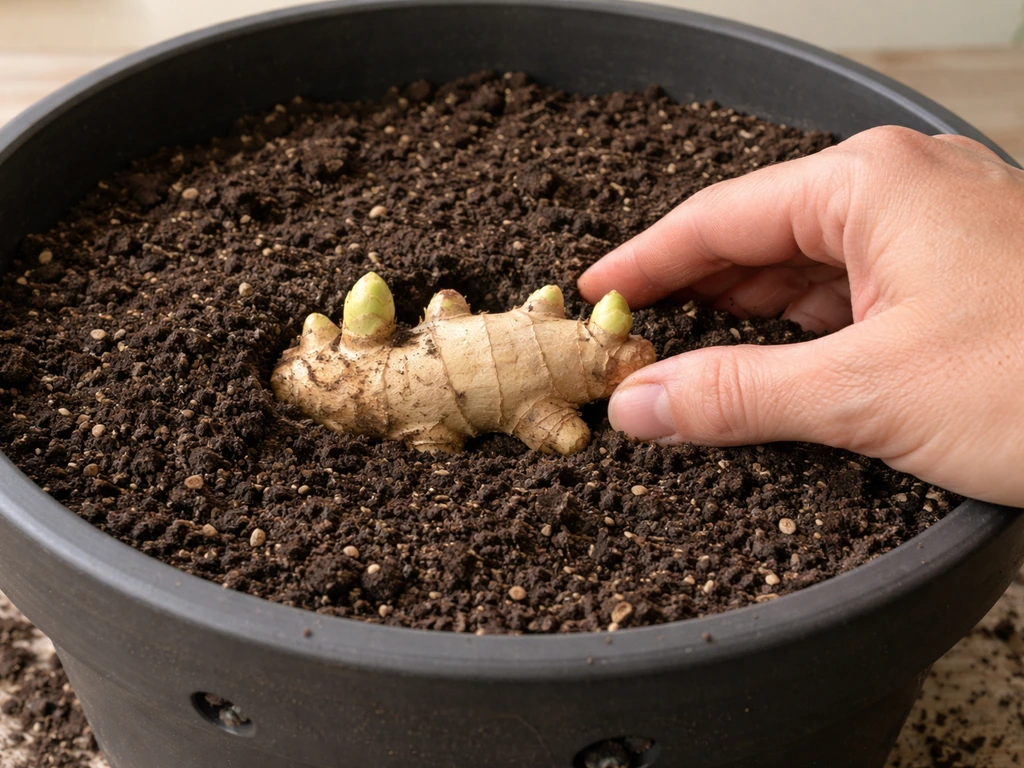
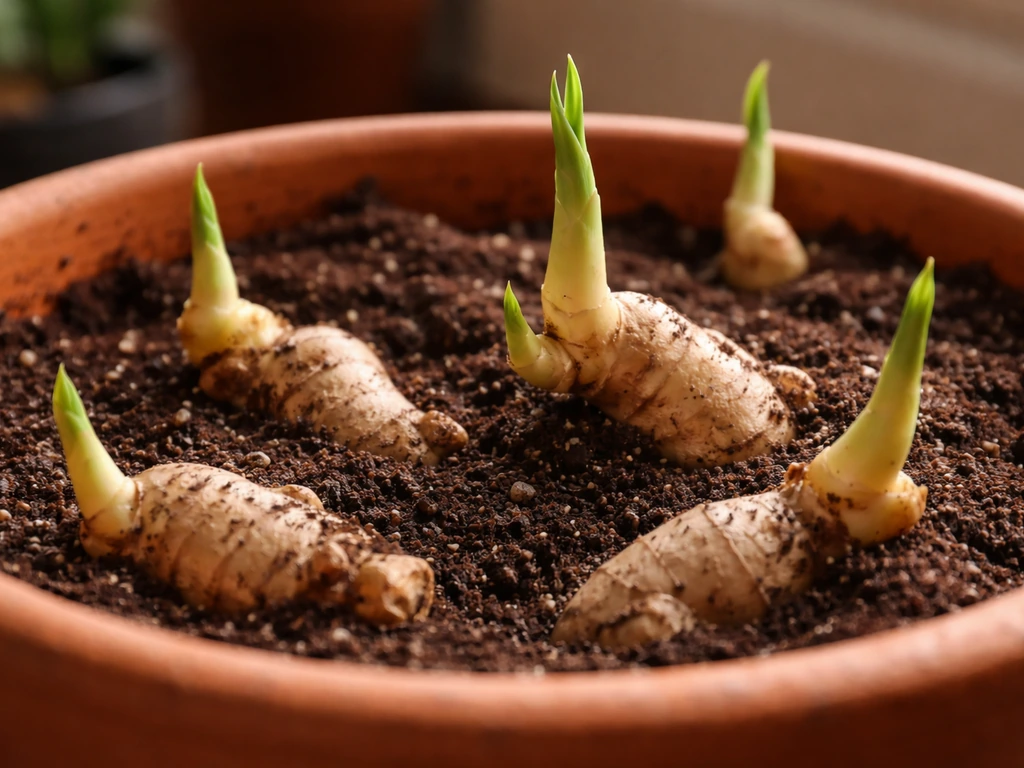
Plant rhizome pieces about 2 inches deep with the growth buds facing up, as Illinois Extension advises. Use a container at least 12 inches wide and deep for a single piece, or a wide shallow tub (18 inches or more across) if you want to plant multiple pieces and get a real harvest. Ginger spreads horizontally, so width matters more than depth. Water gently after planting and then hold back on watering until you see the first shoots emerge, usually two to four weeks in warm conditions.
Keeping plants healthy through the season
Watering
UVM Extension puts it simply: keep soil moist but not wet, and mist often if air is dry. Check the top inch of soil, if it's dry, water thoroughly until it drains from the bottom. In summer outdoors in Oregon, that might mean watering every two to three days depending on heat. Indoors in winter, much less frequently. Overwatering is by far the most common failure point, so when in doubt, wait a day.
Feeding
Feed every two to three weeks during the active growing season (late spring through early fall) with a balanced liquid fertilizer or one slightly higher in potassium to support rhizome development. Slow down feeding as fall approaches and stop entirely once the plant begins yellowing and dying back for dormancy. Don't fertilize when the plant is dormant or newly planted, it won't use it and excess salts can burn the rhizomes.
Pests and disease basics
Indoors, watch for spider mites (especially in dry winter air), fungus gnats (a sign you're overwatering), and occasional aphids. Outdoors in Oregon's wet conditions, slugs can be a nuisance. Root rot from waterlogged soil is the disease to worry most about, and it starts with the watering habits described above. Good drainage, proper moisture management, and warm soil prevent most problems before they start.
Harvesting and fixing common problems
When and how to harvest in Oregon
Ginger takes about 8 to 10 months from planting to a full harvest, which is tight for Oregon's outdoor window but very doable with the indoor start approach. You'll know it's getting close when the leaves start yellowing and the plant naturally begins dying back in fall. That's your signal. Tip the container out, shake off the soil (which should be loose if you built your mix right), and you'll find a network of rhizomes that have spread from your original planting pieces. For a baby or 'green' ginger harvest with milder flavor, you can pull pieces earlier, as soon as 4 to 6 months in, by carefully digging around the edge of the container without disturbing the whole plant.
Save some of the healthiest rhizome pieces to restart next year. Pot them back up, keep them barely moist in a warm spot, and you've got your seed stock for the following season.
Why ginger fails in Oregon (and how to fix it)
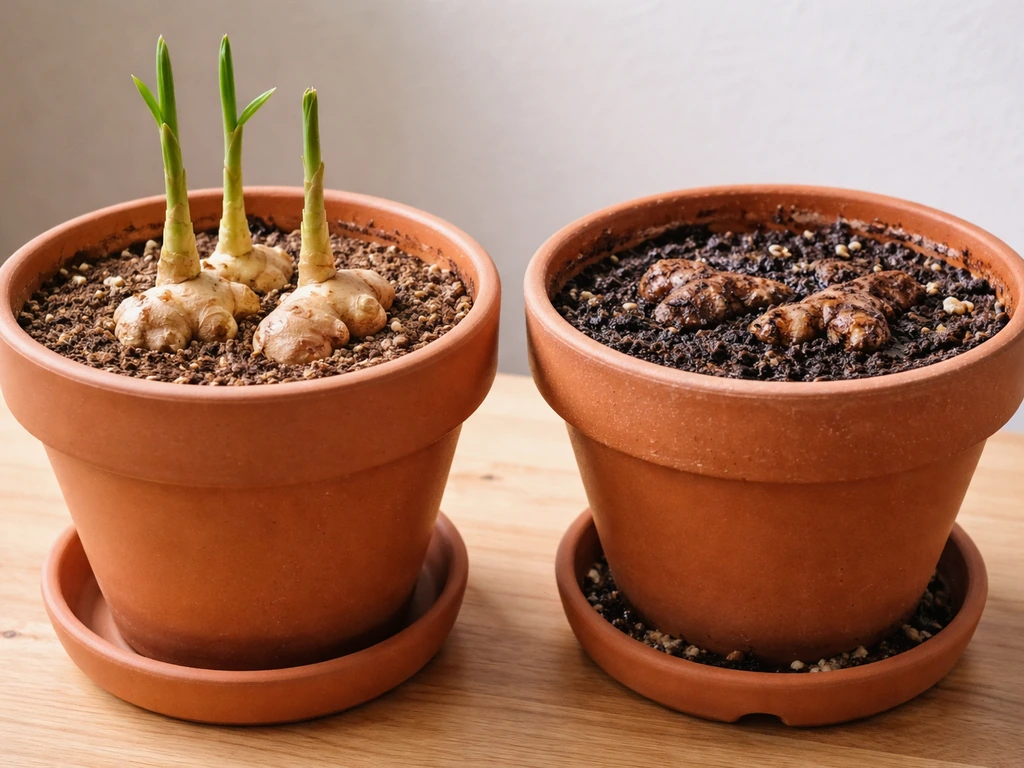
- Rhizome rot: Almost always overwatering combined with cold soil. Fix: improve drainage in your mix, ensure the pot drains freely, and keep soil above 65°F.
- No sprouting after weeks: Usually cold soil. Ginger won't wake up below 65 to 70°F. Fix: move the pot to a warmer spot, on top of a refrigerator, near a heat vent, or on a seedling heat mat.
- Shoots emerge but growth stalls: Insufficient light or warmth. Fix: add a grow light or move to a brighter window. Indoors in Oregon's gray winters, supplemental lighting is often necessary.
- Frost damage: Leaves go mushy and black. If you catch it early and the rhizome is still firm, cut the damaged top growth, let the rhizome dry slightly, and repot in fresh mix. Prevention is better: bring containers in before your area's average first frost date.
- Shriveled or soft rhizomes at planting: You started with compromised stock. Toss them and start fresh with firm, plump pieces.
Your next steps right now
It's May now, which means you're actually at a good starting point. If you're in the Willamette Valley or Rogue Valley, you can start rhizomes in pots immediately indoors and plan to move them outside in the next few weeks once nights are consistently warm. If you've already got a warm spot and decent light, you might even see sprouts within two to three weeks of planting.
Here's what to do today or this week:
- Look up your city's average last frost date to confirm you're past it or nearly there
- Pick up fresh ginger rhizomes at a grocery store or order seed rhizomes online
- Soak overnight, then let cut pieces callus for two to three days
- Mix up a well-draining container blend and plant at 2 inches deep in a 12-inch or wider pot
- Keep the pot in a warm spot (70°F or above) until shoots emerge, then move to bright light
- Plan your move-outside date for late May to early June, and set a reminder for late September to bring containers back in
Growing ginger in Oregon takes more management than in warmer states. If you're curious how the approach compares to states with similar climate challenges, growers in Michigan, Ohio, and Indiana face very similar constraints and essentially the same container-based strategy. Texas growers, by contrast, can push toward outdoor growing much more aggressively given the longer, hotter seasons. If you want to know the exact steps for Texas, focus on using warm-season timing and container growing so the rhizomes have steady heat can you grow ginger in texas. For Oregon, the container method with indoor overwintering isn't a workaround, it's just the right method. Commit to it and you'll have fresh homegrown ginger to dig up by November.
FAQ
What’s the easiest way to start ginger if I live in the Willamette Valley (or similar cool/wet areas)?
Start rhizomes indoors in late winter in a warm spot with bright light, then move containers outside only after nighttime lows stay consistently above about 50°F. If you move too early, ginger often stalls for weeks or rots in persistently cool, damp weather.
Can I grow ginger directly in the ground in Oregon if I protect it with a greenhouse or cloche?
It’s usually still risky. Ginger dislikes cold, wet winters, so even with covers, the soil can stay too damp and cold for long periods. A container lets you control drainage and temperature during the off-season, which is the main success factor.
How do I prevent ginger rhizome rot in Oregon containers?
Use a well-draining mix (potting soil plus perlite, not heavy garden soil), water thoroughly then wait until the top inch dries before watering again, and ensure the pot has drainage holes. Also let cut rhizome pieces callus and dry for a couple days before planting.
When should I stop watering and feeding so ginger doesn’t rot during dormancy?
Once leaves start yellowing and the plant begins to die back, reduce watering gradually and stop fertilizer. Keep the soil only barely moist in the cool months, because fertilizing and frequent wet soil during dormancy increases rot and mold risk.
What size container do I really need for a decent Oregon harvest?
Use width-first. For one rhizome, a container about 12 inches wide and deep works, but a wider tub 18 inches or more across is better if you want multiple rhizomes and more rhizome spread. Depth matters less because ginger grows horizontally.
Can I grow ginger from store-bought ginger without special seed treatment?
Yes, but soak is helpful. If the grocery ginger has been treated to slow sprouting, soaking pieces overnight can wake them up faster. Plant plump pieces with visible buds, and do the callus step if you cut them.
Why isn’t my ginger sprouting after planting in Oregon?
Common causes are soil staying too cool, overwatering, or planting shallowly with buds not facing up. Ginger often takes 2 to 4 weeks in warm conditions, but in cool windows it can take longer, so confirm you’re giving consistent warmth and light and that the container is not soggy.
Do I need to mist ginger indoors during Oregon winter?
If indoor air is dry, misting can help, but focus on correct soil moisture first. Overwatering is a bigger problem than low humidity. If you see fungus gnats, that’s a strong hint you’re keeping the soil too wet.
How should I manage pests and diseases specific to Oregon conditions?
Indoors, watch spider mites in dry air and fungus gnats from excess moisture. Outdoors, slugs can be a problem in wet periods. For disease, the key prevention is avoiding waterlogged soil to reduce root rot.
What’s the best way to harvest ginger in Oregon without damaging the rhizomes?
When leaves yellow and die back, tip out the container and gently shake loose soil rather than digging in place. For early “green” ginger, you can harvest a few outer pieces by carefully digging around the edge, but leave the center intact so it continues growing.
Can I replant ginger from my harvest to get a head start next year?
Yes. Save the healthiest rhizome pieces, repot them, keep them barely moist, and hold them in a warm spot to restart. Labeling varieties and keeping the best pieces for seed stock helps maintain strong yields over time.
Is it worth trying to force ginger indoors year-round in Oregon?
It can work, but you’ll still need seasonal-like rest and correct watering. Many growers get better results by giving ginger an outdoor growth window (warm months) and an indoor cool, drier phase for dormancy, which reduces pest pressure and rot risk.
Next Articles
Can You Grow Ginger in Texas? How to Succeed
Grow ginger in Texas with a warm-season plan: containers or shade, planting depth, watering, timing, harvest, and rot pr
Can You Grow Ginger in Ohio? How to Succeed
Learn if you can grow ginger in Ohio and get step-by-step container and indoor-start tips for harvest and storage.
Can You Grow Ginger in Michigan? How to Do It Successfully
Yes, you can grow ginger in Michigan with indoor starts and warm containers, timing, care, overwintering, and troublesho