
Yes, you can grow ginger in Utah, but not the way you'd grow it in Georgia or Hawaii. If you're wondering whether ginger grows in Colorado, the short answer is that it can be done, but you need to plan around cold winters and frost does ginger grow in colorado. Utah's cold winters, short growing season, and frost risk mean ginger will never work as a simple backyard plant left in the ground year-round.
Can You Grow Ginger in Utah? How to Succeed Indoors or Out

Marcus Petersen
31 May 2026
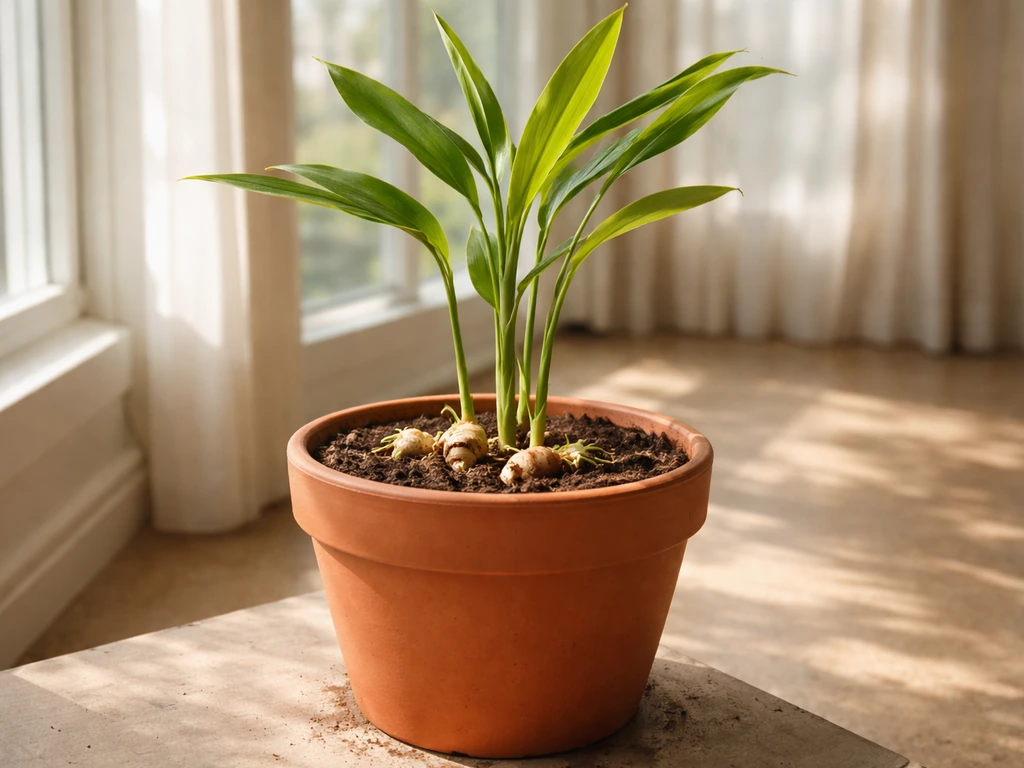
What does work, reliably, is treating ginger as a container crop: start it indoors in late winter, move it outside once temperatures are safe, then bring it back in before the first fall frost. It's more work than growing tomatoes, but it's absolutely doable, and the harvest is genuinely rewarding.
What Utah's climate actually means for ginger
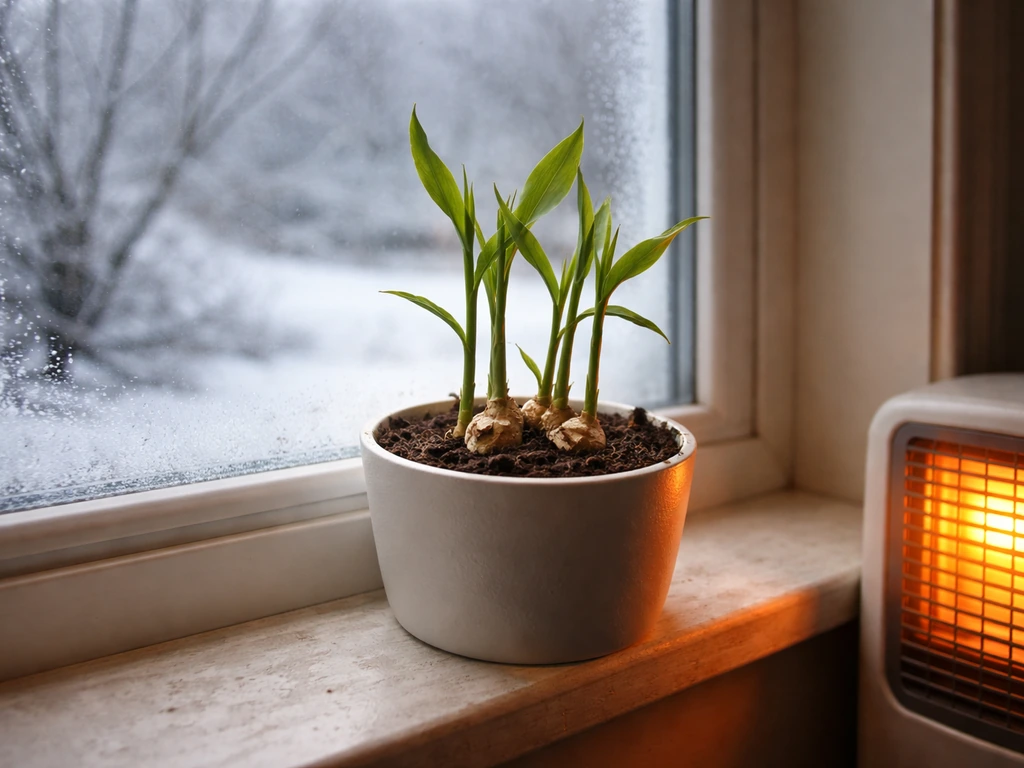
Ginger is a tropical plant that wants warmth, humidity, and a long frost-free window. Utah gives you none of those things automatically. Winters across most of the state drop well below any survivable temperature for ginger roots left in open soil. Utah's average growing season sits around 147 days statewide, but that number hides a lot of variation. Along the Wasatch Front, last spring frost dates can vary by many days within just a few miles of elevation change, so your specific zip code matters more than the state average. The Salt Lake Valley and St. George areas are on the friendlier end; higher-elevation spots like Park City or Cedar City have shorter windows that make outdoor ginger genuinely difficult.
The key number to keep in mind is soil temperature. Ginger won't sprout or grow well when soil temperatures are below 55°F, and it really gets going at 77 to 82°F. In Utah, outdoor soil doesn't reliably hit 55°F until late April or May depending on where you live, which is already a major chunk of the growing season spent waiting. That's exactly why starting indoors is the move here, not a workaround.
Best ginger varieties for Utah
For culinary ginger in Utah, you want Zingiber officinale, the standard edible cooking ginger. Don't get sidetracked by ornamental gingers or galangal at a garden center; they're related but not what you're after for the kitchen. When buying rhizomes to plant, you're essentially buying the same thing you'd find at a good grocery store or Asian market, so freshness and bud development matter more than variety labeling.
Look for plump, firm rhizomes with visible growth buds (those small, slightly pointed nubs on the surface). Avoid anything shriveled, soft, or showing mold. For Utah's shorter season, there's no meaningfully different cultivar that finishes faster, so your best strategy is to start with healthy, actively budding rhizomes and give them a head start indoors. Some specialty seed suppliers sell certified disease-free ginger rhizomes, which is worth the extra cost if you've had rot problems in past attempts.
Starting ginger indoors: timing, containers, and soil
Start your ginger indoors in late February or early March. That might feel aggressively early, but ginger takes 8 to 10 months from planting to a proper mature harvest, and you're working against a clock that runs out when Utah's first fall frost arrives (typically September to October depending on your location). Wisconsin Horticulture (University of Wisconsin Extension) notes that ginger typically takes about 8 to 10 months from planting to harvest and that foliage dieback in winter means dormant container plants should not be watered at all until new shoots appear. The earlier you get it going indoors, the more productive growing time you'll have.
Prepping the rhizomes
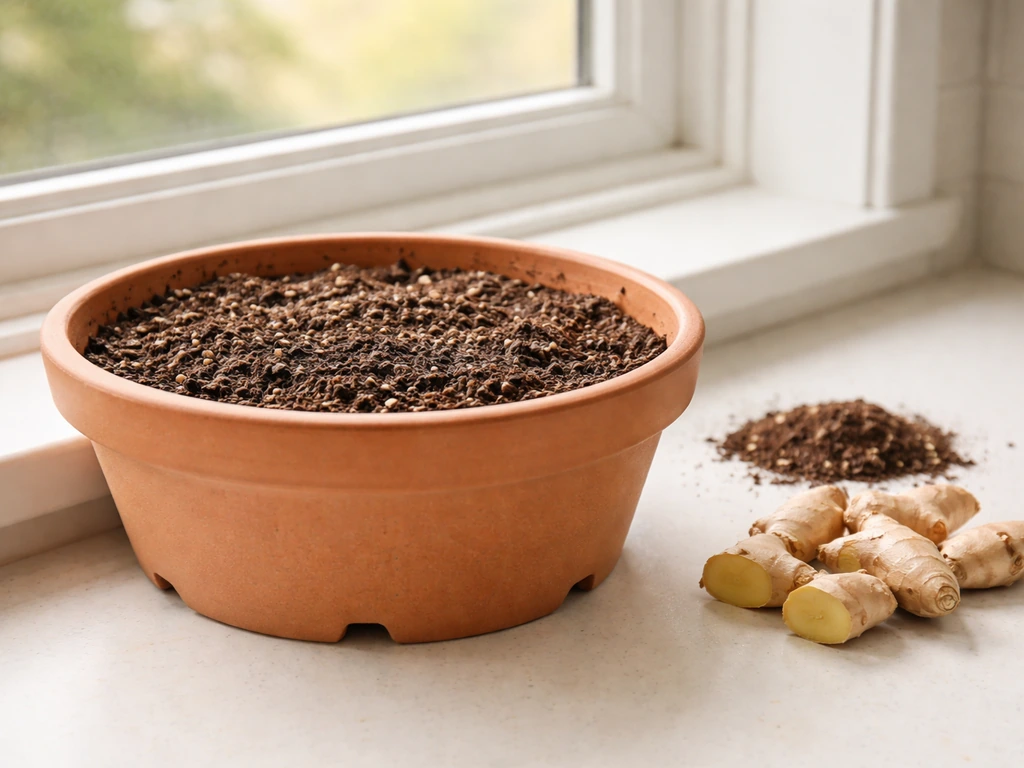
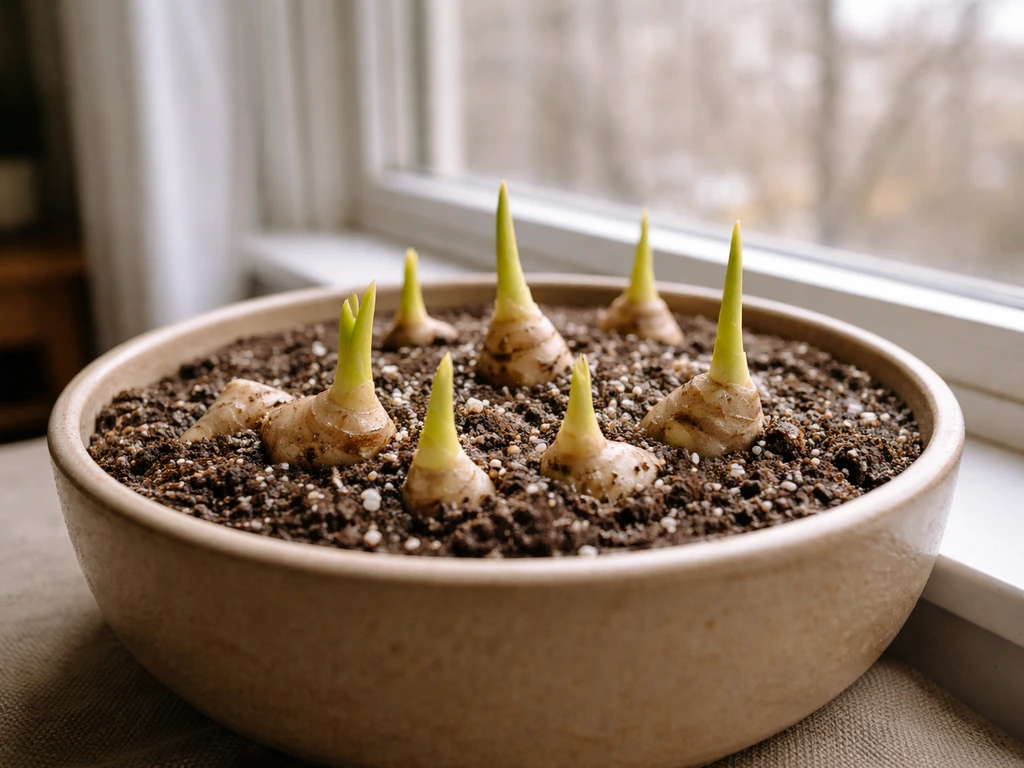
Before you plant, cut your rhizomes into pieces, each with at least one or two growth buds. Then here's the step a lot of people skip: set the cut pieces aside for a few days so the cut surfaces dry out and form a callus. This is genuinely important in Utah's growing conditions because it dramatically reduces the chance of rot when you plant into soil. I skipped this step my first season and lost two out of three pieces to soft rot before they even sprouted.
Container choice and soil
Use a wide, shallow container rather than a deep one, since ginger rhizomes spread horizontally. A 12-to-16-inch pot works well for one or two rhizome pieces. Drainage holes are non-negotiable; waterlogging is the fastest way to kill ginger. Don't use a pot so large that there's a lot of unfilled soil around the roots, since excess soil holds moisture and encourages rot.
Fill it with a loose, well-draining mix rich in organic matter. A good blend is equal parts potting mix, perlite, and compost. Avoid dense, clay-heavy soils. Plant the rhizome pieces about 2 to 4 inches deep with the growth buds pointing upward, spacing pieces 6 to 8 inches apart if you're using a larger container.
Warmth and light for sprouting
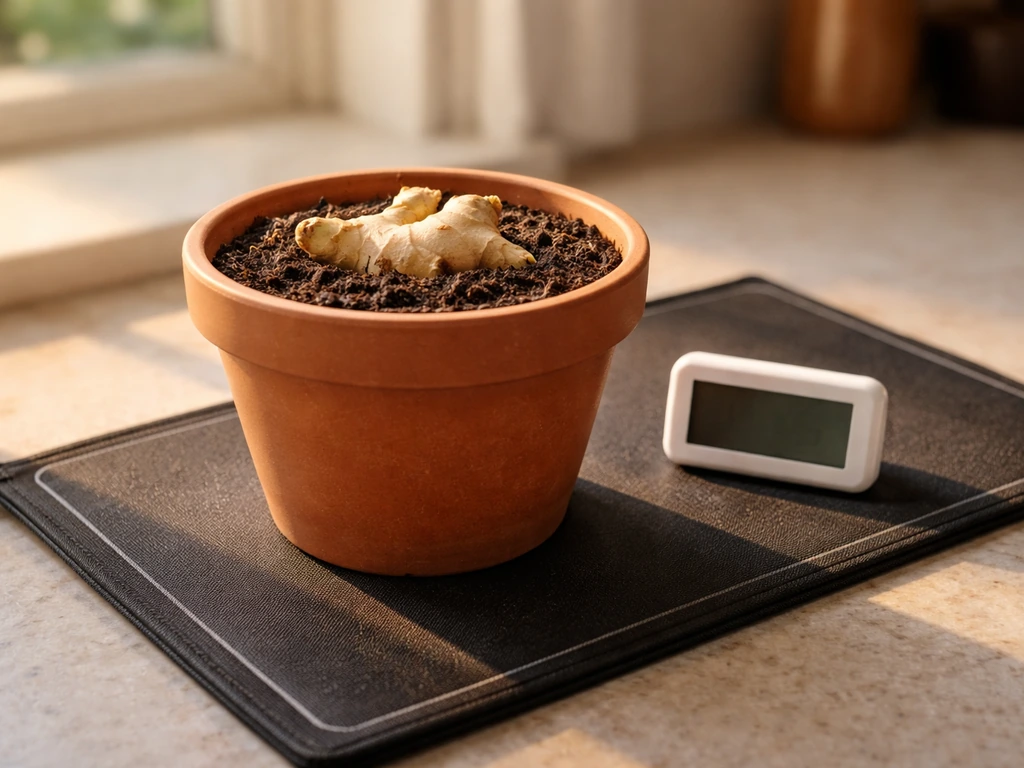
Place the container somewhere warm, ideally 77 to 82°F. A heat mat designed for seed starting works well here. One thing worth knowing: during the early sprouting phase, the rhizome doesn't actually need light to push up its first shoots. Light matters once the shoots emerge and leaves start to develop. Sprouting can take several weeks, so don't panic if nothing appears in the first two to three weeks. Keep the soil barely moist, not wet, until you see growth.
Outdoor vs indoor setup in Utah
Once your ginger is actively growing with a few inches of shoot, you have two paths: keep it as a permanent indoor or sunroom plant all season, or move it outside once conditions are right. Both work in Utah, though outdoor growing lets the plant grow more vigorously if you have a good spot.
Moving outside
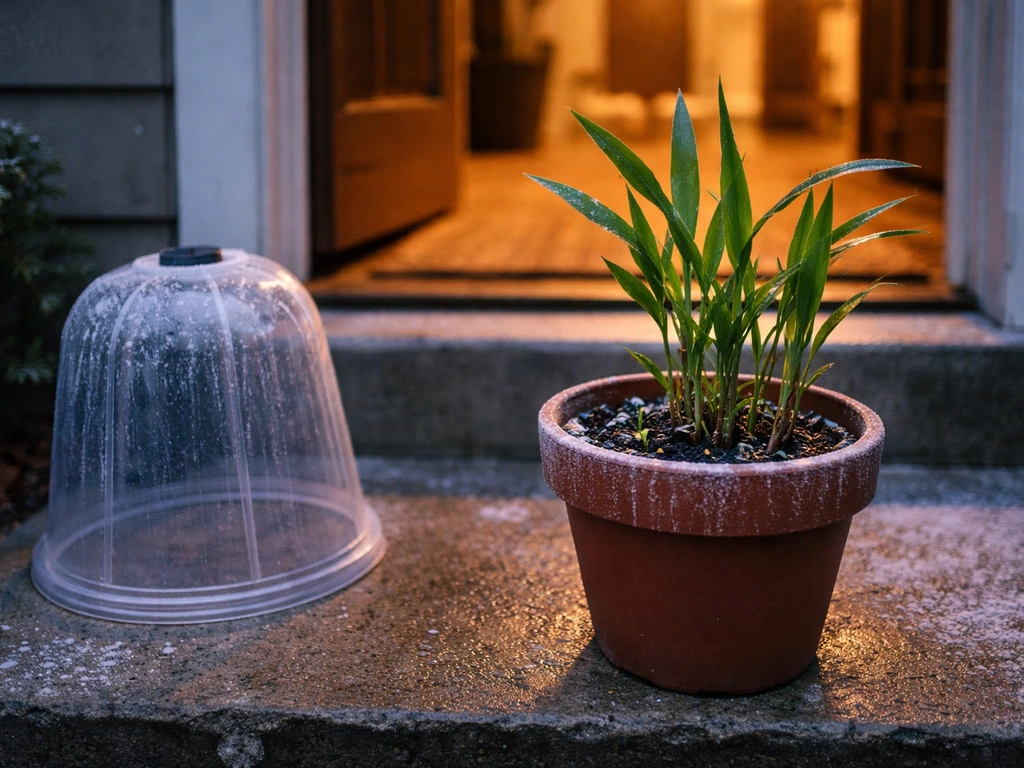
Don't rush this. Wait until nighttime temperatures are consistently above 55°F and the soil in your outdoor containers will stay warm. Along the Wasatch Front, that's typically mid-to-late May. Harden off the plant over one to two weeks by gradually increasing its outdoor exposure before leaving it out full-time. Ginger prefers partial shade to dappled light, not full blazing sun, which is actually an advantage in Utah's intense summer sun. A spot with morning sun and afternoon shade is close to ideal.
Frost protection and bringing it back in
Because ginger stays in a container, frost protection is simple: bring it inside. Watch your local forecast starting in mid-September. The moment nighttime lows start approaching 50°F, it's time to transition the plant back indoors to a warm, bright spot. In most of Utah, you're working with roughly a June-to-September outdoor window, sometimes a bit longer in warmer valleys. If you want to push the outdoor season a little later, you can cover the pot with frost cloth on cold nights, but don't let the rhizomes experience a hard freeze.
| Setup | Best for | Key advantage | Main risk |
|---|---|---|---|
| Full indoor/sunroom | High-elevation spots, colder Utah climates | Full control over temperature and season length | Lower light, drier air; slower growth |
| Container moved outdoors | Wasatch Front, St. George, warmer valleys | Better growth, natural humidity | Must monitor frost dates diligently |
| In-ground outdoor | Extreme southern Utah only (St. George area) | Most natural growing conditions | Short season, hard to protect in fall freezes |
For most Utah gardeners, the container-moved-outdoors approach is the sweet spot. It gives you the best of both worlds without gambling on in-ground survival.
Watering, feeding, and keeping pests in check
Watering
Ginger wants consistent moisture, not soggy soil. During active growth, water when the top inch of soil feels dry. In Utah's dry climate, containers dry out faster than they would in a humid state, so you may need to water more frequently outdoors in July and August. As summer winds down and you're heading into September, start reducing water. This signals the plant to put energy into the rhizomes rather than foliage, which is exactly what you want before harvest. Don't let it fully dry out, but cut back noticeably.
Fertilizing
Feed your ginger every few weeks during the growing season with a general-purpose liquid fertilizer. This is especially important during periods of active growth or if the plant has been getting a lot of water. Once you start reducing water in late summer to push rhizome development, ease off fertilizing too. You've already made your deposit; now you're letting the plant cash it out.
Pests and disease
Ginger has relatively few serious pest problems. The main thing that kills it is root rot from overwatering or poor drainage. If your plant starts yellowing and drooping despite what seems like adequate water, suspect the roots before anything else. Pull it up and check. Soft, brown, mushy roots mean rot, usually from sitting in wet soil. Outdoors in Utah, you might occasionally see aphids or spider mites (which love dry conditions), but these are manageable with a strong spray of water or insecticidal soap. Healthy ginger with good soil and drainage rarely has serious disease issues.
How long ginger takes and when to harvest in Utah
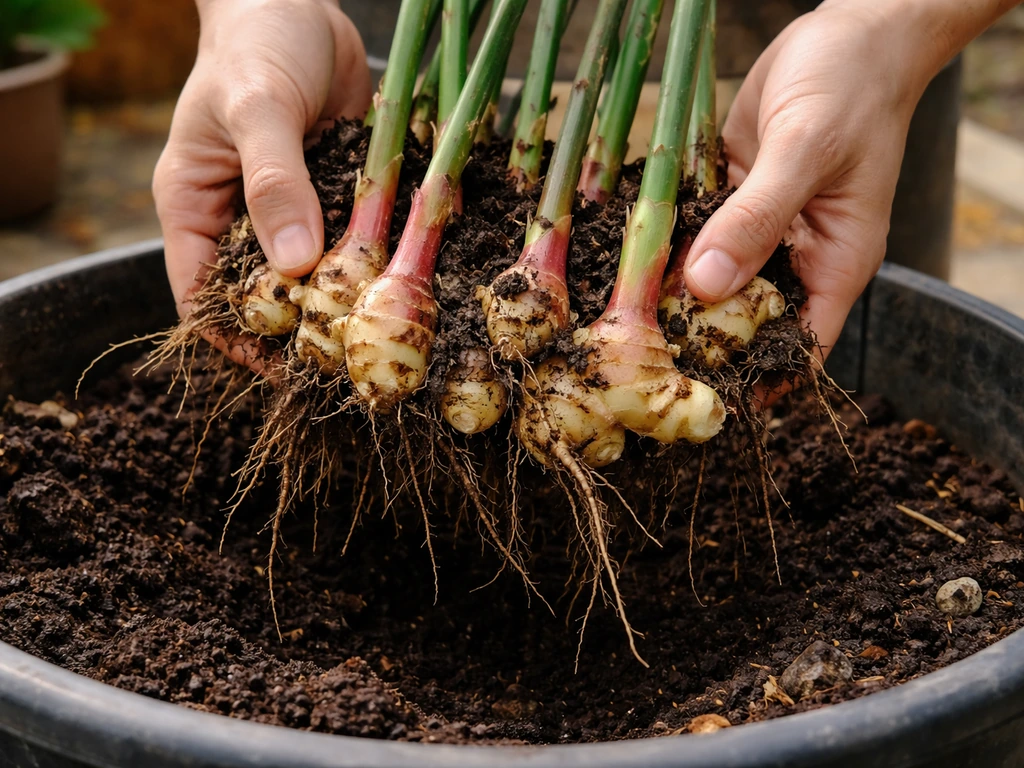
Here's where Utah's short season creates a real constraint. Ginger takes 8 to 10 months to reach full maturity, meaning you'd be harvesting in October to December if you started in late February. That timing works well with the container strategy because you're bringing the plant back inside in fall anyway. If you started indoors in early March, your harvest window opens around November and December when you dig up the rhizomes.
You have two harvest options. The first is "green ginger" or "baby ginger," which you can harvest earlier, around 4 to 5 months in. It's milder, has thin skin you don't need to peel, and has a fresher, more delicate flavor. The second is fully mature ginger at 8 to 10 months, which has the firm texture, thicker skin, and stronger flavor you're used to from store-bought. For Utah growers using the indoor start method, both are achievable.
To harvest, tip the container and dump out the soil, or carefully dig around the edges of the pot. You'll find the rhizome mass has spread and filled out considerably from what you planted. Shake off loose soil and rinse. Don't be surprised by how much the root system has expanded compared to what you started with.
Storing your harvest and replanting next season
Storing the harvest
Fresh ginger keeps in the refrigerator for several weeks. For longer storage, you can freeze whole rhizomes (they grate beautifully from frozen), ferment them, or dry and grind them. If you grew a good-sized crop, freezing is the most practical option for most home growers.
Saving rhizomes for replanting
Set aside some of your healthiest, firmest rhizomes with good buds for replanting next February. Store these seed rhizomes in a cool, relatively dry location at 55 to 60°F with high humidity, around 85 to 90%. A basement corner or the warmest part of a garage can work if temperatures stay in that range. Don't refrigerate your replanting rhizomes because most refrigerators run too cold and too dry. Check them periodically through winter; a little shriveling is fine but anything soft or moldy should be discarded.
Troubleshooting common failures in Utah
- Rhizomes not sprouting: The most common cause is soil that's too cold. Make sure you're using a heat mat and the soil temperature is at least 70°F. Also double-check the rhizome isn't rotting rather than dormant; a firm rhizome that hasn't sprouted after 6 weeks in warm soil is probably just slow, but a soft one is already a loss.
- Rot before sprouting: You likely skipped the callusing step after cutting, planted too deep in cold soil, or overwatered. Start fresh with a calloused piece, barely-moist soil, and heat from below.
- Slow growth after sprouting: Low temperature is almost always the culprit. Ginger sulks below 65°F and stalls below 55°F. Move it to a warmer spot indoors and growth should resume.
- Leaf dieback and yellowing in fall: This is normal. As temperatures drop, ginger naturally goes dormant and sheds its leaves. If it happens outdoors before you've brought it in, get it inside immediately. Once the plant is leafless and dormant, stop watering entirely until you see new shoots in spring.
- No significant rhizome development at harvest: This usually means you either harvested too early, didn't reduce watering in late summer to trigger rhizome bulking, or the plant spent too much of its energy dealing with cold stress. Start earlier next season and be deliberate about tapering water in August.
Growing ginger in Utah is genuinely worth trying if you're willing to treat it as a container project with some active management. Yes, the same container approach matters even if you're asking can you grow ginger in Illinois. It's not a plant-it-and-forget-it situation, but it's also not as complicated as it sounds once you've done it once.
If you're in a similar climate situation, the approach used in Utah maps closely to what works for growing ginger in Colorado or Minnesota: indoor starts, containers, and careful frost management are the common thread. Start your rhizomes in late February, give them warmth and decent soil, move them outside after your last frost, bring them back in before the first fall freeze, and you'll have your own Utah-grown ginger ready to harvest by late fall.
If you’re wondering can you grow ginger in Minnesota, the same indoor-start container approach is usually the key to success there too ginger ready to harvest.
FAQ
Can you leave ginger in the ground or outside through winter in Utah?
Not really. Ginger roots can rot if they get cold while staying wet, and Utah winters are too unpredictable for container plants left outside. If you want to attempt “outside most of the year,” place the pot in a protected microclimate (against a south wall) and still bring it in as soon as nighttime lows consistently approach about 50 to 55°F, not just after a hard freeze.
Can I plant store-bought ginger to grow ginger in Utah?
Yes, you can grow it from the rhizomes sold as grocery ginger, but choose pieces with clear, healthy growth buds. If the ginger looks like it has been treated to prevent sprouting, it may never grow. Also expect a slower start, so plan to cut, callus-dry, and start indoors early enough to still finish by your first fall frost.
Why isn’t my ginger sprouting yet in Utah?
If your soil stays below 55°F, the plant often sits without sprouting, even if the rhizome is alive. To avoid this, warm the container (heat mat helps), and use a loose, well-draining mix so the rhizome is not sitting in cool, damp media. Once shoots appear, you can move toward normal room conditions and focus on keeping moisture steady.
How often should I water ginger grown in a pot?
Keep the pot slightly moist, not wet. A quick test is to water only after the top inch of mix feels dry, then drain fully so there is no standing water in the saucer. Overwatering is a bigger risk than underwatering early on, but letting it fully dry out for long periods can halt growth and reduce rhizome size.
Does pot size matter for ginger in Utah?
Large pots can backfire because extra unused soil holds moisture longer, which increases rot risk. Stick to a wide 12 to 16 inch container for one or two rhizome pieces, and prioritize drainage and air flow. If your pot is oversized, consider using less soil or splitting rhizomes into smaller containers.
What fertilizer schedule works best before ginger harvest?
Fertilize during active growth, but back off before harvest. If you keep heavy feeding while you reduce water in late summer, you can end up with lots of foliage and smaller rhizomes. Use a balanced liquid fertilizer at label strength every few weeks until you start the late-summer “reduce water” phase.
My ginger leaves are yellow and drooping, is it a watering problem or something else?
A common signal is yellowing and drooping plus a slow recovery after adjusting watering. Because ginger is container-grown in Utah, check roots promptly by tipping the pot and inspecting the rhizomes. Soft, brown, mushy tissue means rot, and you may need to remove affected sections and repot into fresher, drier mix.
Do I need grow lights for ginger indoors in Utah?
During early sprouting, light is not the main requirement, but once shoots and leaves emerge, provide bright conditions. A warm, bright window or a grow light helps prevent leggy growth, which can make the later outdoor transition more fragile. Wait to increase light gradually during hardening off to avoid leaf stress.
Can I extend the outdoor season with frost cloth in Utah?
Yes, but do not let it experience a hard freeze. Frost cloth can help on chilly nights, yet the goal is to prevent ice formation around the rhizomes, not to keep the plant outdoors through freezing weather. Keep monitoring forecast lows, and use the same “bring it in before sustained cold” rule.
Can I harvest ginger in Utah more than once?
For “green” or baby ginger, harvest sooner when plants are about 4 to 5 months from planting, and use the same pot-digging method to remove part of the rhizome mass. For mature ginger, harvest at 8 to 10 months. If you want both, you can take small amounts early, but keep enough rhizome for the plant to continue bulking up.
How should I store seed rhizomes I plan to replant next year?
Seed rhizomes are best chosen from firm, healthy plants, and they need warm-enough storage to stay viable but not actively grow. The article’s range matters, so aim for about 55 to 60°F with high humidity, then check periodically through winter. Avoid refrigerating replanting rhizomes because typical fridge conditions are often too cold and too drying.
Next Articles
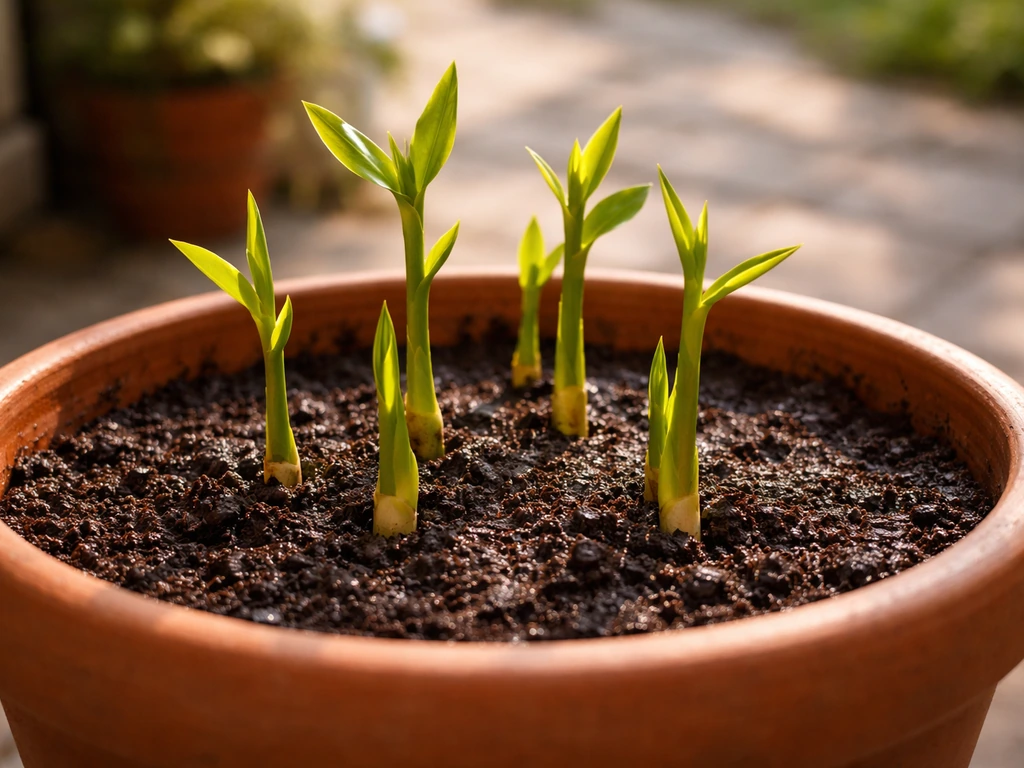
Can You Grow Ginger in Minnesota? Container Guide and Timing
Yes, grow ginger in Minnesota using containers: timing, pot size, soil, rhizome planting, overwintering and rot-proof ca
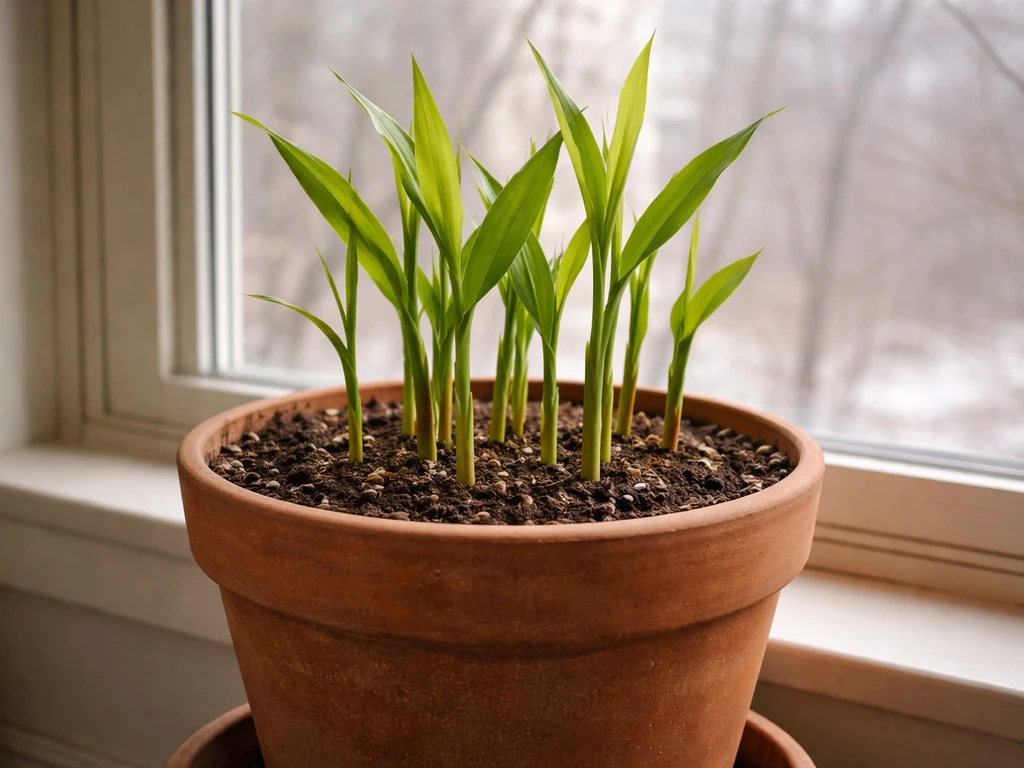
Can You Grow Ginger in Illinois? Container Guide
Yes, grow ginger in Illinois using indoor or greenhouse containers. Learn timing, planting, care, harvest, and winter ov
Can You Grow Ginger in Colorado? Step-by-Step Guide
Learn if you can grow ginger in Colorado and follow a step-by-step container and indoor guide to harvest rhizomes.