
Yes, you can grow loofah in Ohio and actually get usable fibrous scrubbers out of it, but you have to be deliberate about it. Loofah needs around 150 to 200 frost-free days with consistent heat to fully mature, and most of Ohio gives you roughly 178 to 200 days depending on where you live. That's a tight margin. You won't succeed by direct-sowing into the garden in May and hoping for the best. Start seeds indoors in late March, choose a shorter-season variety, give the vines full sun and a serious trellis, and you'll have harvestable gourds by October. Skip those steps and you'll end up with green fruits that never turn fibrous.
Can You Grow Loofah in Ohio? Step-by-Step Guide

Marcus Petersen
24 May 2026
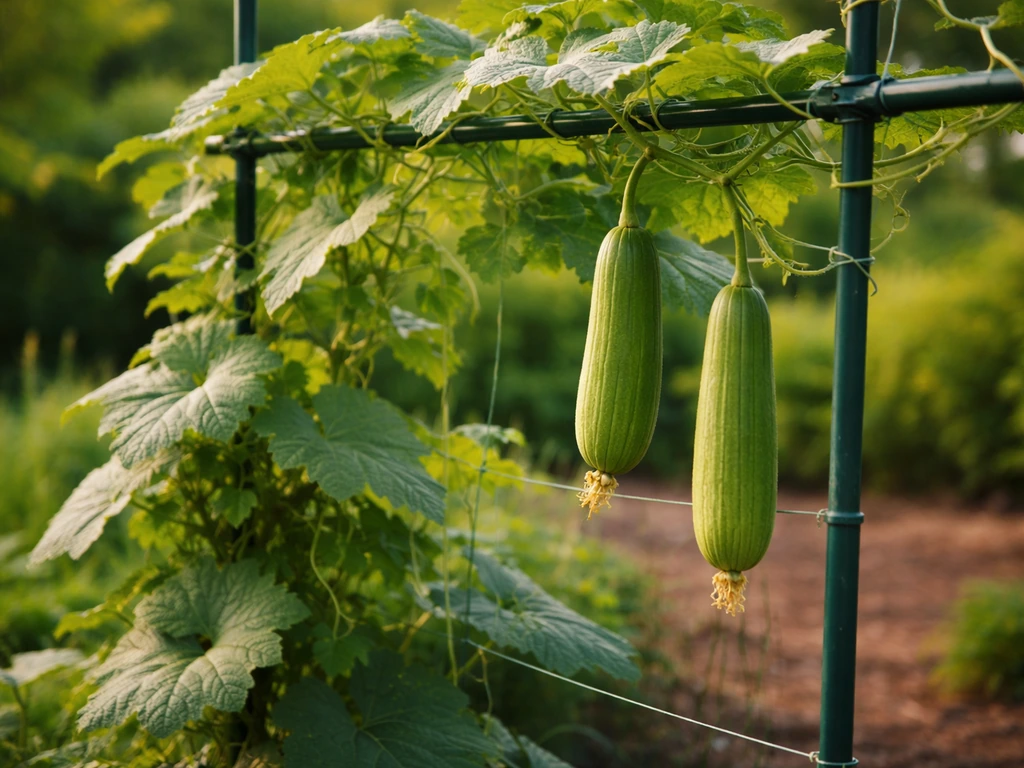
What Ohio's climate actually means for loofah
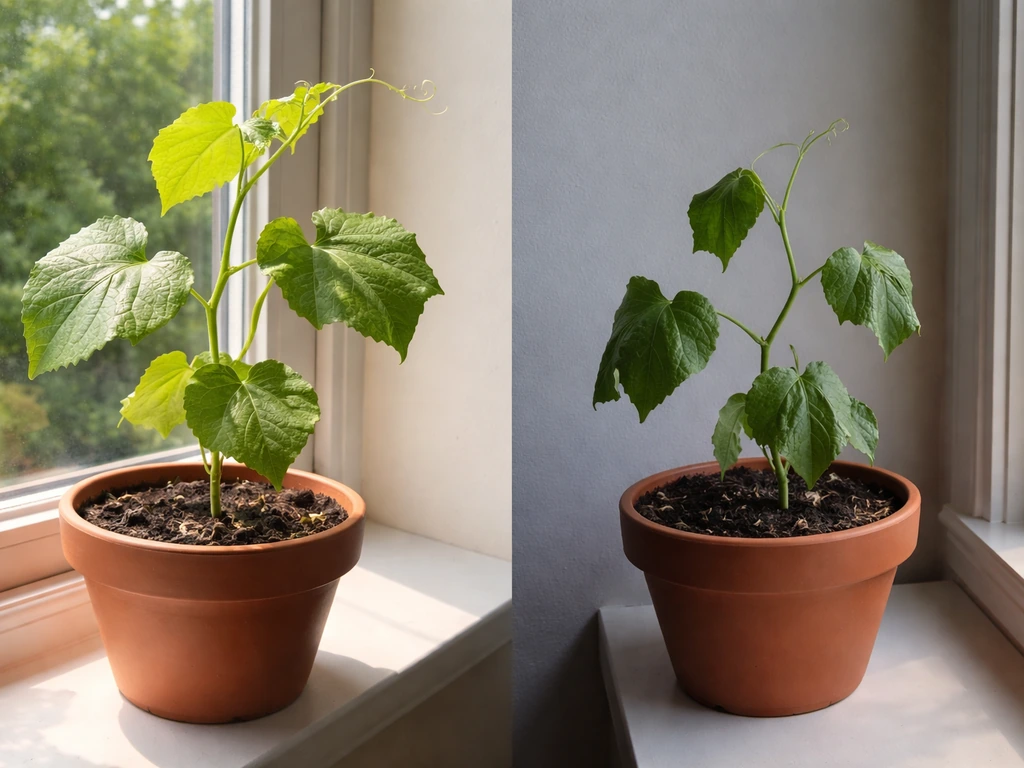
Ohio spans USDA hardiness zones 5b through 7a, though for loofah purposes what matters isn't winter hardiness, it's summer heat and frost-free window length. Columbus sees a last spring frost around April 20 and a first fall frost around October 15, giving roughly 178 frost-free days. Franklin County data puts it at April 23 to October 19, about 179 days. Toledo tends to run a little shorter. Averaged for Toledo, OH, the Old Farmer’s Almanac lists the first fall frost date as October 22 blank" rel="noopener noreferrer">Toledo tends to run a little shorter. Cincinnati, in the warmer southern part of the state, gets more room to work with. Almanac.com’s frost-date-by-location pages let you look up Cincinnati’s last spring frost and first fall frost to estimate the local frost-free window blank" rel="noopener noreferrer">Cincinnati’s frost-free window. If you're in southern Ohio, you have a slightly more forgiving season. If you're in Cleveland or Toledo, you're working at the thin edge of what loofah needs and indoor starting is non-negotiable.
The heat factor matters as much as the frost dates. Loofah is a tropical vine that wants hot, humid summers. Ohio summers deliver that reasonably well, especially July and August, but the vine needs weeks of that heat to build fruit and allow it to fully dry on the vine. The risk in Ohio is getting cut off by an early October frost before the gourds reach maturity. That's the core problem you're managing with every decision from here on.
Best loofah varieties for Ohio
There are two main species of loofah you'll encounter: Luffa aegyptiaca (smooth or angled, sometimes labeled ridge gourd) and Luffa acutangula (ridged loofah). For Ohio, you want Luffa aegyptiaca, the smooth-skinned type, because it's the standard bath loofah most people are after and tends to mature in 90 to 120 days from transplant, which fits Ohio's window if you start indoors. Ridged loofah can take longer and is primarily grown as a vegetable, not a scrubber.
Within the smooth loofah category, look for varieties labeled as shorter-season or marketed for northern climates. Some seed companies have started offering selections bred for the Midwest specifically. If you can find a variety listed at 90 to 100 days to maturity, prioritize that over longer-season types. 'Italian Luffa' and standard 'Luffa' seed packets from reputable suppliers typically fall in the 90 to 120 day range. Avoid anything labeled as 200-day to maturity, it won't finish in Ohio without heroic effort.
| Species / Type | Days to Maturity | Best Use | Ohio Suitability |
|---|---|---|---|
| Luffa aegyptiaca (smooth) | 90 to 120 days | Scrubbers, fiber | Good with indoor start |
| Luffa acutangula (ridged) | 100 to 130+ days | Vegetable, some fiber | Marginal, needs warmest Ohio locations |
| Long-season tropical types | 150 to 200 days | Fiber, tropical climates | Not recommended for Ohio |
Starting loofah seeds in Ohio
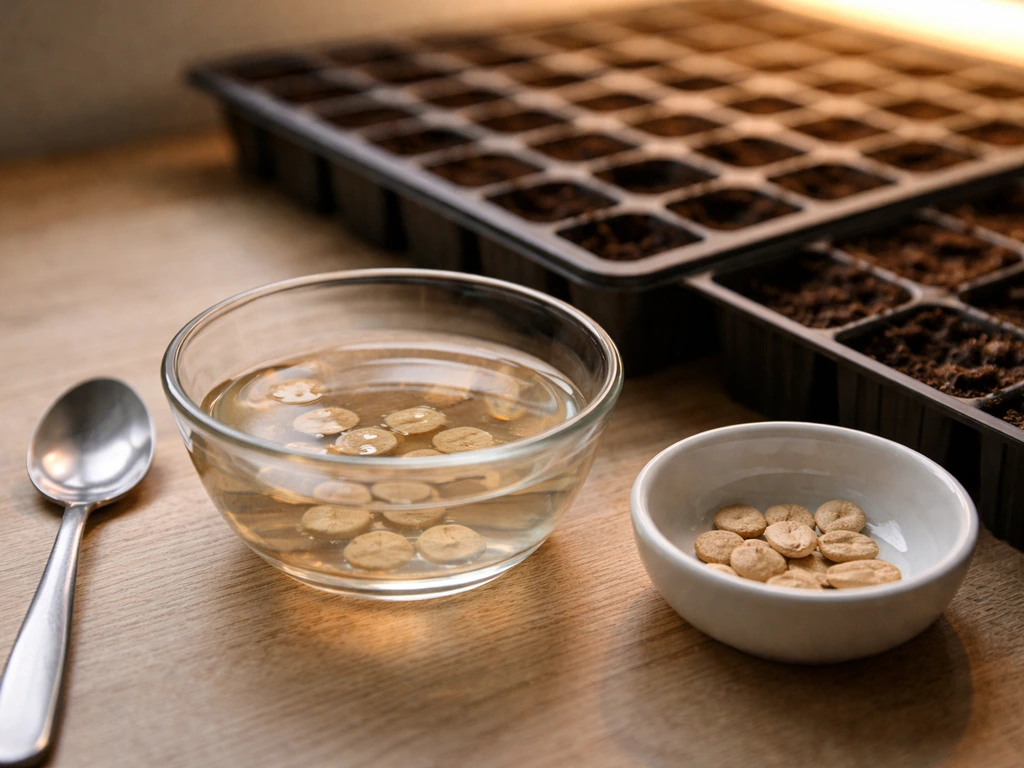
This is where Ohio growers make or break the season. Do not direct-sow loofah outdoors in Ohio. The ground isn't warm enough in May to give the seeds a running start, and you'll burn through three or four weeks of your season waiting for the soil to wake up. Start seeds indoors 6 to 8 weeks before your last frost date. For most of central Ohio, that means starting seeds in late March, around March 20 to April 1. Southern Ohio growers can push to early April if needed, but earlier is almost always better for loofah.
Loofah seeds have a tough coat that slows germination. Soak seeds in warm water for 24 hours before planting. Nick the seed coat lightly with a nail file if you want to speed things up further. Plant seeds about half an inch deep in individual 4-inch pots using a quality seed-starting mix. Loofah doesn't like having its roots disturbed, so starting each seed in its own container saves you the trouble of transplanting out of a tray. Keep soil temperature at 70 to 85 degrees Fahrenheit for germination, which usually takes 7 to 14 days. A heat mat helps significantly if your indoor space runs cool.
Once seedlings are up, give them as much direct light as possible. A south-facing window works, but a grow light set to 14 to 16 hours per day produces stronger, stockier transplants. Leggy seedlings that reach for light end up struggling after transplant. Harden off plants for at least one week before moving them outside, gradually exposing them to outdoor conditions. Transplant outdoors after your last frost date, when nighttime temps are consistently above 55 degrees Fahrenheit.
Setting up your loofah planting in Ohio
Soil and sun
Loofah is non-negotiable about full sun. Six hours is a minimum; eight or more hours is what you're after. Ohio's summer cloud cover can eat into your sunny hours, so choose the sunniest spot in your yard without compromise. South or west-facing exposures against a fence, wall, or house tend to hold extra heat, which loofah appreciates. The soil should be well-draining, loose, and rich in organic matter. Work in a couple of inches of compost before planting and aim for a soil pH between 6.0 and 7.0. Loofah is a heavy feeder and will show you quickly if the soil is poor.
Spacing and trellising
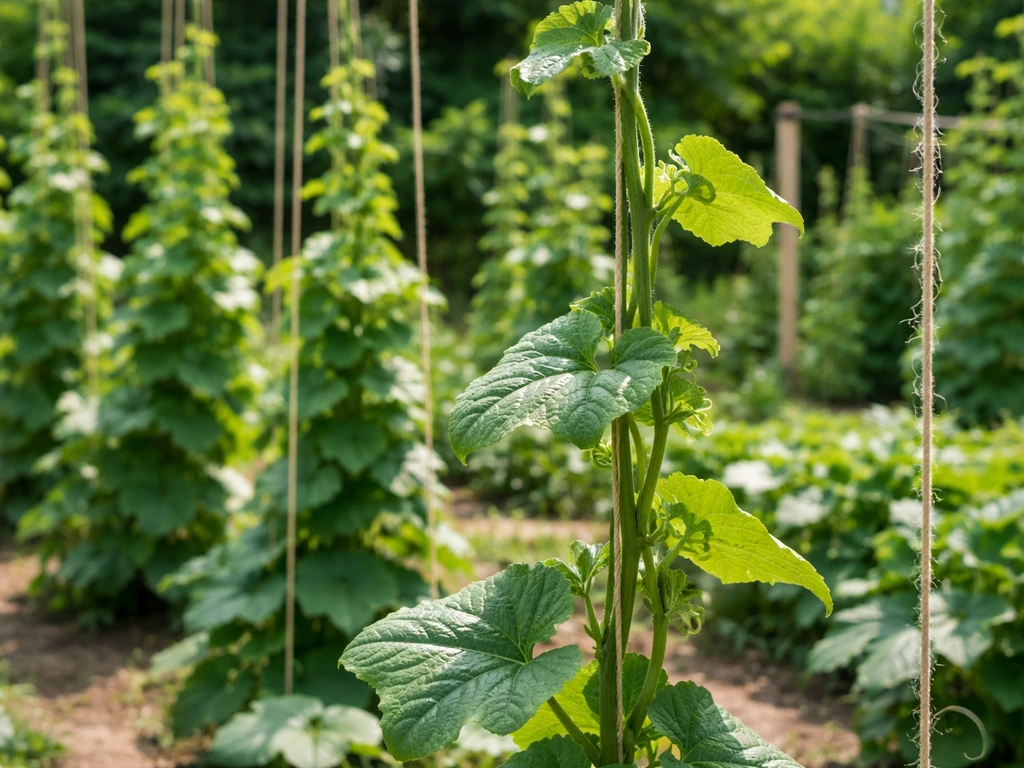
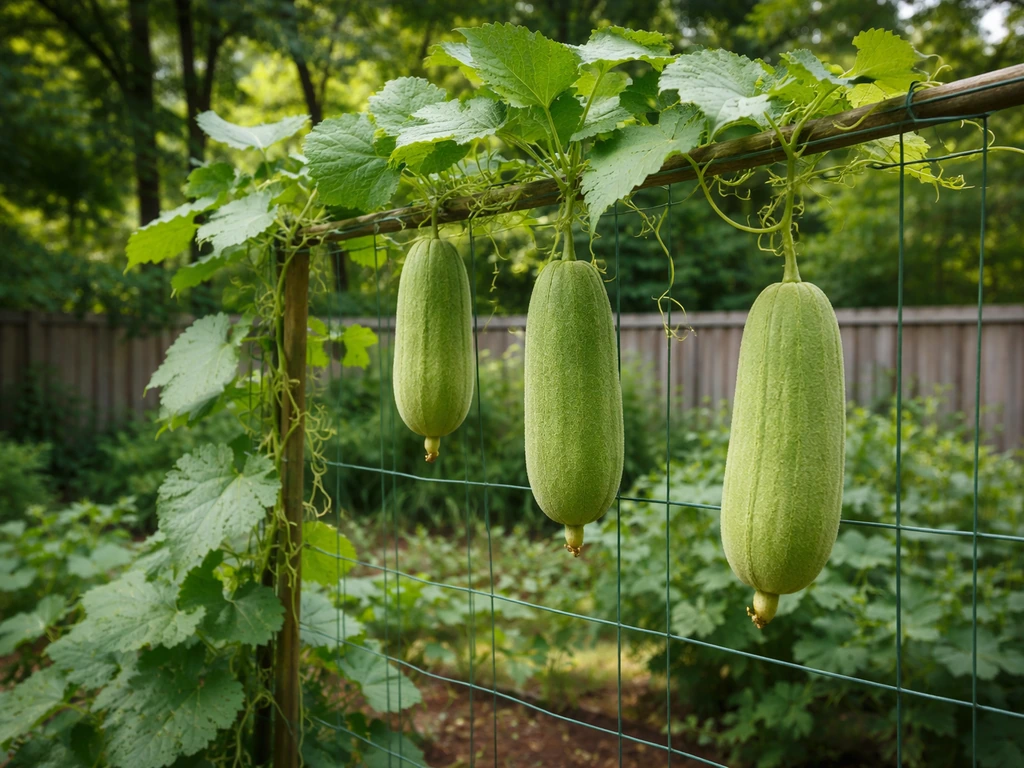
Do not underestimate how big loofah vines get. In a good Ohio summer, a single plant can easily reach 10 to 15 feet or longer. Space transplants at least 3 feet apart if planting multiple vines. A sturdy trellis is essential, not optional. The vines are heavy once loaded with gourds, and a flimsy tomato cage won't hold them. Use a cattle panel, a heavy-duty garden trellis, or build a simple frame with T-posts and wire mesh at least 6 feet tall. Many Ohio gardeners run loofah along a fence, which works well as long as you can get full sun there.
Can you grow loofah in containers in Ohio?
You can try containers, but understand the trade-offs. Loofah in pots tends to produce fewer gourds and requires more frequent watering and feeding than in-ground plants. If you go this route, use the largest container you can manage, a 15 to 25 gallon pot at minimum, with high-quality potting mix amended with compost. The advantage of containers in Ohio is that you can move them to capture heat and push against a south-facing wall. The disadvantage is that roots stay warmer during heat waves and dry out fast. Container-grown loofah in Ohio is more work for a smaller reward, but it can produce results.
Caring for loofah through the Ohio growing season
Watering and feeding
Loofah is a vigorous grower that needs consistent moisture, especially during flowering and fruit set. Aim for about 1 inch of water per week, more during dry spells or intense heat. Drip irrigation or soaker hoses work better than overhead watering, which can encourage fungal problems on the foliage. For feeding, start with a balanced fertilizer (something like 10-10-10) at planting, then shift to a lower-nitrogen, higher-phosphorus and potassium feed once the vine starts flowering. Too much nitrogen late in the season pushes leafy growth at the expense of fruit. I've made that mistake and ended up with a gorgeous vine and almost no gourds.
Pollination
Loofah produces separate male and female flowers on the same plant. Male flowers appear first, often a few weeks before female flowers show up. Female flowers have a small swollen base behind the petals, that's the future gourd. Bees do most of the pollination work, so try to avoid spraying insecticides during flowering. If you notice female flowers dropping without setting fruit, you may need to hand-pollinate. Use a small paintbrush or simply pick a male flower and dab its pollen directly onto the center of an open female flower in the morning when both are fully open.
Pests and diseases to watch for
Loofah is a cucurbit, which means it's vulnerable to the same pest and disease pressure as cucumbers and squash. In Ohio, squash vine borers can be a problem, though loofah's thicker vines tend to fare better than zucchini. Cucumber beetles (both striped and spotted) show up regularly and can transmit bacterial wilt. Keep an eye out and use row cover early in the season before flowering. Powdery mildew appears in late summer, especially during humid Ohio weather. It's usually cosmetic by that point in the season, but severe cases slow the plant down. Aphids cluster on new growth; a strong spray of water knocks them back. The good news is that loofah is generally tougher than cucumbers.
Harvesting and curing loofah in Ohio
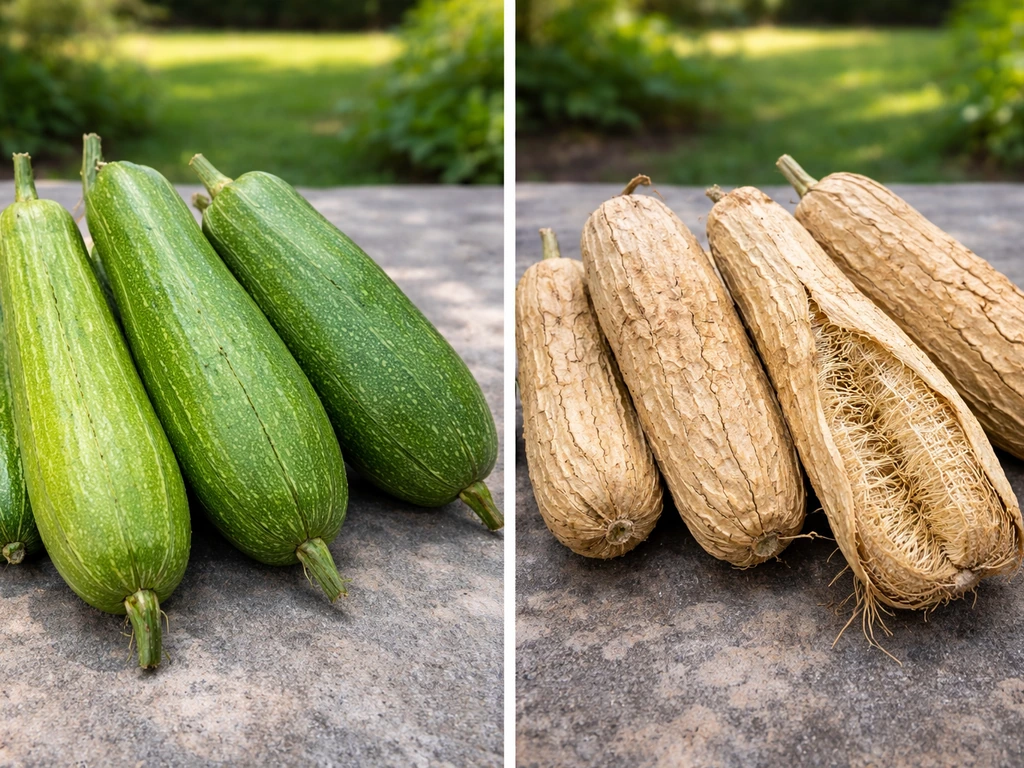
Here's where most beginners get tripped up. Loofah gourds need to fully mature and dry out before you can peel them and use them as scrubbers. A green, fresh loofah is just a vegetable. You want the skin to turn brown, papery, and loose, which happens either naturally on the vine or through forced drying after harvest.
In Ohio, you have two realistic approaches. The ideal scenario is leaving the gourds on the vine until the skin turns yellow-brown and begins to loosen, which usually happens in September or early October. Gently shake the gourd, and if you can hear the seeds rattling inside, it's fully mature. The second approach, which Ohio growers often need, is harvesting gourds before the first frost even if they aren't completely dry on the vine. Cut them when the skin starts yellowing, which is a sign the fiber inside is developed, even if the outer skin is still firm. Then cure them in a warm, dry, well-ventilated space like a garage or covered porch for several weeks.
To process cured gourds into usable loofah scrubbers, soak the dried gourd in water for 20 to 30 minutes to soften the outer skin, then peel it off. Shake out the seeds (save them for next year), and rinse the fibrous interior under running water. Squeeze out excess moisture and let the loofah dry completely in a sunny spot before using or storing. If the fiber is thin, mushy, or falls apart, the gourd wasn't mature enough at harvest.
- Leave gourds on the vine until the skin turns yellow to brown and the exterior feels loose (ideal, late September to early October in Ohio)
- If frost threatens, harvest gourds once they've yellowed and cure them in a warm, ventilated space for 4 to 6 weeks
- Soak cured gourds in water for 20 to 30 minutes to loosen the outer skin
- Peel off the skin, shake out seeds, and rinse the fiber under running water
- Dry the loofah completely before using or storing to prevent mold
Troubleshooting the most common Ohio loofah problems
The vine isn't growing or seems stuck
Loofah has a slow start. It sits and looks like it's doing nothing for the first 2 to 3 weeks after transplant, then takes off fast once the soil is warm. If growth is truly stalled, check soil temperature, which should be at least 65 degrees Fahrenheit, and make sure the plant is getting full sun. Stunted, purple-tinted leaves usually mean cold soil or phosphorus deficiency. Be patient in June, but if you're still seeing nothing by mid-June, check the roots for rot from overwatering.
Flowers but no fruit setting
This almost always comes down to pollination. Early in the flowering period, only male flowers are present and none will set fruit, which is normal. Wait for female flowers with the swollen base to appear. If females are blooming but dropping without forming gourds, hand-pollinate in the morning and check whether pollinators are present in your garden. Also confirm you're not over-feeding with nitrogen, which pushes vegetative growth at the expense of fruiting.
Gourds rotting before they mature
Rot on developing gourds is usually caused by poor drainage, excessive moisture on the fruit surface, or the gourd resting on wet soil. Use a trellis so gourds hang freely rather than sitting on the ground. Make sure water isn't pooling around the base of the plant. If you see blossom end rot (dark, sunken tip on the gourd), it's often a calcium uptake issue tied to inconsistent watering. Keep moisture levels even and it usually resolves.
Ohio's short season cut you off early
If an early frost catches you with immature gourds, harvest everything immediately. Any gourd that has started to yellow and feels firm has a chance of developing during curing. Those that are still fully green and small are unlikely to produce usable fiber. Next year, start seeds two weeks earlier, choose a shorter-season variety, and consider using black plastic mulch over the soil to warm it up faster and extend your effective season. Row cover used in early May and again in October buys you real time on both ends. Growers in Michigan and Colorado face similar or even tighter constraints, and the same early-start strategy is the standard fix across the northern Midwest. Colorado gardeners can also grow loofah successfully, but they need to start early and manage the shorter, cooler season grow loofah in Colorado. Because Michigan winters and frost timing can be just as tight for warm-season crops, the same early-start strategy often matters there too grow soursop in Michigan. Grow loofah in Michigan by starting seeds indoors early, choosing a shorter-season variety, and protecting the vines with full sun and a sturdy trellis to beat the shorter growing window Growers in Michigan.
Loofah in Ohio is genuinely worth trying if you're willing to start early and give the vines a proper trellis and full sun. If you're wondering can you grow loofah in Washington, the key is picking a shorter-season variety and getting a long, warm, frost-free run-up so the vines can mature and dry properly Loofah in Ohio. If you want a straight answer to whether you can grow lychee in Ohio, you will need a very different setup and much more winter protection than loofah loofah in Ohio. It's not a set-and-forget crop, but it's not difficult either. Those same early-start and short-season steps are also what you need to answer can i grow luffa in Canada successfully It’s not a set-and-forget crop. Get your seeds going in late March, transplant after your last frost, keep the soil consistently moist and fed, and you'll have a realistic shot at pulling mature gourds off the vine before October ends. Most years in Ohio, that's entirely doable.
FAQ
Can you grow loofah in Ohio from direct-seeded seeds outdoors if you have a warm spring?
It is still risky. Even if daytime temperatures look warm, soil temperatures often lag and loofah seeds need steady warmth to get moving. Outdoors direct-sowing usually costs you weeks, which can prevent mature, dryable gourds before early October frost. Indoors starting in late March (about 6 to 8 weeks before your last frost) is the safer plan.
What is the best day to start loofah indoors in Ohio?
Count back 6 to 8 weeks from your expected last spring frost, then aim for late March in central Ohio. If your nighttime lows are still frequently near freezing in early April, don’t rush transplanting. Starting too late is one of the most common reasons people get green, non-fibrous fruits.
How do I know the loofah variety is truly short-season?
Look for a seed packet maturity range stated as days from transplant (not days from sowing), and prioritize about 90 to 100 days. Avoid anything marketed as 180 to 200 days for Ohio, even with extra heat, because you still need time for the gourds to fully mature and then dry into fiber.
Do I need to hand-pollinate loofah in Ohio if I have bees?
Not usually. Bees handle most pollination. Hand-pollinate only if you see female flowers with the swollen base forming but then dropping without setting gourds, or if flowering happens during a stretch of cool, rainy weather with low pollinator activity. Hand-pollination is best in the morning when flowers are fully open.
Why are my vines huge but I’m not getting many gourds?
Most often it is nitrogen overfeeding or too much lush growth for the stage of the season. If you keep applying high-nitrogen fertilizer after flowering starts, the plant will prioritize leaves over fruit. Switch to a lower-nitrogen, higher phosphorus and potassium feed when you first see flowering.
My gourds are rotting where they touch the ground, what should I change?
Raise the gourds off wet soil using a trellis, netting, or slings so they hang freely. Also avoid watering methods that keep fruit surfaces wet, overhead watering in particular. If you see blossom-end type problems or sunken dark tips, focus on steady moisture rather than letting the soil swing between dry and soggy.
When should I harvest loofah in Ohio if frost might hit early?
Harvest immediately if an early frost threatens and the gourds have started yellowing and feel firm. Very green, small fruits usually won’t develop usable fiber even with curing. For still, slightly immature gourds, cut and cure in a warm, dry, well-ventilated space for several weeks.
How do I tell if a harvested loofah is mature enough to become a scrubber?
During processing, the fiber should not be mushy or peel off like pulp. If, after soaking and peeling, the interior fibers rinse clean and the scrubber holds its shape, the gourd was mature enough. If the fiber is thin, wet-slushy, or falls apart, it was likely harvested too early.
What is the safest way to dry loofah scrubbers after peeling?
Dry them fully in a sunny, well-ventilated spot until there is no remaining moisture. Store only when completely dry, since retained humidity can cause musty odors and mold. If you live in a very humid area or during rainy weeks, choose a warm indoor area with airflow rather than relying on outdoor sun.
Can I grow loofah in containers in Ohio and still get good fiber?
You can, but expect fewer gourds and more intensive care. Use a large 15 to 25 gallon pot, high-quality potting mix amended with compost, and consistent watering since containers dry out fast. Pots also warm differently during heat waves, so you may need to adjust location and irrigation more often than with in-ground plants.
Will loofah survive Ohio winters?
Loofah is grown for one season as a warm-season vine, it is not reliably winter-hardy in Ohio. Plan on treating it as annual, focus on getting gourds to mature and cure before frost, and save seeds from mature dried fruits for next year.
Next Articles
Can You Grow Loofah in Michigan? How to Grow It Successfully
Learn if you can grow loofah in Michigan and get step-by-step timing, care, trellis, harvest, and season extension tips.

Can You Grow Black Pepper in the US Where and How
Learn where black pepper can be grown in the US and how to grow it indoors or in warm zones for fruit.

Can You Grow Capers in the US? Regional Guide for Home Gardeners
Regional guide to growing caper plants in the US, choosing cultivars, meeting soil and climate needs, and harvesting bud