
Yes, you can grow saffron in Alabama, but you need to be honest with yourself about one big challenge: Alabama summers are wet, humid, and warm in ways that genuinely threaten saffron corms during their dormant period. That said, gardeners in the northern half of the state have a real shot at outdoor success, and even those in the Gulf Coast region can make it work with raised beds or containers. It takes a little extra effort compared to, say, growing saffron in a dry-climate state, but it is not a long shot if your drainage is solid. The same drainage-first approach is also what you will need to answer can you grow saffron in georgia for your site.
Can You Grow Saffron in Alabama? A Practical Guide

Marcus Petersen
14 Jun 2026
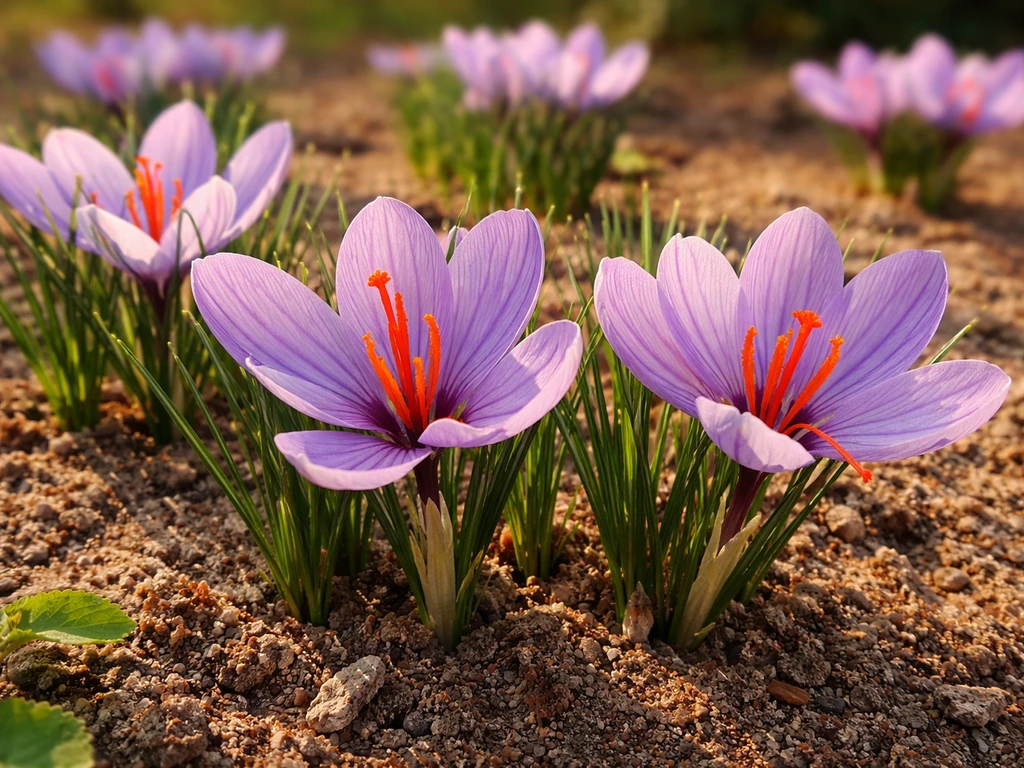
Is saffron realistically doable in Alabama?
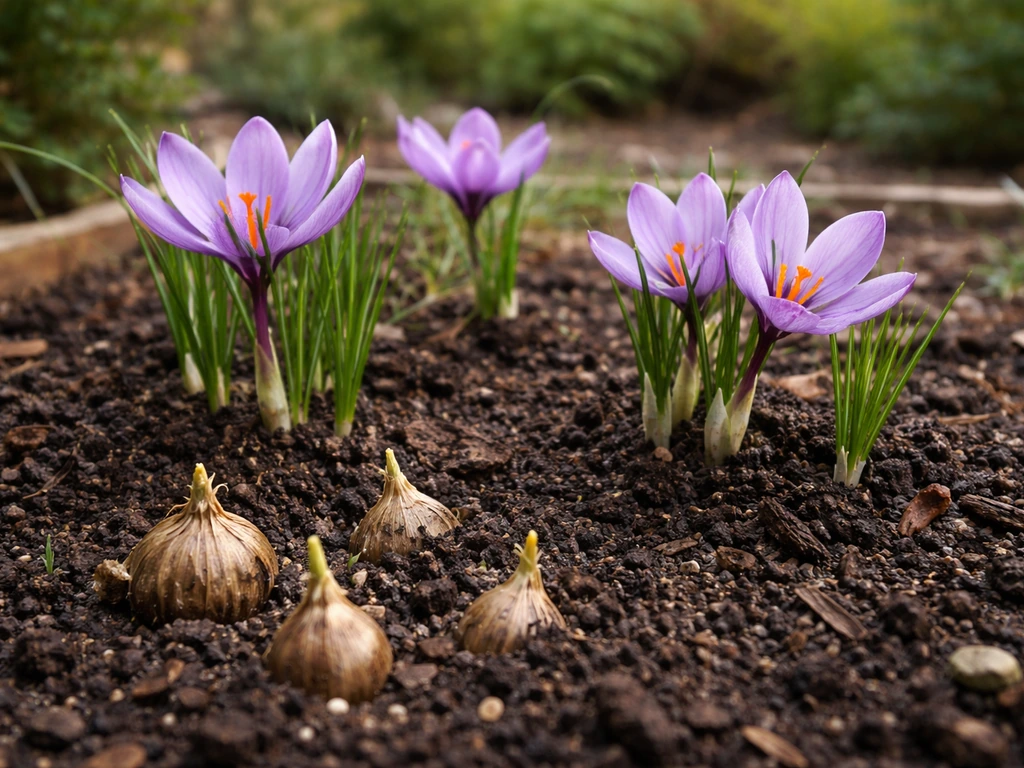
Saffron comes from Crocus sativus, a fall-blooming crocus. What you are actually doing when you "grow saffron" is planting small corms in late summer or early fall, watching them flower in October or November, and then hand-picking the three red stigmas from each flower and drying them. That is your saffron. One gram of dried saffron takes roughly 150 flowers to produce, which gives you a realistic sense of scale for a home garden.
Alabama sits mostly in USDA hardiness zones 7a through 8b, with the northern counties around Huntsville and the Shoals area dipping into zone 7a and the Mobile Bay area running warm at zone 8b. North Carolina Extension confirms saffron crocus can complete its bloom cycle in the Southeastern U.S., and the climate in northern and central Alabama is genuinely workable. The main feasibility question is not winter cold, it is summer rot. Alabama gets significant summer rainfall, and dormant saffron corms sitting in wet soil is a recipe for failure. Growers who lose their corms almost always point to drainage problems, not cold winters.
I have talked to gardeners who killed several batches before realizing their issue was not the Alabama heat but the fact that their beds turned into soggy messes from June through August while the corms were just sitting there doing nothing. Fix the drainage, and the rest gets much more manageable.
What Alabama's climate actually means for saffron
Saffron corms need three distinct seasonal conditions: a dry summer dormancy, a cool fall and winter to trigger flowering and root growth, and a moist spring for foliage regrowth before going dormant again. Can you grow saffron in Karnataka as well? The main things to check are your hot season dryness, soil drainage, and the right planting window dry summer dormancy. Alabama delivers the fall cool and the spring moisture reasonably well. What it does not naturally deliver is a dry summer, and that is the sticking point.
On the cold side: saffron does need some chilling to bloom reliably. General guidance suggests crocuses benefit from 12 to 16 weeks of soil temperatures around 35 to 45 degrees Fahrenheit for bud initiation. Northern Alabama gets this without much trouble. Central Alabama (Birmingham area, zone 7b) usually gets enough chilling. Southern Alabama near Mobile can be borderline, with mild winters sometimes not delivering enough sustained cold at the root zone, which means reduced or inconsistent blooming. Research from ISHS suggests the chilling requirements for saffron are not quite as rigid as for some spring bulbs, but consistently mild winters will eventually reduce your bloom rate.
On the heat and humidity side: saffron's natural Mediterranean cycle means it expects a hot, dry summer dormancy. Alabama summers are hot but far from dry, especially in July and August. The University of Vermont's saffron research program and multiple grower sources agree that excess moisture during dormancy is the primary killer of saffron corms. If corms stay wet for weeks at a time in warm soil, they rot. Period. Your entire strategy in Alabama revolves around solving this one problem.
Setting up the best possible planting site
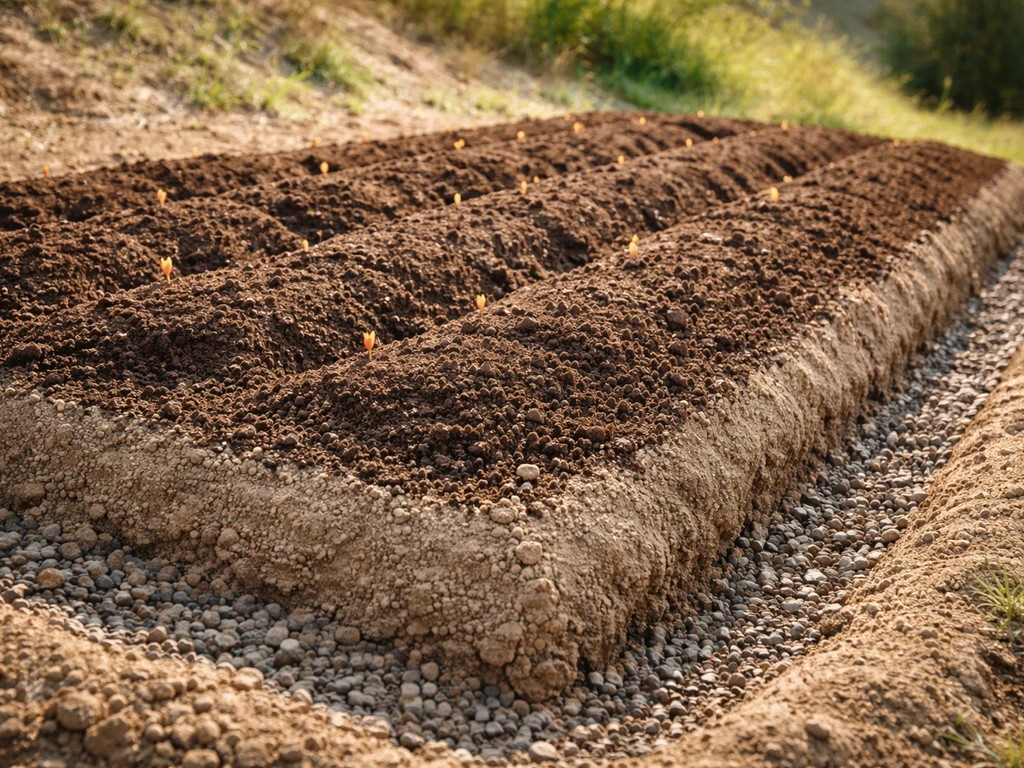
Drainage is not one factor among many. It is the factor. Nebraska Extension and University of Vermont research both flag very well-drained soil, preferably sandy loam, as the foundation of any successful saffron planting. If your garden soil is heavy clay or sits in a low spot that stays wet after rain, do not plant saffron there directly. You will lose the corms.
For outdoor beds, choose a south or southwest-facing slope or raised area that sheds water quickly. Sandy loam or amended loam with plenty of grit or coarse sand mixed in is ideal. Aim for a pH of 6.0 to 8.0, with 6.5 to 7.5 being the sweet spot for nutrient availability. If your soil is acidic (common in Alabama), a small lime application to bring pH up toward 7.0 is worthwhile. Do a basic soil test through your county extension office before planting, which costs just a few dollars and removes the guesswork.
Full sun is important. Saffron needs at least six hours of direct sun during fall and spring to drive both flowering and the photosynthesis that rebuilds corms for the following year. Avoid planting under trees or in spots that stay shaded in October and November, when the flowers appear.
Planting depth should be about 3 to 4 inches from the bottom of the corm to the soil surface, with spacing of 4 to 6 inches between corms. Tight spacing increases competition over time as corms multiply, so err toward 6 inches if you plan to leave them in the ground for multiple seasons. Plant the flat side down and the pointed tip up.
Planting and care calendar for Alabama
Timing in Alabama runs a bit later than for colder states. You want to plant when soil temperatures have dropped below about 60 degrees Fahrenheit but before any hard freeze locks the ground. In northern Alabama (Huntsville area), that window is typically late September through mid-October. In central Alabama (Birmingham), aim for early to mid-October. In southern Alabama (Montgomery south toward Mobile), late October through early November is usually better, giving the soil more time to cool.
- Late September to early November: Plant corms 3 to 4 inches deep, 4 to 6 inches apart, pointed end up. Water lightly once to settle soil.
- October to November: Flowers emerge and bloom in a 1 to 2 week window. Harvest stigmas daily as flowers open (more on this below).
- November through February: Foliage grows through fall and winter. Keep soil moderately moist but not saturated. No fertilizer needed yet.
- March: Apply a balanced slow-release fertilizer or top-dress with compost as spring foliage peaks. This feeds the corms for next year.
- April to May: Foliage yellows and dies back naturally. Stop watering as foliage fades. Do not cut foliage until it is fully yellow.
- June through August: Full dormancy. This is the critical window. Keep the soil as dry as possible. Withhold all irrigation. If your site gets significant summer rain, this is when you need to act (see the container/raised bed section below).
- Year two and beyond: After two or three seasons, corms multiply and can get crowded. Dig, divide, and replant in late summer every three to four years to maintain bloom quality.
How to harvest your saffron
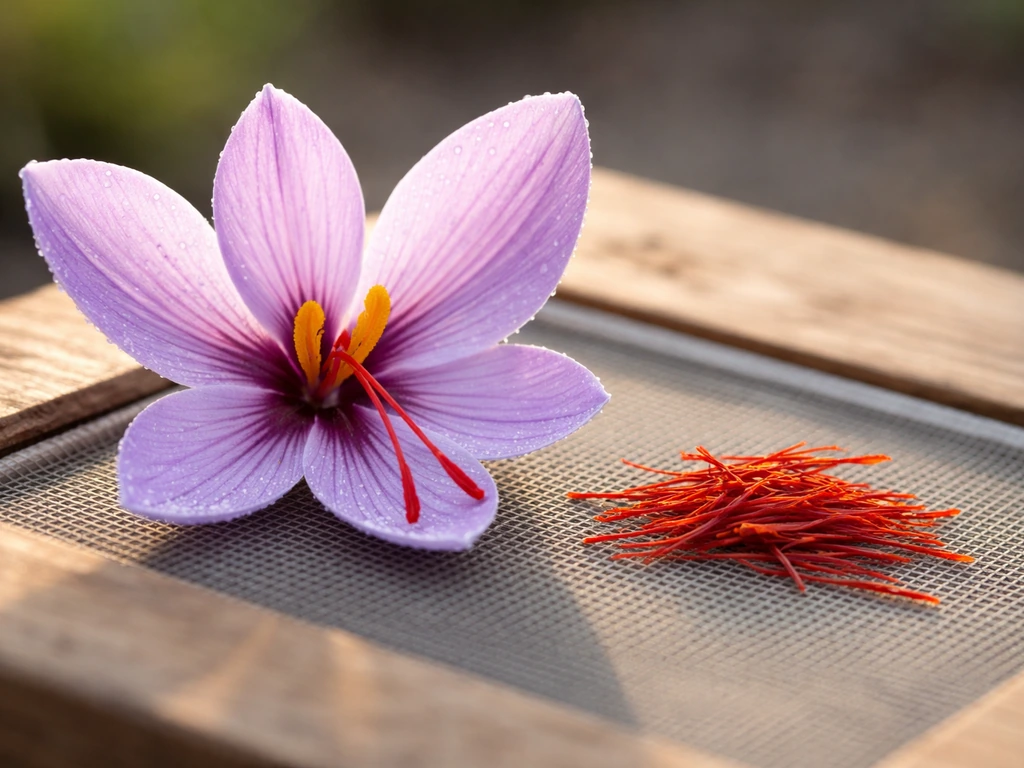
Saffron flowers open in the morning and close by afternoon, and they only stay at peak freshness for a very short window. University of Vermont harvesting guidance and White Flower Farm both recommend harvesting mid-morning on a sunny day when flowers are fully open. Do not wait until afternoon. Each flower contains three bright red stigmas, which extend up from the center of the purple bloom. Pinch them out with your fingers or small tweezers, removing the red portion only. The yellow stamens are not saffron and have no flavor value.
After picking, spread the stigmas in a single layer on a small piece of paper or a fine screen and let them dry in a warm place out of direct sunlight for one to three days until they are fully dry and crisp. Store in a small airtight glass jar away from light. Even a modest first-year planting of 50 corms can yield a small culinary amount, maybe enough for a pot of rice or a few batches of paella, which is a meaningful return for a home gardener given how expensive saffron is to buy.
Troubleshooting the problems Alabama actually throws at you
Corm rot during summer
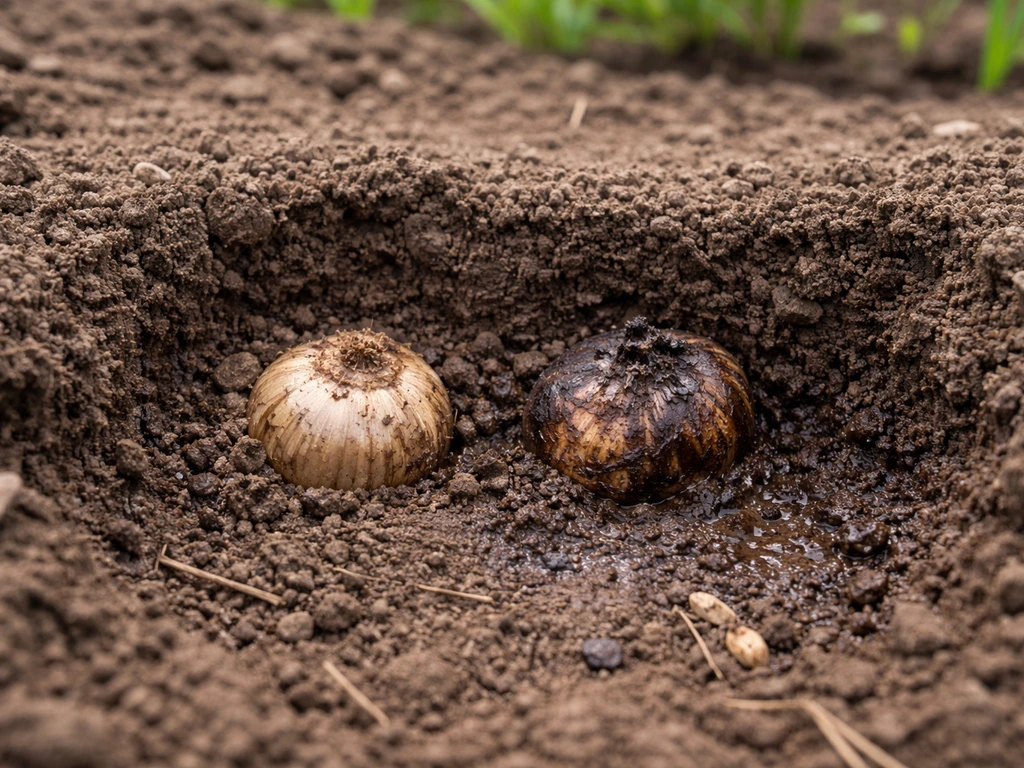
This is the number one issue for Alabama growers. Saffron corms sitting in warm, wet soil during June, July, and August will rot. If you open up a bed in September expecting to find plump corms and find mush instead, excessive summer moisture is almost certainly the cause. The fix is either a genuinely fast-draining raised bed, or getting the corms out of the ground in late spring, storing them dry in a cool area (like a garage or basement), and replanting in fall. Lifting and storing is more work but gives you complete control over summer dryness.
Poor or no blooming
If your corms survived but produced no flowers, the usual culprits in Alabama are: not enough fall chill (more common in southern Alabama), corms planted too shallow, corms that are overcrowded and need dividing, or corms that are too small to bloom (some suppliers sell very small corms that need a year of growth before they flower).
An ISHS horticulture paper also reports that newly formed replacement corms in their study had no chilling requirements, suggesting temperature history and the timing of floral induction can matter more than a simple chill-hours model not enough fall chill. Buy the largest corms you can find, often labeled as "size 10" or "top size," and give them at least one full growing cycle before expecting strong blooms.
Humidity and fungal issues
Alabama's high summer humidity can encourage fungal problems even if corms are not sitting in standing water. Good air circulation around your planting area helps, and avoiding any overhead irrigation during dormancy is essential. If you notice soft or discolored corms when you dig, remove and discard affected ones immediately and improve drainage before replanting.
Squirrels, voles, and deer
Crocus corms are attractive to squirrels and voles. A layer of hardware cloth laid just below the soil surface, or a physical barrier around the bed, will keep most of them out. Deer occasionally browse crocus foliage but are not usually a serious problem with this particular plant.
When outdoor conditions are not reliable: containers and raised beds
If your property has heavy clay soil, sits in a low spot, or you are in the wetter southern parts of Alabama, containers and raised beds are genuinely your best option, not a consolation prize. Both White Flower Farm and multiple saffron research sources describe containers as a legitimate and effective strategy, especially in wet-summer climates, because you get full control over moisture during dormancy.
For containers: use a well-draining potting mix with extra perlite or coarse grit mixed in, at least 30 percent by volume. Plant corms 3 to 4 inches deep in pots at least 8 inches deep. In October and November when flowers are blooming and through spring while foliage is up, water normally. Once foliage dies back in late spring, stop watering and move the pots to a covered area (a porch roof, garage, or shed) where they will stay dry but not freeze hard. In late summer, bring them back out and resume watering to trigger fall blooming again.
For raised beds: build beds at least 12 inches deep with a sandy loam or gritty mix that drains within a few minutes of a heavy rain. A slight crown to the bed helps shed excess rainfall. You cannot fully protect raised beds from summer rain, but fast-draining media significantly reduces rot risk compared to native Alabama clay. Some gardeners in the Southeast also cover raised saffron beds with a simple low tunnel or a piece of greenhouse plastic during the summer dormancy period, essentially mimicking a Mediterranean dry summer.
Growers in similar humid Southern climates, like Georgia and South Carolina, face the same core tradeoff and often land on the same solution: raised beds with excellent drainage give outdoor saffron a real chance, while containers give you the maximum control if your garden does not cooperate. If your main concern is the same summer-moisture problem, the guidance for can you grow saffron in texas comes down to drainage and using containers or raised beds when needed containers give you the maximum control. In South Carolina, the same drainage-first approach is usually what makes saffron cultivation possible Georgia and South Carolina. The same logic applies to Georgia: focus on fast-draining soil or raised beds so corms do not stay wet during summer dormancy.
How to set yourself up for a successful first season
Start with a drainage test. Dig a hole about 12 inches deep in your intended planting area, fill it with water, and time how long it takes to drain. If it drains within 30 to 60 minutes, you have workable soil for saffron. If water is still sitting after two hours, you need a raised bed or containers.
Buy from a reputable bulb supplier that sells saffron corms specifically (not generic "crocus mix"), and order top-size corms. For a meaningful kitchen supply, plan on at least 50 corms to start, and ideally 100 or more. Remember, roughly 150 flowers yield just one gram of dry saffron. Fifty corms might give you 30 to 40 grams of fresh stigmas that dry down to a small but usable amount. It is worth doing for the experience and the quality, but go in with realistic yield expectations.
Order corms in July or August so you have them ready to plant in late September or October when Alabama soil temperatures drop. Do not plant in hot soil, and do not wait until December. That fall planting window is the most important timing decision you will make.
Your success criteria for year one are simple: corms survive summer storage or in-ground dormancy without rotting, flowers appear in October or November, and you collect and dry at least a few stigmas. If you hit those marks, you have a working saffron garden. Year two will be easier because you will know what your specific site needs, and by year three, your corms will have multiplied and your yields will climb.
FAQ
What’s the safest way to decide if my specific Alabama yard has the drainage saffron needs?
Do a timed drain test in the exact planting spot. Dig a 12-inch hole, fill it with water, and time the drain. If it drops within 30 to 60 minutes, your site is likely workable. If it’s still sitting after about two hours, plan on raised beds or containers, because saffron corms fail most often from wet dormancy, not from winter cold.
Can I grow saffron outdoors in Alabama if I have heavy clay soil?
You can, but direct in-ground planting usually isn’t the best starting point. Heavy clay holds moisture, which raises the rot risk during June to August. Raised beds built with gritty, fast-draining media, or containers where you control the mix and the summer dryness, are the more reliable Alabama options.
Do I have to lift saffron corms in Alabama, or can I leave them in the ground every year?
You can leave them in the ground if your summer dormancy stays genuinely dry around the corms. If you’ve had “soggy” conditions, lifting is the fail-safe approach. Get the corms out in late spring, store them dry and cool, then replant in fall when soil temps drop below about 60°F.
How do I stop fungal issues when Alabama humidity is high?
Focus on airflow and moisture control during dormancy. Avoid overhead watering in late spring and summer, space corms so they are not overcrowded, and consider a barrier like hardware cloth for small pests that can create wounds. If you find soft or discolored corms when you dig, remove them immediately and improve drainage before replanting.
Is there a way to protect raised beds from summer rain without ruining dormancy?
Yes, many growers use a simple summer cover during dormancy, such as low tunnel or greenhouse plastic, as long as it keeps the planting media dry while allowing ventilation. The goal is not to keep the plants warm, it’s to prevent prolonged wet contact with the corms during July and August.
What’s the correct planting depth if I’m using containers versus raised beds?
In containers, plant about 3 to 4 inches deep (from bottom of the corm to the soil surface) and use pots at least 8 inches deep. In raised beds, follow the same general depth, but ensure the bed is deep enough (around 12 inches of well-draining media) so water doesn’t pool near the corm during heavy summer rains.
My saffron didn’t bloom. Could it be my planting depth or corm size?
Both can cause no-flower years in Alabama. Planting too shallow can reduce reliable bloom performance. Also, very small corms sometimes need an extra season to build size before they flower. Using “top size” corms labeled by the supplier and giving them at least one full growing cycle improves your odds.
How much full sun do I need in Alabama to get flowers reliably?
Aim for at least six hours of direct sunlight during fall and spring. If the area is shaded by trees or stays dim specifically during October and November, flowering drops because the corms need the light to rebuild energy for the next year.
When should I harvest saffron stigmas, and how do I avoid collecting the wrong parts?
Harvest in mid-morning on a sunny day when flowers are fully open, because the peak window is short. Pull only the red stigmas, the yellow parts (stamens) do not have saffron flavor. Dry the stigmas in a warm spot out of direct sunlight until crisp, then store them in an airtight glass jar away from light.
What’s a realistic first-year yield expectation in Alabama?
Expect a small but meaningful amount rather than a big kitchen harvest. About 150 flowers are needed for roughly one gram of dried saffron. Starting with 50 corms might produce on the order of tens of grams fresh that later reduce to a small usable dried amount, assuming your corms survive the wet-summer dormancy.
When is the best time to plant saffron corms in Alabama by region?
Use soil temperature and timing, not calendar month alone. In northern Alabama, a typical window is late September to mid-October. Central Alabama is often early to mid-October. In southern areas near Mobile, late October to early November is usually better for bloom reliability.
Next Articles
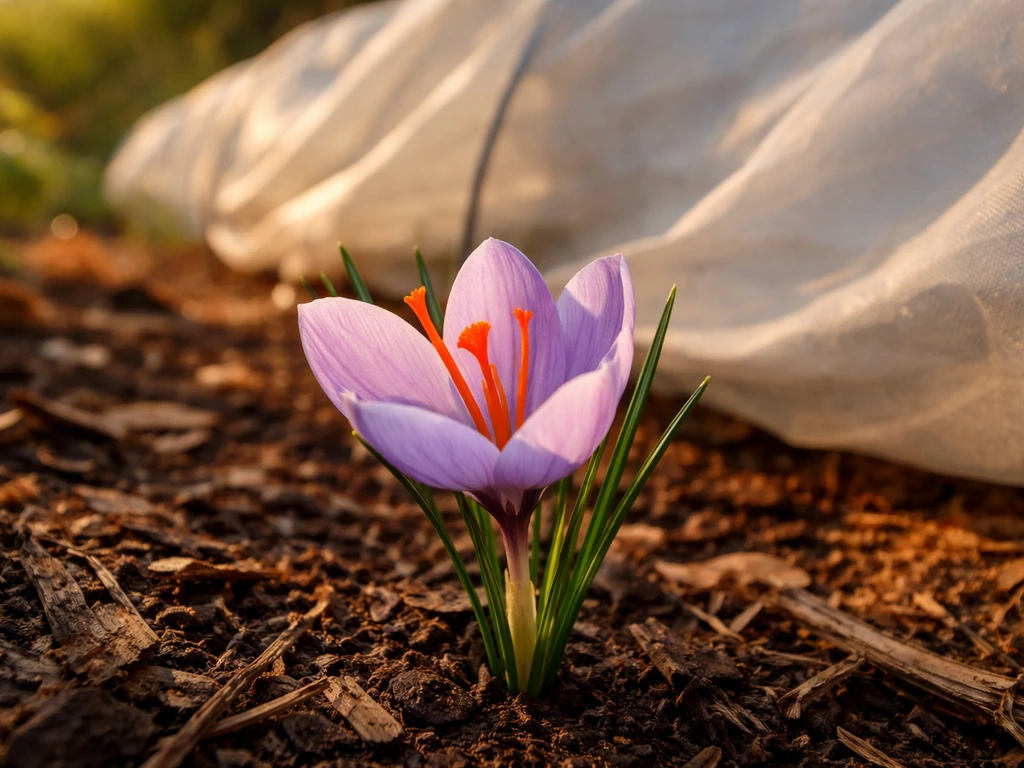
Can You Grow Saffron in South Carolina? Complete Guide
Yes with protection: learn saffron corm planting, care, and winter survival in South Carolina for small yields.
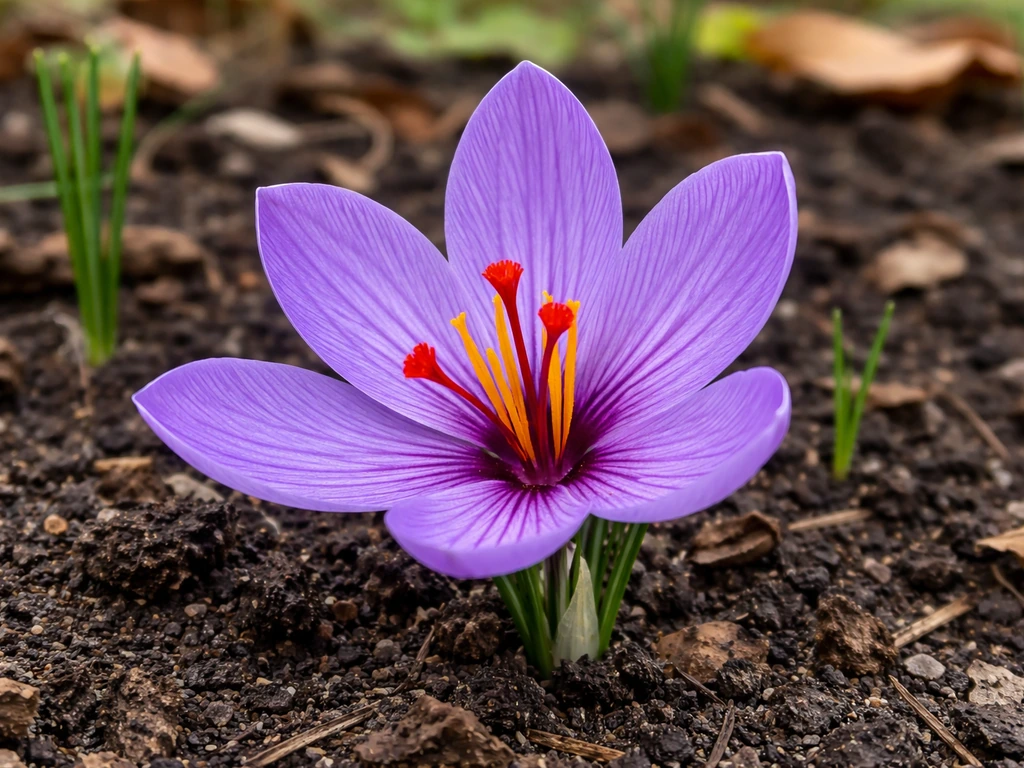
Can You Grow Saffron in Georgia? Steps, Timing, and Tips
Can you grow saffron in Georgia, USA? Learn timing, soil, planting, watering, and troubleshooting for blooms and safe ha
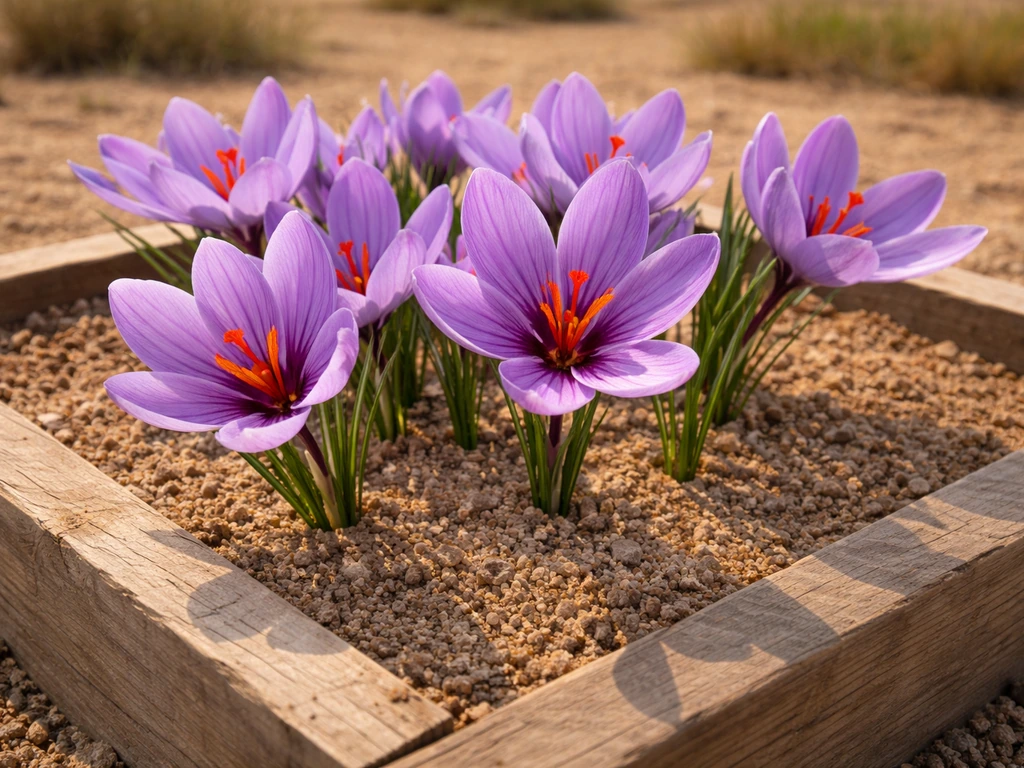
Can You Grow Saffron in Texas? How to Do It
Learn if you can grow saffron in Texas and get step by step planting, climate tips, harvesting, and thread extraction.