
Yes, you can grow saffron in Missouri, and it actually does quite well here. In Wisconsin, you can grow saffron as long as you match the same key requirements for cold dormancy and a dry, well-drained fall bloom window can you grow saffron in wisconsin. Missouri sits in USDA zones 5b through 7a depending on where you are in the state, and that range lines up well with what Crocus sativus needs: cold winters for dormancy, warm dry summers, and a crisp fall window for blooming. It is not effortless, and drainage will make or break you, but a Missouri home gardener can absolutely harvest real saffron stigmas from their own yard.
Can You Grow Saffron in Missouri? Planting and Care Guide

Marcus Petersen
4 May 2026
Reality check: Missouri climate and saffron growing feasibility
Missouri's climate is honestly a decent match for saffron when you understand what the plant is asking for. Crocus sativus is native to the Mediterranean and Central Asia, so it evolved expecting hot, dry summers followed by cold dormancy and a cool, moist fall bloom period. Missouri delivers most of that. Summers in Kansas City and St. Louis are plenty hot and can be dry enough if you stop watering at the right time. Winters get cold enough to give corms the chill they need. And fall, the critical window when saffron actually flowers, arrives reliably in October.
The biggest real-world risk in Missouri is not cold, it is wet. Missouri summers can be humid and rainy, and if your corms sit in soggy soil during their summer dormancy, they rot before they ever get a chance to bloom. The second risk is freeze-thaw cycling. St. Louis and the central part of the state can go back and forth between hard freezes and warm spells through November and December, which can heave shallow-planted corms out of the ground. Neither of these problems is a dealbreaker, but you have to build your setup around them from day one.
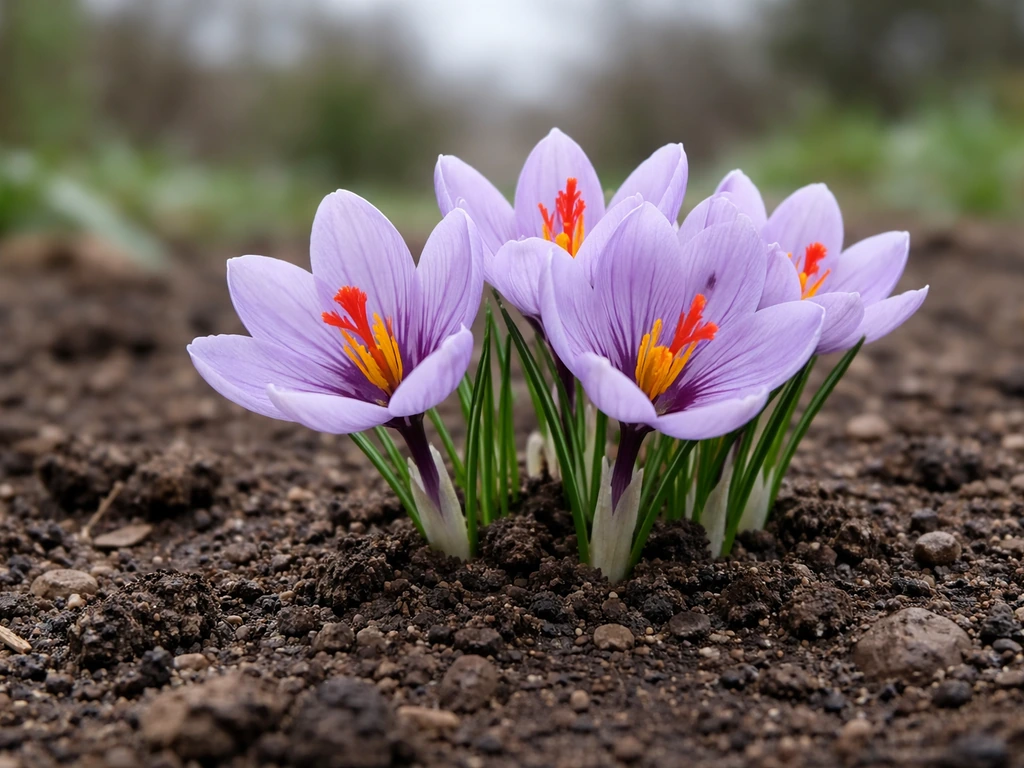
In terms of fall timing, Kansas City and Springfield typically see their first frost (temperatures at or below 36°F) in the October 21 to 31 window. St. Louis tends to see its first hard freeze (28°F or below) around October 18 as an early marker, with freezes commonly arriving in late October or into November. Saffron blooms right in that window, usually from mid-October through early November depending on your location and the season. That means you need blooms open and stigmas harvested before a hard freeze flattens the flowers. The window is short, sometimes just two to three weeks, so you have to be paying attention.
What saffron needs to grow
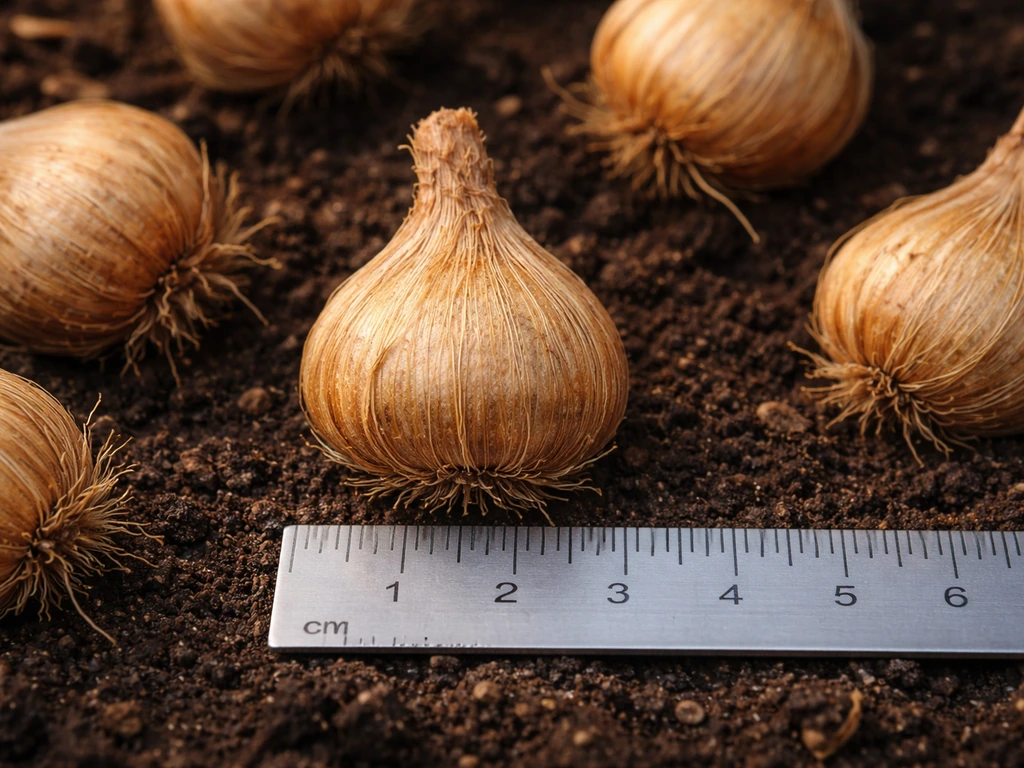
Saffron grows from corms, not seeds. A corm looks like a small, firm onion wrapped in a papery tunic. You plant them in late summer or very early fall, they sit dormant for a few weeks, then send up leaves and flowers in October. The leaves continue growing through winter and spring before the plant goes dormant again in summer. Here is what the plant actually needs to succeed.
- Corms: Start with firm, large corms (4 to 5 cm diameter or bigger). Bigger corms produce more flowers in their first season. Buy from reputable suppliers in late summer so you can plant on time.
- Cold dormancy: Saffron needs a proper cold period to reset and bloom reliably. Missouri winters provide this naturally for in-ground planting.
- Sun: Full sun, at least 6 hours per day during the fall bloom period and through spring leaf growth. Do not plant under trees that drop leaves in October and shade the blooms.
- Drainage: This is non-negotiable. Corms that sit in wet soil during summer dormancy will rot. Sandy loam or amended beds with sharp drainage are ideal. Heavy Missouri clay needs serious amendment.
- Moisture control: Moderate water in fall and spring when the plant is actively growing, but dry to bone-dry conditions through summer dormancy (June through August roughly).
- Soil pH: Slightly alkaline to neutral, around 6.0 to 8.0. Most Missouri garden soils are in this range already.
Best planting plan for Missouri
Timing is everything with saffron. In Missouri, plant your corms in August or early September at the absolute latest. If you are wondering can you grow saffron in Minnesota, start by comparing your winter chill and summer dryness to these timing needs In Missouri, plant your corms in August or early September. Many sources say September is fine, but I have seen better first-year flowering from corms planted in mid-August in this climate. The corms need a few weeks to establish roots before the bloom trigger kicks in from cooling temperatures.
Plant corms about 3 to 4 inches deep, measured from the top of the corm to the soil surface. Deeper planting (up to 5 or 6 inches) actually helps in Missouri because it keeps corms more stable during freeze-thaw cycles and protects them from temperature swings. Space corms 4 to 6 inches apart. They will multiply over the years, so tighter spacing means you will need to divide sooner, but it also means more blooms per square foot in the short term.
Place corms with the pointy end facing up and the flat root end down. If you cannot tell which end is which (this happens with very round corms), plant them on their side and they will sort themselves out. After planting, water the bed once to settle the soil, then step back. You do not need to water again until you see foliage emerging, which will happen somewhere between late September and mid-October depending on when fall temperatures cool.
| Task | Missouri Timing |
|---|---|
| Plant corms | Mid-August to early September |
| First foliage emerges | Late September to mid-October |
| Bloom window | Mid-October through early November |
| Harvest stigmas | Daily as flowers open, mid-Oct to early Nov |
| Leaves continue growing | November through April/May |
| Summer dormancy begins | Late May to June |
| Stop watering (in-ground) | Once foliage yellows and dies back |
Site setup and container vs. in-ground options
In-ground beds
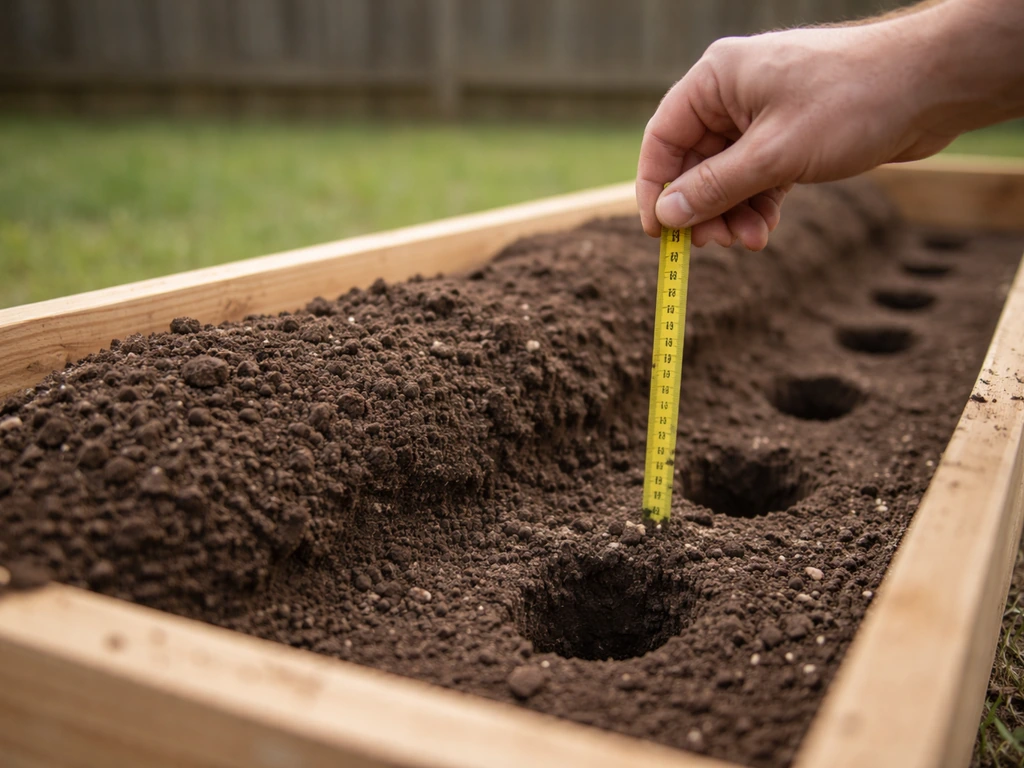
If you have a raised bed or a naturally well-drained slope, in-ground growing is the easier long-term option because it lets the corms naturalize and multiply on their own. If you have Missouri's typical heavy clay soil, you need to amend aggressively before planting. Work in several inches of coarse sand, perlite, and compost to create a bed that drains within an hour after heavy rain. Do not skip this step. I planted a test batch in un-amended clay a few years back and lost more than half the corms to rot by the following summer. The survivors bloomed poorly. Lesson learned.
Raised beds are probably the best in-ground option for most Missouri gardeners. Building a raised bed 8 to 10 inches high filled with a 50/50 mix of quality garden soil and coarse perlite or grit gives you control over drainage and eliminates the clay problem entirely. A sunny south or southeast-facing raised bed also warms up faster in fall, which can nudge blooms to open a little earlier.
Container growing
Containers are a perfectly valid approach, especially if you want tight control over moisture during summer dormancy. Use a pot at least 8 to 10 inches deep with drainage holes, filled with a gritty, fast-draining mix. The big advantage is that you can move containers under an overhang or into an unheated garage or shed during the worst of summer rain, keeping corms completely dry. The downside is that containers in Missouri can freeze solid in hard winters, which can kill corms if they are exposed on a patio. A simple solution is to sink pots into the ground for winter, or cluster them against a south-facing wall and insulate with mulch or bubble wrap.
Container corms also tend to get crowded faster than in-ground ones, so plan to repot and divide every two to three years. On the positive side, containers make it very easy to find the corms when it is time to check on them or divide.
Care during the growing season and after harvest
Once your corms are in the ground and the foliage emerges in fall, watering is pretty minimal. Missouri's natural fall rainfall usually supplies enough moisture. If October is unusually dry and you see no rain for two weeks, give the bed a light watering. The same applies through winter and into spring when the leaves are still actively growing and photosynthesizing. That spring leaf growth is what recharges the corms for next year's bloom, so do not cut or mow down the foliage while it is still green.
Once foliage yellows and dies back in late spring (usually May in most of Missouri), stop watering entirely for in-ground beds. This summer dry-down period is when most failures happen. If your bed gets a lot of rain, consider placing a clear plastic sheet or a temporary cold frame cover over it to divert water during summer. This sounds fussy, but it genuinely makes a difference in corm survival rates in Missouri's wetter summers.
Keep the bed weeded, especially during fall and spring when saffron foliage is up. Saffron grass-like leaves can look a lot like weeds to an inattentive eye (or a well-meaning family member with a trowel), so mark the bed clearly. A light layer of straw mulch applied after the first hard freeze helps moderate soil temperature swings through winter, but keep it thin, around 2 inches, so it does not retain too much moisture.
Harvesting saffron correctly
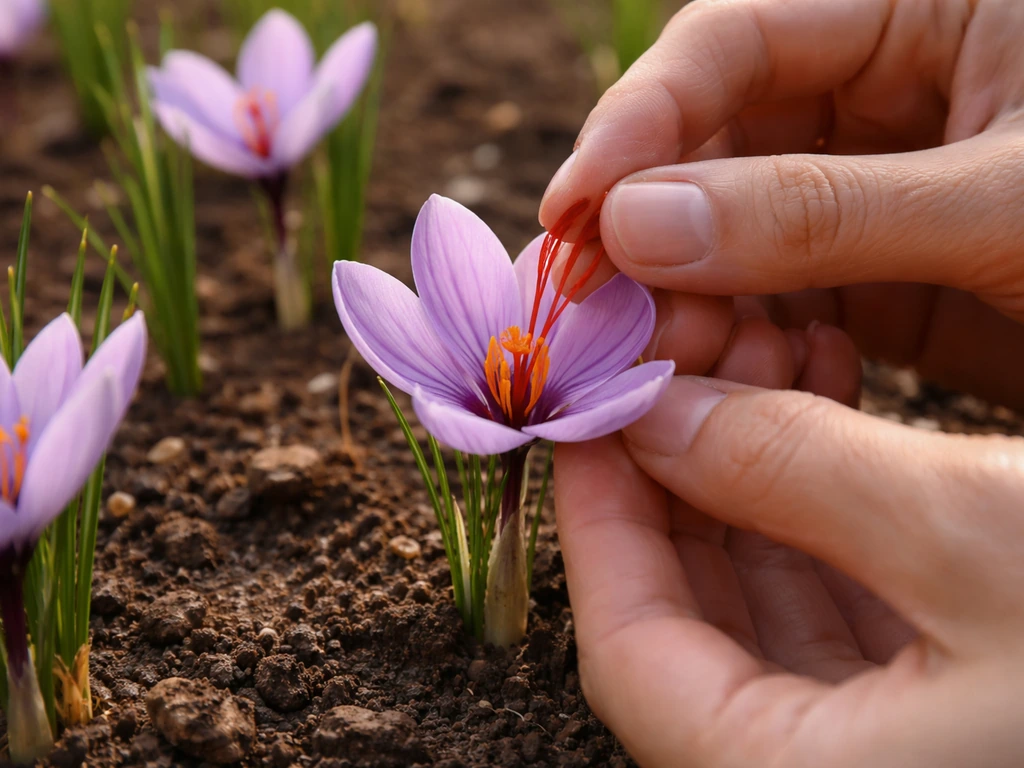
This is the part people get most excited about, and also the part that takes the most attention because the window is short. Saffron flowers in Missouri typically open from mid-October into early November. The flowers are a delicate pale to deep purple, and inside each flower are three vivid red-orange stigmas. Those stigmas are saffron.
You need to harvest the stigmas on the same day the flower opens, ideally in the morning before afternoon heat causes the petals to collapse. Pinch or snip the three red stigmas (and a bit of the attached style if they are still joined) out of each open flower. Do not pick the whole flower unless you want to separate the stigmas indoors, which is a valid approach if you have many flowers opening at once. The yellow stamens are not saffron and should not be included.
Spread freshly harvested stigmas on a paper towel or a small sieve in a warm, dry spot for a few days until completely dry. Then store in an airtight glass jar away from light. Dried saffron keeps for two to three years while retaining good flavor and color. Do not skip drying: wet stigmas stored in a jar will mold within days.
Check your bed every single morning during the bloom window. Flowers that open in the morning and are not harvested by evening are wasted. A hard frost overnight on an open flower will collapse it, so if a freeze is forecast, harvest any open or nearly open flowers before it hits.
Yield expectations, common problems, and troubleshooting
Let's be realistic about yield. Each flower produces three stigmas, and it takes blank" rel="noopener noreferrer">roughly 150 to 200 flowers to produce one gram of dried saffron. A typical healthy corm produces one to three flowers in its first blooming year. So a small planting of 50 corms might give you 50 to 100 flowers in year one, which is somewhere around half a gram of saffron. That is enough to season several dishes but not enough to stock a pantry. Over two to three years as corms multiply, yields increase meaningfully. Think of year one as your proof of concept and year three as when things start to get genuinely useful.
Common problems and what to do about them:
- No flowers at all in year one: Usually caused by planting too late (after mid-September), corms that were too small at purchase, or corms that were already stressed or dried out before planting. Use large corms and plant early.
- Corm rot: The number one killer in Missouri. Caused by poor drainage or wet summers. Fix with raised beds, amended soil, or container growing. Rotted corms have a soft, mushy feel and smell bad. Remove and discard them.
- Foliage but no flowers: This can happen with immature corms or corms that did not get adequate summer dormancy. Give them another full cycle. If it persists into year three, replace the corm stock.
- Frost damage to open flowers: If a hard freeze catches open blooms, harvest anything you can immediately. Damaged flowers will not recover but closed buds may still open after a brief freeze.
- Heaving: Freeze-thaw cycles can push corms up and out of the soil. Deep planting (5 to 6 inches) reduces this significantly. Mulch helps buffer temperature swings.
- Sparse or late blooms: Can indicate insufficient summer heat/drought period or too much shade. Move to a sunnier site or adjust your watering schedule to enforce drier summer conditions.
Overwintering, pests and disease, and planning for next years
In-ground corms in Missouri generally survive winter fine without any special protection. Zones 5b through 7a are within the hardy range for Crocus sativus, which tolerates cold down to about -10°F or so when dormant and properly established. The USDA Plant Hardiness Zone Map is based on average annual extreme minimum winter temperature, shown as 10°F zones and 5°F half-zones, which is the standard basis for interpreting plant hardiness ranges by location hardy range for Crocus sativus, which tolerates cold down to about -10°F or so when dormant and properly established. The freeze-thaw issue is the bigger concern, not outright cold kill. Applying 2 to 3 inches of straw mulch over the bed after the ground starts to freeze in late November helps stabilize soil temperature and reduces heaving risk. Remove the mulch in early spring as temperatures warm and foliage is starting to push through.
For container-grown corms, the key is keeping the pot from freezing solid. Options include burying the pot in the ground for winter (dig a hole, drop the pot in, mulch over the top), moving it to an unheated garage, or insulating it against a sheltered wall. The corms need to stay cold enough for dormancy (below 50°F or so) but not freeze solid repeatedly. A cool basement corner or unheated garage works well for this.
Pests and disease
Saffron does not have a long list of serious pests, but a few are worth watching for in Missouri. Voles and mice will eat corms underground, especially over winter. If you know you have rodent pressure in your garden, hardware cloth lining the bed or pot bottom is worth the effort. Deer and rabbits generally leave the foliage alone since it contains mild toxins. Fungal issues like fusarium corm rot are the main disease threat and are almost always linked to poor drainage or waterlogged soil, which takes us back to the drainage preparation point. There is no fungal spray fix for a poorly drained site. You have to correct the root cause.
Scaling up year over year
Saffron corms multiply each year. One planted corm typically produces two to three offsets (daughter corms) after a full growing cycle. After two to three years, lift the clump in summer during dormancy, separate the corms, and replant at proper spacing. This is how you scale from 50 corms to several hundred without buying new stock. It is also a good opportunity to evaluate corm health and discard any that look soft, shrunken, or diseased.
Plan to do a full lift and divide every three to four years. Overcrowded corms compete with each other and bloom less. Dividing them keeps the planting vigorous and increases your saffron yield season by season. Mark your calendar when you plant so you remember when the bed is due for attention.
If you are also exploring saffron growing in neighboring states, Missouri sits in a genuinely favorable middle ground. The climate considerations are broadly similar to Illinois to the east and Kansas to the west, though Missouri's humidity and summer rainfall patterns mean drainage management matters even more here than in some drier nearby regions. If you are asking can you grow saffron in Illinois, the same ideas apply: protect corms from wet summers and give them a sunny, well-drained site. Getting the drainage right from the start is what separates a thriving saffron bed in Missouri from a disappointing one. If you are wondering can you grow saffron in Ohio, the key is still matching the drainage and dormancy timing to your local climate. Do that, plant in August, give the plants full sun, and you will have real saffron on your kitchen shelf by November.
FAQ
Can you grow saffron in Missouri from store-bought corms, and how do you know they are viable?
Yes, but corms must be firm and dry, not soft or squishy. Avoid any with dark, mushy spots or a hollow, papery collapse. Before planting, keep them cool and dry, then plant promptly (late August through early September).
What is the latest time I can plant saffron corms in Missouri and still get flowers the same fall?
If you want best odds of first-year flowering, aim for mid-August through early September. Planting into late September usually gives you foliage but often reduces or eliminates bloom that season because the corms need time to establish roots before the cooling trigger.
Do I need to water saffron during summer dormancy in Missouri?
No, the goal is to keep corms dry during dormancy. In-ground beds, stop watering once spring growth yellows (around late spring). If heavy rain is expected, divert water with a temporary cover or improve drainage, instead of adding supplemental watering.
How can I tell whether my saffron bed is staying dry enough in Missouri’s wet summers?
After heavy rains, check whether the soil surface stays wet for more than a day, and do a simple drainage test before planting by flooding the bed and timing how long it takes to drain within about an hour. If water lingers, your setup will likely rot corms, and adding mulch alone will not fix it.
Should I remove leaves or mulch before bloom in Missouri?
Do not cut green foliage in spring. Let leaves remain until they fully yellow and die back in late spring, then you can manage mulch. Straw mulch helps winter temperature stability, but remove it in early spring so it does not trap excess moisture when growth starts.
Will deer or rabbits eat saffron in Missouri?
They usually leave the foliage alone because saffron has mild toxins, but browsing can happen if food is scarce. If you notice damaged leaves early in the season, use fencing or guards for that bed temporarily rather than assuming the plants will always be safe.
What should I do if my saffron flowers open during a frost or freeze forecast in Missouri?
Harvest any flowers that are open or nearly open before the freeze hits. A hard frost can collapse blooms quickly, and you cannot salvage stigmas from flowers that got flattened after freezing. If you are growing in containers, you can also move pots under cover before the coldest night.
How deep should I plant saffron corms in Missouri if my soil is heavy clay?
Planting deeper, around 5 to 6 inches, can help stabilize corms through freeze-thaw cycles, but depth will not replace drainage. In clay, you still need a gritty, fast-draining amendment or a raised bed so excess water does not sit in the corm zone.
Is raised bed growing or container growing better for Missouri gardeners?
Raised beds are often the easiest long-term choice because they improve drainage while remaining in the ground for winter stability. Containers are ideal if you can keep them from staying wet during summer and can prevent pots from freezing solid during harsh winters.
How often should I divide saffron corms in Missouri, and what signs mean it’s time?
Plan a full lift and division every three to four years. Signs include fewer flowers, smaller or weaker blooms, crowded foliage, and corms that seem tight with little space for air and drainage in the planting pocket.
What is a realistic first-year yield for saffron in Missouri, and how can I improve it?
Expect modest yields in year one, often one to a few flowers per corm. Improving yields comes from correct planting time (mid-August to early September), excellent drainage, adequate winter dormancy, and avoiding any summer watering. Most significant improvements happen by year two to three as corms multiply.
Why did my saffron come up but not bloom in Missouri?
Common causes are planting too late, corms sitting in wet soil during summer dormancy, and overcrowding. Also check that you harvested or removed interfering weeds later, since damaged foliage during spring recharge can reduce next-year flowering as well.
How should I store saffron stigmas after drying so they keep good color and flavor?
Once fully dry, store stigmas in an airtight glass jar away from light and heat. If they still feel cool or slightly tacky after drying, give them more time, because any residual moisture increases mold risk during storage.
Do I need to use fertilizer for saffron in Missouri?
Usually not for the first season if your bed is amended with compost at setup. The bigger priority is preventing waterlogging. If growth looks weak despite good drainage, use only light, conservative feeding in spring, and avoid heavy fertilization that can encourage soft, disease-prone corms.
Next Articles
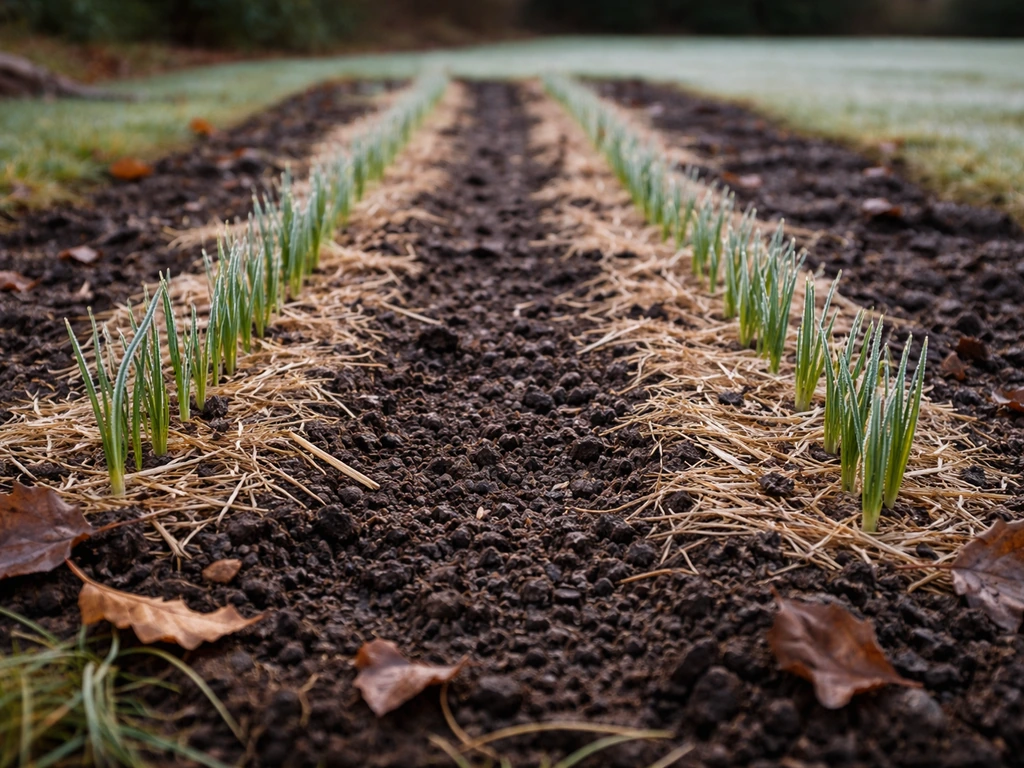
Can You Grow Saffron in Minnesota? Step-by-Step Guide
Learn if you can grow saffron in Minnesota and get step-by-step tips for planting, winter survival, protection, and harv
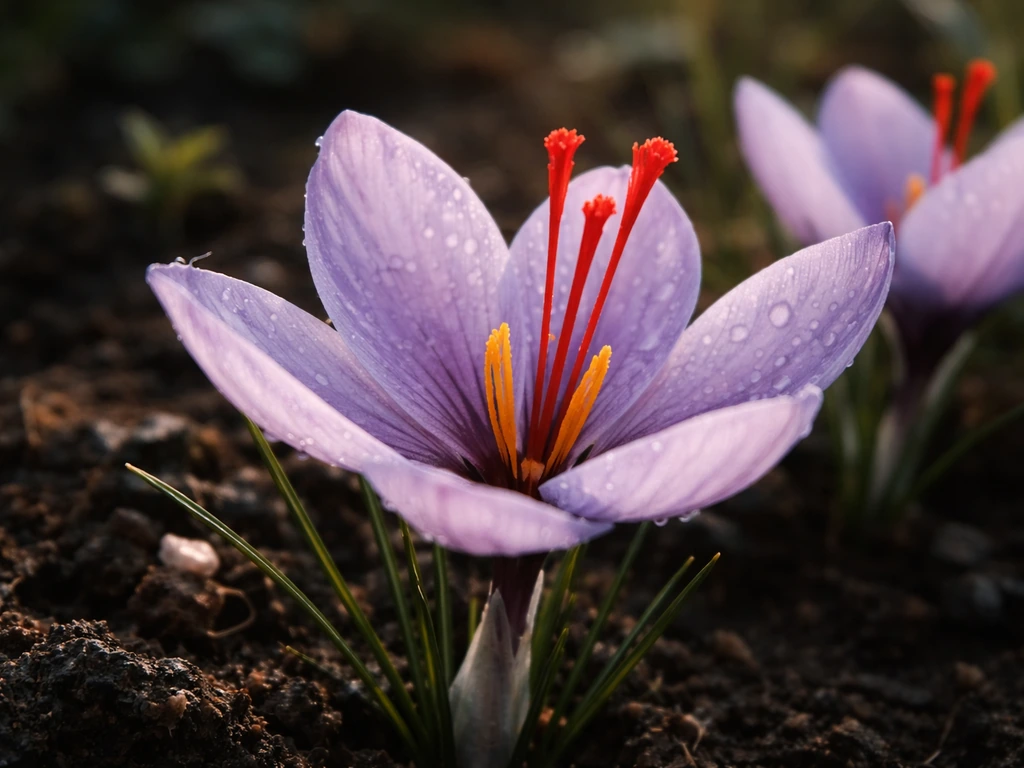
Can You Grow Saffron in Wisconsin? A Practical Guide
Yes: learn how to grow saffron in Wisconsin with chill needs, planting steps, drainage tips, winter protection, and trou
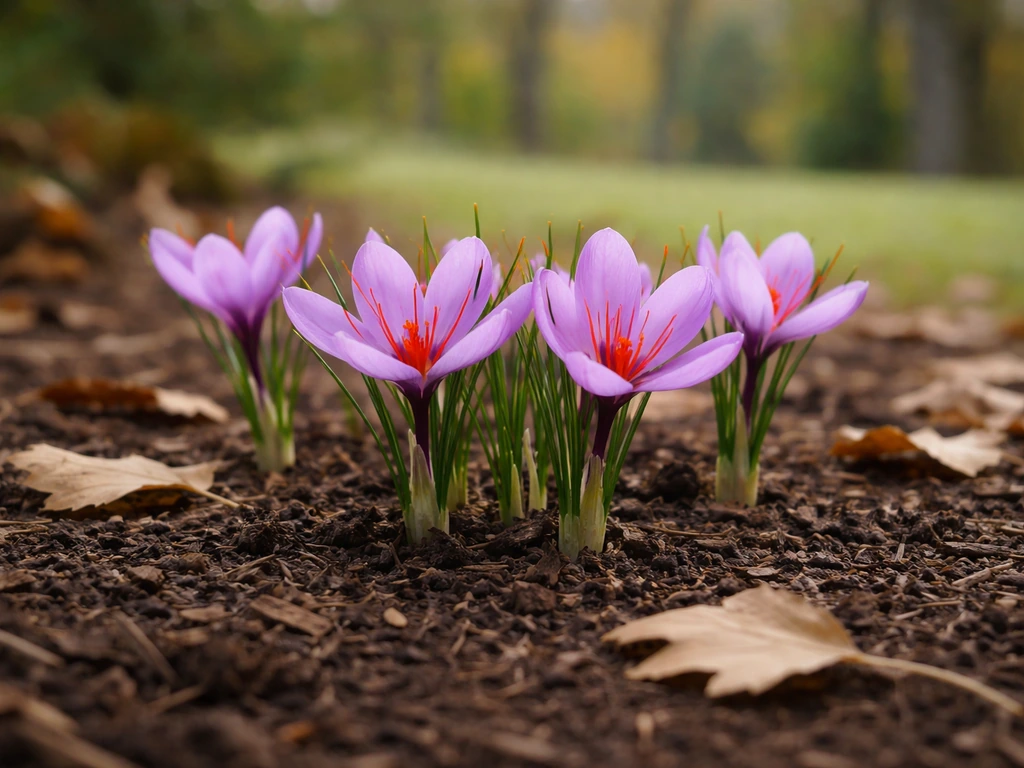
Can You Grow Saffron in Ohio? Step-by-Step Guide
Learn if you can grow saffron in Ohio, plus step-by-step planting, care, harvest, and fixes for common failure points.