
Yes, you can grow saffron in Minnesota, but it takes more deliberate setup than in warmer states. Minnesota sits mostly in USDA zones 4 to 5b, and while saffron crocus (Crocus sativus) is typically recommended for zones 6 through 9, gardeners in colder climates including Quebec and New England have made it work. The honest answer is that your corms can survive a Minnesota winter with good drainage and some protection, and you will get flowers. What you probably won't get is a large culinary harvest, at least not in the first year or two. But if you go in knowing that, it's a genuinely rewarding crop to try.
Can You Grow Saffron in Minnesota? Step-by-Step Guide

Marcus Petersen
3 May 2026
How saffron actually grows, and why that matters in a cold state
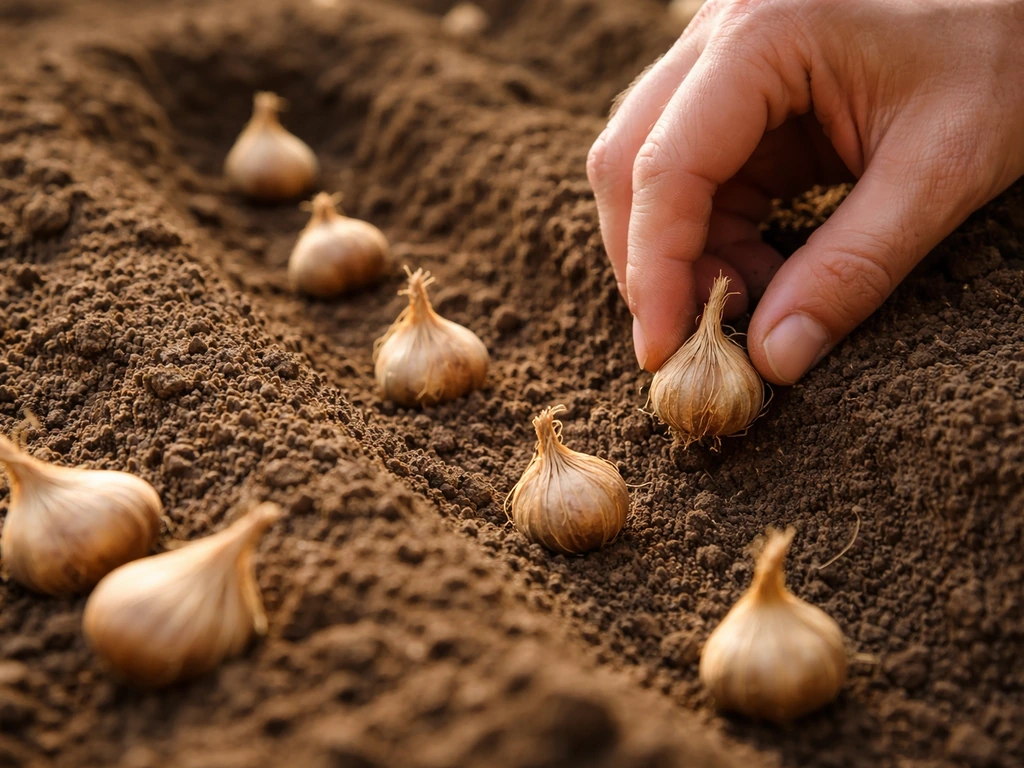
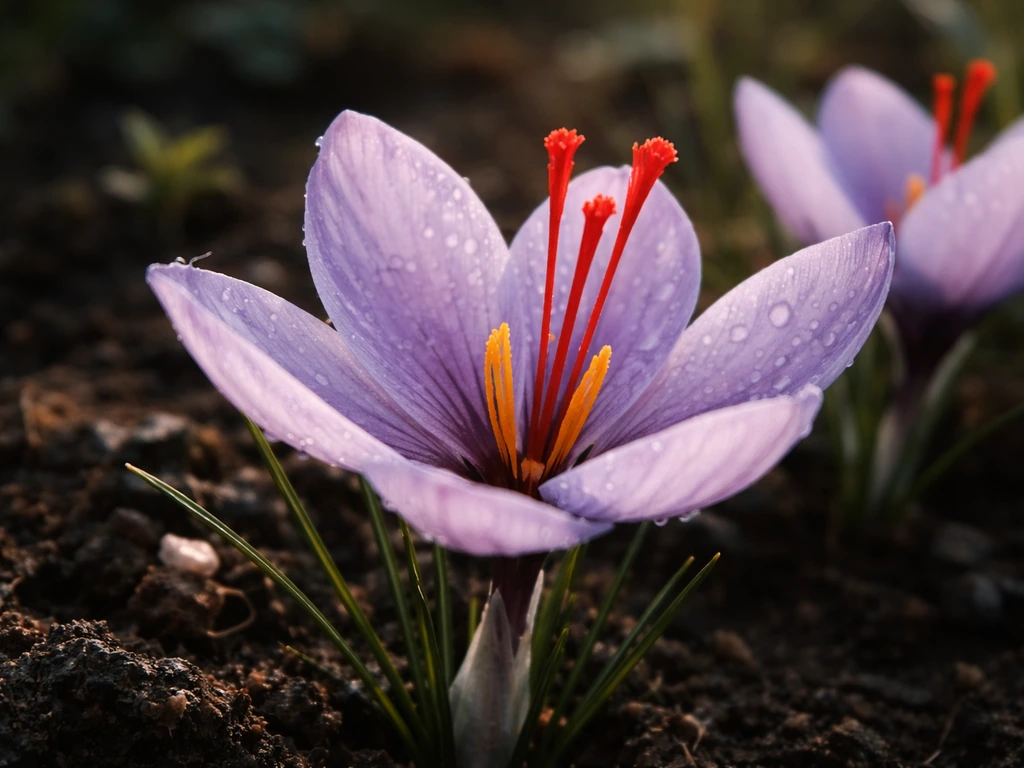
Saffron doesn't grow from seed. You plant corms, which are swollen underground storage organs that look a lot like garlic cloves with a papery skin. Each corm goes dormant through summer, then breaks that dormancy in fall when soil temperatures drop. Flowers appear first, before the grass-like foliage fully emerges, typically in October or early November in Minnesota. The three red stigmas inside each flower are the saffron threads you harvest. Once flowers finish, the foliage grows through winter and into spring, then dies back completely by early summer. The corm spends the summer dormant underground.
That lifecycle creates two main problems in Minnesota. First, winter temperatures here regularly drop to single digits or below in the Twin Cities (average January lows hover around 7.5°F), and much colder further north. Crocus sativus can handle frosts down to about 14°F and short periods of snow cover, but sustained frozen soil can kill corms, especially in exposed sites with no insulating snow. Second, spring and fall in Minnesota can be wet, and wet soil around dormant corms is a fast track to corm rot caused by Fusarium oxysporum and related pathogens. Drainage is not optional here. It's the single biggest factor separating success from failure.
Picking the right spot: sun, soil, and drainage
Site selection is where most Minnesota gardeners either set themselves up to succeed or quietly doom their corms before they even plant. You need a south-facing or southwest-facing bed that gets at least 5 to 6 hours of direct sun per day, especially around bloom time in October. Avoid shaded spots near fences, trees, or structures. Research on cold-climate saffron production found that even partial shading from forest edges meaningfully reduced flowering rates, so this isn't a minor point.
Soil drainage is equally critical. Aim for a sandy loam or well-amended loam with a pH between 5.5 and 7.8. If your yard has heavy clay soil, which is common across much of the Twin Cities metro and southern Minnesota, you need to amend the top 10 inches before planting. Mix in coarse sand and compost to improve drainage. A raised bed is an excellent option here and gives you much better control over both drainage and soil temperature. Waterlogged soil even for short periods, especially in fall and spring, dramatically increases rot risk.
When and how to plant: timing, depth, and spacing
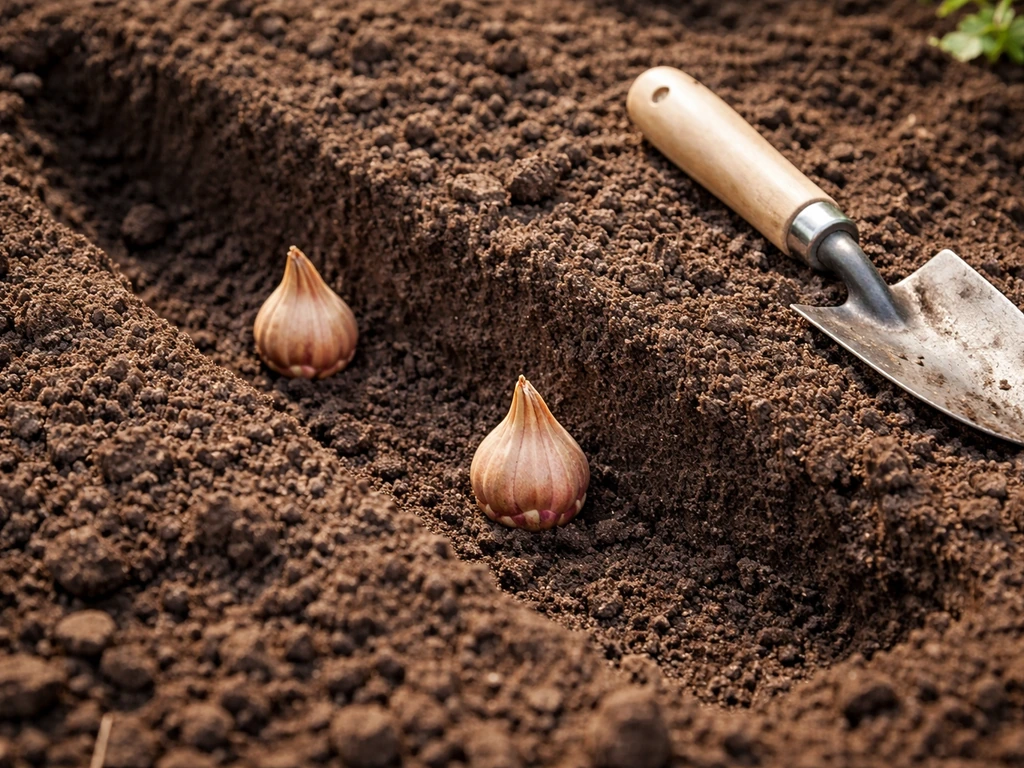
Plant your corms in late summer to early fall, typically mid-August through September in Minnesota. The goal is to get them in the ground when soil temperature has dropped below 60°F but before the ground freezes, giving the corms about 6 to 8 weeks to settle in before hard frost. In the Twin Cities, that window is roughly mid-August to late September. In northern Minnesota, err toward the earlier end of that range.
Plant corms 3 to 4 inches deep and 3 to 4 inches apart, with the pointed end facing up. If the soil is dry at planting, water them in once and then leave them largely alone until rain takes over. Deeper planting (closer to 4 inches) can offer a small buffer against freeze-thaw at the surface, which matters in Minnesota springs when temperatures swing dramatically.
Winter protection options
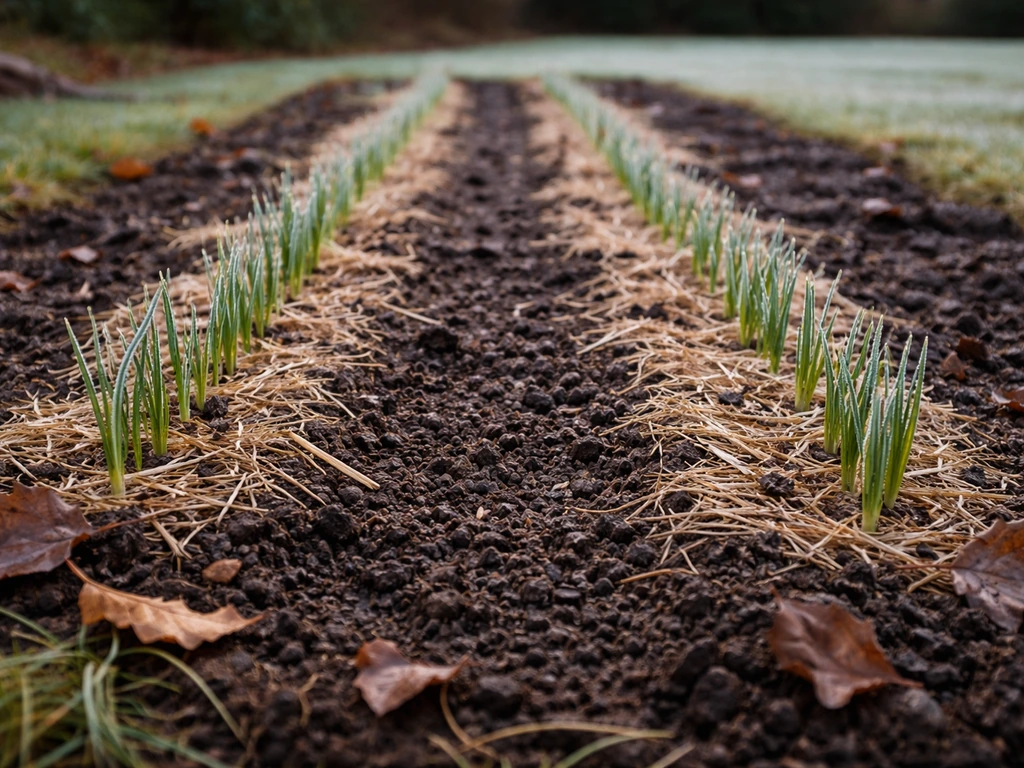
In zones 4 and 5, some form of winter protection significantly improves corm survival rates. The simplest approach is a 4 to 6 inch layer of loose mulch, straw works well, applied after the ground begins to freeze in late November or early December. The goal is to insulate the soil and prevent the repeated freeze-thaw cycles of early spring from heaving corms out of the ground or stressing them. Remove the mulch in early spring when temperatures stabilize above freezing.
A more involved but effective option used in northeastern US field studies is a low tunnel: wire hoops covered with row cover and a layer of plastic, positioned so snow can slide off. Low tunnels moderate soil temperature swings and reduce winter moisture infiltration. If you're serious about consistent flowering from year to year in Minnesota, a low tunnel over your saffron bed is worth the effort. Set it up in late October or early November, after foliage has emerged but before hard freezes arrive.
Care through the growing season
Once your corms are established, the care routine is fairly minimal but specific. Saffron doesn't want a lot of water. The most dangerous time is late summer when corms are dormant and soil can stay wet from summer storms. If you're growing in the ground in a naturally well-drained area, you may not need to do anything. If your site retains moisture, consider covering the bed loosely during heavy rain periods in July and August to prevent waterlogging.
In fall, when shoots and flowers emerge, natural rainfall in Minnesota is usually sufficient. Avoid overhead irrigation at this point because wet foliage and flowers increase disease pressure. Feed corms lightly with a low-nitrogen, phosphorus-forward fertilizer in early fall before flowering to support flower development and new corm formation. Heavy nitrogen feeding pushes foliage at the expense of flowers.
Through winter and into spring, the foliage stays green and photosynthesizes. Leave it alone. Don't cut it back. It feeds the corm and builds next year's flowering potential. The foliage will die back on its own by early June, and that's when you leave the bed completely dry and undisturbed through the summer dormancy period.
Harvesting saffron: what to actually expect in Minnesota

Flowers appear in October in most Minnesota locations. Each flower contains three bright red stigmas, and those are your saffron threads. Harvest them by hand in the morning on the day the flower opens, pinching out just the stigmas. They dry quickly at room temperature or in a warm spot away from direct light.
Here's the honest math. Each corm produces roughly 1 to 4 flowers, with first-year corms often on the lower end, especially in cold climates. Each flower gives you three stigmas, roughly 30 mg fresh weight or about 7 mg dried per flower. To get a single gram of dried saffron, you need around 150 flowers. If you plant 50 corms and get a generous 2 flowers each, that's 100 flowers and under a gram of saffron. A small but meaningful pinch, enough to flavor a few dishes, but not a pantry staple.
The honest framing for most Minnesota home gardeners is this: a bed of 50 to 100 corms gives you enough saffron to cook with a handful of times per year. It's real saffron that you grew yourself, which is genuinely satisfying. But if you're hoping to replace what you'd buy at the store, you'd need a much larger planting. Think of it as novelty with culinary upside rather than self-sufficiency.
When things go wrong: diagnosing common failures
No flowers or shoots in fall
If your corms survive winter but produce no flowers, the most common culprits are planting timing (too late, so corms didn't establish before dormancy), shade (not enough sun at bloom time), or corms that weren't at the right vegetative stage when cold hit. Cold-climate research has found that flower number per corm can drop sharply if plants aren't adequately developed before winter exposure. Make sure you're sourcing large, fresh corms each time you expand your planting. Undersized corms produce fewer or no flowers.
Corm rot
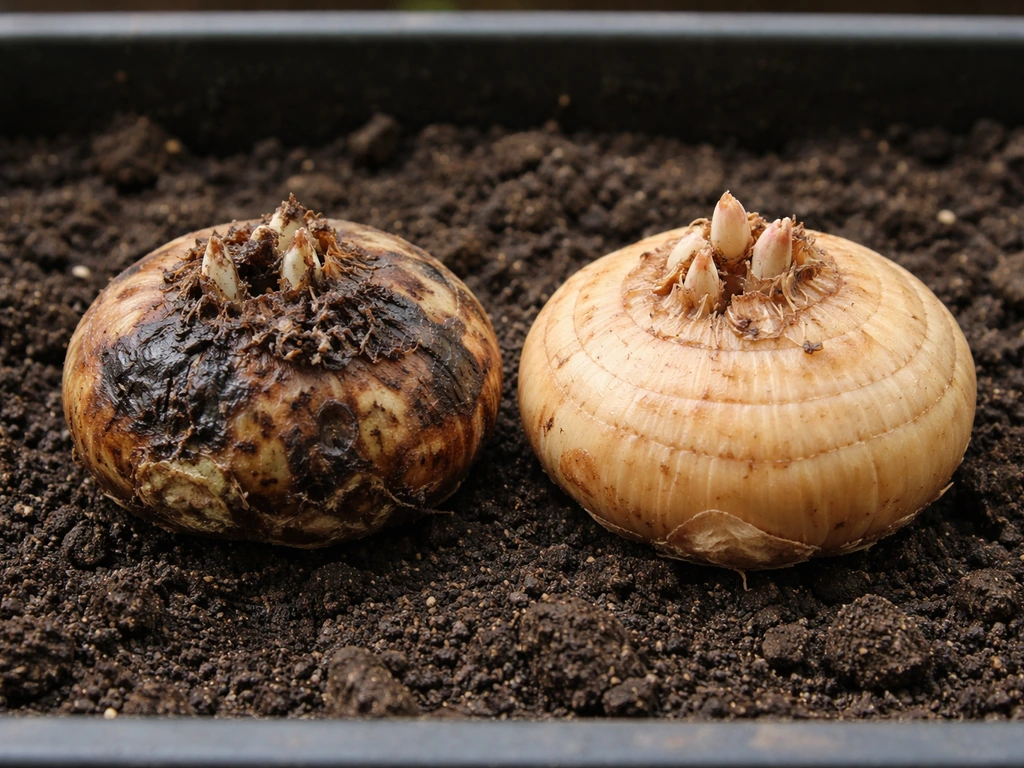
Rot is the most common failure in Minnesota. It's usually caused by Fusarium oxysporum in wet soil conditions, and it's made significantly worse by physical damage to the corm. Handle corms gently at planting, never plant into waterlogged soil, and don't plant too shallow where freeze-thaw can crack and injure them. Research has shown that without tissue injury, pathogens have a much harder time establishing. Good drainage combined with careful handling eliminates most rot risk.
Winter kill
If corms don't emerge at all the following fall, winter kill is the likely cause. This is more common in northern Minnesota zones 4 and 4b, where January lows can reach -25°F or colder. In those areas, mulching alone may not be enough and low-tunnel protection becomes essentially mandatory. If you lose a bed in a brutal winter, treat it as data and try again with better insulation the following year.
Pests and other issues
Squirrels, voles, and chipmunks will dig up and eat corms. Cover freshly planted beds with hardware cloth laid flat over the soil surface until the ground freezes, then remove it. Deer generally leave saffron alone. Slugs can damage emerging foliage in wet springs but rarely cause serious harm.
Microclimates across Minnesota and your practical plan for this year
Minnesota isn't one climate. The Twin Cities metro sits in zone 5a to 5b, which is the most hospitable part of the state for saffron. Urban heat islands in Minneapolis and Saint Paul can push conditions close to zone 6 in sheltered city gardens, making saffron cultivation genuinely straightforward with mulch protection. Duluth and the Iron Range are solidly zone 4, and success there requires low tunnels plus heavy mulch and probably some willingness to replant every few years after hard winters. Southern Minnesota, from Rochester toward the Iowa border, is intermediate and generally easier than the north.
If you're in the Twin Cities or southern Minnesota and have a south-facing raised bed or a warm, sheltered spot against a south-facing wall, you have a realistic shot at consistent multi-year flowering with basic mulch protection. If you're north of Duluth or in an exposed rural site, lower your expectations for the first few winters and focus on protecting your investment with a low tunnel.
Minnesota's situation is fairly comparable to what gardeners face in Wisconsin and Michigan, both of which share similar zone ranges and freeze-thaw challenges. For a similar cold-climate comparison, Ohio gardeners often look to Wisconsin and Michigan practices where freeze-thaw and drainage make or break saffron. Wisconsin gardeners can take similar steps, especially around site selection, drainage, and winter protection. Can you grow saffron in Michigan? If you match Minnesota-like conditions with excellent drainage and winter protection, it is often possible. Ohio and Illinois gardeners have a slightly easier time due to warmer zone averages, while Missouri gardeners in zone 6 can grow saffron with almost no special intervention. If you're wondering, can you grow saffron in Missouri, the answer is often yes when you pick a sunny, well-drained site and protect against wet winter soil Missouri gardeners in zone 6 can grow saffron. That warmer tilt is exactly why you can grow saffron in Illinois if you match it with strong drainage and some winter protection Ohio and Illinois gardeners have a slightly easier time.
What to do this year, step by step
- Order corms now from a reputable supplier (Johnny's Selected Seeds, Dutch bulb suppliers, or specialty saffron growers in North America) so they arrive in August.
- Choose your site: south-facing, full sun, well-drained. If your soil is heavy clay, build or source a raised bed and fill it with sandy loam amended with compost.
- Plant corms mid-August to mid-September, 3 to 4 inches deep, 3 to 4 inches apart, pointed end up. Water in once if soil is dry.
- Cover the bed with hardware cloth immediately to deter rodents. Remove once the ground hardens.
- Apply a light balanced fertilizer around your planting area in early September before flowering starts.
- Watch for flower emergence in October. Harvest stigmas on the morning the flower opens.
- After bloom, let foliage grow undisturbed through winter and spring.
- In late November, apply 4 to 6 inches of straw mulch after the ground starts to freeze. If you're in zone 4 or a particularly exposed location, set up a low tunnel before mulching.
- Remove mulch in early to mid April when consistent above-freezing temperatures arrive.
- Let foliage die back naturally in May or June. Keep the bed dry through summer. Repeat in fall.
Worth trying if you have a sunny, well-drained spot and realistic expectations about yield. I'd start with 25 to 50 corms in your best microclimate, treat it as an experiment, and scale up once you've confirmed your site works. The first year is mostly about establishing corms and learning your site. Year two and three, when corms have multiplied and settled in, is when you really start to see what your garden can do.
FAQ
Can you grow saffron in containers in Minnesota?
Yes, but only if you can control both drainage and the winter temperature swing. For containers, use a wide pot with drainage holes, an unglazed or insulated outer pot (to reduce freeze cracking), and a gritty mix (sandy loam plus extra coarse sand or pumice). Plant corms at about 3 to 4 inches depth, then keep the pot just barely moist during fall establishment and mostly dry in winter. In Minnesota, you will usually need to move the container to an unheated garage or bury it in mulch for insulation, because corms are far more likely to rot in wet, stagnant potting media.
What’s the best planting date if I’m not sure about my soil temperature?
Store-bought corms often get sold for specific timing, but in Minnesota you should still aim to plant when soil has cooled below about 60°F and before hard freezes, typically mid-August through September depending on your location. Planting too early can push corms to develop before dormancy properly, while planting too late increases the odds that they are not established by the first deep cold. If you are unsure, measure soil temperature near the planting depth rather than relying only on calendar dates.
Can I interplant saffron with other flowers or vegetables in Minnesota?
Potentially, but you should not assume corms will thrive in the same way as established beds. In-ground saffron tends to be more reliable because temperature and moisture change more gradually through the soil. If you share beds with vegetables, choose plants that do not require heavy digging or frequent watering, and do not apply nitrogen-heavy fertilizer. Also avoid using mulch that you might later disturb for other crops, because saffron foliage needs to remain intact until it naturally dies back.
Why do my corms rot even when winter protection is in place?
They can, especially with poor drainage or if you accidentally damage corms during planting. Handling matters because wounds let pathogens in, rot is then accelerated by wet soil. Lift corms with care, do not rub off the papery skin, and never plant into a spot that puddles after rain. If your soil stays soggy for more than a day or two in fall, consider raised beds or a low tunnel approach instead of trying to “fix it” with watering changes.
Will hardware cloth really stop squirrels and voles, and when should I remove it?
Squirrels and voles are the main threats, and hardware cloth works best when placed in a way that animals cannot dig underneath. Lay hardware cloth flat over the soil surface after planting and secure the edges, then remove it after the ground is frozen and the corms are safely buried. If you remove it too early, animals may still find the corms when the soil is workable. For persistent vole pressure, you may need to keep protection on longer at the start of the season.
If my bed is sunny in summer, will saffron still fail if fall light is reduced?
Yes, shade can show up as “no flowers” even if plants survive. Since saffron flowers in October to early November, the key is sun exposure during that bloom window, not just overall summer hours. A fence or tree casting partial shade for even a couple hours around bloom time can reduce flowering rates, so prioritize a south or southwest bed that is unobstructed in late fall.
How many corms should I start with in Minnesota if I want to cook with it?
If your goal is culinary saffron threads, you should plan for modest yield and a learning curve. Minnesota home plantings often produce only a pinch of dried threads initially, and you may see better corm multiplication and flowering in year two or three as the bed settles in. A practical approach is to start small in your best microclimate (for example, 25 to 50 corms), then expand once you confirm you can reliably get flowers.
How should I apply and remove winter mulch for saffron corms in zones 4 to 5?
Mulch is mainly for stabilizing freeze-thaw and insulating the soil, not for creating a warm blanket all winter. Apply it after the ground begins freezing so you are insulating against temperature swings, and remove it in early spring when temperatures stabilize above freezing. Leaving heavy mulch in place too long can keep soil colder than the corm needs, and it can trap winter moisture in some sites.
What should I troubleshoot first if my saffron grows leaves but doesn’t bloom?
If you get foliage but no flowers, check three things first: whether there was enough sun at bloom time, whether corms were large and fresh enough, and whether the corms established during the correct fall window. Also avoid cutting foliage, because the leaves feed next year’s flowering potential. If corm size is small or you bought questionable stock, consider replacing with larger, healthy corms when you replant.
Is a low tunnel worth it, and how do I avoid problems like overheating or trapped moisture?
A low tunnel can help with both winter kill risk and winter wetness, but it must be vented appropriately to avoid condensation and overheating on sunny days. Set it after foliage has emerged but before deep freezes, and ensure snow can slide off so it does not hold water around the bed. If you live in a very wet area, pair the tunnel with raised-bed drainage, because the tunnel reduces stress but does not replace good drainage.
Next Articles
Can You Grow Saffron in Wisconsin? A Practical Guide
Yes: learn how to grow saffron in Wisconsin with chill needs, planting steps, drainage tips, winter protection, and trou

Can You Grow Saffron in Ohio? Step-by-Step Guide
Learn if you can grow saffron in Ohio, plus step-by-step planting, care, harvest, and fixes for common failure points.

Can You Grow Saffron in Michigan? How to Do It
Learn if saffron grows in Michigan and get a step by step plan for planting corms, winter care, and harvesting threads.