
Yes, you can grow shampoo ginger lily in Canada, but not as an outdoor perennial anywhere in the country. If you're trying to grow ginger in California instead, you can usually treat it as a warm-season crop with outdoor planting in spring and plenty of sun. Every province gets hard frost, and these plants cannot survive frozen soil. What works across most of Canada is treating it as a summer container plant: grow it outside from late spring through early fall, then bring it indoors before the first frost. That's the whole strategy in one sentence. Everything below is about making that strategy actually succeed.
Can You Grow Shampoo Ginger Lily in Canada? How To

Marcus Petersen
5 Jul 2026
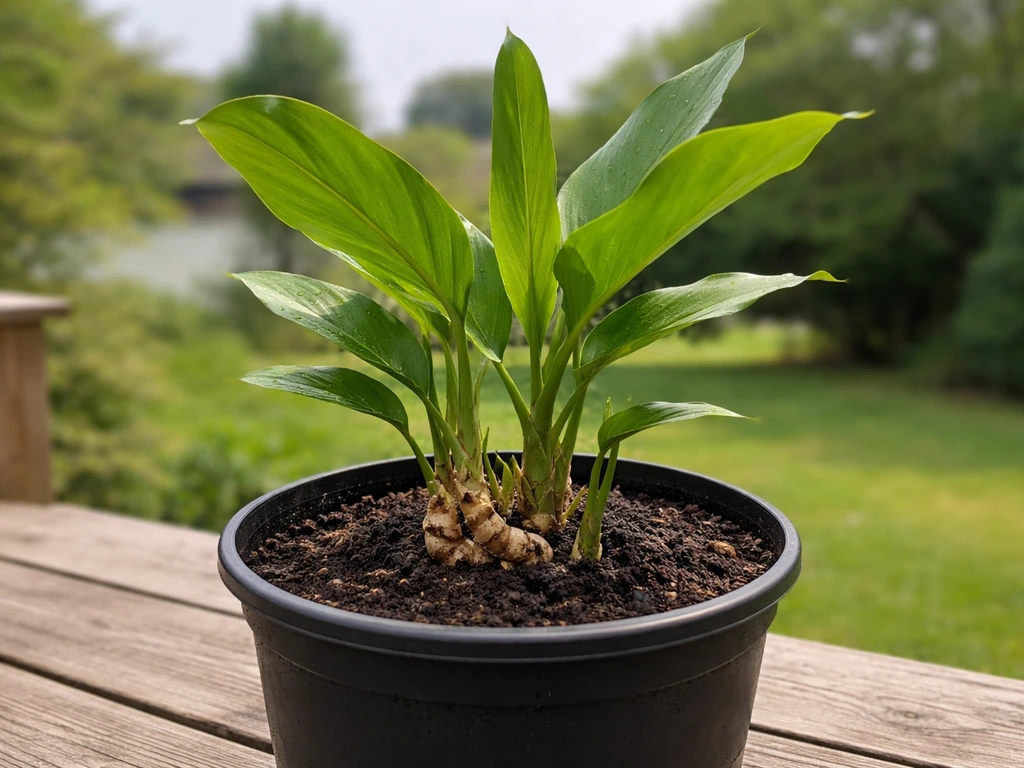
Where in Canada it can (and can't) work
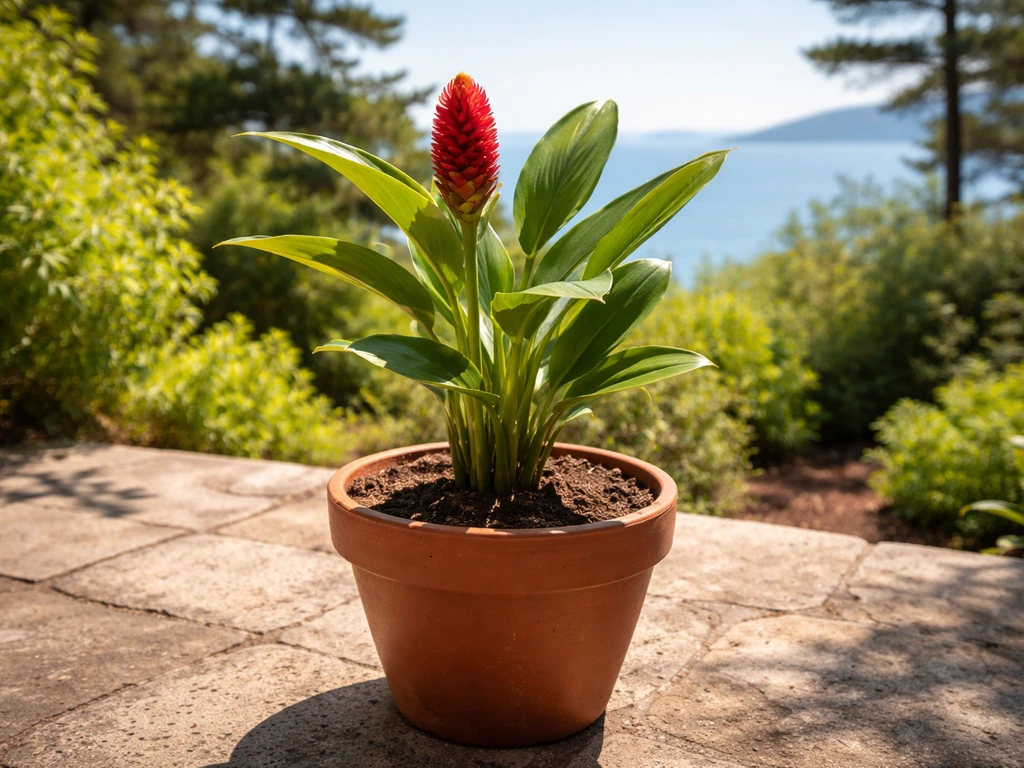
Canada doesn't have a single climate, so the answer varies a bit by province. The warmer pockets of southern British Columbia, the Fraser Valley, and Vancouver Island come closest to the plant's preferred conditions, with mild summers and relatively short frost windows. If you are asking about growing shampoo ginger in California, you are basically looking for the same idea as the mildest coastal climates in Canada: warm conditions and protection from frost Vancouver Island. Gardeners there get the longest viable outdoor season and the best results. In Ontario, Quebec, and the Prairie provinces, summers are warm enough for solid growth, but winters are brutal and any in-ground attempt will kill the rhizomes. The Maritimes fall somewhere in between. In every case except the mildest BC microclimate, the container-and-overwinter method is mandatory.
The core problem is simple: shampoo ginger is rated for USDA zones 8 to 12, and almost all of Canada sits in zones 5 or colder outdoors. Even zone 8-equivalent spots in BC still get occasional hard freezes that can catch rhizomes left in the ground. If you're in Canada and want this plant, containers are your path forward, not a workaround.
Wait, which plant are we actually talking about?
This is worth sorting out before you buy anything, because the name 'shampoo ginger lily' gets used for two different plants, and they have meaningfully different growing requirements. The confusion trips up a lot of gardeners.
The first is Zingiber zerumbet, which is the true 'shampoo ginger.' It produces that famous pinecone-shaped flower head that fills with a soapy, fragrant liquid when squeezed. It's native to tropical Asia, and Canadian retailers including Noboa Tropicals and Stargazer Exotics sell it as rhizomes under names like 'shampoo ginger,' 'pine cone ginger,' and 'awapuhi. The University of Florida IFAS Gardening Solutions describes shampoo ginger (also called pine cone ginger or pinecone lily) as a tropical ornamental, and notes its use in shower applications in its native tropical contexts. ' This one is frost-tender to about 0°C and needs full tropical treatment indoors over winter.
The second is Hedychium coronarium, the white ginger lily or white garland lily, also in the Zingiberaceae family. It has large, intensely fragrant white flowers and is sometimes called 'ginger lily' in garden centers. It's slightly hardier than Zingiber zerumbet, with some cultivars tolerating down to about -9°C to -10°C with thick mulch protection. That's still well beyond what Canadian winters dish out in most zones, but it's relevant if you're in a mild BC microclimate and want to try something bolder.
For most Canadians searching this term, they either want the pinecone-type shampoo ginger (Z. zerumbet) or the fragrant white-flowered ginger lily (H. coronarium). This guide covers both, because the growing approach is nearly identical in a Canadian context. The overwintering strategy differs slightly, which I'll flag where it matters.
Picking the right plant material
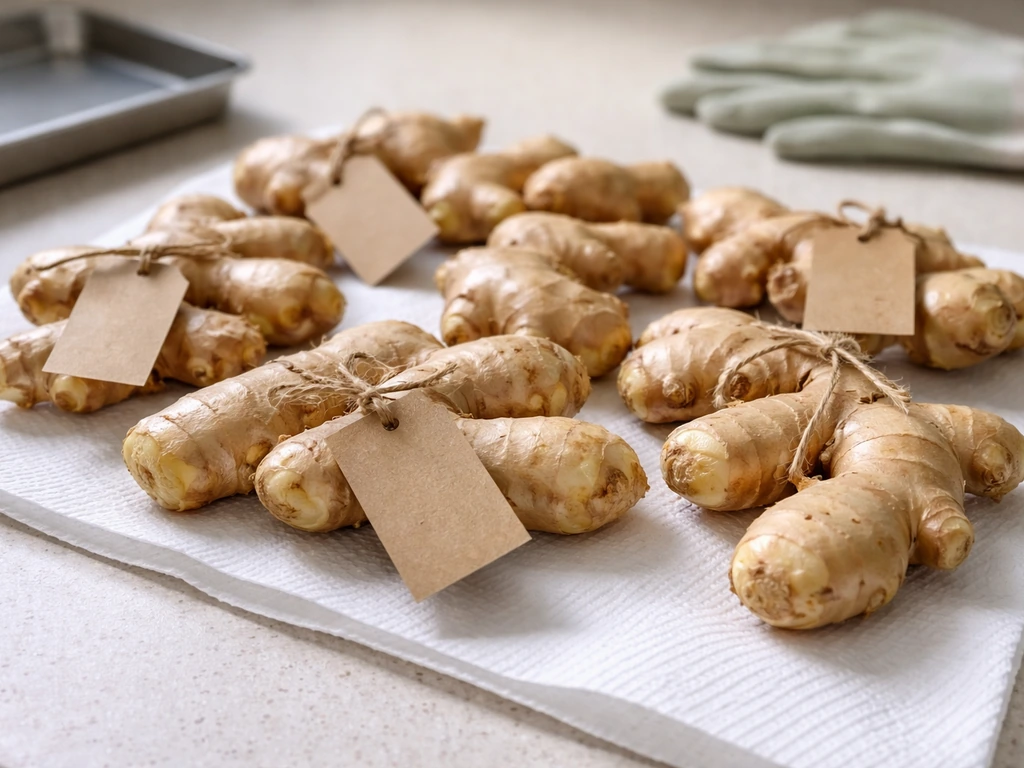
Start with rhizomes from a reputable Canadian supplier rather than ordering from US or tropical sources, because import restrictions and shipping stress can produce poor-quality rhizomes that never really get going. Look for firm, plump rhizomes with visible growth nodes or eyes, similar to what you'd look for in ginger root at a grocery store. Shriveled, soft, or moldy rhizomes are not worth planting. A single healthy rhizome that's at least the size of your palm gives you a much better start than a bag of small, questionable pieces.
If you want H. coronarium (the fragrant ginger lily rather than the pinecone type), look for named cultivars. The cultivar 'Elizabeth' has been noted as one of the more cold-tolerant options, withstanding around -9.5°C with mulch. That doesn't help much in a Manitoba winter, but for southern BC it's worth knowing. For Z. zerumbet, the species itself is what most retailers offer, and variety options are limited in Canada.
What these plants actually need to grow
Light
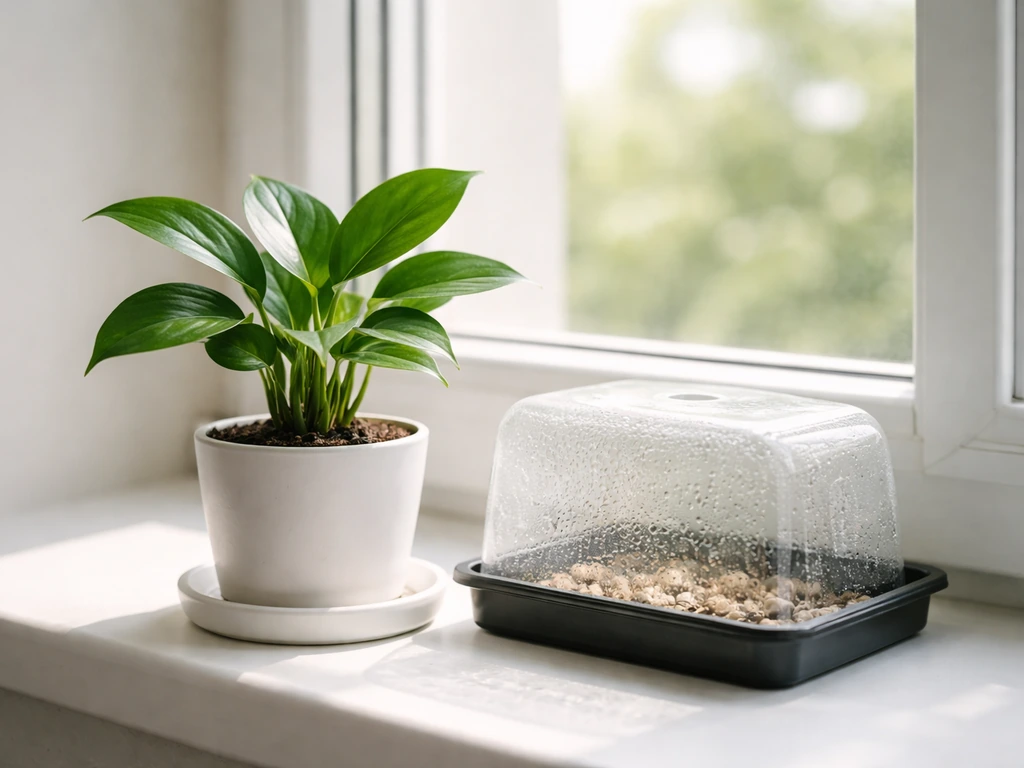
Both species want bright light. Outdoors in summer, a spot with full sun to partial shade works well. H. coronarium handles partial shade better than Z. zerumbet, which really pushes for full sun to flower well. Indoors over winter, you need bright indirect light at minimum. A south- or west-facing window helps, and adding a grow light is genuinely worth it if you want the plant to stay active rather than just survive dormancy.
Temperature and humidity
Active growth happens between roughly 20°C and 30°C. Canadian summers in most regions hit that range comfortably from June through August. Humidity matters: these are tropical plants and they appreciate moist air. Outdoors in summer this usually takes care of itself, but indoors in a heated Canadian home in winter, the air gets very dry. Grouping plants together or using a humidity tray helps, especially when overwintering actively growing specimens.
Soil and drainage
Both plants need humus-rich, moist but genuinely well-draining soil. The word 'moist' here doesn't mean wet or waterlogged. Root rot caused by pathogens like Ceratobasidium (a Rhizoctonia relative) is a real risk in soggy conditions, and it kills rhizomes fast. For container growing, use a quality loam-based mix with added perlite or coarse grit to improve drainage. A John Innes No. 3 equivalent with 20 to 30 percent perlite by volume works well. Avoid heavy, peat-only mixes that stay wet.
Container vs. in-ground: the honest breakdown for Canadian gardens
In-ground planting is only worth considering in the mildest BC zones, and even then only with a plan to mulch heavily and accept some risk of loss. For everyone else in Canada, containers are the only practical approach, and honestly, they work really well once you get the setup right.
The key container tip: go wider rather than deeper. These gingers spread horizontally through rhizome growth, and a wide, shallow pot (at least 30 to 40 cm across) gives them room to expand and fill out properly. A cramped, pot-bound plant grows poorly and overwinters even worse. Use a heavy pot, because these plants get tall (often 1 to 1.5 meters) and will tip over in a lightweight plastic container.
Put the container outside after your last frost date, which varies from late April in southern BC to late May or even early June on the Prairies. Bring it back in before your first fall frost, typically September in northern regions and October in southern BC and southern Ontario. That gives you a growing window of 4 to 6 months in most of Canada, which is enough to get healthy growth and, in good years, flowers.
| Approach | Best For | Effort Level | Flowering Likelihood |
|---|---|---|---|
| Container (summer out, winter in) | All Canadian regions | Moderate | Good if well established |
| In-ground with heavy mulch | Warmest BC zones only | High, with real loss risk | Possible but unpredictable |
| Year-round indoors (grow lights) | Any province, especially north | High | Lower without full sun |
Overwintering without killing your plant
This is where most Canadian gardeners lose their plants, usually because they wait too long, bring the plant in too cold, or store it wrong. I've killed plants by procrastinating on the fall move and catching a surprise frost, which rots rhizomes fast. Don't wait until the foliage blackens.
Option 1: Keep it growing indoors
If you have a bright south-facing window or a grow light setup, you can keep Z. zerumbet or H. coronarium actively growing through winter. Maintain temperatures above 15°C, water when the top few centimeters of soil dry out, and cut back on fertilizer. Growth slows but the plant stays alive and healthy, and you get a head start in spring. This approach works well in a sunroom or heated greenhouse. For Z. zerumbet especially, which doesn't love going fully dormant, this is the preferred method.
Option 2: Store rhizomes dormant
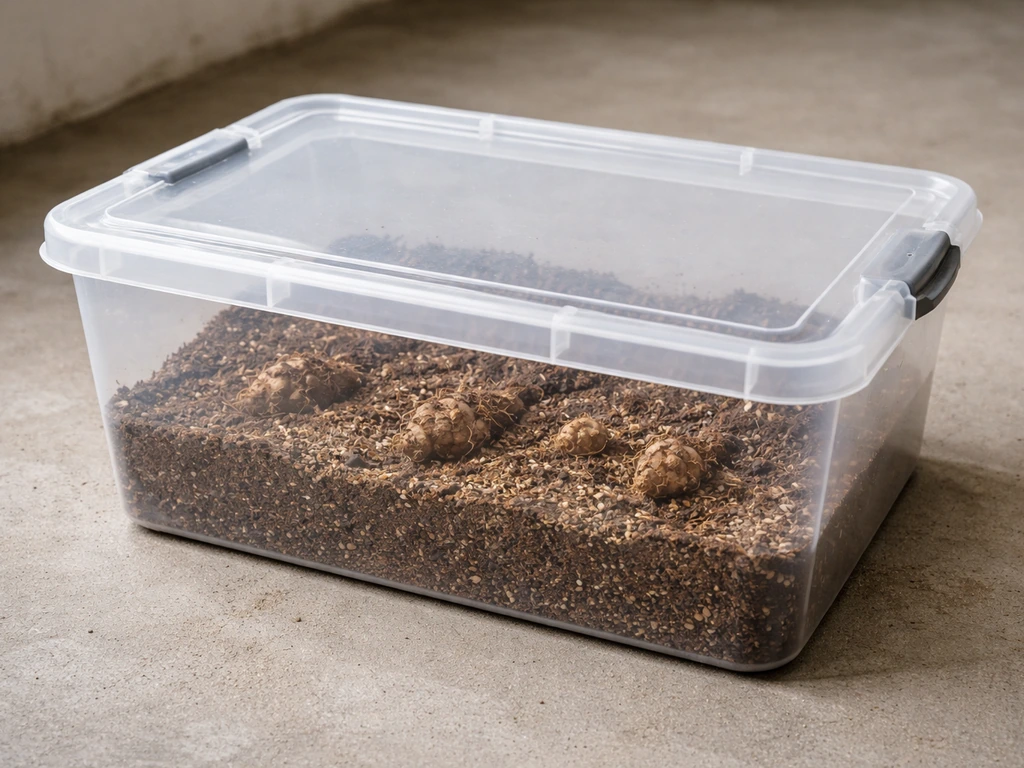
For H. coronarium, you can lift the rhizomes after foliage dies back naturally in fall, allow them to dry for a day or two, and then store them in slightly damp peat, vermiculite, or wood shavings at around 5 to 10°C. A cool basement or garage that stays above freezing works. Check monthly and mist lightly if they start to shrivel. Replant in containers in early spring, about 6 to 8 weeks before your last frost date, to get them going again before outdoor season.
One important caution with H. coronarium: unlike dahlias or cannas, hedychiums don't love being dug up repeatedly. Root disturbance stresses them, and a plant that gets lifted every year may take longer to flower and may gradually weaken. If you can keep them in containers and simply move the whole pot to a frost-free space, that's better than annual lifting.
Option 3: Unheated but frost-free space
An unheated garage, shed, or cold greenhouse that stays above 0°C is usable for the harder H. coronarium types, which can tolerate cooler dormancy. Keep the plant barely moist, not wet, and don't expect any growth until temperatures climb in spring. This is marginal in most Canadian climates because even 'unheated' spaces often dip below zero during a cold snap. Insulate the pot with bubble wrap or old blankets as backup.
Planting, watering, feeding, and pest management
Planting
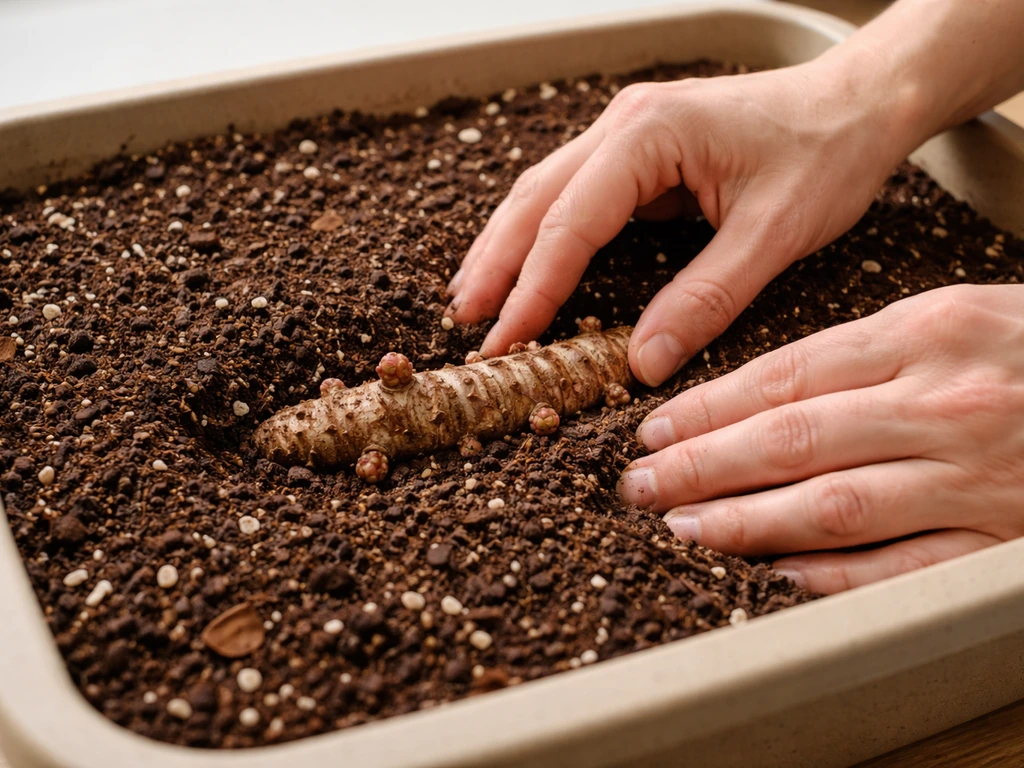
Plant rhizomes horizontally about 5 cm deep with the growth nodes facing up. Don't bury them too deep, and don't crowd them. A single rhizome or a small clump in a 30 to 40 cm container is the right starting point. Water well at planting, then hold back until you see growth emerging, which prevents rot before the plant is established.
Watering
During active growth from late spring through summer, keep the soil evenly moist but not saturated. Water when the top 2 to 3 cm of soil feel dry. In containers, this often means watering every 2 to 3 days during a hot Canadian summer. In fall, reduce watering as temperatures drop and growth slows. Over winter in storage, keep rhizomes barely damp. Overwatering in cool conditions is the fastest way to lose a rhizome to rot.
Feeding
Feed with a balanced slow-release fertilizer at the start of the season, then supplement with a liquid fertilizer every 2 to 3 weeks during active growth. A fertilizer with a higher middle number (phosphorus) in midsummer can encourage flowering. Stop feeding entirely in fall once you're preparing the plant for dormancy or indoor transition.
Pests to watch for
Outdoors in summer, these plants are relatively trouble-free. The real pest pressure happens indoors. Spider mites love warm, dry indoor conditions and will colonize stressed plants fast. Scale insects and mealybugs are also common on gingers overwintered indoors. North Carolina State University’s Extension Gardener Plant Toolbox for Hedychium coronarium also flags scale and spider mites as potential pests for container and indoor overwintering Scale insects and mealybugs are also common on gingers overwintered indoors.. Check the undersides of leaves and the joints where leaves meet the stem at least every two weeks. Treat early with insecticidal soap, neem oil, or a targeted miticide. Fungus gnats are a sign of consistently overwatered soil and are more of an annoyance than a threat, but they indicate you should let the soil dry out a bit more between waterings.
Realistic flowering timelines and what to do if nothing blooms
Here's the honest truth: flowering is the hardest part to guarantee in Canada. Both Z. zerumbet and H. coronarium need a long, warm growing season to build up the energy to flower, and Canada's 4 to 6 month outdoor window is often just barely enough for an established plant. In your first year from a rhizome, don't expect flowers. In year two, with a healthy established plant that gets full sun and consistent heat, you have a reasonable shot, especially in warmer summers.
Z. zerumbet typically flowers in late summer to early fall. In southern Ontario or BC, you might catch this before the first frost. On the Prairies, it's a race, and in many years the cold arrives before the plant finishes. H. coronarium flowers from midsummer onward and tends to be a slightly more reliable bloomer in Canadian containers because of its earlier flowering window.
If your plant isn't flowering after two seasons, consider these adjustments: make sure it's getting at least 6 hours of direct sun outdoors, check that it's not pot-bound (repot up a size if the roots are densely packed), and confirm it's getting adequate phosphorus in its fertilizer program. A plant that gets moved in and out of shade or stays in too small a pot will put all its energy into leaves instead of flowers.
Propagation
Both species propagate easily by rhizome division. When you repot in spring, you'll often find the rhizome mass has multiplied significantly. Cut sections with at least one or two healthy nodes using a clean sharp knife, let the cuts dry for a few hours, and pot them up separately. This is the simplest and most reliable way to multiply your plants, and it's also how you can share them with other gardeners. Division every 2 to 3 years also prevents the pot from getting too crowded, which actually helps with flowering. Seed propagation is possible but much slower and rarely practical for home gardeners in Canada.
If you're also curious about growing related species in different parts of Canada, the experience with shampoo ginger in Ontario is quite similar to what's described here, and there's a comparable approach for growing ginger more broadly in Ontario's climate. If you’re wondering can you grow shampoo ginger in Michigan, this same container-and-overwinter approach is the most reliable starting point. The container strategy is consistent across the country, though the length of your outdoor season and the intensity of your winters will determine which overwintering option fits best.
Worth trying? Yes, genuinely, especially if you have a bright space to overwinter the plant and enjoy growing tropical ornamentals as container specimens. It's more work than a hardy perennial, but a shampoo ginger or ginger lily in full growth on a Canadian patio in July is a genuinely impressive plant. Just go in knowing it's a container crop, not a landscape plant, and you'll manage your expectations the right way. If you’re really asking about garlic in Indiana, the key is choosing hardneck varieties and timing planting around the local frost dates can you grow garlic in indiana.
FAQ
If I cover it with mulch outdoors, can I keep shampoo ginger lily in the ground through Canadian winters?
Not reliably as an outdoor perennial. Even if your area occasionally warms up to zone 8-like conditions, a single deep freeze can damage the rhizomes in ground. The safe approach in Canada is a wide container, brought indoors or into a frost-free protected spot before hard frosts.
Why does my shampoo ginger lily grow leaves but never flower in Canada?
If you want a better shot at flowers, start with larger, established rhizomes (not thin grocery-size pieces) and aim for a full-potting season where the plant is outside from after your last frost until before your first fall frost. Year-one growth usually focuses on building rhizomes, so skip the expectation of blooms the first year.
How should I water right after planting rhizomes in a container?
Start watering only when you see growth emerge. If you keep a new rhizome consistently wet in cool temperatures, rot risk rises quickly. Once sprouts appear, water when the top layer dries (often every 2 to 3 days in hot weather), and always empty any saucer so roots are never sitting in runoff.
Can I overwinter shampoo ginger lily in a dark basement or closet?
No, they do best in a consistently bright setup rather than near-dark. For winter, maintain bright indirect light, or use a grow light if your home is dim. Cooler, low-light storage tends to push the plant into stress and poor spring recovery.
Should I overwinter Zingiber zerumbet and Hedychium coronarium the same way?
It depends on which plant you actually bought. Zingiber zerumbet typically continues growing if kept warm enough (above about 15°C), while Hedychium coronarium is more suitable for a cool dormancy period. Check the species label and follow the storage temperature that matches it.
What pests should I watch for when shampoo ginger lily is inside for winter?
Look for small signs like spider mite stippling, underside webbing, and sticky residues, plus scale or mealybugs at leaf joints. Indoor pests spread fast, so inspect at least every two weeks and treat at the first sign (insecticidal soap or neem for early outbreaks).
What container size matters most for shampoo ginger lily in Canada, width or depth?
Use the pot’s width as the priority. A wide, shallow container supports horizontal rhizome expansion, while a deep pot can stay wetter and increase rot risk. For tall plants, choose a heavier pot so it does not tip when it puts on 1 to 1.5 m of growth.
My container has fungus gnats, does that mean the plant is unhealthy?
If you see fungus gnats, it usually means the mix is staying too wet. Let the top few centimeters dry more between waterings, and consider adding yellow sticky traps to reduce adults while you correct the watering rhythm.
Should I move the container around to find the “perfect” sun angle during summer?
Yes, but do it deliberately. Too much shade or frequent moving between sun and low light can reduce flowering. Aim for at least 6 hours of direct sun during the outdoor season, and if you move it indoors, ramp light gradually (especially if you also add a grow light).
Is it bad to lift the rhizomes and store them every winter?
Avoid repeated annual lifting for Hedychium. If you have the space, moving the entire pot to a frost-free location is less stressful and may improve flowering consistency. If you must divide, do it in spring and divide only when you repot in the warmer season.
Next Articles
Can You Grow Ginger in California? Planting Guide for Success
Grow ginger in California with timing, rhizome prep, pot or in-ground steps, care tips, and Southern CA troubleshooting.
Can You Grow Shampoo Ginger in Michigan? Steps to Succeed
Yes. Learn if shampoo ginger grows in Michigan and get step-by-step indoor start, planting, care, and overwintering tips
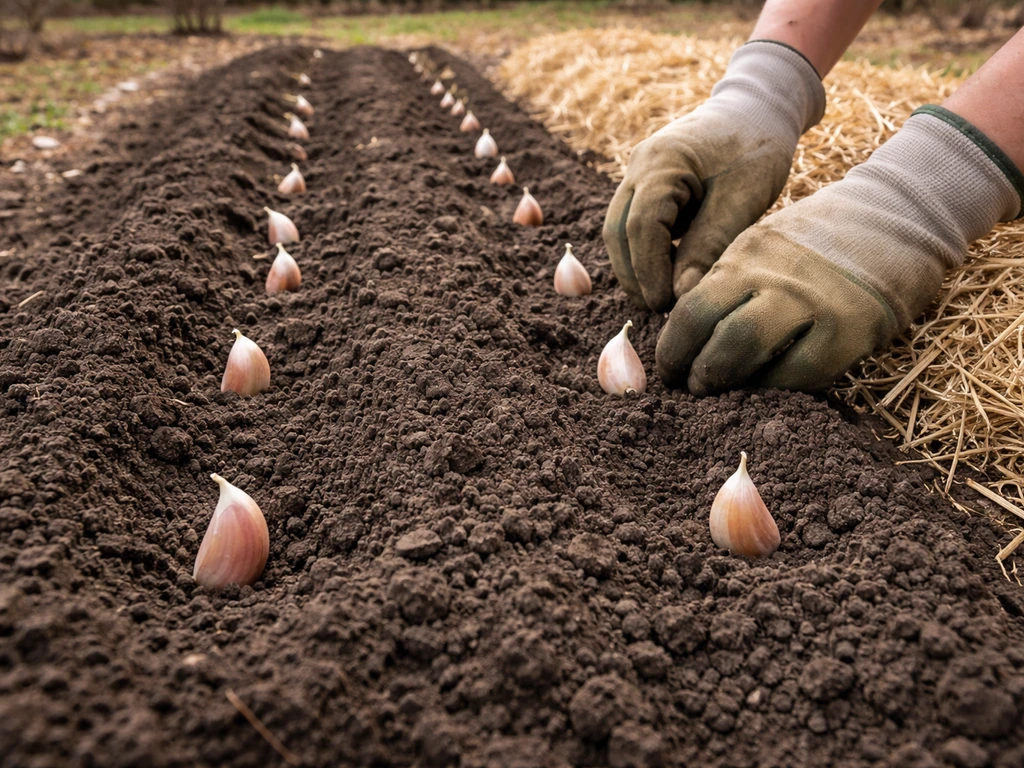
Can You Grow Garlic in Indiana? Best Types and Steps
Learn how to grow garlic in Indiana with hardy types, fall planting timing, soil prep, and winter-proof steps.