
Yes, you can grow shampoo ginger (Zingiber zerumbet) in Michigan, but not the way you'd grow it in Florida or California. It won't survive a Michigan winter in the ground, and it needs a solid 4-6 months of warm conditions to produce those iconic red cones. The realistic path is container growing with an indoor start in late winter, outdoor placement from early June through early September, and bringing everything back inside before frost hits. It takes some planning, but it genuinely works, and the plants can thrive for years if you commit to the annual indoor-outdoor shuffle.
Can You Grow Shampoo Ginger in Michigan? Steps to Succeed

Marcus Petersen
5 Jun 2026
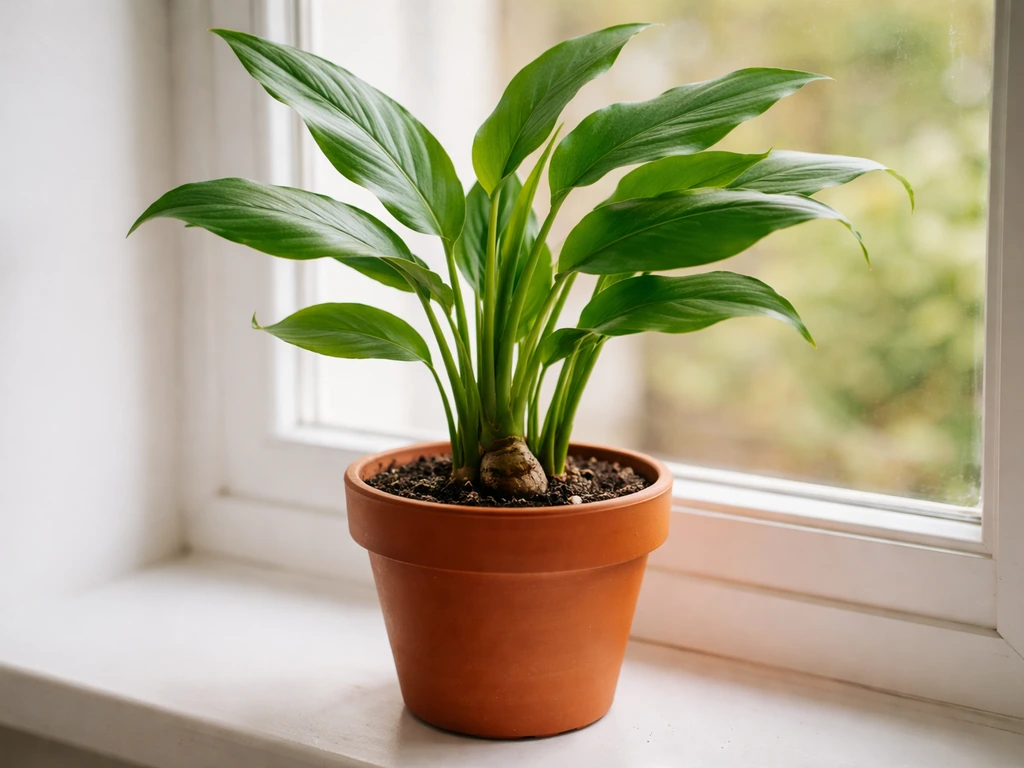
Is shampoo ginger actually possible in Michigan?
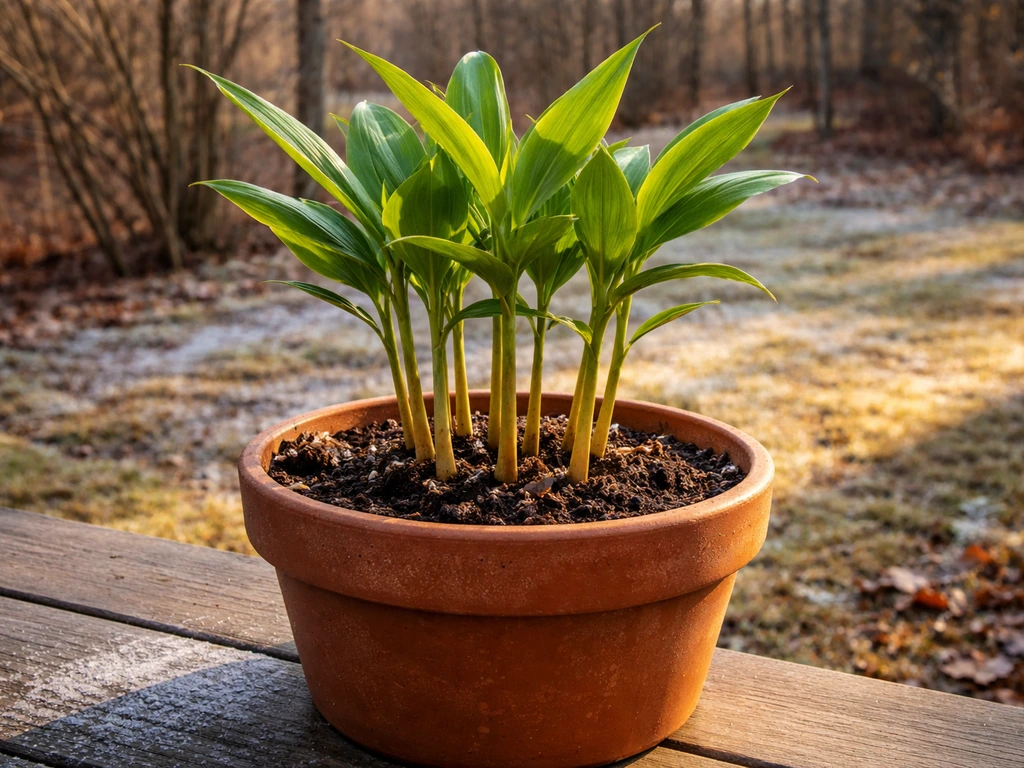
Shampoo ginger is native to Southern Asia and is cold-hardy only to USDA zones 8b through 10a at best. Some sources rate it slightly broader, from zones 8 through 11, but either way Michigan is firmly out of range outdoors. Most of Michigan falls in zones 5b through 6b, with the Upper Peninsula reaching zones 4b and 5a in spots. Those winters regularly drop well below 0°F, and even a brief frost will kill Zingiber zerumbet rhizomes left unprotected in the ground.
So the honest answer is: Michigan's outdoor climate is about 3 hardiness zones colder than the minimum this plant tolerates. But that doesn't make it a dead end. NCSU Extension specifically recommends container culture brought indoors for winter as the standard workaround for cold climates, and that's exactly what works here. Plenty of Michigan gardeners grow it this way with success. The plant doesn't know it's in Michigan as long as you control its environment during the cold months.
Michigan growing conditions you need to match
Shampoo ginger has a specific environmental wish list, and Michigan only meets some of it naturally. Here's where things stand and what you'll need to compensate for:
Temperature
The ideal range for Zingiber zerumbet is 71 to 77°F. Michigan summers can certainly hit that range, especially from late June through August in the Lower Peninsula, but the window is shorter than this plant ideally wants. That's why starting indoors in late winter is so important. You're essentially extending the warm season artificially so the plant gets enough heat accumulation to bloom and produce usable cones.
Frost dates
Michigan frost dates vary a lot by location. In southern Lower Peninsula cities, average last spring frost is typically around late April to early May, and first fall frost arrives around mid-October. Move north into the Upper Peninsula and you're looking at last frost in late May or even June, with fall frost arriving by early to mid-September. Since shampoo ginger is not frost tolerant at all, you cannot move it outside until nighttime temps are consistently above 50°F, and it must come back inside well before the first expected fall frost. In practice, that gives you roughly late May to mid-September outdoors in the southern Lower Peninsula, and a noticeably shorter window up north.
Light
Shampoo ginger does best in part sun to part shade. It's not a full-sun desert plant. In Michigan, a spot that gets morning sun and afternoon shade is ideal outdoors. Indoors, a bright south or east-facing window works during the pre-season and overwintering phases. Grow lights help if your indoor situation is dim.
Soil and drainage
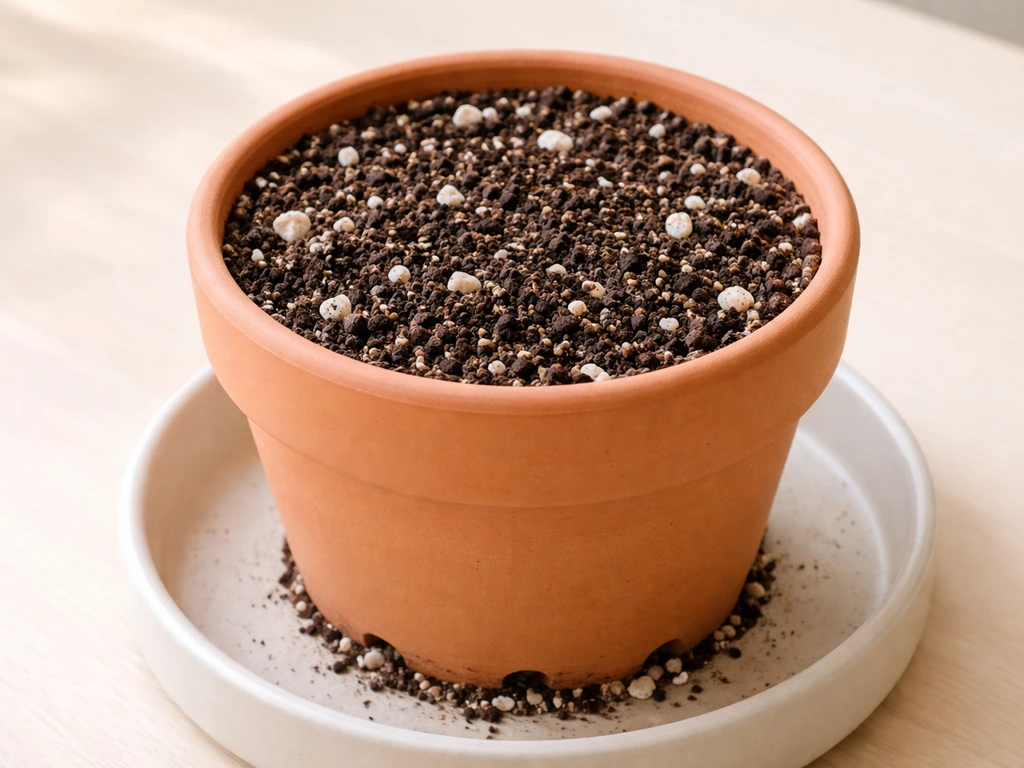
This is where Michigan gardeners run into the most trouble. Zingiber zerumbet tolerates clay and sandy soils and can even handle occasionally wet conditions, but soggy, waterlogged soil will rot rhizomes fast. Good drainage is non-negotiable. In containers, use a rich, well-draining potting mix. If you ever try in-ground (more on that approach below), Michigan's heavier clay soils need serious amendment with compost and perlite. The plant also loves humidity, which Michigan's summer humidity can actually provide naturally during warm stretches.
In-ground vs container vs greenhouse: which works best in Michigan?
| Method | Feasibility in Michigan | Key advantage | Key risk |
|---|---|---|---|
| Container (patio/deck) | Best option | Move indoors for winter easily | Needs space indoors Nov–May |
| In-ground seasonal | Possible but risky | More root room, natural humidity | Must dig rhizomes every fall without fail |
| Greenhouse/indoor year-round | Excellent if you have one | Longest warm season, full control | Cost and space requirements |
| In-ground permanent | Not viable | None | Winter kill guaranteed |
Containers win for most Michigan growers. A large pot (at least 12 to 15 inches wide and deep) gives the rhizomes room to spread and makes it straightforward to bring the plant inside before frost. The main downside is that shampoo ginger can reach 3.5 to 4 feet tall when mature, so you need space indoors that can handle a sizable tropical plant through a Michigan winter, which runs from about November through April.
In-ground seasonal growing can work if you're disciplined. You plant rhizomes after last frost, let them grow all summer in a prepared garden bed, then dig them up before first fall frost and store or pot them up for winter. The risk is forgetting or waiting too long. One cold snap and you've lost your investment. I've talked to gardeners who made this work beautifully for years and others who killed a whole patch by leaving it a week too late in October.
A greenhouse or insulated sunroom is the best setup if you have access to one. You can effectively give shampoo ginger a year-round growing environment and potentially see blooms sooner and more reliably. Even a simple cold frame doesn't cut it for overwintering, though. This plant needs actual warm indoor temps, not just frost protection.
How to start shampoo ginger in Michigan
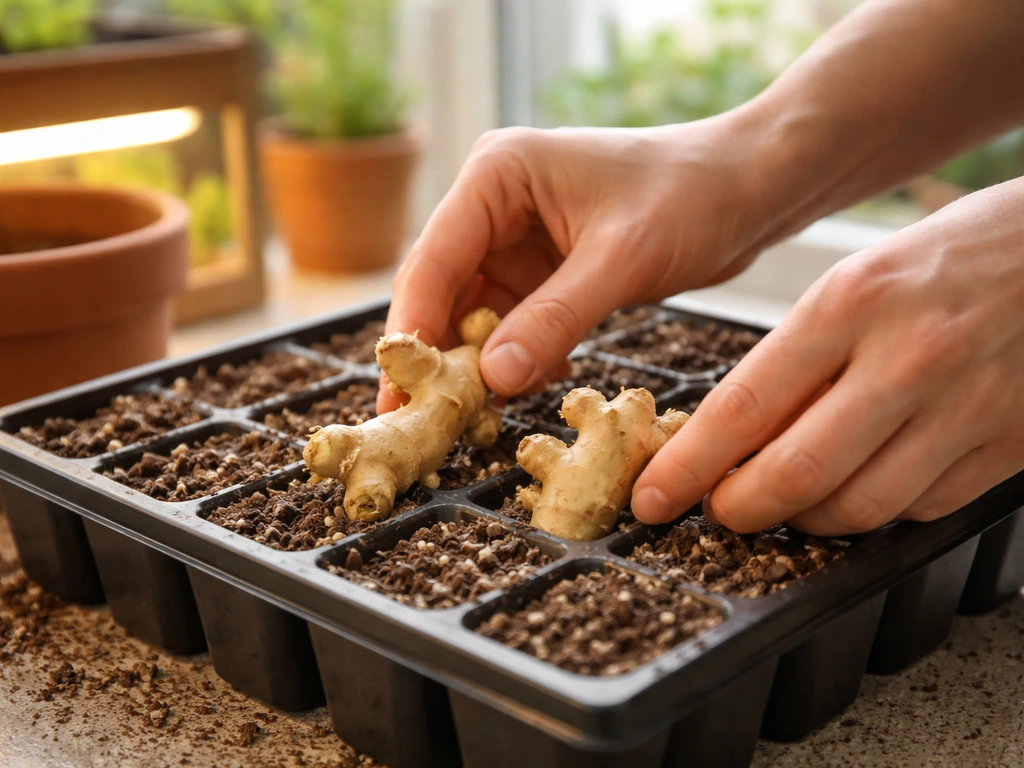
You'll start from rhizomes, not seeds. Seed-grown plants take much longer to establish and aren't the practical path. Source rhizomes from specialty tropical plant vendors, online ginger suppliers, or sometimes local nurseries that carry tropical ornamentals. Make sure rhizomes look firm, plump, and have visible growth nodes or eyes.
Timing your start
Since we're in early June 2026 right now, here's exactly where you stand. If you're in the southern Lower Peninsula, you're actually right at the window to either start rhizomes indoors immediately and move outside within a few weeks, or plant directly outdoors now since most of the Lower Peninsula is past last frost. In the Upper Peninsula or northern Lower Peninsula, outdoor planting right now (early June) is reasonable. Late spring through early summer is the practical window for Michigan if you're getting started this season.
Ideally, for next season or if your rhizomes haven't sprouted yet, the standard approach is to start them indoors 8 to 10 weeks before your last expected frost date. That means late February to early March for most of the Lower Peninsula. Pot the rhizomes with the buds or eyes facing up, about 2 inches deep. Keep the pot warm, ideally around 70 to 75°F, and in indirect light. Don't overwater at this stage; the rhizome doesn't need much moisture before shoots appear.
Planting setup
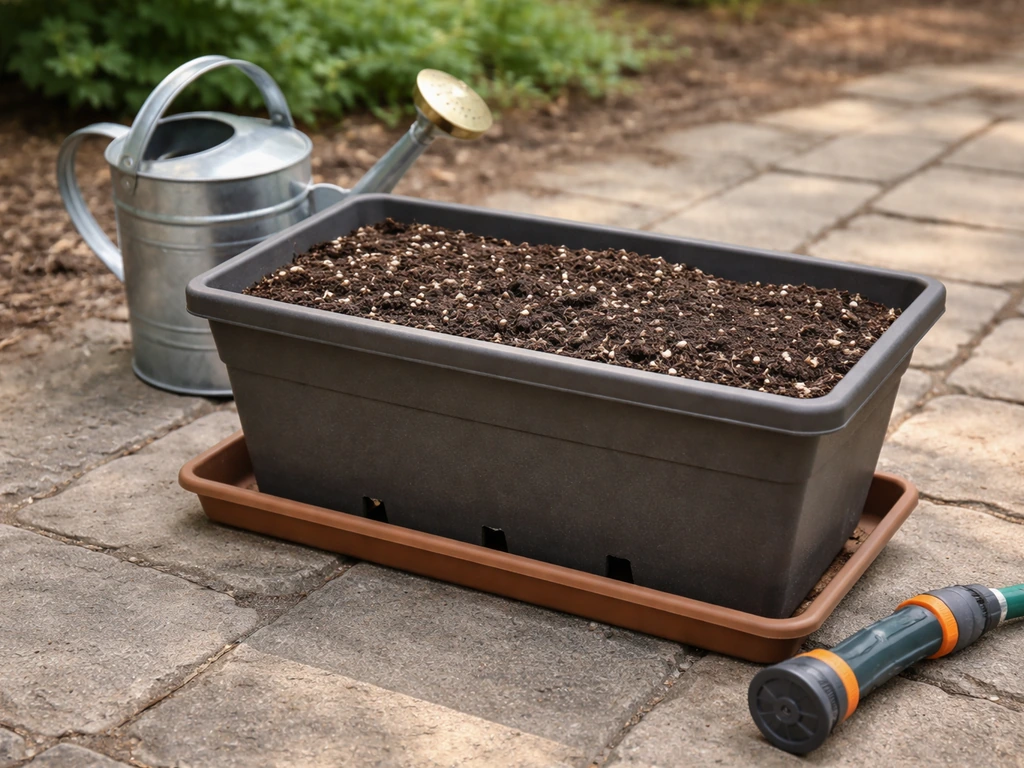
- Choose a container at least 12 inches wide and 12 inches deep, with drainage holes.
- Fill with a mix of quality potting soil, compost, and 20 to 25% perlite for drainage.
- Place rhizomes horizontally at about 2 inches deep (roughly 5–10 cm), with growing eyes pointing up.
- Space multiple rhizomes at least 12 inches apart if using a large planter or planting in-ground.
- Water lightly after planting and keep warm. Shoots typically emerge within 3 to 6 weeks.
Caring for it through the Michigan growing season
Watering
Shampoo ginger wants consistently moist soil during active growth, but 'moist' and 'soggy' are very different things. Water deeply and let excess drain freely. In containers, check the top inch of soil and water when it starts to dry out. In Michigan's summer heat, that may mean watering every 2 to 3 days during dry spells. Rhizome rot from poor drainage is one of the most common failure points in cold-climate container growing, so never let the pot sit in standing water.
Feeding
A balanced NPK fertilizer applied monthly during the growing season supports good rhizome development and foliage. Research on Zingiber zerumbet specifically links balanced NPK feeding to better rhizome yields, so this isn't optional if you want productive plants. A slow-release granular fertilizer at potting time, followed by monthly liquid feeding, works well in containers. Back off on fertilizer as temperatures cool in late August and stop entirely once you're preparing to bring plants indoors.
Pests and diseases
Ginger-family plants can get hit by leaf spot diseases and rhizome rots if conditions are too wet or crowded. Indoors, spider mites become the main nuisance, especially in dry winter air. Check the undersides of leaves regularly and use insecticidal soap at the first sign. Outdoors in Michigan, the pest pressure is generally manageable. The bigger disease risk is always rot from overwatering or poor drainage, not insects.
Managing growth
Shampoo ginger is a clump-forming rhizomatous perennial that spreads year by year. In containers, it will eventually get root-bound, which is actually a natural time to divide the rhizomes and expand your collection. Dividing in late winter to early spring, just before you'd pot up for the next season, is the recommended timing. This is also how you propagate it. Don't let the pot get so crowded that drainage suffers.
Overwintering in Michigan: your annual plan
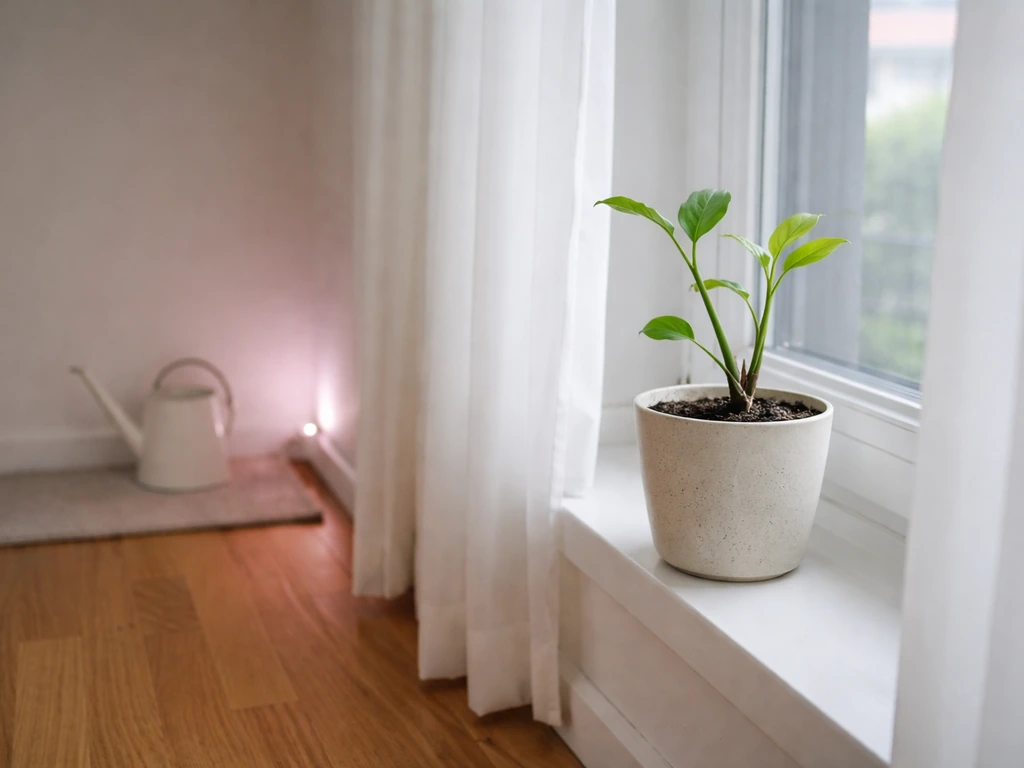
This is the step that determines whether you succeed or lose the plant. In zones 8 through 10, you can leave rhizomes in the ground with a winter mulch. In Michigan, that's not an option. Every fall, the plant must come inside, and it needs to do so before temperatures drop below 50°F at night, which in much of Michigan means bringing it in by late September or early October at the latest.
Option 1: Keep it growing indoors
The simplest approach is to keep the container plant alive but in a reduced-growth phase indoors through winter. Place it in your brightest window or under grow lights. Reduce watering significantly since the plant slows way down in lower light and cooler indoor temps. Don't fertilize. This works well if you have a warm, reasonably bright indoor spot. The plant may lose most of its leaves, which is normal. It's not dead, just dormant.
Option 2: Dig and store rhizomes
If you planted in-ground, dig rhizomes before first frost, brush off excess soil, let them dry for a day or two, and store them in barely damp peat moss or vermiculite in a cool but frost-free location (around 50 to 55°F). A basement works well. Check on them monthly and mist lightly if they start to shrivel. Replant or pot them up in late winter when you're ready to start the next season. I'll be honest: I've had mixed results with dry storage. Keeping a container plant alive indoors has been more reliable in my experience than trying to store bare rhizomes through a 5-month Michigan winter.
What you can realistically expect and when
Here's the honest timeline for a Michigan grower working with container culture:
| Timing | What happens |
|---|---|
| Late Feb to early March | Start rhizomes indoors in pots; keep warm and lightly moist |
| April to May | Shoots emerge; grow indoors under bright light or grow lights |
| Late May to early June | Move outside after last frost risk has passed; partial shade preferred |
| June through August | Active growth phase; water regularly, fertilize monthly |
| Mid to late summer (July–Sept) | Flowering stalks and pinecone-like bracts appear; bracts mature to red for harvest |
| Early to mid September | Watch temperatures closely; prepare to bring indoors |
| By late September or early October | Bring inside before first frost; reduce water, stop fertilizing |
| November through February | Dormancy or slow indoor growth; minimal care needed |
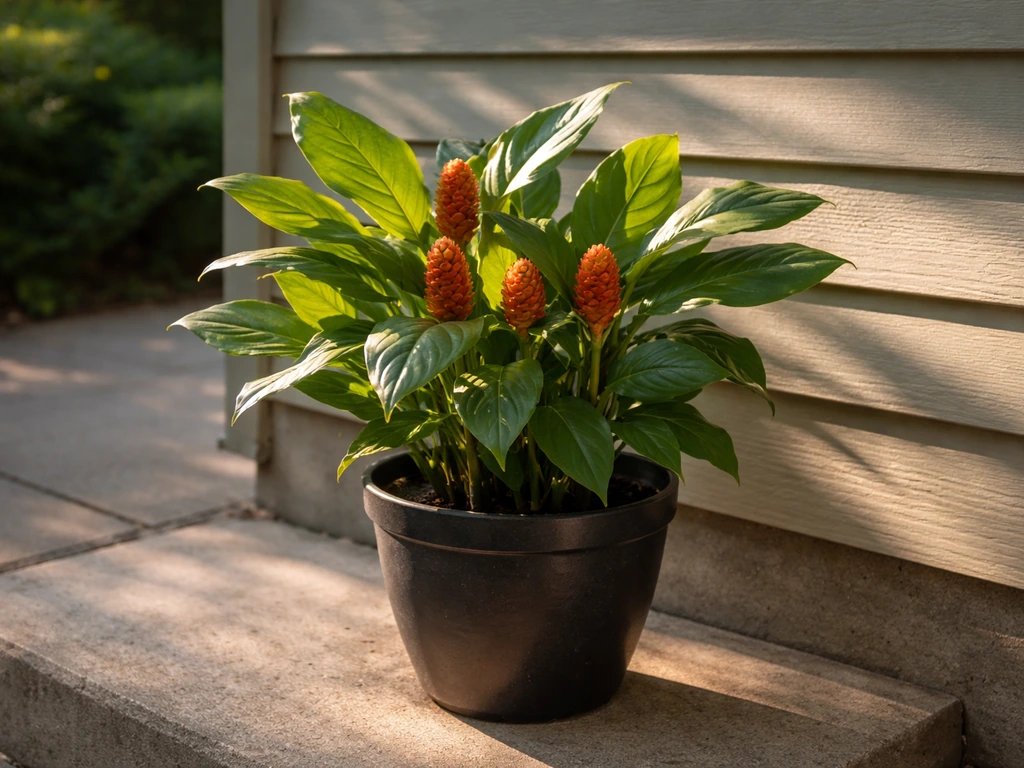
In the first year from a small rhizome, don't expect flowering. You'll get good leafy growth and rhizome development. Established plants in their second or third Michigan season are much more likely to flower and produce the characteristic red cone bracts that are squeezed for the fragrant, shampoo-like liquid they contain. The cones turn dark red as they mature in mid to late summer, persisting for several weeks before harvest. If your plant is actively growing by early June and stays warm through September, flowering is genuinely achievable in a good year.
Growing shampoo ginger in a similar climate-constrained situation is something that gardeners in Canada face too, and the same container-and-overwinter framework applies. If you are wondering about growing shampoo ginger lily in Canada, the same container and overwintering approach is usually the practical way to try. If you're comparing notes with gardeners in warmer states like California, their in-ground success stories don't translate directly to Michigan, but the plant's care requirements are identical.
In California, you may be able to grow shampoo ginger more easily outdoors in the warm season, but container and overwintering strategies are still helpful depending on where you live grow shampoo ginger in California. Can you grow ginger in California? If you’re aiming to grow it in the ground, the warm conditions there make it much easier than in Michigan.
If you’re wondering can you grow ginger in Ontario outdoors, you’ll still need to plan for warm seasons and a container or indoor overwintering approach grow it in the ground. In California, you can use a similar container and indoor-start strategy to match the warm, frost-free conditions ginger needs can you grow ginger in california. You're just adding the overwintering layer.
The bottom line: shampoo ginger in Michigan is worth trying if you have a warm, bright indoor space for it during the winter months, a south-facing patio or partly shaded outdoor spot for summer, and you're willing to commit to the annual indoor-outdoor cycle. If you are wondering can you grow garlic in indiana, the key is matching daylight, soil drainage, and your planting window for Indiana winters warm, bright indoor space. It's not a set-it-and-forget-it plant here. But it's also not a gamble: if you follow the container approach and bring it in before frost, you have a very good chance of keeping it alive for years and eventually harvesting those fragrant red cones.
FAQ
What indoor light level do I need to keep shampoo ginger alive through a Michigan winter?
Use a bright window or grow light so the plant keeps a strong, steady growth rhythm. If winter indoor light is low, expect leaf drop and slower rhizome development, and keep watering lighter than summer (moist, not wet).
Can I leave shampoo ginger outside longer in fall if the weather stays mild?
Yes, but only if you can keep nights consistently above about 50°F and protect from cold snaps. A mild fall can fool you, so watch forecast lows and move indoors before any true frost risk, not just before the first frost date on average charts.
How often should I water shampoo ginger during dormancy indoors?
Check soil moisture by weight or the top inch test. In winter, water just enough to prevent the potting mix from drying completely, and ensure there is no runoff pooling in trays or saucers, since rot can start even when growth is paused.
When should I repot or refresh the potting mix after bringing the plant inside?
Potting up does not have to wait for a specific date, but timing matters. Move the plant to warmer indoor conditions and bright light first, then start increasing water and feeding once you see new shoots.
My plant is yellowing indoors, how do I tell rot from nutrient or light problems?
If leaves yellow while soil is damp or the container drains poorly, rot is the likely issue. If leaves yellow despite dry, well-draining conditions, it can be nutrient or light related. The quickest diagnostic is to confirm drainage, then gently inspect a rhizome for firmness versus softness.
What kind of potting mix works best in Michigan, and should I amend it with anything?
Aim for a potting mix that drains fast and stays aerated (many growers add extra perlite for container ginger). Avoid garden soil, and keep containers on feet or a rack so airflow and drainage are reliable.
If mine never flowers, does that mean I did something wrong?
It’s normal for first-year plants to produce mostly foliage without flowering. If you want the best chance of red cone bracts, prioritize stable warmth during active growth, adequate pot size, and consistent drainage and feeding through summer.
What are the most common pests to watch for indoors, and how do I handle them early?
For Michigan, insects are usually not the main threat, but spider mites can spike indoors. Isolate the plant if you see stippling or webbing, treat promptly with insecticidal soap, and increase humidity slightly (without turning the soil soggy).
Can I divide shampoo ginger rhizomes in Michigan, and when is the safest time?
Yes, but the division timing matters. Divide in late winter to early spring before the season’s active growth starts, and immediately pot or re-pot into well-draining mix to reduce rot risk from stressed rhizomes.
Is storing rhizomes dry in peat or vermiculite more reliable than overwintering in a container?
If you must store rhizomes, keep them cool and frost-free and not bone-dry, lightly misting only if they shrink. Container overwintering is often more forgiving because the rhizomes are supported by consistent moisture and warmth at the right times.
Could I use a cold frame instead of bringing the plant fully indoors?
Only if nighttime lows are truly warm and you can maintain the plant’s warmth and humidity, otherwise the stress triggers dieback. A greenhouse or insulated sunroom can work, but a cold frame usually cannot provide enough heat to replace the warm winter conditions.
What’s the risk if I wait until after it gets a light frost to bring the plant inside?
The safest approach is to bring the container in as soon as nighttime temperatures are near or below 50°F, then keep it in a bright spot during the transition. Don’t wait for visible damage, because a brief chill can set back rhizomes and reduce summer flowering next year.
My growth is slow and the plant looks smaller than last year, what should I troubleshoot first?
If growth is weak, check the basics in order: pot size and drainage, warm temperatures during the active season, enough light, then fertilizer timing. Overfertilizing late in the season can also hurt, so stop feeding as temperatures cool in late summer.
Next Articles
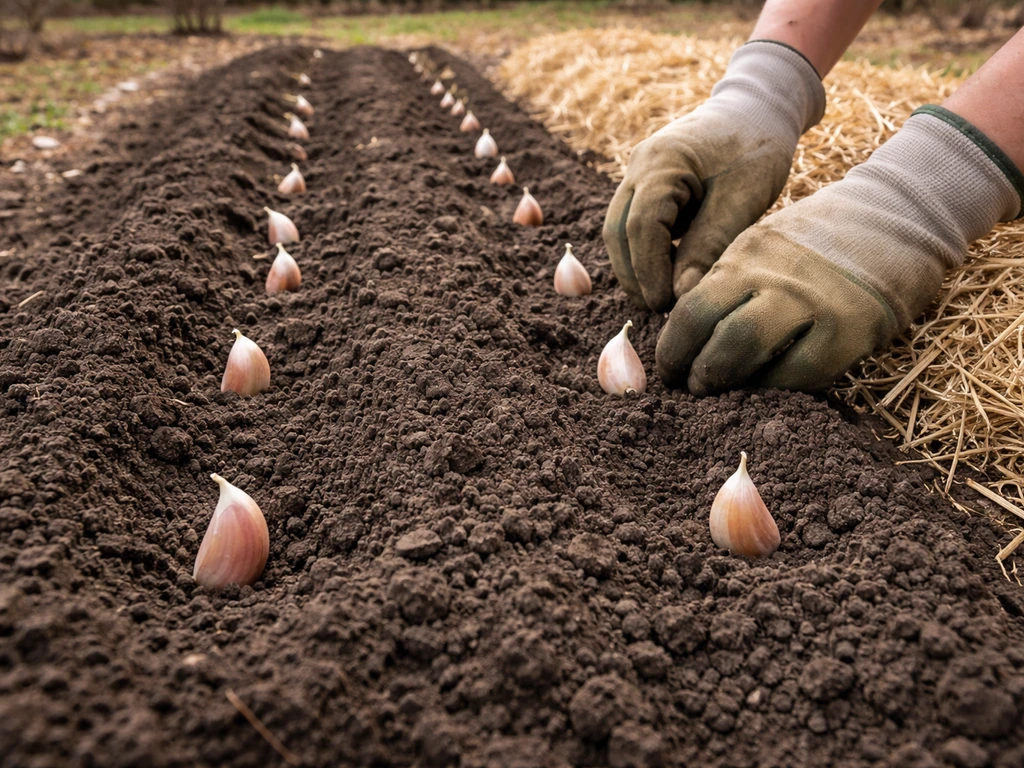
Can You Grow Garlic in Indiana? Best Types and Steps
Learn how to grow garlic in Indiana with hardy types, fall planting timing, soil prep, and winter-proof steps.
Can You Grow Black Pepper in the US Where and How
Learn where black pepper can be grown in the US and how to grow it indoors or in warm zones for fruit.

Can You Grow Capers in the US? Regional Guide for Home Gardeners
Regional guide to growing caper plants in the US, choosing cultivars, meeting soil and climate needs, and harvesting bud