
Yes, you can absolutely grow ginger in California, and honestly it's one of the better states in the country for it. Edible ginger (Zingiber officinale) is a tropical plant that wants warmth, humidity, and protection from hard frost. California's coastal and Southern regions check most of those boxes without much intervention. Even in trickier inland areas, a container and a partially shaded patio is usually all you need to pull off a decent harvest. If you are also wondering can you grow garlic in Indiana, focus on choosing a cold-hardy variety and planting at the right time for your local winter.
Can You Grow Ginger in California? Planting Guide for Success

Marcus Petersen
6 Jun 2026
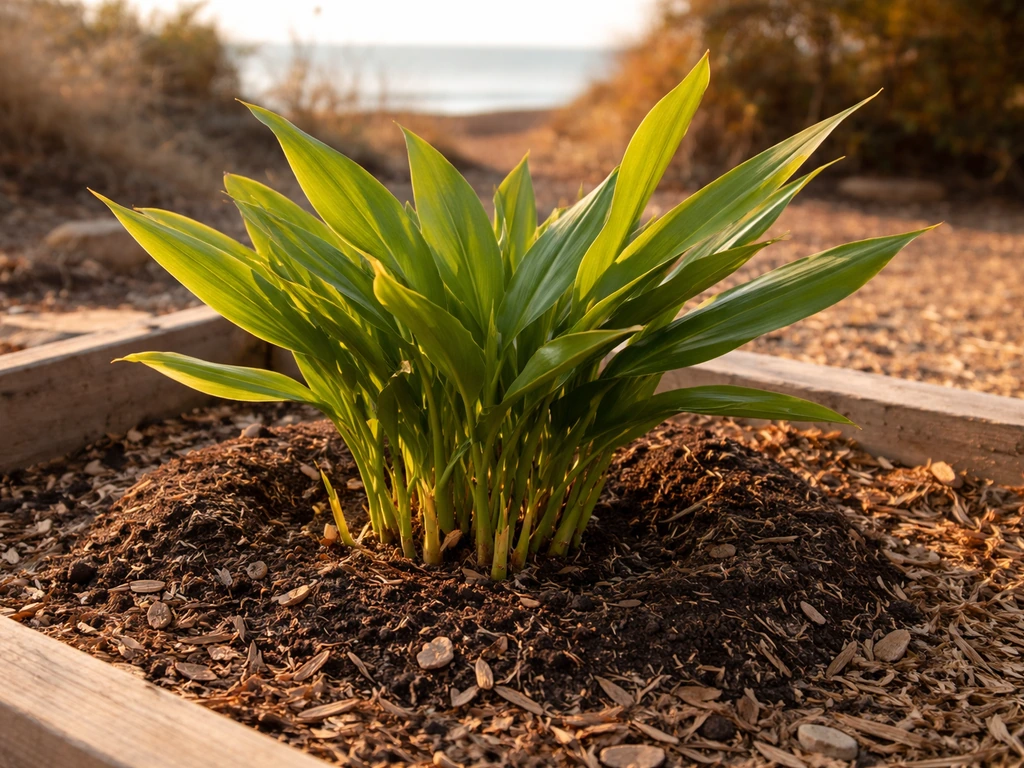
How feasible is growing ginger in California, really?
Ginger is rated hardy in USDA Zones 8 through 12, and the bulk of California falls squarely in that range. Southern California, the Bay Area, and coastal Central California are about as close to ginger's natural comfort zone as you'll find in the continental U.S. The plant grows best when air temperatures stay above 50°F and soil temperatures hover around 77°F. Ginger performs best when soil is warm, and Wisconsin Extension notes ginger prefers about 77°F soil temperature along with favorable air conditions above 50°F soil temperatures hover around 77°F. Most of coastal and Southern California hits those marks from spring through fall without any special effort on your part.
The harder parts of California, specifically the Central Valley interior, high-desert zones, and mountain foothill areas, do get cold winters and occasionally hot, dry summers that stress ginger. That doesn't make growing ginger impossible there, but it does mean you'll want containers you can move, or you'll need to time things carefully. The honest ceiling here: ginger takes 8 to 10 months to reach full harvest size, so you need a long enough warm season, or a plan to extend it indoors.
Where in California is ginger easiest to grow?
Southern California is the sweet spot. Los Angeles, San Diego, and surrounding coastal communities have mild winters, warm summers, and almost no frost risk. In these areas, ginger can stay in the ground year-round in a protected spot, and many gardeners report essentially perennial plants that die back slightly in winter and push new growth in spring. The farther south and closer to the coast you are, the less you have to think about it.
The Bay Area and coastal Central California work well too, though the growing season can feel a bit compressed. Fog and cooler summer temps along the immediate coast actually benefit ginger by preventing the heat stress that can scorch leaves, but they can also slow things down. If you're in San Francisco proper, expect slightly slower growth than someone in Pasadena. Inland Bay Area spots like Walnut Creek or Livermore warm up enough to be excellent ginger territory.
Inland valleys, Sacramento, Fresno, and the Central Valley generally work in-ground but you'll need to mulch heavily through winter and consider digging rhizomes if a hard freeze threatens. In the high desert (think Palmdale or Victorville) or the mountains, container growing is the practical path. You bring the pot in during cold snaps and let it summer outside.
| California Region | In-Ground Feasibility | Best Approach | Winter Risk |
|---|---|---|---|
| Southern California Coast (SD, LA) | Excellent | In-ground or container | Minimal to none |
| Bay Area / Coastal Central CA | Good | In-ground with light protection | Light frost possible |
| Inland Bay Area / Sacramento Valley | Good | In-ground with mulching | Frost possible, mulch crowns |
| Central Valley (Fresno, Bakersfield) | Moderate | In-ground with winter mulch or containers | Occasional frost, manageable |
| Inland Empire / High Desert | Challenging | Containers preferred | Frost likely, bring in containers |
| Mountain / Foothill Zones | Difficult | Containers only | Hard frost, must bring inside |
When to plant ginger in California (timing by region)
Timing is where California's geography really splits the advice. In Southern California, you have a wider planting window than almost anywhere else in the U.S. You can start rhizomes as early as February or March indoors and get them in the ground by late March or April, once nighttime temps are reliably above 50°F. Some Southern California gardeners plant directly outdoors in March without any indoor start and do just fine. The long warm season means an early spring planting often produces a full harvest by November or December.
For the Bay Area and inland Northern California, hold off until April and aim for outdoor planting in late April through May. Soil needs to be warm, ideally around 70 to 77°F, before rhizomes will push shoots readily. Planting into cold soil is one of the most common reasons beginners see slow results or rotting rhizomes. If you're unsure about your soil temp, a cheap soil thermometer is genuinely worth having.
In the Central Valley and hotter inland zones, May planting works well. These areas warm up fast and can actually get scorching hot mid-summer, so ginger appreciates some afternoon shade there. The flip side is that the fall stays warm longer, giving your rhizomes extra time to bulk up before you harvest. Planting consistently outdoors when temperatures are between 70 and 80°F is the practical rule of thumb across all California regions.
Step-by-step: how to grow ginger root in California
Step 1: Choose your rhizomes
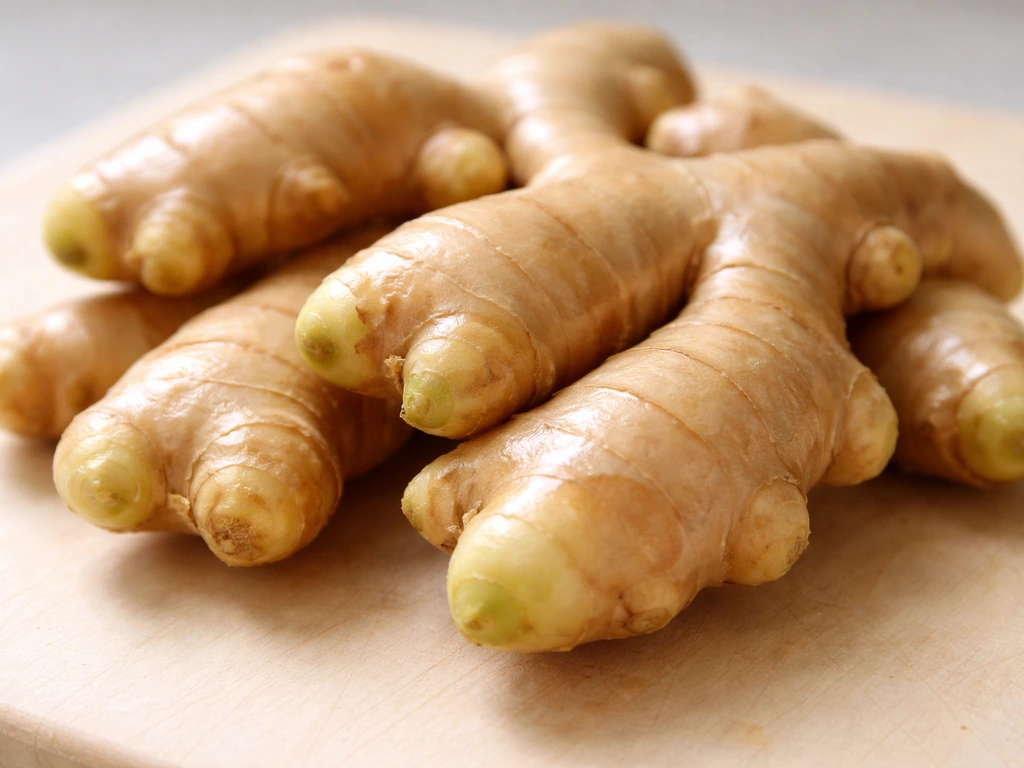
Start with fresh, plump ginger rhizomes that have visible growth buds, those little nubby tips that look slightly lighter in color or show a hint of green. You can use grocery store ginger in a pinch, but it's sometimes treated to slow sprouting. Organic grocery ginger works better than conventional. Your best bet is to get rhizomes from a local nursery, a farmers market vendor, or an online specialty supplier. Look for firm, mold-free pieces with at least one or two clearly visible buds.
Step 2: Pre-sprout indoors (optional but helpful)
A few weeks before your target planting date, place your rhizomes in a shallow tray on top of a little damp potting mix or just leave them on a warm windowsill. At room temperature (around 70 to 75°F), most rhizomes will start showing shoots within two to four weeks. Pre-sprouting is optional in Southern California where the ground stays warm, but in the Bay Area or Sacramento it genuinely accelerates your season and lets you verify the rhizome is viable before committing it to a bed.
Step 3: Prepare rhizomes for planting
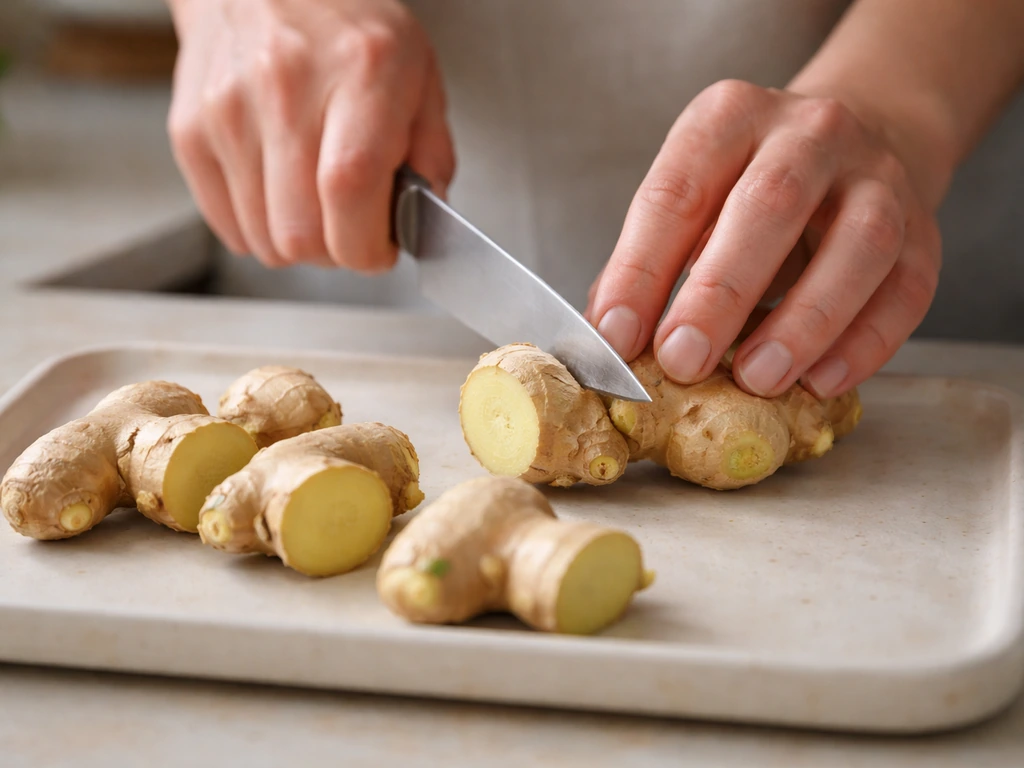
If your rhizome piece is large, you can break or cut it into sections of roughly 1 to 2 inches, making sure each piece has at least one bud. Let cut surfaces air-dry for a day before planting so the wound can callous slightly. This small step reduces the chance of rot at the cut site.
Step 4: Plant in-ground or in a container
Set rhizomes with buds facing up, covered by about one inch of soil. Spacing matters: give each rhizome piece roughly 8 to 12 inches of room because each one will expand sideways over the season. Water once after planting, then hold back and water sparingly until you see shoots emerge. Overwatering a dormant rhizome before it sprouts is the fastest path to rot. In a container, use a wide, shallow pot (a 12-inch or larger diameter pot works well for a couple of rhizomes) since ginger spreads horizontally.
Step 5: Grow through the season
Once shoots appear, ginger grows steadily and requires relatively little intervention. Leaves will reach 2 to 4 feet tall over the summer. Keep the plant in a spot with bright indirect light or morning sun with afternoon shade. Water more regularly as the plant establishes, but always let the top couple inches of soil dry out between waterings. Fertilize monthly with a balanced fertilizer or one slightly higher in phosphorus to encourage rhizome development.
Step 6: Harvest
For a small, tender harvest you can pull a few rhizomes as early as 4 to 5 months in. For full mature ginger, wait 8 to 10 months after planting, when leaves begin yellowing and stems start to flop or die back. In Southern California with a February or March start, that puts your main harvest around November or December. Carefully dig up the rhizomes, rinse off the soil, and harvest what you need. In frost-free Southern California, you can leave some rhizomes in the ground to regrow the following spring.
Soil, containers, and drainage: the setup that works in California
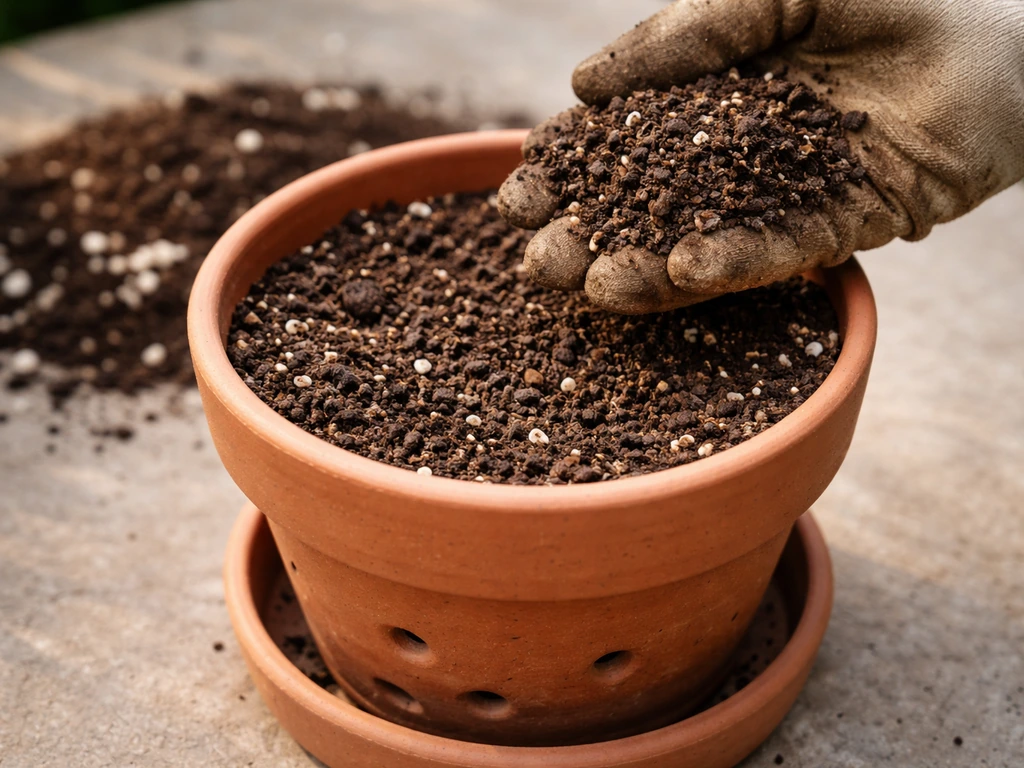
Ginger wants loose, loamy soil that drains well and is rich in organic matter. Heavy clay soil common in parts of the Bay Area and Sacramento Valley is ginger's enemy, not because of fertility but because it holds water around the rhizomes and invites rot. If your native soil is clay-heavy, amend generously with compost, aged bark, or perlite before planting. Raised beds are a practical and popular option for California gardeners dealing with difficult native soil.
Container growing is worth taking seriously even if you have decent garden soil. A wide, shallow container gives you control over drainage and soil mix in a way that in-ground planting doesn't. Fill containers with a quality potting mix amended with extra perlite (about 20 to 25% by volume) for drainage. Avoid dense or moisture-retaining mixes marketed for moisture-loving plants. Make sure your container has multiple drainage holes, not just one, and never let it sit in a saucer filled with standing water.
For in-ground planting, build up a raised mound or row if your soil drains slowly. You want the rhizome sitting in a zone that drains freely after rain or irrigation. In Southern California's dry climate, drainage is often less of a crisis, but during winter rainfall events it can absolutely cause problems if you've planted in a low spot.
Watering, feeding, and light: the ongoing care routine
Ginger's water needs shift through the season. Early on, before shoots emerge, water sparingly: maybe once a week depending on weather, and only enough to keep the soil just slightly moist, not wet. Once the plant is actively growing with visible leaves, it drinks more. Water more frequently but in shorter sessions rather than infrequent deep soaks. The goal is consistent moisture without waterlogged soil. During summer in hot inland areas, ginger may need water every two to three days. During California's dry fall, watch the plant for any leaf wilting as a cue to water.
Feeding monthly with a balanced granular fertilizer or a liquid fertilizer diluted to half-strength keeps growth steady. Some gardeners switch to a low-nitrogen, higher-phosphorus fertilizer in late summer to push rhizome bulking rather than leafy top growth. Compost topdressing mid-season is another easy option that improves both nutrition and soil structure around the root zone.
Light is where a lot of California gardeners make mistakes. Ginger is a tropical understory plant, meaning it evolved under a forest canopy with filtered light. Direct full sun all day will scorch the leaves, especially in the Central Valley or inland Southern California where summer temperatures regularly exceed 95°F. Morning sun with afternoon shade is nearly ideal. Under a tree canopy, against an east-facing wall, or in a spot that gets 4 to 6 hours of direct light in the morning are all good configurations. On the coast where summers are overcast, ginger can handle more sun exposure.
Common problems and how to fix them
Rotting rhizomes
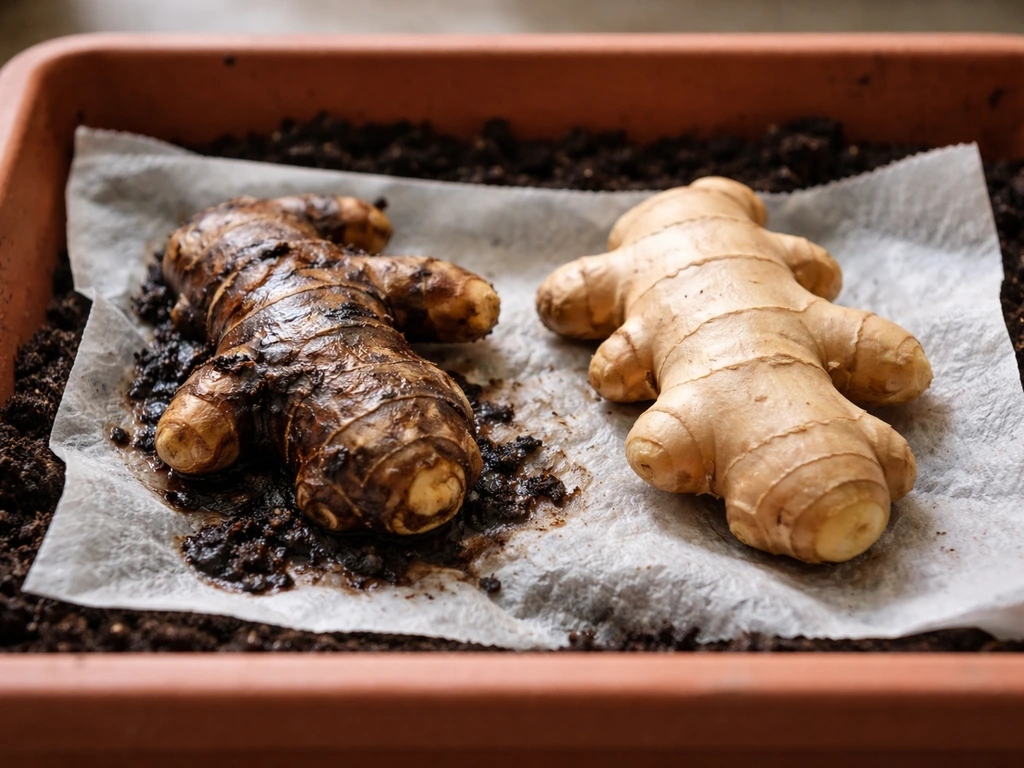
This is the number one killer of California ginger, and it's almost always caused by overwatering combined with poor drainage. Phytophthora root and crown rot is the main culprit, a soilborne pathogen that thrives in waterlogged conditions. If you dig up a rhizome and find it soft, mushy, or discolored, drainage is usually the problem. The fix is prevention: improve drainage before planting, water less frequently, and let the top few inches of soil dry out between waterings. Once Phytophthora is established in a bed, it's very difficult to eliminate, so starting with good drainage is essential. If you've lost rhizomes to rot before, switching to containers with a well-draining mix is the most reliable solution.
Slow growth or no sprouting
If weeks pass and you see no shoots, cold soil is usually the issue. Ginger sits dormant if soil temps are below around 65 to 70°F. In a cool spring in the Bay Area or Sacramento, even if air temps feel warm, soil can lag behind. A soil thermometer helps confirm this. Move a container to a warmer spot (black pavement in the sun warms up fast), or wait another few weeks. If you planted a rhizome that was already soft or showing mold before it went in the ground, that's likely the other explanation.
Spider mites
Spider mites are a real nuisance on ginger in California's warm, dry inland areas. They multiply fast when temperatures climb and humidity drops. Look for tiny stippled damage on leaves and fine webbing on undersides. A strong spray of water from a hose knocks populations back significantly. For heavier infestations, insecticidal soap or horticultural oil applied in the evening (to avoid leaf burn) handles most outbreaks. Check the product label carefully and avoid spraying during peak heat.
Aphids
Aphids cluster on new growth and can distort young leaves. The same approach as spider mites: start with a hard water spray to dislodge them. If that doesn't bring numbers down, insecticidal soap or horticultural oil applied directly to the affected areas works well. Avoid repeat applications in strong sun to prevent leaf damage. Natural predators like ladybugs and parasitic wasps often take care of aphid populations on their own if you're not using broad-spectrum pesticides nearby.
Leaf scorch and yellowing
Brown leaf tips in summer usually mean either too much direct sun or irregular watering. Move the plant to a shadier location or add shade cloth (30 to 40% shade cloth works well) during the hottest months. Widespread yellowing of older leaves mid-season is normal and not a concern. Yellowing across the whole plant in fall as temperatures drop is the natural signal that your harvest window is here.
Is it worth trying in California? Here's my honest take
If you're in Southern California or anywhere along the coast, growing ginger is genuinely easy and worth doing just for the novelty of harvesting your own. The climate does most of the work. If you're in a trickier inland or high-desert zone, containers are your best friend and the process still works, it just takes a bit more management.
You can use many of the same container and light strategies to try growing ginger lily in Canada, but you'll need to focus on winter protection and indoor options can you grow shampoo ginger lily in canada. The key variables that determine success are drainage, timing (don't plant into cold soil), and light placement. Get those three right and California's climate takes care of the rest.
Given the 8 to 10 month timeline, your next practical planting window in Southern California is right now in early June for a harvest next spring, or hold rhizomes and start indoors in late winter for an earlier outdoor start next year. If you’re specifically wondering about Ontario, the same warmth-and-drainage basics apply, but you’ll likely need a container and careful winter protection.
If you are wondering can you grow shampoo ginger in california, the same ginger basics apply, but harvest and use it like a ginger rhizome. If you’re wondering can you grow shampoo ginger in Michigan, the key is treating it like a warm-season crop by using containers and protecting it from frost.
FAQ
Can you grow ginger in California from store-bought ginger without it sprouting?
Yes, but treated or older grocery rhizomes often sit dormant. If it does not show buds after 2 to 4 weeks, try a fresher piece, soak briefly overnight in warm water, then pre-sprout on a damp, warm surface (around 70 to 75°F) before planting.
What size ginger pot works best in California for both small and larger harvests?
Use a wide, shallow container to support horizontal rhizome expansion. For 1 to 2 plants, a minimum of about 12 inches in diameter is a good starting point, and deeper pots do not help as much as width because ginger rhizomes spread outward.
How can I prevent root rot if I have decent sunlight but heavy winter rain or clay soil?
The safest approach is container growing or raised mounds with fast drainage. Add coarse material (perlite and/or compost) and avoid keeping the soil constantly damp during the dormancy period, because rot often begins before you see shoots.
Do I need to pre-sprout ginger rhizomes in California, and when does it actually help?
Pre-sprouting is most useful in cooler-spring areas (Bay Area inland spots, Sacramento, Central Valley winters). It helps you confirm viability and gives a head start, but in warm coastal Southern California it is usually optional since the ground warms quickly.
Can ginger survive mild frosts in coastal California if I leave it in the ground?
It may survive in protected coastal spots, but only if temperatures stay close to frost-free and the rhizome is not in waterlogged soil. If frosts are likely, use a thick mulch layer and consider a winter cover, or pull containers in during cold snaps.
How do I know whether my soil is too cold to plant ginger, besides using a thermometer?
Air temperature can mislead. Ginger often stalls when soil runs below about 65 to 70°F. If you do not have a thermometer, wait until nights are reliably warm and the garden soil has begun drying and warming in spring, then plant into beds that are not shaded or wet from irrigation.
Why are my ginger leaves yellowing, is it always a sign to harvest?
Mid-season yellowing of older leaves is normal, but widespread decline plus falling stems near the end of the season usually signals harvest time. If the plant yellows early while soil is still cold or too wet, that can indicate rot rather than readiness.
How often should I water ginger in hot inland California without overwatering?
After planting, water lightly until shoots emerge, then shift to more frequent watering while still letting the top layer dry. In very hot inland conditions, many gardeners end up watering every 2 to 3 days, but only in short sessions that keep moisture consistent, not soggy.
Do I need fertilizer for ginger in California, and what should I avoid?
Fertilizer helps, especially in containers. Avoid heavy nitrogen that encourages lush leaves at the expense of rhizome size. A common strategy is monthly feeding with a balanced fertilizer, and if your leaves grow too aggressively late in the season, switch to a lower-nitrogen, slightly higher-phosphorus approach.
What’s the best way to harvest ginger without damaging future regrowth?
For a small early harvest, lift only a portion and re-cover the remaining rhizomes promptly with loose soil. If you want regrowth in a frost-free area, leave enough rhizome mass in the ground, and avoid letting cut surfaces sit exposed to drying winds.
Which pests and diseases are most likely in California, and what’s the first response?
Root and crown rot from waterlogging is the biggest risk, so the first response is improving drainage and adjusting watering. For pests, spider mites and aphids are common, start with a forceful water spray, then escalate to insecticidal soap or horticultural oil only if needed.
Can I grow ginger and keep it going year after year like a perennial in California?
In many Southern California and some coastal areas, ginger can behave like a perennial by dying back slightly and pushing new shoots. To increase odds, keep it in the warmest, most protected spot you have, and prioritize drainage so winter rain does not sit around the rhizomes.
Next Articles
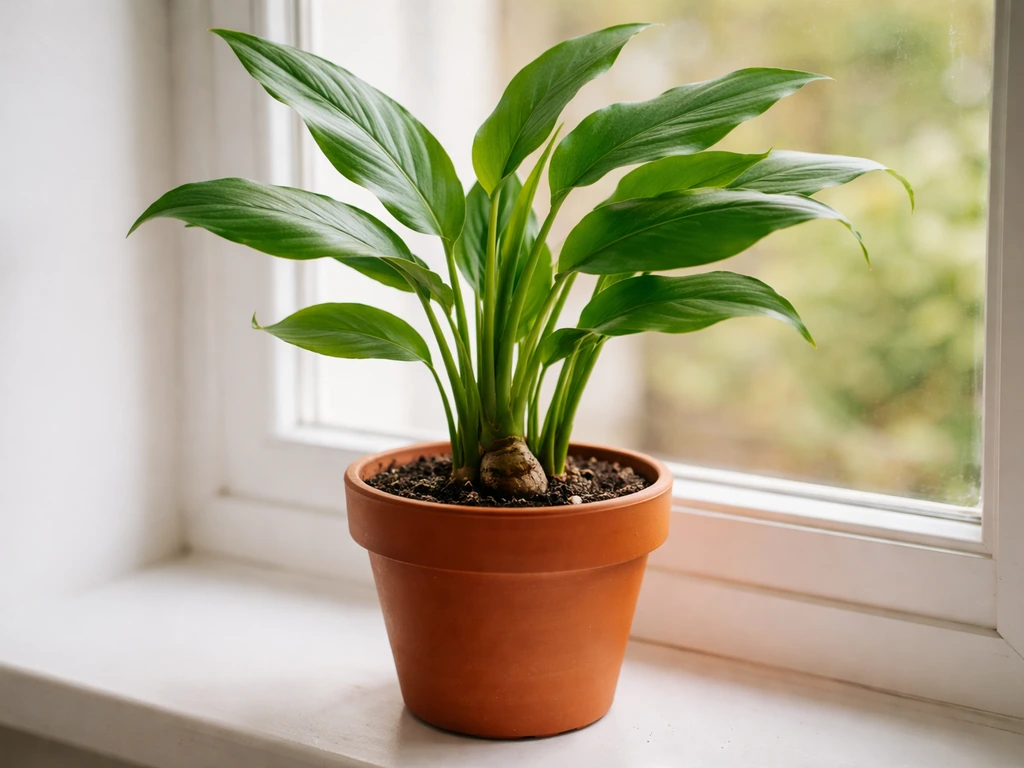
Can You Grow Shampoo Ginger in Michigan? Steps to Succeed
Yes. Learn if shampoo ginger grows in Michigan and get step-by-step indoor start, planting, care, and overwintering tips
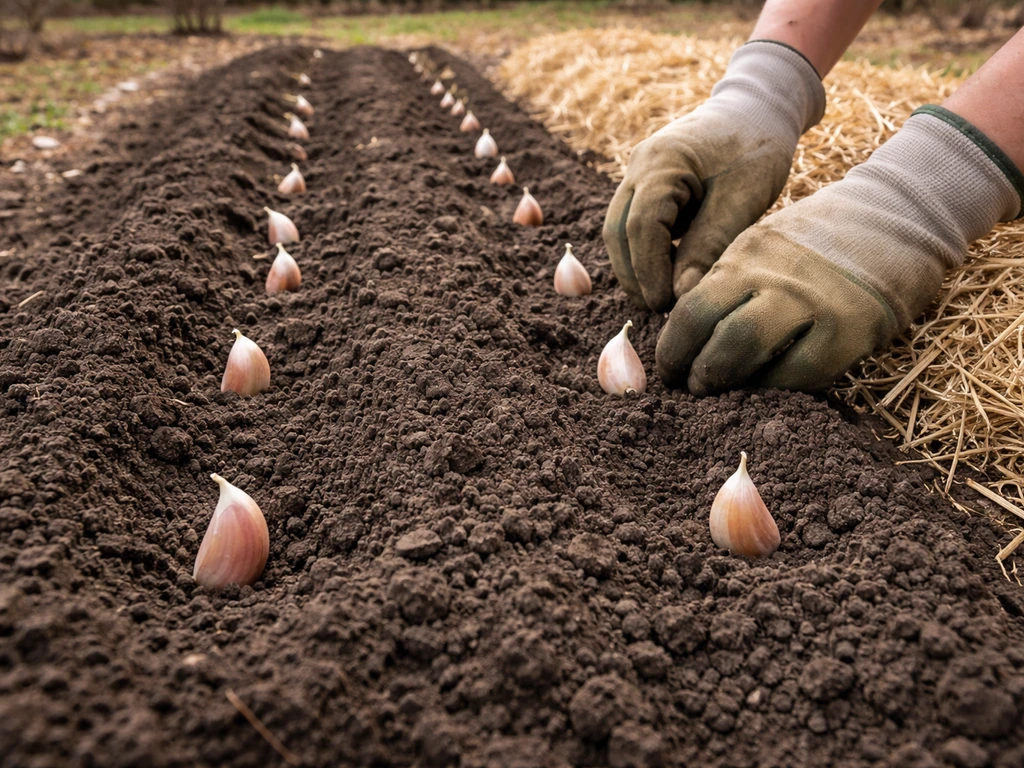
Can You Grow Garlic in Indiana? Best Types and Steps
Learn how to grow garlic in Indiana with hardy types, fall planting timing, soil prep, and winter-proof steps.
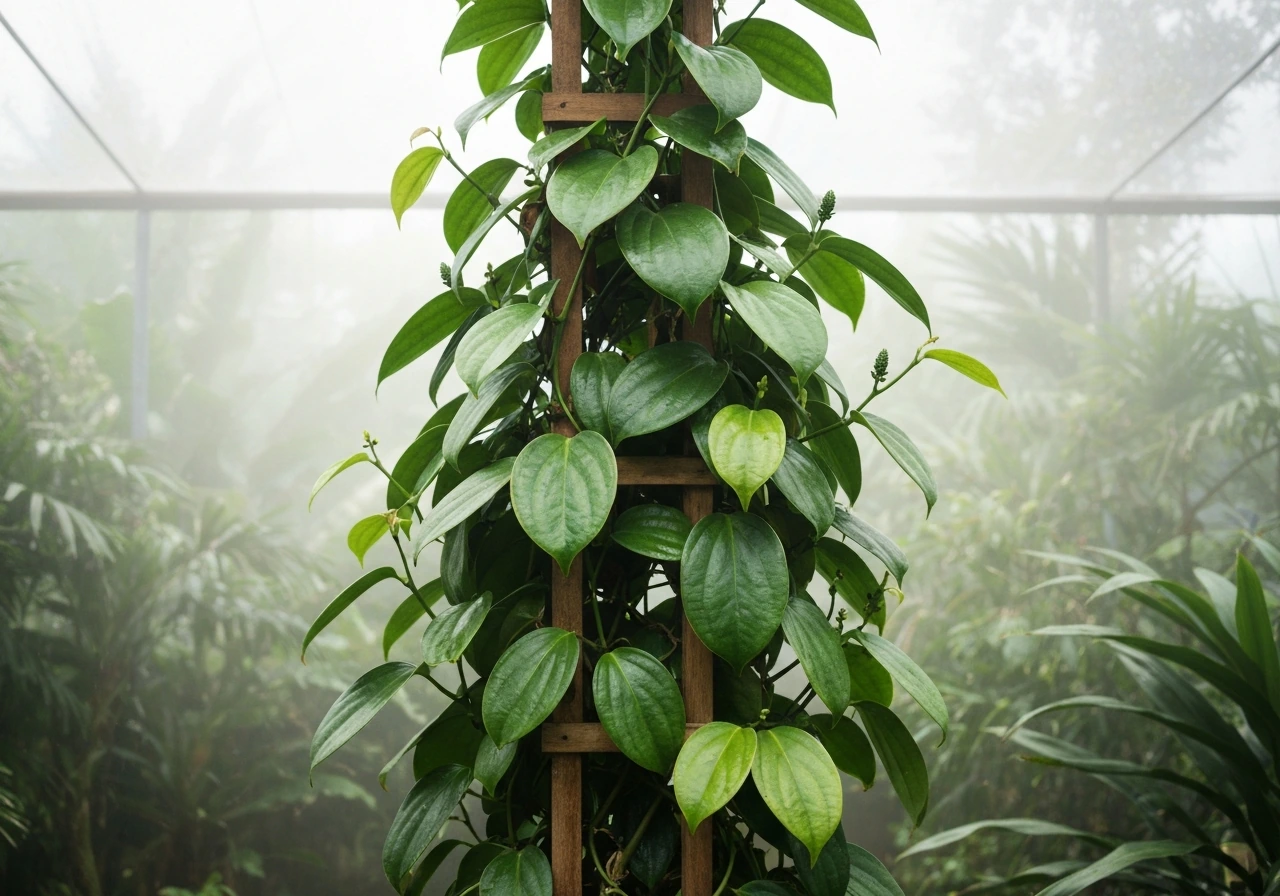
Can You Grow Black Pepper in the US Where and How
Learn where black pepper can be grown in the US and how to grow it indoors or in warm zones for fruit.