
Yes, you can grow wasabi in California, but it depends heavily on where in the state you live and how much effort you're willing to put into managing its conditions. If you live elsewhere in the US, the same temperature and humidity requirements still apply, so your setup will likely need a container or greenhouse approach grow wasabi in the US. Coastal California gardeners have a genuine shot at growing wasabi outdoors in a shaded bed.
Can You Grow Wasabi in California? How to Succeed

Marcus Petersen
3 Jun 2026
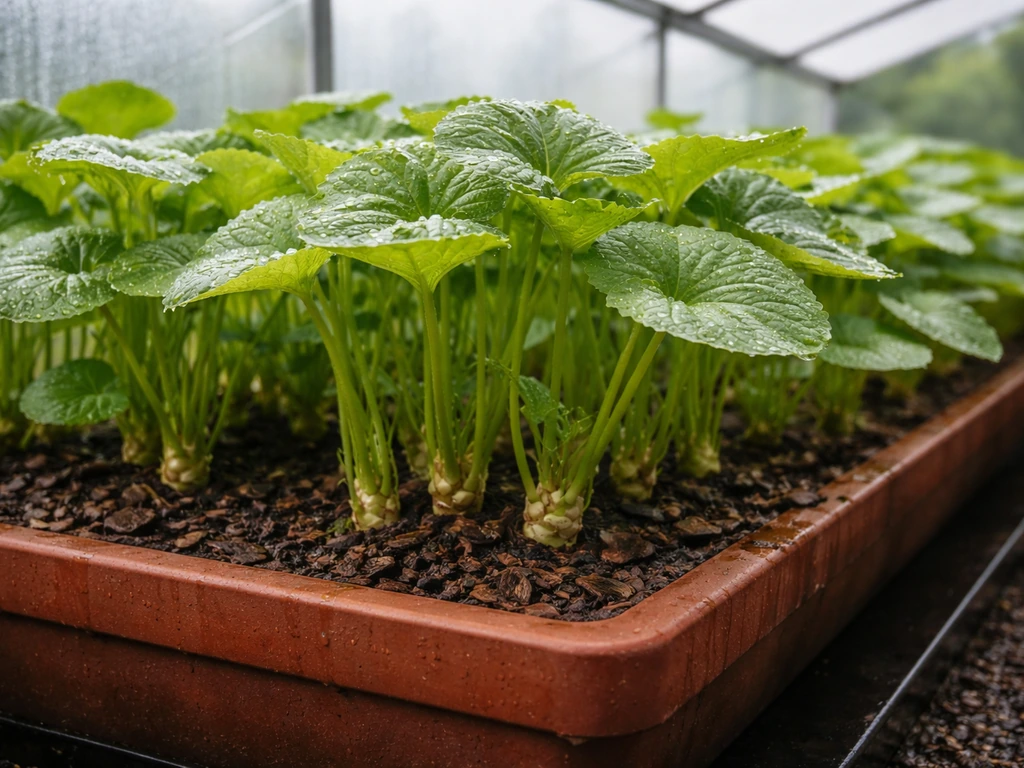
Inland and Southern California gardeners are better off in containers or a greenhouse, because the summer heat will kill or severely damage plants without serious intervention. This is not an impossible crop, but it is a demanding one, and going in with realistic expectations matters.
California feasibility: coastal vs inland vs greenhouse
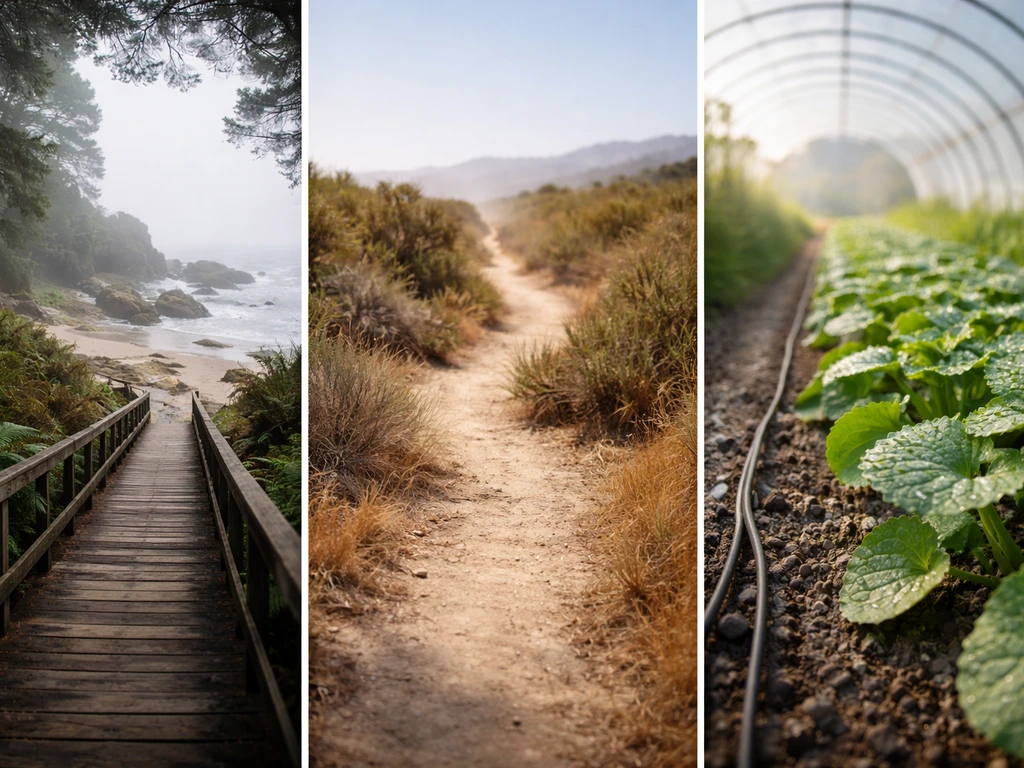
Wasabi's sweet spot is 50 to 60°F for the entire growing season, with air temperatures ideally staying between 46°F and 70°F. The moment temps push past 82°F, you're looking at heat stress, soft rot, and the real possibility of losing your plants. That hard ceiling rules out most of California's Central Valley, the Inland Empire, and most of Southern California's summer months for outdoor growing.
Coastal California is the exception. If you're in a marine-influenced zone like the San Francisco Bay Area, the Marin coast, Monterey, Santa Cruz, or coastal San Diego neighborhoods that get consistent summer fog, you're working with naturally cooler, more humid conditions. Outdoor growing in a north-facing, heavily shaded bed is genuinely viable there. Summers that hover in the 55 to 65°F range with morning marine layer are close to what wasabi experiences in its native mountain stream habitat in Japan.
For everyone else, containers are the practical path. A container setup gives you the ability to move plants into shade, into an air-conditioned room in a heat wave, or into a garage during the occasional cold snap. A cool greenhouse or shaded patio setup with consistent misting or humidity control can work well in drier inland areas. I've heard from gardeners in the East Bay foothills who managed it in containers on a north-facing porch, but it took real attention during July and August.
| California Region | Best Setup | Main Challenge |
|---|---|---|
| Coastal (SF Bay, Monterey, Santa Cruz) | Shaded outdoor bed or containers | Occasional heat waves, low summer humidity inland |
| Northern California (Redding, Sacramento valley) | Containers, move indoors in summer | Extreme summer heat over 100°F |
| Inland/Central Valley | Cool greenhouse or indoor container | Prolonged heat, dry air, hard water |
| Southern California (LA, San Diego coastal) | Containers, shade cloth, misting setup | Warm winters fine, summer heat management required |
| Southern California (Inland Empire, desert) | Climate-controlled greenhouse only | Too hot and dry for most of the year |
What wasabi actually needs to thrive
Wasabi is a semi-aquatic plant that grows naturally along cold mountain streams in Japan. It wants cool, consistently moist conditions, heavy shade, and very clean, well-aerated water and soil. Understanding each requirement helps you figure out which ones are easy to meet in your California spot and which ones need a workaround.
Temperature
The ideal air temperature range is 54 to 59°F, with acceptable growing conditions between 46 and 70°F. Growth slows noticeably below 46°F and essentially stops. Above 82°F, plants can develop soft rot, a bacterial infection that can wipe out a plant fast. For California, the biggest challenge is the upper limit, not the lower one.
Shade
Wasabi is intolerant of direct sunlight. It needs at least 75% shade throughout the day. In its natural habitat it grows under a forest canopy near streams. In your garden, this means a north-facing bed with overhead shade cloth, or placing containers where they get zero direct afternoon sun. A 75 to 80% shade cloth is a good starting point if you don't have a naturally shaded spot.
Water and humidity
Wasabi wants consistently moist roots and prefers high humidity around its leaves. The ideal water temperature for semi-aquatic systems is 54 to 59°F. In a standard container or bed setup, you're aiming to keep the root zone cool and evenly moist at all times. The water should be close to pH neutral, between 6.0 and 7.0. Hard water with high mineral content can be a problem in parts of California, particularly Southern California, so if your tap water is very hard, consider using filtered or rainwater.
Soil
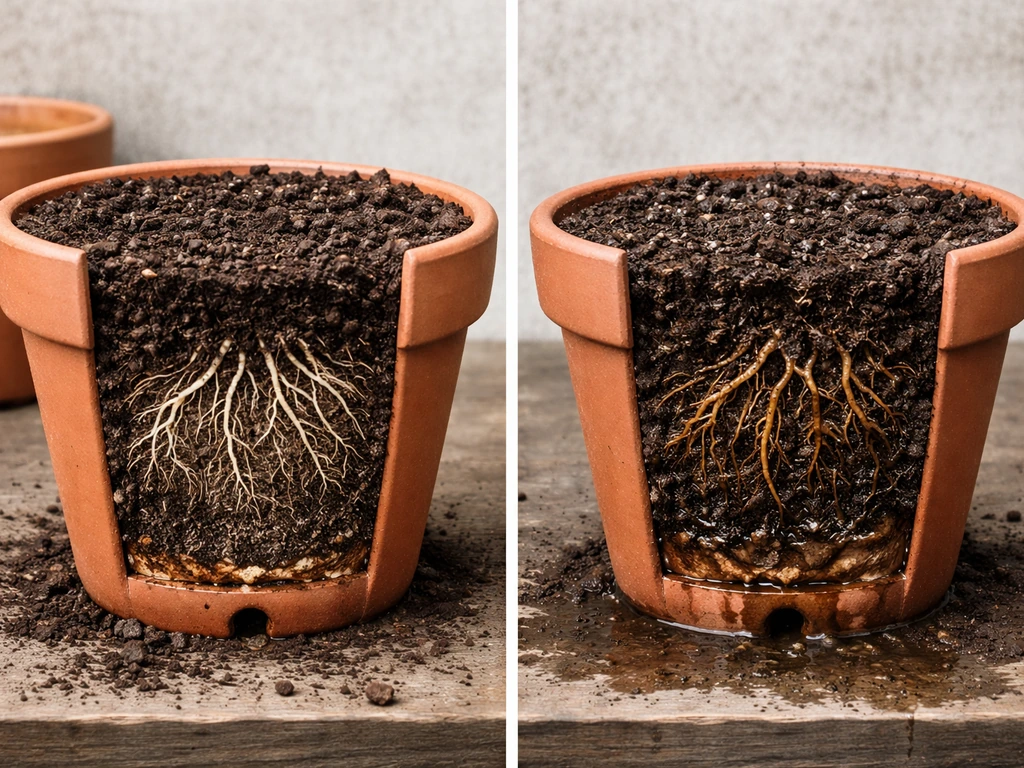
Wasabi needs a rich, organic, well-draining potting mix. It cannot sit in waterlogged soil, even though it craves consistent moisture. Adding a layer of sand underneath your container media helps drainage significantly. The key balance is: always moist, never soggy, and never dried out. Aim for slightly acidic to neutral soil, which aligns with the water pH range above.
Sourcing plants and choosing your container or bed
Start with live plant starts rather than seeds. Wasabi seeds have very low germination rates and are notoriously difficult to establish. Rhizomes and tissue-cultured starts from reputable suppliers are your best bet. Real Wasabi (a U.S. supplier) sells authentic Wasabia japonica starts and fresh rhizomes, including varieties like Daruma and Green Thumb, and ships to California. Real Wasabi (USA) lists wasabi plant starts for sale, including authentic Wasabia japonica starts and tissue-cultured varieties Real Wasabi (a U. S. supplier) sells authentic Wasabia japonica starts. Order online, keep any material refrigerated when it arrives, keep it moist, and plant it within 30 days of receiving it. Don't let it dry out before planting.
For containers, start in a 6-inch pot with rich organic potting mix for the first year. After about 12 months, transplant up to a 12-inch pot. Add a layer of coarse sand at the bottom of each pot to improve drainage. For outdoor beds, choose a shaded spot with well-amended soil (compost-heavy, good drainage), and build raised sections if your native soil is clay-heavy. Spacing should be about 12 inches between plants.
Planting step by step
- Time your planting for spring, once nighttime temperatures are consistently above 30°F. In coastal California, this can be as early as February or March. Inland, wait until March or April, but be aware you're planting into a ticking clock before summer heat arrives.
- When your plant start or rhizome arrives, refrigerate it immediately if you're not planting the same day. Keep it moist with a damp cloth or paper towel in a bag.
- Before planting, soak the roots in cool water for 30 to 60 minutes and remove any damaged or yellowing leaves.
- Fill your 6-inch container with organic potting mix, with a layer of coarse sand at the bottom for drainage. Do not pack the mix tightly.
- Plant the rhizome or start so the crown (where leaves emerge) sits just at the soil surface. Don't bury the crown or the plant will rot. Firm the soil gently around the roots.
- Water thoroughly right after planting with cool, clean water. Place the container in your chosen shade spot immediately.
- For outdoor beds, space plants 12 inches apart in a north-facing, shaded area. Mulch around the base to retain moisture and cool the roots.
- Label with the planting date. You'll need to track roughly 18 to 24 months before harvest.
Keeping it alive: ongoing care through California's seasons
Watering is your biggest ongoing task. Wasabi wants frequent, thorough watering that keeps the root zone consistently moist but never standing in water. In California's dry inland areas, you may need to water daily or even twice a day in summer. In cooler coastal spots, every two or three days may be sufficient. Check the soil an inch below the surface: it should always feel cool and damp. If it's dry, water immediately.
Shade management matters just as much as watering. Use 75 to 80% shade cloth over your plants from late spring through early fall. If temperatures are forecast above 80°F, move containers to the coolest, shadiest spot you have, or bring them inside to an air-conditioned room. A small fan nearby also helps with airflow, which reduces fungal disease risk.
For fertilizing, use a slow-release balanced fertilizer like a 12-12-12 granule formula every 3 to 4 months. The critical thing is to err on the side of under-fertilizing. Wasabi is sensitive to excess nitrogen and salt buildup in the soil. Less is genuinely more here. Do not use high-nitrogen liquid fertilizers.
In winter, California coastal gardeners can usually leave container plants on a shaded porch with protection from the occasional frost. Mulch heavily around base. If you're inland and winter temperatures drop into the low 30s or below, bring containers inside to a cool room with indirect light. Do not let plants sit in a warm house; they need the cooler temperatures to rest. Continue watering even in winter, just reduce frequency slightly.
Watch for aphids, slugs, and snails. Aphids can cluster on the underside of leaves and spread quickly in damp, cool conditions. Knock them off with a stream of cool water or treat with insecticidal soap. Slugs and snails love the moist environment wasabi needs, so use slug traps or organic bait around containers and beds, and hand-remove at night. Fungal and bacterial diseases, especially stem and root rot, are the other big threat. Good airflow and avoiding waterlogged soil are your best preventions.
Troubleshooting the most common California problems
Heat stress
The most common failure mode for California wasabi growers. Signs include wilting, yellowing leaves, and mushy stems. If you see these symptoms during a heat wave, move the plant immediately into shade or air conditioning. Water with very cool water to bring the root zone temperature down. If soft rot has already set in (mushy, foul-smelling base), the plant may not recover. Prevention is the only real answer: track the forecast and act before temperatures hit 82°F.
Dry air
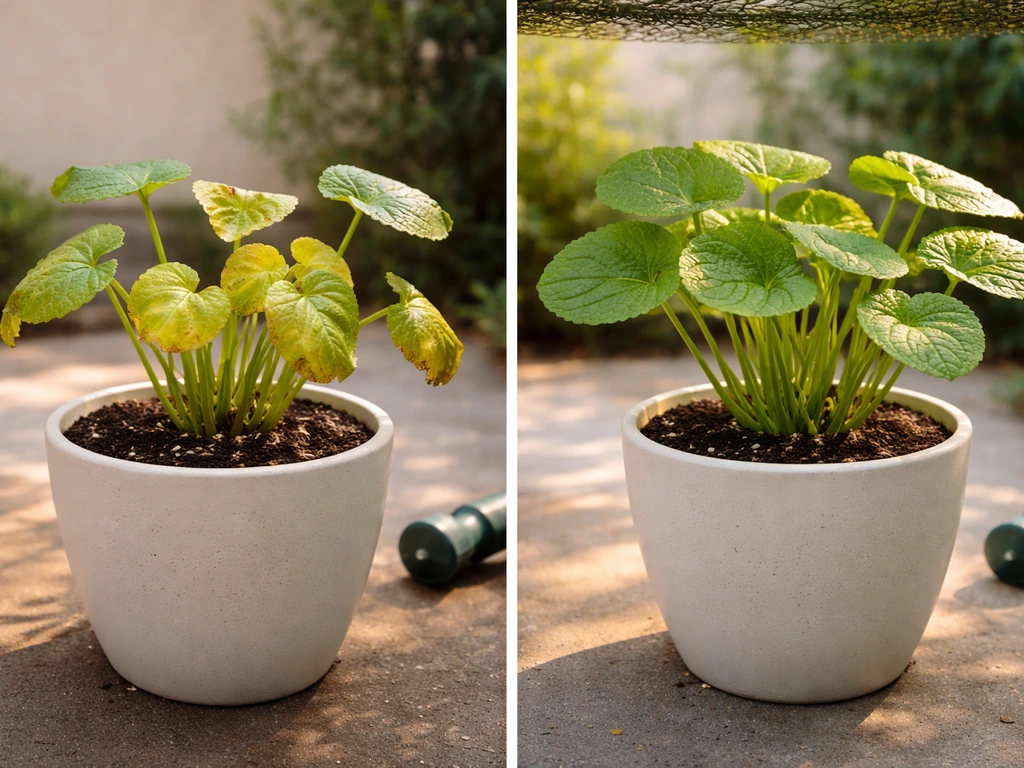
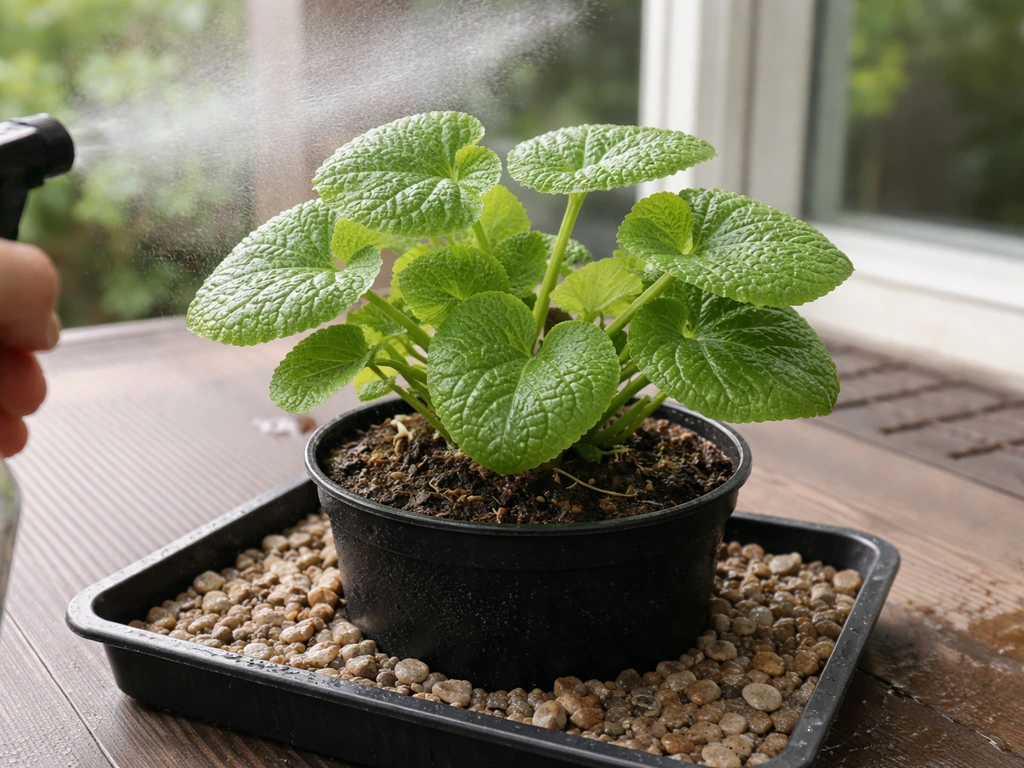
Wasabi wants high humidity, which inland California rarely provides in summer. Misting the leaves twice a day helps. Grouping containers together can create a small humidity microclimate. Placing pots on a tray of wet gravel raises ambient humidity slightly. If you have a patio or greenhouse, a simple humidity controller and misting system makes a big difference.
Poor drainage and root rot
If your soil stays waterlogged, the roots will rot even though wasabi needs moisture. Always use a container with drainage holes, never a saucer filled with standing water, and include that sand layer at the bottom of the pot. If you're growing in a raised bed, check that water drains freely after heavy irrigation.
Slow or stalled growth
Wasabi is a slow plant under the best conditions. If it looks like nothing is happening, check three things: is it too warm, is it getting too much light, and is the soil staying consistently moist? Temperature above 70°F significantly slows growth. Even brief periods of direct sun can set a plant back weeks. And any extended dry spell, even a few days in summer, will cause the plant to pause and recover rather than grow. Patience is required, but if you're losing leaves faster than producing new ones, address all three factors.
Hard water and mineral buildup
Southern California tap water is famously hard, with high mineral content and often elevated pH. Over months, this can cause salt buildup in your container mix and interfere with nutrient uptake. Flush containers thoroughly with clean water every few months, and consider using filtered or collected rainwater for regular irrigation.
Harvesting your wasabi: what to realistically expect
Set your expectations clearly: wasabi takes about 18 to 24 months to produce a harvestable rhizome, and under less-than-ideal conditions it can stretch to three years. After 24 months under good conditions, a rhizome typically reaches 6 to 8 inches long and about an inch in diameter. Harvest in spring or autumn when temperatures are cool, because that's when flavor compounds are most developed.
To harvest, gently loosen the soil around the rhizome and pull the whole plant. Wash the dirt off gently with cool water. To use it, grate with a very fine grater (a traditional sharkskin grater or a microplane works well) right before eating, because the flavor fades within about 15 minutes of grating. Store any unused rhizome in a glass jar in the refrigerator, wrapped in a damp paper towel, for up to 30 days.
You can also harvest petioles (the leaf stems) before the rhizome is fully mature. They have a milder wasabi flavor and can be used in salads or pickled. This doesn't hurt the main plant if you take them sparingly.
Is it worth trying in your part of California?
If you're in coastal California with naturally cool summers, absolutely worth trying in a shaded outdoor bed or containers on a north-facing porch. In Hawaii, you can still try growing wasabi, but you will need to strongly control temperature, shade, and moisture year-round grow wasabi in Hawaii. The conditions are as close to ideal as you'll find in the continental U.S. outside the Pacific Northwest. Growers in places like Oregon and Washington have had consistent success outdoors, and coastal California isn't far behind for the right locations.
If you're in inland or Southern California, go into it knowing you'll be managing temperature and humidity actively, especially in summer. A container setup that you can move around gives you a fighting chance. A small climate-controlled greenhouse is the most reliable path if you're serious about it. It's a challenging grow, but the payoff of grating your own fresh wasabi rhizome is genuinely hard to beat. Start with one or two plants before committing to a full bed, get a feel for what your specific microclimate does in July and August, and adjust from there.
FAQ
What should I do if a heat wave hits and I cannot bring my containers inside?
If your summer highs regularly exceed 82°F outdoors, treat wasabi as a moveable crop. The simplest plan is a container you can relocate to the coolest interior spot you have during heat waves (air-conditioned room or basement with indirect light), while keeping shade cloth and humidity support outside the hottest hours.
How can I save a wasabi plant showing early signs of heat stress?
Because wasabi’s biggest threat is soft rot above the heat ceiling, pause “normal gardening” responses like more sunlight or fertilizer. Move the plant immediately to maximum shade, cool the root zone with very cool water during watering (not ice-cold chunks), improve airflow with a small fan, and temporarily reduce leaf misting if condensation seems to be pooling on stems.
How do I tell if my tap water hardness is harming my wasabi?
In California, the biggest mismatch is usually water chemistry, not just watering frequency. If you suspect hard, high-mineral tap water, run a simple test using aquarium-style test strips for pH and hardness (or ask your county for water report data), then switch to filtered or rainwater and flush the container mix more often to prevent salt buildup.
How can I tell whether my potting mix is staying “too wet” for wasabi?
Wasabi should feel like consistently cool dampness 1 inch down, not soggy. Use a pot with drainage holes plus a sand layer, then water slowly until you see a bit of runoff, and stop. If runoff is minimal or the soil stays wet for long periods after watering, your mix is too heavy or poorly draining.
Should I start wasabi from seed or from rhizomes in California?
Start with rhizome or tissue-cultured starts if you want results within a reasonable timeframe. Seeds are possible but unreliable and slow, and you will need tight control of moisture, temperature, and humidity from day one to avoid damping off.
Can a greenhouse make wasabi easier in inland California?
Yes, but only if you can keep the container’s temperature within the wasabi range. In a greenhouse, aim for dense shade and add misting or a humidity controller, but also monitor root-zone heat, not just air temperature, because midday ground or bench heat can push roots past the safe zone.
How do I know if I’m over-fertilizing my wasabi?
Fertilizing should be conservative and infrequent. If you notice leaf edge burn, unusually fast leafy growth with soft stems, or a buildup crust on the potting mix surface, skip the next feeding and flush the container with clean water to reduce salts and excess nitrogen.
What’s the best way to prevent slugs and snails from destroying wasabi?
Wasabi and typical outdoor slugs often overlap, so prevention matters. Use physical barriers when plants are small, set traps around containers at night, and keep debris off the soil surface so slugs have fewer hiding spots in the humid microclimate.
If my plants suffer during a bad season, should I still harvest, or wait?
Wasabi rhizomes are usually harvested in cool weather, but if you have to harvest due to plant decline, do it rather than waiting for perfect conditions. In that case, focus on preserving the rhizome (reduce rot spread by removing affected tissue), and accept that flavor may be milder if temperatures ran warm.
How can I measure whether my microclimate is actually suitable for wasabi?
A quick practical check is to record shade hours and temperature for your exact spot during July and August. If you want more precision, use a cheap digital thermometer with a probe in the root zone (inside the pot) to see whether the root zone stays near the desired cool range even when the air is shaded.
Next Articles
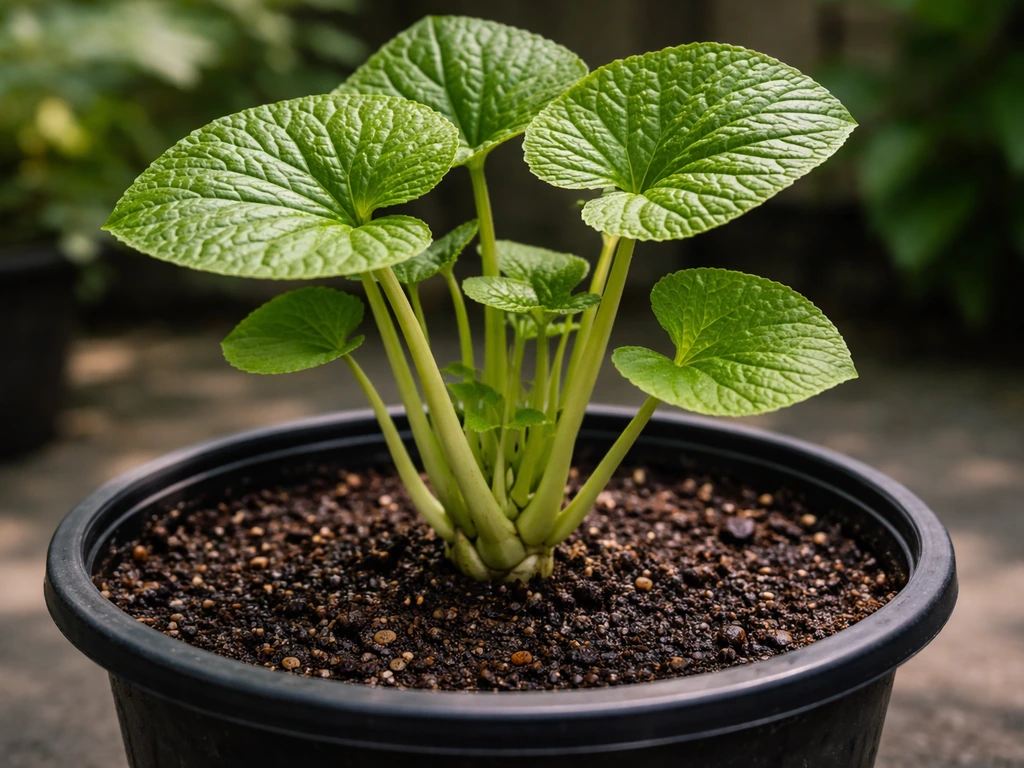
Can You Grow Wasabi in the US? How to Start
Yes, with cool shade and constant clean moisture. Learn US regions to try, container setup, care, and realistic harvest
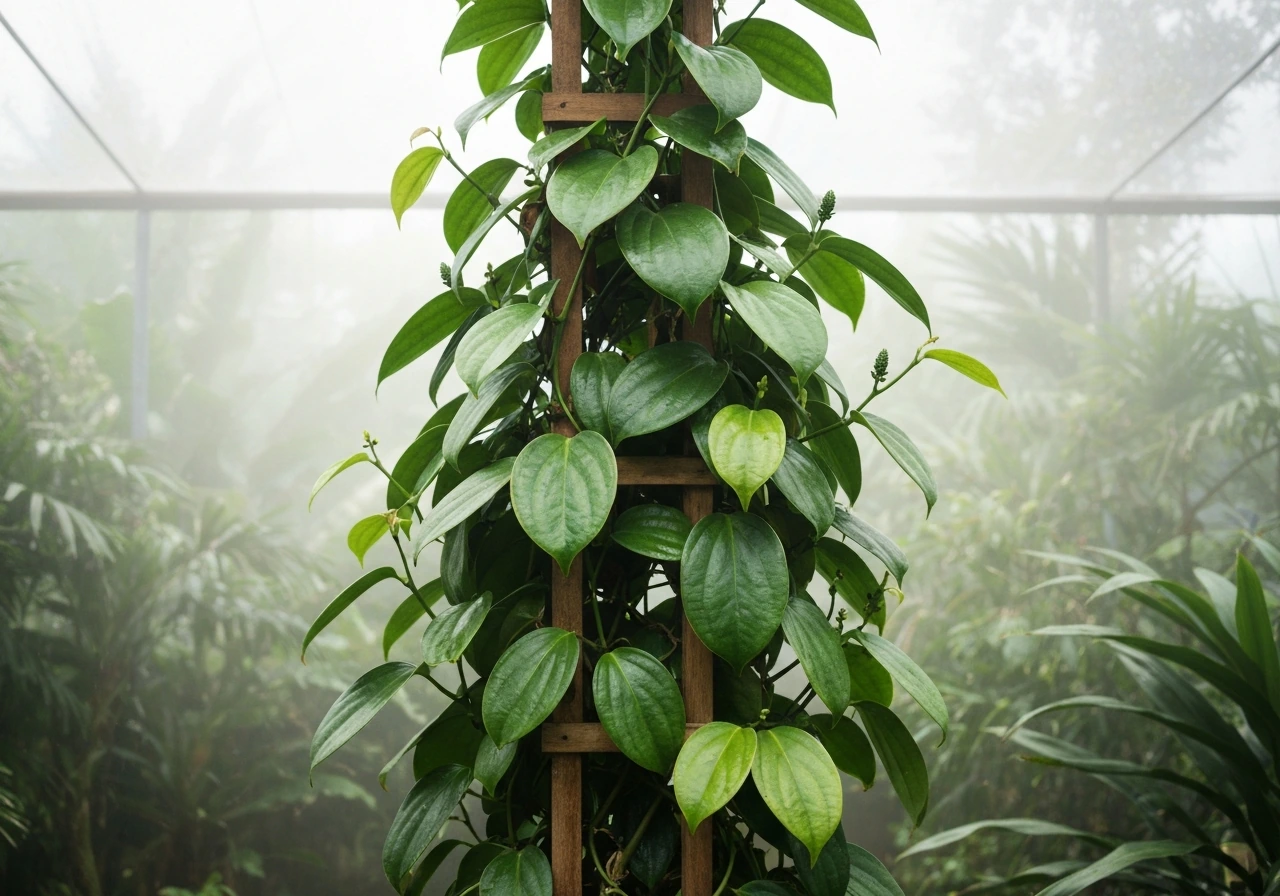
Can You Grow Black Pepper in the US Where and How
Learn where black pepper can be grown in the US and how to grow it indoors or in warm zones for fruit.

Can You Grow Capers in the US? Regional Guide for Home Gardeners
Regional guide to growing caper plants in the US, choosing cultivars, meeting soil and climate needs, and harvesting bud