
Yes, you can grow wasabi in the US, but it is genuinely one of the more demanding crops you can attempt as a home gardener. It is not impossible, and people do succeed at it, but wasabi is not forgiving. It wants a narrow temperature window, constant moisture, heavy shade, and clean water. Get any one of those wrong for too long and your plant stalls, rots, or dies. So before you order rhizomes, it helps to understand exactly what you are getting into and whether your location and setup give you a real shot. If you are specifically wondering whether your Hawaii setup can mimic that cool, consistently moist, heavily shaded streamside niche, you will want to focus on controlling temperature with containers can you grow wasabi in hawaii. You can take the same approach to decide whether your setup in Canada will give wasabi the cool, moist conditions it needs can you grow wasabi in canada.
Can You Grow Wasabi in the US? How to Start

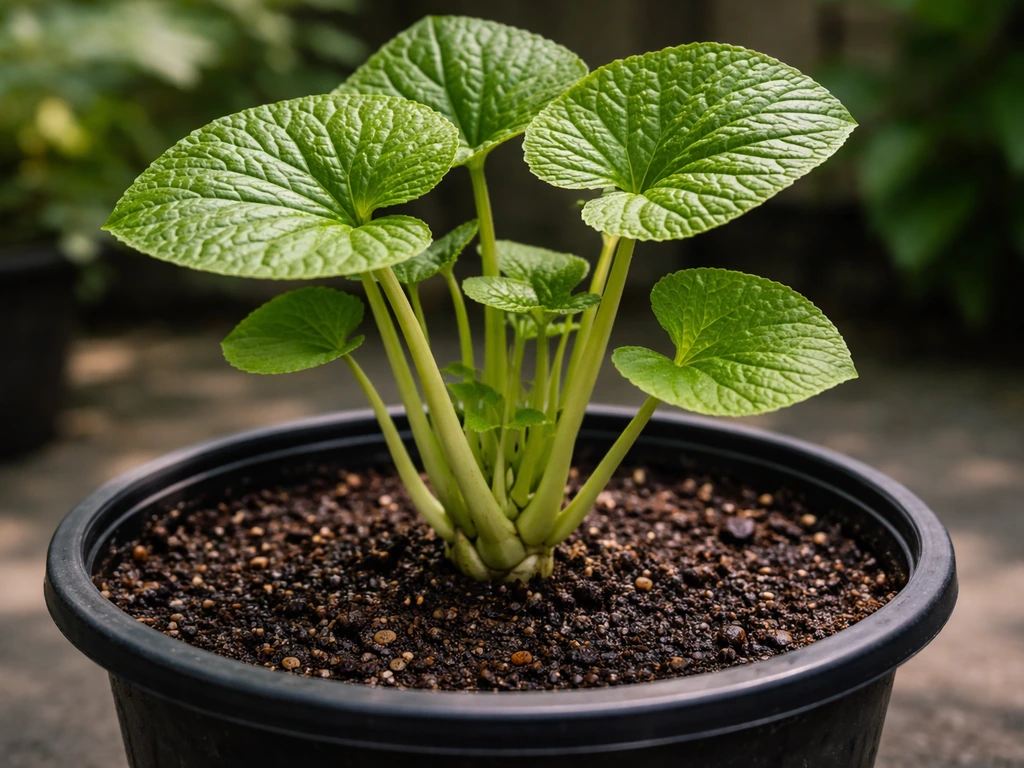
Is wasabi actually growable outdoors in the US?
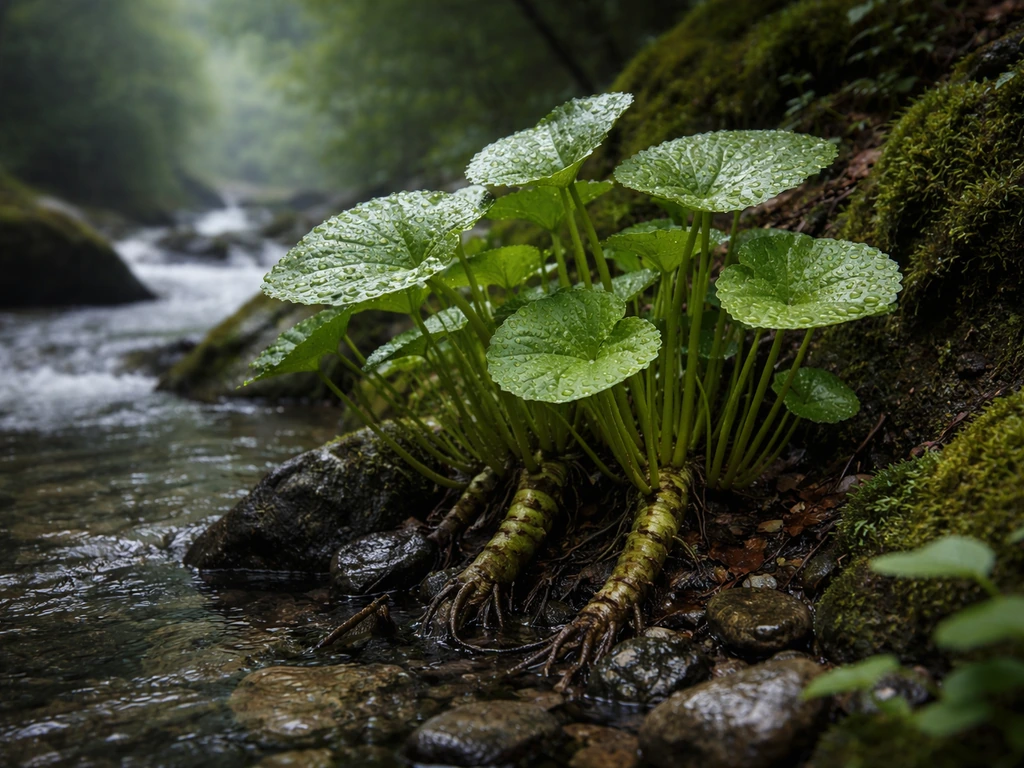
Wasabi (Wasabia japonica) grows naturally on shaded, wet banks along cold mountain streams in Japan. That tells you a lot. It is not a tropical plant that just needs warm sun, and it is not a tough prairie herb that tolerates drought. It occupies a very specific niche: cool, humid, shaded, and consistently moist. Outdoors in the US, that niche exists in some places and not in others. In most of the country, you will need to either find the right microclimate or create one artificially with containers, shade cloth, and careful watering.
The honest answer is that outdoor wasabi works well in parts of the Pacific Northwest, and it is doable with effort in a handful of other cooler, humid regions. Everywhere else, you are looking at container growing indoors or in a controlled space for at least part of the year. That does not mean people in Texas or Ohio cannot grow it, but they need to manage the environment rather than just plant it and walk away.
Best US regions and climates for wasabi
The Pacific Northwest is the closest thing the US has to wasabi's native habitat. Western Washington, western Oregon, and the coastal ranges of northern California offer cool summers, high humidity, and the kind of shade that mature forest provides. Washington State University extension work on wasabi cultivation specifically documents it as a viable crop in the Pacific Northwest, and commercial wasabi farms in the US are concentrated there for exactly that reason. Oregon State University Extension hosts the PNW-605 publication “Growing Wasabi in the Pacific Northwest,” which is a standard U.S. extension reference for wasabi cultivation guidance. If you are in that region and have access to shade and consistent moisture, outdoor growing is genuinely achievable.
Beyond the Pacific Northwest, your options get harder but not hopeless. Parts of the Appalachian highlands, the upper Midwest near the Great Lakes, and some cooler mountain areas in the Southwest can offer usable growing windows. That same cool, moist profile is why you can ask can you grow wasabi in Michigan, and still have a realistic path if you build the right container setup the upper Midwest near the Great Lakes. The key is consistently cool temperatures from spring through fall. Places that swing from cold winters to hot summers, without a long moderate shoulder season, are the hardest environments to manage. Hot, dry regions like the Desert Southwest or the deep South are effectively impossible outdoors without a very controlled indoor setup.
Specific US states where wasabi can be grown with reasonable effort include Washington, Oregon, parts of northern California, and states with similar cool-humid profiles. The regional sibling pages on California, Michigan, and Hawaii cover those specific cases in more detail, since each state presents a different mix of feasibility and challenge.
What wasabi actually needs to grow
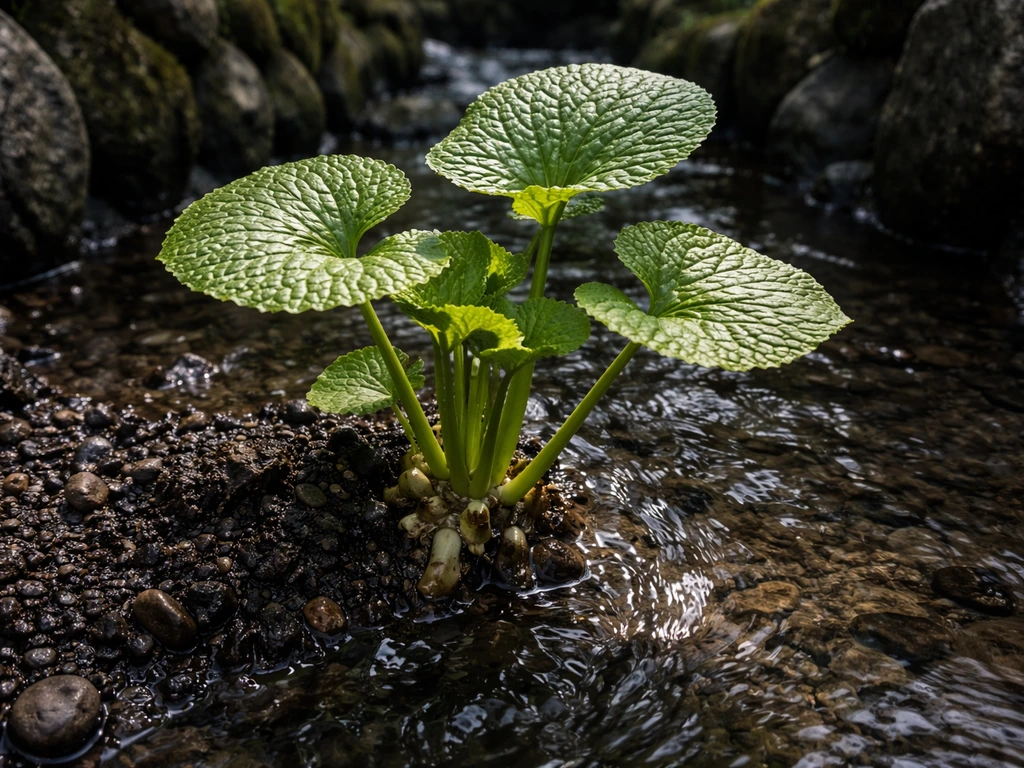
There are four conditions wasabi cares about most: temperature, water, light, and soil. Miss on any of them consistently and the plant shows it quickly. Here is what the research and grower experience actually says:
| Factor | Ideal Condition | What Goes Wrong Outside That Range |
|---|---|---|
| Temperature | 50–60°F year-round growing season | Above 80°F causes stress and potential death; below 46°F slows or stops growth |
| Water | Constant moisture, ideally cool flowing water or very consistent irrigation | Soggy stagnant water causes rhizome rot; drought causes wilting and stunted growth |
| Light | Heavy shade, dappled at most | Direct sun scorches leaves and heats the root zone |
| Soil | Loose, very organic-rich, moist to wet, pH 6–7 | Compacted or low-organic soil restricts rhizome development and drainage |
The temperature requirement is the one that trips people up the most. Wasabi wants 50 to 60°F as its optimal growing range across the entire season. Temperatures below 46°F will slow or stop growth. Temperatures pushing into the 80s put the plant under serious heat stress. That is a narrow window, and it is why places with cool, stable climates are so much easier to work with. Commercial growers in Japan use cool mountain stream water flowing through the growing beds to maintain that temperature stability. You will need to think about how to replicate that.
How to start growing wasabi at home
You have three options for starting wasabi: seeds, bare rhizomes, or established plants. Seeds are the hardest route and are not worth the frustration for most home growers. Germination is slow, finicky, and inconsistent. Rhizomes are better but require careful handling to prevent rot during establishment. Established starter plants purchased from a reputable specialty nursery give you the best shot at early success, and for most beginners, that is the right call.
When buying rhizomes or plants, source from a supplier that specializes in wasabi rather than a generic garden center. The variety matters too. Mazuma and Daruma are the two most commonly cultivated varieties in the US, with Daruma generally considered more heat-tolerant, which is worth noting if you are in a borderline climate.
Timing your planting matters. Aim to get plants in the ground or into containers in early spring or early fall, when temperatures are in the optimal range. Avoid transplanting during summer heat or hard winter cold. The goal is to give the plant time to establish its root system during the coolest, most stable part of your growing calendar.
Setting up your growing space, step by step
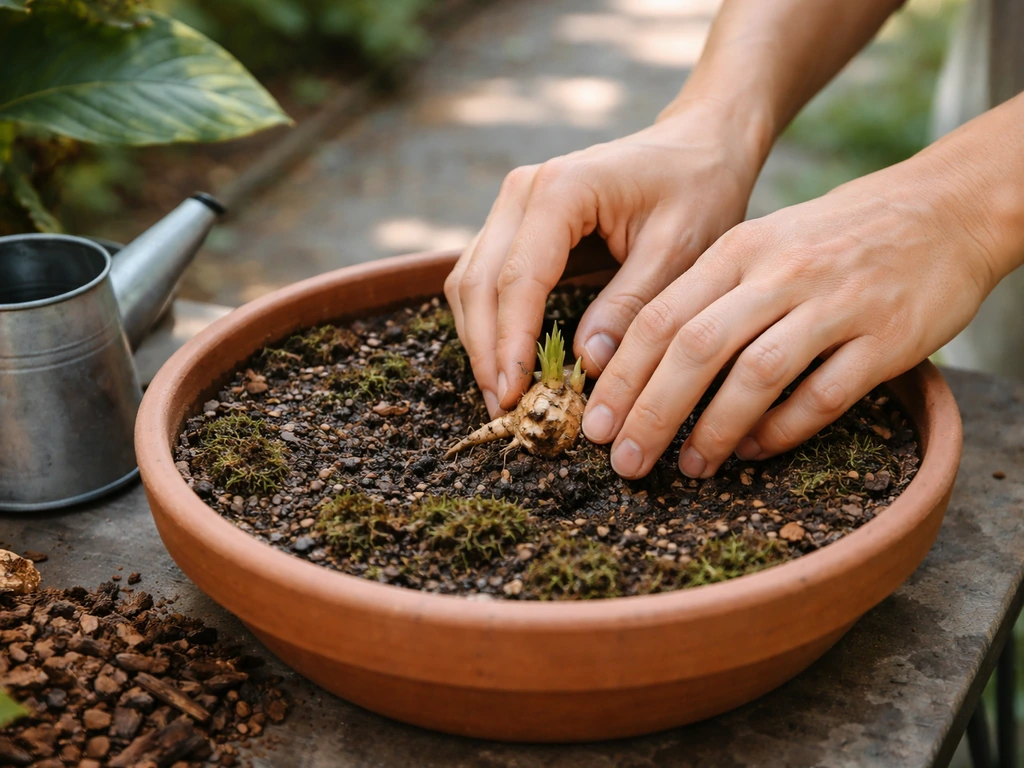
Whether you are growing in containers or in a garden bed, the setup logic is the same: replicate a cool, shaded, moist streamside environment. Here is how to do it practically:
- Choose your location first. You need a spot that gets no more than dappled light, ideally north-facing or under a tree canopy. If you are using containers, place them where they will be shaded during the hottest part of the day.
- Prepare your growing medium. Mix rich organic compost with a well-draining base like pine bark or perlite. The soil should feel consistently damp but never waterlogged. Utah State University Extension recommends a very organic-rich, moist to wet soil with a pH of 6 to 7, so test your mix and adjust with lime or sulfur as needed.
- Set up your container or bed for drainage. If you are using a raised bed or box, add a drainage layer at the bottom with coarse gravel. Wasabi roots need oxygen at the root zone even while staying moist. Stagnant water is what causes rot, not moisture itself.
- For containers, use a wide, shallow pot rather than a deep narrow one. Wasabi rhizomes spread horizontally. A container at least 12 inches wide and 8 to 10 inches deep works well for a single plant.
- Install shade cloth if natural shade is not sufficient. A 50 to 70 percent shade cloth is a practical solution for exposed locations. Shade keeps both the leaves and the soil surface cooler.
- Water consistently using cool, clean water. If your tap water is heavily chlorinated, let it sit overnight before using it or use a filter. The goal is to keep the root zone moist at all times without creating standing water. In warmer climates, watering with cooler water during the hottest part of summer can help lower root-zone temperature slightly.
- If you have access to a cool spring or natural water source, the WSU Pacific Northwest cultivation model of using flowing spring water through drainage boxes is highly effective. That approach keeps temperature stable and delivers steady oxygenated moisture, which is as close to native conditions as you can get in the US.
- Mulch heavily around the base of each plant. A 2 to 3 inch layer of organic mulch like straw or wood chips helps retain moisture, keeps soil temperature down, and reduces watering frequency.
Containers vs. garden beds: which works better?
For most US home growers outside the Pacific Northwest, containers win. They give you control over temperature, drainage, and placement that a fixed garden bed cannot. You can move containers into shade, bring them indoors during summer heat spikes, or shift them to a cooler garage or basement when temperatures drop below 46°F in winter. If you are in the Pacific Northwest with a naturally shaded, moist spot, a streamside-style raised bed with good drainage is an excellent option and closer to ideal conditions. Everywhere else, start with containers and expand once you know the setup works.
Common problems and how to fix them
Rhizome rot
This is the most common failure point, and I have experienced it firsthand. Rhizome rot happens when the root zone stays wet without enough drainage or oxygen. The fix is almost always in the growing medium setup: add more perlite or coarse bark to improve aeration, make sure your container or bed has functional drainage holes, and never let water pool at the base of the plant. If you notice a mushy rhizome early, cut away the affected tissue with a clean blade and dust the wound with powdered sulfur before repotting into fresh, drier mix.
Slow or stalled growth
Wasabi is a slow grower under the best conditions, but it should still show new leaf growth over time. If the plant sits completely still for weeks, temperature is usually the cause. Check whether your location is dropping below 46°F (which stops growth) or regularly hitting above 80°F (which stresses the plant). Adjust placement or bring the container to a more temperature-stable spot. Nutrient deficiency can also stall growth, so a light application of a balanced organic fertilizer in spring and fall helps keep things moving.
Pests: slugs, aphids, and caterpillars
WSU extension research specifically flags slugs, aphids, and caterpillars as serious pest issues in Pacific Northwest wasabi cultivation, and these problems apply anywhere you grow the crop. Slugs are especially drawn to the moist conditions wasabi requires. Use diatomaceous earth around the base of plants or copper tape around container rims to deter them. Aphids tend to cluster on the undersides of leaves, and a sharp spray of water or insecticidal soap handles most infestations. Caterpillar feeding on leaves is harder to spot early, so check the undersides of leaves regularly and hand-pick or use Bacillus thuringiensis (Bt) as a spray.
White rust disease
White rust, caused by the fungus Albugo, is a documented disease problem in wasabi. It shows up as white pustules on the undersides of leaves. Improve air circulation around plants, avoid overhead watering that keeps foliage wet, and remove and dispose of affected leaves promptly. Copper-based fungicide sprays can help manage outbreaks, but prevention through airflow and dry foliage is more effective in the long run. Bayer CropScience’s white rust disease guide also notes fungicide use as part of management for white rust outbreaks.
Heat stress
During summer, even growers in favorable regions can hit extended warm spells. WSU cultivation data notes that water temperatures reaching up to 93°F represent a serious heat risk for wasabi. If you see leaves going limp or yellowing during a heat wave, move containers to the coolest spot you have, increase watering frequency with cooler water, and add extra mulch. For garden beds, a temporary shade cloth increase can buy the plant time through a hot spell.
How long until you can harvest, and what should you expect?
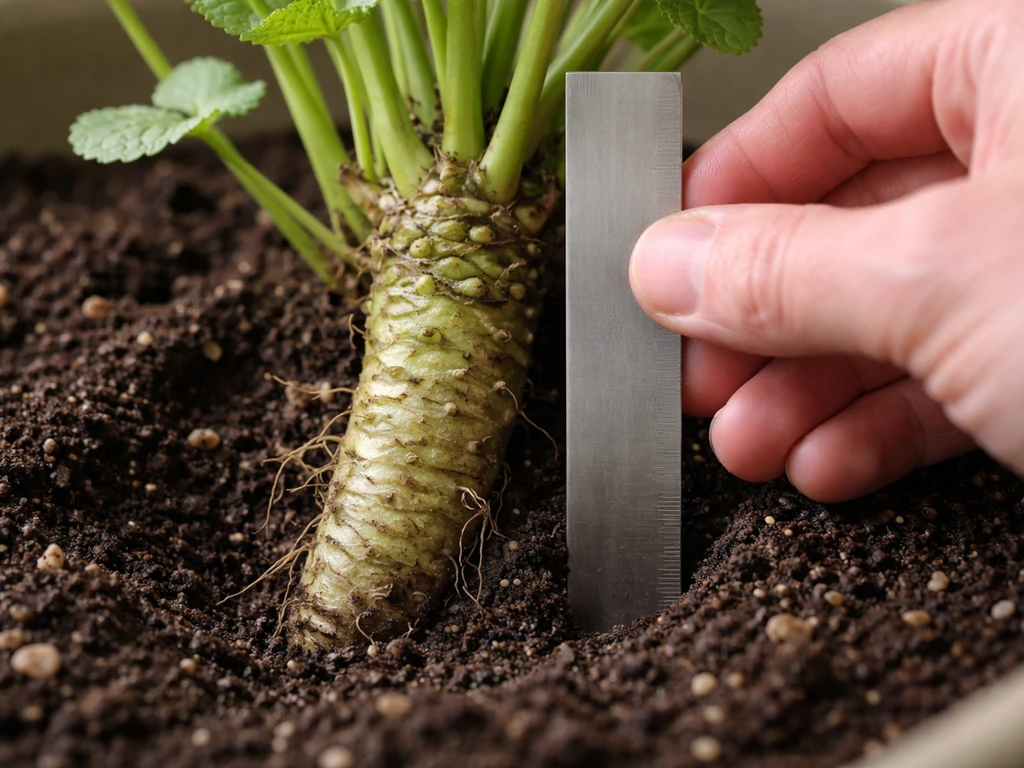
This is where it pays to be blunt: wasabi is slow. Plan on about two years from planting before the rhizome is large enough to harvest. Utah State University Extension is explicit about this timeline, and it matches what growers consistently report. That two-year window assumes reasonably good conditions. If your temperatures are frequently outside the optimal range or the plant hits significant stress, it can take longer.
What you get after two years is roughly 4 to 6 inches of harvestable rhizome per plant, which is a modest but real yield. Harvest in spring or autumn when temperatures are cool, since that is when the pungency and flavor are at their best. Fresh-grated wasabi from a home-grown rhizome is genuinely different from the green paste in tubes at the grocery store, most of which contains little or no real wasabi. If you have ever had real wasabi at a good Japanese restaurant, you know the difference is significant.
The leaf stems and leaves are also edible and can be harvested earlier, which at least gives you something to use while the rhizome matures. Some growers pickle the stems or use the leaves in salads. It is not the rhizome, but it is not nothing either.
Is it worth it compared to just buying wasabi?
Real wasabi rhizomes can sell for well over $100 per kilogram, so there is genuine value in what you are growing. But the payoff is slow and the plant demands real attention. If you enjoy the process of growing unusual crops and have a naturally cool, humid, shaded spot to work with, especially in the Pacific Northwest, this is absolutely worth attempting. If you are in a hot or arid part of the country and you are hoping for a low-effort project, wasabi will disappoint you. It rewards growers who match the conditions carefully and accept the slow timeline. Go in with those expectations and it becomes a genuinely satisfying long-term growing project rather than a frustrating failure.
FAQ
Can you grow wasabi indoors in the US, or does it have to be outdoors?
Yes, but only if you can keep the root zone inside the same narrow temperature and moisture range as a streamside bed. In practice that means placing the container in a consistently cool spot and using an indoor or garage setup during hot stretches, and preventing stagnant water by using a pot with drainage holes plus an oxygen-friendly mix (for example, base material with added coarse bark or perlite).
If I use shade cloth, will that make wasabi easier to grow in a warmer climate?
It helps, but it is not a complete substitute for temperature control. Even with shade, wasabi can stall if nights and root-zone temperatures drop below about 46°F or if the plant experiences repeated days into the 80s. If your shade cloth lowers light but your area still runs warm, you still need container mobility or an active cooling approach.
How wet should the soil stay when growing wasabi in a container?
For wasabi, “consistently moist” does not mean constantly wet. Use enough water to keep the root zone uniformly damp, then let excess drain freely so the rhizome and crown do not sit in standing water. The quickest way to ruin wasabi is a potting mix that stays waterlogged, so prioritize drainage and aeration over frequent shallow watering.
How do I store home-grown wasabi rhizomes after harvesting?
Storing rhizomes in the refrigerator is usually the better option for short-term use, but they will gradually lose quality. For best flavor, harvest when temperatures are cool (spring or autumn), wash gently, and use relatively soon after harvest. If you want to extend freshness, keep harvested rhizomes cool and dry-brushed, not soaked.
What container setup details matter most beyond using shade and watering?
Plan the layout around what wasabi needs most, temperature stability and clean drainage. Put the container where you can move it during heat spikes, and make sure the catch tray does not overflow or hold water. A second practical trick is to group containers together to create a microclimate with more stable humidity, while still ensuring airflow to reduce leaf disease.
Is Daruma vs Mazuma a meaningful difference for home growers in the US?
Switching varieties can help if you are in a borderline heat area, with Daruma often being described as more heat-tolerant than Mazuma. However, variety only helps at the margins. If your location repeatedly hits the upper heat stress zone, you still need temperature management because wasabi can suffer from heat even when the air is only moderately warm.
Can I move established wasabi plants to a new pot or location?
Yes, but the plant must survive stress-free establishment. If you must transplant, do it only during early spring or early fall when temperatures are in range, and keep the root zone evenly damp after moving. Avoid moving during summer heat spikes or during hard winter cold, since that is when transplant shock plus temperature stress most often leads to rotting.
My wasabi isn’t growing, how do I troubleshoot the cause quickly?
New leaves are a better indicator than overall size. If you are seeing no leaf growth for weeks, check temperature first (too cold stops growth, too hot causes stress). After that, look at the growing medium oxygen level, since a compacted mix that stays wet can prevent healthy rhizome development even if you think you are watering correctly.
What is the best way to protect wasabi from slugs in a humid US region?
Yes, slug pressure can be brutal because wasabi’s preferred moisture makes the environment ideal for slugs. Use physical barriers (for example, diatomaceous earth around the base, or copper tape around container rims) plus frequent checks after rain or evening watering. Hand removal works, but consistent prevention is usually more effective.
How should I handle white rust (Albugo) when it shows up on wasabi leaves?
If you see white pustules on the underside of leaves, improve airflow and remove affected leaves promptly, then avoid wetting foliage with overhead watering. Since wasabi is sensitive, treat early rather than waiting. In many home situations, changing watering method and sanitation provides more benefit than heavy intervention.
When is the best time to harvest wasabi rhizomes in the US?
The rhizome harvest window is tied to cool temperatures. Harvest in spring or autumn when conditions are mild, and expect a longer timeline if your temperatures frequently wander outside the optimal range. If you harvest too hot or too stressed, you can end up with smaller rhizomes and reduced pungency.
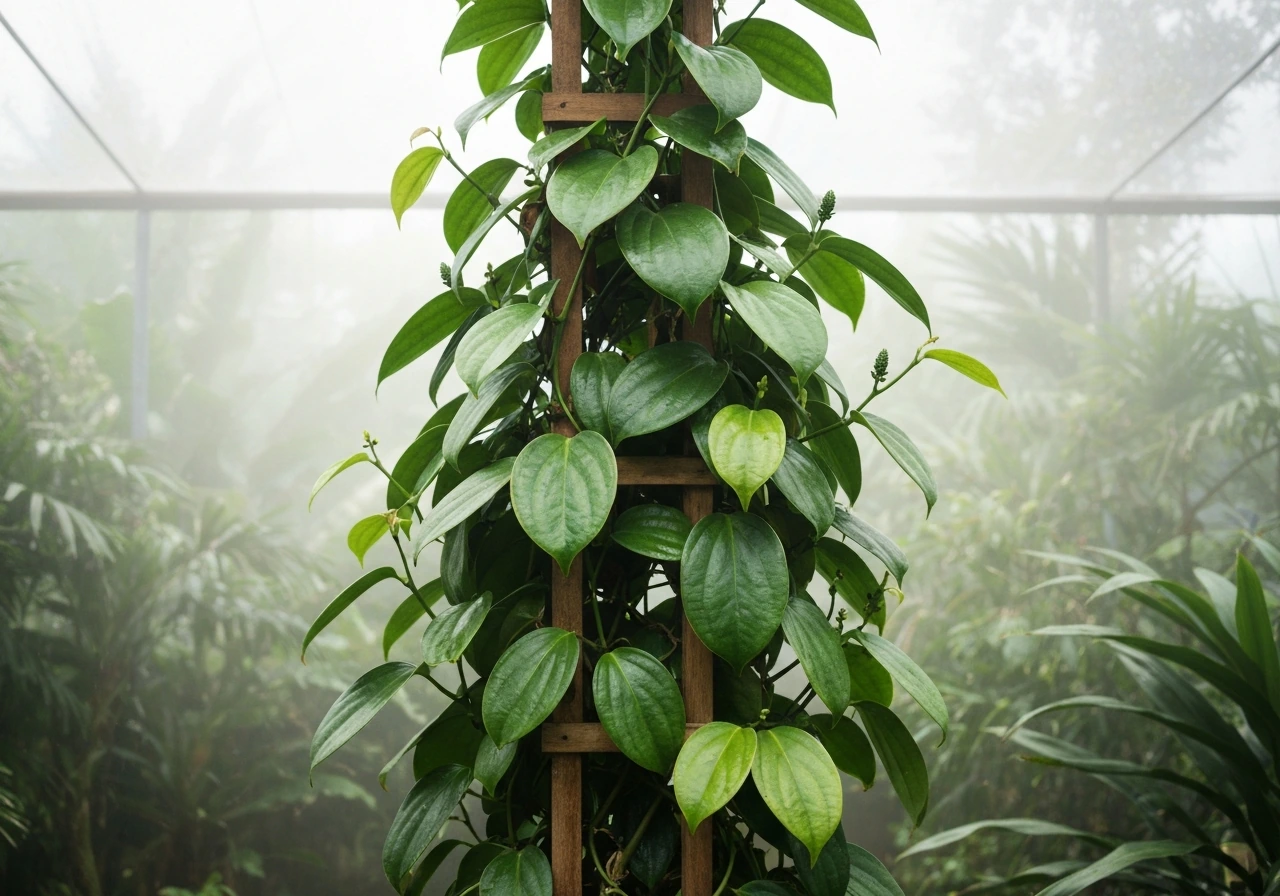
Learn where black pepper can be grown in the US and how to grow it indoors or in warm zones for fruit.

Regional guide to growing caper plants in the US, choosing cultivars, meeting soil and climate needs, and harvesting bud
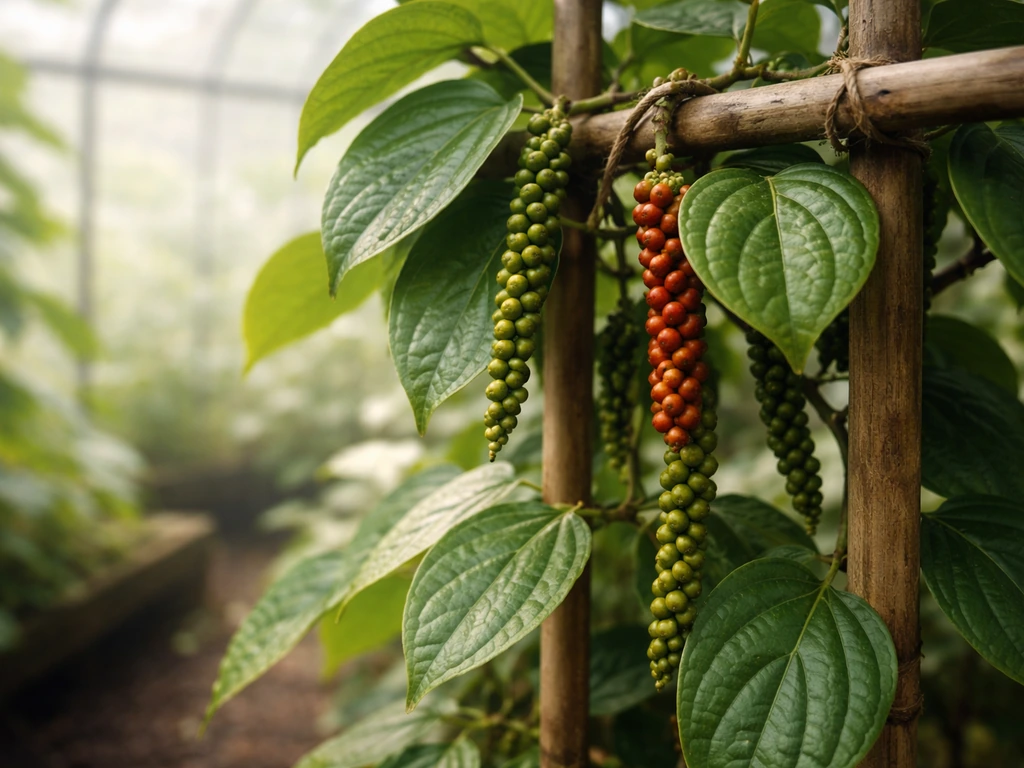
Zone-by-zone guide to growing black pepper peppercorns in the US, including heat, humidity, indoor options, and timeline