
You can grow a cinnamon plant in Tennessee, but you almost certainly cannot grow it outdoors year-round, and harvesting actual cinnamon bark at home is a long, difficult process that rarely pays off for a casual gardener. The honest answer is: Tennessee is too cold for true cinnamon (Cinnamomum verum) to survive winters outside, but you can keep it alive in a container, bring it in every fall, and enjoy it as a beautiful tropical houseplant. If bark is your end goal, set your expectations carefully before you invest time and money.
Can You Grow Cinnamon in Tennessee? Realistic Options and Care

Marcus Petersen
9 Jul 2026
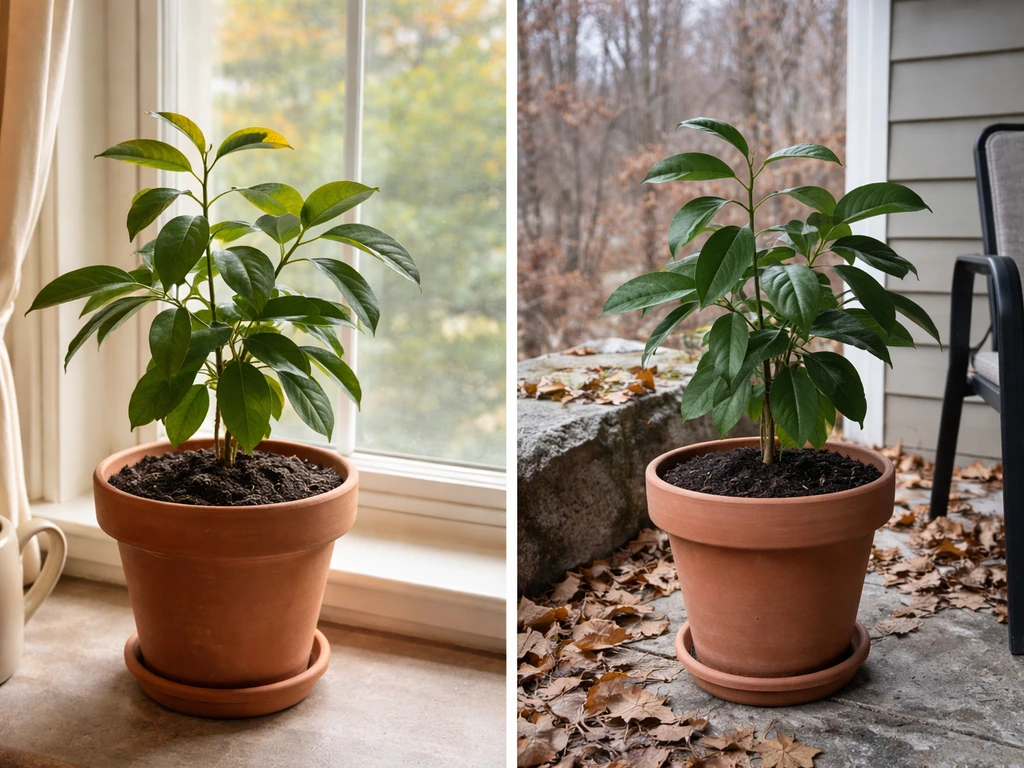
True cinnamon vs cassia: which one are you actually growing?
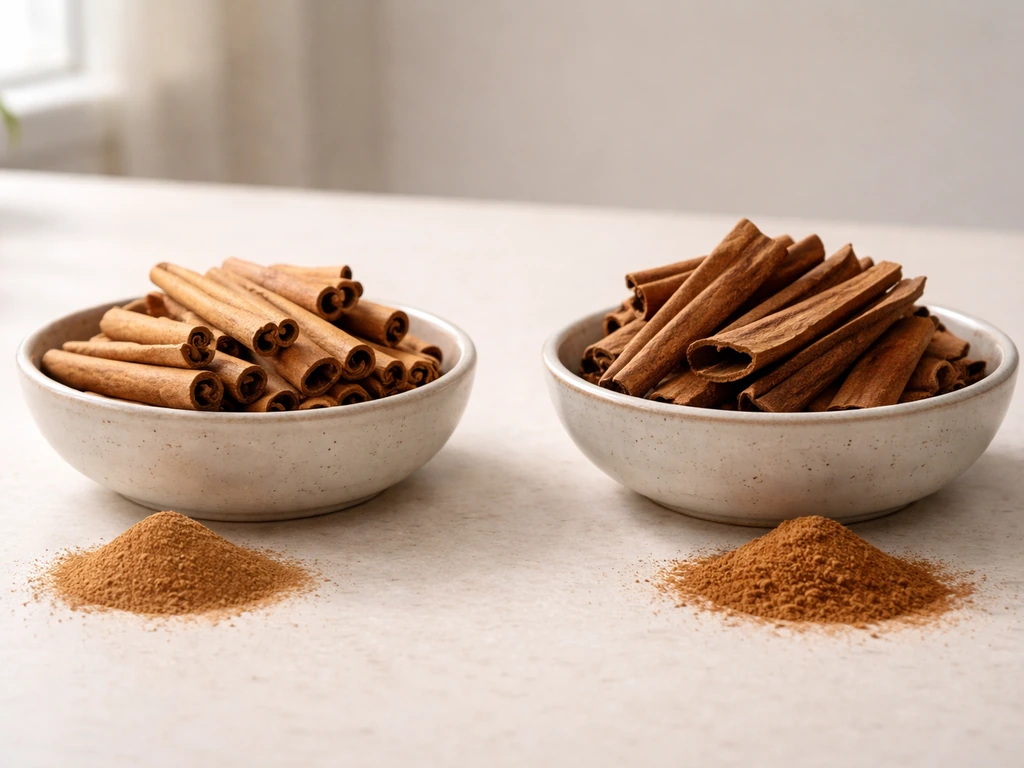
This is the first thing to sort out, because most people searching for "cinnamon" are actually thinking of two completely different plants. True cinnamon is Cinnamomum verum, also called Ceylon cinnamon. It produces the thin, delicately flavored bark you find in specialty spice shops. Cassia is Cinnamomum cassia (Chinese cinnamon), native to southern China and widely grown across Southeast Asia.
Cassia is what fills most grocery store spice jars in the U. S. and what most commercial "cinnamon" products actually contain. Both are tropical trees.
Both require warmth, humidity, and frost-free conditions to thrive. The difference that matters for Tennessee gardeners is mainly about sourcing and flavor, not about cold hardiness. Neither species is hardy outdoors in Tennessee winters. That said, cassia seed germinates very quickly (as fast as 5 to 15 days under the right conditions), which makes it a slightly easier starting point if you can find seed.
For this guide, I'll focus primarily on Cinnamomum verum since it's what most people want when they imagine growing "real" cinnamon at home. If you are wondering about can you grow cinnamon in California, the same key idea applies: choose true cinnamon and plan for frost-free, container-friendly conditions For this guide, I'll focus primarily on Cinnamomum verum. But most of the advice applies equally to cassia.
Tennessee's climate and what it means for cinnamon
Tennessee spans USDA hardiness zones 6a through 7b, depending on where you are. Memphis and the far southwest sit in zone 7b, while parts of the eastern mountains dip into zone 6a. True cinnamon (Cinnamomum verum) is rated for zones 10 through 12 by the Missouri Botanical Garden. That's a gap of three to four full hardiness zones.
Even in the warmest corner of Tennessee, winter lows routinely drop into the 20s°F, and cinnamon trees begin suffering cold damage below about 40°F. A hard freeze kills them outright. There is no microclimate in Tennessee that reliably stays warm enough outdoors for cinnamon to survive a full winter without protection.
If you’re wondering can you grow cinnamon in Ohio, the key issue is winter cold, so you’ll likely need a container and protection for part of the year outdoors for cinnamon to survive.
Humidity, interestingly, is not the problem in Tennessee. Summers here are hot and muggy, which cinnamon actually appreciates. The growing season from late spring through early fall can genuinely support healthy cinnamon growth outdoors. The problem is the other six months. Frost typically arrives in October or November across most of the state, and late freezes can hit as far into spring as April in East Tennessee. That means your window for safe outdoor placement is roughly late May through mid-October at best, and even that requires watching forecasts closely.
South-facing walls, covered patios, and urban heat pockets can extend your outdoor season by a few weeks and buffer against light frost, but they cannot protect a tropical tree against a Tennessee January. Think of those microclimates as bonus growing time, not a workaround for winter.
How to start a cinnamon plant in Tennessee
Sourcing your plant
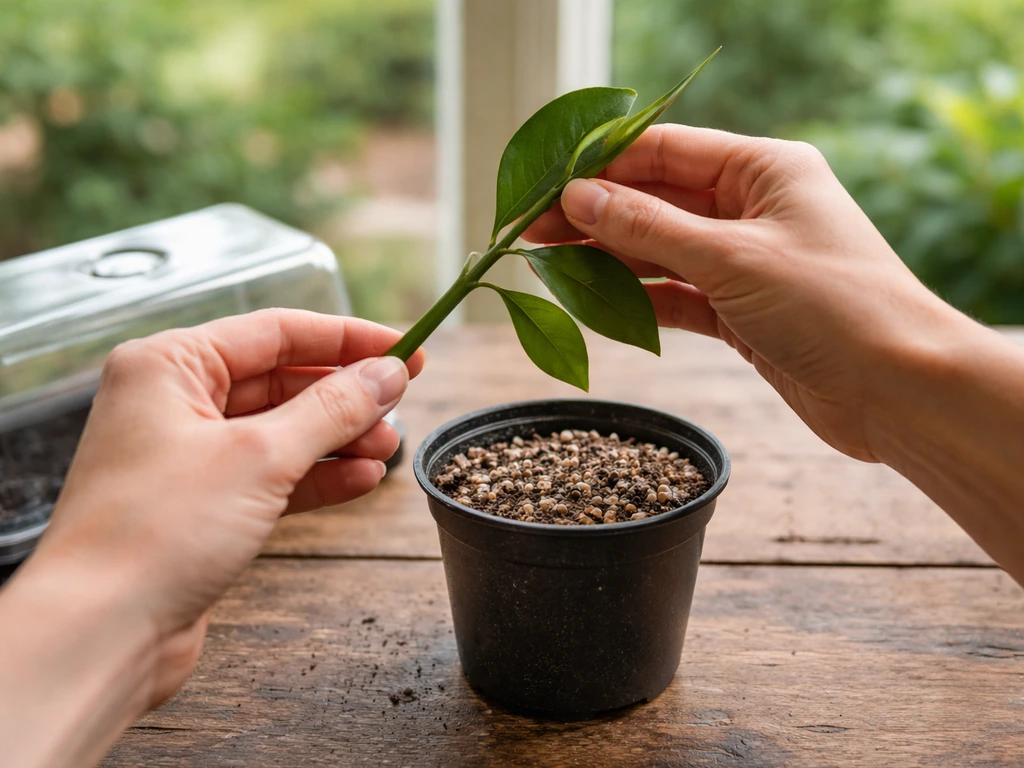
Your best starting point is buying a rooted starter plant from a reputable online tropical plant nursery. Cinnamon trees are not common at local Tennessee garden centers, so don't waste time driving around. Search for Cinnamomum verum starters on specialty tropical plant websites. Expect to pay $15 to $40 for a small plant. You can also start from seed, but keep in mind that cinnamon seed loses viability very quickly. Fresh seed is essential. If you can source fresh C. verum seed, plant it immediately in a warm, moist medium and expect germination in a few weeks. Dried seed from a spice rack will not germinate.
Propagation by cuttings is another option. Semi-hardwood cuttings taken in summer, treated with rooting hormone, and placed in a humid propagation setup can root successfully. Air layering also works. These vegetative methods are worth trying if you already have access to a mature plant, but for most Tennessee gardeners starting from scratch, just buy a starter.
Container setup
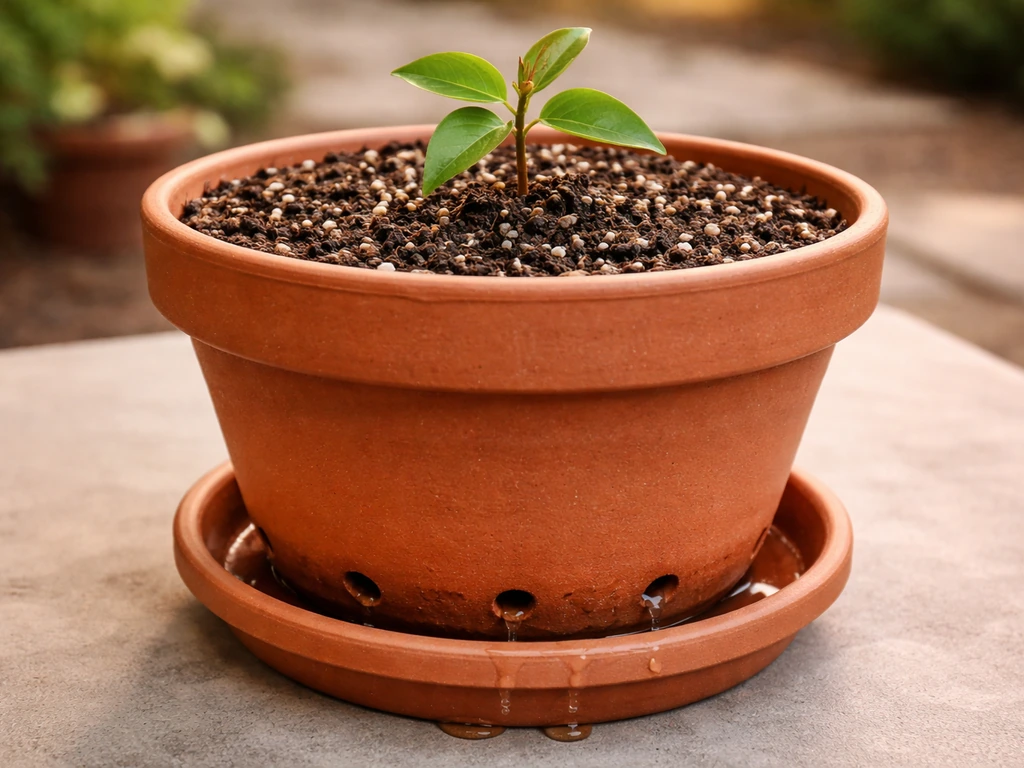
Containers are not optional here. They are the entire strategy. Start a young plant in a pot roughly 12 inches in diameter and plan to size up every two to three years. Use a well-draining potting mix. A blend of high-quality potting soil cut with about 25 to 30 percent perlite works well. Cinnamon prefers a slightly acidic soil, somewhere around pH 5. FAO EcoCrop for Cinnamomum verum lists soil pH suitability ranges that include roughly pH 5.5 to 6.5, which aligns well with aiming for slightly acidic container mix conditions. 5 to 6.5, so avoid mixes that are heavily amended with lime. Good drainage is non-negotiable. A pot sitting in standing water is a root rot waiting to happen.
One practical note on container sizing: a big pot is tempting, but an overly large container holds excess moisture that roots can't absorb quickly, which increases fungal risk. Move up one pot size at a time as your plant grows.
Caring for your cinnamon plant through the year
Light
Cinnamon wants as much bright light as you can give it. Outdoors from late May through mid-October, full sun is ideal. When the plant comes inside for winter, put it in your brightest south-facing window. If you don't have strong natural light indoors, a full-spectrum grow light placed a few inches overhead makes a real difference. Plants that struggle through dim Tennessee winters tend to drop leaves, go leggy, and become more vulnerable to pests.
Watering
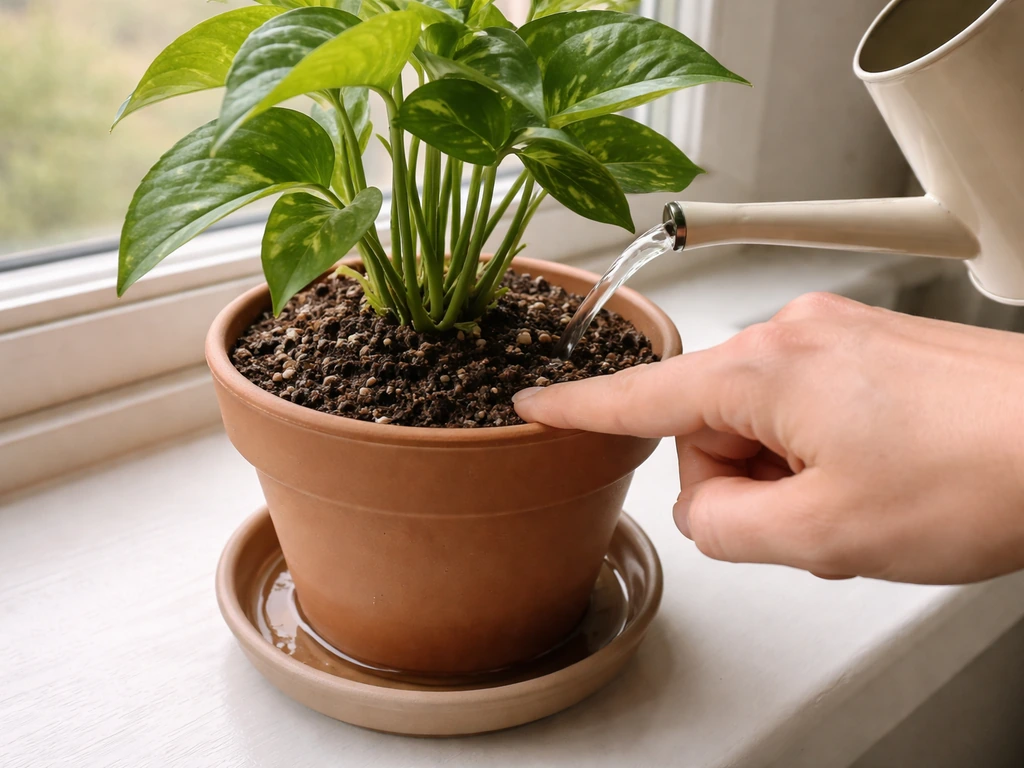
Water thoroughly when the top inch or two of soil feels dry, then let it drain completely. Never let the pot sit in water for more than about an hour. In summer outdoors, you may need to water every two to three days during hot spells. Indoors in winter, scale back significantly. The plant's growth slows dramatically once it's inside and under reduced light, and overwatering during this period is the number one way people kill cinnamon. Check the soil before you water, not the calendar.
Humidity and temperature indoors
Tennessee homes in winter tend to run dry thanks to forced-air heat, which cinnamon dislikes. A small humidifier near the plant or a pebble tray with water underneath the pot (without the pot sitting directly in the water) helps. Keep the plant away from heating vents and drafty windows. Ideally, indoor winter temperatures should stay above 55°F at all times, and above 60°F is better.
Fertilizing
Feed with a balanced liquid fertilizer (something like a 10-10-10 or similar) every three to four weeks during the active growing season from spring through early fall. Reduce feeding to once every six to eight weeks in winter, or stop entirely if the plant is clearly dormant and showing little new growth. Overfertilizing a plant that isn't actively growing stresses the roots and can contribute to the same problems as overwatering.
Pruning
Cinnamon trees get large in their native habitat, but container-grown plants can be kept to a manageable size by pruning tips and shaping in late winter or early spring before the outdoor season. This also encourages bushier growth. Don't be afraid to prune back leggy or damaged growth. The leaves themselves are fragrant and can be used in cooking and teas, which is a nice bonus while you wait years for bark production.
Overwintering the container
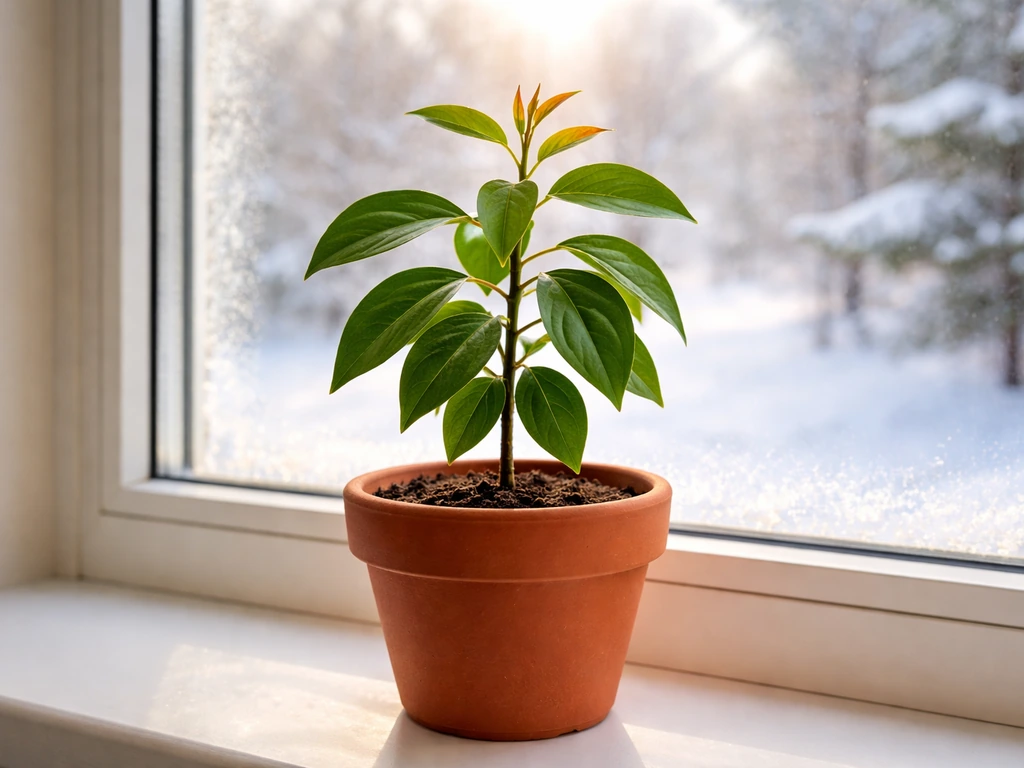
Bring your cinnamon indoors before the first frost, which in most of Tennessee means sometime in October. Do not wait for a frost warning to move it. Container roots experience the full outdoor air temperature unlike in-ground roots, and even a light frost can damage roots that would otherwise survive. An unheated garage can work as a transitional space if temperatures stay above freezing, but long-term storage in a dark garage isn't ideal for a plant that needs light. The goal is a warm, bright indoor space for the full winter.
Pollination, patience, and the truth about harvesting bark
Let's be honest about what you're signing up for if bark production is your goal. In commercial cinnamon plantations in Sri Lanka, the first bark harvest typically occurs two to three years after planting in ideal tropical conditions. Some sources cite three to four years for a meaningful first harvest, with quality improving in subsequent cuts. In less-than-ideal container conditions in Tennessee, pushed indoors every winter and likely receiving less light and root space than it wants, a cinnamon plant will grow far more slowly than it would in a tropical plantation.
Bark harvesting itself involves stripping the outer bark and peeling away the inner bark during a specific time of year when the cambium is active, traditionally during or after the wet season. It requires a mature, healthy trunk of sufficient diameter. In some traditional production contexts, trees are actually grown for eight to ten years and then felled before bark is removed. Doing this with a container plant growing in a Tennessee living room is not practical.
Flowering and seed production at home are also unlikely without a large, mature plant in optimal conditions. If your main goal is cinnamon bark for cooking, growing it yourself is probably not going to meet your needs in any reasonable timeframe. If your goal is a beautiful, aromatic tropical plant that you can enjoy for its fragrance and leaves while harboring long-term ambitions about bark someday, that's a perfectly reasonable project.
Common problems Tennessee growers run into
| Problem | Likely Cause | What to Do |
|---|---|---|
| Leaf drop in fall/winter | Transition stress, low light, or temperature shock | Move indoors before first frost, maximize light, keep away from cold drafts |
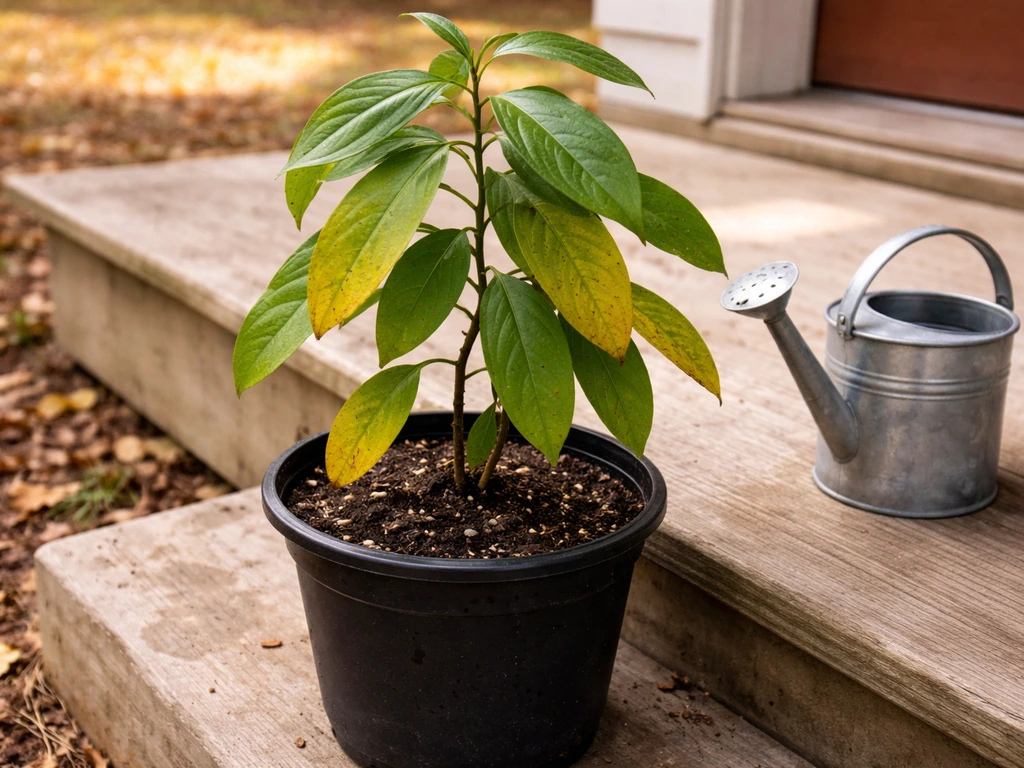
| Yellow leaves | Overwatering or poor drainage | Check soil moisture, improve drainage, reduce watering frequency |
| Root rot | Soggy soil, poor drainage, overpotting | Repot into fresh well-draining mix with more perlite, trim rotted roots, reduce watering |
| Scale insects | Common on indoor tropical plants, especially in dry conditions | Treat with horticultural oil, ensure full coverage of stems and leaf undersides |
| Mealybugs | Similar conditions to scale, spreads from other houseplants | Isolate plant, dab with isopropyl alcohol on a swab, follow up with neem or horticultural oil |
| Cold damage (browning/wilting) | Left outdoors too long or placed near drafty window | Move to warmer location, trim damaged growth, reduce watering until plant recovers |
| Leggy, weak growth indoors | Insufficient light | Add grow light, move to brightest window available, consider pruning to redirect energy |
Root rot from overwatering is the most common killer I've seen with container cinnamon in non-tropical climates. The pattern is almost always the same: the plant gets moved indoors for winter, watering continues on the same outdoor schedule, and by February the roots are a soggy mess. I learned this the hard way with my first plant. Scale insects are the second most frequent problem, and they love the warm, dry indoor environment your cinnamon will be living in every winter. Check the undersides of leaves and along stems regularly.
If outdoor growing isn't realistic, here's what actually works
If you want cinnamon for cooking and don't want to spend years babying a container tropical plant through Tennessee winters, the most practical alternative is simply buying high-quality cinnamon bark or sticks from a reputable spice supplier. If you are wondering whether the same container approach applies to Georgia, the answer depends on how you handle frost and winter indoor conditions can you grow cinnamon in Georgia. True Ceylon cinnamon (Cinnamomum verum) is available online from specialty spice companies and tastes dramatically better than the generic cassia powder at most grocery stores. You get the superior flavor without any of the growing effort.
For gardeners who still want to grow the plant, there is real satisfaction in keeping a cinnamon tree as a container specimen. The leaves are usable in cooking, teas, and as aromatics. The plant is genuinely attractive with its glossy, fragrant foliage. Focus on it as a long-term ornamental and aromatic project rather than a spice production system, and you'll enjoy it much more. If you're in the warmer parts of Tennessee, closer to Memphis or the southwestern lowlands, your container plant can spend more time outdoors and will grow faster for it.
Gardeners in similar cold-limited states face the same challenge. Growing cinnamon in Georgia is more feasible in the southern part of that state where winters are milder, and growing cinnamon in Texas is possible in zones 9 and 10 in the Rio Grande Valley. Growing cinnamon in Texas is possible in the Rio Grande Valley, especially in zones 9 and 10. Tennessee simply doesn't have the extended frost-free winters those warmer regions offer. Compared to those states, Tennessee gardeners should plan firmly around container growing with annual indoor overwintering as the baseline strategy, not an occasional precaution.
Bottom line: try growing cinnamon in Tennessee if you enjoy the project and are happy tending a tropical container plant through the year. Growing cinnamon in Michigan is possible too, but you will almost certainly need a container and careful overwintering indoors growing cinnamon in Tennessee. It's worth the effort if you appreciate the plant for what it is. Don't start it expecting a reliable home spice supply. The plant is the reward here, not the harvest.
FAQ
Can I grow cinnamon outdoors in Tennessee without bringing it inside every year?
For true cinnamon (Cinnamomum verum) and cassia, no. Tennessee winters routinely drop low enough to damage or kill the plant, so plan on overwintering indoors (or at least keeping it frost-free in a protected setup) every year.
What is the easiest cinnamon to start in Tennessee, true cinnamon or cassia?
Cassia tends to be easier to begin if you can source viable seed, because it can germinate faster when conditions are right. That said, both are equally frost-sensitive, so your winter container plan matters more than which species you choose.
Will a cinnamon plant grown for leaves and teas be “worth it” even if I cannot harvest bark?
Yes, many gardeners find the fragrant foliage makes the plant worthwhile as an aromatic houseplant. You can use the leaves in teas and cooking, but treat bark harvest as a long-term, unlikely-for-containers bonus rather than an expected outcome.
Can I propagate cinnamon from dried grocery store cinnamon sticks or cinnamon powder?
No. Dried material from spice jars will not provide viable seed for germination, and it is not a practical source for cuttings. If you want to try starting from seed, you must have fresh, viable seed, or start with a rooted plant or cuttings from an established source.
How warm does it need to be when cinnamon is inside for winter?
Aim to keep it above about 55°F consistently, and closer to 60°F is better. If the plant gets cold drafts near windows or heating vents, leaf drop and stress increase, which makes pests like scale more likely.
What type of light should I use indoors if I do not have a strong south-facing window?
Use the brightest window you have, and if growth stalls or leaves thin out, add a full-spectrum grow light positioned a few inches above the plant. Indoor cinnamon often declines in low light, leading to legginess and higher pest pressure.
How do I know whether I am watering too much during winter?
Use the soil check, not the schedule. Water only after the top inch or two dries, and always drain excess. Overwatering is the most common failure mode when plants slow down indoors, and standing moisture quickly leads to root rot.
Does a larger pot help prevent drought stress for cinnamon?
Not necessarily. Bigger pots hold moisture longer than the roots can use, raising fungal and rot risk. The safer approach is to move up one pot size at a time as the plant grows, with very good drainage.
What soil pH is best, and do common potting mixes work?
Cinnamon prefers slightly acidic conditions, around pH 5.5 to 6.5. Many mixes are near neutral, so avoid lime-heavy blends. If you are uncertain about pH, test the mix and adjust with appropriate amendments rather than guessing.
When should I bring cinnamon outside in spring, and when should I bring it in fall?
Do not wait for a frost warning. Bring it inside before the first frost in your area, and for spring, only move it out after nights are reliably warm. Container roots feel outdoor cold directly, so a light frost event can still cause damage.
Will South-facing walls or patios allow me to leave cinnamon outside longer?
They can extend the safe outdoor season by a few weeks by buffering against light frost, but they cannot reliably prevent January-level cold. Treat microclimates as extra growing time, not as a substitute for overwintering indoors.
Why do my cinnamon leaves drop when I move it indoors?
Leaf drop often happens after a sudden change in light and airflow, especially in winter with forced-air heating. Reduce the shock by using your brightest window or grow light, keep away from vents, and only adjust watering when the soil truly dries.
What pests should I watch for on indoor cinnamon in Tennessee?
Scale insects are a frequent winter pest, especially in warm, drier indoor conditions. Check stems and the underside of leaves regularly, and address early rather than waiting for heavy infestations.
Is air layering or cutting propagation realistic for most Tennessee gardeners?
It can work, but it depends on having access to a mature plant and using a humid, controlled rooting setup for cuttings. For most beginners, buying a rooted starter is faster and more reliable than trying to build propagation from scratch.
What is the most practical alternative if I want cinnamon for cooking in Tennessee?
If your goal is spice supply, the simplest option is to buy high-quality bark or sticks from a spice supplier. Growing the plant can be a long-term ornamental and aromatic project, but container bark harvest is rarely practical on a typical Tennessee timeline.
Next Articles
Can You Grow Cinnamon in California? Realistic Guide
Yes in warm California microclimates or containers, with species limits, frost care, and realistic timelines for harvest
Can You Grow Cinnamon in Ohio? Feasibility and Care Tips
Can you grow cinnamon in Ohio? Learn if true cinnamon works, plus container care and indoor overwintering steps.
Can You Grow Cinnamon in Michigan? Realistic Steps
Learn if you can grow cinnamon trees in Michigan, plus indoor or greenhouse steps, overwintering, and realistic alternat