
You can grow a cinnamon plant in Michigan, but you cannot realistically grow it outdoors, and harvesting actual cinnamon bark from a home setup is a very long shot. What you can do is keep a Cinnamomum verum (true cinnamon) alive and growing as an indoor container plant, enjoy its fragrant leaves, and if you're patient enough, potentially attempt a small bark harvest after several years. That's the honest answer, and the rest of this guide will help you decide whether it's worth the effort.
Can You Grow Cinnamon in Michigan? Realistic Steps

Marcus Petersen
10 Jun 2026
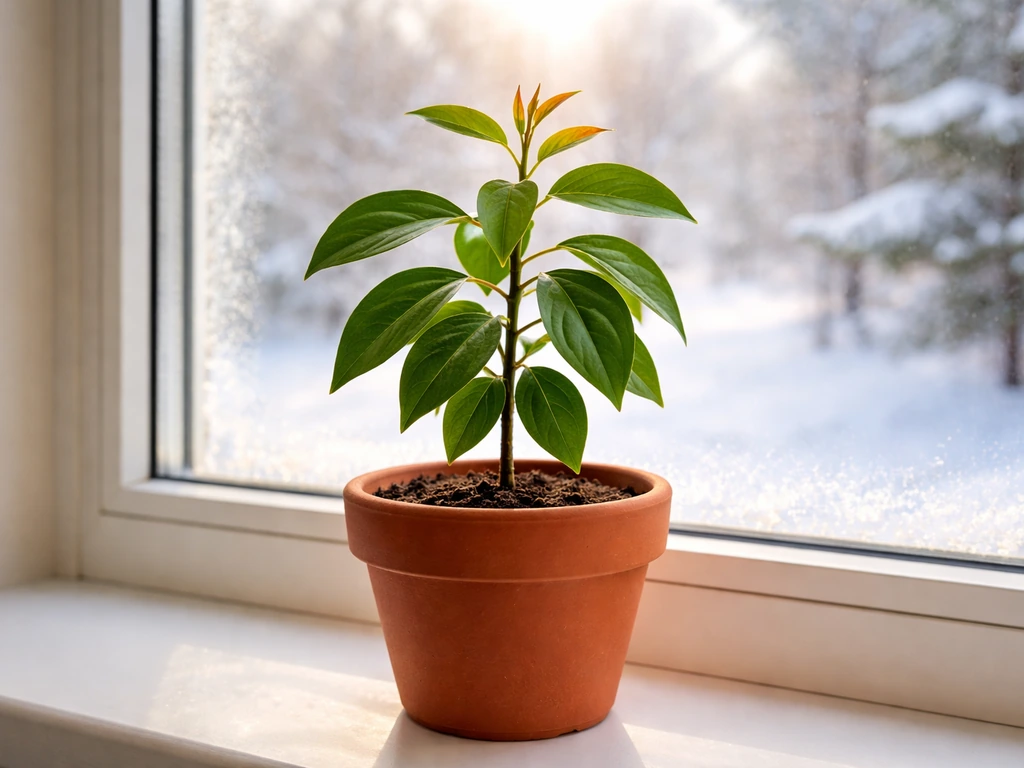
What 'growing cinnamon' actually means
Before you order a plant, it helps to know what cinnamon even is. The cinnamon spice you buy at the store comes from the inner bark of trees in the Cinnamomum genus. True cinnamon (Cinnamomum verum, also called Ceylon cinnamon) is the more prized, delicate variety. What most Americans call cinnamon at the grocery store is actually cassia (Cinnamomum cassia), a close relative with a stronger, slightly harsher flavor. Both are tropical trees, not herbs or shrubs you can grow from seed on a windowsill and harvest in a season.
Getting cinnamon spice from these trees requires harvesting and peeling the inner bark from young stems, then allowing it to dry and curl into those familiar quills. In Sri Lanka, the world's top producer of true cinnamon, trees are coppiced (cut back to the base) every two years or so, and new shoots are the ones harvested for bark. This is a production system built around a warm, humid tropical climate with average temperatures around 27°C (about 80°F). Michigan is not that.
Can cinnamon survive Michigan's climate outdoors?
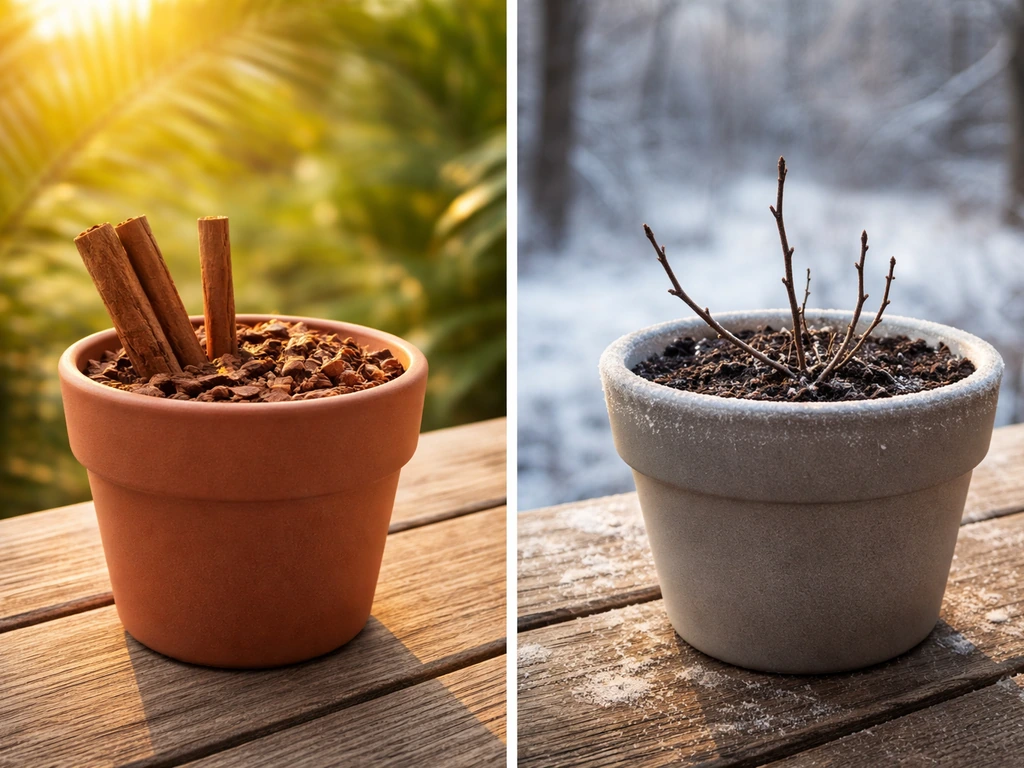
No. Cinnamon trees, both C. verum and C. cassia, are generally considered cold-hardy only in USDA Zones 10 through 12. Michigan sits firmly in Zones 5 through 6 across most of the state, with parts of the Upper Peninsula dipping into Zone 4. Winter lows in Michigan regularly reach 0°F to -10°F, sometimes colder. A cinnamon tree exposed to those temperatures will die, full stop. Even a mild Michigan winter with lows in the 20s°F is way outside the tolerance range for any Cinnamomum species.
If you're comparing notes with gardeners in warmer states, the gap is significant. Folks in Georgia or Tennessee have outdoor options that simply don't exist here. If you're wondering about outdoor options in Tennessee, the climate is much more forgiving for keeping cinnamon outside than Michigan. In Georgia, cinnamon trees can be grown outdoors more easily than in Michigan, depending on your exact location and protection from unexpected cold snaps outdoor options in Georgia. Even Texas and California growers have to be strategic about zone placement. In Michigan, outdoor growing is off the table entirely. Your only viable path is containers that come inside before temperatures drop in fall.
How to set up an indoor container for cinnamon in Michigan
If you're going to try this, the setup matters a lot. Cinnamon trees in containers need conditions that mimic their tropical origins as closely as possible. Here's what actually works in a Michigan home or greenhouse:
Light
Bright light is non-negotiable. A south-facing window is your best bet, ideally one that gets direct sun for several hours a day. Michigan winters are notoriously overcast and short on light, so you may need to supplement with a grow light from roughly October through March. If the plant isn't getting at least 6 hours of strong light daily, growth slows dramatically and the plant becomes more susceptible to pests and root rot.
Soil and drainage
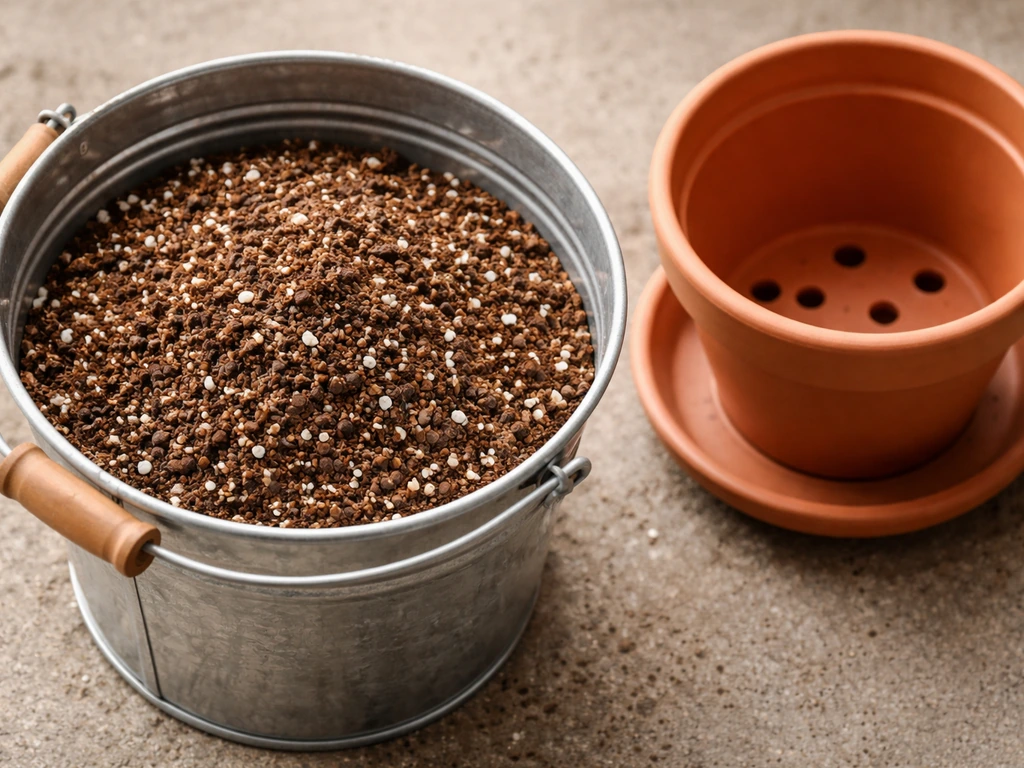
Use a well-draining potting mix. I lean toward a blend of standard potting soil cut with perlite (roughly 2:1 ratio) to make sure water moves through quickly. Cinnamon trees are highly susceptible to root rot if they sit in soggy soil. Never let the pot stand in water. A terra cotta pot actually helps here because the porous walls allow some moisture to escape, reducing waterlogging risk compared to plastic or glazed ceramic.
Pot size
Start in a container proportional to the root ball and move up in size every 2 to 3 years as the plant grows. Going too large too soon can hold excess moisture around the roots, which causes problems. Plan to repot when you see roots beginning to circle the bottom of the pot or emerging from drainage holes.
Watering
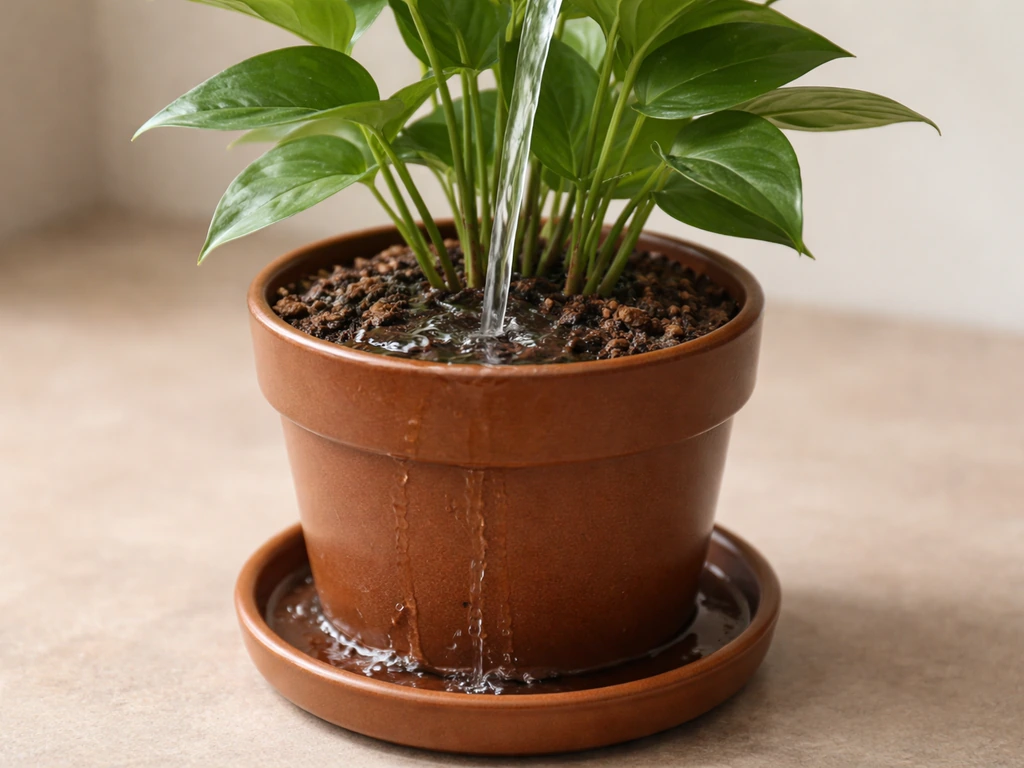
Water thoroughly when the top inch or two of soil dries out, then let it drain completely. In winter, when growth slows and your home's heating system is running, you'll likely water less frequently than in summer. The challenge in Michigan homes is that forced-air heating dries out the air significantly, which stresses cinnamon plants in a different way than overwatering.
Humidity
This is where Michigan winters really bite. Indoor humidity in a heated Michigan home can drop to 20 to 30 percent, and cinnamon trees want something closer to 50 to 70 percent. Low humidity causes leaf-edge browning and can send the plant into serious decline. A small humidifier near the plant, a pebble tray with water beneath the pot, or grouping it with other tropical plants all help. Don't skip this step.
Fertilizing
Feed monthly during the growing season (roughly April through September) with a balanced liquid fertilizer. In fall and winter, you can back off to every 6 to 8 weeks or switch to slow-release granules applied 2 to 3 times per year. Don't push heavy fertilization when the plant is under stress from low light or cold drafts.
Getting through Michigan winters: the overwintering plan
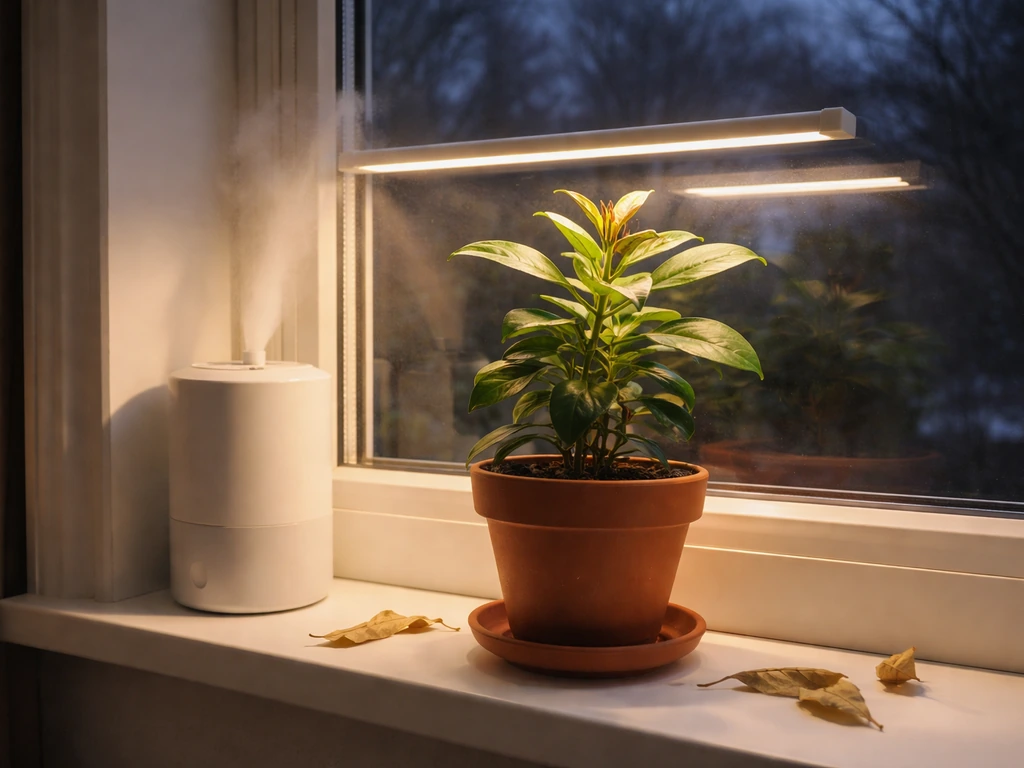
The core rule for Michigan cinnamon growers is this: your plant must be indoors before nighttime temperatures consistently drop below 50°F. In most of Michigan, that means bringing the plant in by early to mid-September, sometimes earlier in the Upper Peninsula or during a cold snap.
The transition is stressful for the plant. Moving from a bright outdoor spot to even the best-lit indoor space usually triggers some yellowing or leaf drop. That's normal and rarely fatal, but you can reduce the shock by moving the plant to a shadier outdoor location for a week or two before bringing it fully inside. This gradual acclimation gives the plant time to adjust to lower light before it also has to deal with lower humidity and indoor temperature swings.
Keep the plant away from cold drafts, heating vents, and exterior doors. Temperature stability is what the plant wants most during winter. If you have a sunroom or an attached greenhouse, that's an ideal overwintering spot. A grow-light setup in a basement can also work, though a basement's low humidity will require active humidification.
In spring, reverse the process. Once nighttime temps are reliably above 50°F (usually late May in southern Michigan, closer to early June farther north), move the plant back outside gradually, starting it in dappled shade before introducing it to full outdoor light.
Propagation: seeds vs cuttings, and where to find plants
Starting from seed
C. verum seeds are what's called recalcitrant, meaning they lose viability very quickly after harvest. Fresh seed in tropical conditions can germinate in 20 to 30 days, but by the time most seeds travel through supply chains to Michigan, viability drops significantly. If you do attempt seeds, make sure to remove the fruit pulp completely before sowing (it inhibits germination) and sow them immediately. Don't expect high germination rates from seeds that have been sitting in a packet for weeks. For most Michigan home growers, seeds are a frustrating starting point.
Starting from cuttings
Semi-ripe cuttings taken from side shoots in summer (June or July works well) are a more reliable propagation route than seeds. Take cuttings with a small heel of wood attached, dip in rooting hormone, and place in a humid propagation setup. Success rates are better than seeds, but you'll still need patience. The cutting needs to root and establish before it can handle normal growing conditions.
Buying a starter plant
Honestly, for most Michigan gardeners, buying a small established plant is the most practical starting point. Live C. Live Cinnamomum verum starter plants are sold by nurseries and online retailers in the U.S., for example Shonnard’s Nursery lists a true cinnamon plant for sale Live C.. verum plants are available from specialty nurseries across the U.S., including online tropical plant retailers. Look specifically for Cinnamomum verum (true cinnamon) or Cinnamomum cassia if you're okay with the cassia type. A 4-inch to 10-inch starter plant gives you a healthier head start than wrestling with finicky seeds. Expect to pay more for a larger established plant, but you'll lose less time in the early stages.
How long until harvest, and can you actually get bark in Michigan?
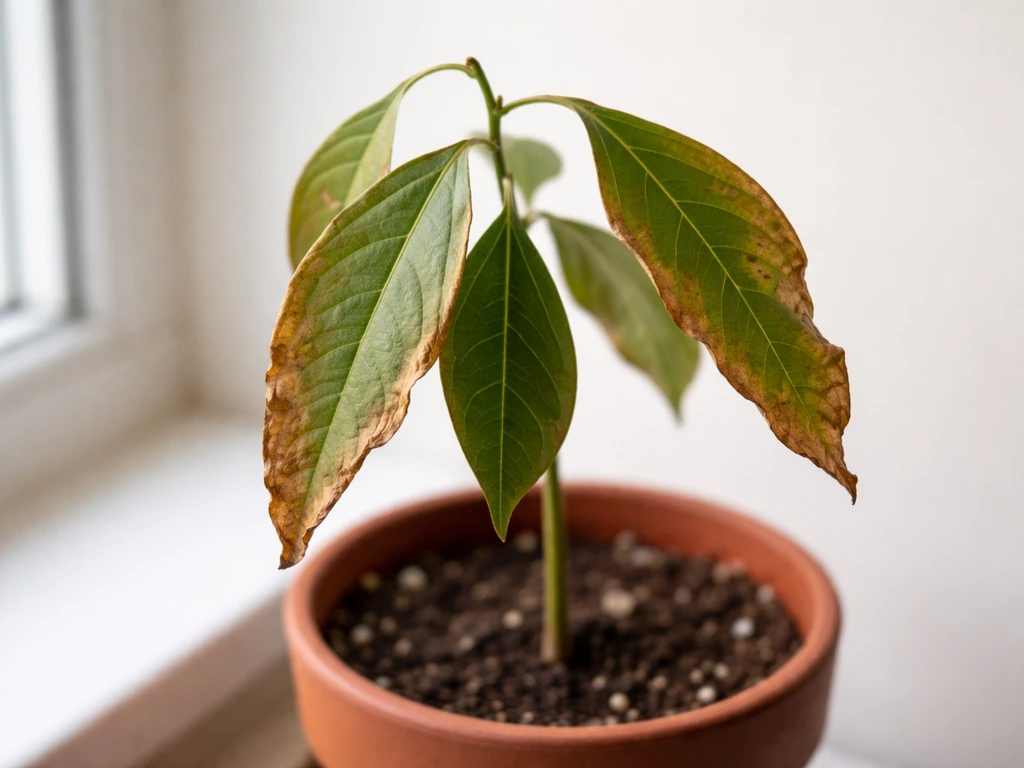
In Sri Lanka's ideal tropical conditions, cinnamon trees are ready for a first bark harvest about 2.5 to 4 years after planting. The stems are coppiced, the inner bark is peeled away from young shoots, and the pieces dry into quills. That timeline assumes fast, vigorous growth in a warm, wet climate. In a Michigan container, growth will be significantly slower.
Is bark harvest possible for a Michigan container grower? Technically yes, eventually. Realistically, you're looking at a 5 to 7 year commitment, maybe longer, before you have stems thick enough and growth vigorous enough to attempt a harvest. And even then, the yield from a container plant will be small. We're talking a handful of quills, not a pantry supply. Container cinnamon also spends part of every year in reduced-light indoor conditions, which slows growth considerably compared to field-grown trees.
Most Michigan growers who keep cinnamon plants do so for the fragrant foliage and the novelty of the plant itself, not for bark production. The leaves are genuinely aromatic and can be used as a flavoring in cooking. That's a realistic reward for the effort. Bark harvest is a bonus if it ever happens, not the primary expectation.
Common problems with container cinnamon in Michigan
Growing any tropical plant through a Michigan winter involves problem-solving. Here are the issues that come up most often with cinnamon:
| Problem | Likely Cause | What to Do |
|---|---|---|
| Brown leaf edges | Low indoor humidity or cold drafts | Add a humidifier, move plant away from vents and windows |
| Yellowing leaves after bringing indoors | Light and temperature transition stress | Normal if gradual; improve light with a grow lamp |
| Slow or no new growth in winter | Low light, cooler temps, normal dormancy-like slowdown | Supplement with grow light; reduce watering slightly |
| Root rot / mushy stem base | Overwatering or poor drainage | Repot into fresh well-draining mix, cut off rotten roots |
| Scale insects on stems | Common indoor pest, especially in dry conditions | Treat with neem oil or insecticidal soap; inspect regularly |
| Leaf miner or leaf damage | Leaf-feeding insects | Remove affected leaves, apply appropriate organic treatment |
| Leaf drop after outdoor-to-indoor move | Shock from light and humidity change | Acclimate gradually; usually resolves in a few weeks |
Root rot is probably the single biggest killer of container cinnamon in Michigan homes. The combination of low winter light (which slows the plant's water uptake) and well-meaning overwatering creates perfect conditions for fungal root problems. When in doubt, water less rather than more during the indoor months.
Scale insects are a persistent nuisance on cinnamon plants kept indoors. They're small, easy to miss at first, and can weaken a plant significantly before you notice the damage. Get in the habit of checking the undersides of leaves and the junction of stems when you water.
So should you try it? Here's how to decide
Try growing a cinnamon plant in Michigan if you already enjoy tropical houseplants, have a bright south-facing window or grow-light setup, and you're genuinely interested in the plant for its fragrance and novelty rather than expecting a spice harvest. If you’re wondering can you grow cinnamon in Texas, the answer is often yes outdoors, but it depends on your local heat and humidity. It's not the hardest tropical to keep alive, but it does require consistent attention to humidity and light during Michigan's long winters.
If bark production is your primary goal, be realistic. You're committing 5 or more years of careful container management before a small harvest is even possible. For most people, that effort-to-reward ratio doesn't make sense. Just buy good-quality cinnamon from the store and grow the plant for what it does well in a container: beautiful, aromatic foliage that makes your home smell like a spice market when you brush against the leaves.
If you want to skip the effort entirely, that's a completely reasonable call too. Michigan's climate gives you plenty of rewarding plants to grow. Cinnamon is a fun experiment, not a practical food crop for this state. Can you grow cinnamon in Ohio? The setup is similar to Michigan, with indoor container care required to protect the plant from winter cold. In California, you may be able to grow more types of cinnamon outdoors depending on your specific climate and microseason conditions. Go in with clear expectations, and you'll actually enjoy the process.
FAQ
Can you grow cinnamon in Michigan outdoors at all, even in summer or in a protected spot?
You can keep a cinnamon plant outside during warm months, but you still need to bring it in before nighttime temperatures consistently drop below about 50°F. Even a short cold snap can damage or kill the plant, so a “mostly outdoors” plan only works if you can move it quickly and reliably.
What’s the minimum light cinnamon needs indoors in Michigan?
Aim for roughly 6 hours of strong light daily. If your south window is weak during winter, a grow light is usually the difference between steady growth and chronic slow decline, because cinnamon’s water use drops when light drops, which raises root-rot risk when people overwater.
How can I tell if I’m overwatering (or risking root rot) in a container?
Watch for consistently damp soil beyond the top inch, yellowing that progresses despite adequate light, and a musty smell from the pot. A simple test is to wait until the top inch or two dries, then water thoroughly and ensure the pot drains fully, never leaving runoff in a saucer.
Is there a better pot than terra cotta for indoor cinnamon?
Terra cotta helps because it breathes and reduces lingering wetness. If you use plastic or glazed containers, be extra strict about drainage and watering frequency, and consider adding more perlite to keep the mix airy.
What humidity level should I target, and how do I measure it?
Target roughly 50 to 70 percent relative humidity. Use an inexpensive hygrometer placed near the plant (not on the other side of the room), since household humidity can vary a lot, especially near heating vents or sunrooms.
Do I need to fertilize cinnamon during winter, or can I stop?
You should usually back off in low-light months. If your plant is growing slowly or not at all indoors, switching to a lighter schedule (for example every 6 to 8 weeks) or using slow-release granules at low frequency helps avoid salt buildup and stress.
Can I keep cinnamon right by a window during winter, even if it gets cold near the glass?
Be careful, cold drafts and chilled window surfaces can stress the plant even when the room is warm. Keep the container away from direct contact with cold glass and route it around heaters and exterior doors, then monitor for sudden leaf drop after cold nights.
Why do cinnamon plants drop leaves after moving indoors or outdoors?
The shock is typically a combination of lower light, different humidity, and temperature swings. Gradual acclimation helps: bring it into dappled shade outdoors for a week or two before full indoor conditions (and reverse the process in spring).
What pest problem is most common indoors, and how do I catch it early?
Scale is common and easy to miss, especially on leaf undersides and along stem junctions. Do a quick inspection every time you water, and wipe or rinse the plant if you notice clustered bumps before the infestation spreads.
Is starting cinnamon from seeds realistic in Michigan?
Usually not for most home gardeners. True cinnamon seeds lose viability quickly, and store packets often have poor germination. If you try anyway, remove all pulp, sow immediately, and expect that germination rates may be low.
Are cuttings actually more reliable than seeds, and what setup helps them root?
Cuttings from side shoots taken in summer are generally more reliable than seeds, but they still need a humid rooting environment. Use rooting hormone, keep the cutting consistently humid, and provide gentle light rather than hot, direct sun to prevent drying before roots form.
How long will it take before a Michigan container plant could produce bark quills?
Plan on a 5 to 7 year timeline, sometimes longer, and even then expect only a small amount. Container growth is slower, and reduced-light indoor time each winter delays bark-producing stem maturity.
Can I use cinnamon leaves for cooking instead of waiting for bark?
Yes, cinnamon leaves can be used as a flavorful aromatic in cooking, which makes the project more rewarding in Michigan. Treat it as an herb-like use case, not a substitute for the store spice unless you like experimenting with milder leaf aroma.
What’s the simplest “Michigan survival checklist” for cinnamon each year?
Store it indoors before nighttime temps fall below about 50°F, provide strong light (often a grow light from October through March), keep soil lightly moist but never soggy, maintain higher humidity with a humidifier or tray method, and inspect weekly for scale and root-rot warning signs.
Next Articles
Can You Grow Cinnamon in Texas? How to Plant, Care, and Decide
Learn if you can grow true cinnamon in Texas, which plant to buy, and how to succeed in containers or indoors.
Can You Grow Black Pepper in the US Where and How
Learn where black pepper can be grown in the US and how to grow it indoors or in warm zones for fruit.

Can You Grow Capers in the US? Regional Guide for Home Gardeners
Regional guide to growing caper plants in the US, choosing cultivars, meeting soil and climate needs, and harvesting bud