
You can grow cinnamon in Ohio, but not in the ground outdoors year-round. The same container approach is also how you can try growing cinnamon in Georgia, since it still needs protection from cold snaps. Cinnamon trees (Cinnamomum verum or its relatives) are tropical plants that get killed by Ohio winters. What works is growing one in a container, keeping it outside from late spring through early fall, and bringing it indoors before temperatures drop below 40°F. It's genuinely doable, but it's a long-term project and you should go in knowing that harvesting actual cinnamon bark takes years and requires a commitment to overwintering the plant every single year.
Can You Grow Cinnamon in Ohio? Feasibility and Care Tips

Marcus Petersen
17 Jun 2026
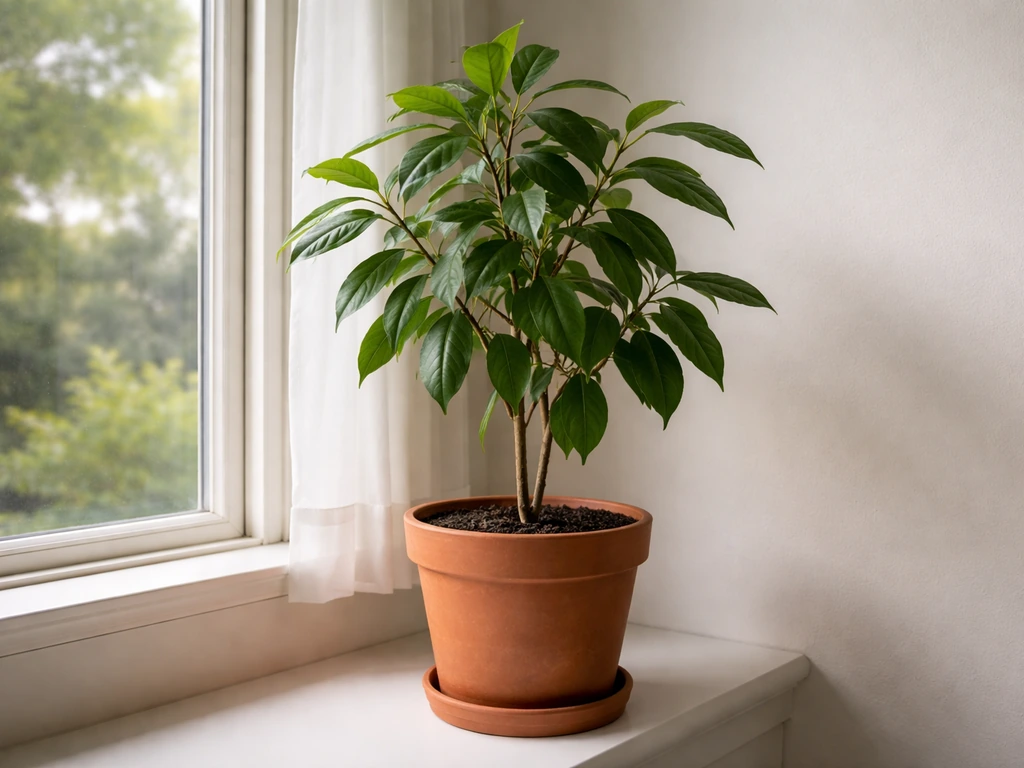
What you'd actually be growing
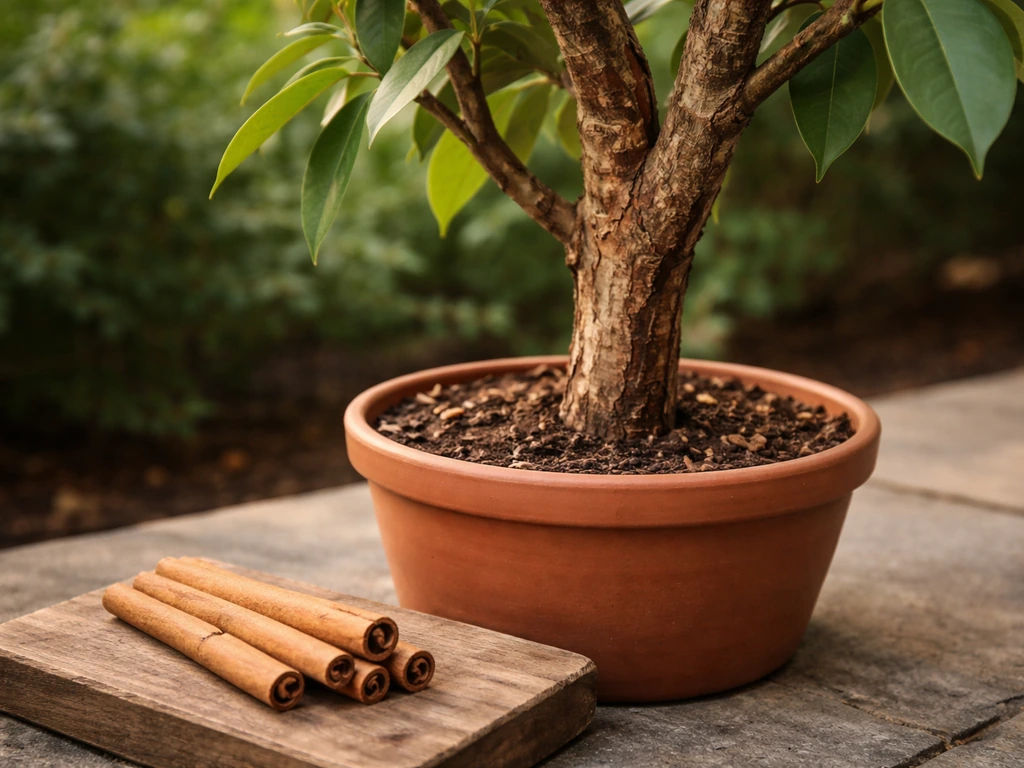
When people say they want to grow cinnamon, they usually mean one of two things: they want the spice, or they've heard about cinnamon plants and are curious about having one. Both are valid, but it helps to know what you're dealing with before you buy anything.
The spice cinnamon comes from the bark of trees in the Cinnamomum genus. The two you'll most often encounter are Cinnamomum verum (Ceylon cinnamon, sometimes called true cinnamon) and Cinnamomum cassia (the source of most of the ground cinnamon you'll find in American grocery stores). There's also Cinnamomum burmannii, Indonesian cinnamon, which is another species whose bark is sold commercially. All three are tropical evergreen trees that look roughly similar as young potted plants.
For container growing in Ohio, Cinnamomum verum is the most commonly available and the one most people mean when they say 'true cinnamon.' It's a beautiful aromatic plant even if you never harvest a single piece of bark. The leaves smell strongly of cinnamon when crushed, which is reason enough for some people to keep one around.
Ohio's climate reality: why outdoor growing doesn't work
Ohio spans USDA hardiness zones 5b through 7a depending on where you are. Southern Ohio near the Ohio River sits in zone 6b or 7a, which is the warmest part of the state. Even there, winter temperatures regularly drop to 0°F or below. Cinnamon trees are frost tender and can be damaged by temperatures below 40°F. Garden Guides warns cinnamon trees are “frost tender” and recommends bringing them indoors before temperatures fall below 40°F to prevent cold damage before temperatures below 40°F. That means Ohio winters are roughly 100 degrees colder than what a cinnamon tree can survive. There's no microclimate in Ohio that bridges that gap.
Cinnamon wants an average temperature around 80°F (27°C), consistent warmth year-round, and no hard freezes. It thrives in the kind of humid tropical climate you find in Sri Lanka, where Cinnamomum verum originates. Ohio summers can actually get warm enough for cinnamon to grow well outside from about late May through September. The problem is everything else: the winters, the dry indoor heat, and the abrupt seasonal swings. If you're in southern Ohio your outdoor window is a little longer. If you're in Cleveland or Columbus, you're looking at closer to four months of outdoor time.
Compared to states like Georgia or Tennessee, where cinnamon has a longer outdoor season and milder winters, Ohio is a tougher challenge. It's more comparable to Michigan, where container growing is similarly the only realistic path. Texas and California growers in warmer zones have more flexibility, though even in those states cinnamon usually does best in containers or protected spots. In Texas, the warmer climate usually gives you a longer outdoor window for cinnamon than in Ohio, though container growing still helps you protect the plant from occasional cold snaps Texas and California growers in warmer zones.
Which cinnamon species to get and where to find them
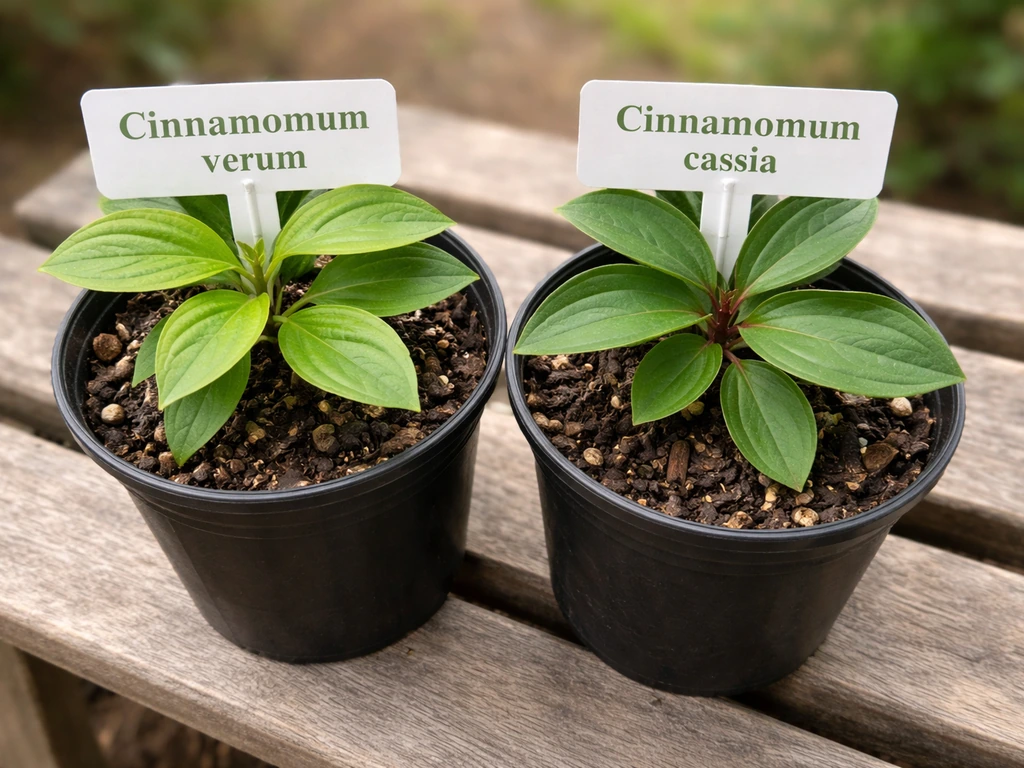
For Ohio container growing, Cinnamomum verum is your best bet for availability and the closest thing to 'true cinnamon.' Cinnamomum cassia is also possible and some growers find it a bit more forgiving, but it's less commonly sold as an ornamental/edible plant in the U.S. nursery trade. Either one will work in a container.
Local garden centers in Ohio rarely stock cinnamon trees, so you'll probably need to order online. Look for nurseries specializing in tropical or edible plants. Etsy sellers often carry rooted cuttings, and sites like Logee's and Top Tropicals have historically stocked Cinnamomum verum. Buy a plant, not seeds. Growing cinnamon from seed is slow, germination is unreliable, and seeds lose viability quickly. A rooted cutting or a small nursery-grown plant in a 4-inch or 6-inch pot gives you a much better head start.
Container setup: what the plant actually needs
Getting the container setup right matters more than almost anything else with cinnamon in Ohio, because the plant lives in that pot year-round. Here's what to pay attention to:
Pot size and drainage
Start a young plant in a 6- to 8-inch pot and move it up one pot size as it roots out, roughly every one to two years. Don't over-pot: putting a small plant in a giant container leads to soggy soil and root rot. Drainage is non-negotiable. Use a pot with multiple drainage holes and never let it sit in standing water. Cinnamon roots hate being waterlogged.
Soil mix
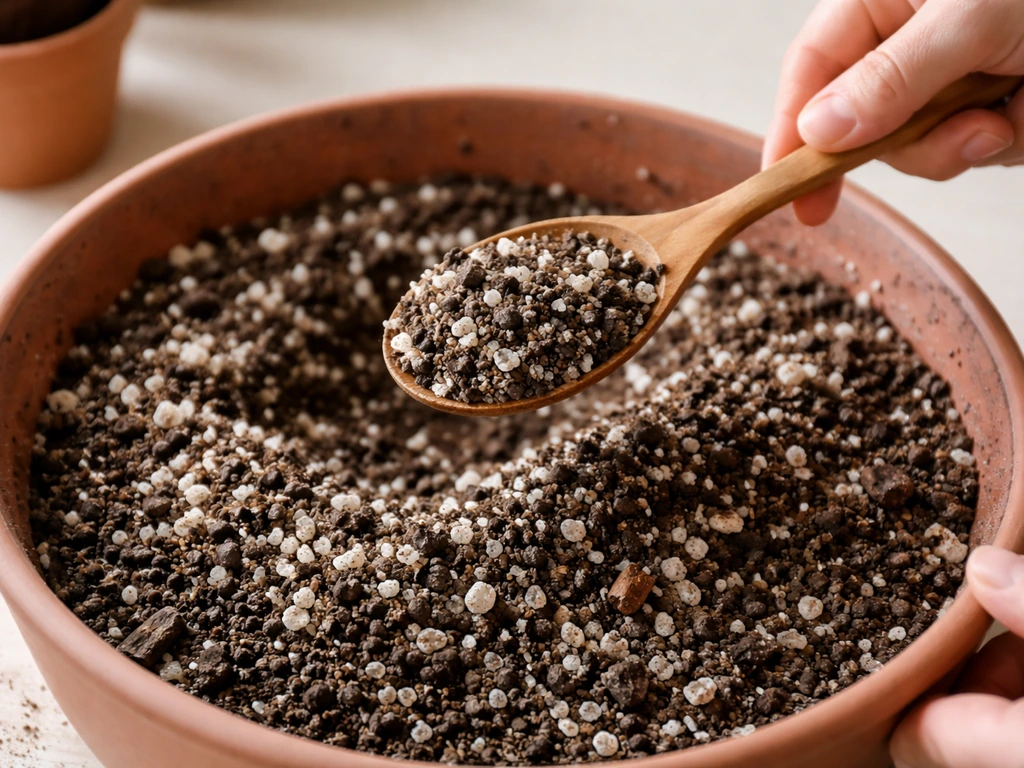
Skip standard potting mix on its own. Mix it with perlite at roughly a 60/40 ratio (potting mix to perlite) to keep things well-draining and aerated. A cactus/succulent mix blended with regular potting soil also works well. The goal is a medium that dries out somewhat between waterings but doesn't stay bone dry for days.
Light
Cinnamon wants bright light. Outdoors in summer, a spot with morning sun and some afternoon shade is ideal, especially on Ohio's hotter days. Full sun all day can stress a potted plant. Indoors, you'll need a south-facing window at minimum, and in Ohio's gray winters, supplemental grow lighting is genuinely recommended rather than optional. A full-spectrum LED grow light running 14 to 16 hours a day will keep the plant in reasonable shape through January and February.
Watering
Water thoroughly when the top inch of soil feels dry, then let it drain completely. During active growth in summer you may water every few days. In winter, cut back significantly: once a week or even less. The biggest mistake I see is overwatering indoor cinnamon in winter, which kills the roots slowly and the plant looks fine until it suddenly doesn't. Cinnamon trees are also a challenge outdoors in Tennessee, but container growing and careful overwintering can make it possible overwatering indoor cinnamon in winter.
Ohio spring and summer care
Once overnight temperatures are consistently above 50°F (usually late May in most of Ohio), you can move your cinnamon outside. Transition it gradually: start with a shaded spot for a week or two before moving it to brighter conditions. This avoids sunscald on leaves that have adapted to indoor light all winter.
During summer, cinnamon grows actively and can put out a lot of new growth. Water more frequently, and fertilize lightly with a balanced liquid fertilizer every two to three weeks. Don't over-fertilize: cinnamon doesn't need heavy feeding, and pushing it with too much nitrogen produces soft growth that's more vulnerable to pests.
The main problems you'll run into during the growing season are scale insects and spider mites. Scale shows up as small brown or tan bumps on stems and leaf undersides. NC State Extension flags scale and sap-feeders as the main pest concerns for Cinnamomum verum. Check the plant regularly, especially the undersides of leaves. Treat scale with neem oil or insecticidal soap, or physically remove it with a cotton swab dipped in rubbing alcohol. Spider mites appear in hot, dry conditions: a good rinse with the hose periodically helps prevent them.
How to overwinter cinnamon in Ohio
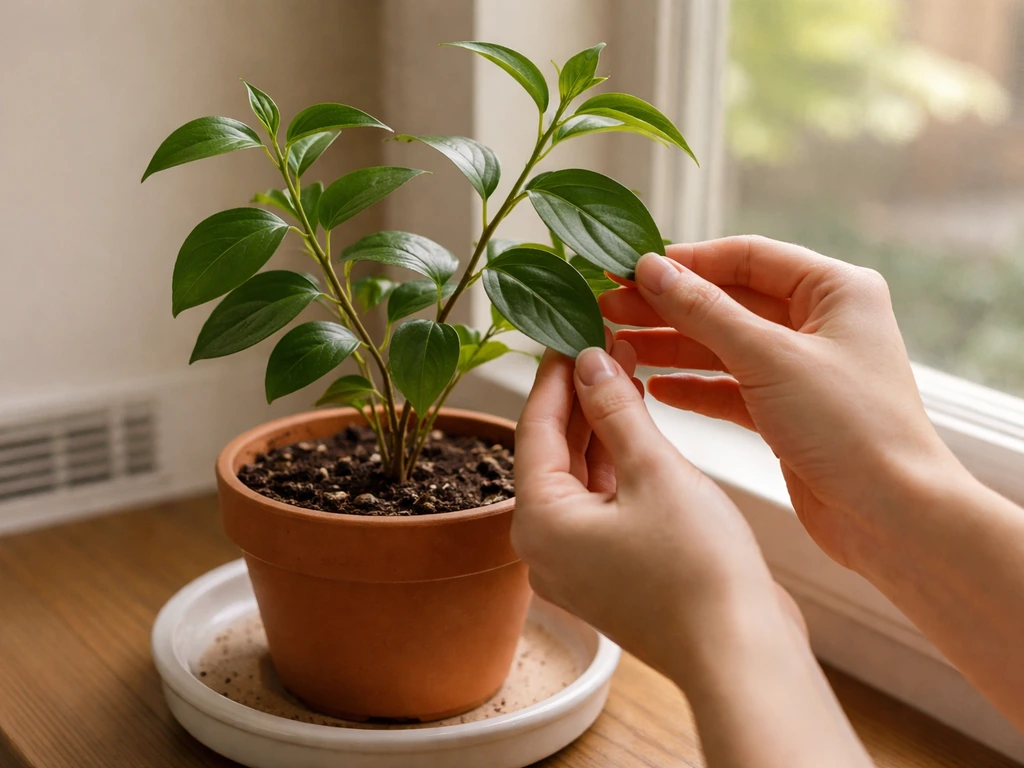
This is the step that makes or breaks your cinnamon project in Ohio. The transition indoors needs to happen before temperatures drop below 50°F at night, which in most parts of Ohio means bringing the plant in by early to mid-October, sometimes late September in northern Ohio. Don't push it. Cinnamon can be damaged at 40°F, so the margin for error is real.
- Inspect the plant thoroughly before bringing it inside. Check every stem and leaf surface for scale, spider mites, or fungus gnats. Treat any problems outdoors before they follow you in.
- Give the pot a good shower with the hose to knock off any hitchhiking pests or eggs.
- Move the plant to your brightest south-facing window, or immediately set up a grow light above it. Don't leave it in a dim corner hoping it'll manage.
- Reduce watering right away. The plant's growth slows dramatically indoors, and the soil will stay moist much longer than it did outside.
- Keep the plant away from heating vents and cold drafts. Consistent indoor temperatures between 60°F and 75°F are ideal. Avoid placing it near single-pane windows in northern Ohio where cold drafts are common.
- Check for pests every two weeks through winter. Scale and spider mites tend to flare up in dry indoor conditions. A monthly neem oil spray as a preventive is a good habit.
- Don't fertilize from November through February. The plant is semi-dormant and doesn't need feeding.
Humidity is worth paying attention to in Ohio winters. Forced-air heating dries out indoor air significantly, and cinnamon prefers humidity. A small humidifier near the plant, or setting the pot on a pebble tray with water, helps keep conditions more comfortable. This also reduces spider mite risk.
Can you actually harvest cinnamon bark in Ohio?
Here's the honest answer: realistically, probably not much, but it's not completely impossible if you're patient and committed.
Cinnamon bark is harvested from branches that are at least two years old and pencil-thick. In its native tropical environment, a cinnamon tree can be ready for a first harvest in about two to three years. In a container in Ohio, growth is slower because the plant spends roughly half the year indoors under less-than-ideal light. Expect to wait at least four to six years before you have branches thick enough to harvest from, and even then you'd be working with small quantities.
The actual harvest process involves cutting young branches, scraping off the outer bark, and peeling the inner bark into curling strips that dry into quills (the cinnamon sticks you recognize). It's the same process used commercially, just on a much smaller scale. You would get a small, fragrant batch of real cinnamon from a mature container plant. It would smell and taste genuinely good. But it wouldn't come close to replacing a jar from the grocery store in terms of volume.
The most common failure modes for Ohio gardeners attempting this long-term project are: the plant dying during the first or second overwinter from cold damage or root rot, getting discouraged by slow growth, or dealing with a pest infestation indoors that weakens the plant before it ever gets big enough to harvest from. I've seen all three happen. Going in with realistic expectations makes the whole thing more rewarding.
| Factor | Realistic Ohio Expectation |
|---|---|
| Years to first harvestable bark | 4 to 6+ years in a container |
| Yield from a container plant | Small amounts, novelty-level quantities |
| Outdoor season in Ohio | Late May through early October |
| Winter survival | Requires indoor overwintering every year |
| Flavor and quality of homegrown bark | Genuinely good, aromatic true cinnamon |
| Difficulty level | Moderate: doable but not low-maintenance |
If your real goal is fresh cinnamon to use in cooking
If the end game is having a practical supply of cinnamon for kitchen use rather than a long-term tropical plant project, it's worth being direct: growing your own cinnamon in Ohio isn't the efficient path to that goal. Commercial cinnamon is cheap and good. The container-grown cinnamon project is better understood as a fascinating long-term plant experiment that may eventually yield a small, satisfying harvest.
If you want to grow your own spices and herbs in Ohio with less effort, there are better alternatives. Ginger and turmeric can both be grown in Ohio containers with similar overwinter strategies and yield usable roots in a single season. Anise hyssop and Vietnamese coriander both grow easily as annuals or containers and add interesting flavors. Basil, of course, thrives outdoors in Ohio all summer. None of these replace cinnamon's flavor, but they're worth knowing about if the goal is a productive spice garden rather than specifically a cinnamon tree.
Is it worth trying?
Yes, if you enjoy caring for tropical container plants and you're genuinely curious about cinnamon as a plant rather than just as a spice. But because cinnamon is a tropical tree, you can only grow it in California if you can provide the right warm, frost-free conditions, usually as a container plant can you grow cinnamon in california. A healthy Cinnamomum verum is a beautiful, fragrant houseplant that does well in an Ohio summer garden. The overwintering commitment is real but manageable if you have a bright window or grow light setup. The long-term payoff of eventually harvesting and processing your own cinnamon bark, even just a small amount, is genuinely satisfying.
Go in knowing you're signing up for a multi-year container plant project, not a quick herb garden addition. Buy a nursery-grown plant rather than starting from seed, nail the container drainage setup from day one, and don't let the first cold October night catch you with the plant still on the porch. Do those three things and you've got a real shot at keeping a cinnamon tree alive and growing in Ohio for years. If you are wondering can you grow cinnamon in Michigan, the same container and overwintering approach applies because winters are still the main challenge growing in Ohio for years.
FAQ
What temperature is actually “safe” for cinnamon in Ohio when it is in the container?
Think of 40°F as a danger zone, because damage can start around there. A better approach is to move the plant in when nights are forecast to dip near 45°F, and then stop relying on “it’ll warm up tomorrow” in early fall.
Can I keep cinnamon outside all summer and only bring it in for short cold spells?
Usually not. Even if you cover the pot, repeated dips near freezing or near-freezing can weaken the plant and set you up for root loss indoors later. It is safer to commit to a full indoor period before sustained cool nights arrive.
Do I need a grow light if I have a very bright south window?
A bright window can help, but winter light in Ohio is often still not intense enough for steady growth. If leaves start stretching, leaning, or dropping, add a full-spectrum LED and keep it on a consistent schedule (for example, 14 to 16 hours per day).
How do I know if my cinnamon is getting too much or too little water indoors?
If the top inch feels dry and you water thoroughly until it drains, you are usually on track. Yellowing plus a limp look can be overwatering, while dull dry leaves and slow recovery after watering often point to underwatering or overly fast-draining soil.
Why does my cinnamon lose leaves after I bring it inside in October?
Leaf drop often comes from the combination of lower light, cooler indoor drafts, and humidity changes. Avoid moving it abruptly, keep it away from cold windowsills, and use a humidifier or pebble tray to reduce stress.
Should I mist cinnamon leaves for humidity during winter?
Misting can be a small bonus, but it is not a reliable humidity solution and it can encourage fungal issues if air stays stagnant. For Ohio winters, a humidifier near the plant or a pebble tray with water is generally more effective.
What pot size should I start with for the best odds?
Starting around a 6- to 8-inch container is usually best. Going much larger too early increases the time soil stays wet, which raises the risk of root rot. Increase pot size gradually as the plant actively roots and fills.
Is it possible to grow cinnamon from seed in Ohio?
It is possible but usually impractical. Germination is unreliable, seedlings are slow, and seeds can lose viability quickly. A rooted cutting or nursery-grown plant gives you a much better chance to survive overwintering and reach harvestable growth later.
Which cinnamon species should I choose if I want the “closest to grocery” cinnamon?
Cinnamomum verum is often sought as true cinnamon, while Cinnamomum cassia is more closely associated with the common ground cinnamon flavor many people buy. Either can be grown in containers, but cassia is less commonly available as an ornamental edible plant in U.S. nurseries.
How can I prevent scale and spider mites when the plant is indoors?
Inspect before bringing it inside, then keep a weekly check on leaf undersides and stems. If you use neem or insecticidal soap, apply early and thoroughly, and repeat as directed, because eggs and hidden stages can survive initial treatments.
What should I do if pests show up right before overwintering?
Treat before you move it indoors, because indoor conditions let infestations multiply quickly and make treatments harder. Do a full wipe or spray coverage, then isolate the plant for a few days and monitor for new spots or webbing.
If I never harvest bark, will my cinnamon plant still be worth growing in Ohio?
Yes. Many people keep it for the evergreen, aromatic foliage that smells strongly when leaves are crushed. You can also enjoy a long-term houseplant or patio specimen without needing branches thick enough for bark processing.
How long should I expect to keep overwintering a container cinnamon plant?
As long as the plant remains healthy and not root-bound or chronically stressed. Plan for frequent container refresh and pot-ups over the years (often every one to two years early on), and budget time for monitoring humidity and pests during each indoor season.
Are there alternatives that give a faster “spice from my garden” payoff than cinnamon?
Yes. If your goal is usable kitchen product quickly, container ginger and turmeric are typically harvested from underground rhizomes in a single season. They are also easier to fit into Ohio’s winter schedule because you can treat them as container crops rather than maintaining a tropical tree for years.
Next Articles
Can You Grow Cinnamon in Michigan? Realistic Steps
Learn if you can grow cinnamon trees in Michigan, plus indoor or greenhouse steps, overwintering, and realistic alternat
Can You Grow Cinnamon in Texas? How to Plant, Care, and Decide
Learn if you can grow true cinnamon in Texas, which plant to buy, and how to succeed in containers or indoors.
Can You Grow Black Pepper in the US Where and How
Learn where black pepper can be grown in the US and how to grow it indoors or in warm zones for fruit.