
Yes, you can grow cinnamon in California, but it depends heavily on where in the state you live and whether you're willing to grow it in a container. In the warmest parts of Southern California and along some coastal zones, true cinnamon trees can survive outdoors year-round. Everywhere else, container growing is your realistic path. As for harvesting actual bark to use as a spice? That's a longer game, but it's not impossible.
Can You Grow Cinnamon in California? Realistic Guide

Marcus Petersen
27 Jun 2026
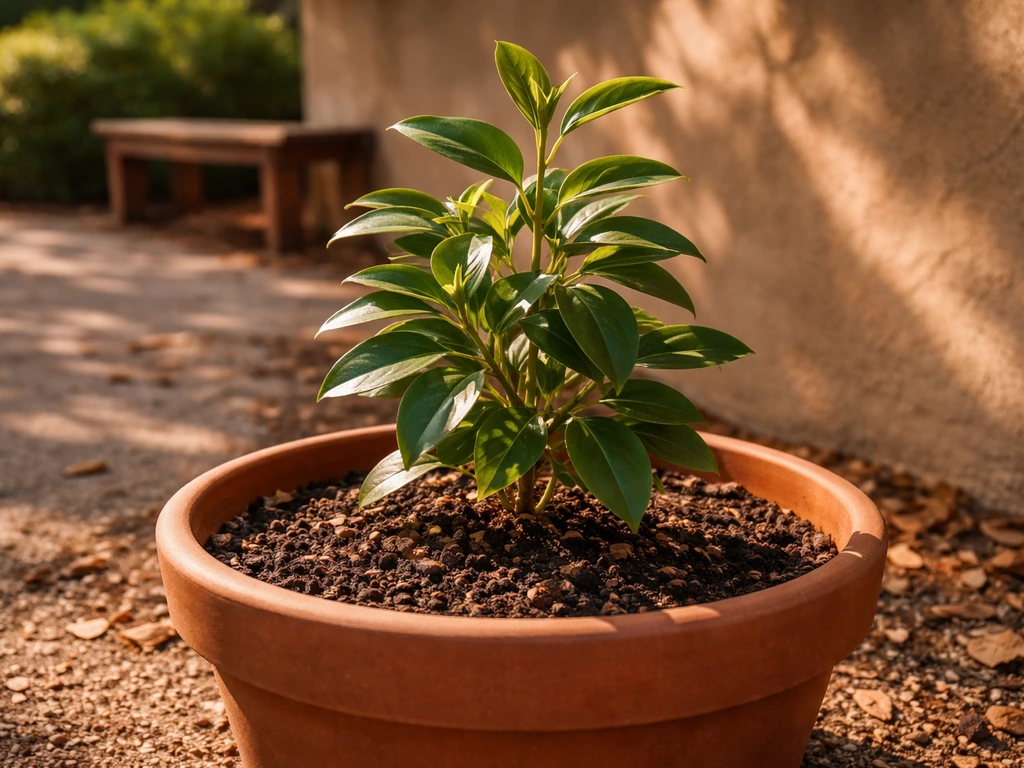
What people mean when they say "cinnamon" (and why it matters)
The word "cinnamon" covers a few different things, and if you don't sort this out first, you'll end up buying the wrong plant or have completely wrong expectations. There are two main categories: true cinnamon (Cinnamomum verum, also called Ceylon cinnamon or C. zeylanicum) and cassia cinnamon (mainly C. cassia, C. burmannii, and C. loureiroi). Most of what's sold in U.S. grocery stores is cassia, it's cheaper and more pungent. True Ceylon cinnamon has a more delicate, nuanced flavor and is what you'd typically find at specialty spice shops.
From a growing standpoint, both groups are tropical evergreen trees in the Cinnamomum genus. They have aromatic oils in their leaves and bark, and both can be grown as ornamental or aromatic plants in suitable climates. The spice itself comes from the inner bark, which is harvested by coppicing (cutting the plant back to the ground) and then peeling and drying the regrowth shoots.
So when someone asks "can I grow cinnamon," they're often conflating two questions: Can I grow the tree? And can I actually produce usable bark from it? In the Midwest, the question can you grow cinnamon in Ohio usually comes down to using a container and protecting the plant from winter cold produce usable bark.
The honest answer is that growing the tree is feasible in California under the right conditions, but producing meaningful quantities of spice-quality bark is a multi-year project that requires a mature, well-established plant in a warm spot.
Where in California cinnamon can actually grow

California is not one climate. What's true for San Diego is completely irrelevant to someone in Redding or Tahoe City. Cinnamon needs warmth, humidity, and frost-free conditions. A brochure from commercial cinnamon production regions recommends an average temperature around 27°C (about 80°F) with no extremes of heat or cold, which already tells you that desert heat in places like Palm Springs is also a problem, not just cold snaps. Here's how the major California regions shake out:
| Region | USDA Zones (typical) | In-Ground Feasibility | Container Notes |
|---|---|---|---|
| Southern California coast (San Diego, LA, Santa Barbara) | 10a–11 | Best bet — possible in-ground in protected spots | Very manageable; can stay outdoors most of the year |
| Inland Southern CA / San Bernardino / Riverside | 9b–10b | Marginal; frost risk in winter dips | Container recommended; move inside on cold nights |
| Central Valley (Sacramento, Fresno, Bakersfield) | 9a–10a | Risky in-ground; frost and cold winters are real | Container works well; bring in Nov–Mar |
| Bay Area / coastal Northern CA | 9b–10b | Possible in warm, sheltered microclimates | Container with southern-facing wall placement helps |
| Sierra Nevada foothills / inland mountains | 7–9a | Not practical in-ground | Container only; significant winter protection needed |
| High desert (Mojave, high elevation) | 6–8 | Not feasible in-ground | Very challenging even in containers; heat extremes add stress |
If you're in USDA Zone 10 or above, you have a realistic shot at in-ground planting in a sheltered microclimate. Zone 9 is the gray area where container growing becomes the smarter, safer default. Below Zone 9, you're looking at a houseplant situation with outdoor summer vacations. Check your exact zone on the USDA Plant Hardiness Zone Map, search by your zip code rather than going by your city alone, because microclimates within a single zip code can differ by a full zone.
Which species to grow and where to find plants
For most California gardeners, Cinnamomum verum (Ceylon cinnamon) is the top choice. It's the most widely available as a live plant, and it's what most online nurseries sell when they list "cinnamon tree." It's also the species with the most home-growing documentation. C. burmannii (Indonesian cinnamon) is sometimes available and slightly more cold-tolerant, making it worth considering if you're in a Zone 9 situation. C. cassia is less commonly sold as a live plant in the U.S. market, so you'll find fewer options there.
For sourcing, your local big-box garden center almost certainly won't carry these. You're looking at specialty online nurseries, tropical plant retailers, and occasionally Etsy sellers who ship live plants. When you order, confirm you're getting a rooted plant in a container, not just cuttings or seeds, seedlings are slow, and unrooted cuttings add another layer of difficulty. Seeds are viable but extremely slow to establish, and germination rates are inconsistent. Starting with a 4-inch to 1-gallon live plant gives you the best head start.
Container vs in-ground: what setup actually works
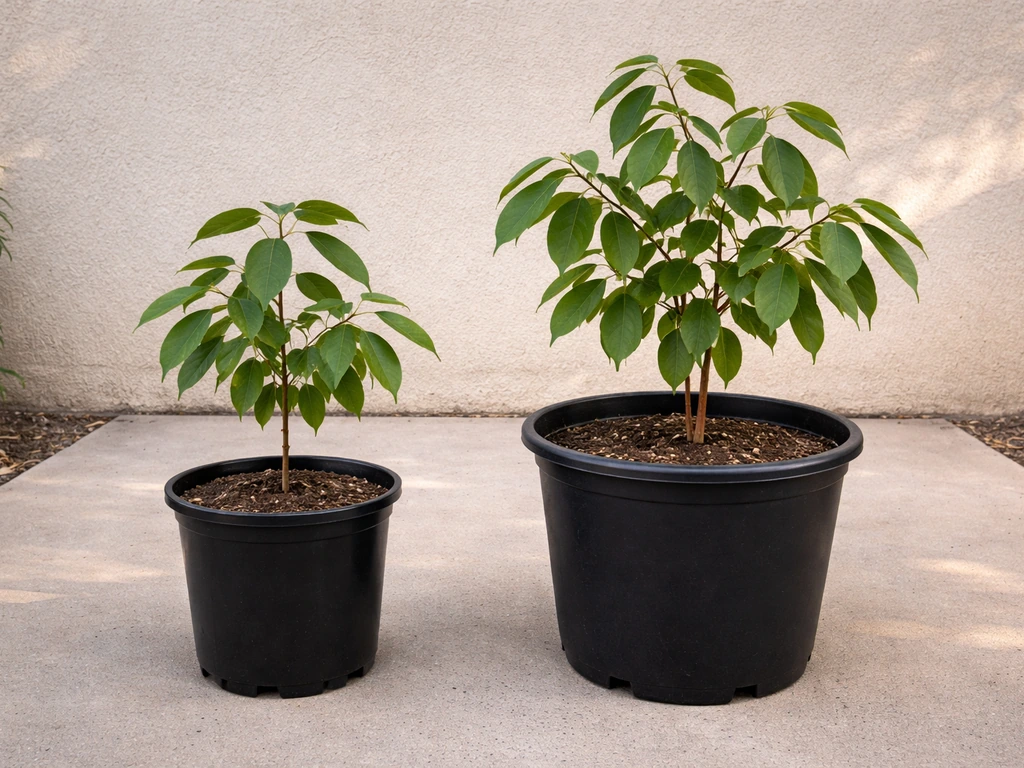
Growing in containers
Container growing is the right call for most California cinnamon growers outside of coastal Southern California. Start in a 5-gallon pot and size up as the plant grows, cinnamon doesn't need to be root-bound, but you also don't want to overpot young plants into enormous containers where soil stays wet too long. A 15- to 25-gallon container is a reasonable target size for a mature specimen you plan to keep long-term. Use a well-draining potting mix: a blend of quality tropical potting mix with extra perlite (roughly 20–30% perlite by volume) works well. Avoid dense, moisture-retentive mixes, root rot from Phytophthora and similar soil-borne pathogens is a real failure point with cinnamon, and soggy roots are the setup for it.
One important container caveat: roots in pots are less insulated from cold than roots in the ground, meaning your plant is effectively less cold-hardy than its USDA zone would suggest. A Zone 9b plant in a container sitting on an exposed patio is more vulnerable than the same plant in the ground. Factor that in when you're deciding whether to move it inside.
Growing in the ground
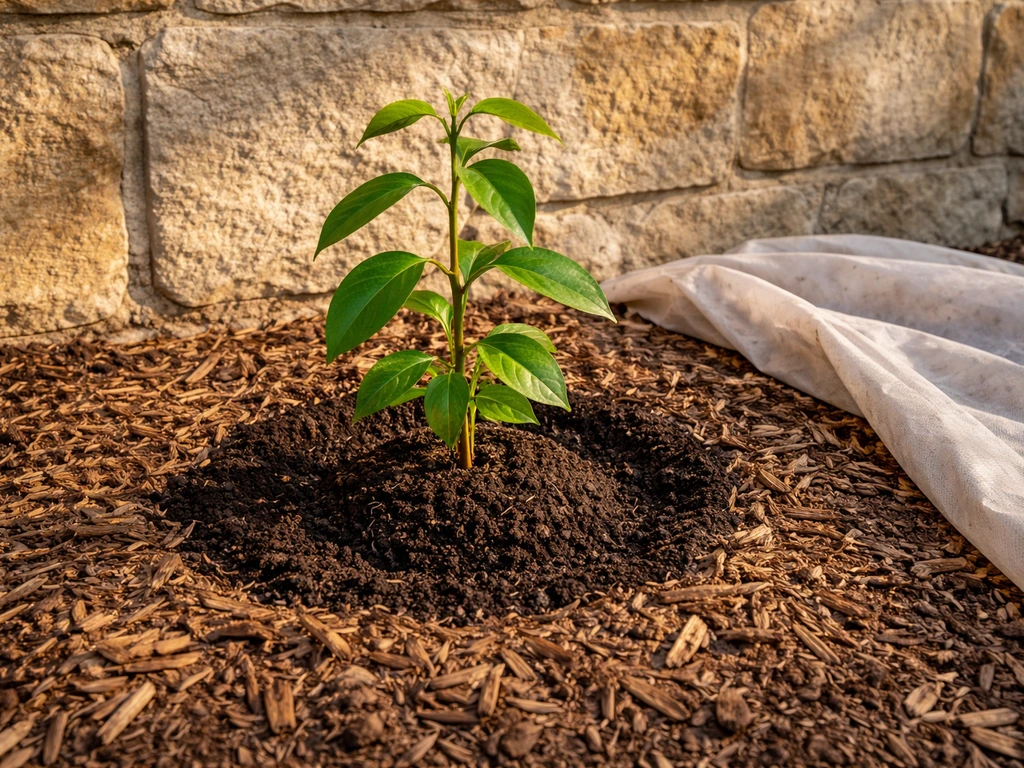
If you're in Zone 10 or above and want to try in-ground planting, choose the warmest, most sheltered spot on your property: a south- or southwest-facing wall is ideal, especially one that holds radiant heat overnight. Raised beds slightly elevated from ground level improve drainage. Amend heavy clay soils with plenty of organic matter and coarse sand or pumice to ensure fast drainage. Cinnamon does not tolerate standing water. Plant in spring after any frost risk has passed, giving the tree a full growing season to establish before its first California winter.
Light requirements are the same for both setups: full sun to partial shade, with at least 6 hours of direct sun daily. In the hottest inland areas, afternoon shade during peak summer can prevent leaf scorch, especially on young plants.
Day-to-day care: water, fertilizer, humidity, and pruning
Cinnamon comes from tropical regions with consistent moisture and high humidity, which is the biggest environmental mismatch for much of California. Watering is probably where most California growers will struggle. The goal is consistently moist but never waterlogged soil. In summer, container plants may need water every 2–3 days in hot weather. In winter, back off significantly, overwatering a dormant or semi-dormant plant in a cool garage is one of the most common ways to lose it. Stick your finger 2 inches into the soil; water when it's dry at that depth.
Humidity is a genuine challenge in low-humidity California climates, especially the Central Valley and inland areas. Misting leaves a few times a week helps, and grouping tropical plants together raises ambient humidity slightly. If you're growing indoors in winter, a small humidifier near the plant makes a real difference. Dry indoor air from forced heating is hard on cinnamon.
Fertilize during the active growing season (spring through early fall) with a balanced slow-release fertilizer or a diluted liquid fertilizer every 3–4 weeks. Don't fertilize in winter when growth slows. Pruning isn't strictly necessary for container plants grown as ornamentals, but you can shape the plant and remove dead or crowded branches in early spring. If you're planning to eventually harvest bark, the commercial practice of coppicing, cutting back to just above ground level to produce vigorous regrowth shoots, is the method you'd eventually use, but only on a well-established plant at least 2–3 years old.
Getting through winter: cold protection and overwintering
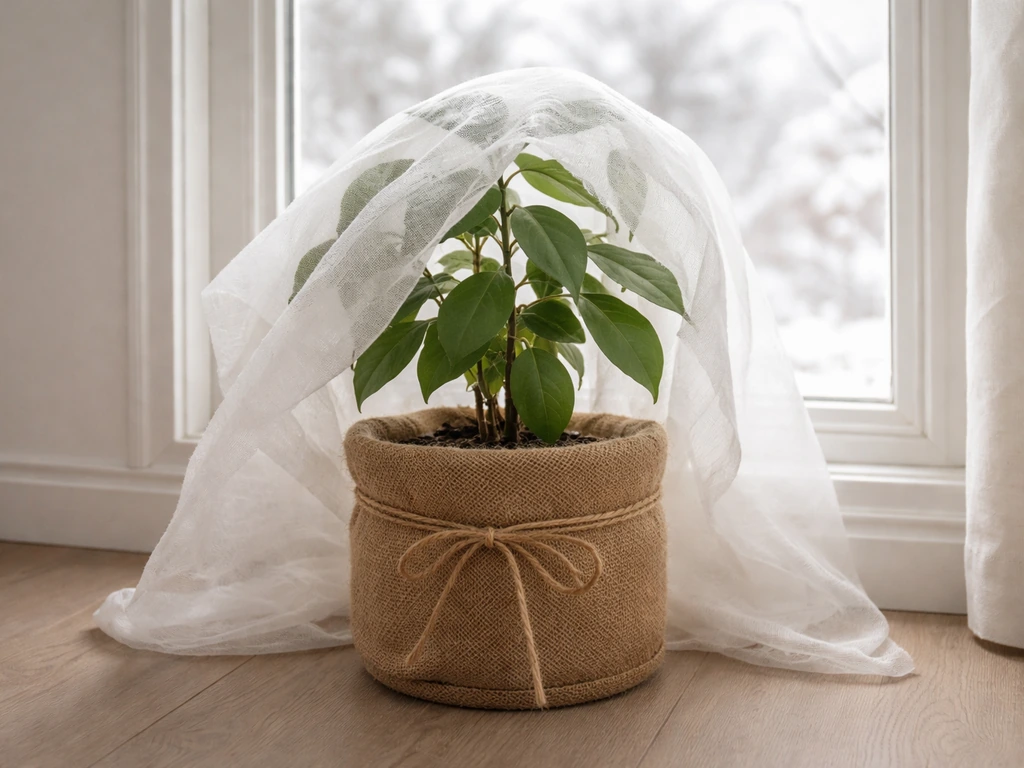
Cinnamon is frost-sensitive. In many parts of Tennessee, cinnamon plants are grown in containers so you can protect them from cold snaps frost-sensitive. Even a brief dip to 28–30°F can damage or kill a plant, especially a young one. In Zone 10 and above, you may be fine outdoors with just some frost cloth on cold nights. In Zone 9, you really should plan to bring container plants inside or into an unheated greenhouse once nighttime temps start approaching 40°F, better safe than sorry given how slow these plants are to recover from cold damage.
If you're overwintering indoors, find the brightest spot available: a south-facing window is the minimum, and a grow light supplement helps if your indoor light is poor. Keep the plant away from cold drafts and heating vents. The plant will likely slow down significantly during winter, which is normal. Don't panic and overwater to compensate, reduced light means reduced water needs. Resume normal watering and fertilizing in spring when you see new growth pushing.
For in-ground plants in marginal zones, mulch heavily around the root zone in fall (4–6 inches of wood chip mulch) to insulate roots. You can tent the canopy with frost cloth rated to several degrees of protection on nights when a hard frost is forecast. If the top growth gets damaged by a surprise frost, don't write the plant off immediately, cut back to healthy wood in spring and it may resprout from the base.
Realistic harvest expectations, slow growth, and troubleshooting
How long before you get anything usable
Let's be honest about timelines. Commercial cinnamon operations typically see first harvests after 2–3 years, with harvests improving in subsequent years as the root system matures. That's in ideal tropical conditions with optimal rainfall, temperature, and soil. In a California container or garden, you should expect slower growth and push your realistic harvest timeline out to 3–5 years minimum before you'd have shoots thick enough (1–5 cm diameter) to attempt bark peeling. Commercial harvests target shoots 2–3 meters tall for coppicing. You probably won't get there quickly, but it's achievable with patience.
Most California growers should honestly frame cinnamon as an aromatic ornamental with harvest potential rather than a backyard spice crop. The leaves are fragrant and can be dried and used, which is a much faster payoff than bark. Bark harvest is a bonus, not the baseline expectation.
Common problems and what to do about them
- Slow or stalled growth: Usually a combination of insufficient light, low humidity, or being pot-bound. Check all three before assuming something is wrong with the plant itself.
- Blackened or dying branches: Often a sign of root rot from overwatering, frost damage, or fungal disease. Cut back to healthy green wood, let the soil dry out somewhat, and reassess drainage.
- Root rot (Phytophthora): This soil-borne pathogen loves waterlogged conditions. Prevention through well-draining mix and careful watering is much easier than cure. If you suspect it, unpot the plant, trim blackened roots, dust with a copper-based fungicide, and repot in fresh dry mix.
- Scale insects and mealybugs: These are the most common pest issues on cinnamon in California. Horticultural oil spray is effective — coat all surfaces thoroughly and repeat every 7–10 days for 3 applications. Neem oil works similarly.
- Leaf spot or blight: Fungal leaf diseases are possible, especially in humid conditions. Remove affected leaves, improve air circulation, and avoid overhead watering.
- No bark worth harvesting: If your plant is under 2 years old or has had cold setbacks, the bark simply won't be developed enough yet. Give it more time and more warmth.
If cinnamon isn't working for your zone
If you're in a colder part of California (Zones 7–8, mountain foothill areas) and the container-indoors routine sounds like more trouble than it's worth, there are related options that give you a cinnamon-adjacent aromatic experience with far less hassle. Cinnamon basil (Ocimum basilicum 'Cinnamon') thrives across most of California and gives you a genuine cinnamon-clove fragrance from the leaves. Camphor tree (Cinnamomum camphora) is a cold-hardier member of the same genus that survives in Zone 8 and has distinctly aromatic foliage, though the scent is more camphor than cinnamon. These won't give you cinnamon spice, but they scratch the aromatic-Cinnamomum itch with far less effort.
It's worth noting that if you're in a warm-winter state like Texas or Georgia, the in-ground calculus is different and the odds improve considerably. If you're trying to grow cinnamon in Texas, plan for container cultivation and extra protection from heat and cold swings. California's particular challenge is that even its warmest zones often have enough chill and dry air to create marginal conditions for a plant that really wants humid tropics.
Is it worth trying in California?
If you're in Zone 10 or above (coastal San Diego, parts of LA, the warmest spots in the Bay Area), yes, it's absolutely worth a try, especially in a container where you control drainage and can move the plant if needed. If you are wondering can you grow cinnamon in Georgia, the key is whether your location stays warm and humid enough to avoid frequent frost damage. Buy a live C. verum plant, give it the sunniest sheltered spot you have, treat the humidity deficit seriously, and be patient. You may not be harvesting bark-quality cinnamon in year two, but you'll have a genuinely beautiful, aromatic tropical tree that earns its place in the garden.
If you're in Zone 9, go container-only and commit to a clear overwintering plan before you buy the plant, not after. If you're in Zone 8 or below, be realistic: you're looking at a houseplant with outdoor summers, and your time and shelf space might be better spent on plants better matched to your climate. Either way, check your zip code on the blank" rel="noopener noreferrer">USDA Plant Hardiness Zone Map today, look at your actual winter lows over the past five years, and let that data drive your decision. If you want to know whether this works for you in Michigan, compare your local winter lows and zone to the frost-sensitive needs of cinnamon USDA Plant Hardiness Zone Map.
FAQ
If I’m in California, how do I tell whether my area is truly Zone 10+, not just “warm” on average?
Use your zip code on the USDA Plant Hardiness Zone Map, then verify with your local weather records for nighttime lows (not daytime highs). Cinnamon is frost-sensitive, so look at how often temps approach the high-20s to low-30s F in winter. A microclimate can keep you milder in some spots (like near a wall), but exposed patios and windy ridges can effectively behave colder for container roots.
Can I start cinnamon from seed, and will it eventually give me bark for spice?
You can, but expect very slow establishment and inconsistent germination, and it can take much longer before the plant is mature enough for any coppicing-style bark harvest. For most Californians, a rooted live plant gives you the head start needed for a realistic 3 to 5 year timeline. Seeds also increase the chance you end up growing a plant that looks similar but is not the species you intended (true cinnamon versus cassia).
What’s the easiest way to keep container cinnamon alive through California winter indoors?
Pick the brightest available spot (a south-facing window is the minimum) and keep it away from cold drafts and heating vents. Reduce watering based on soil dryness at 2 inches, because low light plus overwatering is a common failure combo. Avoid fertilizing during winter slowdowns, then resume once you see active new growth in spring.
How can I prevent root rot in a container, especially if my weather is cool and rainy?
Prioritize fast drainage, use a mix with extra perlite (around 20 to 30% by volume), and avoid oversized pots for small plants. Also make sure the container has real drainage holes and don’t let water sit in the saucer. In cool months, water less frequently and recheck moisture deeper in the pot rather than on a fixed schedule.
Will cinnamon grow in the Central Valley if I manage watering well?
You can grow the tree, but the humidity deficit is often the limiting factor. Consistently moist soil is only half the battle, cinnamon also needs higher ambient humidity to stay healthy. For many gardeners, misting, grouping plants together, and using a small humidifier in winter indoors are what make the difference between “it lives” and “it thrives.”
Should I choose true cinnamon (Ceylon) or cassia if my goal is home growing?
If your priority is a more delicate, spice-like flavor, choose Cinnamomum verum (Ceylon). If you mostly want ornamental fragrance and don’t care as much about the exact flavor profile, cassia is sometimes easier to source as a plant or because nurseries label it loosely. Either way, verify the live plant species before buying, because “cinnamon tree” listings can be ambiguous.
Can I grow cinnamon outdoors in Zone 9 without bringing it inside?
It’s risky, because container roots are less insulated than in-ground roots and can suffer cold injury even when the ambient air seems borderline. If nighttime temperatures start hovering near freezing conditions or frequent dips toward the 40s F begin, plan to move the container under cover or indoors, or into an unheated greenhouse with protection. If you do keep it outside, use the warmest sheltered microclimate you have and add frost protection on forecasted cold nights.
When should I prune my cinnamon plant in California?
For container-grown ornamental plants, do shaping and removal of dead or crowded branches in early spring when growth is about to pick up. Don’t do heavy pruning in winter, since reduced light and slower metabolism reduce the plant’s ability to recover. If your goal is coppicing later for bark, keep pruning light until the plant is well established.
Is it realistic to harvest cinnamon bark in California, and what should I expect?
Yes, but it is not a quick spice project. Even in good conditions, many home growers should plan for first meaningful coppicing regrowth attempts around 3 to 5 years, and longer for thicker shoots. Harvesting bark is also only practical if you can keep the tree vigorous enough to regrow shoots after cutting back near the base.
If I want cinnamon flavor with less risk, what’s the best cinnamon-adjacent alternative?
Cinnamon basil is usually the lowest-effort option across California, because it provides a clove-cinnamon type fragrance without the frost and humidity requirements of true Cinnamomum trees. Camphor tree is another related alternative that tolerates colder conditions than true cinnamon and offers aromatic foliage, though the scent leans camphor rather than classic cinnamon bark.
What are the most common mistakes California growers make with cinnamon plants?
The top issues are overwatering (especially indoors during low-light winter months), using soil that stays too wet, and underestimating humidity needs in dry areas. The second big mistake is treating “USDA zone” as a guarantee for container plants, exposed patio cold can hurt roots more than the zone chart suggests. Finally, buying cuttings or unrooted material expecting quick results is a common frustration point.
Next Articles
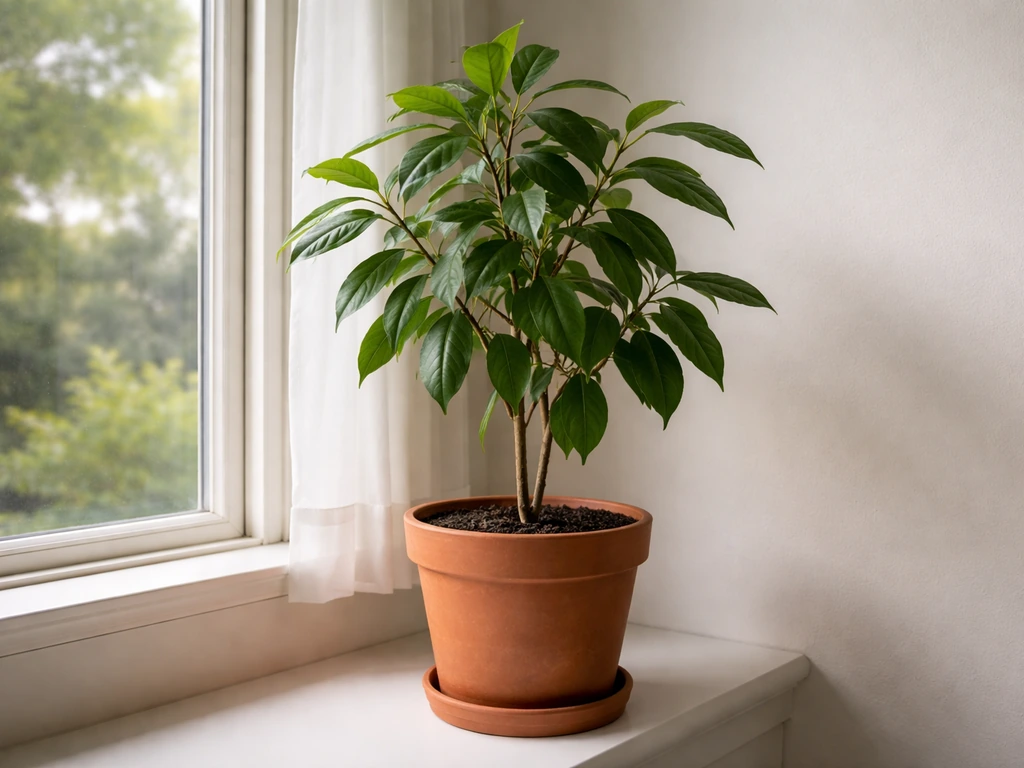
Can You Grow Cinnamon in Ohio? Feasibility and Care Tips
Can you grow cinnamon in Ohio? Learn if true cinnamon works, plus container care and indoor overwintering steps.
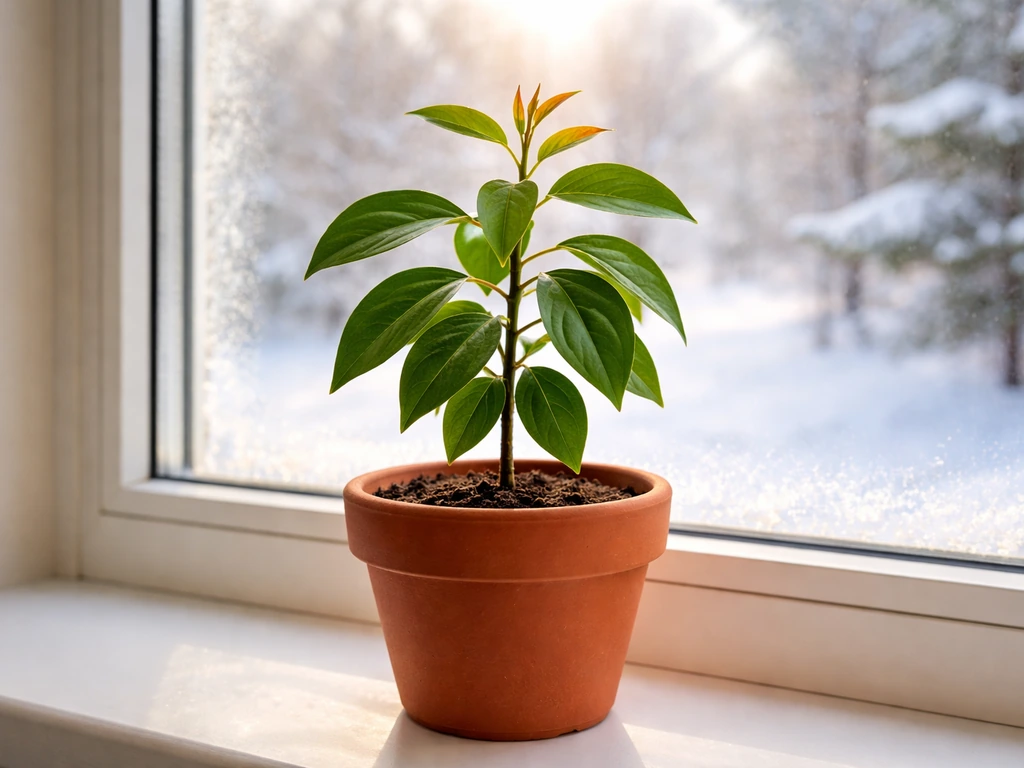
Can You Grow Cinnamon in Michigan? Realistic Steps
Learn if you can grow cinnamon trees in Michigan, plus indoor or greenhouse steps, overwintering, and realistic alternat
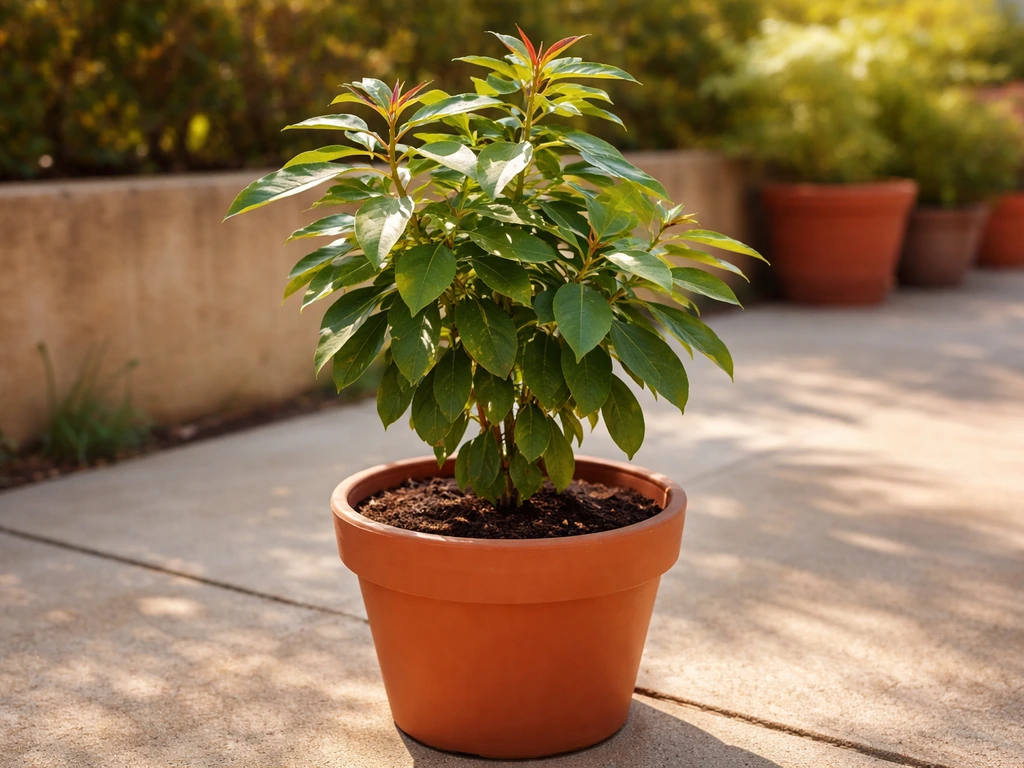
Can You Grow Cinnamon in Texas? How to Plant, Care, and Decide
Learn if you can grow true cinnamon in Texas, which plant to buy, and how to succeed in containers or indoors.