
Yes, you can grow ginger in Indiana, but not the way you'd grow tomatoes or squash. Ginger needs 8 to 10 months of warm conditions to produce full-size rhizomes, and Indiana's winters will kill it outright if left outside. The practical approach is to treat it as a container plant: start it indoors in late winter, move it outside for the summer, then bring it back in before the first frost.
Can You Grow Ginger in Indiana? A Step-by-Step Guide

Marcus Petersen
5 May 2026
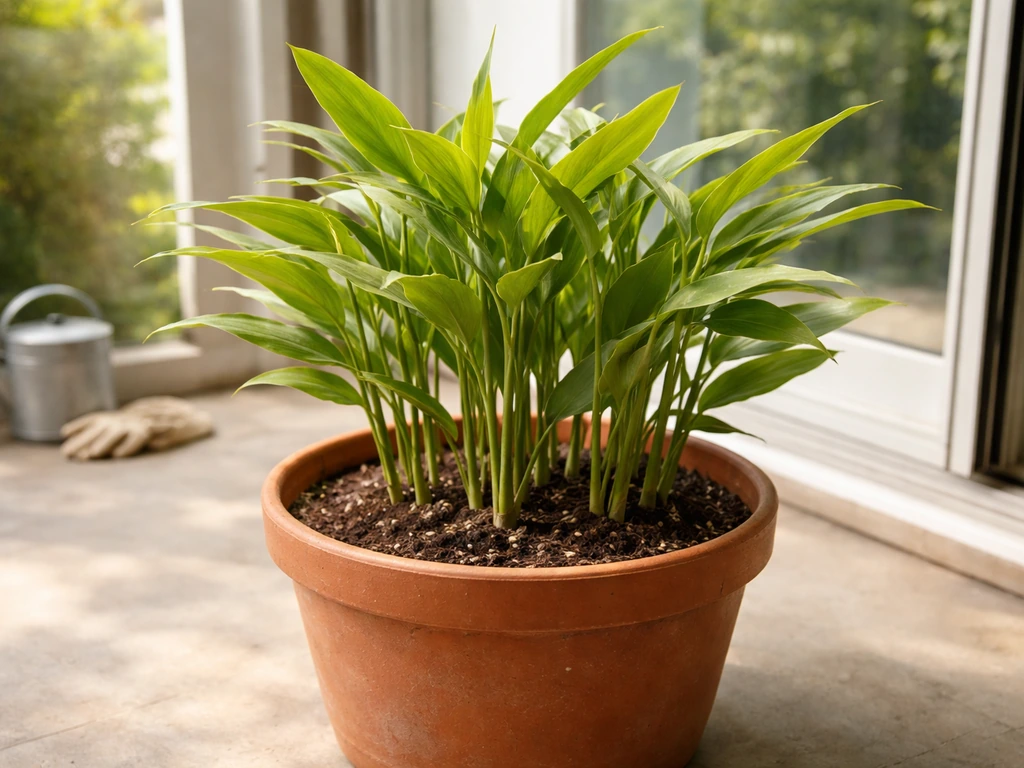
For Texas, you'll need a similar container strategy so you can control warmth and protect ginger when temperatures dip can you grow ginger in texas. Done right, you'll have harvestable rhizomes by late fall. It's more of a houseplant project with a summer vacation than a traditional garden crop, but it absolutely works.
If you’re wondering can you grow ginger in Oregon, the key is similar: provide long warm conditions and use containers or protection to avoid cold snaps.
Indiana's Climate and What It Means for Ginger
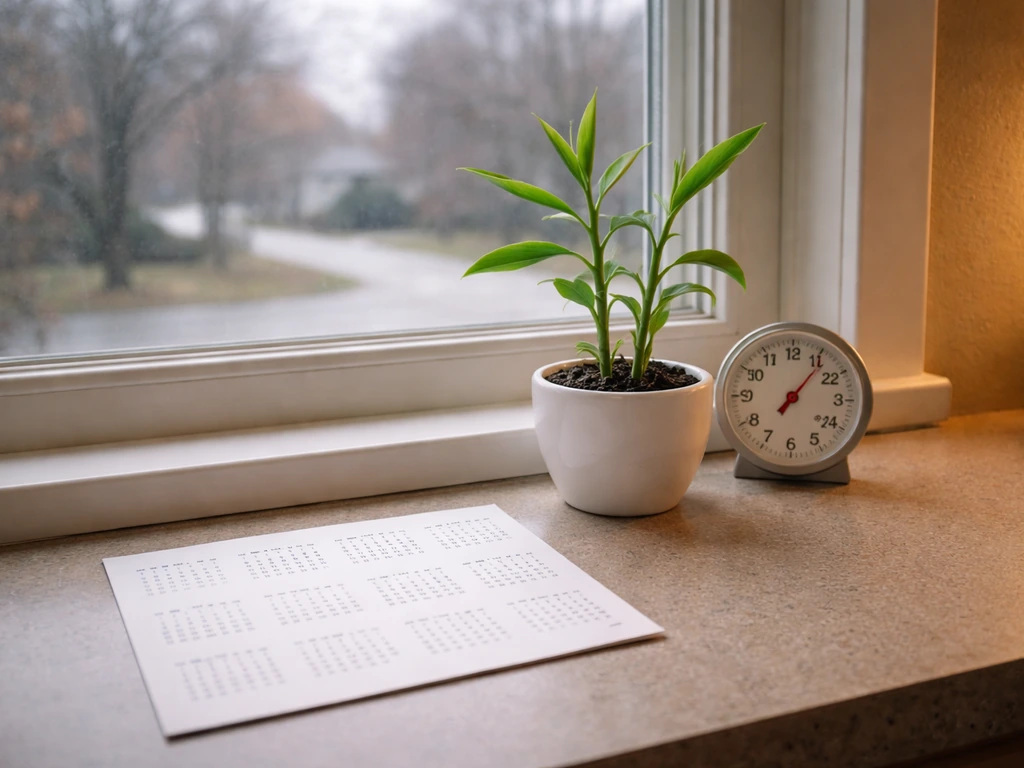
Indiana sits in USDA hardiness zones 5b to 6b depending on where you are in the state, and ginger (Zingiber officinale) is a tropical plant that's hardy only to zone 9. That gap is the whole problem. Indianapolis sees its average last spring frost around April 25 and its first fall frost around October 14, giving you a growing season of roughly 171 days. That sounds like a lot, but ginger needs a minimum of 8 months of frost-free warmth to reach full maturity, and even 50°F nights will slow it down considerably.
Ginger growth effectively stops below 68°F (20°C) and hits its stride between 70 and 90°F (21–32°C). So Indiana's warm summer months, roughly June through August, are genuinely good for ginger outdoors. The problem is May is still unpredictable and September nights can drop quickly. If you're serious about getting a real harvest, you need to extend the season artificially by starting plants indoors in late February or early March, giving your rhizomes a running start before outdoor conditions are safe.
Southern Indiana gardeners near the Ohio River have a slight edge, a few extra weeks of warmth on both ends of the season. Northern Indiana, closer to Lake Michigan, can have later last frosts and shorter usable summers. Gardeners in Ohio and Michigan face similar seasonal constraints, so the same container-based strategy applies across the region. Gardeners in Ohio and Michigan face similar seasonal constraints, so the same container-based strategy applies across the region can you grow ginger in michigan. Gardeners in Ohio can use the same container approach to manage frost risk and get ginger to maturity Gardeners in Ohio and Michigan face similar seasonal constraints.
Best Ginger Types for Indiana Home Gardeners
For most Indiana gardeners, common culinary ginger (Zingiber officinale) is the right choice. It's the type you buy at the grocery store, it's what most people want for cooking, and it adapts reasonably well to container culture. Beyond culinary ginger, there are a few other options worth knowing about:
- Common culinary ginger (Zingiber officinale): The standard choice. Produces the tan, knobby rhizomes you use in cooking. Grows well in containers, tolerates indoor conditions, and is the easiest to source.
- Baby ginger: Harvested early (around 5–6 months) before the skin toughens. More tender and milder in flavor, and it works well in Indiana's shorter outdoor season since you're harvesting before full maturity.
- Ornamental gingers (Hedychium, Alpinia species): Beautiful plants with showy flowers, but they won't give you culinary rhizomes. Worth growing for looks, and some are slightly more cold-tolerant than culinary ginger.
- Galangal (Alpinia galanga): A ginger relative used in Southeast Asian cooking. Slower growing and harder to source, but manageable in containers if you want to experiment.
For a first attempt, stick with culinary ginger from a reliable nursery or a fresh, unblemished rhizome from a grocery store or Asian market. Harvesting baby ginger at 5 to 6 months is actually a smart strategy for Indiana because it lets you pull the crop before cold weather forces your hand.
Starting Ginger Indoors: Rhizomes, Timing, and Containers
Start your rhizomes indoors in late February to early March, about 6 to 8 weeks before you'll move them outside. This gives the roots time to establish in warmth before summer hits. I've started as late as mid-March and still gotten a decent harvest, but earlier is better.
Choosing and Preparing Your Rhizome
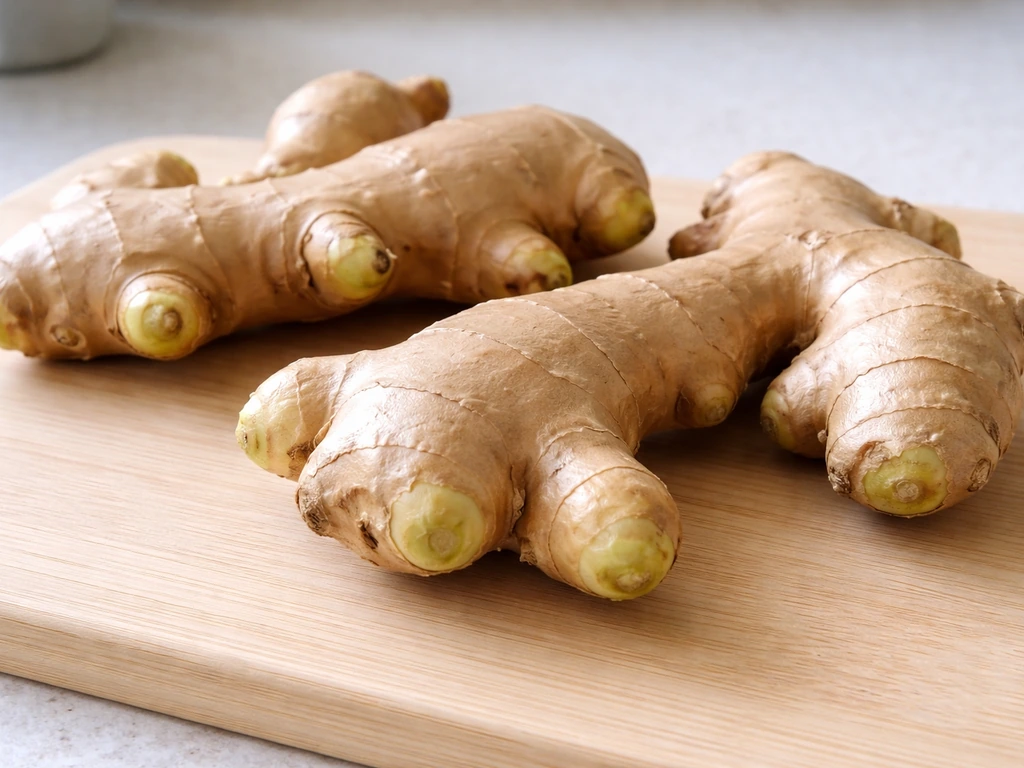
Look for rhizomes with visible growth buds (the little knobby tips that look slightly greenish or plump). Fresh ginger from a grocery store can work, but be aware that commercially sold ginger is often treated with a sprout inhibitor and is not certified disease-free. Sourcing from a nursery, a reputable online supplier, or an Asian grocery market that turns over stock quickly gives you better odds. If you go the store-bought route, soak the rhizome in warm water overnight to help counteract any inhibitor treatment.
If you're cutting a large rhizome into pieces, let the cut pieces cure in a dry area with good airflow for about 48 hours before planting. This lets the cut surfaces form a protective callus and dramatically reduces the risk of rot once they're in soil.
Pre-Sprouting Before Potting
Pre-sprouting is optional but highly recommended for Indiana gardeners because it confirms your rhizome is viable before you invest weeks of container space. Lay the rhizome in a tray of lightly moist coconut coir (not soaking wet, just damp enough to hold together), cover loosely with plastic wrap, and set it somewhere warm, around 75°F. Check every few days, misting the coir if it dries out. You should see pale yellowish shoots emerging within 2 to 4 weeks. Once shoots appear, you're ready to pot up.
Potting Up
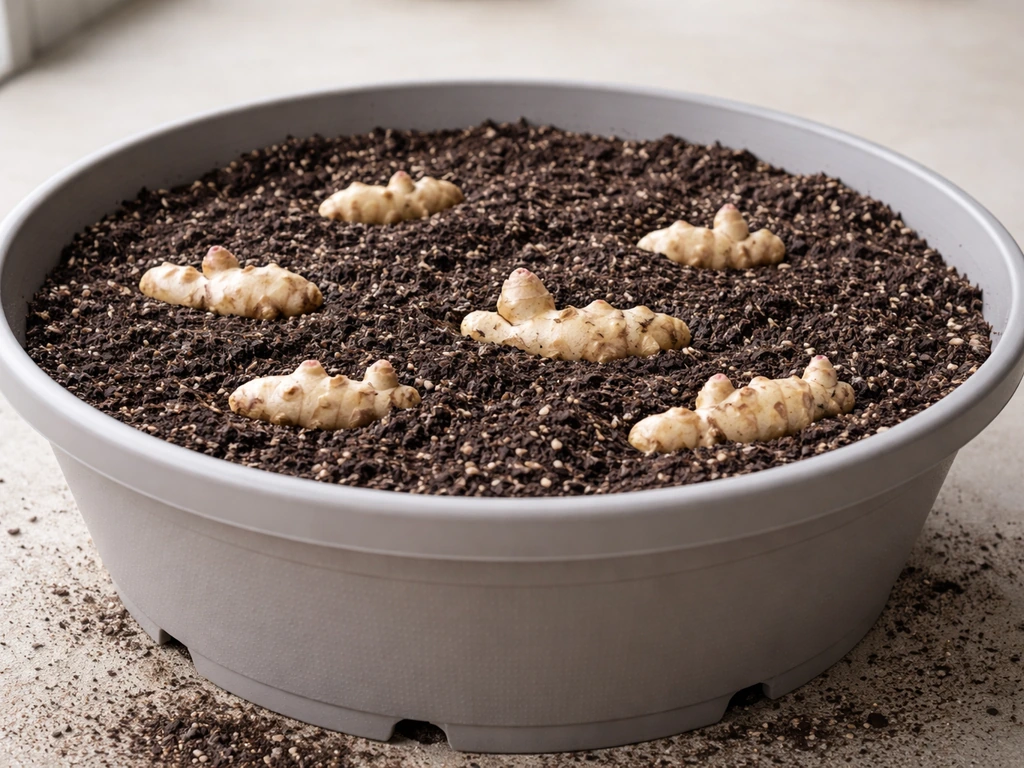
Use a container at least 12 to 14 inches wide and 10 to 12 inches deep per rhizome section, though bigger is better since ginger spreads as it grows. Fill with a well-draining potting mix (more on that below). Place the rhizome with growth buds pointing up and cover it with just a thin layer of soil, the top of the rhizome should barely be covered. Burying it deeper invites rot, which is one of the most common ways first-timers lose their plants. Water lightly after potting and keep the pot somewhere consistently warm, ideally 70 to 80°F, until outdoor conditions are safe.
Outdoor vs. Container Growing: When and How to Transition
In Indiana, you have two basic options: keep ginger in containers all season (indoors with a summer patio stint) or plant it out directly in a sheltered garden bed for the summer. Containers win for most home gardeners because they give you control over temperature and let you bring plants inside quickly when weather turns.
| Approach | Best For | Main Risk | Harvest Potential |
|---|---|---|---|
| Containers (in/out) | Most Indiana gardeners, especially beginners | Pot size limits root spread; dries out faster | Good — especially for baby ginger or partial harvest |
| In-ground summer planting | Southern Indiana, sheltered spots, experienced growers | Hard to move if frost comes early; soil temp may lag | Higher yield potential if season goes well |
| Purely indoors (year-round) | Anyone without outdoor space | Light and humidity management indoors | Moderate — depends heavily on indoor warmth and light |
For container-grown plants, wait until nighttime temperatures are consistently above 50°F before moving them outside. In Indianapolis, that's typically mid-May, a couple of weeks after the average last frost date of April 25. Don't rush it, a week or two of cold nights can set growth back significantly. Transition the pots to outdoor shade first for a week before giving them more sun exposure. When nights start dropping toward 50°F again in September, watch the forecast closely. Before temperatures dip to freezing, bring the containers back inside. Don't wait for the leaves to die back, you can harvest then or pot the rhizomes back up to continue growing indoors.
If you want to try in-ground planting, choose the warmest, most sheltered spot you have, a south-facing bed near a brick wall is ideal. Don't put rhizomes in the ground until soil temperature at 4 inches deep is at least 65°F, which usually means late May in central Indiana. You'll need to dig everything up before the first fall frost, so keep your shovel handy in September.
Soil, Light, Water, and Fertilizer
Soil and Containers
Ginger demands excellent drainage. Use a quality potting mix, not garden soil, and mix in up to 50% compost by volume to boost nutrients. Make sure every container has drainage holes. Empty saucers after watering so the pot never sits in standing water, which leads straight to root rot. Despite old advice you may have read, do not add a layer of gravel at the bottom of the pot, research from NC State Extension confirms this actually makes drainage worse by creating a perched water table inside the pot.
Light
Outdoors, ginger prefers bright, dappled light or partial shade, it's a forest understory plant in its native range and will scorch in full midday Indiana sun. Indoors, put it in your brightest window (south or west-facing), or supplement with a grow light for 12 to 14 hours a day. Insufficient light is one of the most common reasons indoor ginger just sits there looking miserable without growing.
Watering
Ginger likes consistent moisture but hates waterlogged roots. Water thoroughly when the top inch of soil feels dry, then let the pot drain completely. In Indiana's hot, humid summers outdoors, you may need to water every day or two. Indoors in winter, much less frequently, once a week or so depending on how warm and dry your home is. Always err toward slightly drier than soaking wet. More ginger plants die from overwatering than underwatering.
Fertilizer
Feed actively growing ginger every 3 to 4 weeks with a balanced liquid fertilizer (something like a 10-10-10 or a dedicated tropical plant formula). Once the plant is producing lush green foliage, you can shift to a slightly lower-nitrogen fertilizer to encourage rhizome development rather than leafy growth. Cut back fertilizing in fall as the plant prepares for harvest.
Pests, Diseases, and Common Problems in Indiana
Pests to Watch For
- Spider mites: The most common indoor pest, especially in dry Indiana winters. You'll see fine webbing and stippled, yellowing leaves. Increase humidity, wipe leaves down with a damp cloth, and use insecticidal soap if the infestation takes hold.
- Aphids: Tend to show up on plants moved outdoors. Check the undersides of leaves. A strong jet of water knocks most of them off; insecticidal soap handles the rest.
- Root rot (Pythium, Fusarium): Not a pest but the most common killer. Caused by overwatering or poor drainage. If your plant collapses at the base or rhizomes smell musty, rot is likely. There's no saving a badly rotted plant — start fresh with better drainage.
- Rhizome rot from store-bought disease: Grocery store ginger isn't certified disease-free. If your rhizome fails to sprout or rots quickly after planting, sourcing certified clean stock for your next attempt is worth the extra cost.
Common Growing Problems
- Yellowing leaves: Often a sign of overwatering, poor drainage, or spider mite damage. Check the soil moisture and inspect the undersides of leaves before adjusting anything.
- No growth after planting: Usually means it's too cold. Ginger below 68°F just sits there. Move the pot somewhere warmer, ideally 75°F or above, and be patient.
- Leggy or weak stems indoors: Not enough light. Add a grow light or move the plant to a sunnier window.
- Slow overall growth: Normal in Indiana — your growing season is inherently compressed. Starting earlier in February/March and maximizing warmth helps, but don't expect the vigorous growth you'd see in a tropical climate.
When and How to Harvest, Cure, and Store
Harvest Timing
The traditional signal for harvesting mature ginger is when the foliage yellows and dies back on its own, typically late October to November in Indiana if you've kept plants warm long enough. In practice, Indiana's cold forces your hand.
You have two options: harvest baby ginger (tender, thin-skinned rhizomes) at around 5 to 6 months from planting, which is more practical for many Indiana gardeners; or push for mature ginger by keeping plants warm as long as possible, indoors if needed, until the leaves naturally senesce. Bring your containers inside before any frost and let the leaves finish dying back before digging if you can.
Colorado State University Extension also notes that insecticidal soap is effective against small, soft-bodied pests like aphids and spider mites when the spray comes into contact with the pest insecticidal soap can work when the spray comes into contact with small, soft-bodied pests like aphids and spider mites.
Digging and Curing
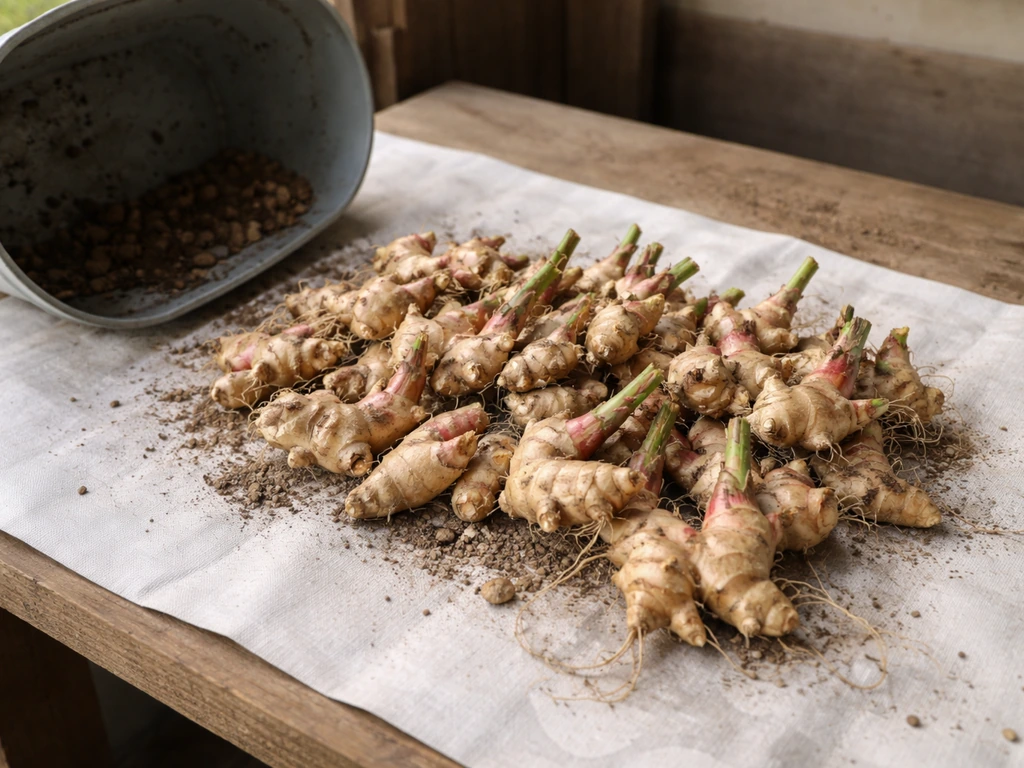
To harvest, dump the container out gently and pull the rhizome mass apart by hand. Shake off excess soil. For baby ginger, you can use it fresh immediately, the skin is thin enough that you don't need to peel it. For mature ginger intended for storage, cure the rhizomes at around 55°F (12–13°C) with good airflow for a week or two before long-term storage. Aim for storage conditions around 55°F and 65 to 75% relative humidity. A cool basement corner or a wine fridge works well. Properly cured ginger will keep for several months.
Saving Rhizomes to Regrow
Set aside a few healthy rhizome sections with visible buds before you use the rest. Store them in barely moist sand or coconut coir in a cool (not cold) spot, around 55°F, over winter. In late February, pull them out and start the pre-sprouting process again. This is how you build a self-sustaining ginger growing cycle from one original purchase. Illinois Extension recommends storing dug rhizomes in a cool, dry area and replanting them in spring about 2 inches deep, though I'd revise that to barely covered in a container to minimize rot risk.
Realistic Expectations for Your First Season
I'll be straight with you: your first year of growing ginger in Indiana will probably produce less than you expect. The rhizomes will be smaller than grocery store ginger, growth may be sluggish if your indoor setup isn't warm enough, and you might lose one to rot if you're not careful with drainage. That's normal. Most first-timers are surprised that ginger grows at all in the Midwest, getting any harvestable rhizome from a container plant is genuinely satisfying.
The biggest mistakes I've seen (and made): starting too late (April instead of February), planting in pots without drainage holes, overwatering indoors in winter, and moving plants outside before nights are reliably warm. Fix those four things and you're ahead of most beginners.
By year two or three, when you're starting from saved rhizomes that already have established buds, growth is noticeably faster and yields improve. Think of the first year as proof-of-concept. If you're in southern Indiana with a sheltered garden bed and a warm spring, you have better odds than someone in Fort Wayne trying to grow entirely outdoors. The container approach levels the playing field across the state.
Ginger is worth trying in Indiana if you have a warm indoor space, a sunny window or grow light, and a bit of patience. It is not worth attempting if you're hoping to stick rhizomes in the ground in May and ignore them until fall, that approach doesn't work here. Treat it like the tropical container plant it actually is, and you'll have fresh homegrown ginger by November. That's a reasonable outcome for the effort involved.
FAQ
How deep should I plant ginger rhizomes in an Indiana container?
Use the rhizome tip (the knobby growth bud) as your guide. Plant with buds facing up and cover with only a thin soil layer so they can breathe and sprout. If you bury it deeply, the rhizome stays damp longer and rot becomes much more likely, even if your drainage seems good.
Can I keep ginger outdoors all summer and never move it inside in Indiana?
Yes, but only if you can keep temps in the 70 to 80°F range during the pre-sprout phase and then protect from cold nights outdoors. If you cannot bring the pot inside quickly, you are taking a big risk in Indiana because ginger growth slows hard below about 68°F and can lose ground even before you see obvious damage.
What should I do if my pre-sprouted ginger rhizome doesn’t show shoots?
Pre-sprouting is mainly to confirm viability and reduce wasted weeks. If your ginger does not sprout after 4 weeks at around 75°F with lightly moist coir, it is often not viable, too cold, or too wet. Try a different rhizome source or raise warmth, and keep moisture damp not soggy.
How do I know I’m watering ginger correctly in winter when it’s indoors?
It should not sit in water. After each watering, dump any water that collects in the saucer, then wait until the top inch of mix feels dry before watering again. A good sign you are not overdoing it is that the pot feels lighter before you water, and the leaves look turgid, not limp and mushy.
If I’m late to start, can I still get mature ginger in Indiana?
Start earlier if your goal is mature ginger, because the limiting factor in Indiana is time at warm temps. Late February or early March is the usual window for starting indoors, and planting outside in mid-May. If you start in April, switch expectations to baby ginger at about 5 to 6 months.
My ginger leaves are turning yellow early, how can I tell if it’s normal or rot?
If leaves yellow in late fall, that is normal. What is not normal is sudden collapse plus a foul smell or black, mushy rhizomes. For diagnosis, gently check the top rhizome area in the pot, and if it is soft or smells bad, remove the affected parts and refresh with drier, well-draining mix.
Should I water more often in humid Indiana summers outdoors?
Aim for slightly drier than you think. Ginger likes steady moisture, but overwatering is the most common failure indoors because evaporation is lower and pots stay cool at night. If in doubt, wait 1 to 2 more days and only water once the top inch is dry.
Can I harvest ginger before the full season ends without killing the plant?
You can take smaller harvests by pulling just part of the rhizome mass, then re-cover and keep the rest growing. Plan this for baby ginger style harvests, and avoid taking the entire plant unless you are ready to reset. Partial harvest lets you extend your window into cooler fall conditions.
How should I store ginger rhizomes over winter so they sprout again next spring?
Yes. Save only sections with clear growth buds, then store them barely moist (sand or coir), cool (around 55°F), and with enough airflow to prevent mold. If the saved pieces dry out completely, they may not sprout; if they stay wet, they can rot.
Next Articles
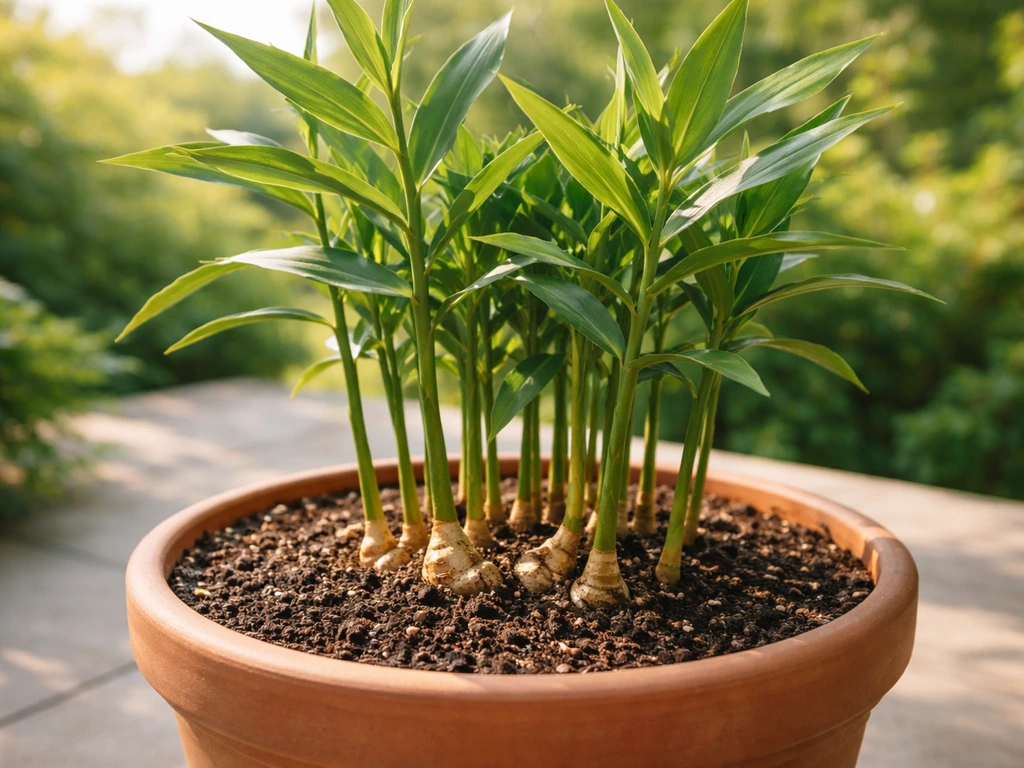
Can You Grow Ginger in Oregon? How to Do It Successfully
Grow ginger in Oregon with indoor or container steps, timing, soil, watering, harvest tips, and frost and rot troublesho
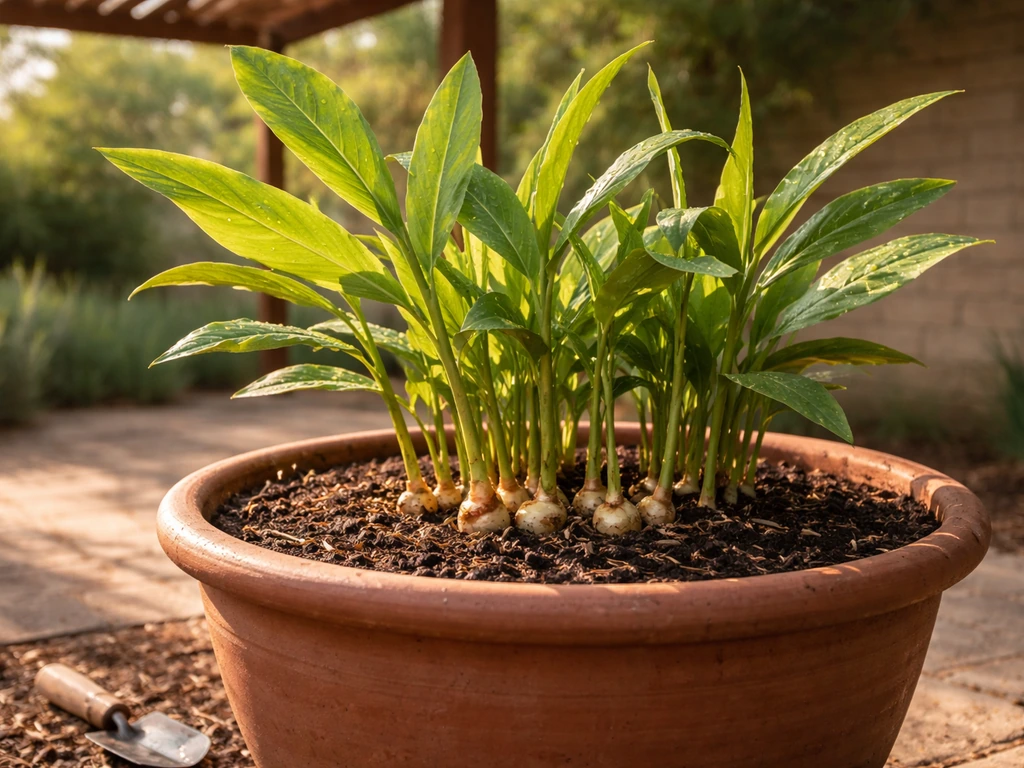
Can You Grow Ginger in Texas? How to Succeed
Grow ginger in Texas with a warm-season plan: containers or shade, planting depth, watering, timing, harvest, and rot pr
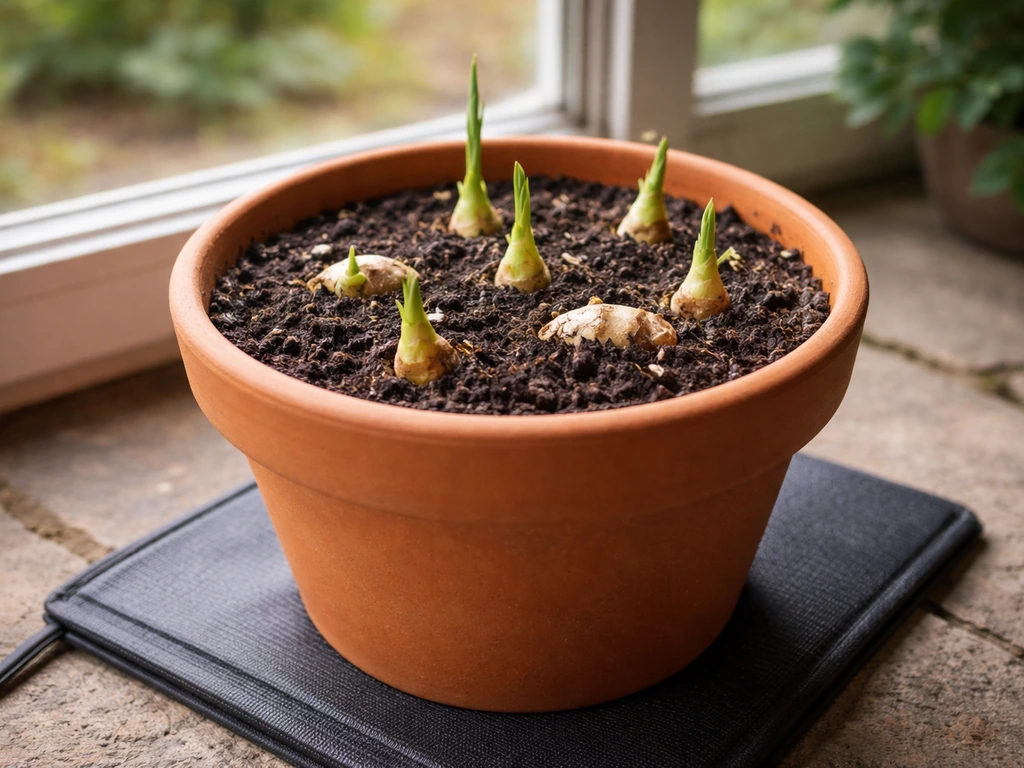
Can You Grow Ginger in Ohio? How to Succeed
Learn if you can grow ginger in Ohio and get step-by-step container and indoor-start tips for harvest and storage.