
Yes, you can grow ginger in Maine, but not the way you'd grow it in Georgia or North Carolina. Maine's short frost-free season (roughly 152 days in a place like Bangor) and cold winters mean ginger will never survive outdoors year-round. Bangor, Maine is an example location for USDA hardiness zone 5a, with an approximately 152-day freeze-free period Bangor, Maine is an example location for USDA hardiness zone 5a with an approximately 152-day freeze-free period. The only reliable path is treating it as an indoor-started, container-grown crop that spends part of its season in a protected spot, then comes back inside before the cold hits. Do that, and you can absolutely pull a real ginger harvest from Maine soil.
Can You Grow Ginger in Maine? How to Do It Step by Step

Marcus Petersen
4 Jun 2026
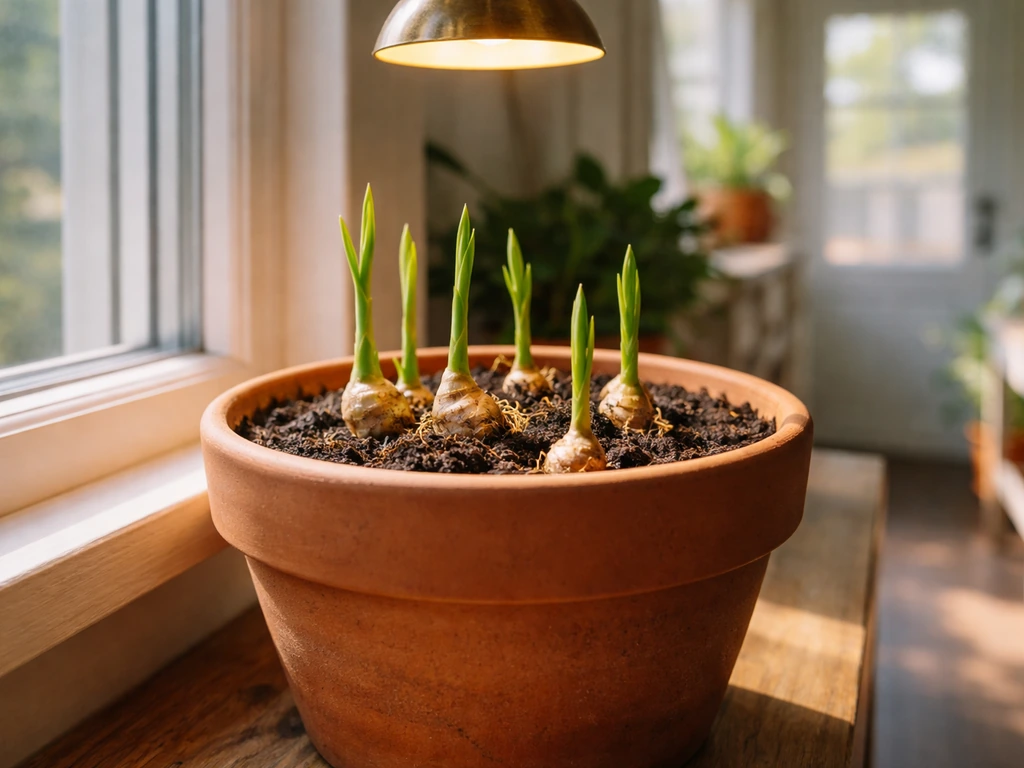
Can ginger survive a Maine winter? Be honest with yourself first
Ginger (Zingiber officinale) is a tropical perennial. It doesn't go dormant in the way a hardy perennial does; it simply dies when it gets cold enough. The rhizomes start showing cold damage (browning, softening) at temperatures barely above freezing, and a hard freeze kills them outright. Maine winters regularly drop well below 0°F in USDA zone 5a, which is as hostile to ginger as it gets in the continental U.S.
So let's set expectations clearly: you will not grow ginger outdoors in Maine and leave it in the ground over winter. If you are wondering, can you grow ginger in Georgia, you will generally have an easier time because warmer winters let you keep it outdoors or start it earlier. That's just not on the table. What IS on the table is growing ginger as an annual crop, starting it indoors in late winter, moving it outside to a protected spot for the summer, and bringing it back inside in fall before frost. Growers at MOFGA (Maine Organic Farmers and Gardeners Association) have reported real success doing exactly this, particularly with the help of a hoophouse or high tunnel. If you have access to even a small hoophouse, your odds go up significantly. A sunny indoor space works too, with some trade-offs.
What 'success' looks like in Maine is worth defining. Ginger takes 8 to 10 months to reach full maturity with those big, fibrous rhizomes you see at the grocery store. You might not always hit that window. But 'baby ginger,' harvested around 4 to 6 months after sprouting, is tender, thin-skinned, and genuinely delicious, and that window is very achievable in Maine if you start early enough.
Indoor containers vs. protected outdoor growing: what actually works in Maine
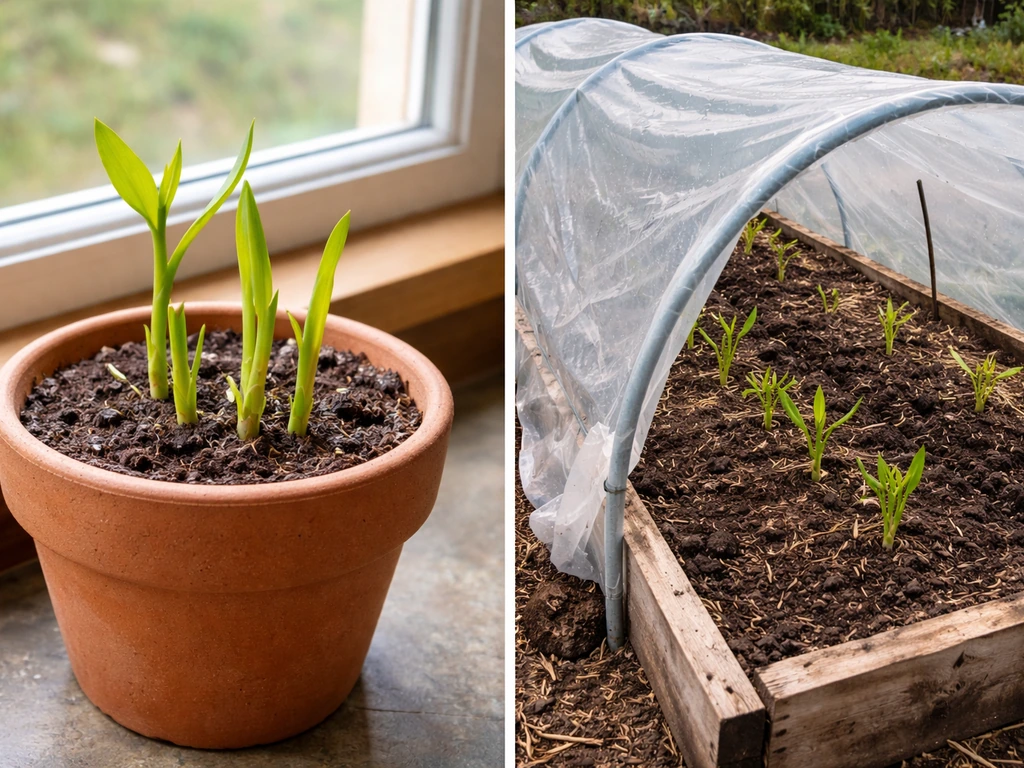
You've got two basic setups to choose from, and which one suits you depends on your space and how serious you are about this.
Indoor container growing (the most reliable option)
This is the approach I'd recommend for most Maine home gardeners. You start rhizomes indoors, keep them in containers all season, move the pots outside when the weather cooperates, and bring them back in before frost. The University of Vermont Extension, which deals directly with northern New England growing conditions, recommends a pot at least 12 inches in diameter with a drainage hole, filled with a well-draining potting mix. Keep the soil level about an inch below the rim. This setup lets you control temperature, move plants around, and protect them instantly if a cold snap rolls in.
Protected outdoor or hoophouse growing (higher yield potential)
If you have a hoophouse or high tunnel, even a small one, this is the higher-ceiling option. MOFGA specifically highlights Maine growers using a modest 'junker' hoophouse to successfully grow ginger with good yields. A hoophouse extends your warm season meaningfully on both ends, and UNH Extension research confirms that properly managed high tunnels can keep soil from freezing well into late fall. This setup gets you closer to that full 8 to 10 month maturity window, which means bigger, denser rhizomes at harvest.
| Setup | Pros | Cons | Best for |
|---|---|---|---|
| Indoor containers (full season) | Total temperature control, zero frost risk, works anywhere | Limited root space, lower yields, needs a very sunny spot or grow lights | Apartment/small-space growers, first-timers |
| Containers moved outdoors in summer | Flexible, easy to protect, moderate yields | Requires remembering to move them before frost | Most home gardeners with a deck or patio |
| Hoophouse / high tunnel | Longest warm season, highest yield potential, closest to full maturity | Requires structure, more labor | Serious gardeners, market growers, rural properties |
Picking and starting your rhizomes
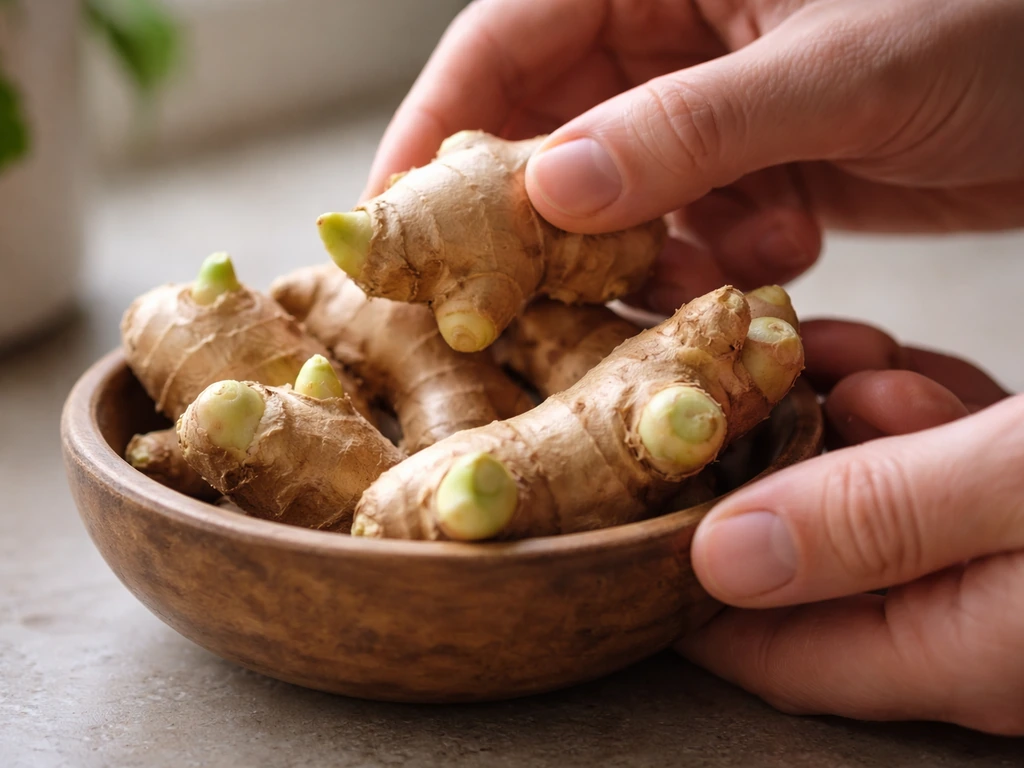
You don't need to order anything exotic. A rhizome from a grocery store can absolutely work, but you need to buy organic. Conventionally grown ginger is often treated with a growth inhibitor to extend shelf life, and those treated rhizomes may refuse to sprout no matter what you do. I learned this the hard way with a batch from a discount grocery bin. Organic ginger from a natural foods store or farmers market is your safest bet.
When you're picking a rhizome, look for pieces that already have swollen, slightly greenish-yellow buds, called 'eyes,' on them. The more eyes, the more sprouts, the more plant. Avoid anything that looks shriveled, moldy, or soft. A firm, plump rhizome with 2 to 3 visible eyes is ideal. If you want to skip the sourcing guesswork entirely, some seed suppliers and specialty nurseries sell certified seed ginger, which is more reliable but costs more.
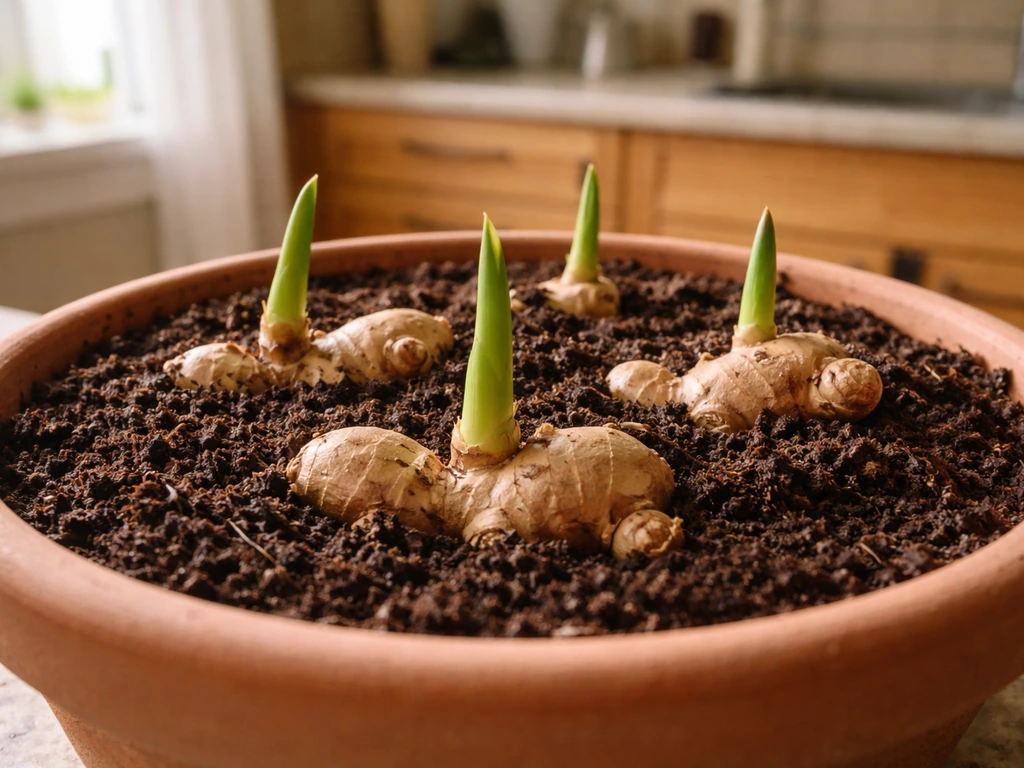
Before planting, you can optionally pre-sprout the rhizomes by placing them in a shallow tray or bag with barely moist potting mix or a damp paper towel and keeping them somewhere warm (above 70°F) for a couple of weeks. This jump-starts the process and lets you confirm which pieces are viable before committing them to pots. Once you see small green shoots emerging, you're ready to plant.
To split a larger rhizome for multiple plants, cut it into sections of at least 1 to 2 inches each, making sure each piece has at least one eye. Let the cut surfaces dry for a day or two before planting to reduce rot risk at the wound.
Maine planting schedule: timing, temperature, and light
Start your rhizomes indoors in late February or early March. This is not negotiable in Maine. Ginger needs that long warm season, and the only way to manufacture it in a zone 5 state is to get a head start before the outdoor season even begins. Soil temperature needs to be above 55°F for planting and at least 68°F for real growth to happen. blank" rel="noopener noreferrer">Optimal is closer to 77°F. Indoors in late winter, your main challenge is keeping the pots warm enough, not keeping them cool.
A heat mat set to 70 to 75°F under your containers makes a significant difference in those first weeks. Once shoots appear and the plants are established, ambient room temperature around 70°F is workable. Do not put ginger outdoors in Maine until nighttime temperatures are consistently staying above 55°F and all frost risk has passed, which is typically mid to late June in many Maine locations. When outdoor temperatures drop back toward that 55°F threshold in early fall (late August to September in northern Maine, early to mid-October further south), bring the pots back in or move hoophouse plants to a protected space.
Light is where indoor growing gets tricky in Maine winters. Ginger wants bright, indirect light, ideally 4 to 6 hours of it. A south-facing window in February and March in Maine is workable, but supplemental grow lighting for 12 to 14 hours a day will produce noticeably faster, more vigorous growth during the indoor start phase. Once you move pots outside for summer, a spot with morning sun and afternoon shade is close to ideal.
Soil, watering, fertilizing, and keeping rot at bay
Soil
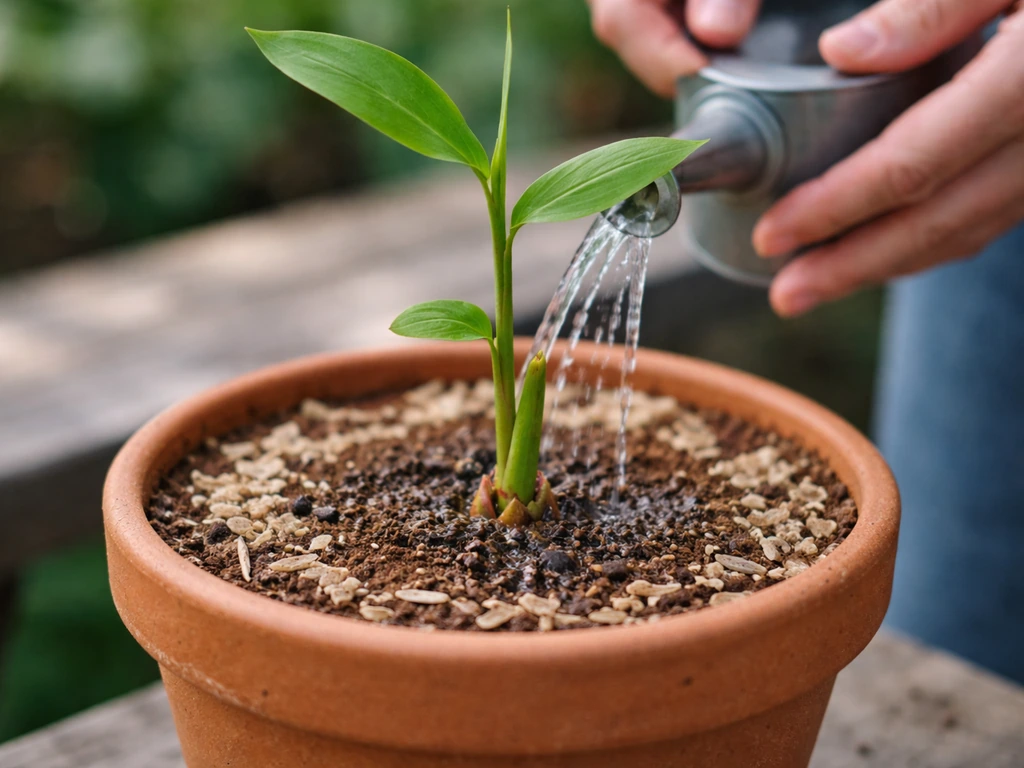
Use a loamy, rich, well-draining mix. Drainage is the single most important soil characteristic. Ginger rhizomes sitting in soggy, cold soil will rot, and Maine's cool, wet springs create exactly that risk. For containers, a quality potting mix amended with perlite or coarse sand (about 20 to 25% by volume) gives you the drainage you need. Target a pH between 5.5 and 6.5. If you're growing in a hoophouse bed rather than containers, work in generous amounts of compost and check that the bed doesn't hold standing water after a heavy rain.
Watering
Keep the soil moist but never wet. Before shoots emerge, water very lightly. The rhizome doesn't need much moisture at this stage and soggy conditions at this point cause more failures than anything else. Once the plant leafs out and is actively growing, water more regularly, checking that the top inch of soil has dried out slightly before watering again. In the Maine summer heat, containers may need watering every 2 to 3 days. UVM Extension also recommends misting the leaves regularly if indoor air is dry, which it absolutely is during Maine winters with the heat running.
As fall approaches and you're preparing for harvest, dial back watering gradually. Reducing moisture as temperatures cool encourages the plant to put energy into the rhizome rather than foliage, and it reduces rot risk as the plant slows down.
Fertilizing
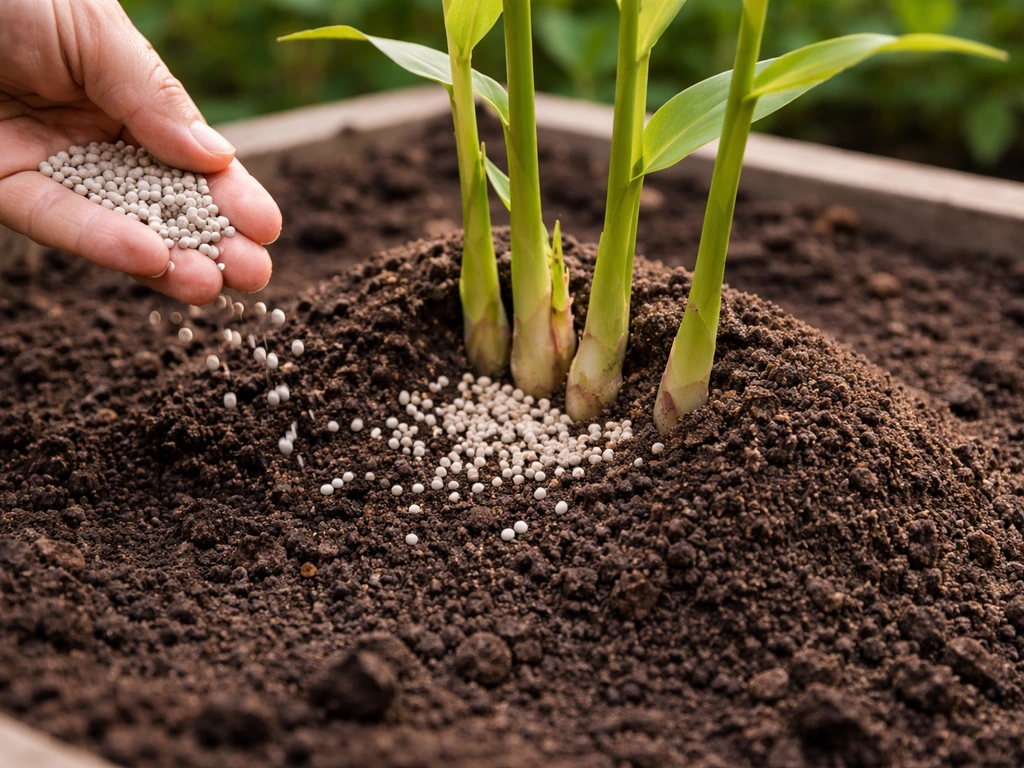
Ginger is a heavy feeder and needs consistent nutrition through the growing season. MOFGA recommends a granular fertilizer in the 3-4-3 range with hilling (mounding soil up around the base of the plant as it grows). Penn State Extension suggests a balanced 5-5-5 mix as another workable option. A phosphorus-rich fertilizer supports strong rhizome development, so look for formulas where the middle number (phosphorus) is at least equal to the other two. Start fertilizing monthly once you see active shoot growth, and continue through summer. Back off in late August to September as you approach harvest.
Managing the season and troubleshooting slow growth
Ginger grows slowly. This is normal and it can be maddening if you're expecting fast results. In cool indoor conditions below 70°F, it may take 4 to 6 weeks just to see the first shoot after planting. If you planted a viable rhizome, kept it warm and slightly moist, and nothing is happening after 6 weeks, check the rhizome: it should feel firm. If it's mushy, rot got it. If it's still firm but dry, try bumping the heat or adding a bit more moisture. Slow growth is almost always a temperature problem.
Once the plant is up and growing, hill the soil around the base every few weeks as new shoots emerge. This is what MOFGA-connected Maine growers recommend, and it encourages more rhizome development below the surface. Ginger plants typically reach 2 to 4 feet tall in containers and will spread slowly throughout the season.
Pests are generally less of a problem for indoor-grown ginger than for outdoor crops. Watch for spider mites in dry indoor air (regular misting helps prevent them) and fungus gnats in overwatered pots. Root rot from cold, wet soil is your biggest real threat in Maine, not insects.
Harvest timing, overwintering your rhizomes, and next season
When to harvest
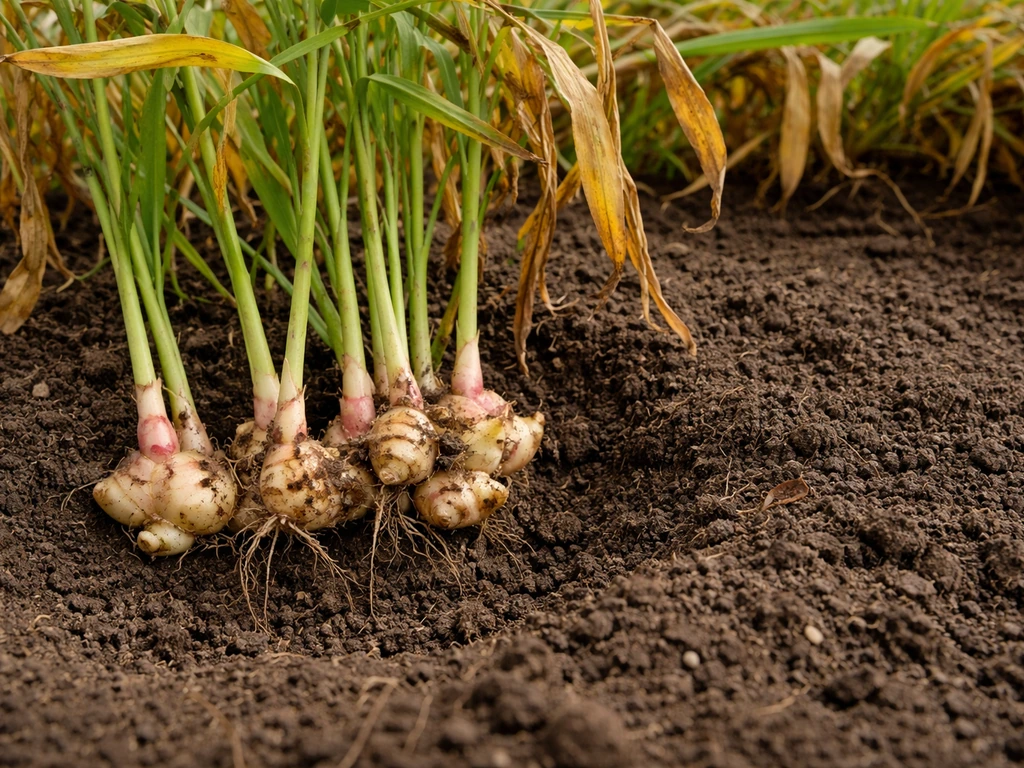
If you start rhizomes indoors in late February, you'll hit the baby ginger window (tender, thin-skinned, mild flavor) around late June to August, roughly 4 to 6 months after sprouting. Baby ginger is genuinely excellent in the kitchen and a realistic goal for any Maine grower. For full-maturity ginger with that classic fibrous texture and intense flavor, you need 8 to 10 months from sprouting, which puts you at late October to December. If your plant has been growing vigorously indoors or in a hoophouse all season, this is achievable. If it had a rougher go of it, harvest what you have before cold weather forces the issue.
The signal to harvest is the foliage dying back. When leaves start yellowing and the plant looks like it's winding down, that's your cue. You can also do a partial harvest by carefully digging around the edges of the container to pull a few pieces while leaving the main rhizome to keep growing.
Overwintering your plants or rhizomes
You have two options for getting next year's plants started without buying new rhizomes. The first is to leave the rhizomes in the container after cutting back the dead foliage, reduce watering to nearly nothing, and store the pot somewhere cool but frost-free (45 to 55°F), like a basement or an unheated mudroom that stays above freezing. Resume watering and move the pot somewhere warm in late February. The second option is to dig the rhizomes out, brush off excess soil, let them dry for a day, and store them in a paper bag or cardboard box in a similar cool, dry, frost-free location. Both methods work. Container storage is slightly easier and a bit more forgiving if you forget to check on them.
Maine is tougher territory for ginger than, say, Virginia or Pennsylvania, where outdoor beds with mulch protection can sometimes shelter rhizomes through milder winters. In Maine, you simply cannot count on that. Bring your rhizomes inside every single year. With New York's colder winters, the same indoor-start, container, and frost-free storage approach is usually what makes ginger work. But the flip side is that once you get your first batch through a season, you have your own planting stock and you never need to buy ginger rhizomes again.
Your year-one action plan
- Late February to early March: Buy organic ginger rhizomes with visible buds. Pre-sprout in a warm spot if you want a head start.
- Early to mid-March: Plant rhizomes about 2 inches deep in a 12-inch or larger pot with well-draining potting mix. Place on a heat mat at 70 to 75°F near a south window or under grow lights.
- March through May: Water lightly until shoots appear, then water more regularly. Mist leaves. Start monthly fertilizing once growth is active.
- Mid to late June: Move containers outdoors to a sheltered spot with morning sun and afternoon shade, or into a hoophouse. Continue watering and fertilizing.
- July through August: Hill soil around plant base. Watch for baby ginger readiness around month 4 to 6.
- Late August: Begin reducing water slightly to encourage rhizome development.
- Before first frost (September in northern Maine, October in southern Maine): Bring all containers indoors immediately.
- October through December: Harvest when foliage dies back. Store rhizomes in a cool, dry, frost-free location for next season.
Ginger in Maine takes more planning than it does in warmer states, but it's genuinely worth trying if you have a sunny indoor space and some patience. The fact that MOFGA growers are pulling it off right here in Maine means you're not working against impossible odds. Start your rhizomes in February, keep them warm and well-drained, and you'll have something real to harvest by fall.
FAQ
Can I grow ginger outdoors in Maine during the summer and then leave it in the ground to overwinter?
Not reliably. Ginger rhizomes die after cold exposure near and below freezing, and Maine winters regularly drop well below that. Even if your plants look great in July, the safe plan is to keep them in containers (or move them into a protected space) and bring them back indoors or into a frost-free storage area before winter.
What is the best pot size and how deep should the container be for ginger in Maine?
Use a wide container with good drainage. A pot about 12 inches across is a solid target, and deeper is usually fine because ginger rhizomes form downward. The key is not only depth but drainage, if water pools in the bottom, rot risk jumps fast in Maine’s cool, wet shoulder seasons.
Why are my indoor ginger shoots slow or not showing after planting?
The most common cause is insufficient warmth. If your planting area stays under about 68°F for real growth, shoots can stall for weeks. Second most common is overly wet media, soggy mix can prevent sprouting by promoting early rot. Check firmness of the rhizome after 4 to 6 weeks, firm suggests warmth or dryness adjustments, mushy suggests rot.
Should I water more when I see dry soil on top?
Moisture needs to be consistent once leaves are actively growing, but avoid soaking. A practical method is to water thoroughly, then wait until the top inch dries slightly before watering again. If you are misting leaves for humidity, remember that misting does not replace proper root-zone watering, it only helps with dry indoor air and pest prevention.
Is pre-sprouting rhizomes worth doing in Maine?
It can be worth it if you want certainty and faster troubleshooting. Pre-sprouting lets you confirm viability (which pieces will sprout) before you commit them to pots. It also reduces wasted container time if a rhizome was treated to inhibit growth or is already compromised.
How can I tell the difference between slow growth and a failed rhizome?
Slow growth usually still keeps the rhizome firm. After about 6 weeks, gently inspect by sliding the rhizome partially out or checking through the container edge. Firm and dry points to adjusting temperature or moisture, mushy or foul-smelling indicates rot, remove affected rhizomes promptly to protect the rest of the pot.
What can I do to prevent rot, especially during cool weather in early spring or fall?
Control drainage and keep the root zone from getting cold and wet. Use a well-draining mix with added coarse material (perlite or sand), water lightly before shoots appear, and avoid leaving containers outside when nighttime temperatures approach the low-50s°F range. If you are moving pots in and out, protect them from temperature swings and do not cover soil in a way that traps moisture.
Should I hill ginger in containers, and how much?
Yes, once new shoots emerge, hilling helps encourage additional rhizome development. Add soil in small increments every few weeks rather than burying everything at once. Watch the balance, too much cover or compaction can worsen drainage and increase rot risk, especially with Maine’s humidity changes.
What fertilizer approach works if my ginger is grown mostly indoors?
Stick to the same idea as outdoor-grown ginger, consistent feeding during active growth and reduced feeding as you approach harvest. Start once shoots are established and the plant is clearly growing. If indoor light is limited and growth is weak, use a lighter hand because excess fertilizer plus cool conditions can raise salt levels and stress roots.
Can I harvest ginger multiple times from the same plant?
Yes, partial harvesting is possible. Dig carefully from the edges to pull a few young pieces while leaving the main rhizome and growing center intact. After partial harvest, keep watering and nutrition steady enough to support continued rhizome growth until foliage starts dying back.
How do I store ginger planting rhizomes between seasons, and what temperature is safe?
Store them frost-free and cool, roughly 45 to 55°F, in a paper bag or cardboard box (for dug rhizomes) or in the container (for pot storage). The goal is to slow growth without freezing. Container storage is often easier, it is more forgiving if you occasionally forget to check them.
Why do my ginger plants get fungus gnats indoors?
Fungus gnats typically show up when potting mix stays too wet. Reduce watering frequency, allow the top layer to dry slightly between waterings, and confirm your drainage is working. Sticky traps help catch adults, but fixing overwatering is usually the real solution.
Next Articles
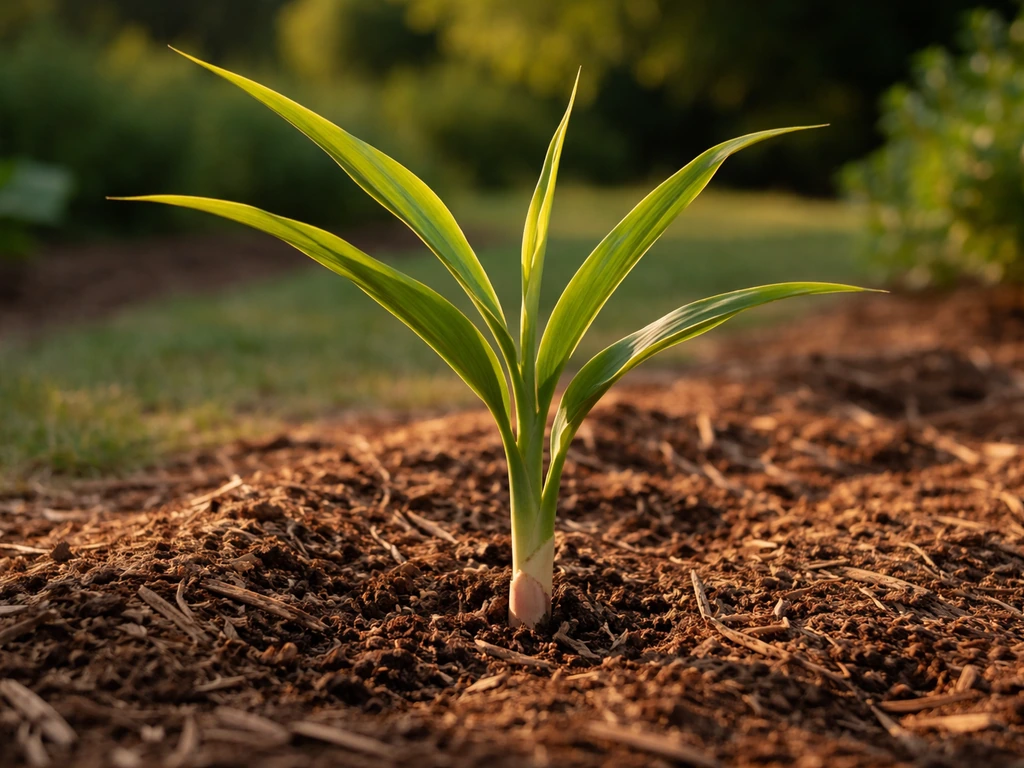
Can You Grow Ginger in Georgia? Complete How-To Guide
Step-by-step guide to grow ginger in Georgia, from rhizomes to harvest, with site, timing, watering, pests, and storage.
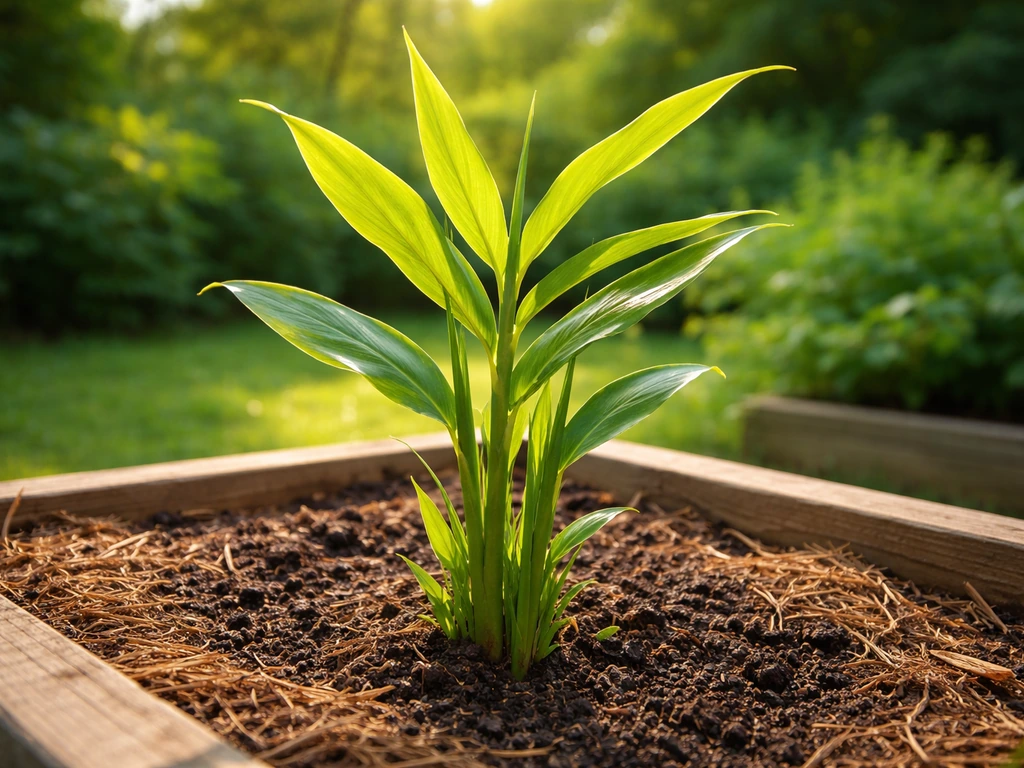
Can You Grow Ginger in North Carolina? How To Do It
Yes with the right conditions: grow ginger in North Carolina using warm, well-drained soil or containers, care and harve
Can You Grow Ginger in Pennsylvania? How to Succeed
Grow ginger in Pennsylvania with the right warm, light, and moisture setup using containers or indoor-start steps and ha