
Yes, you can grow ginger in Georgia, and it does surprisingly well here compared to most U.S. states. Georgia's long, warm, humid growing season is close to ideal for ginger. Most of the state gives you enough frost-free weeks to pull a decent harvest, and in the warmest parts (coastal Georgia and the southernmost zones), ginger can even survive winter in the ground with minimal protection. Cooler inland and mountain areas need a bit more planning, but containers make it work anywhere in the state.
Can You Grow Ginger in Georgia? Complete How-To Guide
Marcus Petersen
2 Jun 2026
Is ginger actually feasible in Georgia, outdoors or in containers?
Ginger is genuinely well-suited to Georgia, especially compared to states like Maine, New York, or even Pennsylvania, where the window is tight and outdoor growing is a stretch. The challenge in Georgia isn't heat or humidity (ginger loves both) but rather winter cold in the northern and mountain regions. Georgia spans blank" rel="noopener noreferrer">USDA hardiness zones roughly 6b in the Blue Ridge foothills up to 9a along the coast, and that range changes things considerably.
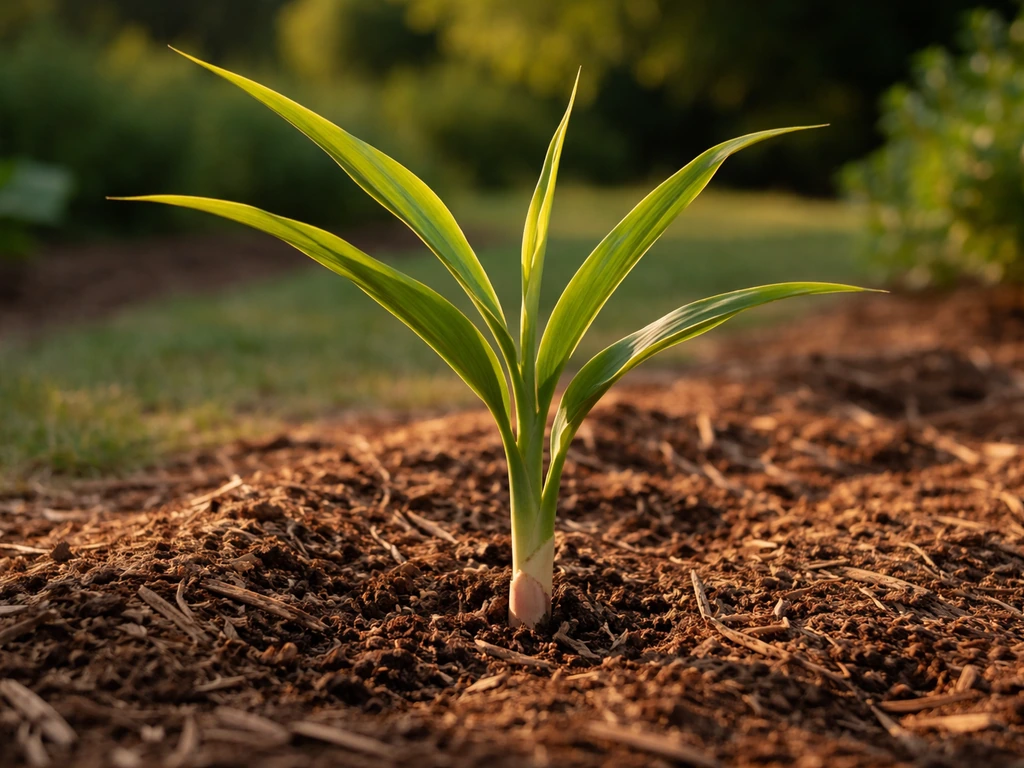
In south Georgia and the coastal plain (zones 8b and 9a), you can plant ginger in-ground and leave it there through winter with just a layer of mulch. Plant rhizomes about 2 inches deep in spring for best results, using that depth as a practical reference when adjusting for your soil.
The rhizomes will go dormant and reshoot the following spring. In central Georgia (zones 7b to 8a, think Macon, Columbus, Augusta), in-ground growing works well during the season, but you'll want to either mulch heavily or dig the rhizomes before a hard freeze. In the Atlanta metro and north Georgia mountains (zones 6b to 7a), in-ground growing is doable but riskier in cold winters.
Containers give you full control and are honestly my recommendation for anyone north of the fall line.
How Georgia's climate actually affects your ginger
Ginger needs a long frost-free stretch to build up a meaningful rhizome. It typically takes 8 to 10 months from planting to a full harvest, though you can take a partial harvest (called "baby ginger") earlier. Georgia's growing season is one of the best in the eastern U.S. for this. The coast and south Georgia can get 9 to 10 frost-free months. Central Georgia gets around 7 to 8. Even Atlanta averages about 6.5 frost-free months, which is workable if you start early.
According to NOAA data, the average first freeze (32°F) arrives around mid-October in northeast Georgia and not until mid-November in central Georgia. That difference of 4 to 5 weeks matters a lot for harvest timing. A hard freeze (28°F or below) is what actually damages rhizomes in the ground, so even in marginal zones you often have more calendar time than the 32°F threshold suggests.
Heat and humidity are not problems for ginger here. Georgia summers are hot and wet, which ginger handles well as long as it's in blank" rel="noopener noreferrer">partial shade and the soil drains properly. Standing water is the real enemy. A waterlogged rhizome in Georgia's July heat is a rotting rhizome. Get drainage right and the heat works for you. Direct, all-day summer sun will scorch the leaves and stress the plant, so aim for dappled light or afternoon shade.
Picking and preparing your seed rhizomes
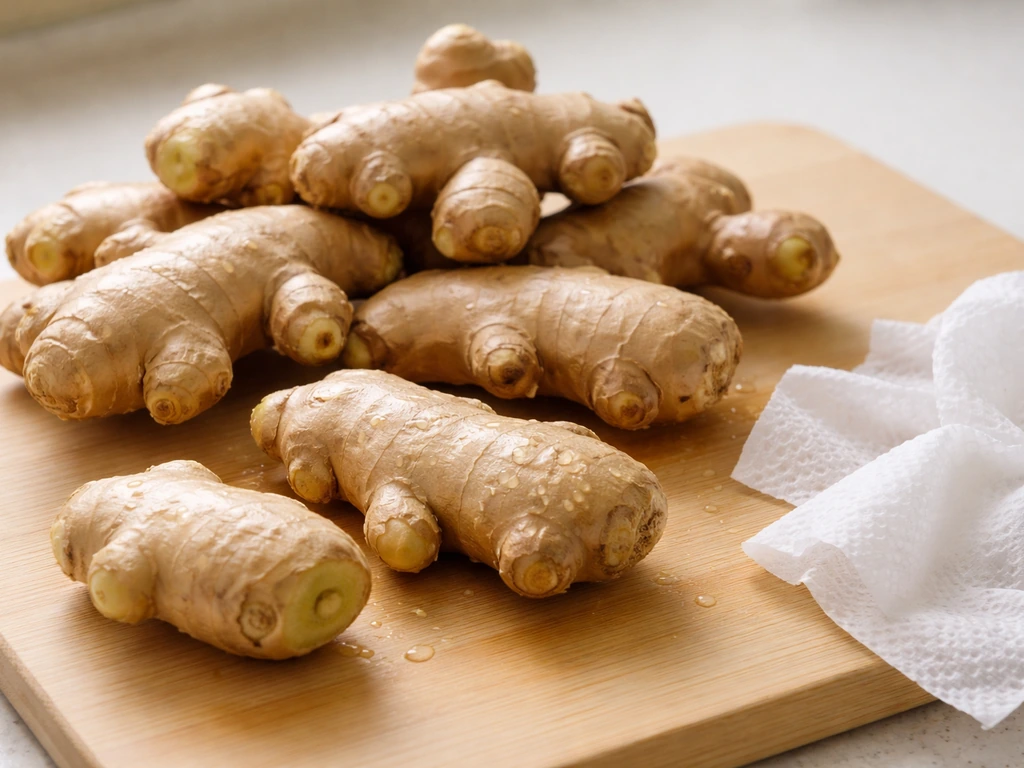
You don't need to order specialty seed ginger to get started. Grocery store ginger works, and UGA Extension specifically recommends it. Look for plump, firm rhizomes with multiple "eyes" (the small, slightly raised buds that look similar to potato eyes). Avoid anything shriveled, soft, or moldy. Organic ginger is worth seeking out because conventional ginger is sometimes treated with a sprout inhibitor to extend shelf life.
Once you have your rhizomes, wash them well to remove any residual growth retardant. Then cut them into 1 to 2 inch segments, making sure each piece has at least one or two eyes. After cutting, let the pieces sit out at room temperature for a few days so the cut surfaces callus over. That dry, slightly hardened layer dramatically reduces rot risk when you plant. Some growers also do a brief soak in a diluted hydrogen peroxide or low-concentration bleach solution before planting to knock back any surface pathogens, which is especially worth doing if you've had disease problems before.
Soil, containers, and setting up your planting space
In-ground planting
Ginger wants loose, well-draining, organically rich soil. Georgia's native clay is not it, at least not as-is. Work the bed down 10 to 12 inches and amend heavily with compost. If you have heavy clay, raise the bed or add perlite or coarse sand to open it up. A soil pH between 5.5 and 6.5 is ideal. Good drainage cannot be overstated: if your bed stays soggy after rain, you'll lose rhizomes to rot. Raised beds work extremely well for ginger in Georgia for exactly this reason.
Container planting
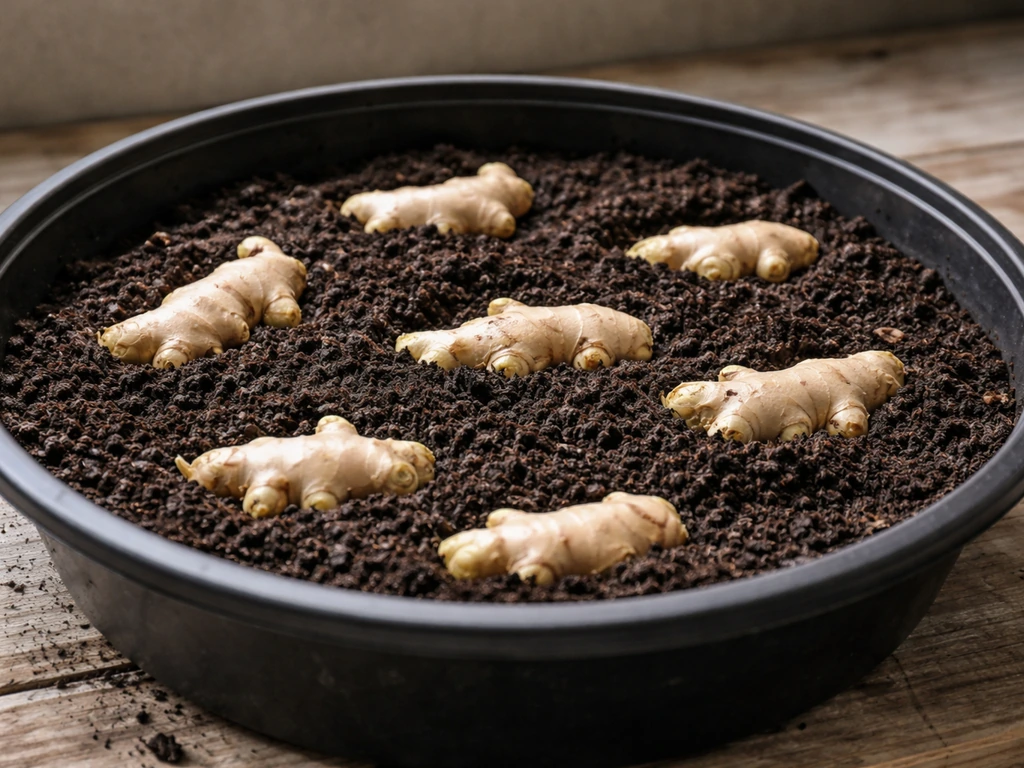
Containers are the smart move for north Georgia gardeners and for anyone who wants the flexibility to bring plants in for winter. Use a wide, shallow container rather than a deep one. Ginger spreads horizontally, not down. A pot that's at least 12 inches wide and 10 to 12 inches deep gives one to two rhizome pieces plenty of room. Larger containers (16 to 18 inches) let you plant more pieces and get a bigger yield. Use a well-draining potting mix, and make sure the container has drainage holes. I've had good luck with a mix of quality potting soil, compost, and a handful of perlite.
When to plant and how to do it step by step
Timing is everything with ginger. You want to get it in the ground after your last frost date but before the weather really heats up, so the roots can establish before summer peaks. Here's a quick reference for major Georgia cities:
| City | Approx. Last Frost | Approx. First Frost | Target Planting Window |
|---|---|---|---|
| Savannah | Feb 15 – Mar 1 | Nov 15 – Dec 1 | Early to mid-March |
| Macon | Mar 10 – Mar 20 | Nov 10 – Nov 20 | Late March to early April |
| Atlanta | Mar 15 – Mar 30 | Oct 25 – Nov 10 | Early to mid-April |
| Rome / NW Georgia | Mar 25 – Apr 5 | Oct 20 – Nov 1 | Mid to late April |
| Gainesville / NE Georgia | Apr 1 – Apr 15 | Oct 15 – Oct 25 | Mid to late April |
If you want to get a head start (and you should in north Georgia), start your rhizomes indoors in shallow trays about 4 to 6 weeks before your target outdoor planting date. Keep them somewhere warm (70 to 80°F), lightly moist, and out of direct sun. They'll sprout, and you'll transplant established shoots rather than bare rhizomes.
- Prepare your callused rhizome pieces (1 to 2 inches each, with eyes, dried for 2 to 3 days after cutting).
- Loosen your bed or fill your container with amended, well-draining soil.
- Make shallow furrows or individual holes about 2 inches deep and space them 6 to 8 inches apart.
- Place each rhizome piece with the eyes pointing up.
- Cover with about 2 inches of soil and water in gently.
- Add a thin layer of mulch to retain moisture but don't pile it on thick yet — wait until the shoots emerge.
- Keep the soil consistently moist (not soaking wet) for the first several weeks while the rhizomes establish and sprout. This can take 2 to 4 weeks.
Keeping your ginger going through the Georgia summer
Watering
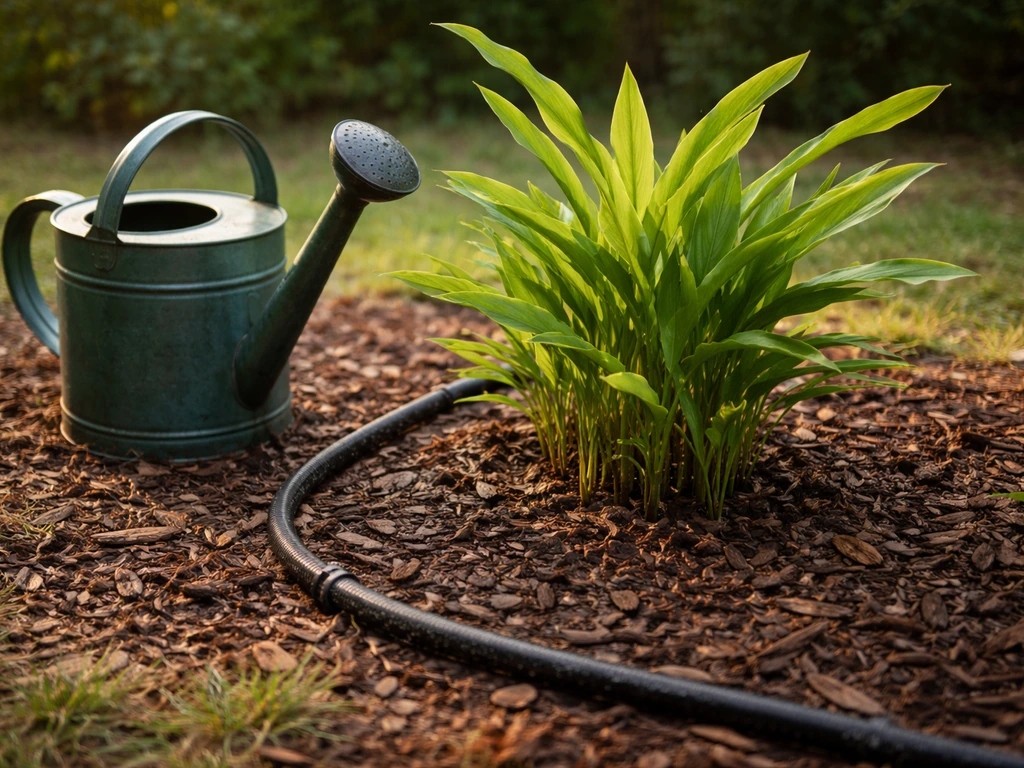
Ginger likes consistently moist soil but not wet feet. During Georgia's hot summers, you may need to water in-ground plants every 2 to 3 days during dry spells. Container plants dry out faster and may need daily watering in peak summer. Stick your finger 2 inches into the soil: if it's dry at that depth, water. If it's still moist, wait. Drip irrigation or soaker hoses under a layer of mulch work beautifully for in-ground beds.
Mulching
Mulch is one of the best things you can do for ginger in Georgia. A 3 to 4 inch layer of straw, wood chips, or shredded leaves keeps the soil moist, moderates temperature, and suppresses weeds. In late fall, you can pile on a few extra inches over in-ground plants in central Georgia as freeze insurance. For south Georgia, that mulch layer may be all the winter protection your plants ever need.
Fertilizing
Ginger is a moderate feeder. A balanced slow-release fertilizer worked into the soil at planting gives it a good start. Once plants are actively growing, a monthly dose of a balanced or slightly nitrogen-forward liquid fertilizer (fish emulsion works well) keeps growth moving. Ease off the fertilizer in late summer (August) as the plant starts slowing and moving energy back into the rhizome. You don't want to push leafy growth at the expense of rhizome development heading into fall.
Pests and disease in Georgia
Georgia's warm, humid conditions that ginger loves are also great for pathogens. Rhizome rot (caused by Pythium and Fusarium fungi) is the main disease threat, especially in poorly draining soils. Starting with clean, callused rhizomes and well-draining soil is your best prevention. Root-knot nematodes are also a real concern in Georgia gardens and can damage ginger roots. If you've had nematode problems in a bed before, containers with fresh potting mix are the safer choice.
On the pest side, watch for spider mites in hot, dry periods (they hit container plants especially hard), and aphids occasionally target the shoots. A strong spray of water handles most aphid colonies. If leaves show persistent yellowing, curling, or wilting that isn't drought stress, suspect a soil-borne disease issue and consider pulling the plant to avoid spreading it.
Harvesting, curing, and storing your ginger
When to harvest
You have two harvest options in Georgia. "Baby ginger" can be harvested as early as 4 to 6 months after planting, typically late summer. It's milder, less fibrous, and has a thin skin you don't need to peel. Full mature ginger is ready when the plant's leaves and stems start to yellow and die back, which typically happens in October to November depending on your part of the state. That die-back signals the rhizome is finishing its energy cycle and packing sugars and flavor into the roots.
How to harvest
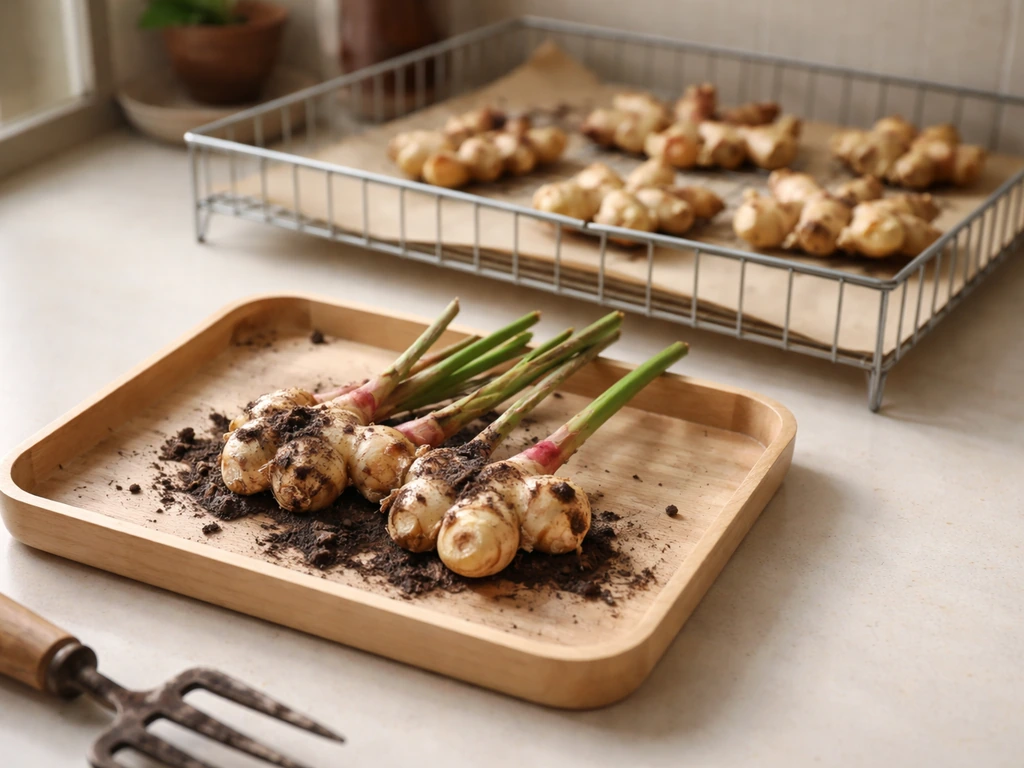
For in-ground plants, loosen the soil around the plant with a fork before pulling. For containers, tip the whole pot out and shake loose the rhizomes. Save a few healthy-looking pieces with good eyes to replant next season (or immediately if you're in south Georgia). Clean off the soil, and you're ready to cure.
Curing and storage
Fresh ginger should be cured before storage. Set the rhizomes out at room temperature in a dry, well-ventilated spot for 3 to 5 days. This toughens the skin and seals the cut surfaces, which dramatically reduces moisture loss and rot during storage. After curing, store in a cool, dry spot (around 55 to 60°F is ideal), or wrap loosely and refrigerate for up to 3 months. For longer storage, you can freeze ginger whole or grated, or dry and powder it. Baby ginger has thin skin and higher moisture content, so it doesn't store as long as mature ginger, typically 2 to 4 weeks in the refrigerator.
Realistic yield expectations
A single 1 to 2 inch rhizome piece, given a full season in Georgia, can produce 3 to 6 times its original weight in new rhizome. A standard container (12 to 14 inches) planted with 2 to 3 pieces might yield half a pound to a pound of fresh ginger. An in-ground bed with good soil and care can produce several pounds from a modest planting. Your first year results will probably be modest as you dial in your site and timing, and that's completely normal.
Your best approach based on where you are in Georgia
If you're in south Georgia (zones 8b to 9a): plant in-ground in March, mulch in fall, and let the rhizomes overwinter in place. You're in the most favorable part of the state for ginger and can essentially treat it as a perennial with good mulching.
If you're in central Georgia (zones 7b to 8a): in-ground growing works well for the season. Plan to either harvest before first frost or mulch heavily (4 to 6 inches) to protect rhizomes through winter. Save a few rhizomes indoors as insurance.
If you're in north Georgia or the Atlanta metro (zones 6b to 7a): start rhizomes indoors in early March, plant out in mid to late April, and either harvest in October or bring container plants inside before your first frost. If you're wondering can you grow ginger in North Carolina, the timing and container strategy are very similar to north Georgia. Containers are your safest bet.
The growing window is tighter here than in the Carolinas to the north and east, but still very workable. If you're curious how Georgia compares to Virginia or North Carolina, the core approach is similar, but Georgia's longer season gives you a meaningful advantage, especially if you're in the central or southern part of the state.
Bottom line: ginger is absolutely worth growing in Georgia. If you're wondering can you grow ginger in New York, the key is planning around your shorter growing season and using containers or indoor starts for best results. It's one of the easier warm-climate specialty crops to pull off here, and the state's heat and humidity are assets rather than obstacles. Get your drainage right, start at the right time for your region, and you'll have fresh homegrown ginger to work with by fall. If you're wondering can you grow ginger in Maine, the key is using the right setup for colder winters, like containers and timing your planting for the short season.
FAQ
Can you grow ginger in Georgia year-round outdoors?
In-ground, you can keep it going through winter mainly in south Georgia and the coast with mulch, but most of Georgia will need either heavy freeze protection or a winter strategy. In central and north Georgia, plan on digging rhizomes before a hard freeze or growing in containers you can move indoors when temperatures drop.
What’s the best way to protect ginger from Georgia’s winter if you don’t want to dig it up?
Use a deep mulch layer and keep it dry. For marginal zones, pile 4 to 6 inches of straw or shredded leaves after late fall, then ensure the bed drains so it does not stay soggy during winter rains.
How do I know if my ginger rot problem is from overwatering or something else?
Rot typically starts with a soft, foul-smelling rhizome and can spread quickly in soggy soil. If leaves yellow but soil stays consistently wet, suspect drainage first, then review your rhizome callusing and whether cut surfaces were allowed to dry before planting.
Do I need to peel ginger before planting store-bought rhizomes?
Peeling is not recommended. Plant the rhizome with its eyes intact. You can wash thoroughly, but leave the outer skin so the buds remain viable.
Can I reuse soil from a previous garden bed for ginger in Georgia?
It’s safer to refresh. If you had issues like root-knot nematodes or persistent rot, avoid reusing the same soil or use containers with fresh potting mix. Ginger is sensitive to problems that build up when beds stay in place year after year.
What container size is actually the minimum for ginger in Georgia?
For one to two planted pieces, a pot at least 12 inches wide and 10 to 12 inches deep works. Smaller pots often constrain rhizome expansion and dry out too fast, which can lead to weaker yields and more mite pressure.
Is partial shade enough, or should I aim for afternoon shade in Georgia?
Aim for dappled light or afternoon shade, especially inland where summer sun can be harsh. All-day direct sun can scorch leaves and stresses plants, even though ginger handles heat well when the roots are kept cool and soil moisture is steady.
When should I stop fertilizing in Georgia to get bigger rhizomes?
Ease off in late summer, around August, then let plants focus on rhizome development. Continuing heavy feeding too late can encourage leafy growth and delay proper energy storage into the rhizomes before cooler weather.
Can I harvest baby ginger and still grow full ginger later?
Yes, but be strategic. Baby ginger harvests are typically mild and come from earlier rhizome development, so if you want full-size roots later, harvest lightly and avoid removing most of the rhizomes early. Leaving enough intact growth helps the plant rebuild for a later harvest.
What’s a simple test to confirm drainage is good enough before planting ginger?
After watering, check whether the bed stays wet for days. If soil remains soggy after rain or puddles form, raise the bed and amend with compost plus coarse material (like perlite or sand). Ginger rot risk rises quickly when the rhizome zone stays wet.
Can ginger grown in containers be left outside all winter in Atlanta or north Georgia?
Usually not without risk. Bring containers inside or tightly protect them before hard freezes, because a container freezes faster than an in-ground bed. If you must overwinter outdoors, insulate the pot well and keep it in a location sheltered from wind and excess winter rain.
How long should I cure ginger after digging it in Georgia before storage?
Give it 3 to 5 days in a dry, well-ventilated spot at room temperature. Skipping curing increases moisture loss and rot during storage, especially for baby ginger with thinner skin, which also shortens its shelf life.
Next Articles
Can You Grow Ginger in North Carolina? How To Do It
Yes with the right conditions: grow ginger in North Carolina using warm, well-drained soil or containers, care and harve
Can You Grow Ginger in Pennsylvania? How to Succeed
Grow ginger in Pennsylvania with the right warm, light, and moisture setup using containers or indoor-start steps and ha
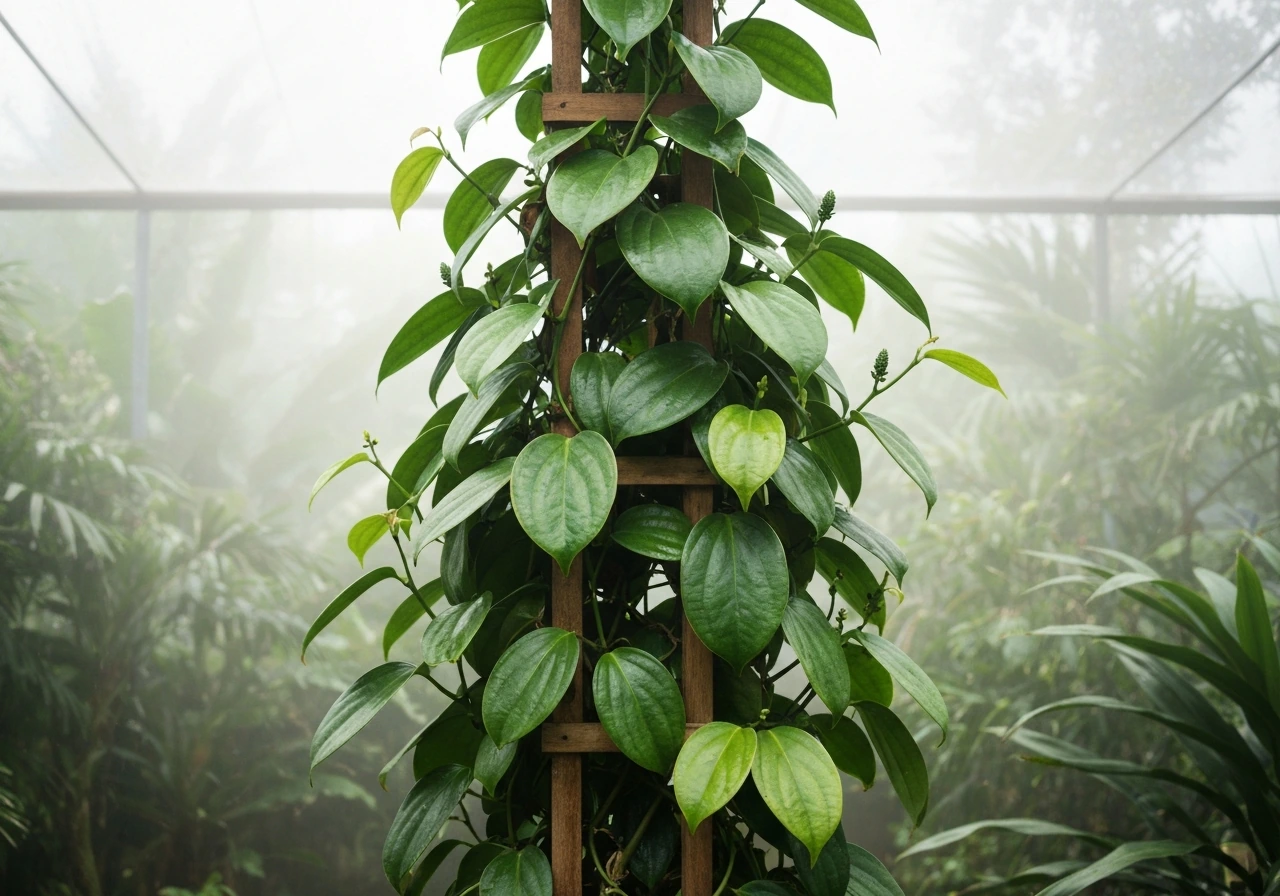
Can You Grow Black Pepper in the US Where and How
Learn where black pepper can be grown in the US and how to grow it indoors or in warm zones for fruit.