
Yes, you can grow ginger in Virginia, but you need to treat it almost entirely as an annual and plan around the state's relatively short warm season. Virginia doesn't have the long tropical summers ginger prefers, so most gardeners here won't pull monster rhizomes out of the ground in October. What you will get, if you start early and manage the growing season well, is a real harvest of fresh ginger from a container or a sheltered garden bed. Georgia gardeners can use the same approach: start early indoors, keep soil warm, and prioritize drainage grow ginger in Georgia. The approach that works best depends heavily on which part of Virginia you're in.
Can You Grow Ginger in Virginia? How to Plant and Harvest

Marcus Petersen
18 Jun 2026
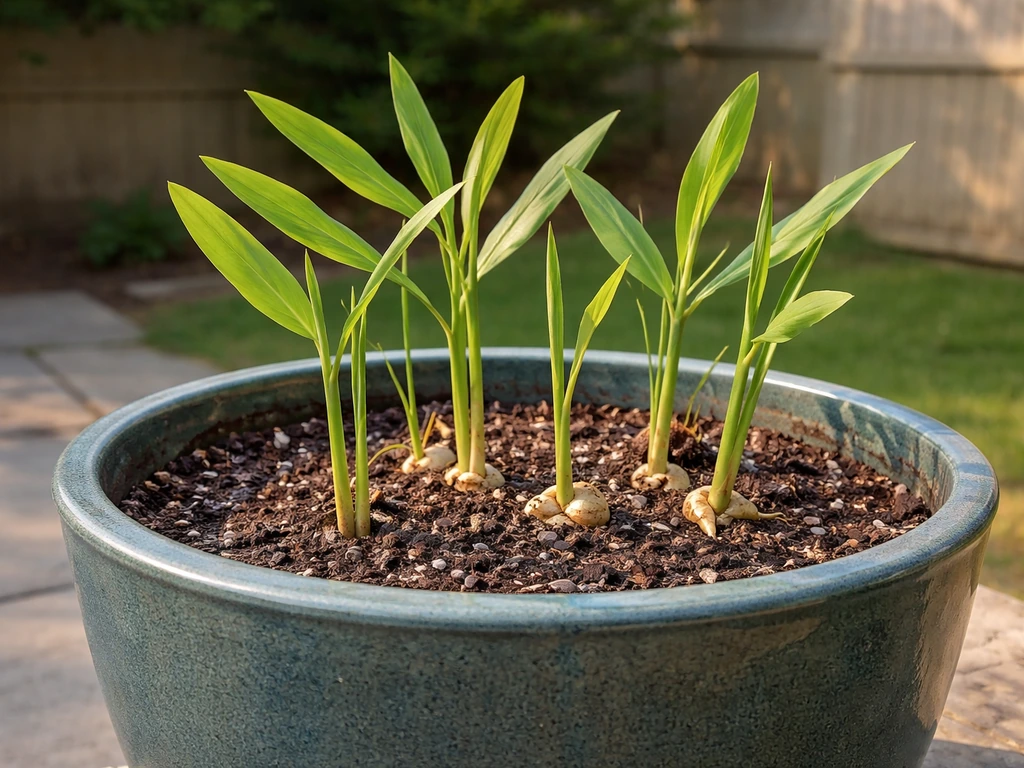
Virginia's climate fit and where ginger grows best
Virginia spans USDA Plant Hardiness Zones 5b through 8a, which is a huge range. The Tidewater and Hampton Roads areas in Zone 8a are genuinely mild and give ginger a long enough outdoor window to produce a decent harvest in the ground with minimal fuss. Northern Virginia and the Shenandoah Valley fall in Zones 6b to 7a, where growing ginger is doable but requires more planning. Once you get into the western mountains (Zone 5b to 6a), the season gets tight enough that outdoor ginger in the ground is more of a gamble than a reliable crop.
Ginger is a tropical perennial, but in Virginia it behaves as an annual because our winters kill it back to the ground (or outright kill the rhizomes if they freeze solid). The key constraint isn't just frost dates, it's the combination of needing soil temperatures above 55°F to sprout and wanting 8 to 10 months of warm growing time to reach full maturity. Most of Virginia can't provide that outdoors without a head start indoors. Coastal and piedmont gardeners are in the best position; mountain gardeners should lean heavily on containers and indoor starts.
Choosing the right ginger type and sourcing planting rhizomes
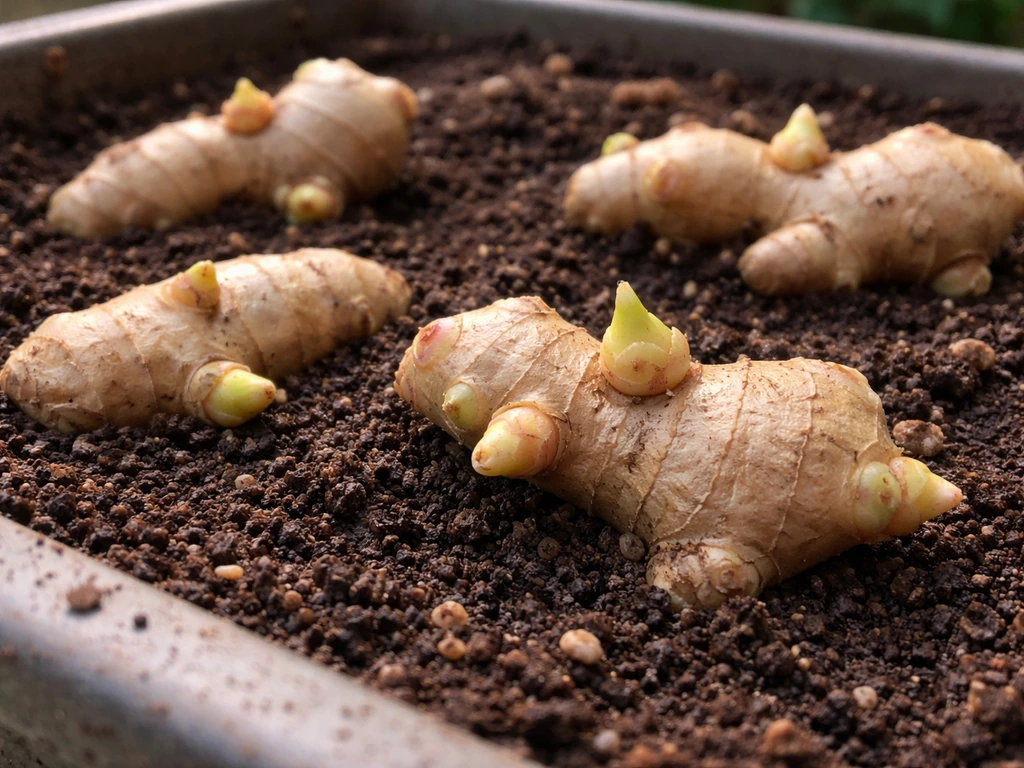
For culinary ginger (Zingiber officinale), the kind you cook with, your two sourcing options are grocery store ginger and certified seed rhizomes. Grocery store ginger can work, and I've used it myself, but there's a catch: it's often treated with a growth inhibitor to prevent sprouting on shelves. Organic grocery ginger is less likely to be treated and tends to sprout more reliably. That said, the cleanest option is buying untreated seed rhizomes from a reputable seed company or garden supplier. These are bred and selected for growing, not just for sale by the pound.
Whatever you source, look for firm, plump rhizomes with visible growth buds (sometimes called eyes), which look like small nubs or slightly greenish bumps on the surface. Shriveled, soft, or moldy rhizomes are not worth planting. If you're buying fresh from a grocery store for the first time, soak the pieces overnight in warm water before planting to help break any dormancy or inhibitor residue.
Beyond common culinary ginger, there are ornamental ginger relatives that are hardier, but those won't give you edible rhizomes worth cooking with. If you want fresh ginger for the kitchen, stick with Zingiber officinale and accept that it needs some extra care in Virginia.
Soil, light, and container vs in-ground setup in Virginia
Ginger wants loose, loamy, well-draining soil with plenty of organic matter. It does not tolerate waterlogged conditions at all. Root rot from soggy soil is the number-one way ginger dies in Virginia gardens, so drainage is non-negotiable regardless of whether you grow in a container or a bed.
For most Virginia gardeners, containers are the smarter choice, and here's why: they let you start earlier indoors, protect the plant when temperatures dip unexpectedly in spring or fall, and make overwintering much simpler. In Maine, you can still grow ginger, but you will almost always need that indoor head start and careful temperature management start earlier indoors. Use a wide, shallow pot (at least 12 to 14 inches wide and 12 inches deep) rather than a deep narrow one. Make sure it has drainage holes in the bottom, and never let the pot sit in standing water. A saucer under the pot is fine as long as you empty it after rain.
If you're in the warmer parts of Virginia (Tidewater, parts of the Northern Neck, southern piedmont), in-ground growing is a real option. Amend your bed heavily with compost, choose a spot that drains well after heavy rain, and pick somewhere that gets partial shade in the afternoon heat of summer. Ginger is a forest understory plant in the wild and does well with dappled or indirect light for part of the day. It can handle morning sun but appreciates some afternoon relief, especially in Virginia's humid August heat. Full dense shade slows growth significantly, so aim for bright indirect light or morning sun plus afternoon shade.
| Factor | Container Growing | In-Ground Growing |
|---|---|---|
| Best for | All of Virginia, especially Zones 5b–7a | Warmer parts of Virginia, Zones 7b–8a |
| Drainage control | Easy to manage with proper pot setup | Depends entirely on native soil quality |
| Season extension | Move indoors in spring/fall for extra weeks | Limited, need row cover or cold frame |
| Overwintering | Bring inside or store dormant rhizomes | Risky, only possible with heavy mulch in mild zones |
| Yield potential | Moderate, limited by pot size | Higher potential with proper bed prep |
| Effort level | Medium (more monitoring needed) | Lower once established in good soil |
My recommendation for most Virginia home gardeners: start in containers. You can always transplant into the ground later in the season once things warm up, and you get the flexibility to protect the plant at both ends of the season when Virginia weather doesn't cooperate.
Planting timing, sprouting, and spacing guidance
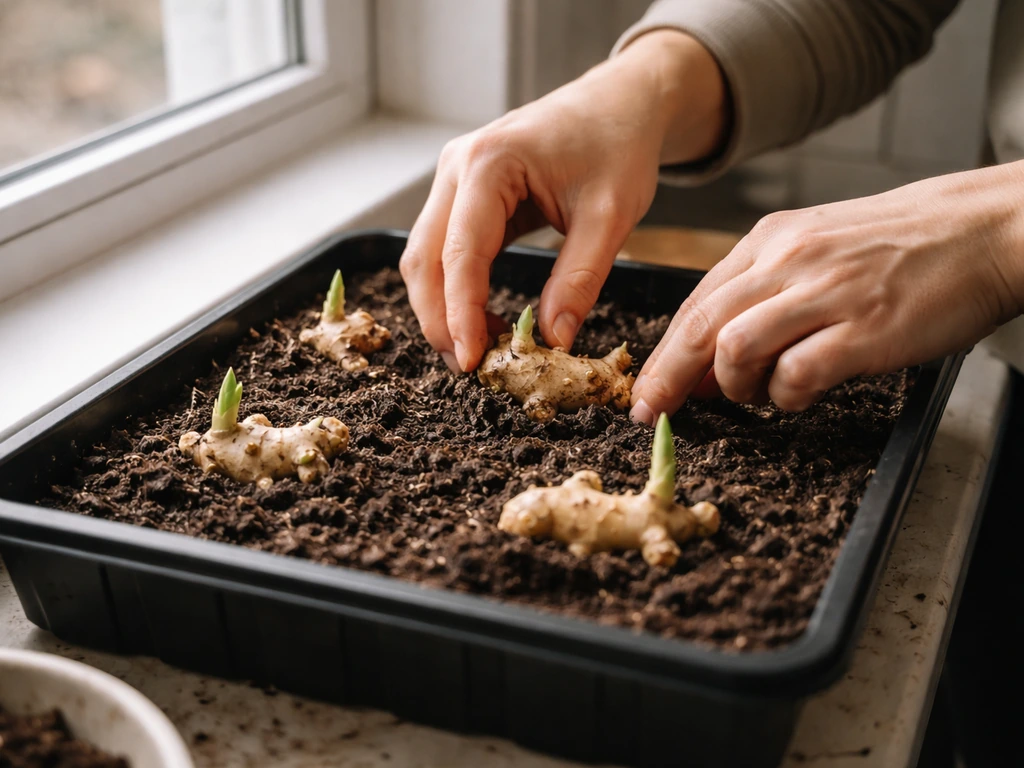
Timing is where a lot of Virginia growers go wrong. Ginger needs 8 to 10 months from planting to a mature harvest. If you plant outdoors in May and dig up in October, that's only 5 months, which means smaller, younger rhizomes. The fix is to start indoors in late February or early March, giving the rhizomes a head start of 4 to 6 weeks before the outdoor season even begins.
To sprout rhizomes indoors, lay them in a shallow tray or container with about 3 inches of moist, well-drained potting mix underneath. Place pieces so they aren't touching, with any visible growth buds pointing upward, then cover with a few more inches of mix. Keep the tray somewhere warm, ideally 68°F or above. At this sprouting stage, the rhizome doesn't need light, but it absolutely needs warmth. A heat mat under the tray speeds things up noticeably. Once green shoots emerge and reach a couple of inches tall, the plant is ready for more light.
For spacing, plant individual rhizome pieces 6 to 8 inches apart, buried 4 to 6 inches deep depending on the size of the piece. In a container, you can fit 2 to 3 pieces in a 14-inch pot. In a bed, give each piece its room so the rhizomes have space to expand outward as they grow.
Once outdoor soil temperatures consistently stay above 55°F (usually late April in central Virginia, early to mid-May in cooler regions), you can move container-started plants outside or transplant sprouted rhizomes to a prepared bed. In New York, you’ll usually need the same container or indoor-start approach because the outdoor warm season is shorter. If you're moving straight from an indoor start to a warm garden bed, harden the plants off over a week by putting them outside in a sheltered spot for a few hours a day before leaving them out full-time.
Care during the growing season
Watering
Ginger likes consistent moisture but punishes overwatering harshly. For in-ground plants, water deeply when the top inch or two of soil feels dry, and make sure the water drains away rather than pooling. For containers, water thoroughly until it drains from the bottom holes, then let the soil partially dry before watering again. You should never have the pot sitting in soggy soil. As fall approaches and temperatures start to drop, pull back on watering deliberately. This signals the plant to put energy into the rhizome rather than foliage, which is exactly what you want before harvest.
Mulching
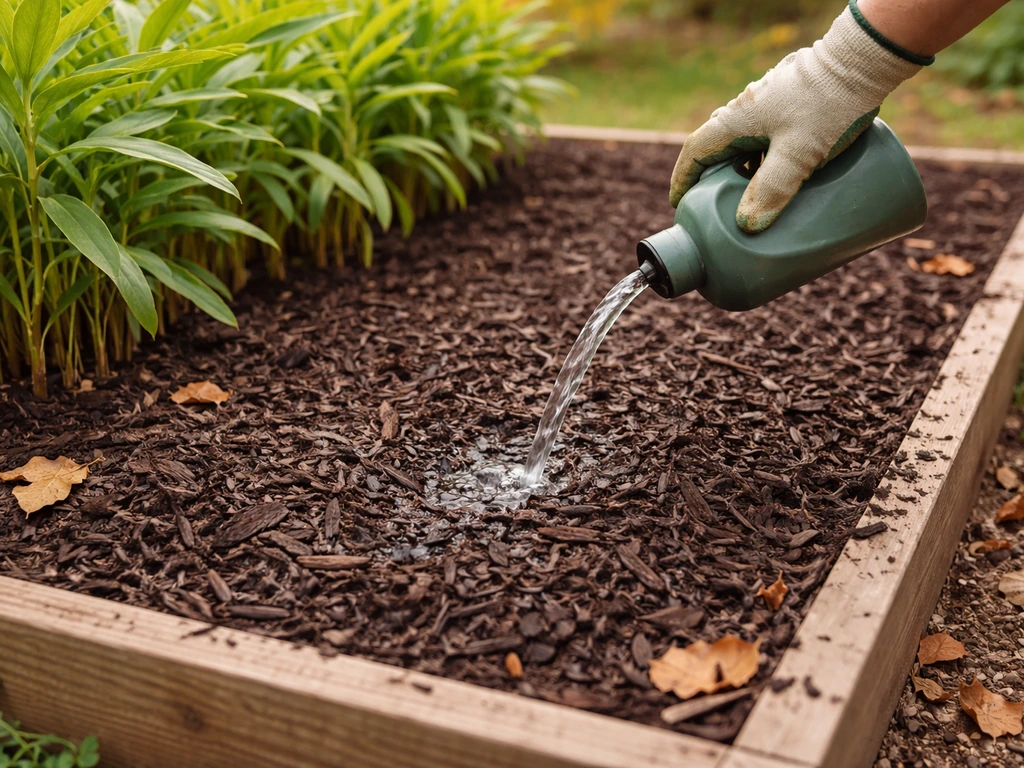
A 2 to 3 inch layer of mulch (straw, shredded leaves, or wood chips) around the base of in-ground ginger plants does two important things in Virginia: it holds soil moisture during the hot, drier stretches of July and August, and it moderates soil temperature swings. Container plants benefit less from mulch but can get a thin layer on top of the potting mix to slow surface evaporation.
Feeding
Apply a general-purpose liquid fertilizer every two to three weeks throughout the growing season. Container plants need this more consistently than in-ground plants because nutrients leach out faster through frequent watering. After heavy rain events, an extra dose for in-ground plants is a good idea since nitrogen especially washes away quickly in Virginia's clay-heavy soils. Back off fertilizing in late September as the plant heads toward dormancy.
Harvesting ginger in Virginia and expected yields
You have two harvest windows. Baby ginger (also called young ginger) can be harvested at around 4 to 6 months from planting. These rhizomes are smaller, pink-tinged, milder in flavor, and have thin skin that doesn't need peeling. They're delicious but not as intense as mature ginger. Mature ginger, the fibrous, spicy, papery-skinned kind you're used to from the grocery store, takes 8 to 10 months and requires that indoor head start to hit that window in Virginia.
The rule is to harvest as late as possible before a hard freeze. In Virginia, that usually means mid to late October for central and northern areas, and potentially into November in Tidewater. Watch the forecast and don't gamble on a hard freeze catching the rhizomes in the ground. Once the foliage yellows and begins to die back naturally, that's your signal that the plant is wrapping up and the rhizome is ready.
Yield expectations should be realistic. A single rhizome piece planted in a 14-inch container might return 3 to 6 times its original weight in young ginger, or produce several mature-sized hands by fall with a good indoor head start. In-ground plants in a well-amended bed in southern Virginia can yield more. Don't expect grocery-store-quantity harvests from a first-year attempt, but you will get enough for cooking and enough rhizomes to replant next year.
Common problems and troubleshooting
Root rot
Root rot caused by Pythium or Phytophthora fungi is the most common serious problem with ginger in Virginia. It's triggered by overwatering or poor drainage, both of which are easy to create accidentally. Signs include yellowing leaves, wilting even when the soil isn't dry, and soft or mushy rhizomes when you dig them up. There's no good rescue once rot takes hold in a significant portion of the rhizome. Prevention is everything: well-draining soil or mix, containers with proper holes, and disciplined watering habits. If you catch it early with only one affected rhizome section, remove and discard the rotted part and let the soil dry out more between waterings.
Slow or no sprouting
If your rhizomes just sit in the soil for weeks without showing any growth, the culprit is almost always temperature. Below 55°F soil temperature, ginger essentially stalls. I've started batches too early on a warm March day and wondered why nothing happened for six weeks, then realized my garage (where I stored them) was dropping to 50°F at night. Get a cheap soil thermometer and confirm your indoor sprouting spot is consistently above 68°F. Grocery store ginger treated with a growth inhibitor can also be stubborn, which is another reason to soak it overnight before planting.
Pests and other disease
Good news here: ginger in Virginia has very few serious pest problems. Aside from root rot, you're unlikely to encounter significant insect or disease pressure. Spider mites can occasionally appear on indoor-grown plants in dry conditions, and slugs might graze on young shoots in a shaded garden bed, but neither is a major threat. Keep foliage dry (water at the base, not overhead) and maintain good air circulation to minimize fungal issues on the leaves.
Overwintering and replanting for next year
This is where Virginia gardeners have to make a real decision. In most of the state, ginger cannot survive winter outdoors without serious protection, and even then it's a gamble. Here's how to handle it by situation.
For container growers, the simplest approach is to bring the entire pot indoors before the first frost, usually in October. Cut the foliage back, stop watering almost entirely, and store the pot in a cool but frost-free spot (a basement at 50 to 60°F works well). The rhizomes go dormant and wait out winter. In late February or early March, resume light watering and move to a warm spot to trigger regrowth. This is your next year's planting stock.
Alternatively, you can harvest all the rhizomes in fall, select the firmest and most bud-laden pieces, let them dry in a cool spot for a day or two, then store them in slightly moist vermiculite or peat in a paper bag in a cool (but above 50°F) location through winter. Replant in late winter indoors to restart the cycle.
For in-ground growers in Zone 7b and 8a, there is a third option: cut back the foliage after a frost kills it, then cover the bed with 6 to 8 inches of dry mulch and a waterproof cover (like a tarp weighted at the edges) to prevent the soil from becoming waterlogged through winter rain and snow. This can work in Tidewater-area winters where hard freezes are rare and short-lived. But it's risky in colder parts of Virginia.
If you lose the rhizomes to a cold snap in January, that's the whole planting stock gone. I wouldn't risk it north of the Richmond area without backup rhizomes stored safely indoors. For a similar reason, gardeners asking can you grow ginger in North Carolina should assume they will need containers and an indoor start to stay safely warm enough north of the Richmond area.
Virginia is a tougher climate for ginger than, say, Georgia or North Carolina, but it's far more workable than states like Maine or even Pennsylvania where the cold window is longer and harder. If you're also wondering can you grow ginger in Pennsylvania, the key is planning around the longer, colder winter and using containers or indoor starts to keep it going. If you're on the Virginia-North Carolina border in Zone 8a, you're in genuinely favorable territory.
If you're in the western mountains closer to Zone 6, treat ginger as a container annual and don't overthink overwintering: just bring it in, store it, and start fresh in late winter. The effort is worth it for the satisfaction of pulling your own fresh ginger out of a pot you grew yourself.
FAQ
If I’m in Virginia and want the biggest mature harvest, should I grow ginger in the ground or stick with containers?
For maximum odds in Virginia, containers are usually the safer choice because you can control warmth in spring and protect from unexpected dips in fall. In-ground can work mainly in Tidewater and the mildest piedmont spots, but only if your bed stays well-drained and you can monitor nighttime soil temperature. If you want “grocery-store sized” rhizomes, prioritize an indoor head start plus a container that can run warm early.
Can I grow ginger from store-bought ginger, even if it does not sprout right away?
Yes, but be patient and verify temperature first. If weeks go by with no shoots, soil temperatures are likely too cool (below about 55°F). Soaking pieces overnight helps, but it won’t overcome cold. Use a soil thermometer and keep the indoor sprouting area consistently warm, ideally 68°F or higher, before assuming the rhizome is nonviable.
How do I prevent root rot if my Virginia soil is heavy or I’m growing in containers outdoors?
Focus on drainage and watering discipline. Use a pot mix that drains freely, never let the container sit in runoff, and water only after the top portion of the mix dries slightly. If you notice yellowing and wilting while the surface looks moist, dig one section to check for softness. In beds with clay, raised or amended mounds and careful site selection matter, because ginger cannot tolerate waterlogged conditions at any point.
What container size and potting mix gives ginger the best chance in Virginia?
Use a wide, shallow container (at least 12 to 14 inches across, 12 inches deep) with drainage holes, because ginger spreads outward more than downward. Avoid “garden soil” straight into pots. A loose, loamy potting mix with plenty of organic matter but excellent drainage is key. If runoff sits in the bottom, the pot needs a different mix or better drainage setup.
When should I move ginger outdoors in Virginia, and how should I harden it off?
Wait until outdoor soil temperatures stay above about 55°F, which usually lands in late April for central Virginia and early to mid-May farther north. Before full-time outdoor placement, harden plants for about a week by increasing outdoor time gradually in a sheltered spot, so leaves do not get chilled or stressed by sun and wind. If nights are still cool, keep the plants covered or delay transplanting.
Is it better to harvest baby ginger or wait for mature ginger in Virginia?
Choose based on your timeline. Baby ginger can pay off sooner (around 4 to 6 months) if you’re tight on warm-season length or you want a reliable first-year harvest. Mature ginger needs the full 8 to 10 months plus the indoor head start to build thicker, papery-skinned rhizomes. If your indoor start slipped or spring was cool, baby harvest may be the better plan.
What do I do with my ginger plants if frost is coming earlier than expected?
Plan to harvest before a hard freeze hits. Once foliage yellows and naturally begins dying back, that’s your signal the rhizomes are ready. If a cold snap is forecast early, don’t wait for the “typical” mid to late October timing, because freezing can damage rhizomes in the ground. With container plants, you can also bring pots indoors slightly earlier as a backup.
Can I regrow ginger from my own harvested rhizomes in Virginia without buying seed again?
Yes. Select firm, budded rhizome pieces and overwinter them using the same approach described for containers. For containers, let plants go dormant by reducing watering and storing in a cool, frost-free area, then restart in late winter. For stored rhizomes, keep them cool above 50°F and slightly moist in an appropriate medium, so they stay alive but not actively growing.
Why did my ginger leaves look fine, but nothing grew underground?
Most commonly, the rhizomes never got warm enough for sustained growth. Below about 55°F soil temperature, ginger stalls. Also check your indoor setup if you started early, some garages or cool rooms drop nighttime temperatures enough to slow everything. If you used growth-inhibitor grocery ginger, it may also take longer to break dormancy, which is why pre-soaking and warmth are important.
Do I need to feed ginger heavily, or will compost alone be enough?
Compost alone is often not enough for full results in Virginia. Ginger benefits from regular feeding with a general-purpose liquid fertilizer about every 2 to 3 weeks during active growth. Container plants usually need more consistent nutrition because frequent watering leaches nutrients faster. Stop fertilizing in late September as the plant heads toward dormancy.
How can I tell the difference between early dormancy and a problem like rot?
Early dormancy is usually associated with natural yellowing and decline as temperatures drop, then the rhizomes remain firm. Rot is more likely when plants wilt while soil is not drying well, and when dug rhizomes feel soft, mushy, or show discolored sections. If you suspect rot, remove affected sections immediately, improve drainage, and let the remaining mix dry more between waterings.
Will ginger grow in partial shade, and what’s the risk if my Virginia summer gets very humid?
Ginger does best with dappled or bright indirect light, morning sun with afternoon shade, and it tolerates partial shade well. High humidity increases the importance of avoiding soggy soil and improving air flow around foliage, especially indoors or in dense plantings. Water at the base rather than overhead to reduce leaf wetness, which can contribute to fungal leaf issues.
Next Articles
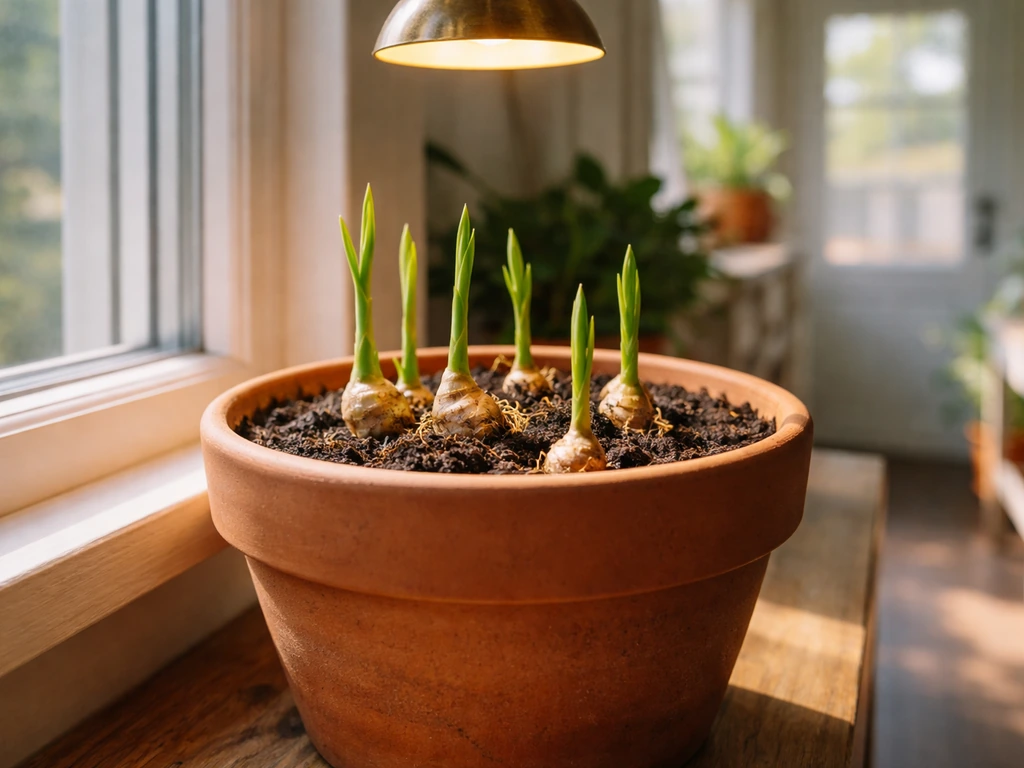
Can You Grow Ginger in Maine? How to Do It Step by Step
Answer if you can grow ginger in Maine and follow a step-by-step indoor or protected setup for harvest-ready rhizomes.
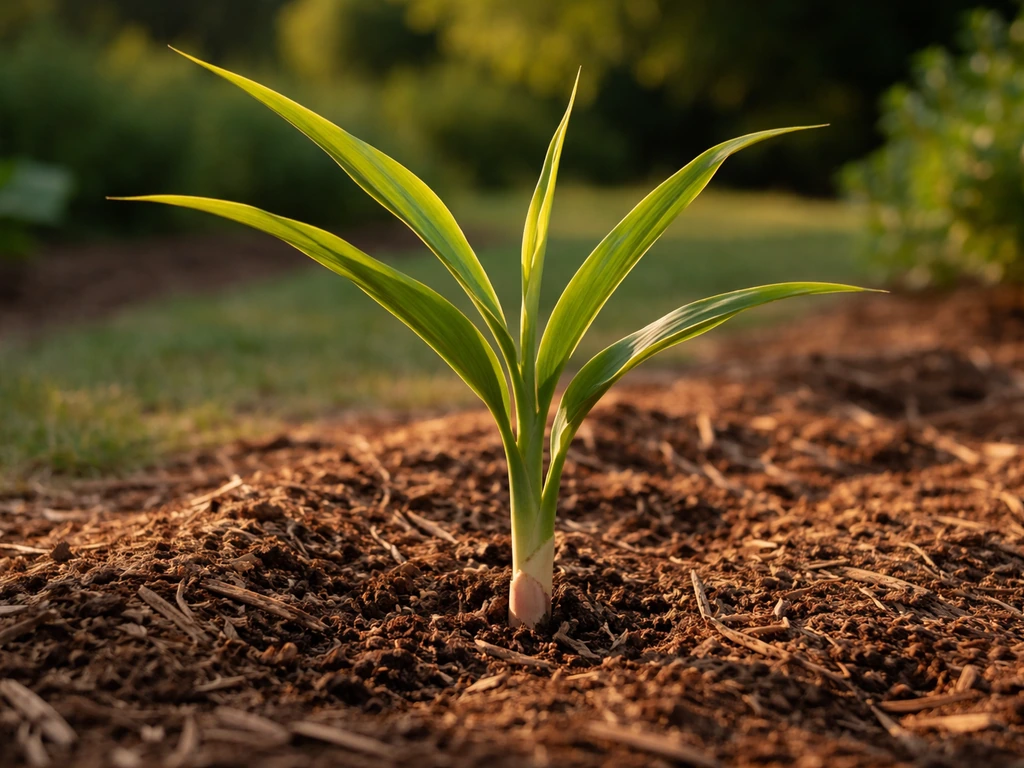
Can You Grow Ginger in Georgia? Complete How-To Guide
Step-by-step guide to grow ginger in Georgia, from rhizomes to harvest, with site, timing, watering, pests, and storage.
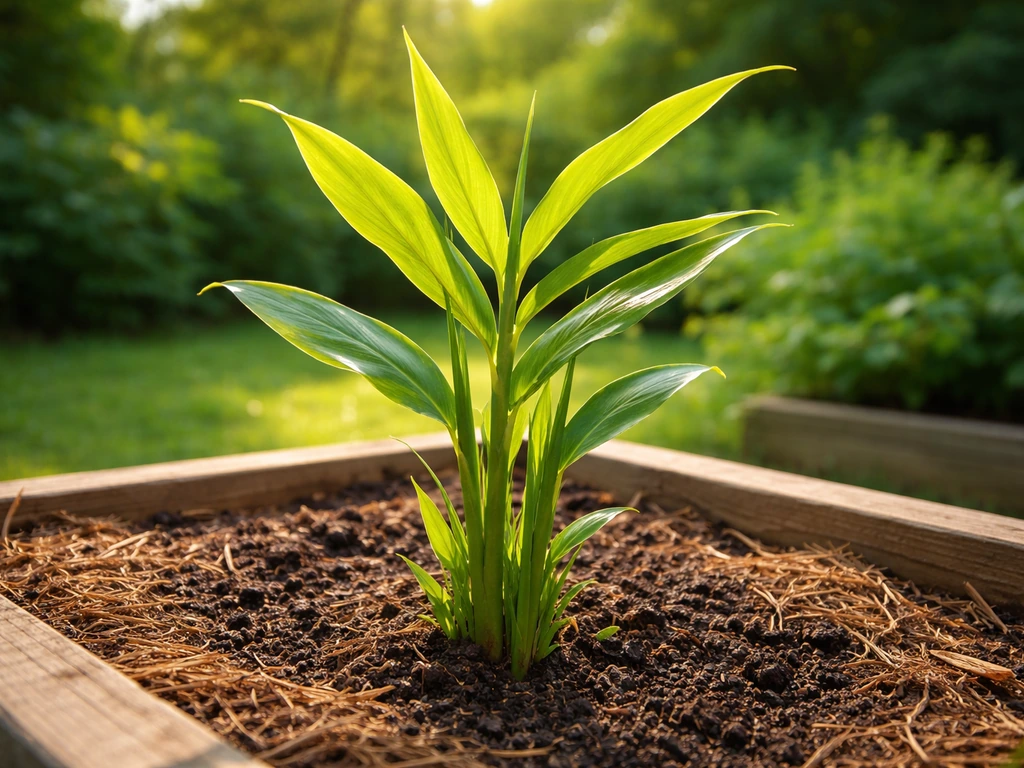
Can You Grow Ginger in North Carolina? How To Do It
Yes with the right conditions: grow ginger in North Carolina using warm, well-drained soil or containers, care and harve